



 Thomas Chardon


 Malaysia
-
Nº82
 Date: 2017-01-25 - 11:00
-
 Max Depth: 20.9m Duration: 67mins
Pictures

No pictures for this dive
- Dive type : Recreational, Deep dive, Drift, Reef
- Visibility: Good Water: Salt
Specific gear used
- Weights: 2 kg
Recent Divers in Mabul
Recent Pictures in Mabul
Dive Shop & Buddies
 Dive with Scuba Junkie

Link to this spot:
- Spot:
- Country:
- Area:
- Body of water:
Dive Profile
- 1. Air
- 12L Steel
- Average depth: 13.1m
Data provided by EOL.org




Species Identified
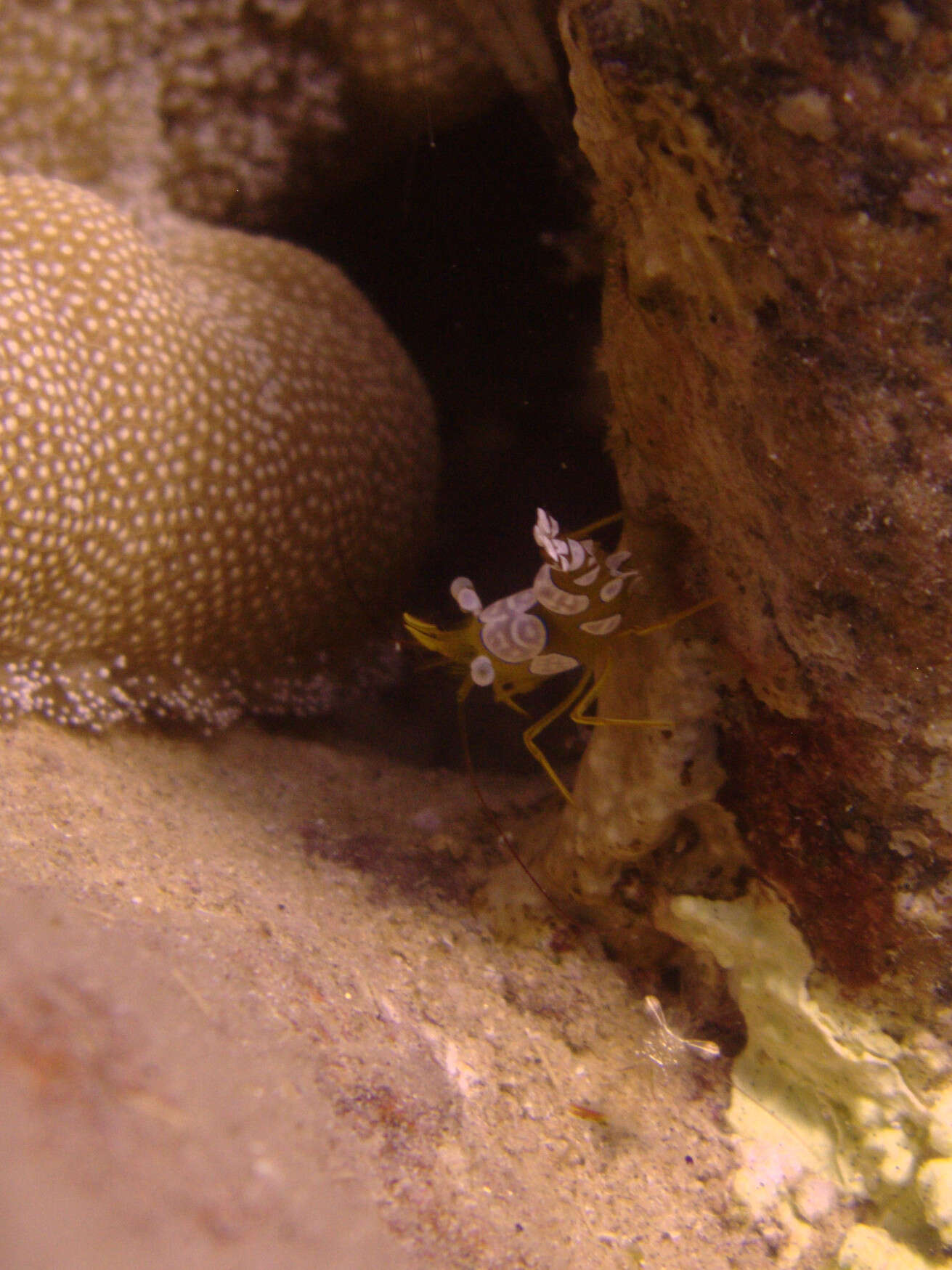
Thor amboinensis (De Man, 1888) (squat anemone shrimp)
Vir philippinensis Bruce and Svoboda, 1984
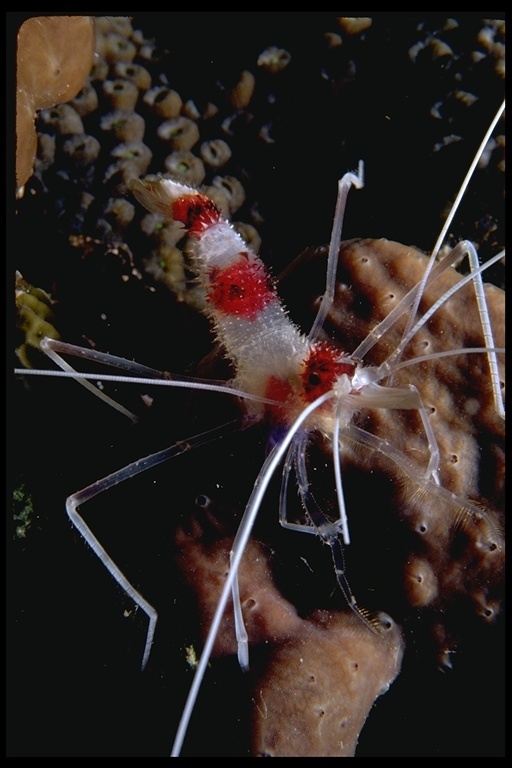
Stenopus hispidus (Olivier, 1811) (banded coral shrimp)
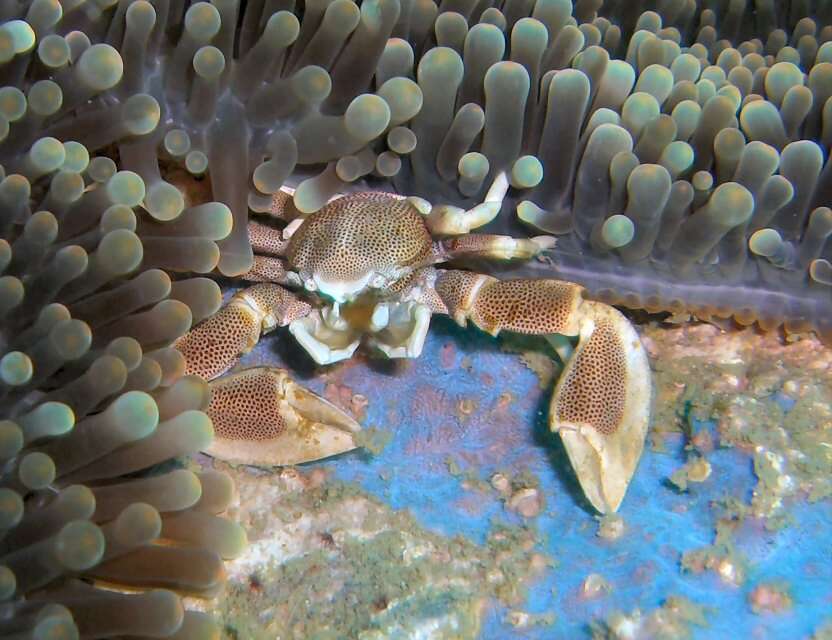
Neopetrolisthes maculatus (H. Milne Edwards, 1837) (porcelain anemone crab)
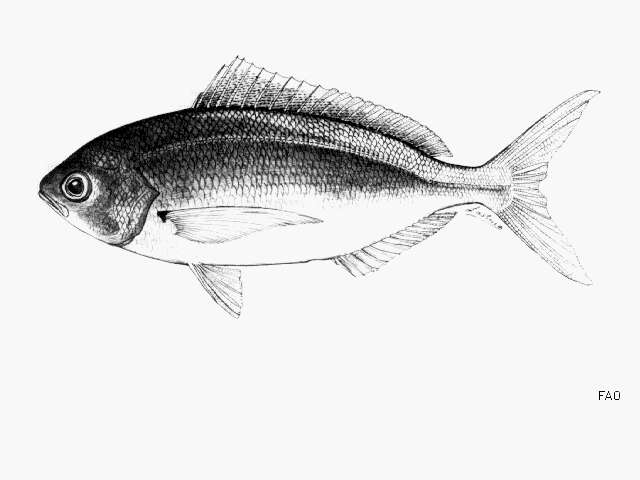
Caesio teres Seale, 1906 (Yellow and blueback fusilier)
Found primarily around coral reefs, with a preference for coralline lagoons. Feeds on zooplankton in large midwater groups. Forms schools with other caesionids. Migrates to select areas around the reef to spawn near the...
Read More
Read More
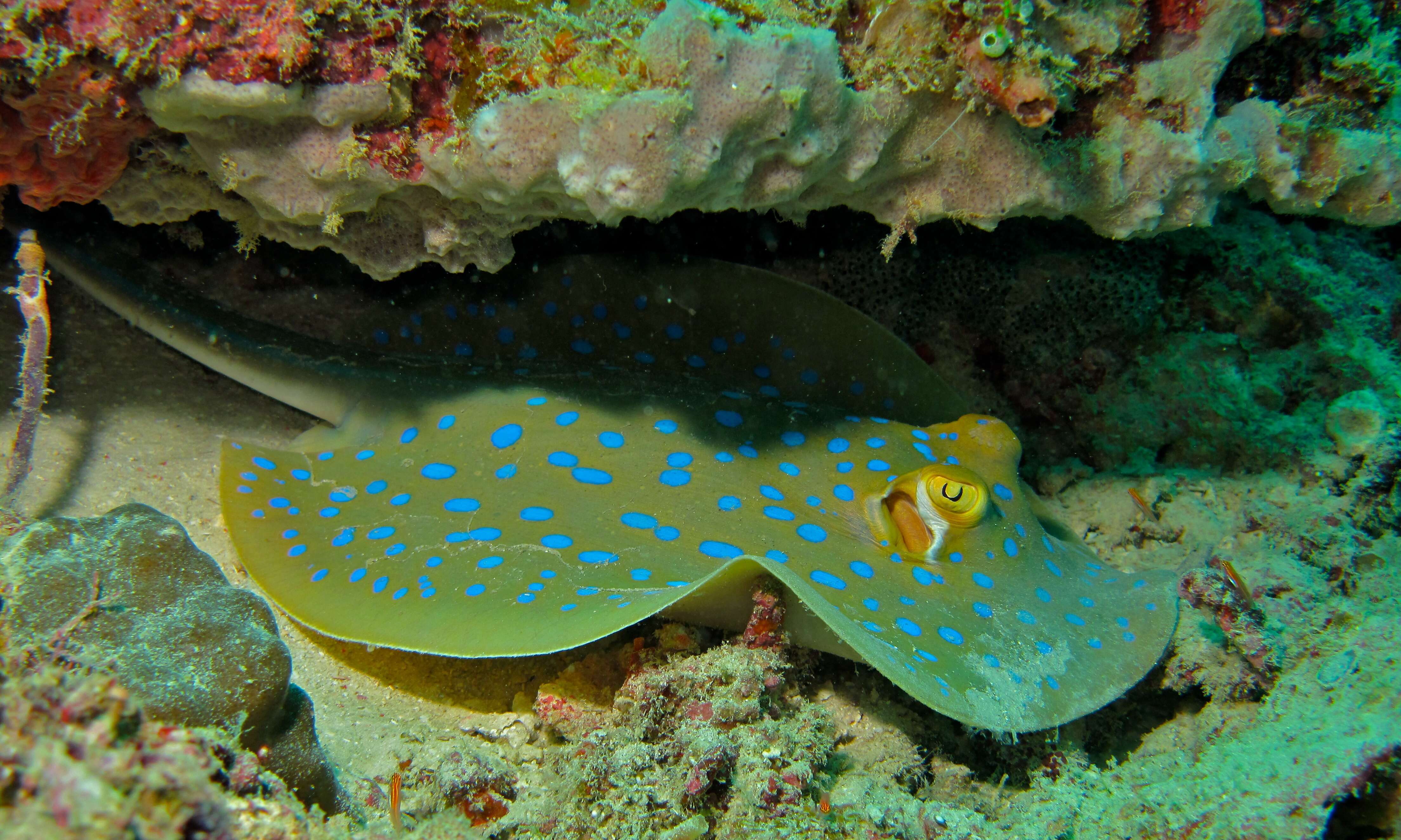
Taeniura lymma (Forsskål, 1775) (Bluespotted ribbontail ray)
Blue-spotted stingrays live alone or in small groups , migrating in large schools into shallow sandy areas on the rising tide in order to feed, and dispersing back into the ocean as the tide falls to shelter in the coral c...
Read More
Read More
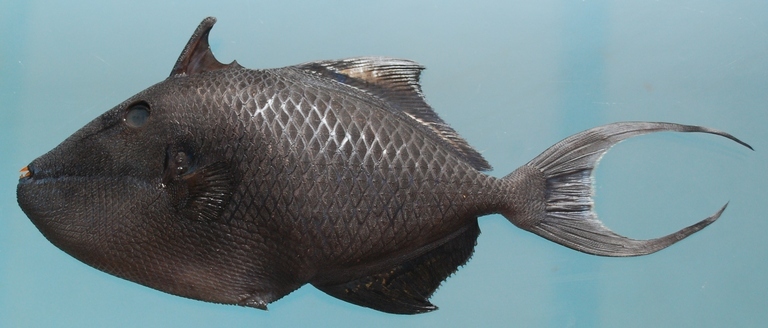
Odonus niger (Rüppell, 1836) (Redtoothed triggerfish)
Inhabits reef channels or along slopes that are subject to strong currents . Occur in current-swept seaward coral reefs. Usually form aggregations and feed on zooplankton as well as sponges . Juveniles associated with i...
Read More
Read More
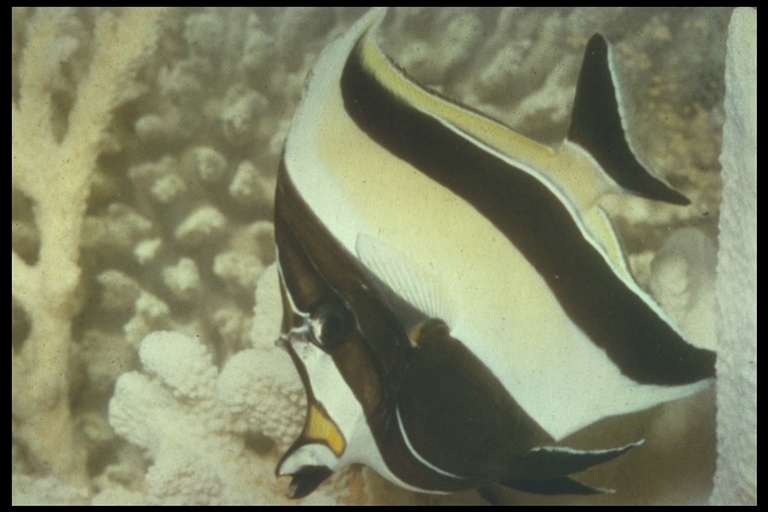
Zanclus cornutus (Linnaeus, 1758) (Moorish idol)
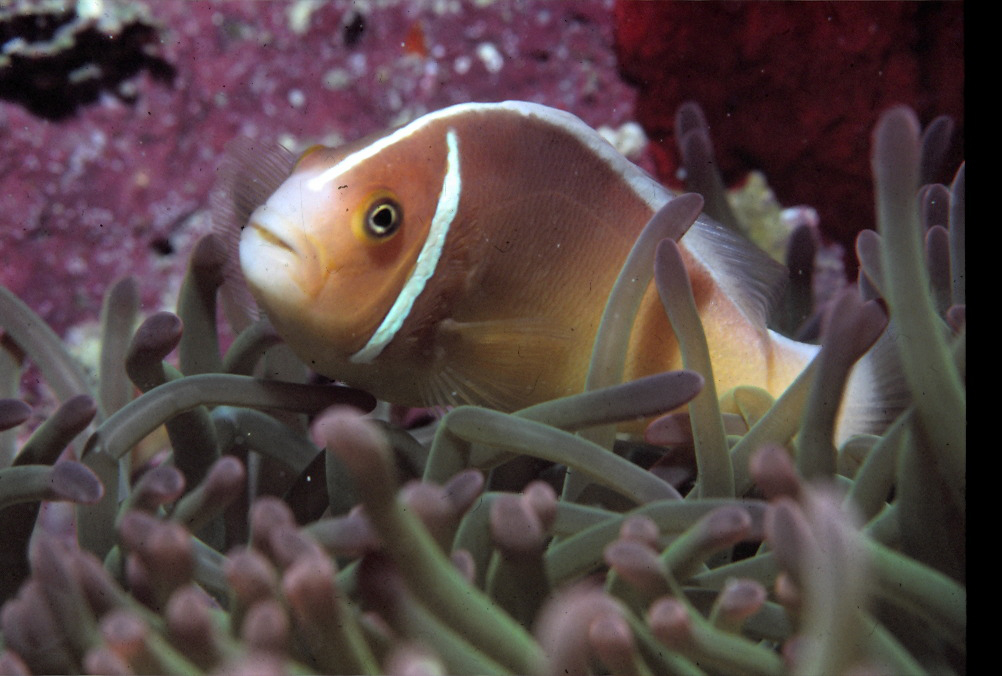
Amphiprion perideraion Bleeker, 1855 (False skunk-striped anemonefish)
Inhabits lagoon and seaward reefs . Mainly diurnal. Non-burrowing. Monogamous . A protandrous hermaphrodite . Associated with the anemones: Heteractis magnifica , Heteractis crispa, Macrodactyla doreensis, and Sticho...
Read More
Read More
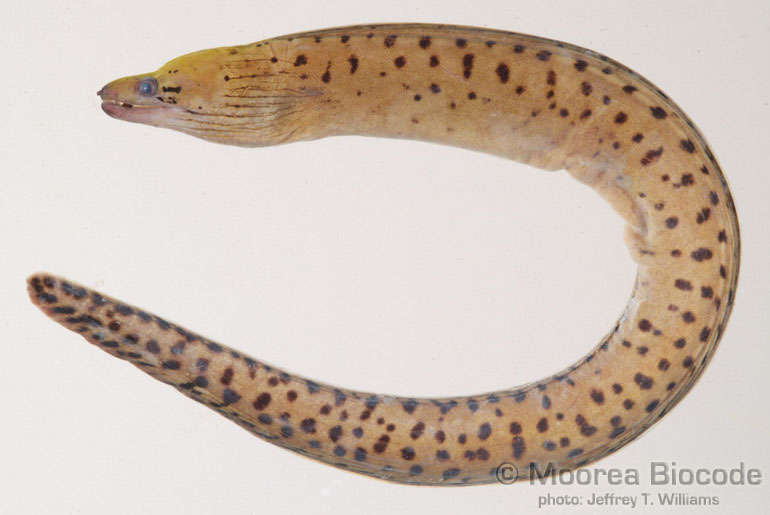
Gymnothorax fimbriatus (Bennett, 1832) (Fimbriated moray)
Occurs in lagoons, reef flats and seaward reefs . Prefers protected inshore waters among dead corals, common in harbors and small caves . Probably nocturnal . Feeds on fishes and crustaceans . Possibly a protogynous hermaphrodite .
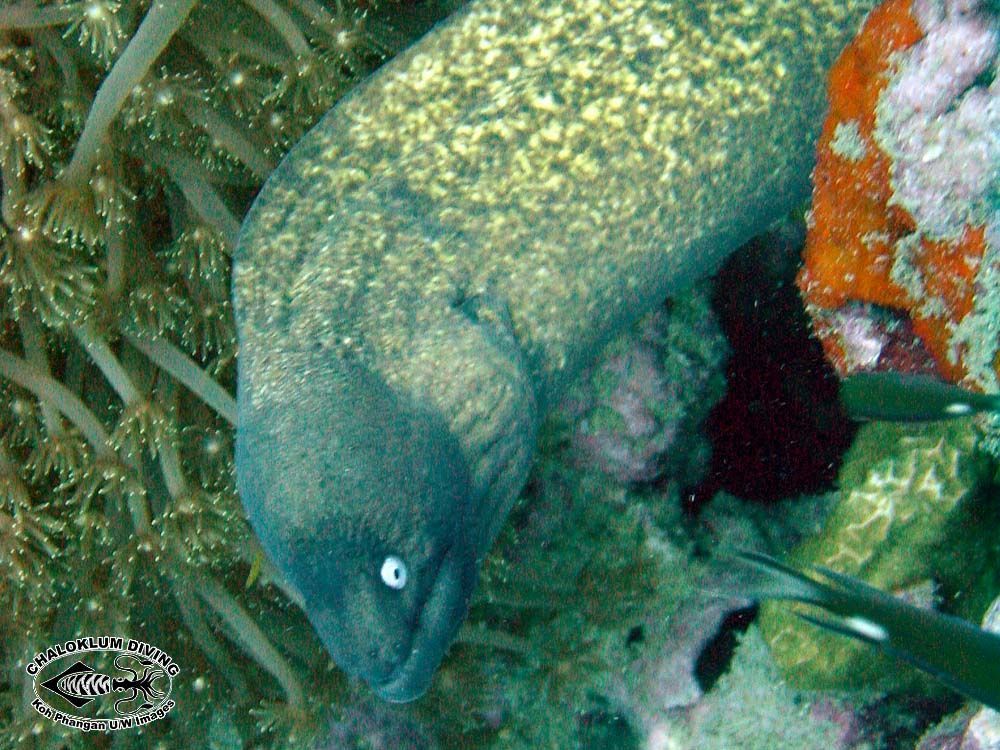
Gymnothorax thyrsoideus (Richardson, 1845) (slender moray)
Fairly common inhabitant of reef flats where it is usually encountered in shallow tidal pools. Often in shipwrecks; usually in pairs or small aggregations, and shares habitat with other morays .
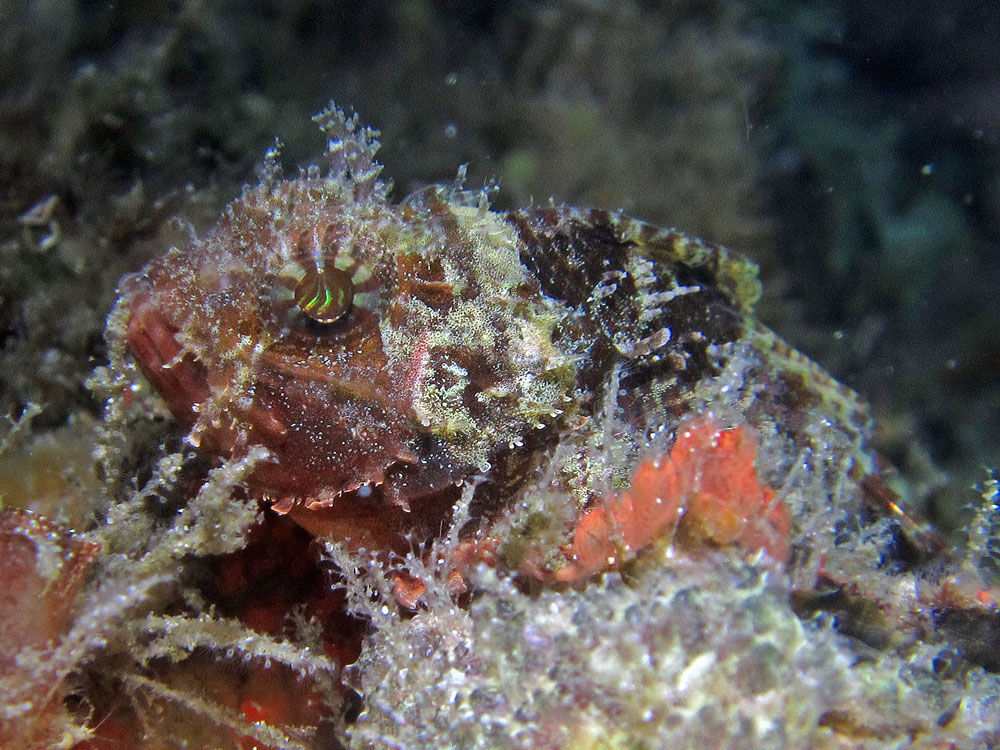
Scorpaenopsis oxycephala (Bleeker, 1849) (Tassled scorpionfish)
Inhabits clear-water outer reef slopes and channels from depths of 1 to at least 35 m, in areas with mixed rock and coral substrates. Venomous spines.
Pterois volitans (Linnaeus, 1758) (Red lionfish)
Synanceia verrucosa Bloch & Schneider, 1801 (Stonefish)
Most widespread stonefish . Found on sandy or rubble areas of reef flats and shallow lagoons and in small pools during low tide well camouflaged among the substrate and sometimes even covered with algae . Solitary specie...
Read More
Read More
Arothron nigropunctatus (Bloch & Schneider, 1801) (Blackspotted puffer)
Inhabit coastal to outer reef crest and slopes with rich invertebrate growth. Adults often in pairs . Feed on corals , crustaceans, mollusks, sponges, tunicates and algae . Generally common .
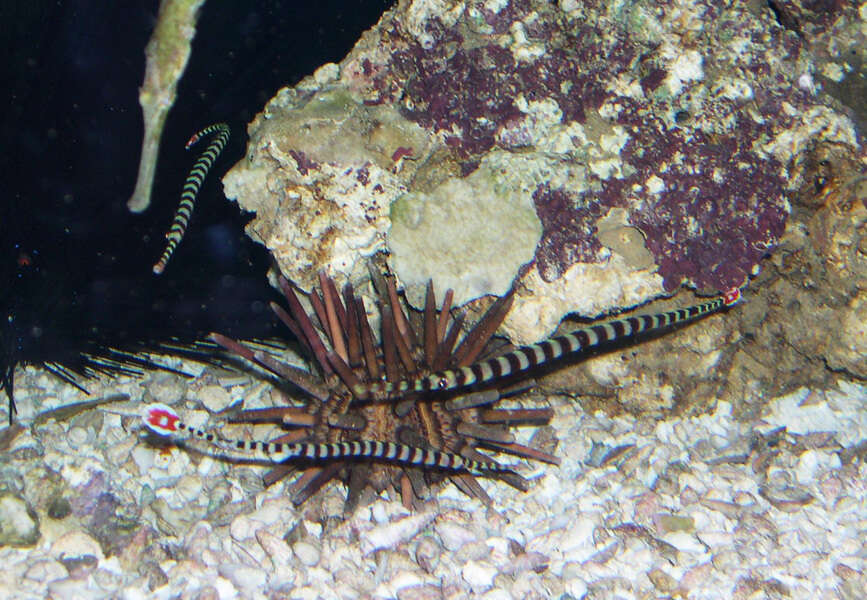
Doryrhamphus dactyliophorus (Bleeker, 1853) (Ringed pipefish)
Inhabits tide pools, lagoons, and outer reef slopes. Found in caves and crevices. Ovoviviparous . The male carries the eggs in a brood pouch which is found under the tail . Has been reared in captivity .
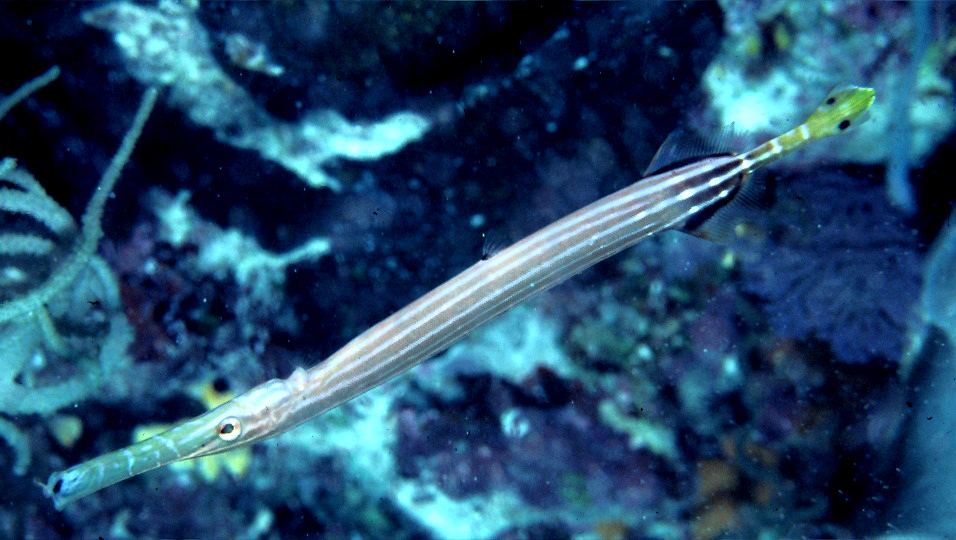
Aulostomus chinensis (Linnaeus, 1766) (Chinese trumpetfish)
Found in clear, shallow water , in rocky and coral areas of protected and seaward reefs . Benthopelagic . Feeds on small fishes and shrimps . A slow-moving fish relying partly on stealth and camouflage to sneak up on unsuspecting prey. Often darts down vertically on its prey. Usually solitary .
Nemateleotris magnifica Fowler, 1938 (Fire goby)
Inhabits upper portions of outer reef slopes . Benthopelagic . Hovers above the bottom, facing the current to feed on zooplankton, copepods, and crustacean larvae. Several individuals may share the same hole . Has a ha...
Read More
Read More
Share on Social Networks
- Facebook:

personalize your shared text as well as its destination (wall, page...) or send as a private message to a friend
- Twitter: Tweet personalize your tweet
- Google Plus:
Direct link to this dive
- Long link:
- Short link:


 We are participating today in the startup contest Techcrunch Disrupt. Support Diveboard by voting for us!
























































































