


 Amy Che

 Belize
-
Nº4
 Date: 2015-04-27 - 10:48
-
 Max Depth: 20.7m Duration: 71mins
Pictures

No pictures for this dive
- Temp: Surf 30°C Bottom 28°C
- Dive type : Recreational
- Visibility: Excellent Water: Salt
Specific gear used
- Weights: 2.7 kg
Recent Divers in Turneffe Atoll


Recent Pictures in Turneffe Atoll
Dive Shop & Buddies
 Dive with Anne Marie Mc Neil from Turneffe Flats

Link to this spot:
- Spot:
- Country:
- Area:
- Body of water:
Dive Profile
- 1. Air
- 0L Steel 200 → 50 bar
- Average depth: 12.1m
Data provided by EOL.org


Species Identified
Eretmochelys imbricata (LINNAEUS) 1766 (Hawksbill Turtle)
Hawksbills may take decades to mature and it could be between 20 to 40 years before they are ready to breed . Upon reaching sexual maturity, a female will typically lay up to five clutches of around 100 to 140 eggs in one ...
Read More
Read More
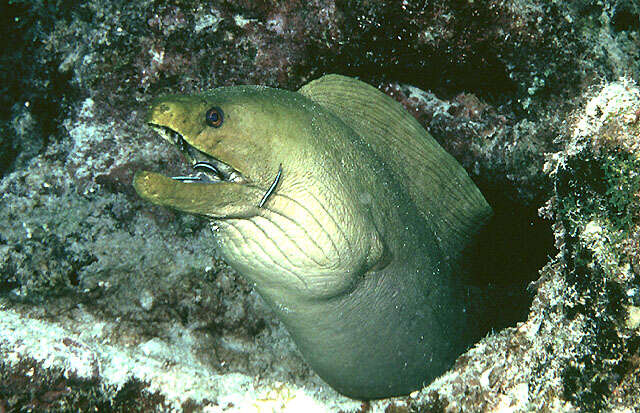
Gymnothorax funebris Ranzani, 1839 (Green cong)
A benthic and solitary species occurring along rocky shorelines, reefs, and mangroves .Usually found shallower than 30 m . Due to its large size and aggressiveness, the bites of this moray are particularly dangerous . F...
Read More
Read More
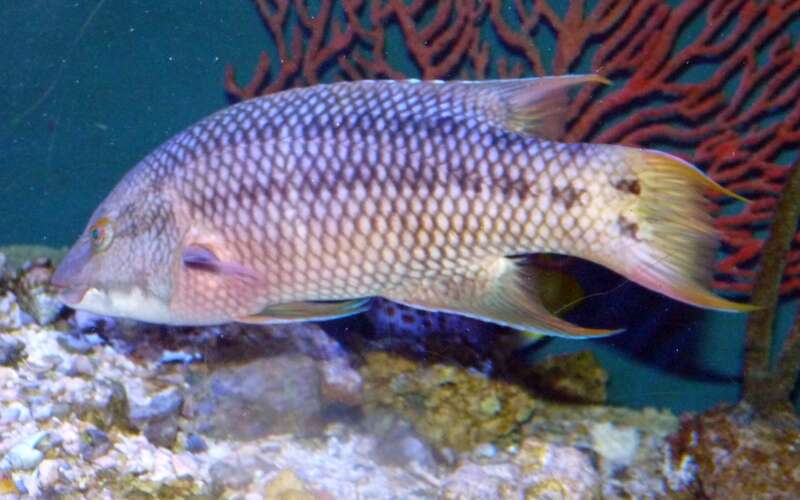
Bodianus diplotaenia (Gill, 1862) (Hogfish)
Balistes vetula Linnaeus, 1758 (Ol'wife)
The queen triggerfish is often found drifting close to the bottom, where it feeds on a range of molluscs, crustaceans and echinoderms . The strong jaws and long teeth of this fish enable it to bite through the hard body p...
Read More
Read More
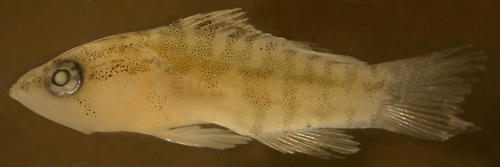
Serranus tigrinus (Bloch, 1790) (Harlequin serranid)
Most common in areas with rock or scattered coral. Solitary or in pairs. Feeds mainly upon crustaceans . Synchronously hermaphroditic. The most common member of the genus .
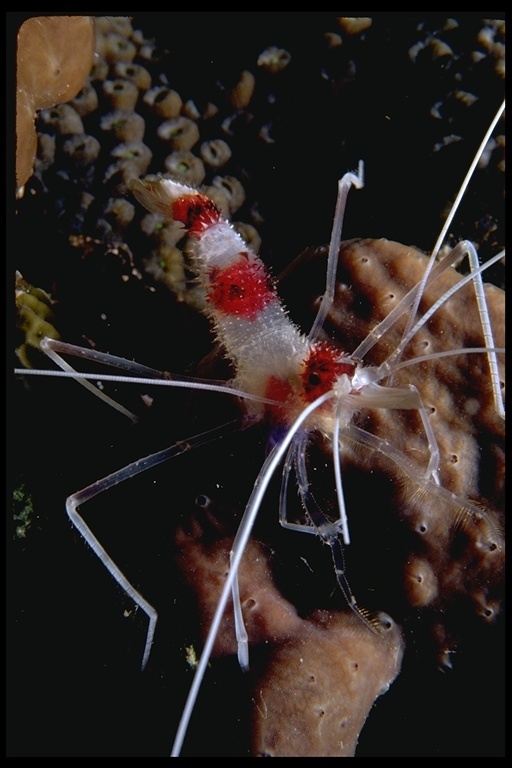
Stenopus hispidus (Olivier, 1811) (banded coral shrimp)
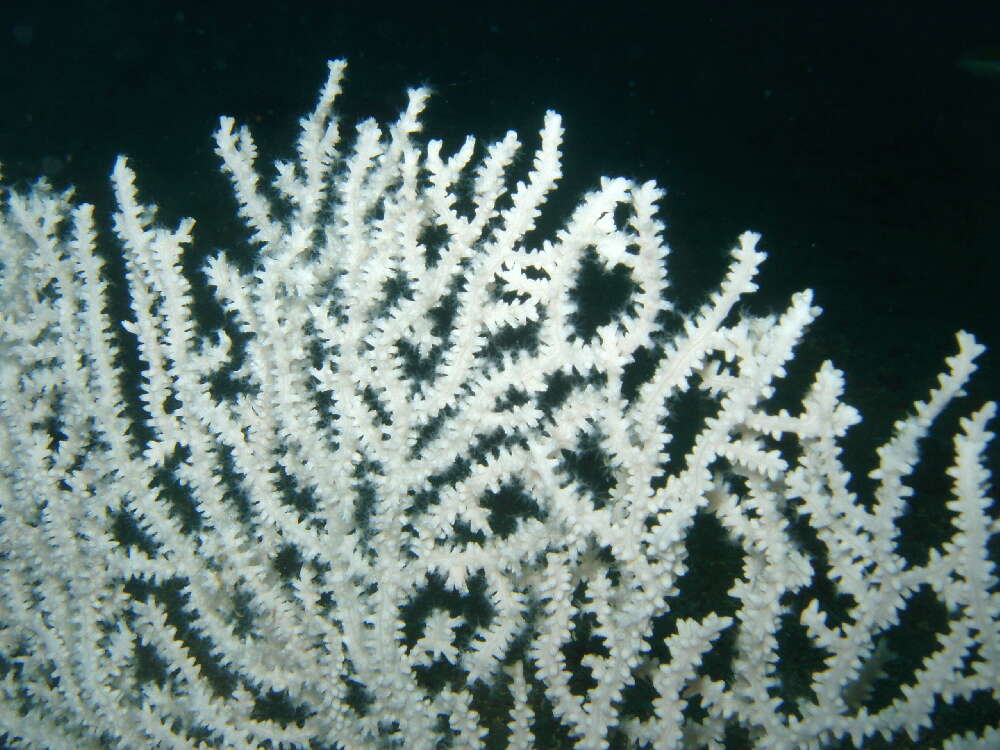
Eunicella verrucosa (Pallas, 1766) (Broad sea fan)
Although there is no direct information on the reproduction of the pink sea fan, it is thought that larvae are short-lived and settle soon after release . It is a slow growing and long-lived species and if a population is...
Read More
Read More
Clepticus parrae (Bloch and Schneider, 1801) (Creole wrasse)
Inhabits seaward reef slopes; occasionally on shallow patch reefs . Found in large midwater aggregations feeding on plankton , small jellyfishes, pteropods, pelagic tunicates and various invertebrate larvae . Form leks during breeding . Also caught with beach nets .
Share on Social Networks
- Facebook:

personalize your shared text as well as its destination (wall, page...) or send as a private message to a friend
- Twitter: Tweet personalize your tweet
- Google Plus:
Direct link to this dive
- Long link:
- Short link:


 We are participating today in the startup contest Techcrunch Disrupt. Support Diveboard by voting for us!
























































































Sapphire blue water
Abundant reef