


 Amy Che

 Belize
-
Nº7
 Date: 2015-04-28 - 10:11
-
 Max Depth: 16.5m Duration: 58mins
Pictures

No pictures for this dive
- Temp: Surf 30°C Bottom 27°C
- Water: Salt
Recent Divers in Lighthouse Reef

Recent Pictures in Lighthouse Reef
Dive Shop & Buddies
 Dive with Anne Marie Mc Neil from Turneffe Flats

Link to this spot:
- Spot:
- Country:
- Area:
- Body of water:
Dive Profile
- 1. Air
- 0L Steel 200 → 50 bar
- Average depth: 12.6m
Data provided by EOL.org




Species Identified
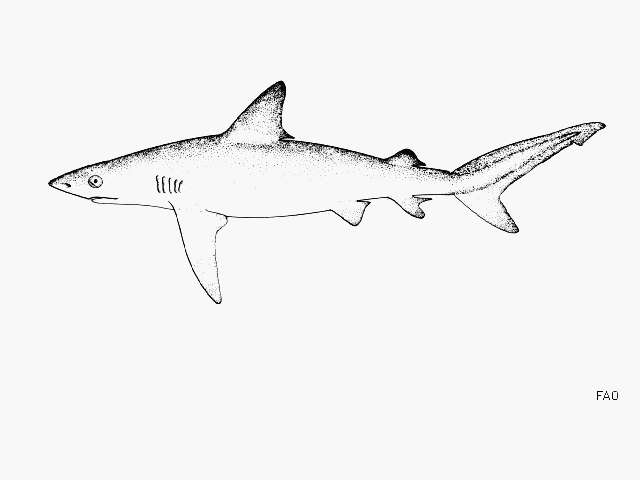
Carcharhinus perezii (Poey, 1876) (Caribbean reef shark)
Found on continental and insular shelves, often near drop-offs on the outer edges of reefs. May rest on the bottom . Usually found in reefs, at less than 30 m deep . Feed on bony fishes, including bigeyes . Viviparous...
Read More
Read More
Sphyraena lucasana Gill, 1863 (Barracuda)
Myliobatis aquila (Linnaeus, 1758) (Common eagle ray)
Found in shallow lagoons , bays and estuaries; also offshore down to at least 95 m . Often found in groups . Feeds on benthic crustaceans, mollusks and fish. Ovoviviparous . Gestation period of 6-8 months, the females ...
Read More
Read More
Pagrus auratus (Forster, 1801) (Snapper)
Inhabit rocky reefs . Also occur in estuaries . Juveniles mainly inhabit inlets, bays and other shallow, sheltered marine waters, often over mud and seagrass . Small fish measuring less than 30 cm TL are common inshore ...
Read More
Read More
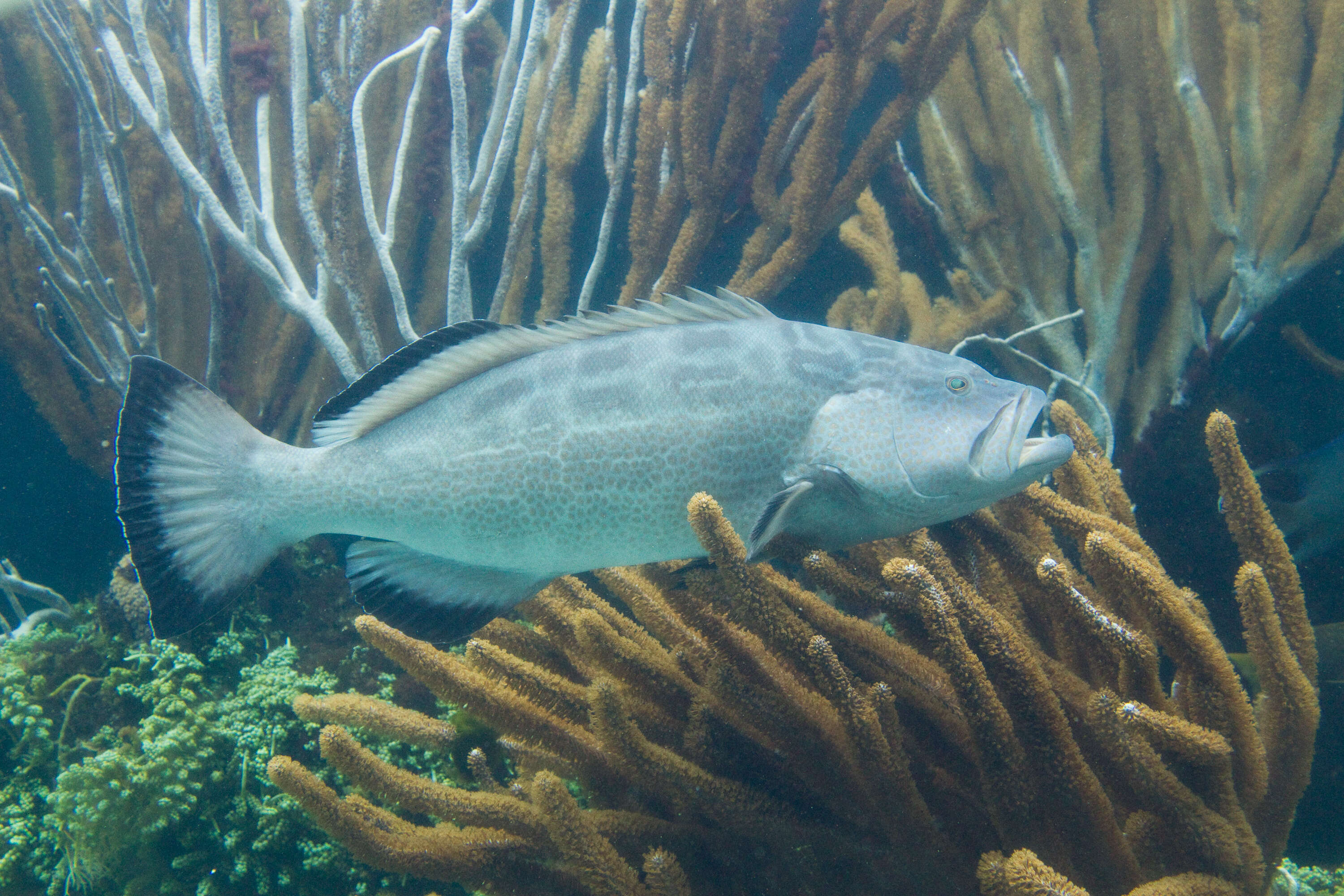
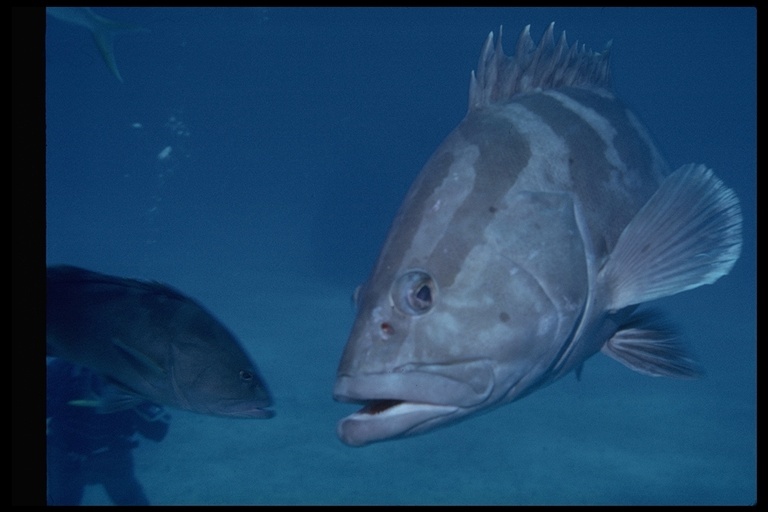
Mycteroperca bonaci (Poey, 1860) (Black gouper)
Epinephelus cyanopodus (Richardson, 1846) (Yellowfin grouper)
Usually found around isolated coral heads in lagoons or bays, but also caught on outer reef area. According to Myers it usually swims out in the open, several meters above the bottom. It is readily caught by anglers at ...
Read More
Read More
Epinephelus flavocaeruleus (Lacepède, 1802) (Blue and yellow grouper)
Juveniles inhabit shallow reefs while adults are found on deeper reefs. Feeds on a variety of fishes, crabs, shrimps, spiny lobsters, squids, and small octopi.
Epinephelus striatus (Bloch, 1792) (Nassau grouper)
Adults are generally solitary, with the exception of spawning events when hundreds to thousands of individuals were known to group together. In the southern extent of the grouper's range, these awesome aggregations occurre...
Read More
Read More
Scarus ghobban Forsskål, 1775 (Blue-barred parrotfish)
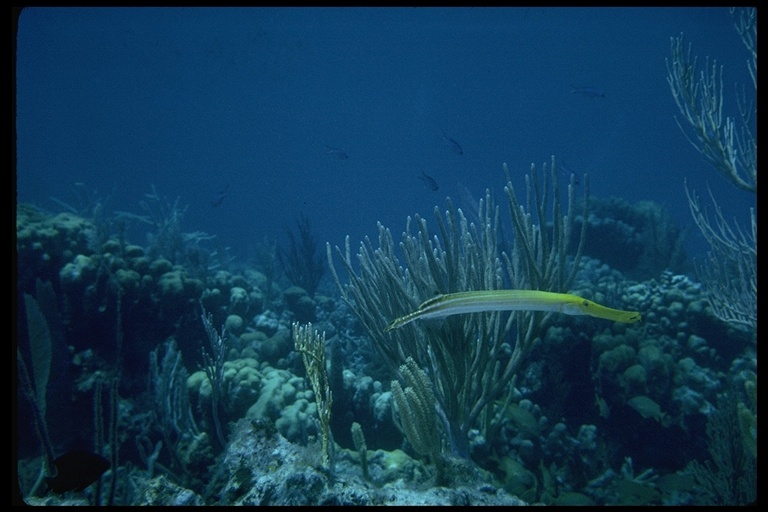
Aulostomus maculatus Valenciennes, 1841 (Caribbean trumpetfish)
Commonly found in weedy areas and especially around reefs, where they usually swim snout-down among sea whips . A solitary ambusher of small fishes and crustaceans that lurk among branching coral or gorgonians. Often swi...
Read More
Read More
Share on Social Networks
- Facebook:

personalize your shared text as well as its destination (wall, page...) or send as a private message to a friend
- Twitter: Tweet personalize your tweet
- Google Plus:
Direct link to this dive
- Long link:
- Short link:


 We are participating today in the startup contest Techcrunch Disrupt. Support Diveboard by voting for us!
























































































http://www.scubadivingbelize.com/index.php?page=atolls
Half Moon Wall
This site has a wide variety of habitats to explore. The sand flats where your boat will moor are covered with beds of turtle grass and a colony of garden eels. As you swim past the turtle grass the sand will slope towards the reef where you can find southern stringrays feeding on the mollusks that are buried in the sand or simple resting.
The reef here has many swim-throughs and gullies. It is topped with numerous healthy corals, sponges, sea fans and is teaming with a large variety of reef fish. As you swim through the cuts, overhangs and swim-throughs you will reach the wall at 70 to 80ft. Here you will find a sheer face covered with gorgonians and colorful sponges. Don’t forget to keep an eye out to the deep for if you are lucky you will spot an eagle or manta ray, sharks and other large pelagics.
When you reach the turtle grass and sand flats at the end of your dive you will find parrotfish, triggerfish, hogfish, goatfish, bar jacks and gray angelfish all feeding in this area. The garden eels can be frustratingly shy but are worth the effort as the remerge from their holes and can make a great photo opportunity.
Experience Rating: Intermediate
Depth: 30-130ft(9-40m)
Location: South of Half Moon Caye
Access: boat