


 Amy Che

 Belize
-
Nº7
 Date: 2015-04-28 - 08:36
-
 Max Depth: 41.5m Duration: 32mins
Pictures

No pictures for this dive
- Temp: Surf 30°C Bottom 28°C
- Dive type : Recreational, Deep dive
- Visibility: Excellent Water: Salt
Specific gear used
- Weights: 2.7 kg
Dive reviews
| Overall review | ||
| Dive difficulty | ||
| Marine life quality |
Recent Divers in Lighthouse Reef
Recent Pictures in Lighthouse Reef
Dive Shop & Buddies
 Dive with Anne Marie Mc Neil from Turneffe Flats

Link to this spot:
- Spot:
- Country:
- Area:
- Body of water:
Dive Profile
- 1. Air
- 0L Steel 200 → 50 bar
- Average depth: 20.3m
Data provided by EOL.org
Species Identified
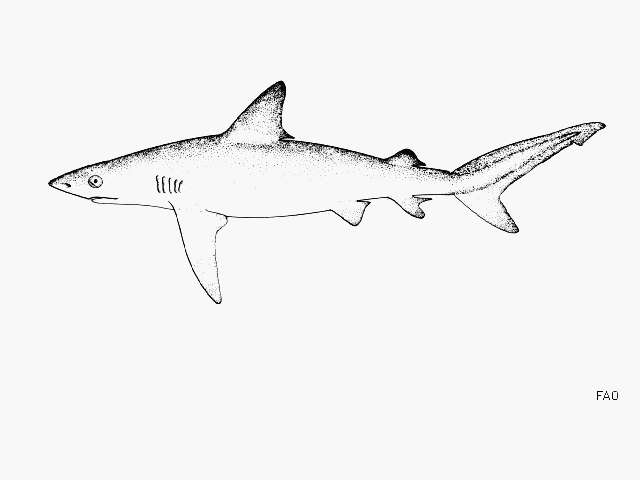
Carcharhinus perezii (Poey, 1876) (Caribbean reef shark)
Found on continental and insular shelves, often near drop-offs on the outer edges of reefs. May rest on the bottom . Usually found in reefs, at less than 30 m deep . Feed on bony fishes, including bigeyes . Viviparous...
Read More
Read More
Share on Social Networks
- Facebook:

personalize your shared text as well as its destination (wall, page...) or send as a private message to a friend
- Twitter: Tweet personalize your tweet
- Google Plus:
Direct link to this dive
- Long link:
- Short link:


 We are participating today in the startup contest Techcrunch Disrupt. Support Diveboard by voting for us!
























































































Cave at 130 ft. Stalactites and stalagmites at mouth of cave. No light needed to see as day light was good enough with such clear water.
Pioneered by Jacques Yves Cousteau in the early 70's, The Great Belize Blue Hole has become Belize's most famous dive site. The hole is a "karst-eroded sinkhole" formed when the roof of a cave, in an underground tunnel complex, collapsed. When sea levels rose at the end of the Ice Age, the once dry cave filled with sea water producing the hole that now measures 1000 feet across with a depth of over 460 feet. It is a Marine Protected Area and a UNESCO World Heritage site. The rim of the Blue Hole and the surrounding lagoon is only a few feet deep and excellent for snorkeling.
http://www.tflats.com/belize-diving/favorite-dive-sites
As you descend over the edge, through a thermocline at around 50 feet, big groupers, snappers and horse-eye jacks come to investigate. Deeper still, with your eyes adjusting to the low light, black tip sharks can be seen slowly patrolling the depths. At approximately 110 feet, the first limestone ledge appears and immense stalactites hang from the ceiling. On your slow ascent back to the edge of the hole, spotted morays can be found in crevices and on the wall crest, you return to the domain of the parrotfish and angelfish.