


 Amy Che

 Belize
-
Nº6
 Date: 2015-04-28 - 13:06
-
 Max Depth: 15.9m Duration: 58mins
Pictures

No pictures for this dive
- Temp: Surf 31°C Bottom 27°C
- Water: Salt
Specific gear used
- Weights: 2.7 kg
Recent Divers in Lighthouse Reef

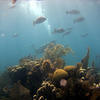
Recent Pictures in Lighthouse Reef
Dive Shop & Buddies
 Dive with Anne Marie Mc Neil from Turneffe Flats

Link to this spot:
- Spot:
- Country:
- Area:
- Body of water:
Dive Profile
- 1. Air
- 0L Steel 200 → 50 bar
- Average depth: 13.3m
Data provided by EOL.org

Species Identified
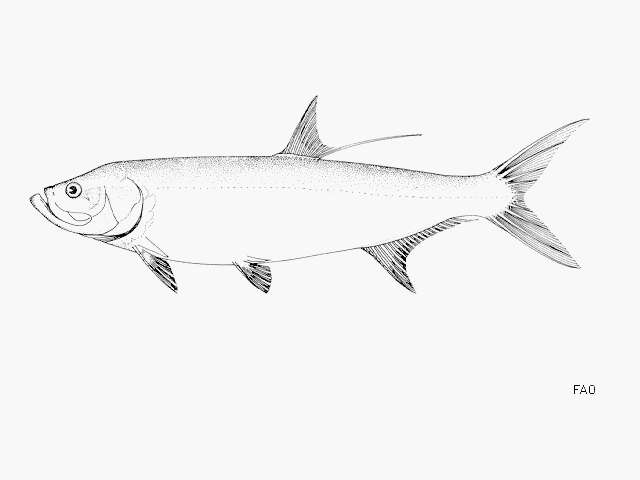
Tarpon
Eretmochelys imbricata (LINNAEUS) 1766 (Hawksbill Turtle)
Hawksbills may take decades to mature and it could be between 20 to 40 years before they are ready to breed . Upon reaching sexual maturity, a female will typically lay up to five clutches of around 100 to 140 eggs in one ...
Read More
Read More
Acanthocybium solandri (Cuvier, 1832) (Barracuda)
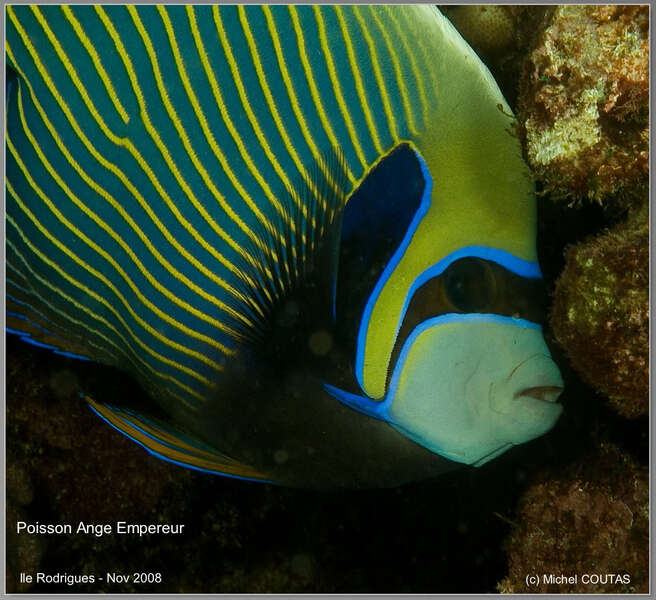
Pomacanthus imperator (Bloch, 1787) (Angel fish)
Juveniles are encountered under ledges, or in holes of outer lagoon patch reefs or semi-protected areas of exposed channels and outer reef flats. Subadults move to reef front holes and surge channels. Large adults inhabi...
Read More
Read More
Share on Social Networks
- Facebook:

personalize your shared text as well as its destination (wall, page...) or send as a private message to a friend
- Twitter: Tweet personalize your tweet
- Google Plus:
Direct link to this dive
- Long link:
- Short link:


 We are participating today in the startup contest Techcrunch Disrupt. Support Diveboard by voting for us!
























































































http://www.scubadivingbelize.com/index.php?page=atolls
Painted Wall
The sites in this area have the possibility of two different types of dive, either the spur-and-groove formations, which are located on the top of the wall or the deeper wall dive. If the winds are stirring up the surge is strong it is best to go straight for the deeper water.
Along the wall you will find a large variety of sponges such as tall tube, stovepipe, colorful rope and finger sponges. As you swim past the overhangs check under them for the deeper water sea fans. Vibrant tunicates and tiny clingfish can be found hiding in these fans.
In the shallows keep a lookout for white spotted filefish and cowfish that can change their color and pattern to blend in with their surroundings. The fish in this are don’t seem to be accept divers as part of their world so the photographers can get some great shots. You will also find horse-eye jacks, Bermuda chub and barracuda cruising the shallows. Turtles, black groupers and pairs of French angelfish will be found along the wall.
Experience Rating: Intermediate
Depth: 25-130ft(8-40m)
Loation: West of Long Caye
Access: boat