


 Big Daddy


 Mexico

-
Nº50
 Date: 2009-12-28 - 09:30
-
 Max Depth: 13.7m Duration: 50mins
Pictures

No pictures for this dive
- Temp: Surf 28°C Bottom 24°C
- Dive type : Recreational, Drift, Reef
- Visibility: Excellent Water: Salt
Specific gear used
- Weights: 8.2 kg
Recent Divers in Cancun
Recent Pictures in Cancun
Dive Shop & Buddies
 Dive with Amaron Rodriguez 193441
 Dive buddies:
Kayla Wilson

Link to this spot:
- Spot:
- Country:
- Area:
- Body of water:
Dive Profile
- 1. Air
- 10L Aluminium 207 → 14 bar
- Average depth: 9.1m
Data provided by EOL.org




Species Identified
Gymnothorax moringa (Cuvier, 1829) (Common conger)
A benthic and solitary species abundant in shallow rocky and grassy areas and on coral reefs; less common in turbid bays or harbors. Its bite is very dangerous . Active during the day, sometimes together with other pred...
Read More
Read More
Keratoisis flexibilis (Pourtalès, 1868)
Porites astreoides Lamarck, 1816 (mustard hill coral)
zooxanthellate
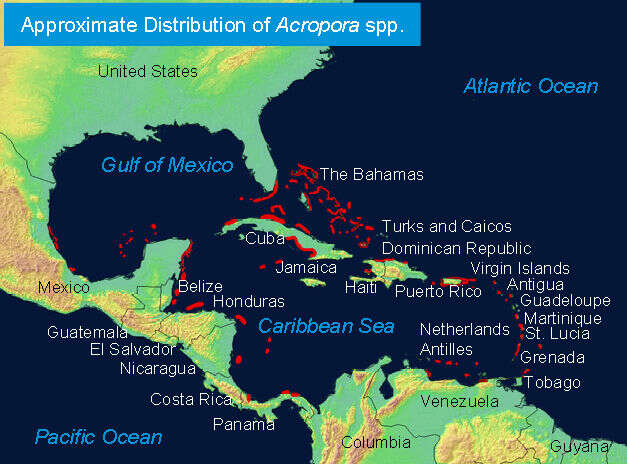
Acropora cervicornis (Lamarck, 1816) (staghorn coral)
zooxanthellate
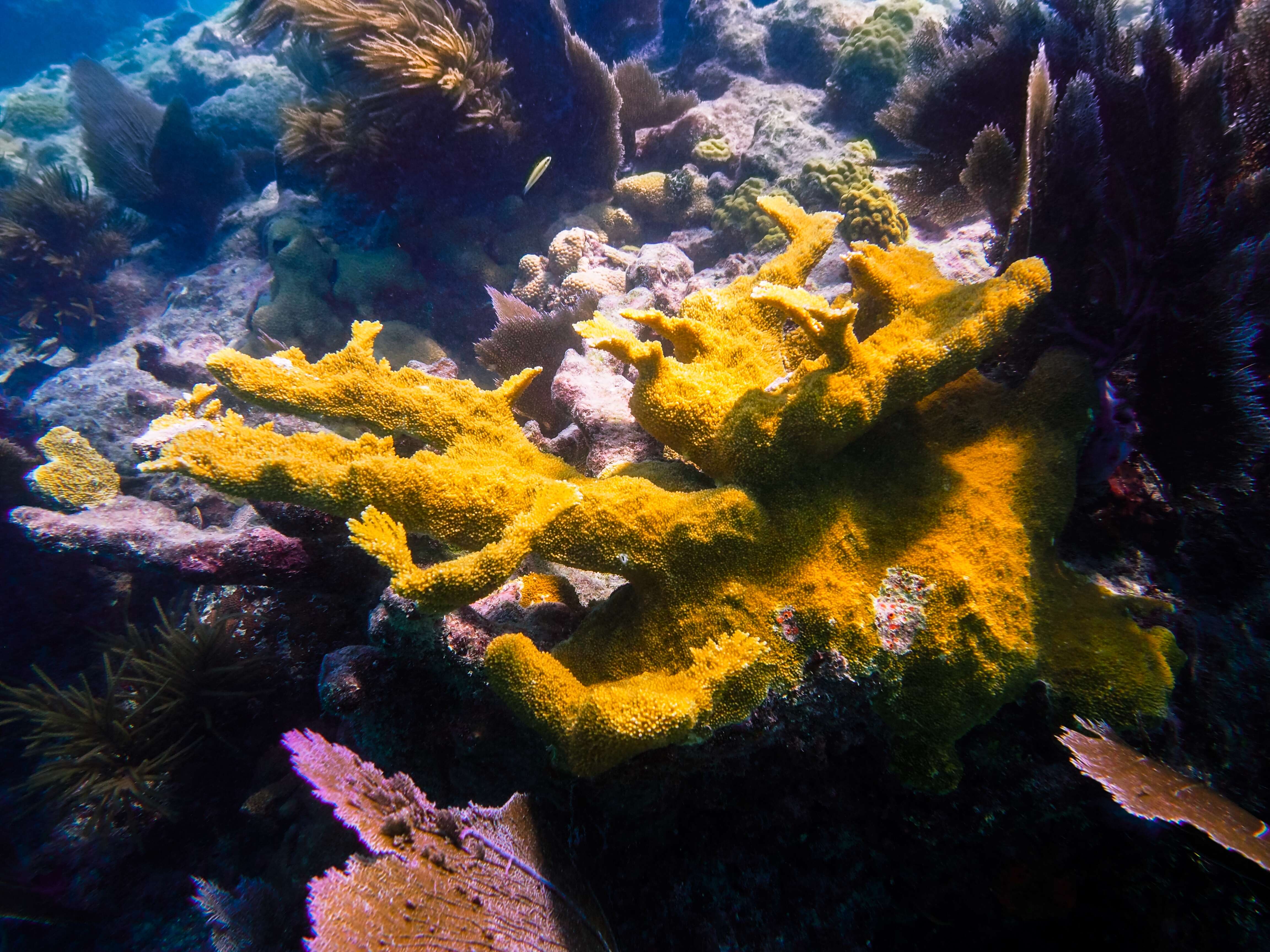
Acropora palmata (Lamarck, 1816) (elkhorn coral)
zooxanthellate
Madracis myriaster (Milne Edwards & Haime, 1849) (striate finger coral)
azooxanthellate
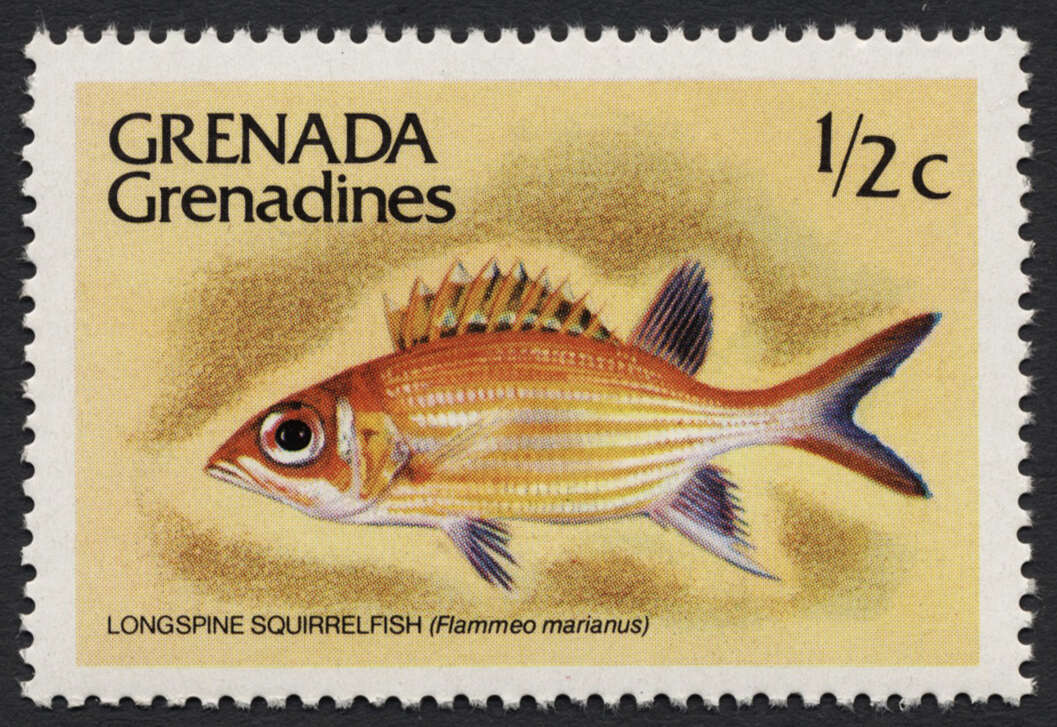
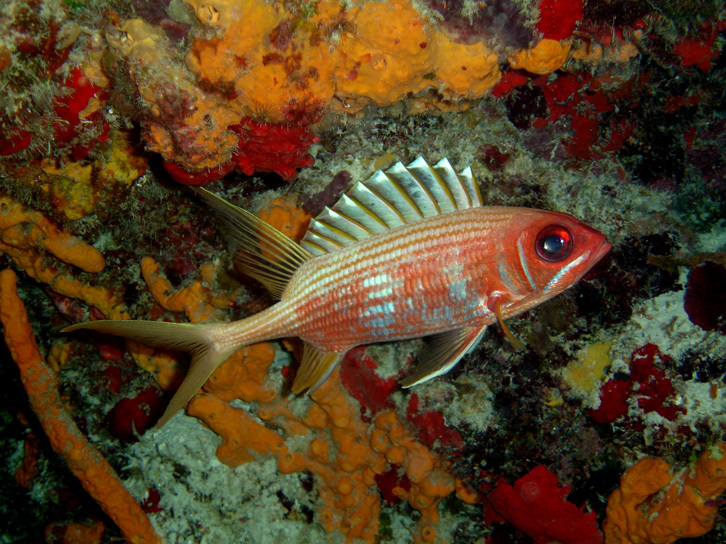
Neoniphon marianus (Cuvier, 1829) (Longjaw squirrelfish)
Rarely found in shallow water, but appears to be the most common squirrelfish in the depth range of 30-60 m or more . Reported used as food fish .
Holocentrus rufus (Walbaum, 1792) (Miss darlington)
Nocturnal , inhabits clear reefs . Found near mouths of caves and holes ; at night they usually move to sandy areas and grass beds to feed on crabs, shrimps, gastropods and brittle stars . Marketed fresh but not popular as a food fish .
Sargocentron coruscum (Poey, 1860) (reef squirrelfish)
Inhabit sandy, rocky and coral bottoms . More common on seaward reefs than on protected reefs. Retreat into recesses when alarmed . Nocturnal . Secretive, found deep in crevices between branches of live corals . Oviparous, with planktonic eggs and larvae .
Balistes capriscus Gmelin, 1789 (gray triggerfish)
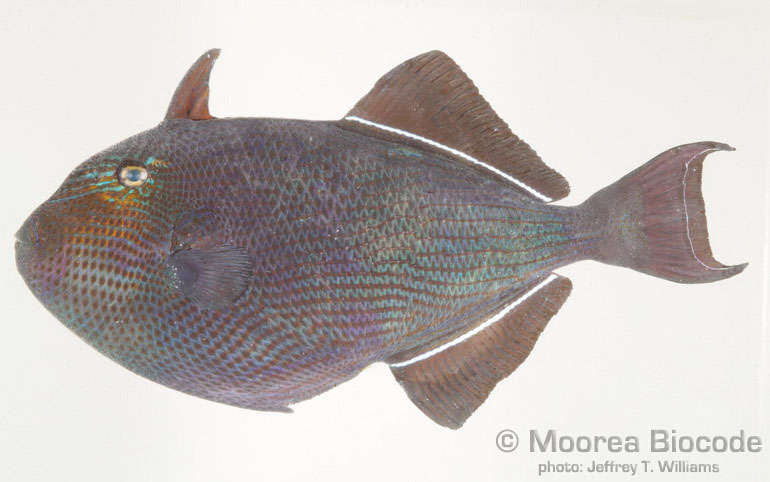
Melichthys niger (Bloch, 1786) (Black triggerfish)
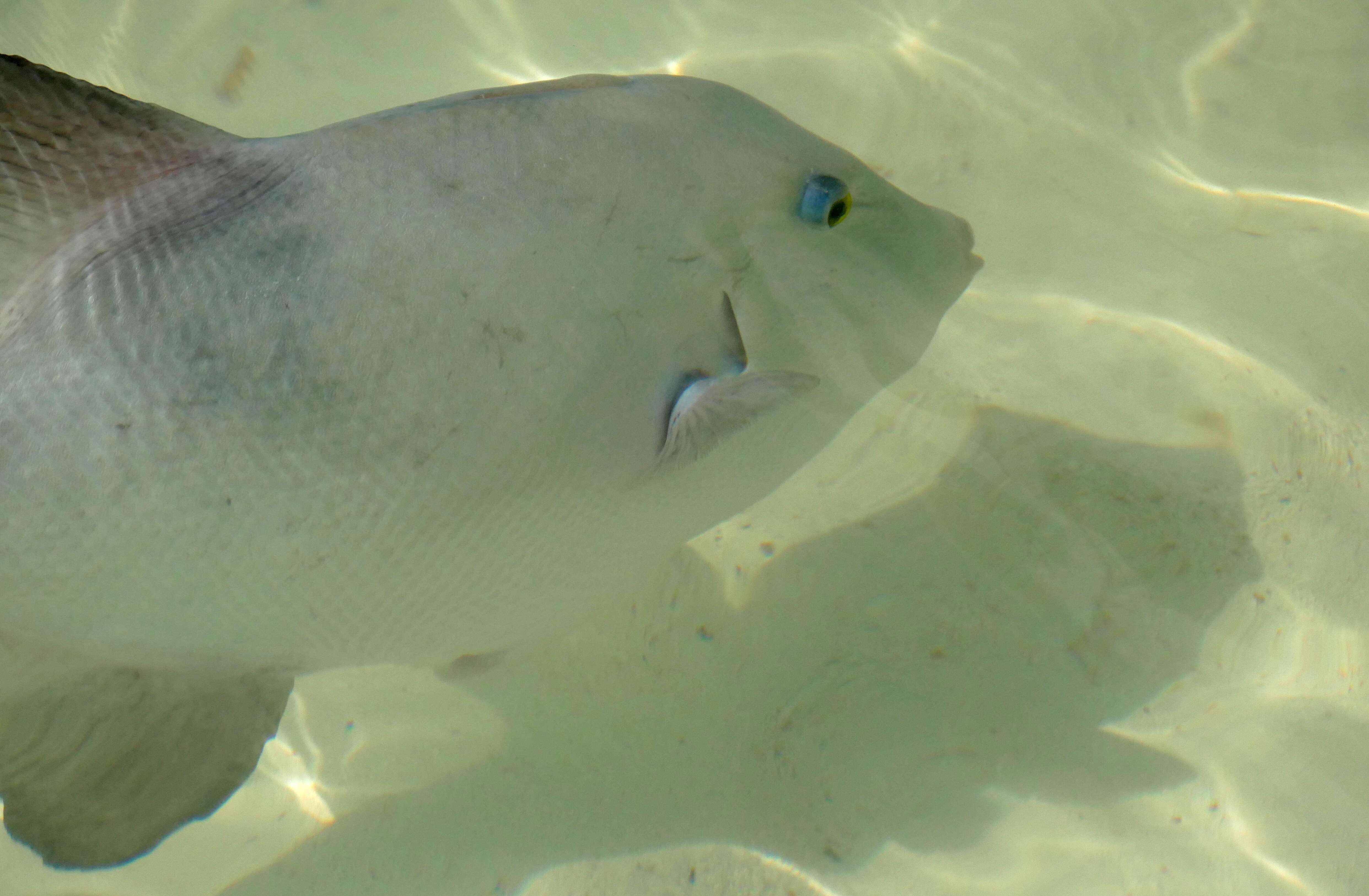
Canthidermis sufflamen (Mitchill, 1815) (Filefish)
Common near drop-offs of seaward reefs . Occasionally in shallow water. Solitary or in small groups in open water. Often associated with Sargassum . Feeds mainly on large zooplankton. Minimum depth reported from Ref. 13121.
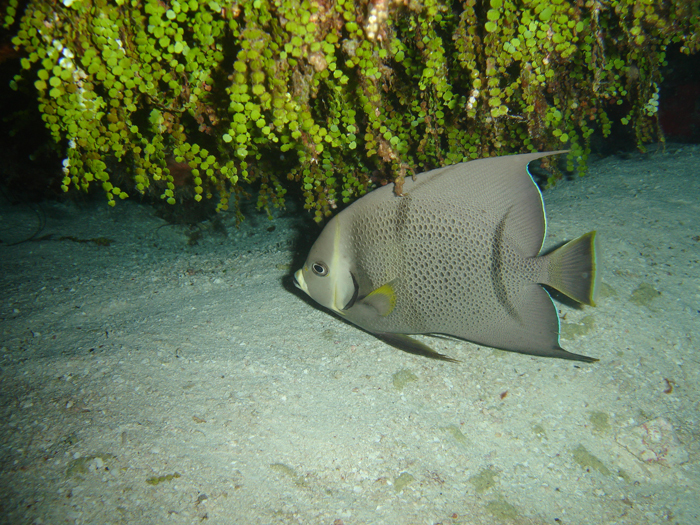
Pomacanthus arcuatus (Linnaeus, 1758) (Grey angelfish)
Common in coral reefs, usually solitary, occasionally in pairs. Juveniles are part-time cleaners. Feed mainly on sponges, but also takes tunicates, algae, zoantharians, gorgonians, hydroids, bryozoans, and seagrasses. O...
Read More
Read More
Holacanthus bermudensis Goode, 1876 (Blue angel)
Inhabits rocky or coral reefs . Juveniles in channels and on inshore reefs . Feeds primarily on sponges . Small juveniles do well in aquariums once they begin to accept food.
Acanthostracion polygonius Poey, 1876 (honeycomb cowfish)
Occurs in clear water around coral reefs. Feeds on sponges, alcyonarians, tunicates, and shrimp. Uncommon and wary . Consumed fresh, generally roasted .
Lactophrys bicaudalis (Linnaeus, 1758) (Trunkfish)
Found in clear water around coral reefs. Sometimes under ledges and near small holes . Feeds on a variety of small bottom invertebrates such as mollusks, crustaceans, starfishes, sea urchins, sea cucumbers, sessile tunic...
Read More
Read More
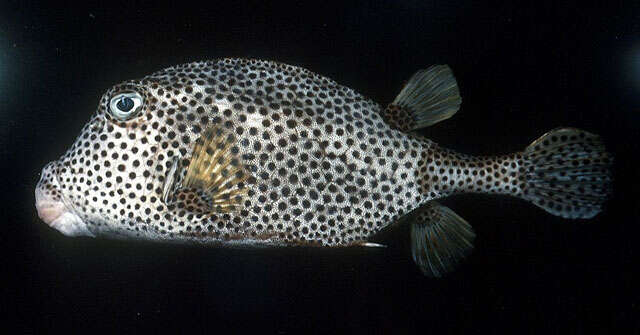
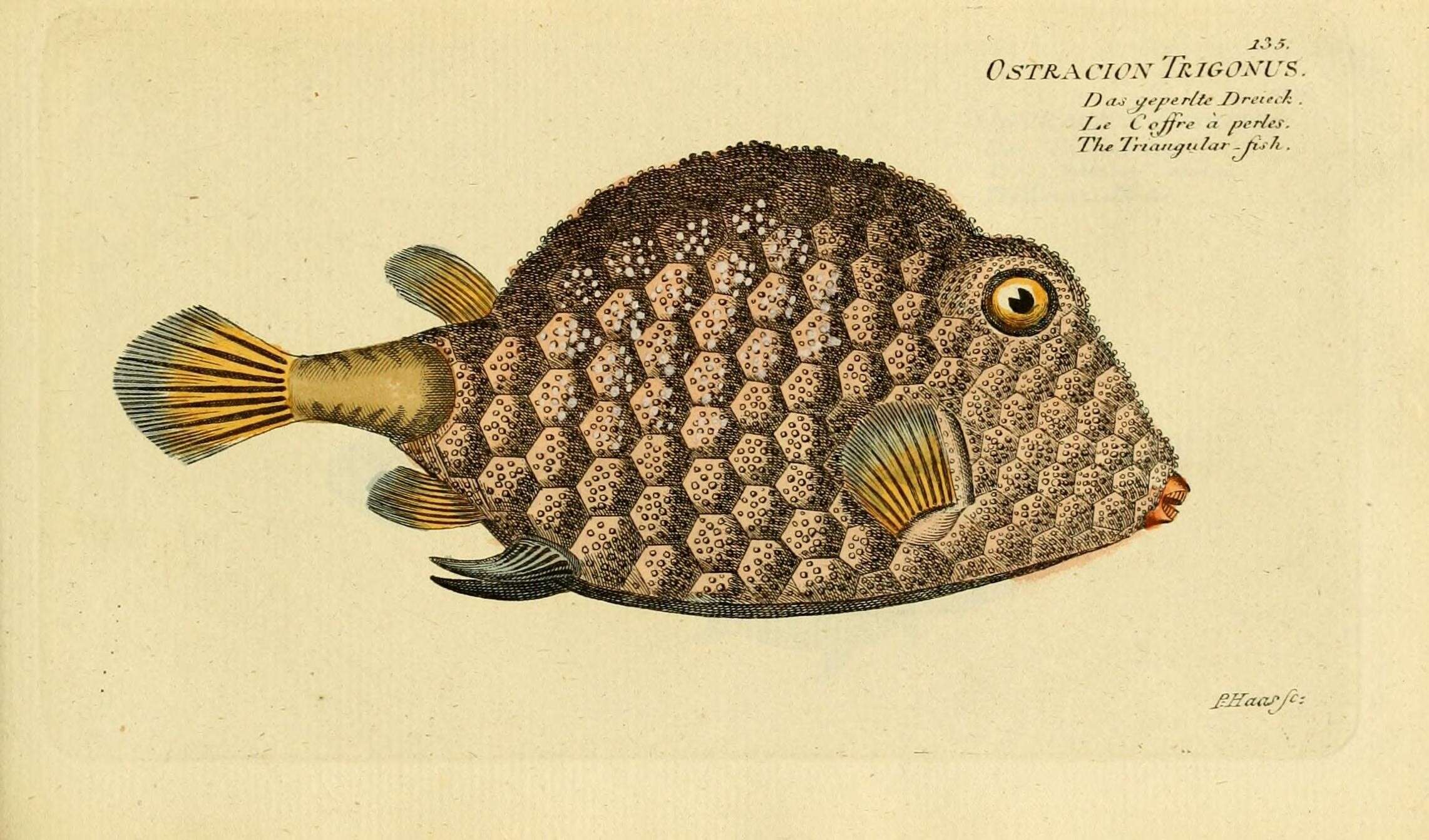
Lactophrys trigonus (Linnaeus, 1758) (Buffalo trunkfish)
Inhabits seagrass beds, coral rubble areas, and offshore reefs down to about 50 m. Feeds on a wide variety of small benthic invertebrates such as mollusks, crustaceans, worms and sessile tunicates, as well as some sea grasses . Highly esteemed food fish in the Caribbean .
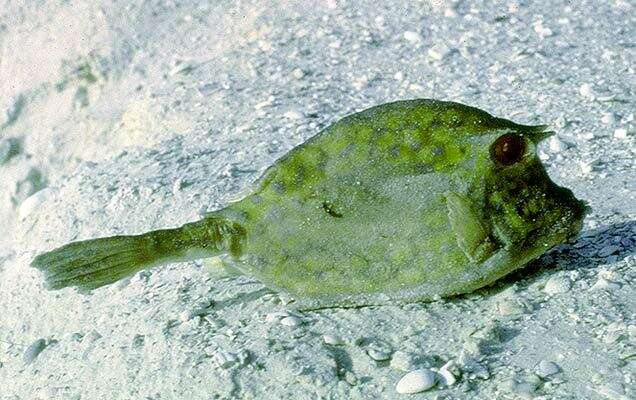
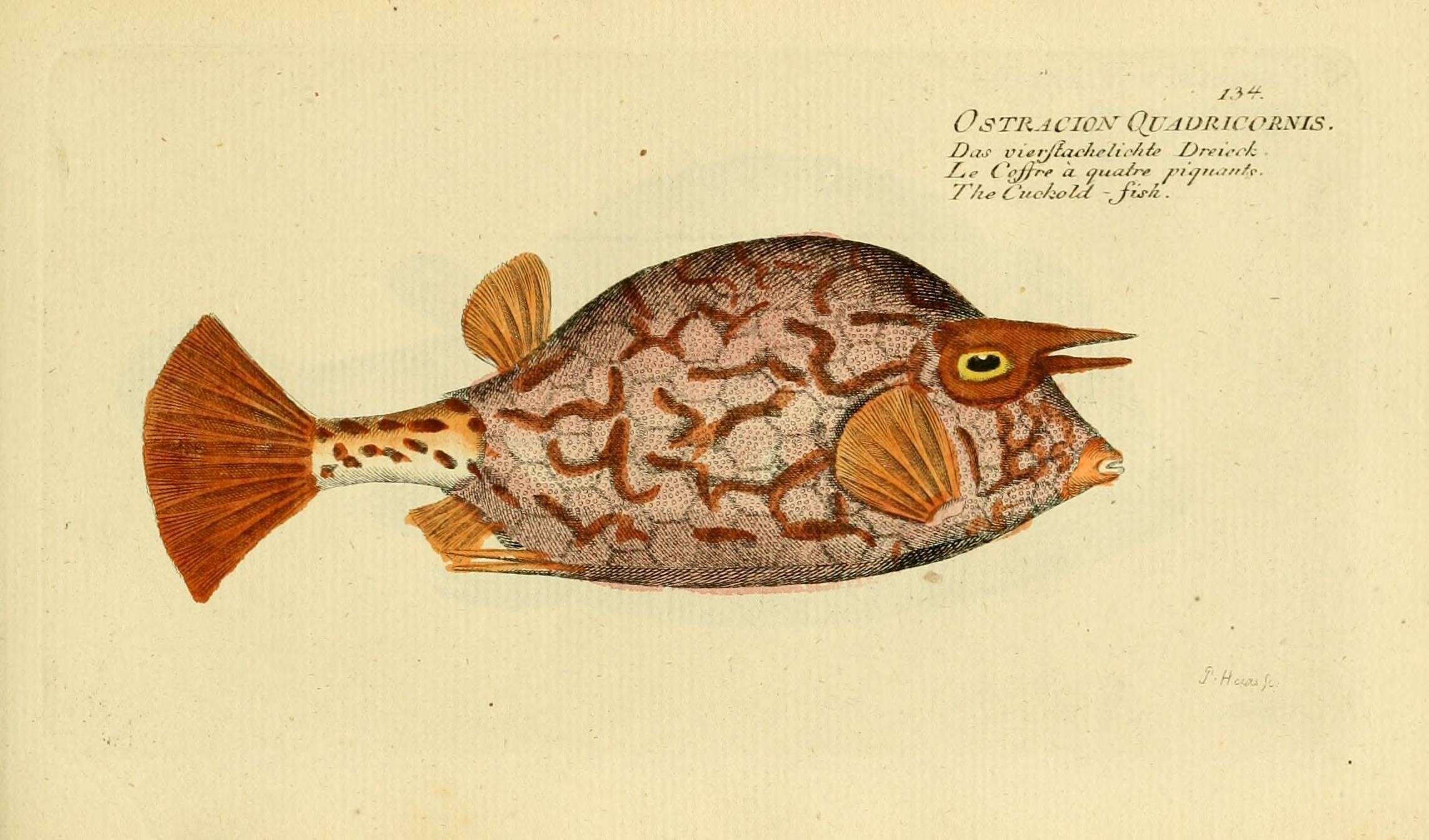
Acanthostracion quadricornis (Linnaeus, 1758) (Cowfish)
Found in shallow water down to about 80 m, mainly in seagrass beds . Feeds on sessile invertebrates such as tunicates, gorgonians and anemones, as well as on slow-moving crustaceans, sponges , hermit crabs and marine plants . Oviparous . Considered an excellent food fish; marketed fresh .
Caretta caretta Linnaeus 1758 (Loggerhead Turtle)
Adults are primarily carnivorous, using their powerful jaws to crack open crustaceans such as crabs and even seemingly impenetrable molluscs such as the queen conch (Strombus gigas) and giant clam (Tridacna s...
Read More
Read More
Chelonia mydas Linnaeus 1758 (Green Turtle)
Green turtles are long-lived and may take up to 59 years to reach sexual maturity Undertaking tremendous feats of navigation, adults return to the same beach to breed each season, part of the population in Brazil astonish...
Read More
Read More
Share on Social Networks
- Facebook:

personalize your shared text as well as its destination (wall, page...) or send as a private message to a friend
- Twitter: Tweet personalize your tweet
- Google Plus:
Direct link to this dive
- Long link:
- Short link:


 We are participating today in the startup contest Techcrunch Disrupt. Support Diveboard by voting for us!
























































































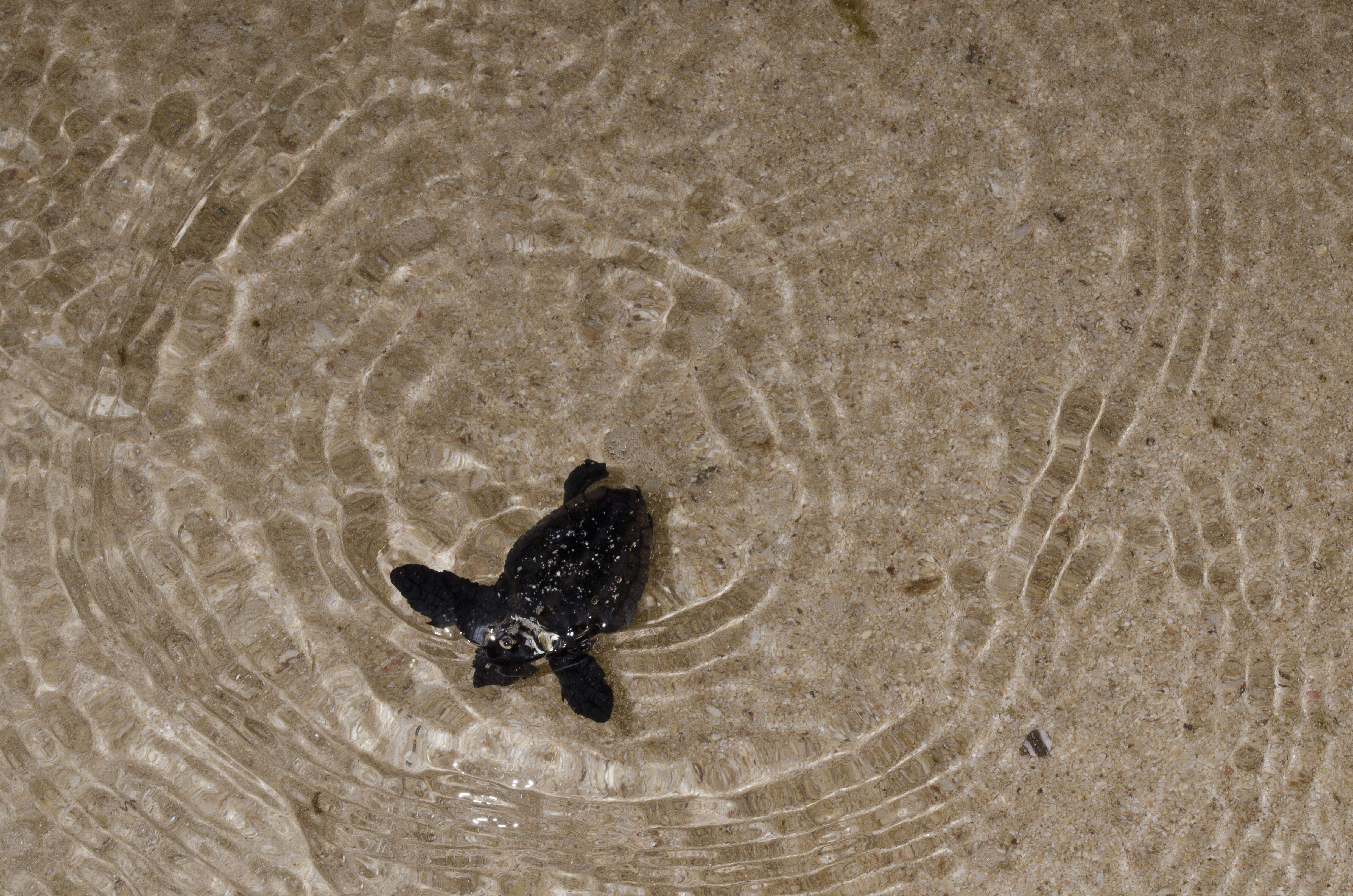
5 of us + divemaster. Very fast drift skimng along tops of coral out-croppings. Lots of black and white sea urchins, small baby sea turtle, small eel, baby starfis, a huge conch and again LOTS of lobster & crab. Fish were everywhere & spawning actively around us.
This is the dive that water and wind was EXTREME - with 5 of the eight divers getting sick on ride out . . . Kayla included. Pushed her in and we were fine, only the boat ride itself sucked.