


 Big Daddy

 Mexico
-
Nº81
 Date: 2012-12-22 - 10:11
-
 Max Depth: 22.9m Duration: 62mins
Pictures

No pictures for this dive
- Temp: Surf 27°C Bottom 26°C
- Dive type : Recreational, Drift, Reef
- Visibility: Excellent Water: Salt
Specific gear used
- Weights: 5.9 kg
Recent Divers in Cozumel


Recent Pictures in Cozumel
Dive Shop & Buddies
 Dive with Matu from Dive Paradise
 Dive buddies:
Kayla Wilson,
Madalyn Wilson
Dive buddies:
Kayla Wilson,
Madalyn Wilson

Link to this spot:
- Spot:
- Country:
- Area:
- Body of water:
Dive Profile
- 1. Air
- 10L Aluminium 207 → 10 bar
- Average depth: 15.2m
Data provided by EOL.org






Species Identified
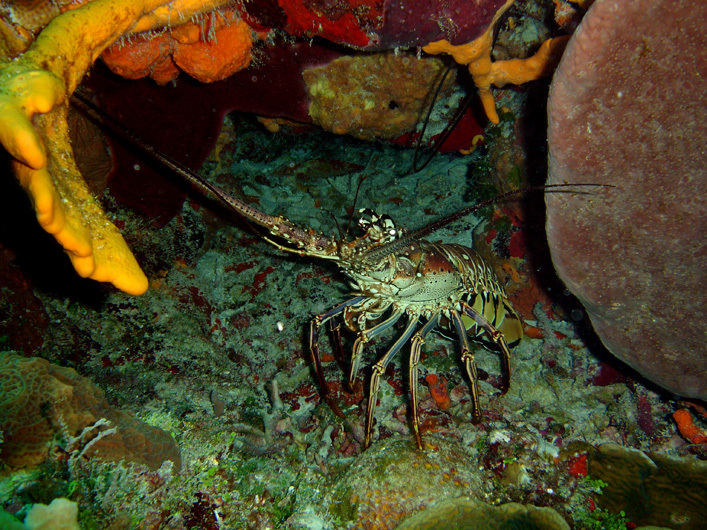
Panulirus argus (Latreille, 1804) (Caribbean spiny lobster)
Gymnothorax moringa (Cuvier, 1829) (Common conger)
A benthic and solitary species abundant in shallow rocky and grassy areas and on coral reefs; less common in turbid bays or harbors. Its bite is very dangerous . Active during the day, sometimes together with other pred...
Read More
Read More
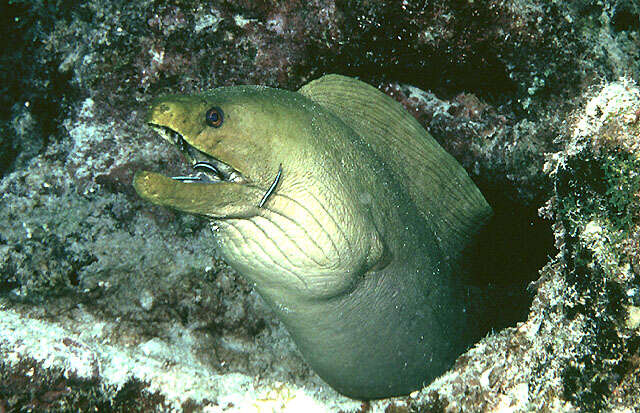
Gymnothorax funebris Ranzani, 1839 (Green cong)
A benthic and solitary species occurring along rocky shorelines, reefs, and mangroves .Usually found shallower than 30 m . Due to its large size and aggressiveness, the bites of this moray are particularly dangerous . F...
Read More
Read More
Scarus vetula Bloch and Schneider, 1801 (Blownose)
Inhabits coral reefs and adjacent habitats. Feeds on algae scraped from rocks or dead coral. Sleeps in a mucus cocoon . Often seen in groups of one super male with several young adults, most of which are probably females . A protogynous hermaphrodite .
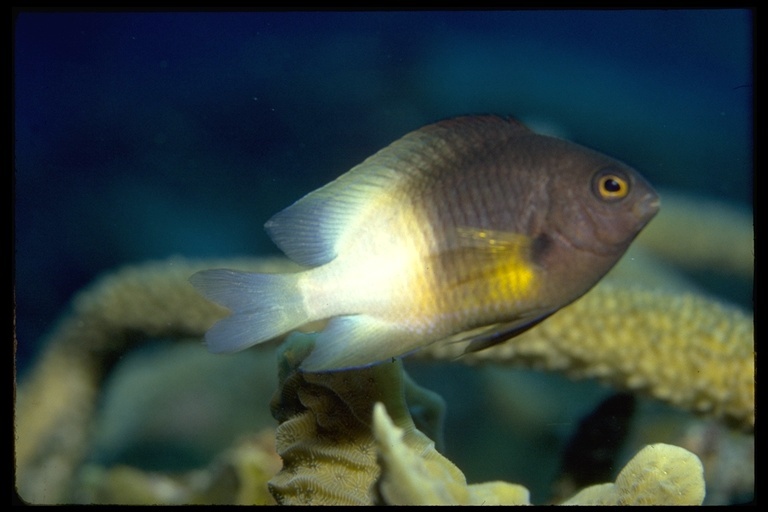
Stegastes partitus (Poey, 1868) (bicolor damselfish)
Inhabits shallow coral reefs and isolated patch reefs in deeper water. Feeds primarily on algae but also on polychaetes, hydroids, copepods and ascidians . Aggressively territorial but only around a small area . Taken incidentally in traps and small-meshed beach nets .
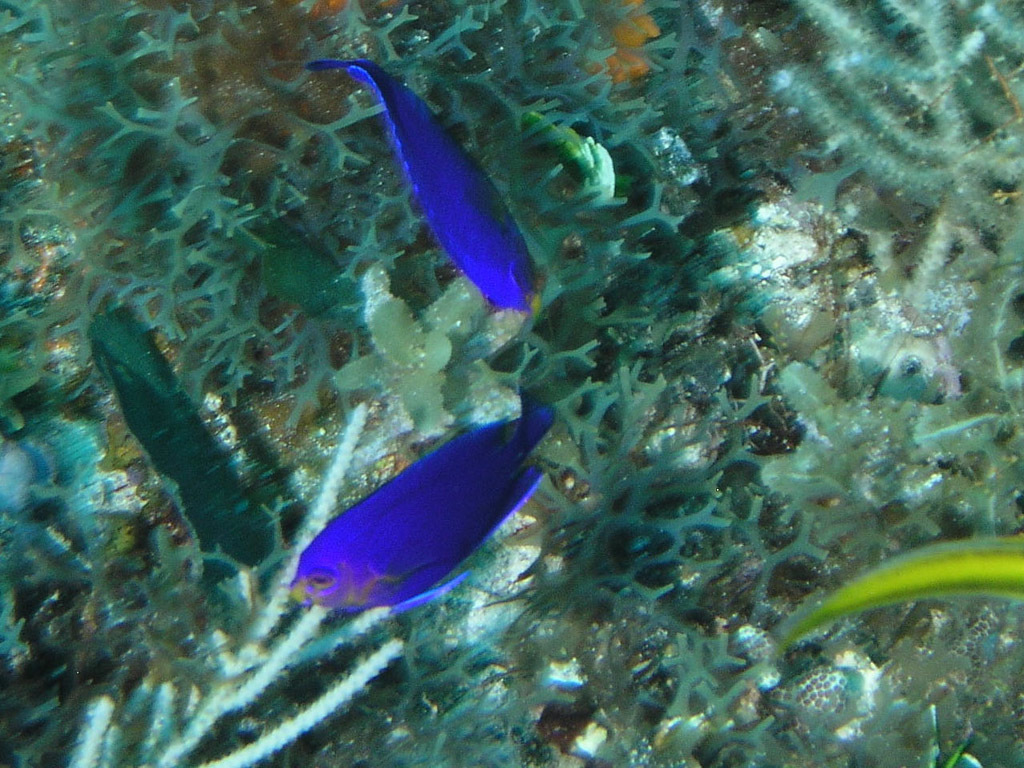
Chromis cyanea (Poey, 1860) (blue chromis)
Common above deep outer reefs and feeds in aggregations of the small zooplankton, primarily copepods . Often with creole wrasse. Retreats into coral crevices when frightened .
Apogon lachneri Böhlke, 1959 (whitestar cardinalfish)
Inhabits clear coral reefs.
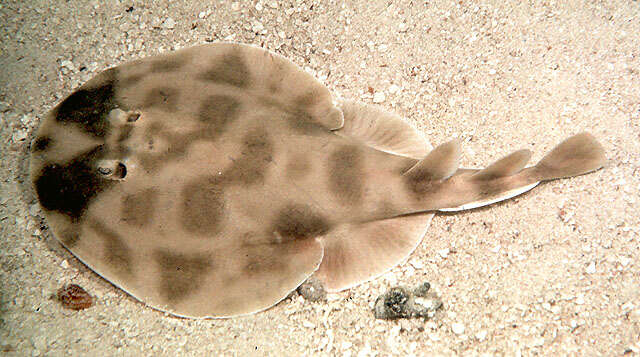
Narcine brasiliensis (Olfers, 1831) (Brazilian electric ray)
Inhabits coastal waters, on sand or mud bottoms . Common along sandy shorelines, sometimes near coral reefs . Buries itself with only eyes protruding . Nocturnal, moves to shallow bays at night to feed; prefers worms, b...
Read More
Read More
Leucoraja lentiginosa (Bigelow and Schroeder, 1951) (Freckled skate)
Oviparous . Eggs have horn-like projections on the shell .
Holocentrus rufus (Walbaum, 1792) (Miss darlington)
Nocturnal , inhabits clear reefs . Found near mouths of caves and holes ; at night they usually move to sandy areas and grass beds to feed on crabs, shrimps, gastropods and brittle stars . Marketed fresh but not popular as a food fish .
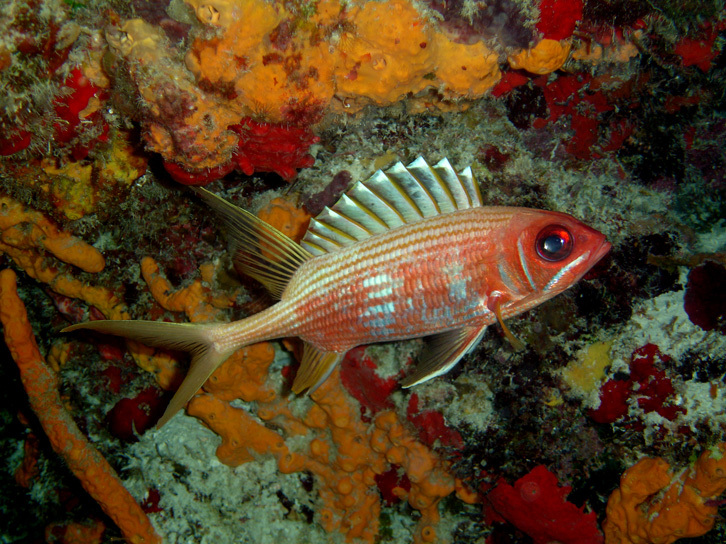
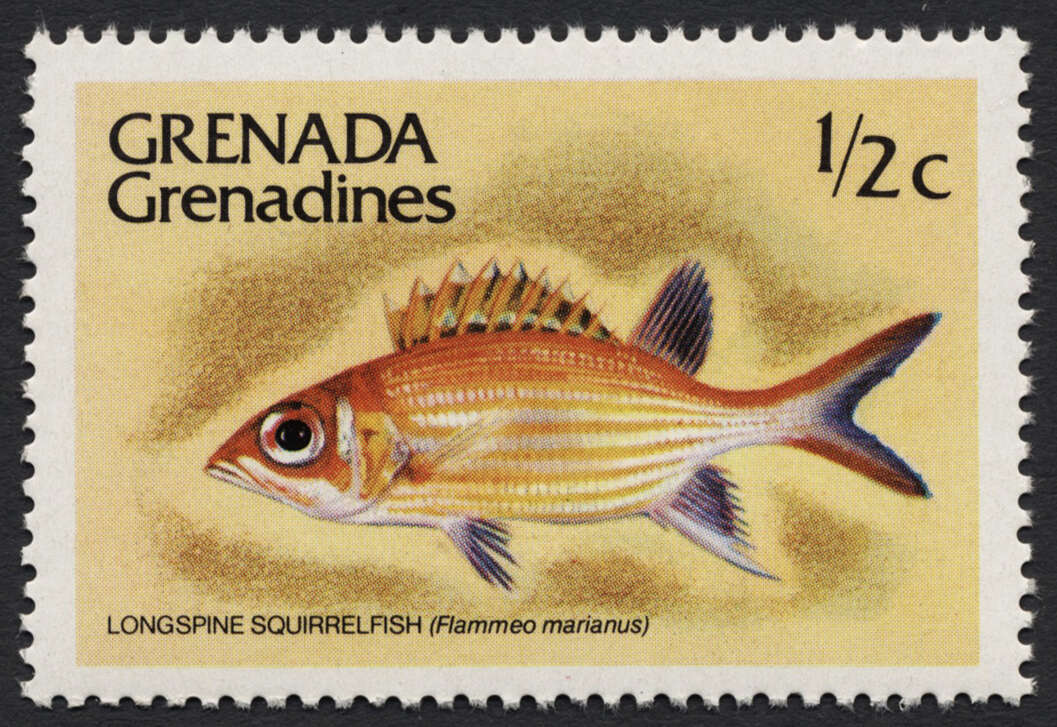
Neoniphon marianus (Cuvier, 1829) (Longjaw squirrelfish)
Rarely found in shallow water, but appears to be the most common squirrelfish in the depth range of 30-60 m or more . Reported used as food fish .
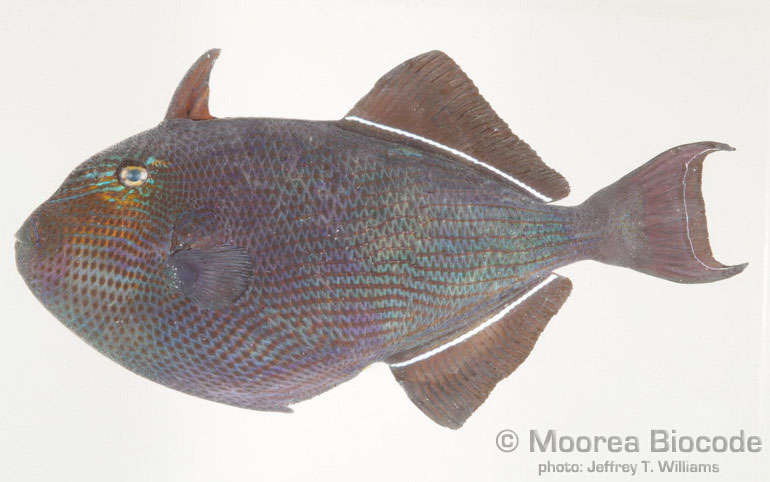
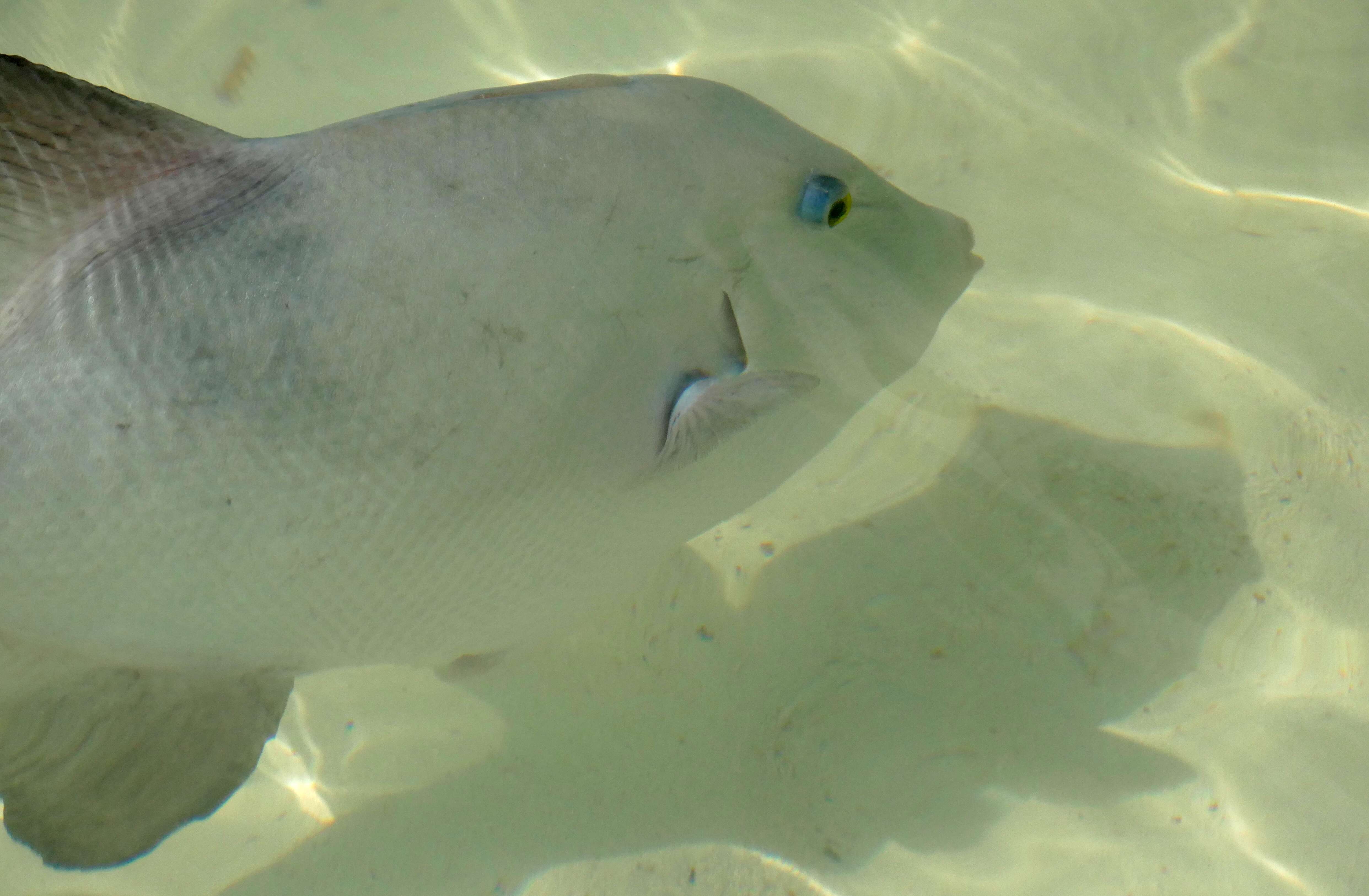
Melichthys niger (Bloch, 1786) (Black triggerfish)
Canthidermis sufflamen (Mitchill, 1815) (Filefish)
Common near drop-offs of seaward reefs . Occasionally in shallow water. Solitary or in small groups in open water. Often associated with Sargassum . Feeds mainly on large zooplankton. Minimum depth reported from Ref. 13121.
Centropyge argi Woods and Kanazawa, 1951 (Cherub pygmy angelfish)
Normally occurs in rubble areas. Feeds on various types of algae. Oviparous , monogamous . Retreats into holes when frightened . Has been reared in captivity .
Holacanthus ciliaris (Linnaeus, 1758) (queen angelfish)
Found on coral reefs. Generally occurs solitarily or in pairs. Moves gracefully between seafans, seawhips, and corals . Stomach contents of 26 specimens indicate that the species feeds almost exclusively on sponges supp...
Read More
Read More
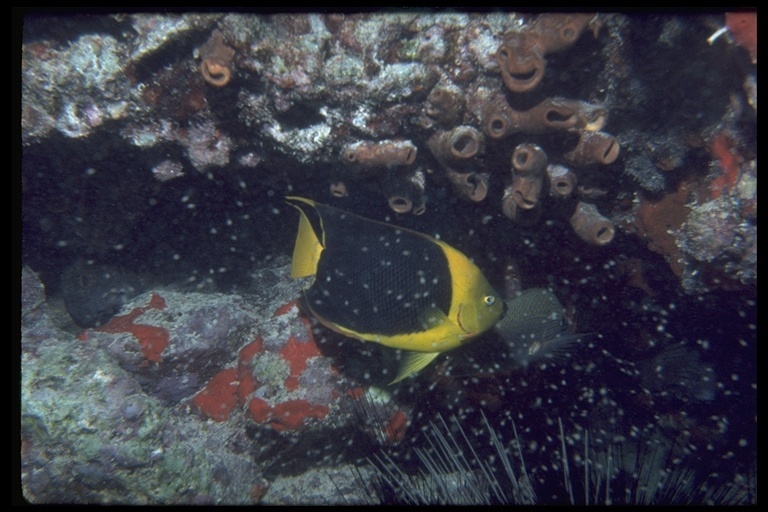
Holacanthus tricolor (Bloch, 1795) (Angelfish)
Inhabits rock jetties, rocky reefs and rich coral areas. Juveniles often associated with fire corals . Feeds on tunicates, sponges, zoantharians and algae. Marketed fresh .
Chaetodon capistratus Linnaeus, 1758 (Butterbun)
Inhabit shallow reefs and generally occurs singly or in pairs. Feed mainly on zoantharians, polychaete worms, gorgonians and tunicates. Easily approached . Oviparous . Form pairs during breeding .
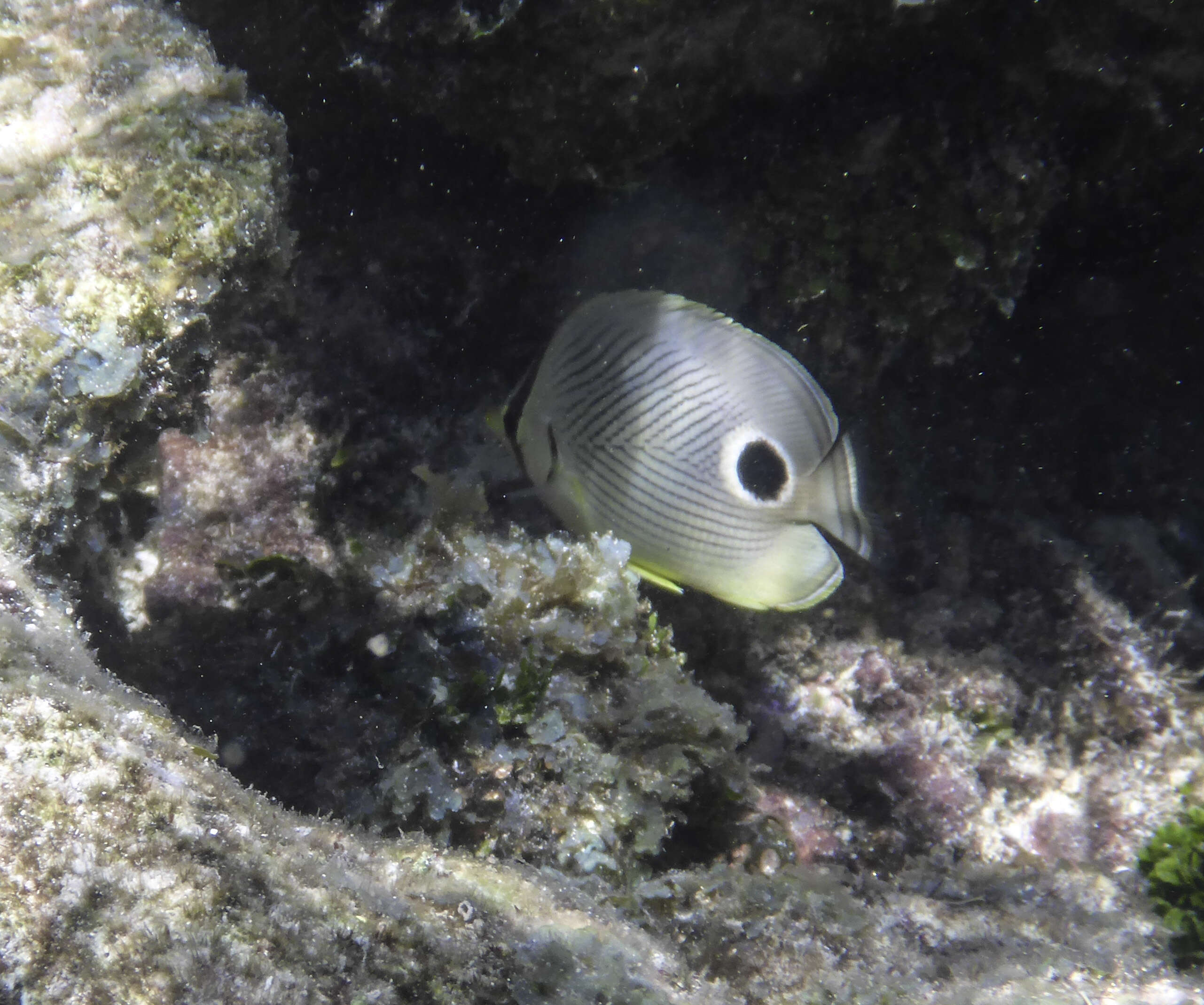
Chaetodon ocellatus Bloch, 1787 (Butterbun)
Inhabit shallow, coral reefs with clear water . Develop dusky bands at night. Generally common . Oviparous . Form pairs during breeding .
Prognathodes aya (Jordan, 1886) (bank butterflyfish)
Inhabit deep offshore reefs . Rarely seen by divers . Oviparous . Form pairs during breeding .
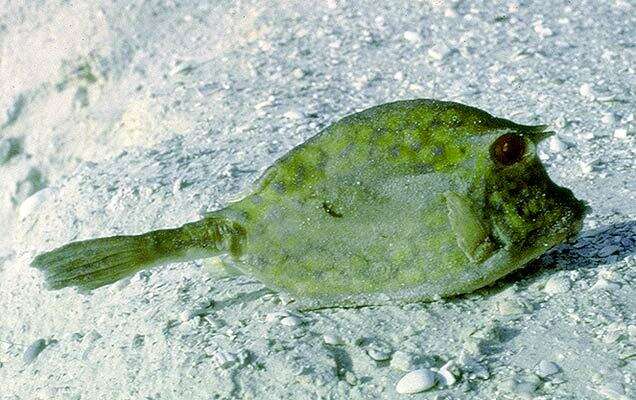
Lactophrys bicaudalis (Linnaeus, 1758) (Trunkfish)
Found in clear water around coral reefs. Sometimes under ledges and near small holes . Feeds on a variety of small bottom invertebrates such as mollusks, crustaceans, starfishes, sea urchins, sea cucumbers, sessile tunic...
Read More
Read More
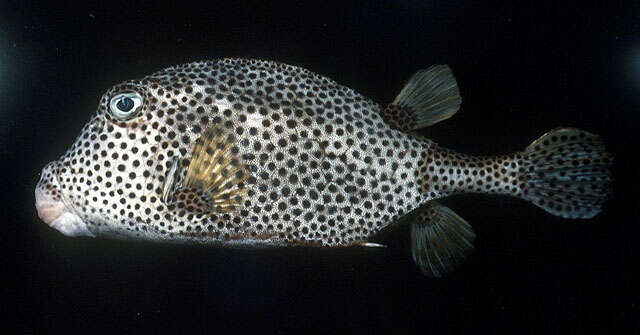
Acanthostracion polygonius Poey, 1876 (honeycomb cowfish)
Occurs in clear water around coral reefs. Feeds on sponges, alcyonarians, tunicates, and shrimp. Uncommon and wary . Consumed fresh, generally roasted .
Sphyraena barracuda (Edwards, 1771) (Alho)
Chelonia mydas Linnaeus 1758 (Green Turtle)
Green turtles are long-lived and may take up to 59 years to reach sexual maturity Undertaking tremendous feats of navigation, adults return to the same beach to breed each season, part of the population in Brazil astonish...
Read More
Read More
Pristigenys alta (Gill, 1862) (Bigeye)
Found on rocky bottoms between 5 and 200 m depth, usually solitary and possibly territorial.
Share on Social Networks
- Facebook:

personalize your shared text as well as its destination (wall, page...) or send as a private message to a friend
- Twitter: Tweet personalize your tweet
- Google Plus:
Direct link to this dive
- Long link:
- Short link:


 We are participating today in the startup contest Techcrunch Disrupt. Support Diveboard by voting for us!
























































































Started dive at 75', while swimming in and around the coral we would move up & back dawn as much as 20-25', so we fluctuated between 50-75'. Boat was Renegade - w/ Matu again. Very strong winds and current with white caps. Too much wave action to get around the cruise ship point (outside of reef protection) until got the goahead from captain. Beautiful dive.