


 Big Daddy

 Mexico
-
Nº49
 Date: 2009-12-23 - 05:15
-
 Max Depth: 13.7m Duration: 50mins
Pictures

No pictures for this dive
- Temp: Surf 28°C Bottom 26°C
- Dive type : Recreational, Drift, Reef
- Visibility: Good Water: Salt
Specific gear used
- Weights: 6.8 kg
Recent Divers in Cozumel


Recent Pictures in Cozumel
Dive Shop & Buddies
 Dive with Ramone from Dive Paradise
 Dive buddies:
Madalyn Wilson
Dive buddies:
Madalyn Wilson

Link to this spot:
- Spot:
- Country:
- Area:
- Body of water:
Dive Profile
- 1. Air
- 10L Aluminium 207 → 34 bar
- Average depth: 9.1m
Data provided by EOL.org



Species Identified
Ginglymostoma cirratum (Bonnaterre, 1788) (Nurse shark)
During the day the nurse shark is a sluggish animal, spending most of its time resting on sandy bottoms, or in crevices in rocks and coral reefs. Often several nurse sharks may congregate when resting, sometimes even pili...
Read More
Read More
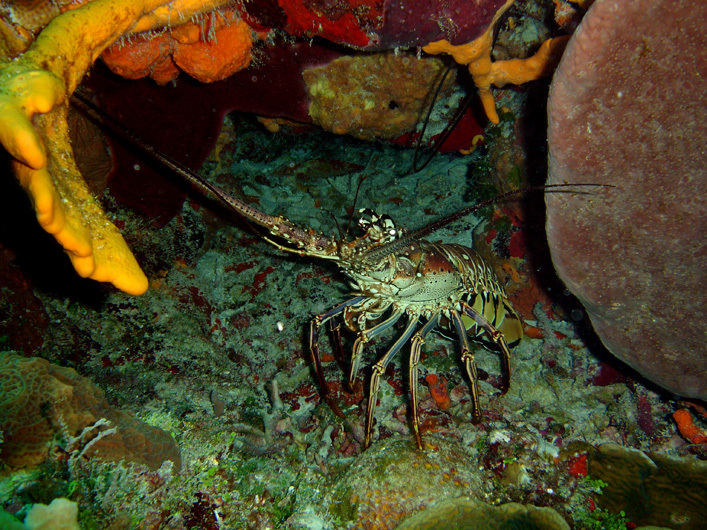
Panulirus argus (Latreille, 1804) (Caribbean spiny lobster)
Cancer irroratus Say, 1817 (Atlantic rock crab)
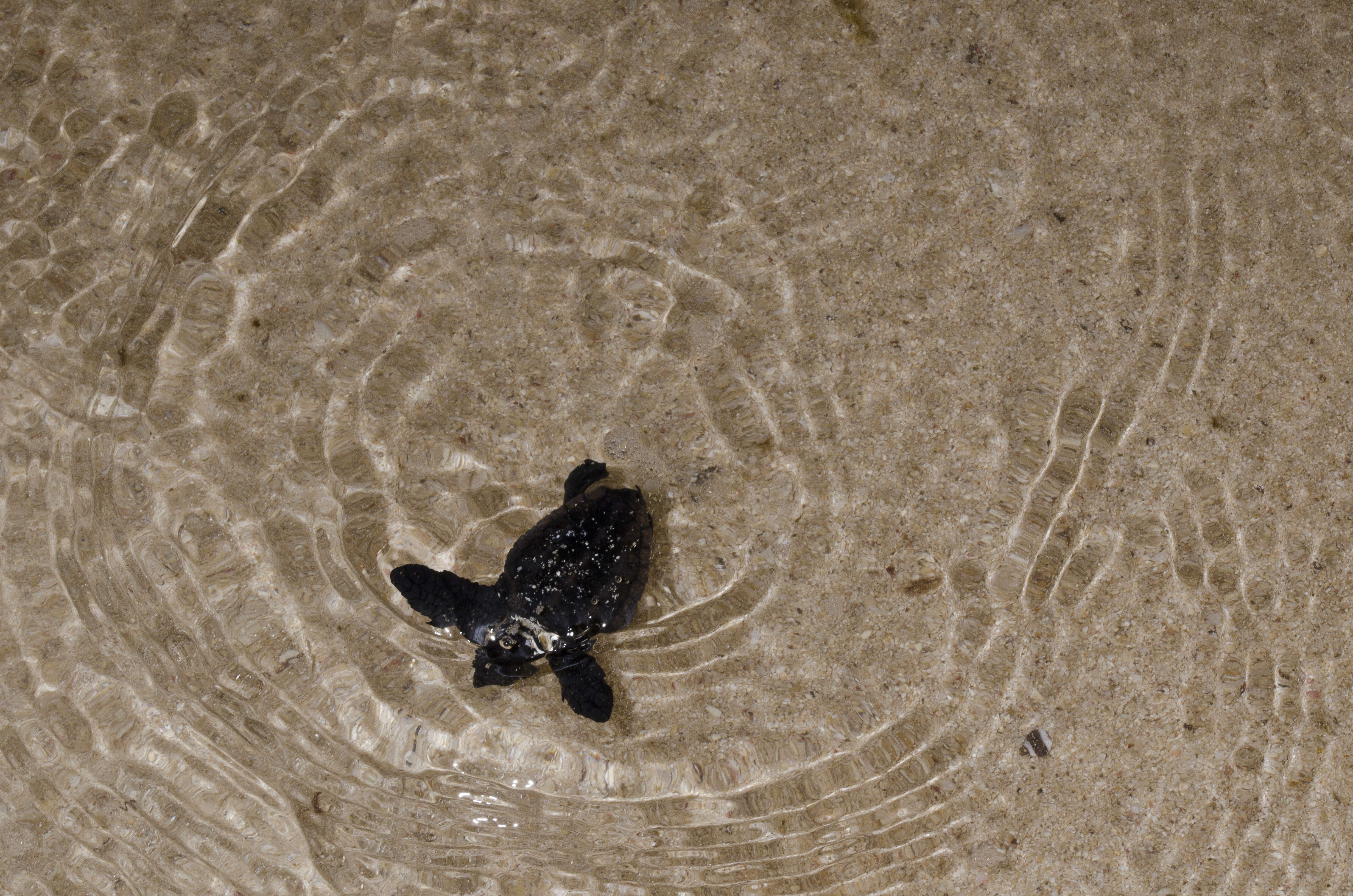
Caretta caretta Linnaeus 1758 (Loggerhead Turtle)
Adults are primarily carnivorous, using their powerful jaws to crack open crustaceans such as crabs and even seemingly impenetrable molluscs such as the queen conch (Strombus gigas) and giant clam (Tridacna s...
Read More
Read More
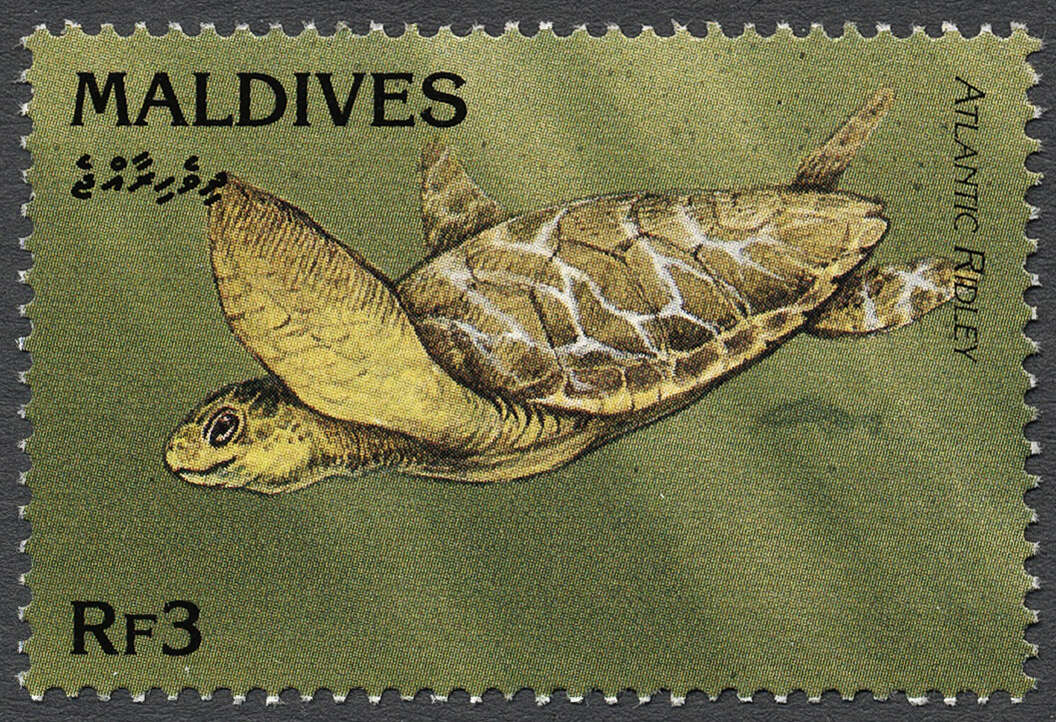
Lepidochelys kempii Garman 1880 (Kemp's Ridley Turtle)
Along with the olive ridley, Kemp's ridley turtle used to exhibit mass synchronised nestings known as 'arribadas' (Spanish for 'mass arrivals'), where thousands of females came ashore on the same beach to nest at the same ...
Read More
Read More
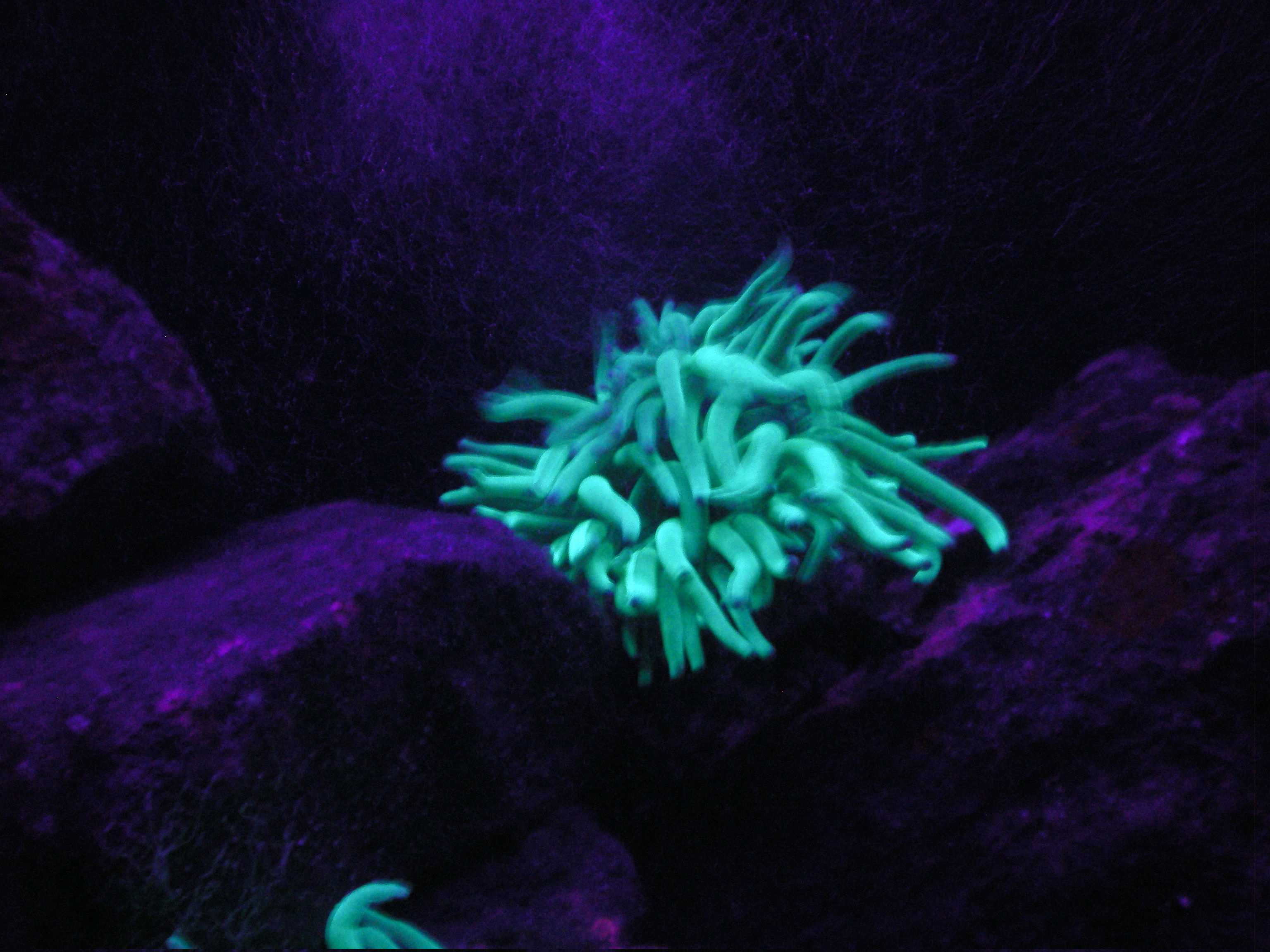
Condylactis gigantea (Weinland, 1860) (giant caribbean anenone)
Oreaster reticulatus (Linnaeus, 1758) (cushion sea star)
Echinaster serpentarius Müller and Troschel, 1842
Hermodice carunculata (Pallas, 1766) (bearded fireworm)
Share on Social Networks
- Facebook:

personalize your shared text as well as its destination (wall, page...) or send as a private message to a friend
- Twitter: Tweet personalize your tweet
- Google Plus:
Direct link to this dive
- Long link:
- Short link:


 We are participating today in the startup contest Techcrunch Disrupt. Support Diveboard by voting for us!
























































































First dive for Madalyn - Excellent! Current was the slowest I have ever experienced in Cozumel. We were able to kick from coral out-croppings in every direction. Vis was a litte hazy due to this slower current. Ramone said tide was shifting, causing these calm conditions.
We saw more lobsters than usual, and becasue the sun was setting the large crab had started coming out on open sand. Ramone showed Madalyn a few things she could touch, and we saw huge sea worms, coral of all kinds, turtles and one large shark swimming around us.
Sun setting when we came up - BEAUTIFUL DIVE - Maddie was in awe.