


 Charles Cromer

 United States
-
Nº13
 Date: 2013-06-02 - 09:14
-
 Max Depth: 19.5m Duration: 37mins
Pictures

No pictures for this dive
- Temp: Surf 27°C Bottom 27°C
- Dive type : Recreational
- Visibility: Average Water: Salt
Specific gear used
- Computer: Mares - Puck
- Weights: 11.8 kg
Recent Divers in Panama City Beach, Florida

Link to this spot:
- Spot:
- Country:
- Area:
- Body of water:
Dive Profile
- 1. Air
- 10L Aluminium 200 → 17 bar
- Average depth: 13m
Data provided by EOL.org
Species Identified
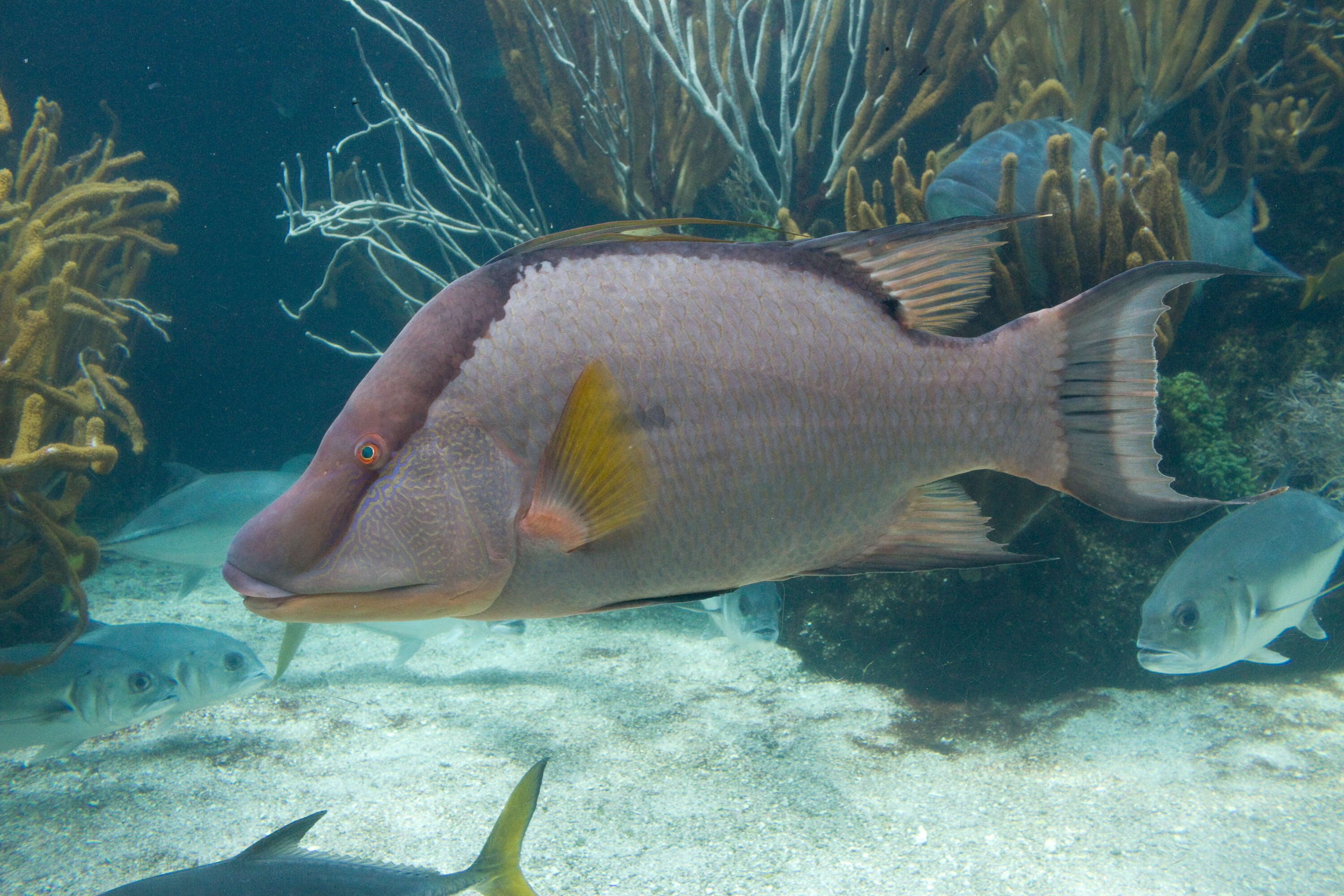
Lachnolaimus maximus (Walbaum, 1792) (Hogfish)
Hogfish have a fascinating life history; they are protogynous hermaphrodites, meaning that individuals first function sexually as females and then later, upon reaching a larger size, transform into males . This change gen...
Read More
Read More
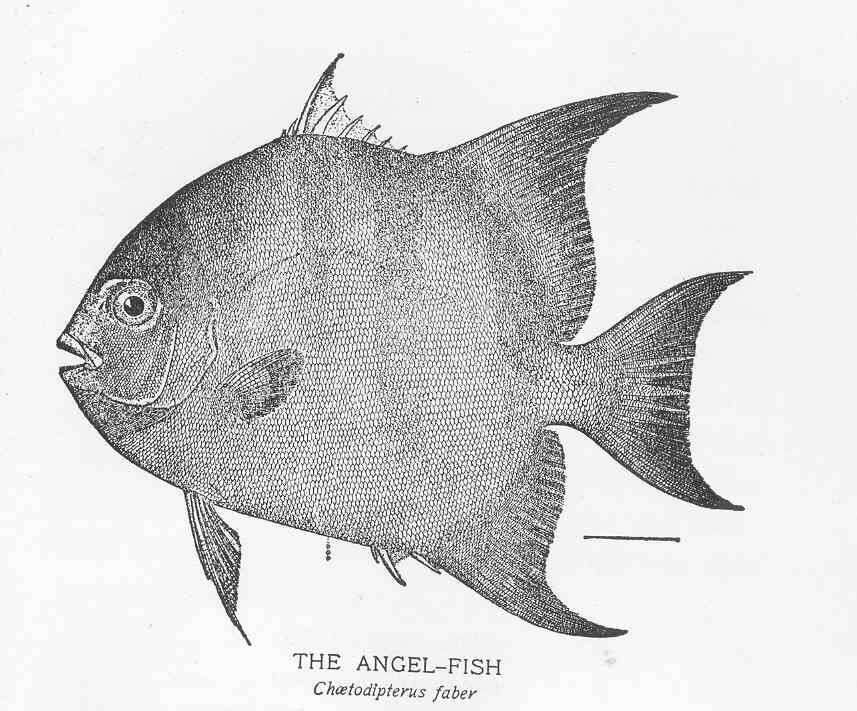
Chaetodipterus faber (Broussonet, 1782) (Atlantic spadefish)
Abundant in shallow coastal waters, from mangroves and sandy beaches to wrecks and harbors. Juveniles are common in estuaries and often found in very shallow water swimming at an angle resembling dead leaves or as infert...
Read More
Read More
Balistes capriscus Gmelin, 1789 (gray triggerfish)
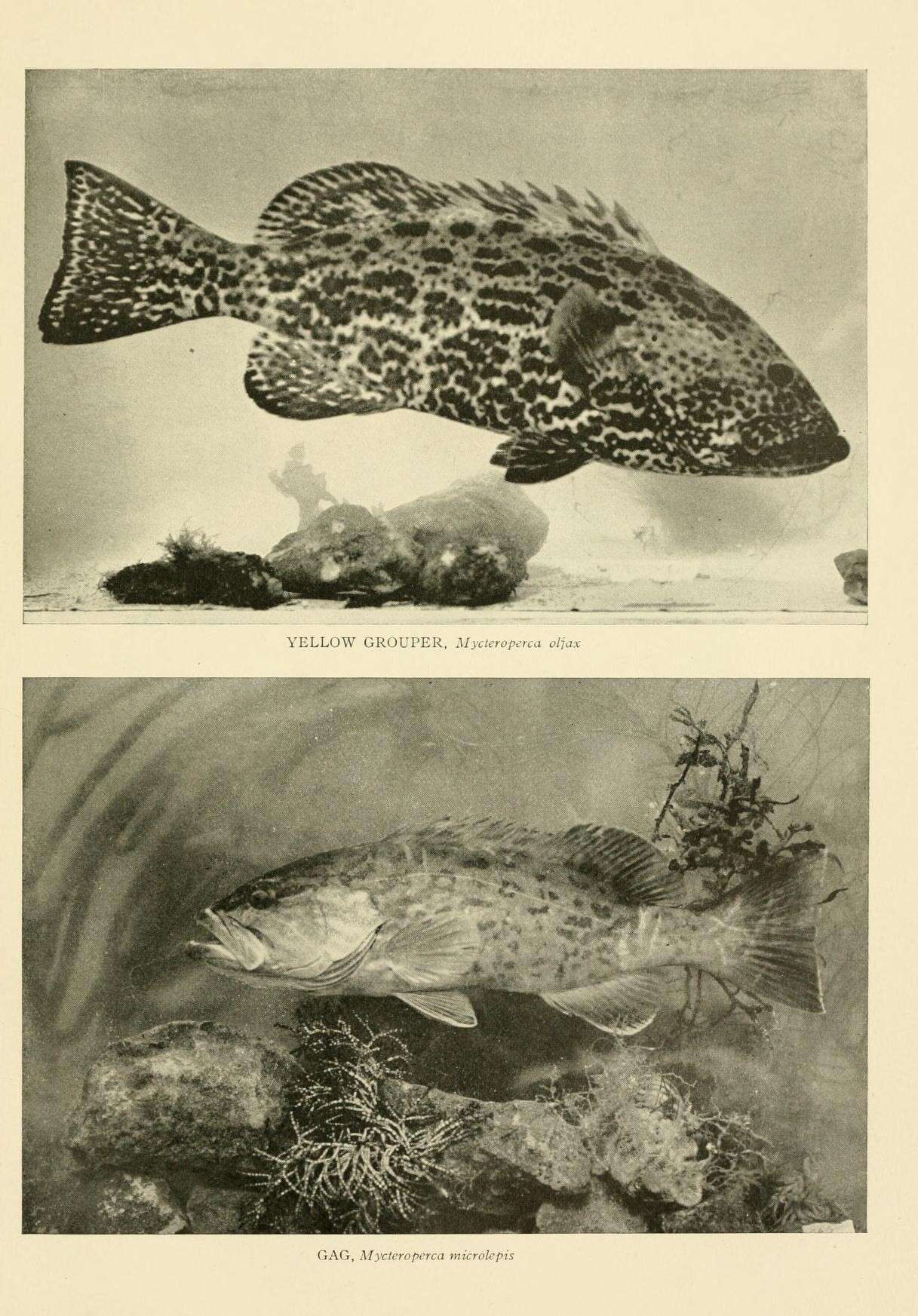
Mycteroperca venenosa (Linnaeus, 1758) (Grouper)
Adults found on rocky and coral reefs, juveniles occur in shallow turtle grass beds. Also been taken in trawls over mud bottom in the northern Gulf of Mexico. Feeds mainly on fishes and squids. Although often implicate...
Read More
Read More
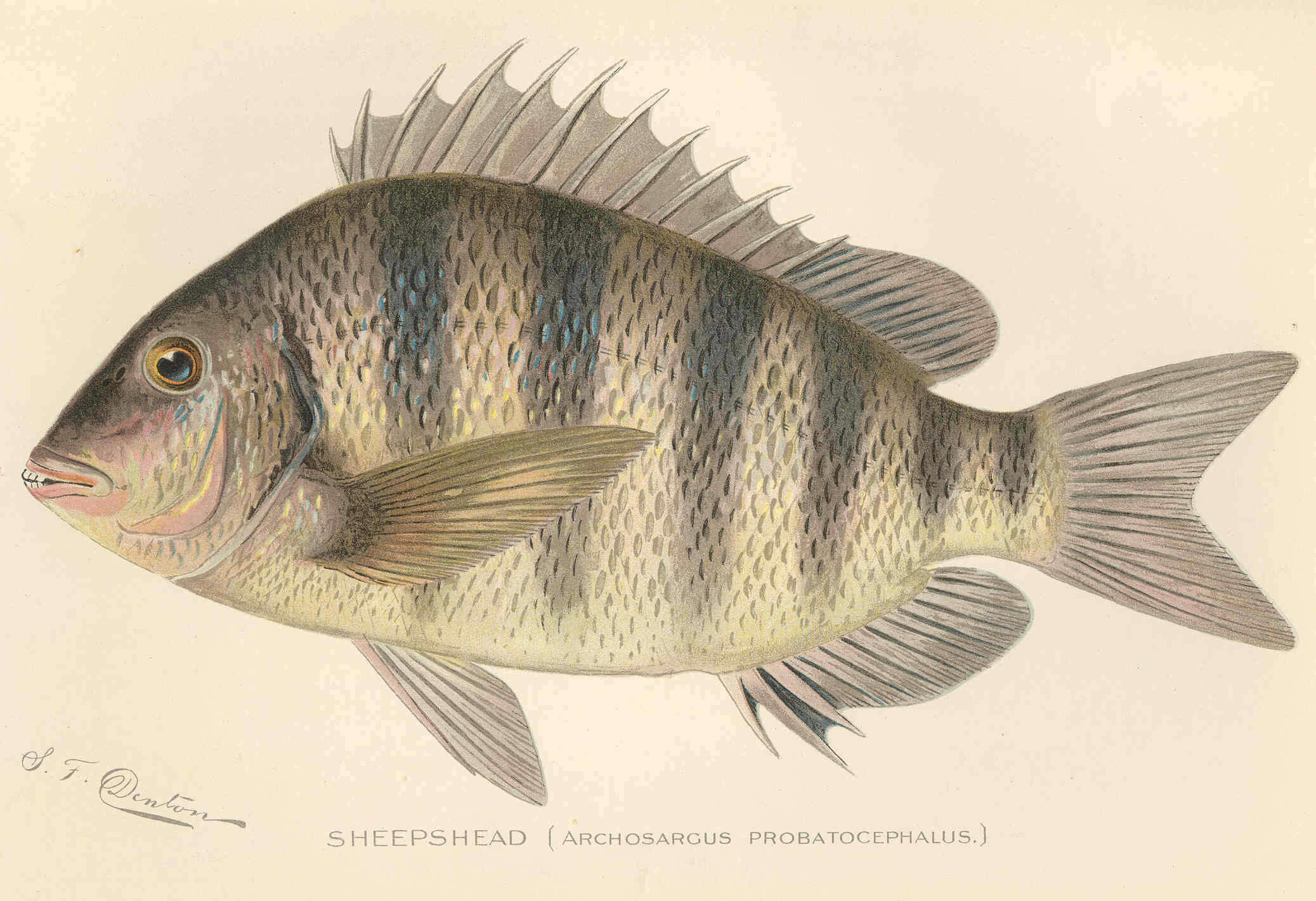
Archosargus probatocephalus (Walbaum, 1792) (Sheepshead seabream)
Mugil cephalus Linnaeus, 1758 (Striped mullet)
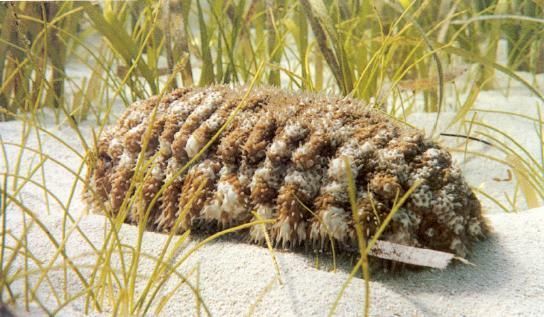
Astichopus multifidus (Sluter, 1910) (fissured sea cucumber)
Holacanthus ciliaris (Linnaeus, 1758) (queen angelfish)
Found on coral reefs. Generally occurs solitarily or in pairs. Moves gracefully between seafans, seawhips, and corals . Stomach contents of 26 specimens indicate that the species feeds almost exclusively on sponges supp...
Read More
Read More
Share on Social Networks
- Facebook:

personalize your shared text as well as its destination (wall, page...) or send as a private message to a friend
- Twitter: Tweet personalize your tweet
- Google Plus:
Direct link to this dive
- Long link:
- Short link:


 We are participating today in the startup contest Techcrunch Disrupt. Support Diveboard by voting for us!
























































































Observed: Hog Fish, Triggerfish, Grouper (Black and Pale), Sheepshead, Mullet, Sea Cucumbers, Queen Angels, Spadefish
3mm Full suit, went in with 24lbs of weight, was definitely overweighted.