



 Pete Lewis



 Egypt
-
Nº51
 Date: 2015-07-16 - 09:01
-
 Max Depth: 29m Duration: 33mins
Dive Location

- Surface interval:68 mins
- Temp: Surf 28°C Bottom 25°C
- Dive type : Wreck
- Visibility: Good Water: Salt
Specific gear used
- Computer: Suunto - Vyper Air
- Fins: Mares - Avanti Quattro Plus
- Mask: Atomic Aquatics - Frameless
- Wet suit: Scuba pro - everflex 5/4
- Weights: 8 kg
Dive reviews
| Overall review | ||
| Dive difficulty | ||
| Marine life quality |
Recent Divers in Straits of Gubal

Recent Pictures in Straits of Gubal
Dive Shop & Buddies
 Dive with Nemo Diving Club

Link to this spot:
- Spot:
- Country:
- Area:
- Body of water:
Dive Profile
- 1. Air
- 15L Aluminium 250 → 40 bar
- Average depth: 19.3m
Data provided by EOL.org

Species Identified
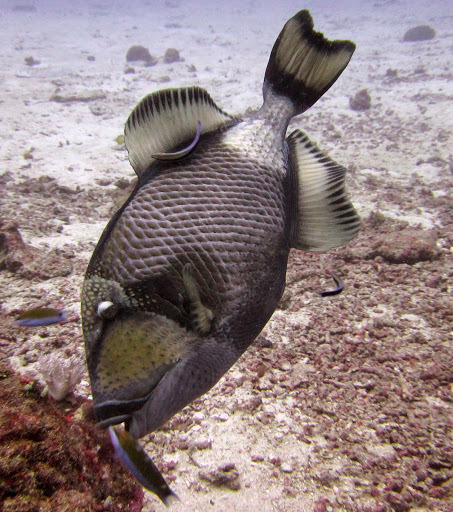
Balistoides viridescens (Bloch and Schneider, 1801) (Titan triggerfish)
Occur in lagoon, seaward reefs and sheltered inner reef slopes . Juveniles often associated with isolated patches of branching coral or rubble of shallow sandy protected areas. Adults occur singly or in pairs on the slo...
Read More
Read More
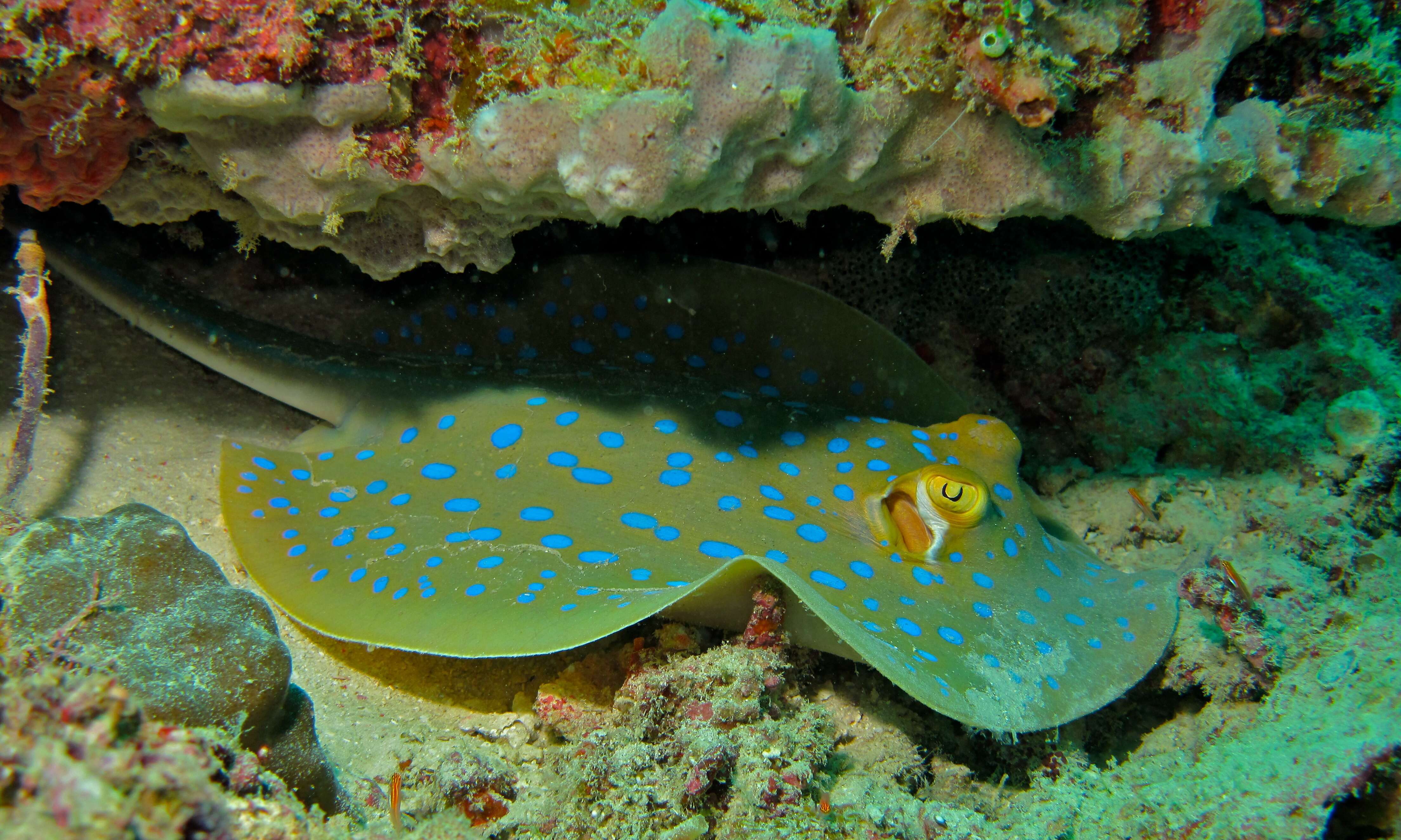
Taeniura lymma (Forsskål, 1775) (Bluespotted ribbontail ray)
Blue-spotted stingrays live alone or in small groups , migrating in large schools into shallow sandy areas on the rising tide in order to feed, and dispersing back into the ocean as the tide falls to shelter in the coral c...
Read More
Read More
Arothron stellatus (Bloch & Schneider, 1801) (Blackspotted puffer)
Relatively uncommon in patch reefs and coral slopes near sandy areas of clear lagoon and seaward reefs. Juveniles occur in sandy and weedy inner reefs, adults on clear lagoons and seaward reefs . Juveniles inshore, usual...
Read More
Read More
Share on Social Networks
- Facebook:

personalize your shared text as well as its destination (wall, page...) or send as a private message to a friend
- Twitter: Tweet personalize your tweet
- Google Plus:
Direct link to this dive
- Long link:
- Short link:


 We are participating today in the startup contest Techcrunch Disrupt. Support Diveboard by voting for us!
























































































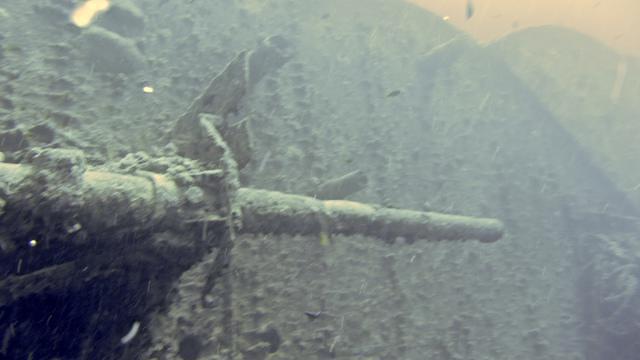
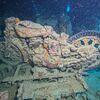
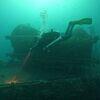
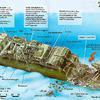
After leaving the hotel at 04:00 in the morning we took the 4 hour voyage to the site before descending onto the famous SS Thistlegorm which is one of the best wreck dives in the world.Swimming towards it head on,as the front of the wreck came into view I was unprepared for the sheer size and height of it.Breath taking! First dive plan was to swim around the wreck noticing the huge gun and various machinery on the decks.We finished around the rear of the wreck near the entry point for our second dive.Saw a Blue Tailed Ribbon Ray and an enormous Trigger Fish.