



 Pete Lewis



 Egypt

-
Nº60
 Date: 2015-07-21 - 14:58
-
 Max Depth: 16m Duration: 35mins
Pictures

No pictures for this dive
- Surface interval:89 mins
- Temp: Surf 36°C Bottom 32°C
- Dive type : Reef
- Visibility: Good Water: Salt
Specific gear used
- Computer: Suunto - Vyper Air
- Fins: Mares - Avanti Quattro Plus
- Mask: Atomic Aquatics - Frameless
- Wet suit: Scuba pro - everflex 5/4
- Weights: 7 kg
Dive reviews
| Overall review | ||
| Dive difficulty | ||
| Marine life quality |
Recent Divers in Red Sea


Recent Pictures in Red Sea

Dive Shop & Buddies
 Dive with Nemo Diving Club

Link to this spot:
- Spot:
- Country:
- Area:
- Body of water:
Dive Profile
- 1. Air
- 12L Aluminium 200 → 80 bar
- Average depth: 10.7m
Data provided by EOL.org

Species Identified
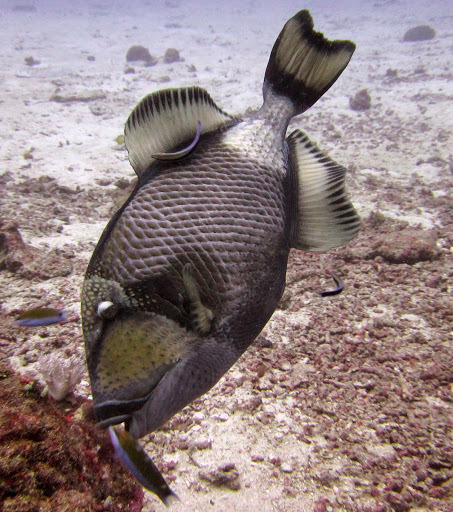
Balistoides viridescens (Bloch and Schneider, 1801) (Titan triggerfish)
Occur in lagoon, seaward reefs and sheltered inner reef slopes . Juveniles often associated with isolated patches of branching coral or rubble of shallow sandy protected areas. Adults occur singly or in pairs on the slo...
Read More
Read More
Muraena retifera Goode and Bean, 1882 (Moray eel)
Known only from moderate depths along outer continental shelf.
Synanceia verrucosa Bloch & Schneider, 1801 (Stonefish)
Most widespread stonefish . Found on sandy or rubble areas of reef flats and shallow lagoons and in small pools during low tide well camouflaged among the substrate and sometimes even covered with algae . Solitary specie...
Read More
Read More
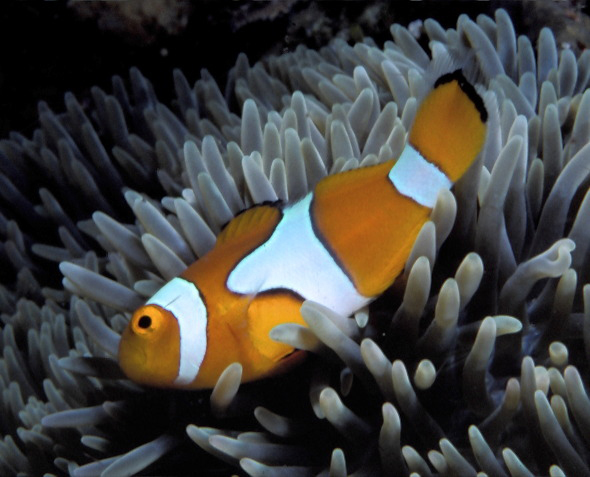
Amphiprion percula (Lacepède, 1802) (Orange clownfish)
Inhabits lagoon and seaward reefs . Each group of fish consists of a breeding pair and 0-4 non-breeders. Within each group there is a size-based hierarchy: the female is largest, the male is second largest, and the non-...
Read More
Read More
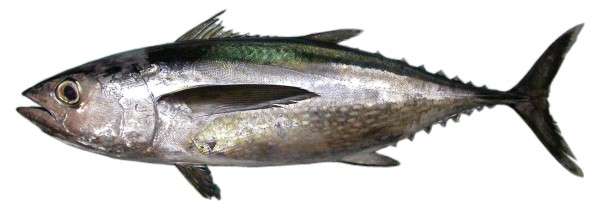
Thunnus tonggol (Bleeker, 1851) (Blue-fin tuna)
Predominantly neritic species avoiding very turbid waters and areas with reduced salinity such as estuaries. May form schools of varying size. Feeds on a variety of fishes, cephalopods, and crustaceans, particularly stom...
Read More
Read More
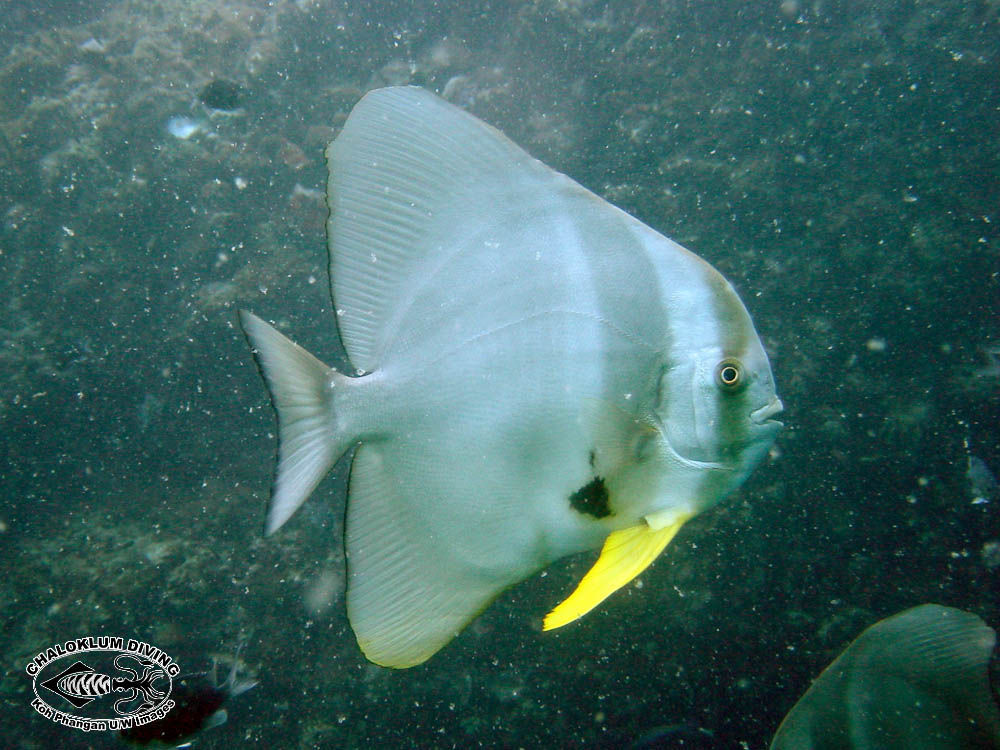
Platax orbicularis (Forsskål, 1775) (Orbicular batfish)
Live in shallow protected coastal waters to deep, somewhat silty habitats. Often with deep shipwrecks . Adults are found singly or in small groups and occasionally in large schools in some areas. Juveniles occur singly ...
Read More
Read More
Share on Social Networks
- Facebook:

personalize your shared text as well as its destination (wall, page...) or send as a private message to a friend
- Twitter: Tweet personalize your tweet
- Google Plus:
Direct link to this dive
- Long link:
- Short link:


 We are participating today in the startup contest Techcrunch Disrupt. Support Diveboard by voting for us!
























































































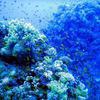
Great optional third dive of the day on a shallow reef.Saw three large Stonefish,2 massive Moray Eels,Blue Spotted Ribbontail ray,Gigantic Titan Trigger fish,Clown Fish,Lizard Fish and a Tuna.Also a good variety of hard and soft corals.Alos swam adjacent to a school of Batfish.Really enjoyable dive.Buoyancy was perfect.