


 Xkey
Xkey

 United Kingdom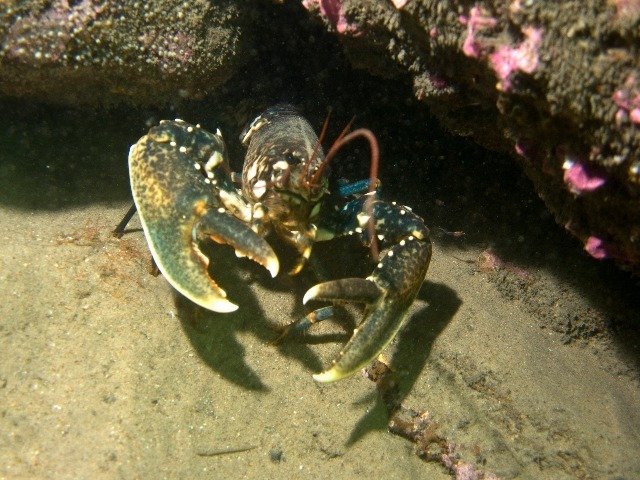
-
 Date: 2011-06-09 - 17:30
-
 Max Depth: 8.9m Duration: 49mins
Dive Location

- Temp: Surf 22°C Bottom 13°C
- Dive type : Recreational, Reef, Photo
- Visibility: Average Water: Salt
Specific gear used
- Camera: Canon - G9
- Weights: 16 kg
Recent Divers in Cullercoats
Dive Shop & Buddies
 Dive buddies:
John Allen
Dive buddies:
John Allen

Link to this spot:
- Spot:
- Country:
- Area:
- Body of water:
Dive Profile
- 1. Air
- 12L Steel 230 → 30 bar
- Average depth: 5.9m
Data provided by EOL.org
Species Identified
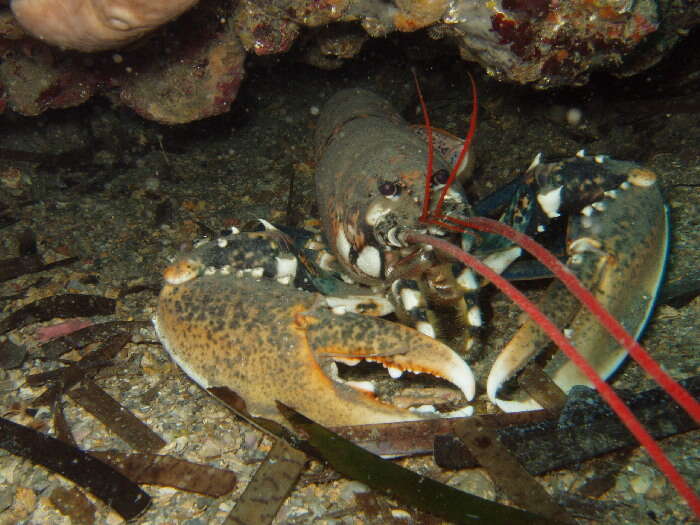
Homarus gammarus (Linnaeus, 1758) (European lobster)
The common lobster is a scavenger, and uses its pincers to manipulate food items . The sexes are separate, spawning occurs once a year in summer, and after mating, the female carries the eggs on her walking legs for a...
Read More
Read More
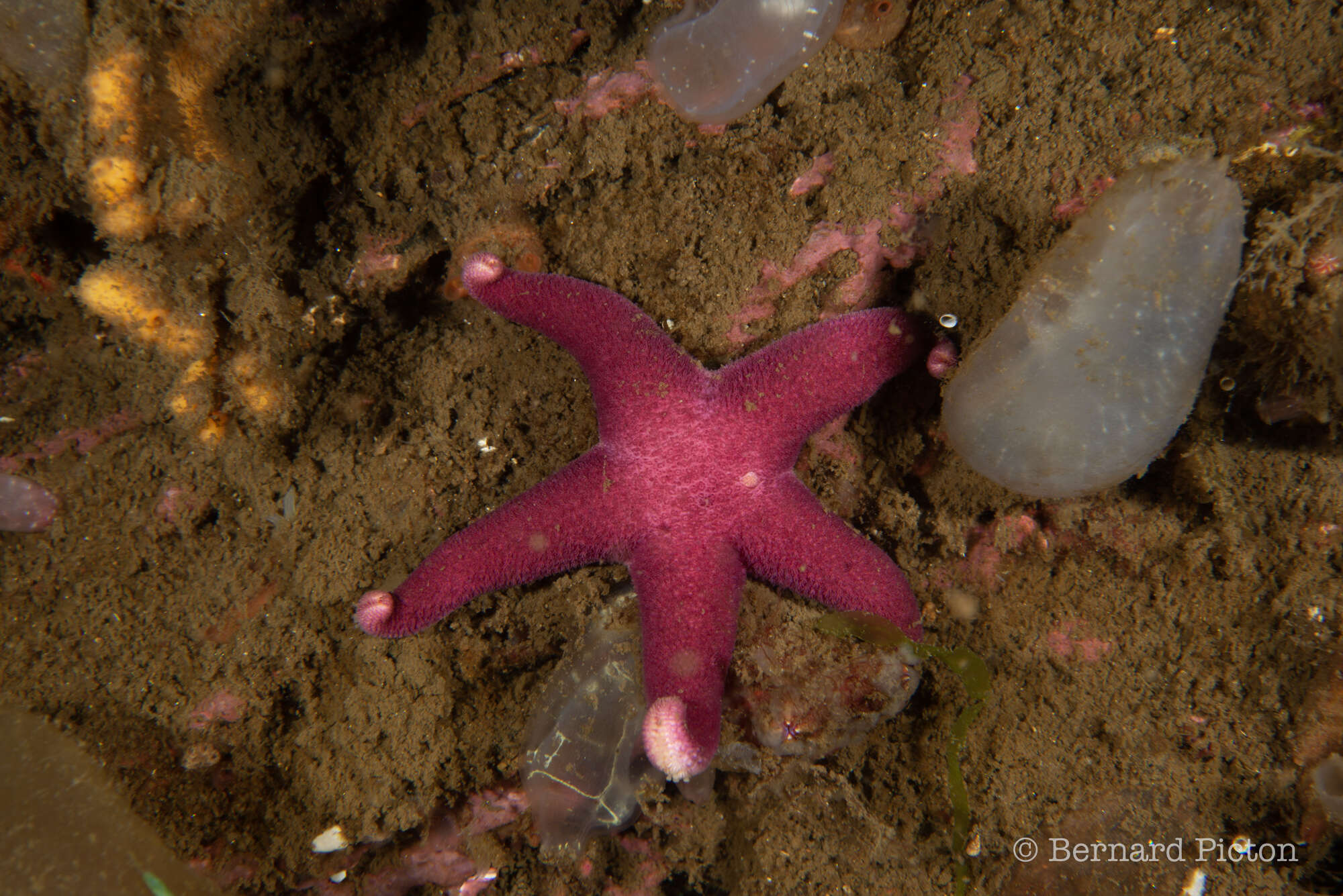
Henricia oculata (Bloody Henry starfish)
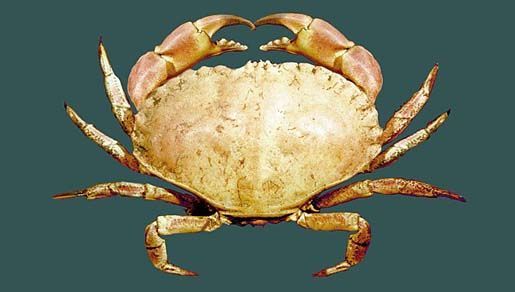
Cancer pagurus (Edible crab)
Adult edible crabs take a very wide range of prey species, and are important predators of molluscs . When on sediments, these crabs dig large pits in order to find food . Females reach maturity at carapace widths of 1...
Read More
Read More
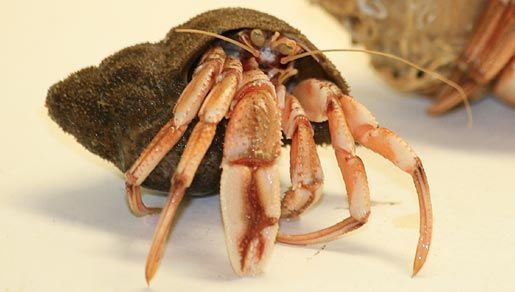
Pagurus bernhardus (common hermit crab)
Eats on dead organic material. A long foreplay, to ensure the baring of the abdomen was not vain. The mating only lasts less than a minute.
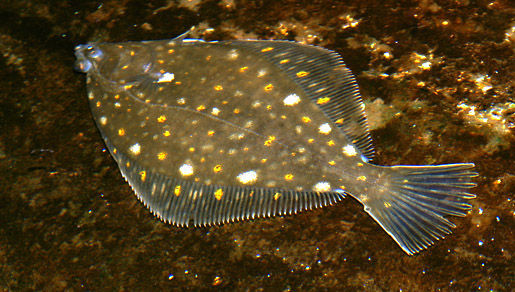
Pleuronectes platessa Linnaeus, 1758 (European plaice)
European plaice are active mainly at night, when they feed on molluscs and polychaete worms , which are crushed with the strong jaws . During the day they tend to lie hidden, often partially buried in the sediment . ...
Read More
Read More
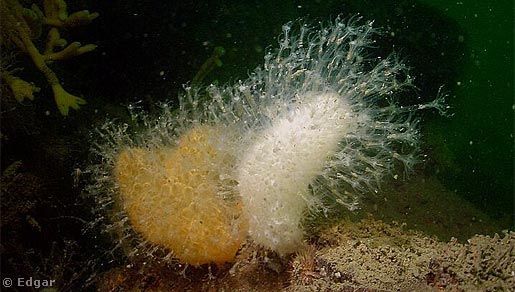
Alcyonium digitatum Linnaeus, 1758 (dead man's fingers)
Colonies of dead man's fingers actively feed at various times of the day, with the polyps extended . They feed on plankton which is brought into the polyps by the generation of a water current caused by the beating of tin...
Read More
Read More
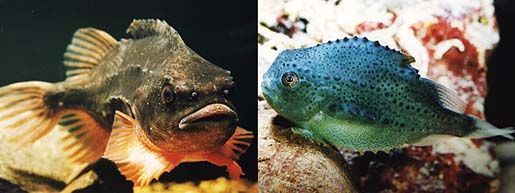
Cyclopterus lumpus Linnaeus, 1758 (Lumpsucker)
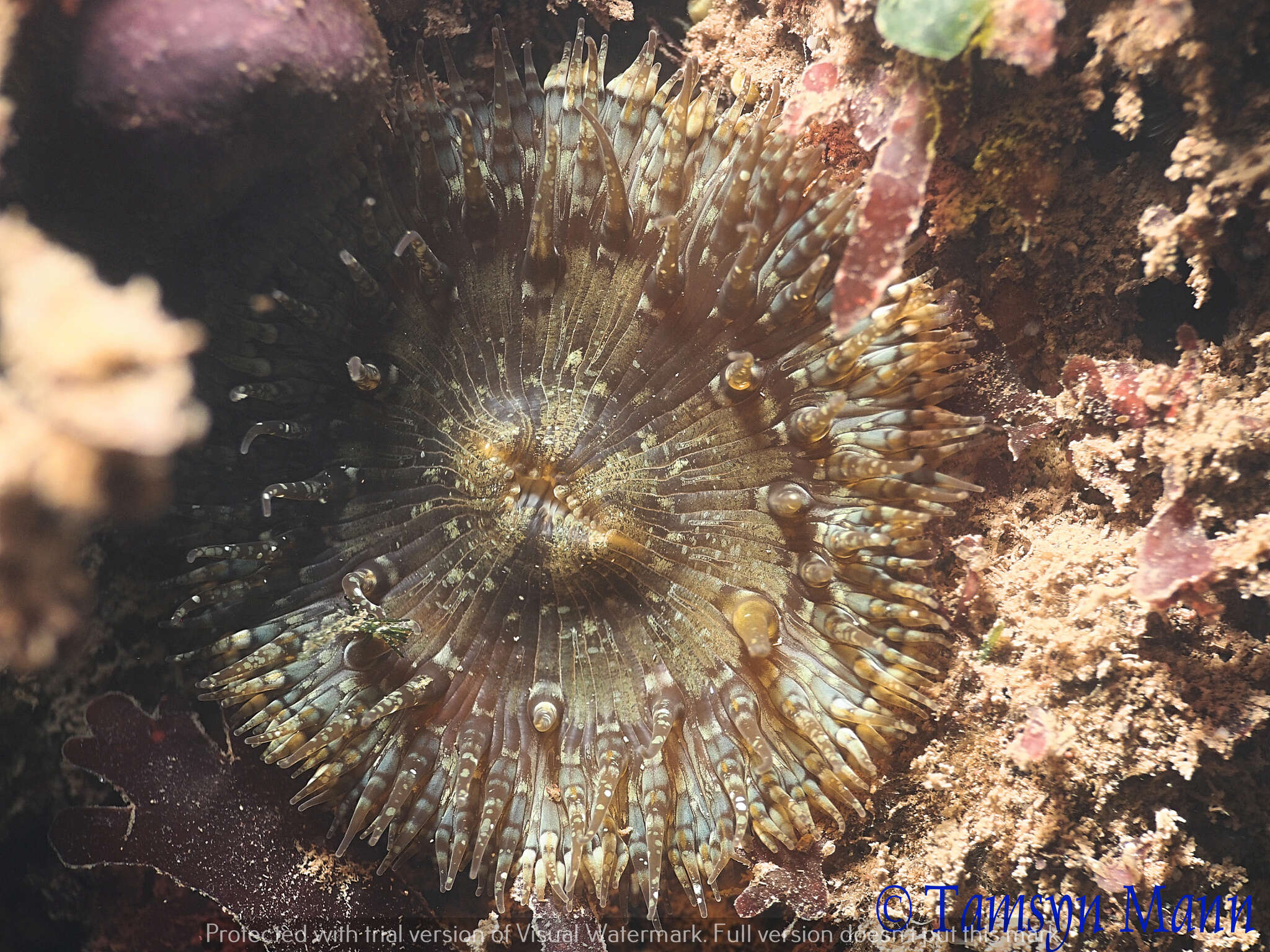
Cereus pedunculatus (Pennant, 1777) (Daisy anemone)
Share on Social Networks
- Facebook:

personalize your shared text as well as its destination (wall, page...) or send as a private message to a friend
- Twitter: Tweet personalize your tweet
- Google Plus:
Direct link to this dive
- Long link:
- Short link:


 We are participating today in the startup contest Techcrunch Disrupt. Support Diveboard by voting for us!
























































































Great dive found a treasure chest! and a key! Came across lots of sea creatures very interesting dive.