


 United States

-
Nº11
 Date: 2013-03-17 - 11:30
-
 Max Depth: 17m Duration: 42mins
Pictures

No pictures for this dive
- Temp: Surf 22°C Bottom 17°C
- Dive type : Recreational, Reef
- Visibility: Excellent Water: Salt
Recent Divers in


Recent Pictures in


Dive Shop & Buddies
 Dive with Divetech, Ltd.

Link to this spot:
- Spot:
- Country:
- Area:
- Body of water:
Dive Profile
- 1. Nitrox 32
- 12L Steel 3100 → 800 bar
- Average depth: 11.3m
Data provided by EOL.org

Species Identified
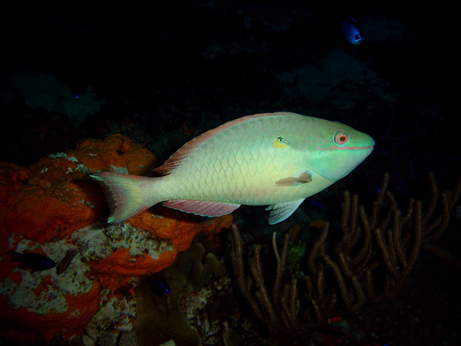
Sparisoma aurofrenatum (Valenciennes, 1840) (Black parrot)
Inhabits coral reefs, young usually in adjacent seagrass beds. Often rests on the bottom . Feeds on plants. Solitary or in small groups. A protogynous hermaphrodite .
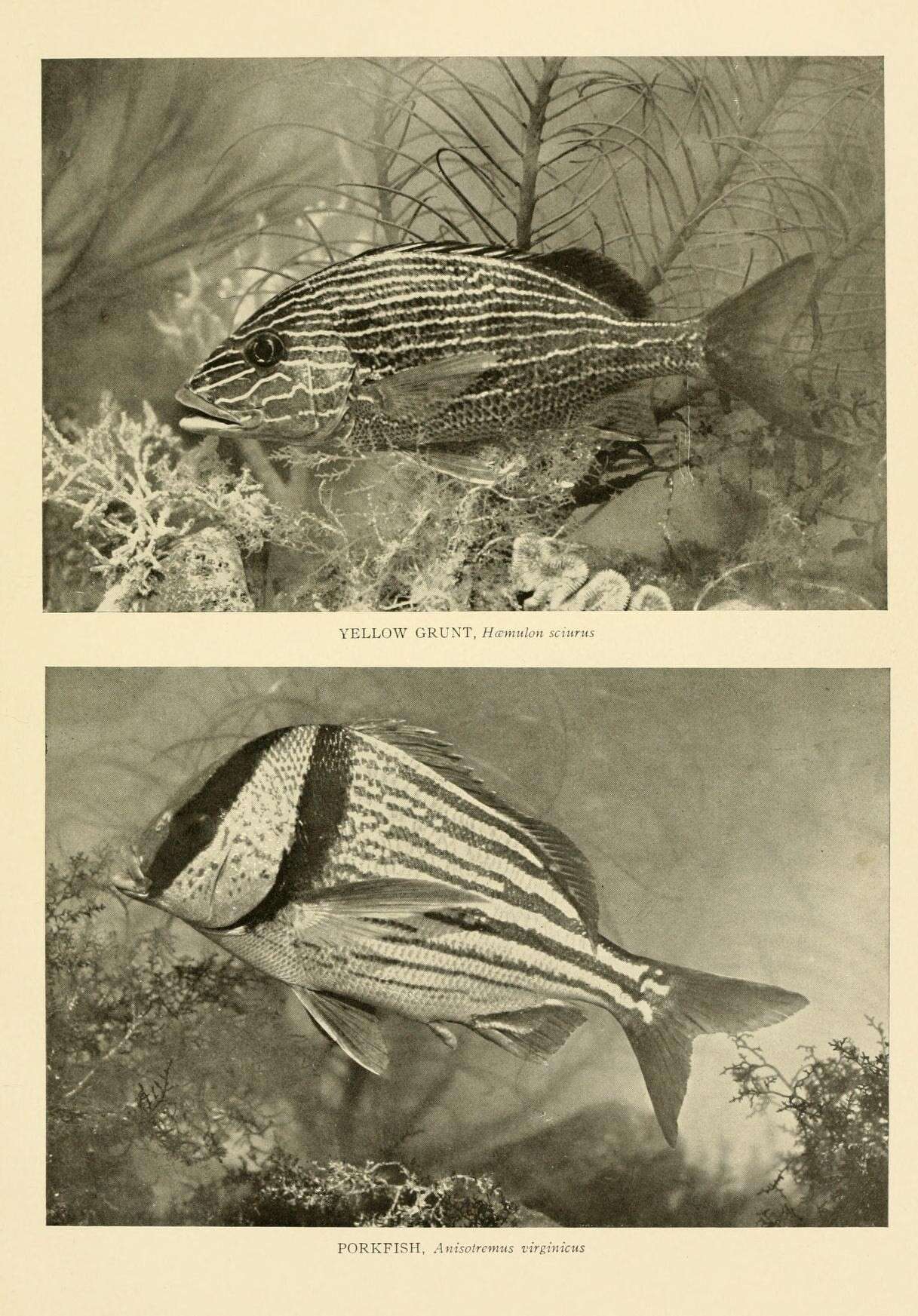
Haemulon sciurus (Shaw, 1803) (Blue striped grunt)
Found in small groups over coral and rocky reefs and drop-offs . Juveniles are abundant in Thalassia beds . Feeds on crustaceans, bivalves, and occasionally on small fishes. Marketed fresh.
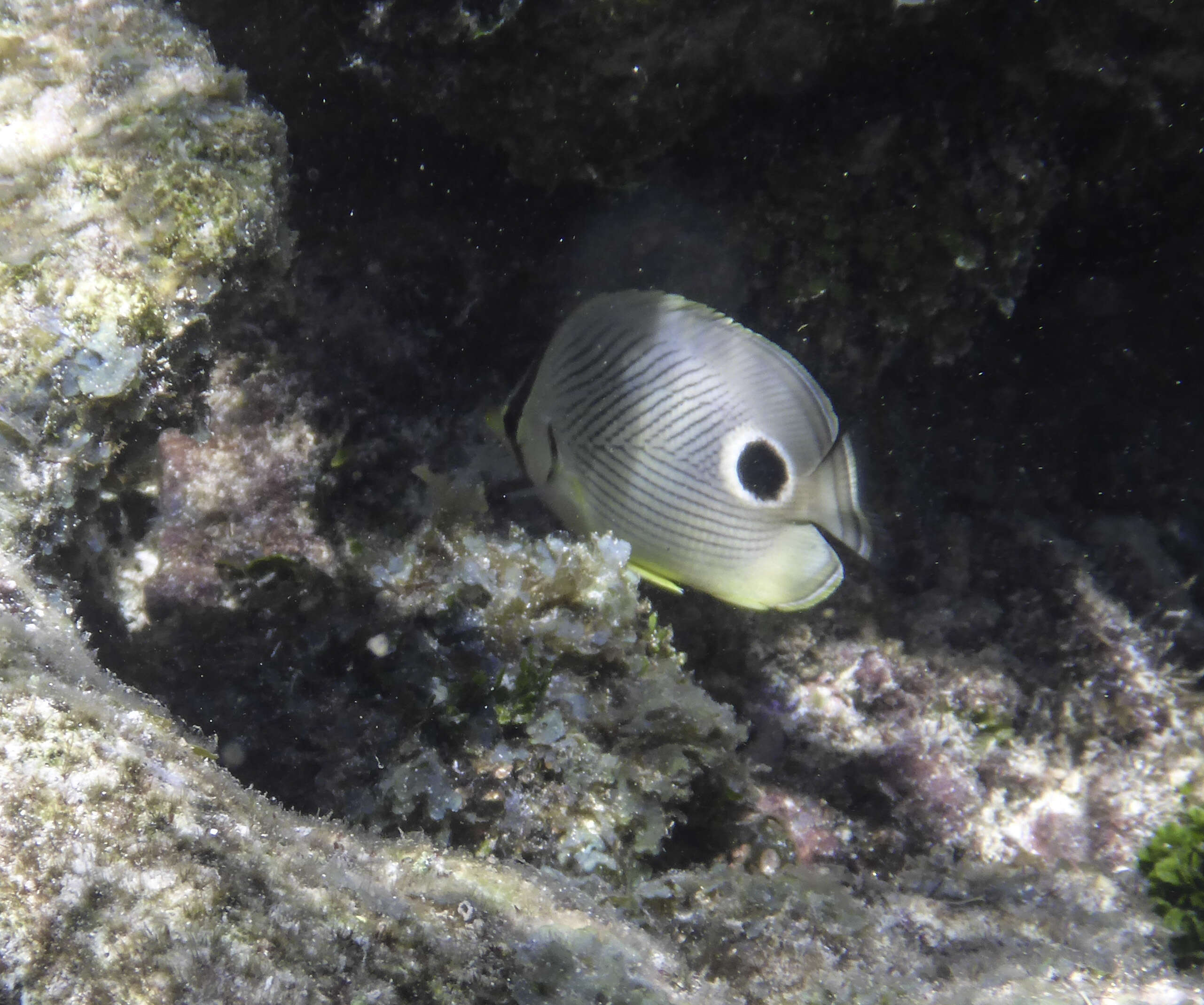
Chaetodon capistratus Linnaeus, 1758 (Butterbun)
Inhabit shallow reefs and generally occurs singly or in pairs. Feed mainly on zoantharians, polychaete worms, gorgonians and tunicates. Easily approached . Oviparous . Form pairs during breeding .
Pristigenys alta (Gill, 1862) (Bigeye)
Found on rocky bottoms between 5 and 200 m depth, usually solitary and possibly territorial.
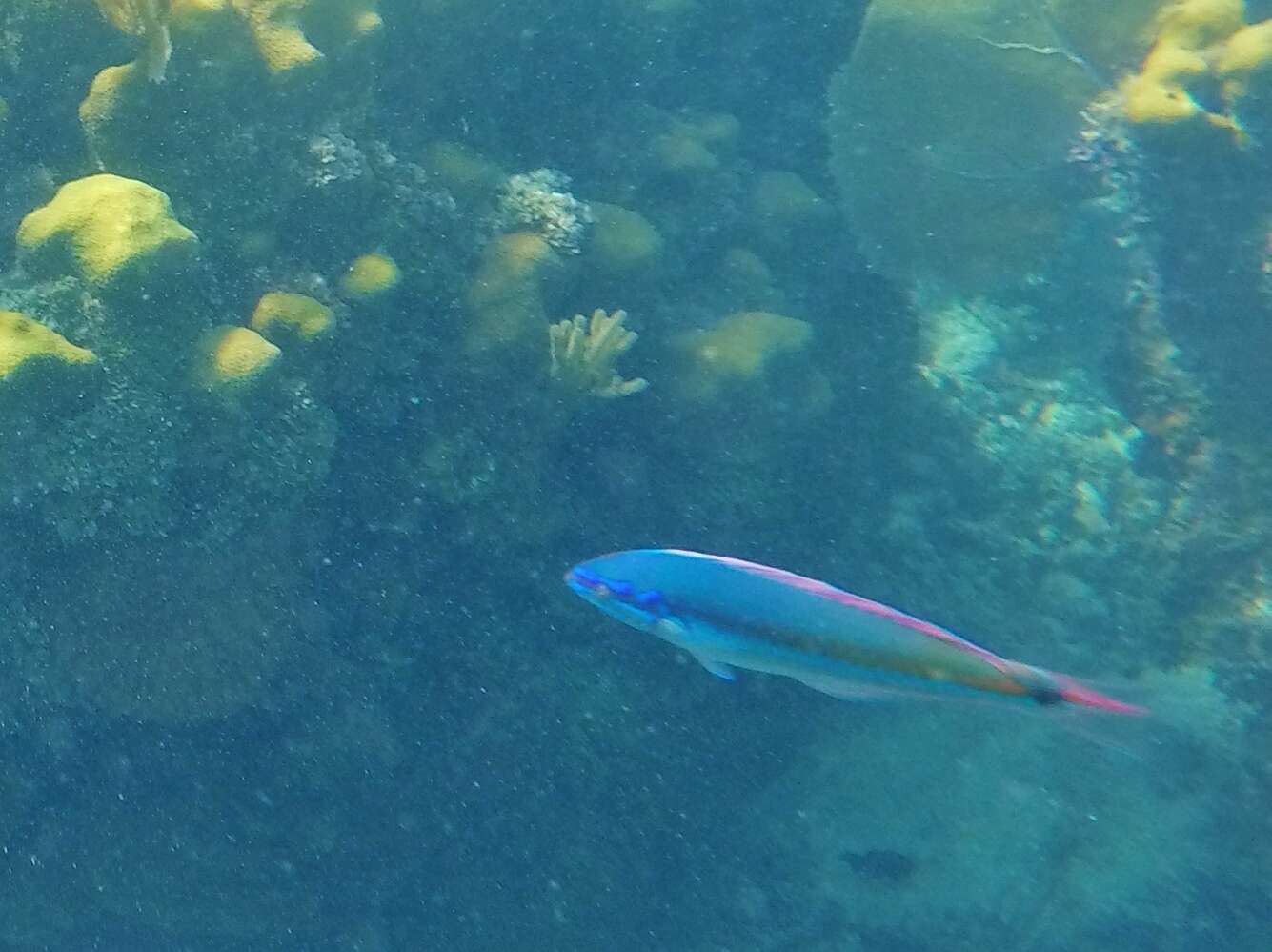
Halichoeres pictus (Poey, 1860) (painted wrasse)
Inhabits coral reefs, normally high above the bottom. Swims with worm-like movements. Feeds on various invertebrates. A protogynous hermaphrodite . Generally of no interest to fisheries because of its small average size .
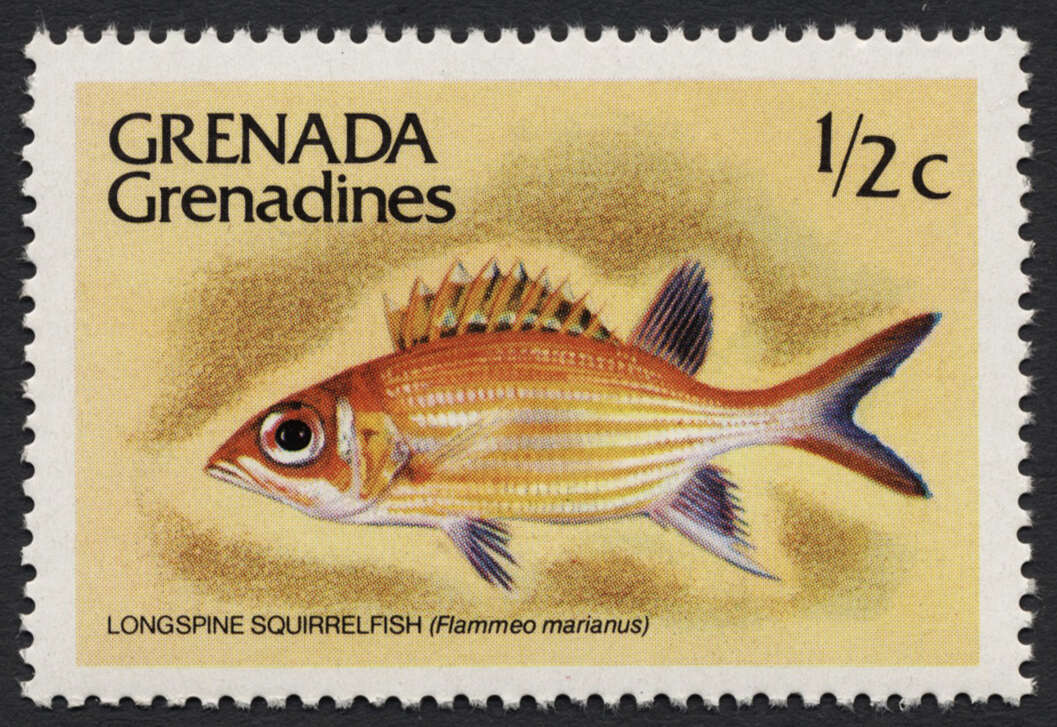
Neoniphon marianus (Cuvier, 1829) (Longjaw squirrelfish)
Rarely found in shallow water, but appears to be the most common squirrelfish in the depth range of 30-60 m or more . Reported used as food fish .
Share on Social Networks
- Facebook:

personalize your shared text as well as its destination (wall, page...) or send as a private message to a friend
- Twitter: Tweet personalize your tweet
- Google Plus:
Direct link to this dive
- Long link:
- Short link:


 We are participating today in the startup contest Techcrunch Disrupt. Support Diveboard by voting for us!
























































































I got very precise feedback from the dive master on my descent and form, based on his observations from the morning dive. I was able to put those tips into practice and the they made this dive so much more enjoyable. Bonus...got to see 2 large sea turtles while on the boat!
This was a drift dive from the boat to pier. Saw tons of parrot fish and grouped. I missed the eagle ray and baby lemon ray that Adam saw when we ascended.