


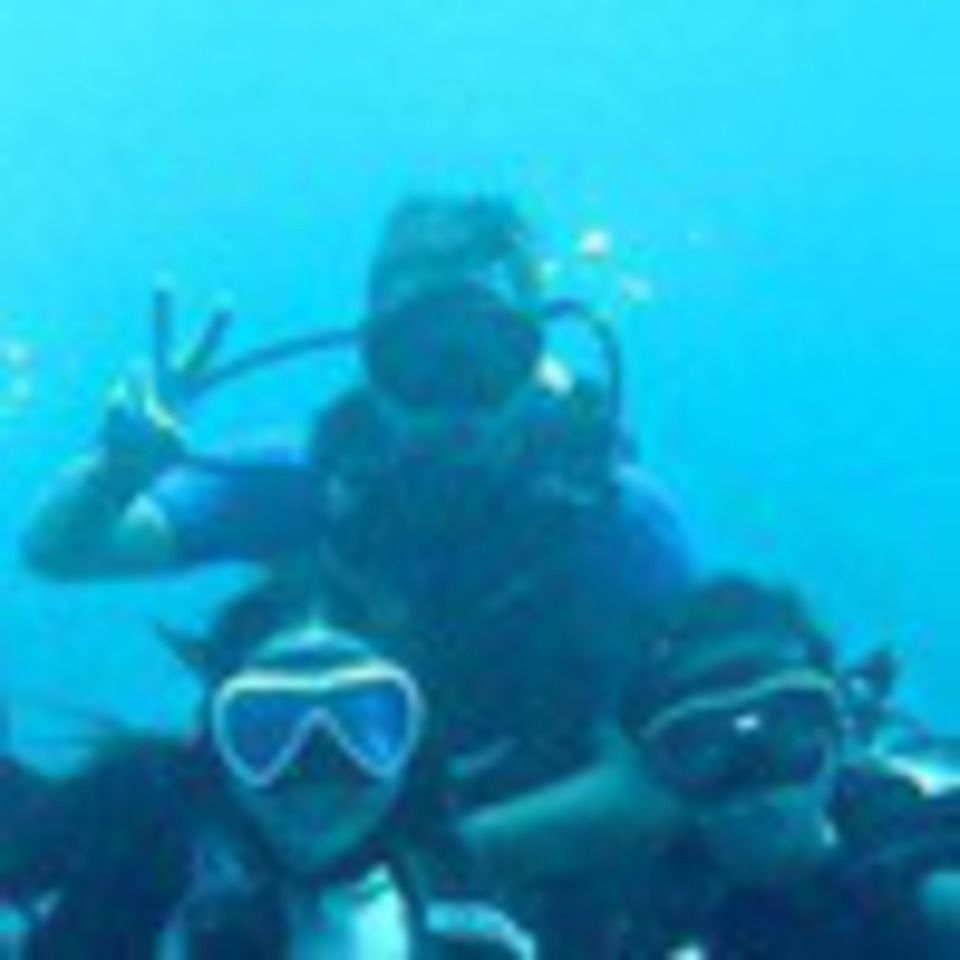
 Marco
Marco

 Thailand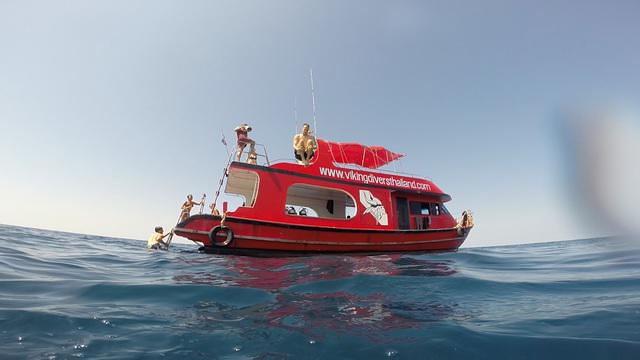
-
Nº18
 Date: 2015-03-15 - 08:51
-
 Max Depth: 19.1m Duration: 60mins
Dive Location

- Temp: Surf 30°C Bottom 29°C
- Dive type : Reef
- Visibility: Good Water: Salt
Specific gear used
- Weights: 4.8 kg
Dive reviews
| Overall review | ||
| Dive difficulty | ||
| Marine life quality | ||
| Big fish |
Recent Divers in Koh Phi Phi
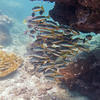
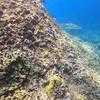
Recent Pictures in Koh Phi Phi
Dive Shop & Buddies
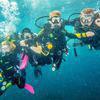
 Dive with Katie from Phi Phi Scuba Diving Center
 Phi Phi Scuba Diving Center confirmed the dive with parameters: 19.1m / 60mins
 Dive buddies:
Dennis Wolf,
Róbin Hó
Dive buddies:
Dennis Wolf,
Róbin Hó

Link to this spot:
- Spot:
- Country:
- Area:
- Body of water:
Dive Profile
- 1. Air
- 12L Aluminium 200 → 20 bar
- Average depth: 12.7m
Data provided by EOL.org







Species Identified
Scorpaenodes albaiensis (Evermann & Seale, 1907) (Longfingered scorpionfish)
Rare species . Very secretive in coastal coral reefs and rarely seen by divers, even at night .
Pterois volitans (Linnaeus, 1758) (Red lionfish)
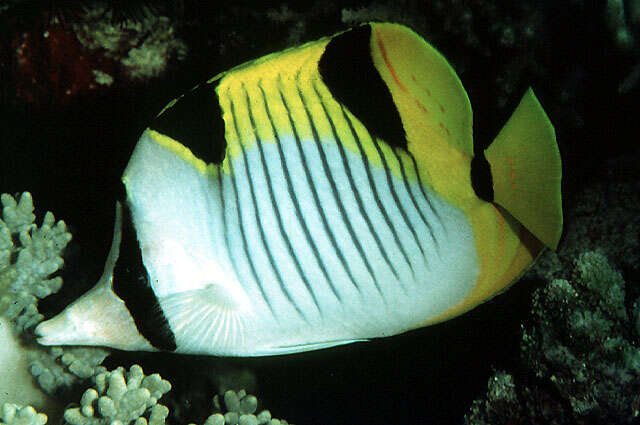
Chaetodon falcula Bloch, 1795 (Blackwedged butterflyfish)
Found on the reef edge and upper slope. Usually in current-prone habitats; juveniles secretive in corals . Generally seen in pairs or in small aggregations . Feed mainly on invertebrates . Oviparous . Form pairs during breeding .
Triakis semifasciata Girard, 1855 (Leopard shark)
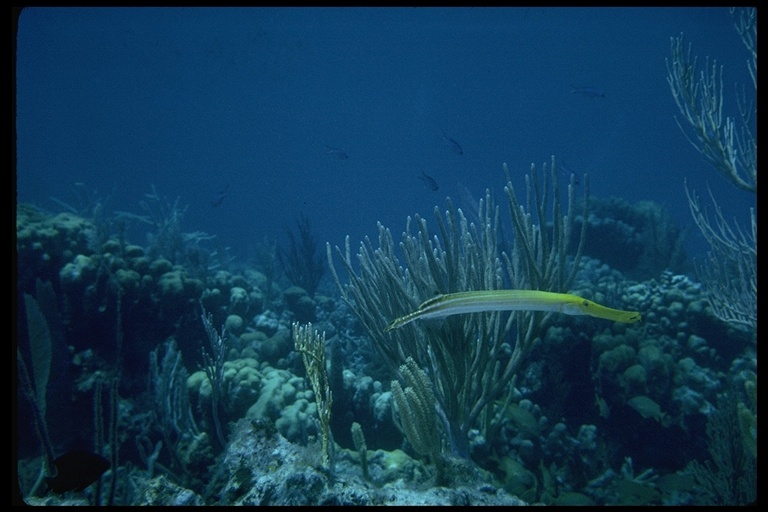
Aulostomus maculatus Valenciennes, 1841 (Caribbean trumpetfish)
Commonly found in weedy areas and especially around reefs, where they usually swim snout-down among sea whips . A solitary ambusher of small fishes and crustaceans that lurk among branching coral or gorgonians. Often swi...
Read More
Read More
Diadema antillarum (Philippi, 1845) (long-spined sea urchin)
Siganus doliatus Guérin-Méneville, 1829-38 (Barred rabbitfish)
Inhabits coral-rich areas of lagoons and seaward reefs. Juveniles form schools. Pairs form at 7 cm; but these pairs continue to form loose schools, sometimes with juvenile scarids, to feed in areas being flooded by the t...
Read More
Read More
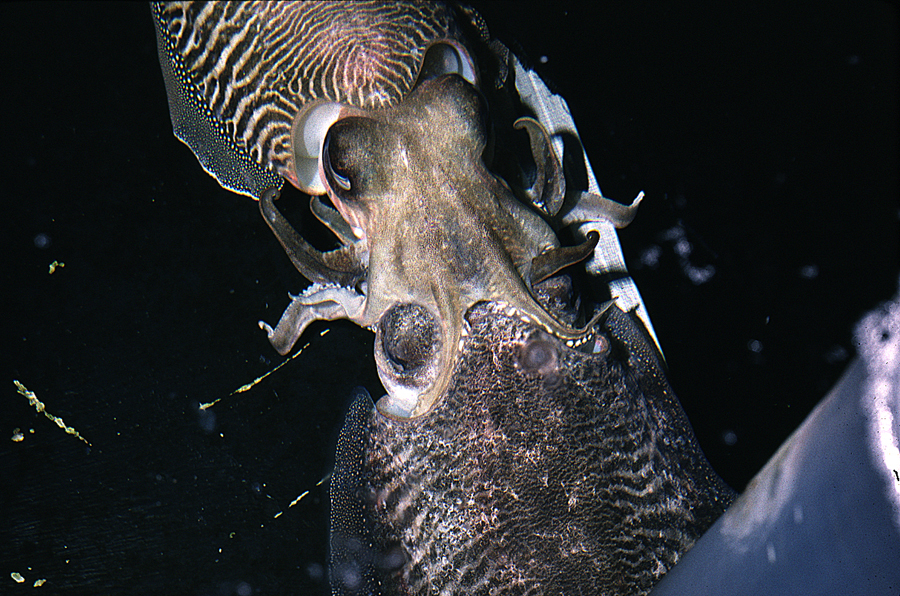
Sepia officinalis Linnaeus, 1758 (Common cuttlefish)
Cuttlefish swim using the fin that passes around the body. They can also rapidly expel water and move quickly by 'jet-propulsion' . Like all cephalopods, the common cuttlefish is an active predator, feeding on molluscs, yo...
Read More
Read More
Asterias amurensis Lütken, 1871 (Flatbottom seastar)
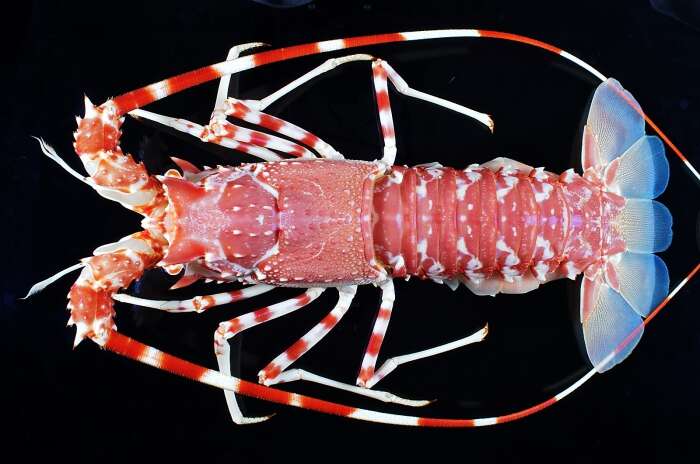
Palinurus delagoae Barnard, 1926 (Natal spiny lobster)
Amphiprion ocellaris Cuvier, 1830 (false clown anemonefish)
Gymnothorax javanicus (Bleeker, 1859) (Giant moray)
Stichastrella rosea (rosy starfish)
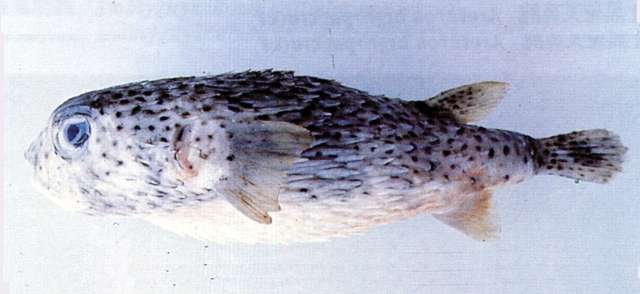
Diodon eydouxii Brisout de Barneville, 1846 (Pelagic porcupinefish)
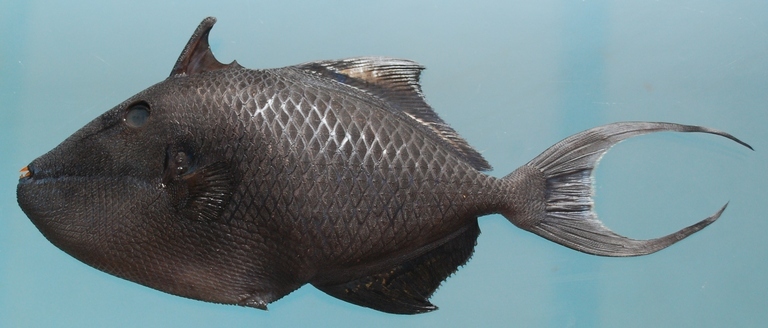
Odonus niger (Rüppell, 1836) (Redtoothed triggerfish)
Inhabits reef channels or along slopes that are subject to strong currents . Occur in current-swept seaward coral reefs. Usually form aggregations and feed on zooplankton as well as sponges . Juveniles associated with i...
Read More
Read More
Heniochus acuminatus (Linnaeus, 1758) (Pennant coralfish)
Inhabit deep, protected lagoons and channels, and the deeper parts of outer reef slopes. Juveniles are often solitary while adults occur in pairs . A planktivorous species that generally remains within a few meters of th...
Read More
Read More
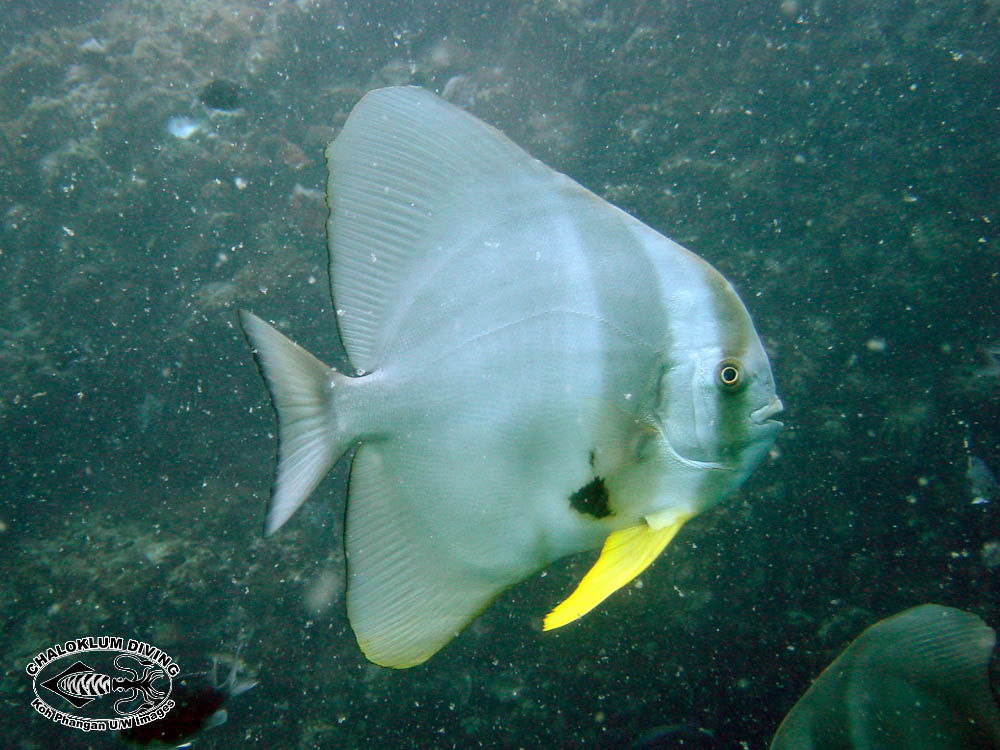
Platax orbicularis (Forsskål, 1775) (Orbicular batfish)
Live in shallow protected coastal waters to deep, somewhat silty habitats. Often with deep shipwrecks . Adults are found singly or in small groups and occasionally in large schools in some areas. Juveniles occur singly ...
Read More
Read More
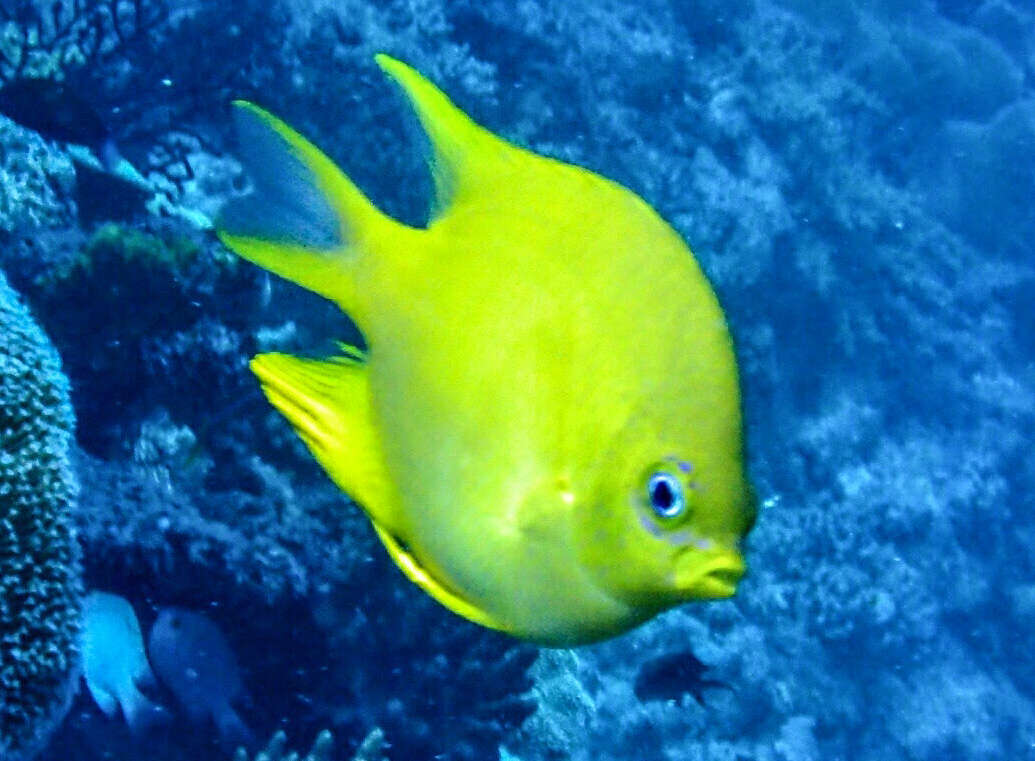
Amblyglyphidodon aureus (Cuvier, 1830) (Golden damsel)
Occurs in steep outer reef, occasionally in deep lagoons and along channel walls, usually in current prone habitats and where there are abundant gorgonian and long sea-whip corals on which they lay and guard eggs. Juvenil...
Read More
Read More
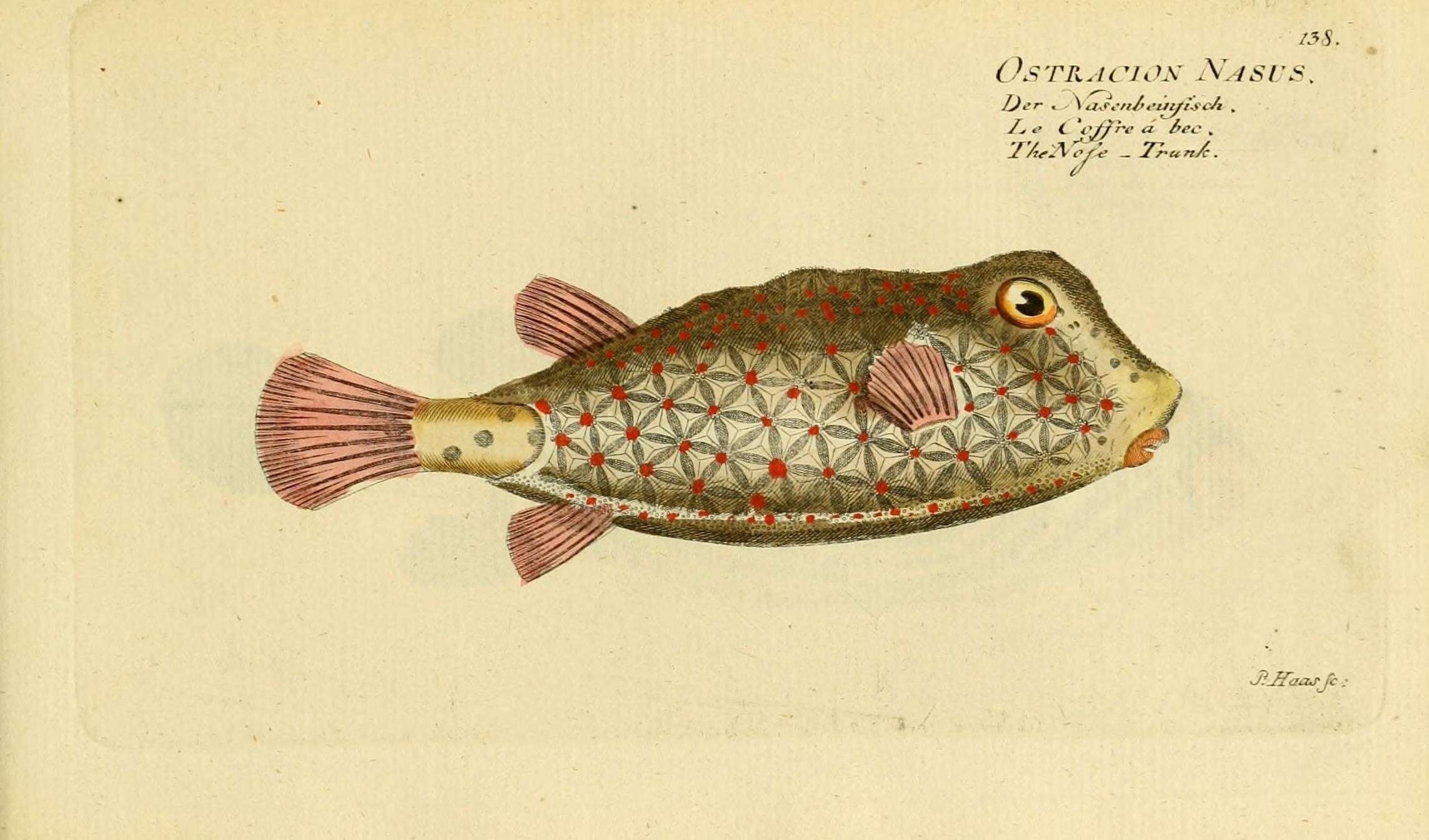
Ostracion nasus Bloch, 1785 (Shortnose boxfish)
Found around rocky and sandy substrates .
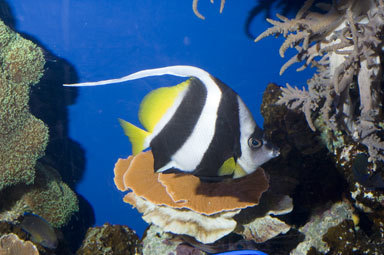
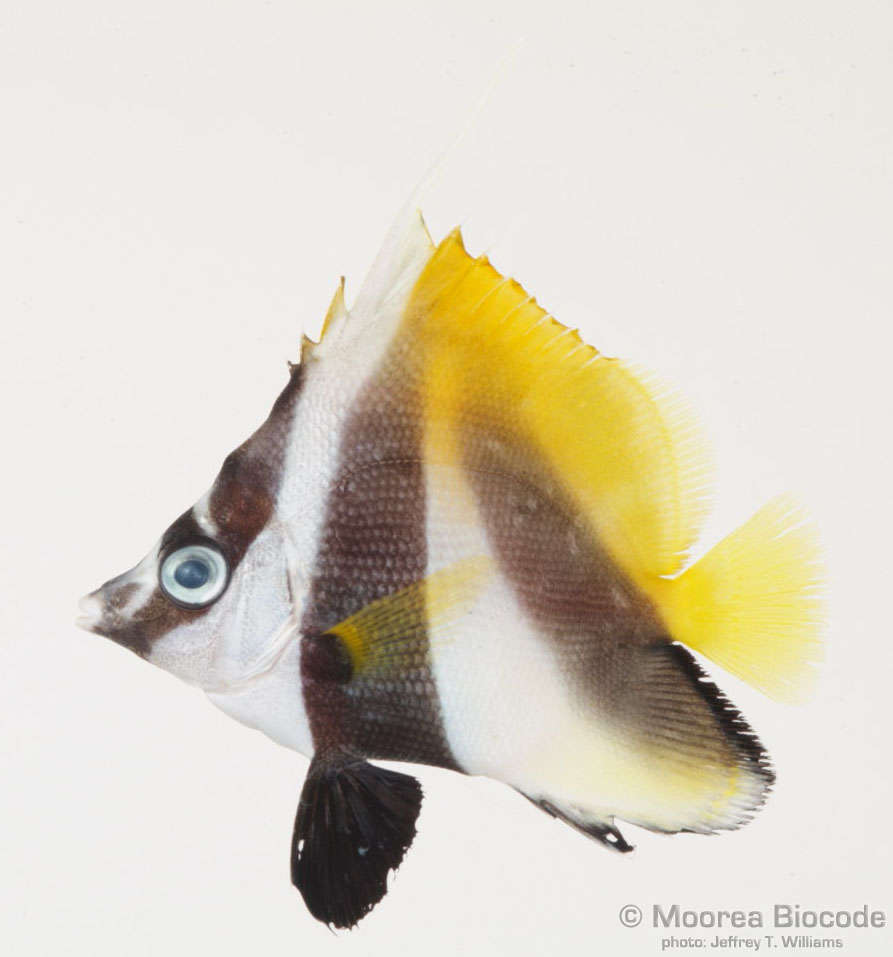
Heniochus monoceros Cuvier, 1831 (Masked bannerfish)
Occur in lagoon and seaward reefs with rich coral growth. Juveniles solitary; adults are often paired and occasionally found hovering side by side under tabular corals . Feed on bottom living animals , e.g. invertebrates...
Read More
Read More
Share on Social Networks
- Facebook:

personalize your shared text as well as its destination (wall, page...) or send as a private message to a friend
- Twitter: Tweet personalize your tweet
- Google Plus:
Direct link to this dive
- Long link:
- Short link:


 We are participating today in the startup contest Techcrunch Disrupt. Support Diveboard by voting for us!
























































































großes flaches Riff, 3x Leopardenhaie, Trompetenfisch, Scorpionfish, Lionfish, Muränen, Rabbitfish, Butterflyfish, Anemonenfish, Steinfusch, Lobster, Seestern, Kugelfisch