


 Marco
Marco

 Thailand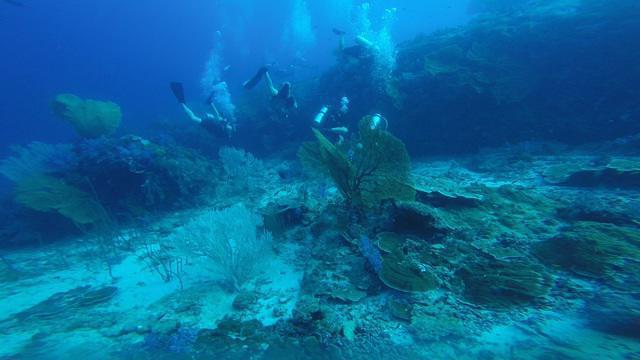
-
Nº41
 Date: 2016-02-29 - 08:32
-
 Max Depth: 31.1m Duration: 46mins
Dive Location

- Temp: Surf 31°C Bottom 28°C
- Dive type : Reef
- Visibility: Excellent Water: Salt
Specific gear used
- Weights: 5 kg
Dive reviews
| Overall review | ||
| Dive difficulty | ||
| Marine life quality | ||
| Big fish |
Recent Divers in Similan Islands
Recent Pictures in Similan Islands
Dive Shop & Buddies
 Dive with Xavier Leyland from Khaolak Scuba Adventures
 Dive buddies:
Xavier Leyland
Dive buddies:
Xavier Leyland

Link to this spot:
- Spot:
- Country:
- Area:
- Body of water:
Dive Profile
- 1. Nitrox 31
- 12L Aluminium 200 → 60 bar
- Average depth: 20.7m
Data provided by EOL.org



Species Identified
Odontodactylus scyllarus (Linnaeus, 1758) (Peacock Mantis Shrimp)
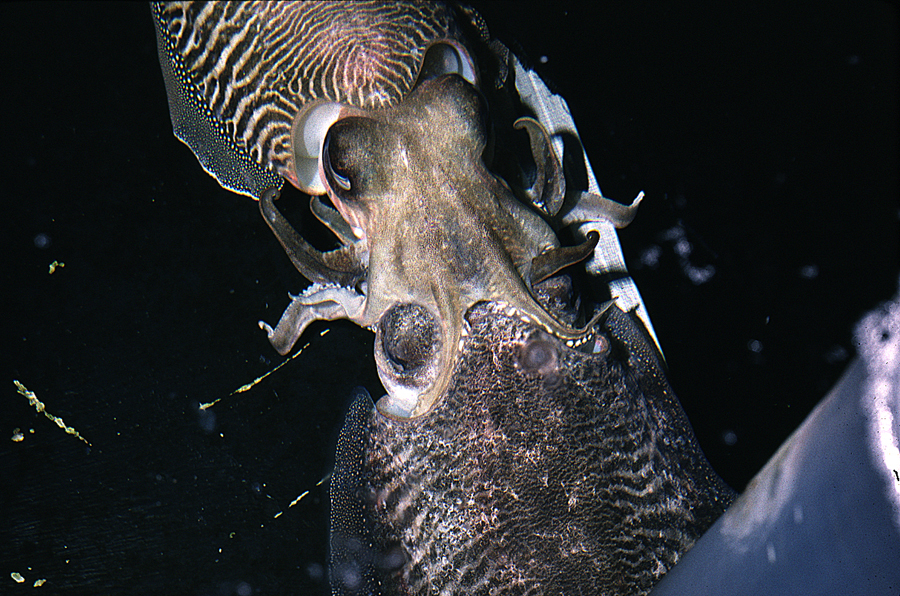
Sepia officinalis Linnaeus, 1758 (Common cuttlefish)
Cuttlefish swim using the fin that passes around the body. They can also rapidly expel water and move quickly by 'jet-propulsion' . Like all cephalopods, the common cuttlefish is an active predator, feeding on molluscs, yo...
Read More
Read More
Balistoides conspicillum (Bloch and Schneider, 1801) (Clown triggerfish)
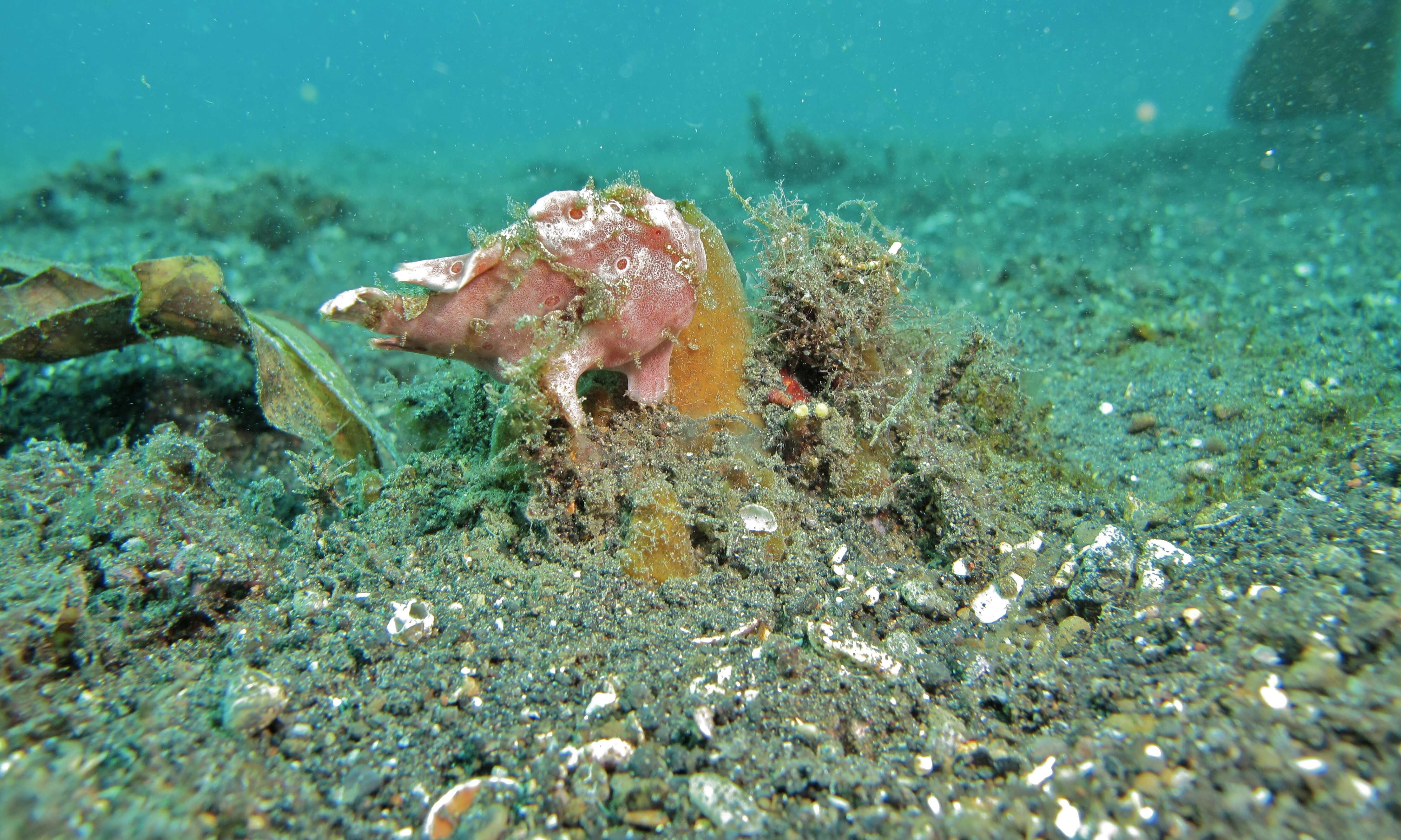
Antennarius pictus (Shaw, 1794) (Painted angler)
Inhabit shallow sheltered reefs . Adults usually with sponges; juveniles openly on sand or reef, mimicking small sponges or nudibranchs . Benthic . Oviparous. Eggs are bound in ribbon-like sheath or mass of gelatinous mucus called 'egg raft' or 'veil' .
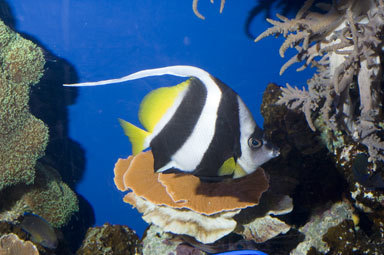
Heniochus acuminatus (Linnaeus, 1758) (Pennant coralfish)
Inhabit deep, protected lagoons and channels, and the deeper parts of outer reef slopes. Juveniles are often solitary while adults occur in pairs . A planktivorous species that generally remains within a few meters of th...
Read More
Read More
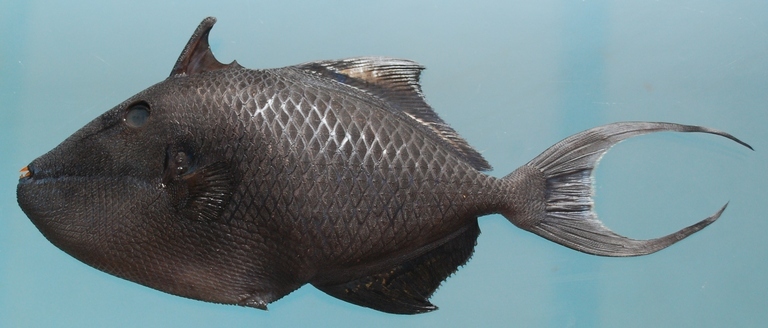
Odonus niger (Rüppell, 1836) (Redtoothed triggerfish)
Inhabits reef channels or along slopes that are subject to strong currents . Occur in current-swept seaward coral reefs. Usually form aggregations and feed on zooplankton as well as sponges . Juveniles associated with i...
Read More
Read More
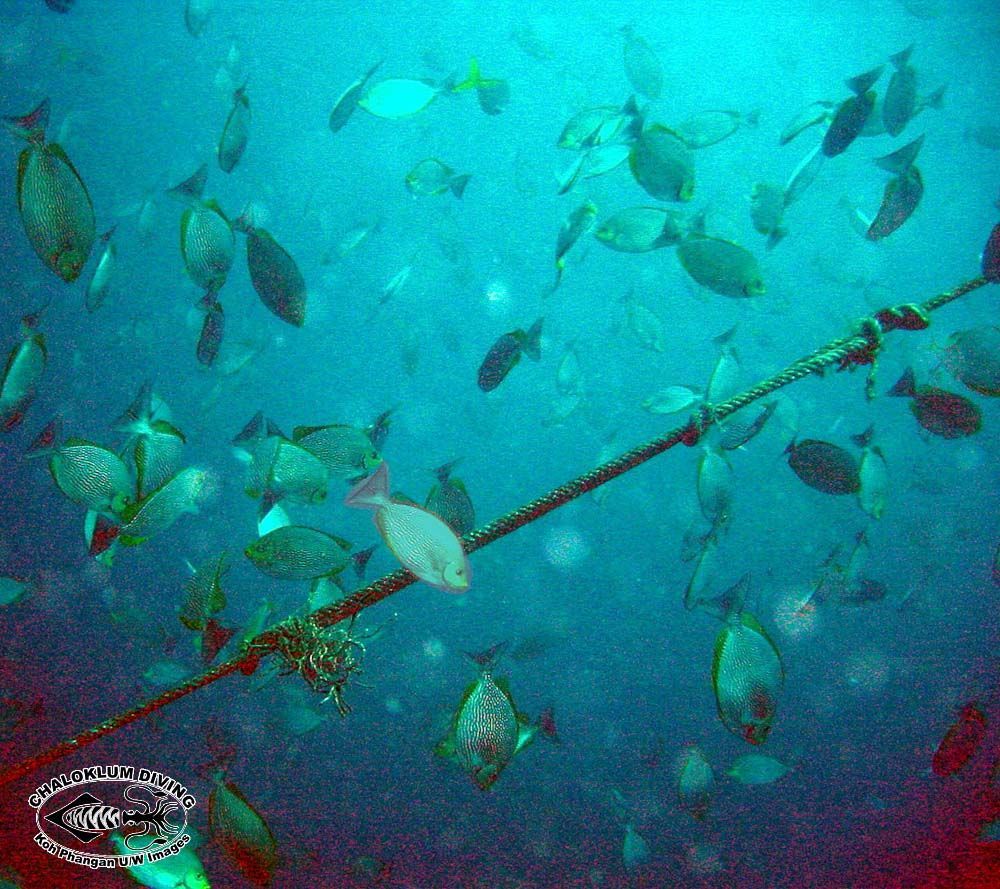
Siganus javus (Linnaeus, 1766) (Streaked spinefoot)
Occurs in small schools of up to 10 individuals or so, in shallow coastal waters, brackish lagoons and rocky or coral reefs. Feeds on algae attached to the substrate and on floating algal fragments. Found resting in midwater at depths of 2 to 6 m when not feeding. Marketed fresh .
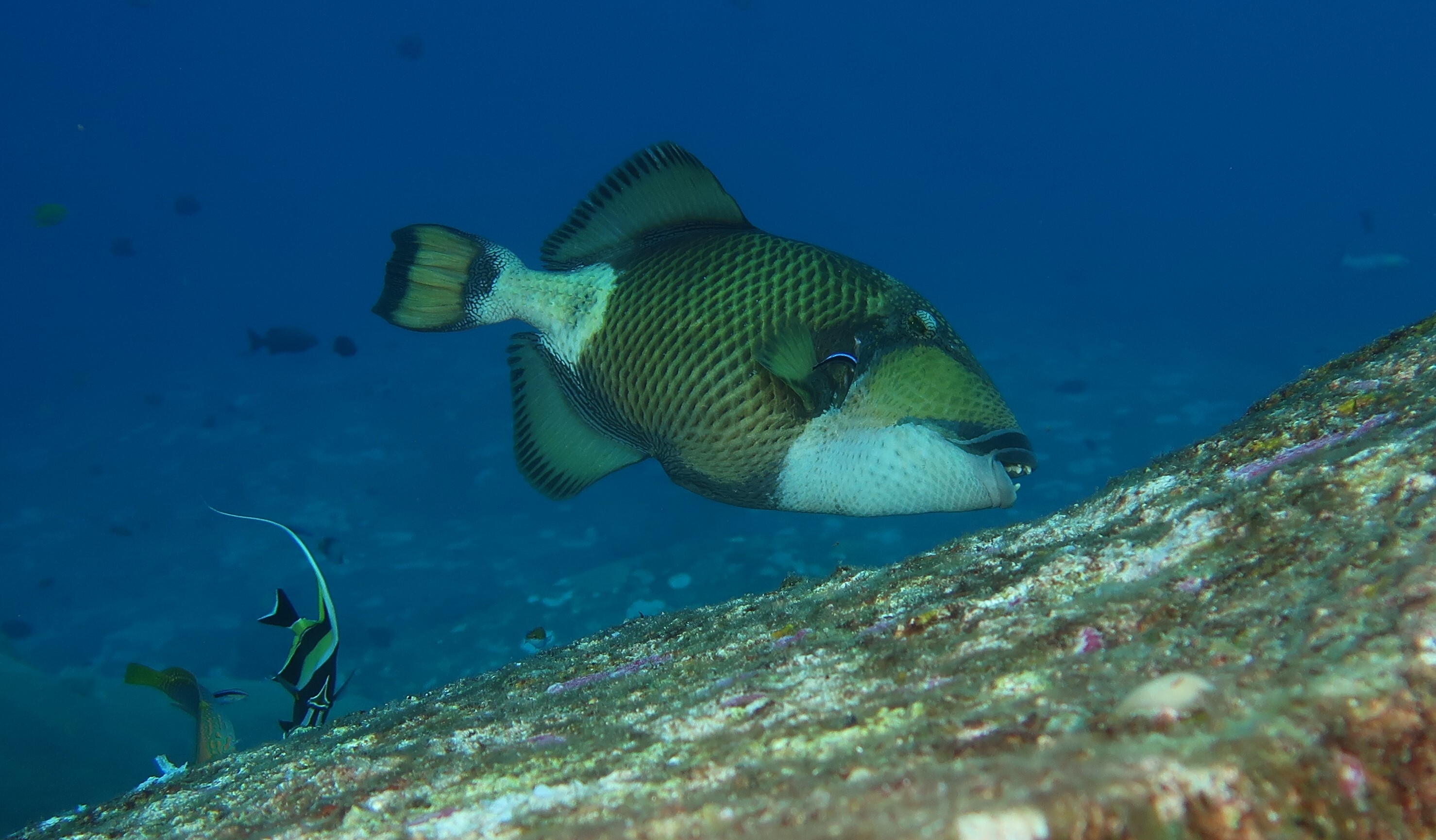
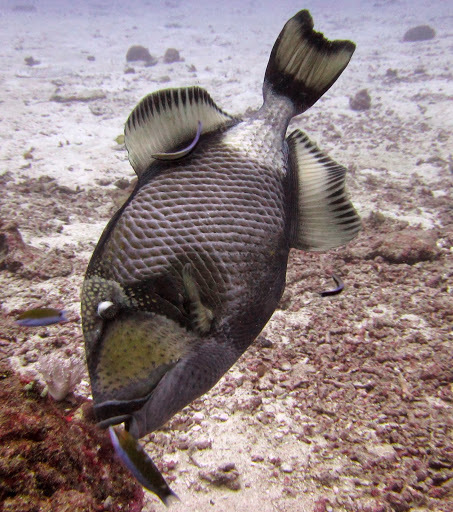
Balistoides viridescens (Bloch and Schneider, 1801) (Titan triggerfish)
Occur in lagoon, seaward reefs and sheltered inner reef slopes . Juveniles often associated with isolated patches of branching coral or rubble of shallow sandy protected areas. Adults occur singly or in pairs on the slo...
Read More
Read More
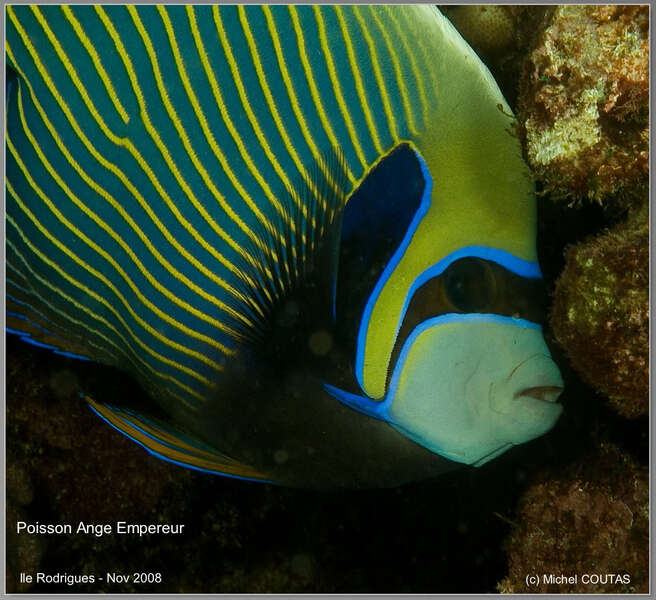
Pomacanthus imperator (Bloch, 1787) (Angel fish)
Juveniles are encountered under ledges, or in holes of outer lagoon patch reefs or semi-protected areas of exposed channels and outer reef flats. Subadults move to reef front holes and surge channels. Large adults inhabi...
Read More
Read More
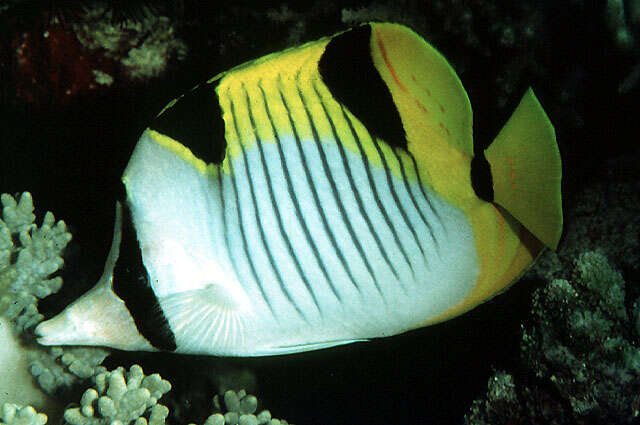
Chaetodon falcula Bloch, 1795 (Blackwedged butterflyfish)
Found on the reef edge and upper slope. Usually in current-prone habitats; juveniles secretive in corals . Generally seen in pairs or in small aggregations . Feed mainly on invertebrates . Oviparous . Form pairs during breeding .
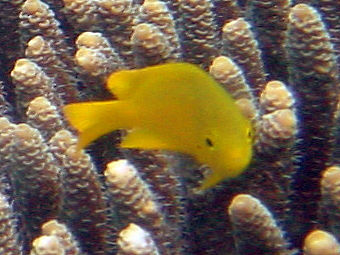
Pomacentrus moluccensis Bleeker, 1853 (Lemon damsel)
Inhabits clear lagoon and seaward reefs among branching corals. Occurs in small aggregations. Feeds mainly on algae and planktonic crustaceans.
Siganus doliatus Guérin-Méneville, 1829-38 (Barred rabbitfish)
Inhabits coral-rich areas of lagoons and seaward reefs. Juveniles form schools. Pairs form at 7 cm; but these pairs continue to form loose schools, sometimes with juvenile scarids, to feed in areas being flooded by the t...
Read More
Read More
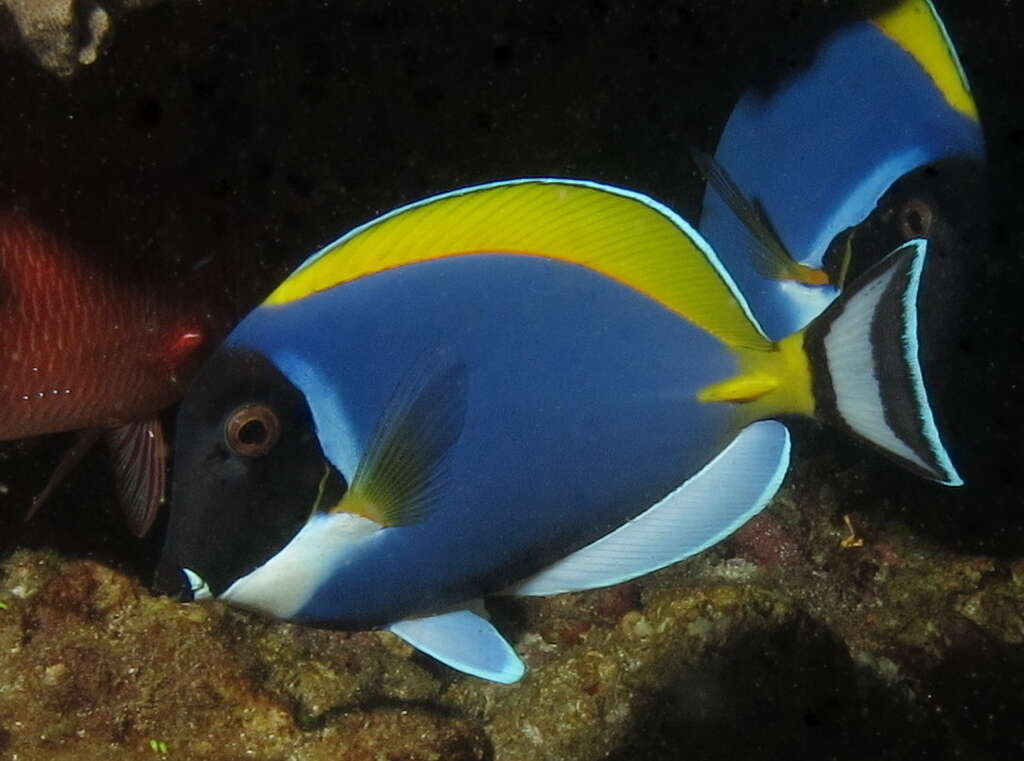
Acanthurus leucosternon Bennett, 1833 (Powderblue surgeonfish)
Inhabits shallow, clear coastal and island coral reefs . Usually found on reef flats and along upper seaward slopes . May occur singly or in large feeding aggregations. Monogamous . Feeds on benthic algae; on small, sp...
Read More
Read More
Share on Social Networks
- Facebook:

personalize your shared text as well as its destination (wall, page...) or send as a private message to a friend
- Twitter: Tweet personalize your tweet
- Google Plus:
Direct link to this dive
- Long link:
- Short link:


 We are participating today in the startup contest Techcrunch Disrupt. Support Diveboard by voting for us!
























































































Tintenfisch, Peacock Mantis Shrimp, große Felsformationen, Clown Triggerfish, giant Anglerfish