


 Marco
Marco

 Jordan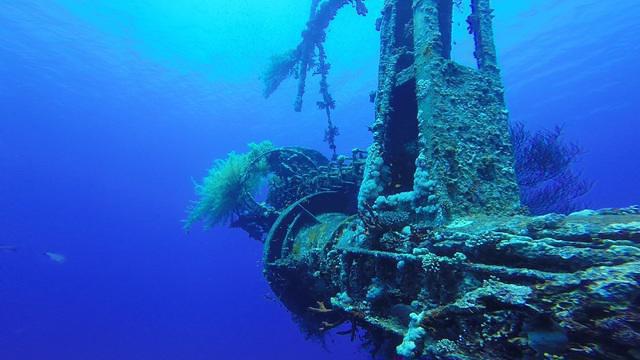
-
Nº81
 Date: 2017-06-09 - 10:11
-
 Max Depth: 21.8m Duration: 40mins
Dive Location

- Temp: Surf 39°C Bottom 23°C
- Dive type : Wreck, Reef
- Visibility: Good Water: Salt
Specific gear used
- Weights: 8 kg
Dive reviews
| Overall review | ||
| Dive difficulty | ||
| Marine life quality | ||
| Wreck | ||
| Big fish |
Recent Divers in Aqaba
Recent Pictures in Aqaba
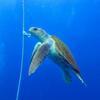
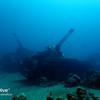
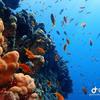
Dive Shop & Buddies
 Dive with Nick from Aqaba's Anchor Diving Centre
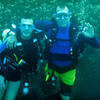
 Dive buddies:
Bene Schwarzhoff
Dive buddies:
Bene Schwarzhoff

Link to this spot:
- Spot:
- Country:
- Area:
- Body of water:
Dive Profile
- 1. Air
- 12L Steel 200 → 80 bar
- Average depth: 14.5m
Data provided by EOL.org




Species Identified
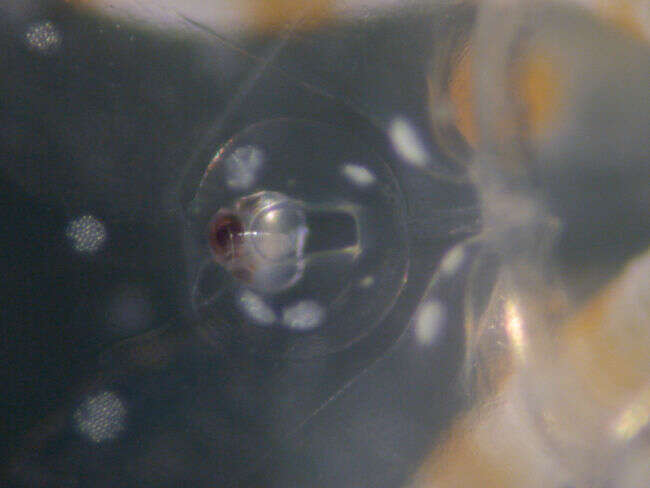
Carybdea sivickisi Stiasny, 1926 (box jellyfish)
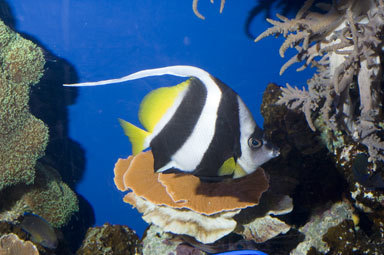
Heniochus acuminatus (Linnaeus, 1758) (Pennant coralfish)
Inhabit deep, protected lagoons and channels, and the deeper parts of outer reef slopes. Juveniles are often solitary while adults occur in pairs . A planktivorous species that generally remains within a few meters of th...
Read More
Read More
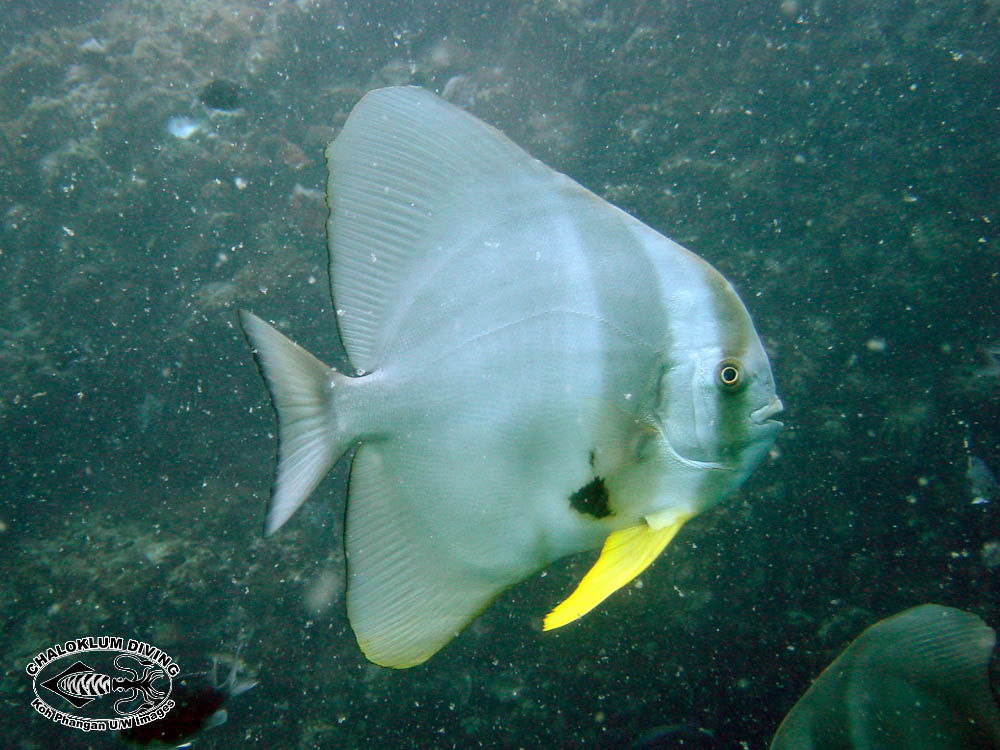
Platax orbicularis (Forsskål, 1775) (Orbicular batfish)
Live in shallow protected coastal waters to deep, somewhat silty habitats. Often with deep shipwrecks . Adults are found singly or in small groups and occasionally in large schools in some areas. Juveniles occur singly ...
Read More
Read More
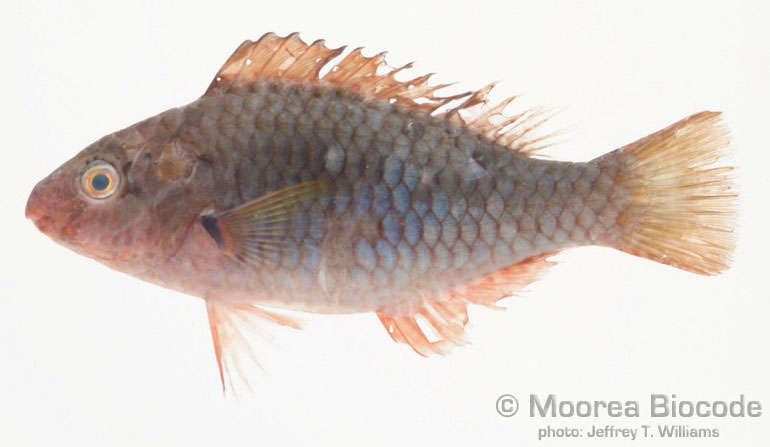
Scarus rubroviolaceus Bleeker, 1847 (Ember parrotfish)
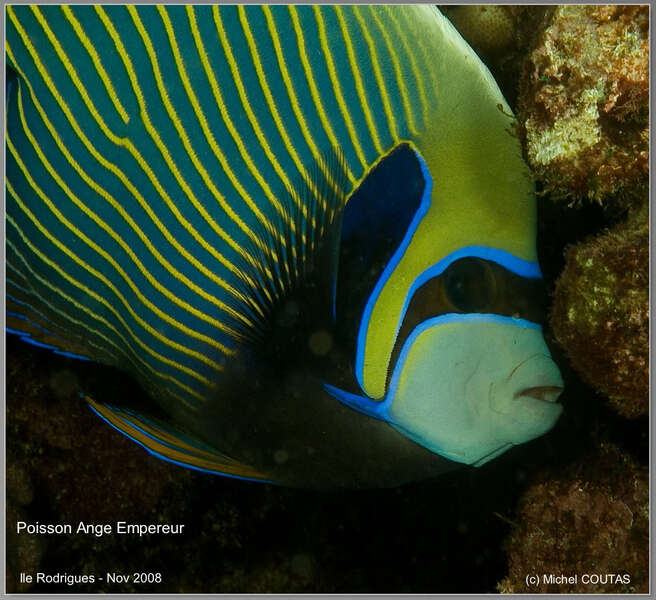
Pomacanthus imperator (Bloch, 1787) (Angel fish)
Juveniles are encountered under ledges, or in holes of outer lagoon patch reefs or semi-protected areas of exposed channels and outer reef flats. Subadults move to reef front holes and surge channels. Large adults inhabi...
Read More
Read More
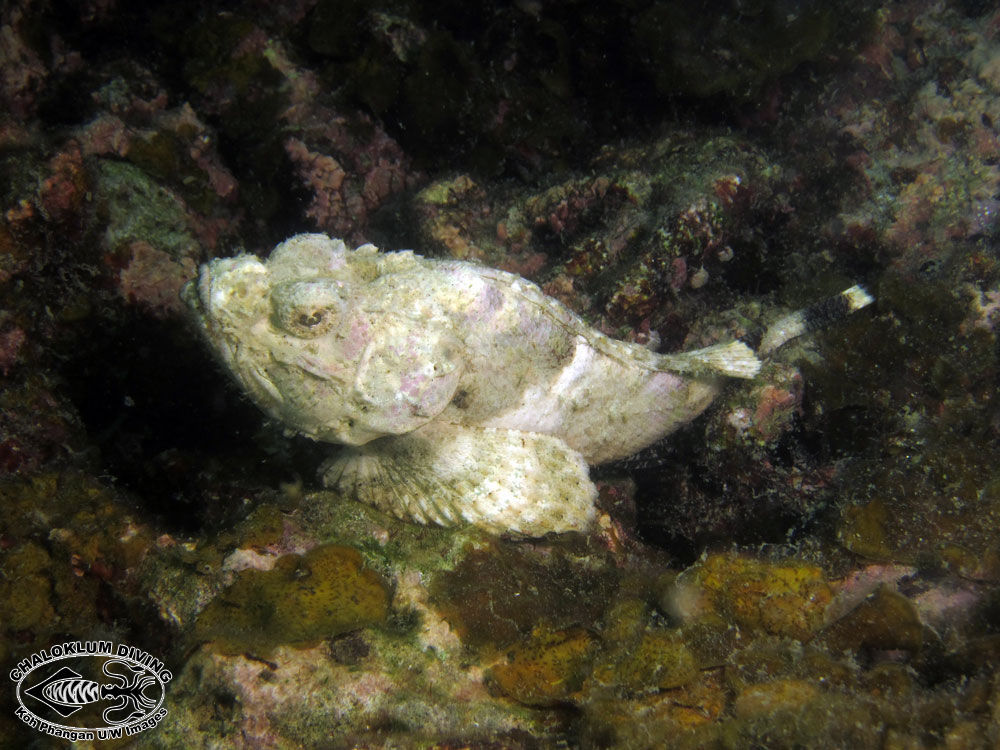
Scorpaenopsis diabolus (Cuvier, 1829) (False stonefish)
Relatively an uncommon inhabitant of rubble or weedy coralline-rock bottoms of reef flats and lagoon and seaward reefs . Benthic . Flashes its inner pectoral fins when disturbed . Can inflict a painful injury with its venomous dorsal sting. Often partly buried .
Amphiprion ocellaris Cuvier, 1830 (false clown anemonefish)
Pterois volitans (Linnaeus, 1758) (Red lionfish)
Diadema antillarum (Philippi, 1845) (long-spined sea urchin)
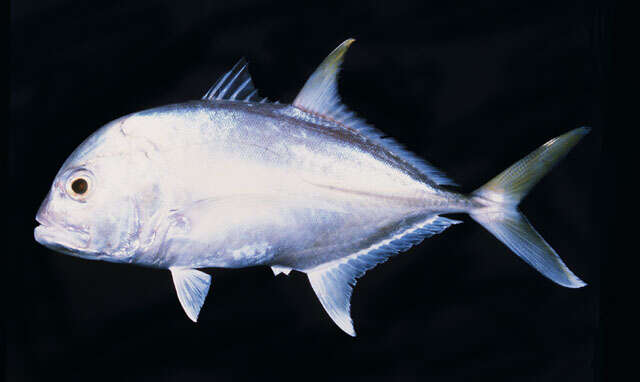
Caranx ignobilis (Forsskål, 1775) (Giant trevally)
Pelagic over sand and rock . Adults occur singly and inhabit clear lagoon and seaward reefs . Juveniles found in estuaries. Feed on crustaceans and fishes at night . Large individuals may be ciguatoxic. The largest t...
Read More
Read More
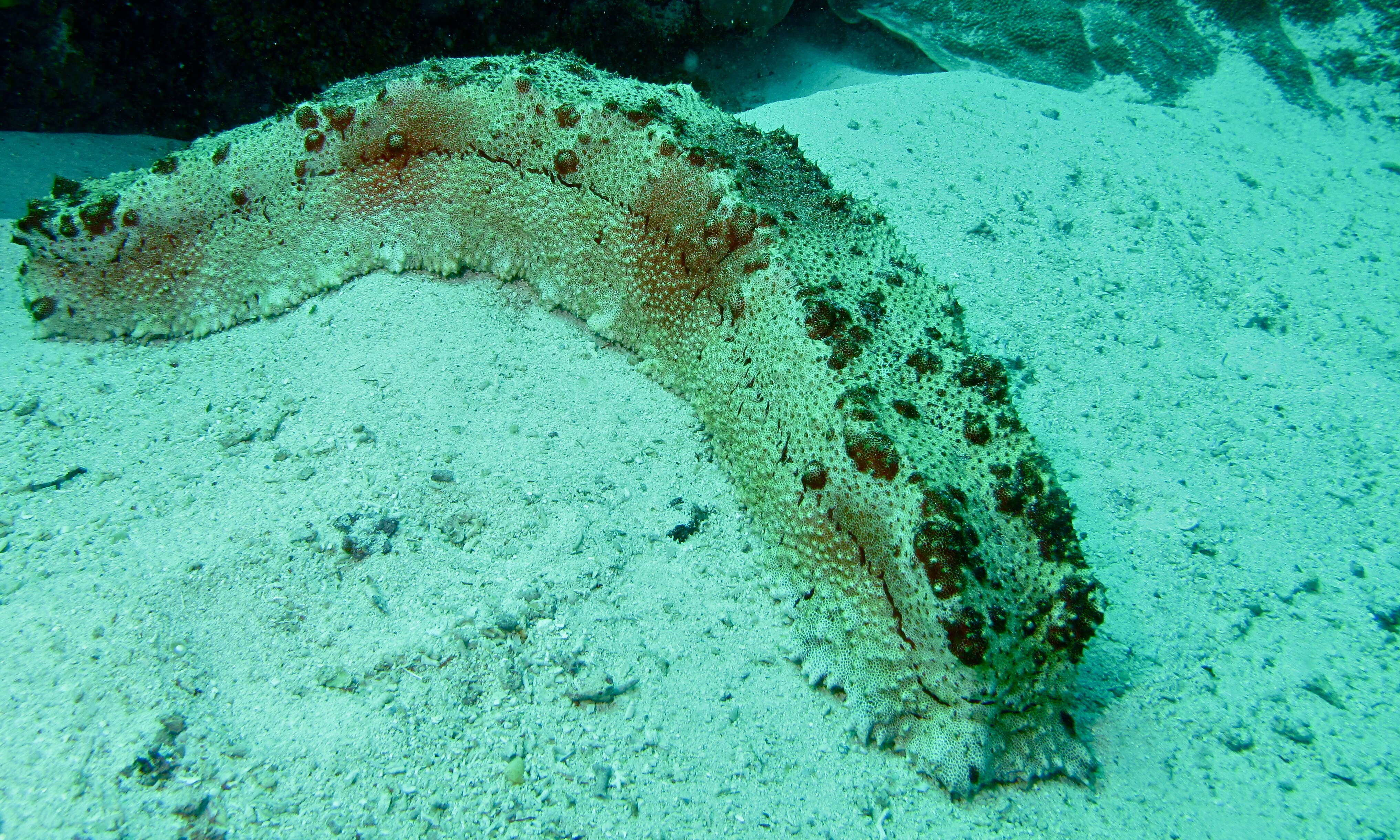
Thelenota anax Clark, 1921 (giant sea cucumber)
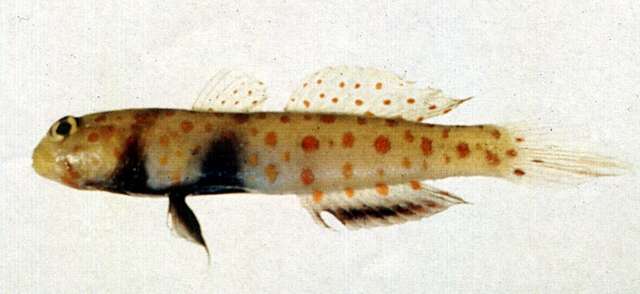
Amblyeleotris guttata (Fowler, 1938) (Spotted prawn-goby)
Found in patches or expanses of coarse carbonate sand on outer lagoon and seaward reefs. Inhabits coastal to outer reef sand slopes to 25 meters depth .
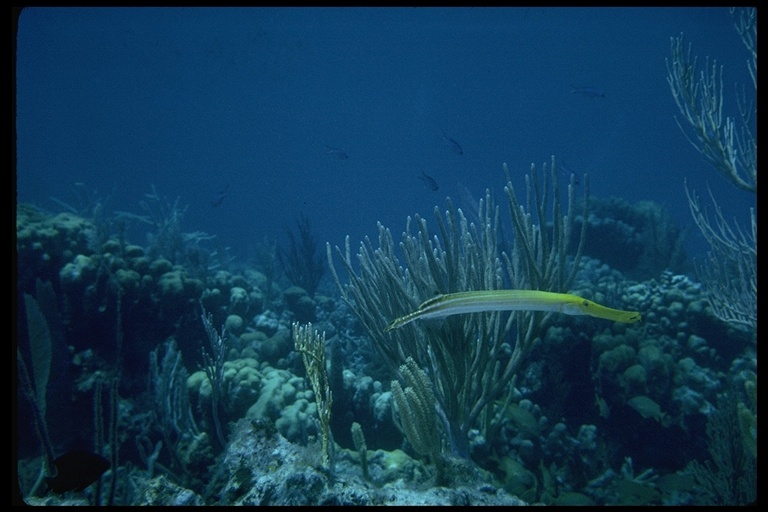
Aulostomus maculatus Valenciennes, 1841 (Caribbean trumpetfish)
Commonly found in weedy areas and especially around reefs, where they usually swim snout-down among sea whips . A solitary ambusher of small fishes and crustaceans that lurk among branching coral or gorgonians. Often swi...
Read More
Read More
Gymnothorax pictus (Ahl, 1789) (Moray)
Adults inhabit reef flats and rocky intertidal shorelines. Feed on small fishes and crustaceans, sometimes leaving the water in pursuit of prey . Benthic . Simultaneous hermaphroditism is confirmed for this species . Caught with various nets .
Ostracion cubicus Linnaeus, 1758 (Yellow boxfish)
Inhabit lagoon and semi-sheltered seaward reefs. Juveniles often among Acropora corals . Benthopelagic . Solitary . Juveniles expatriating to subtropical zone from the pelagic larval stage. Small juveniles secretive i...
Read More
Read More
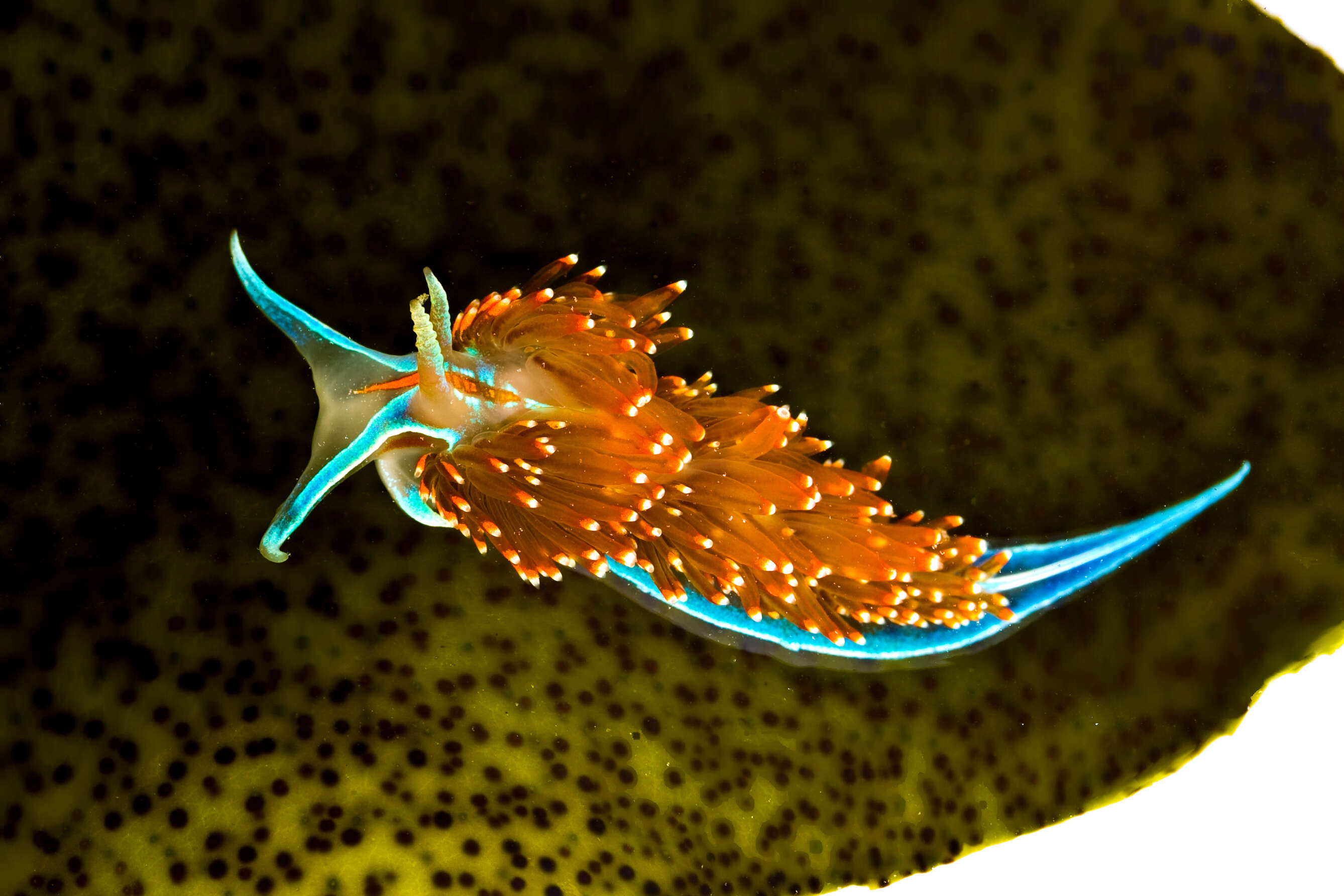
Hermissenda crassicornis (Eschscholtz, 1831) (hermissenda)
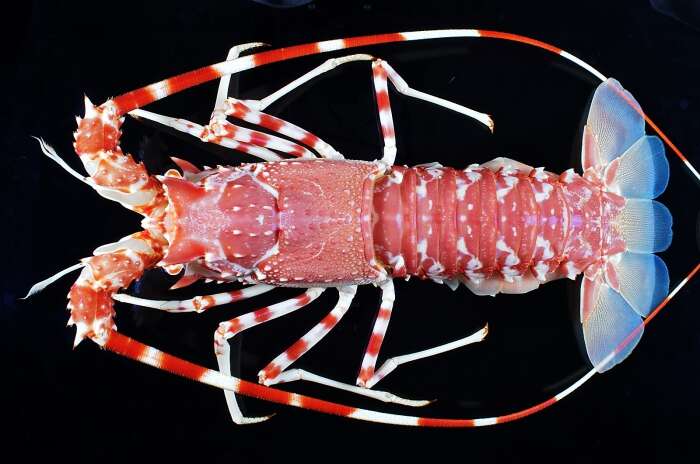
Palinurus delagoae Barnard, 1926 (Natal spiny lobster)
Hippocampus kelloggi Jordan & Snyder, 1901 (Great seahorse)
Deep water species, associated with corals . Ovoviviparous . The male carries the eggs in a brood pouch which is found under the tail .
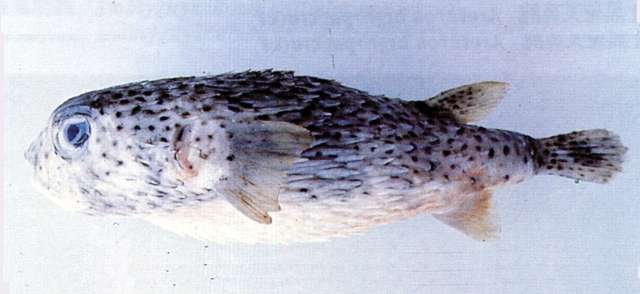
Diodon eydouxii Brisout de Barneville, 1846 (Pelagic porcupinefish)
Share on Social Networks
- Facebook:

personalize your shared text as well as its destination (wall, page...) or send as a private message to a friend
- Twitter: Tweet personalize your tweet
- Google Plus:
Direct link to this dive
- Long link:
- Short link:


 We are participating today in the startup contest Techcrunch Disrupt. Support Diveboard by voting for us!
























































































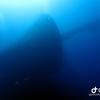
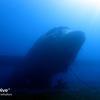
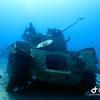
Wrack mit Luftschleuse, Seepferd, Kugelfisch, Giant Trevallys, Giant Lionfishes, kleiner Krebs, Weiße Moräne