



 Ksso
Ksso


 Dominican Republic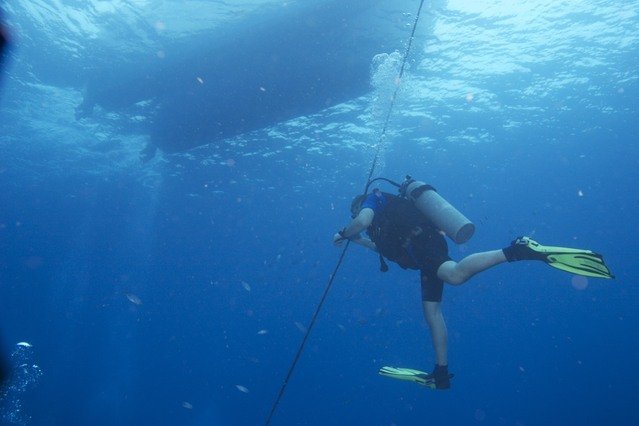
-
Nº54
 Date: 2012-06-18 - 09:35
-
 Max Depth: 38.2m Duration: 30mins
Dive Location

- Dive type : Recreational, Wreck, Photo
- Visibility: Good Water: Salt
Specific gear used
- Computer: Mares - Nemo Excel
- Camera: Sigma - 18-50 f2.8 Macro
- Weights: 4 kg
Recent Divers in Bayahibe
Recent Pictures in Bayahibe
Dive Shop & Buddies
 Dive with Ricardo from Gri Gri Divers
 Gri Gri Divers confirmed the dive with parameters: 38.2m / 30mins
 Dive buddies:
Wayne
Dive buddies:
Wayne

Link to this spot:
- Spot:
- Country:
- Area:
- Body of water:
Dive Profile
- 1. Air
- 12L Aluminium 200 → 40 bar
- Average depth: 22.1m
- SAC: 1.66 bar/min
- RMV: 19.92 L/min
Data provided by EOL.org



Species Identified
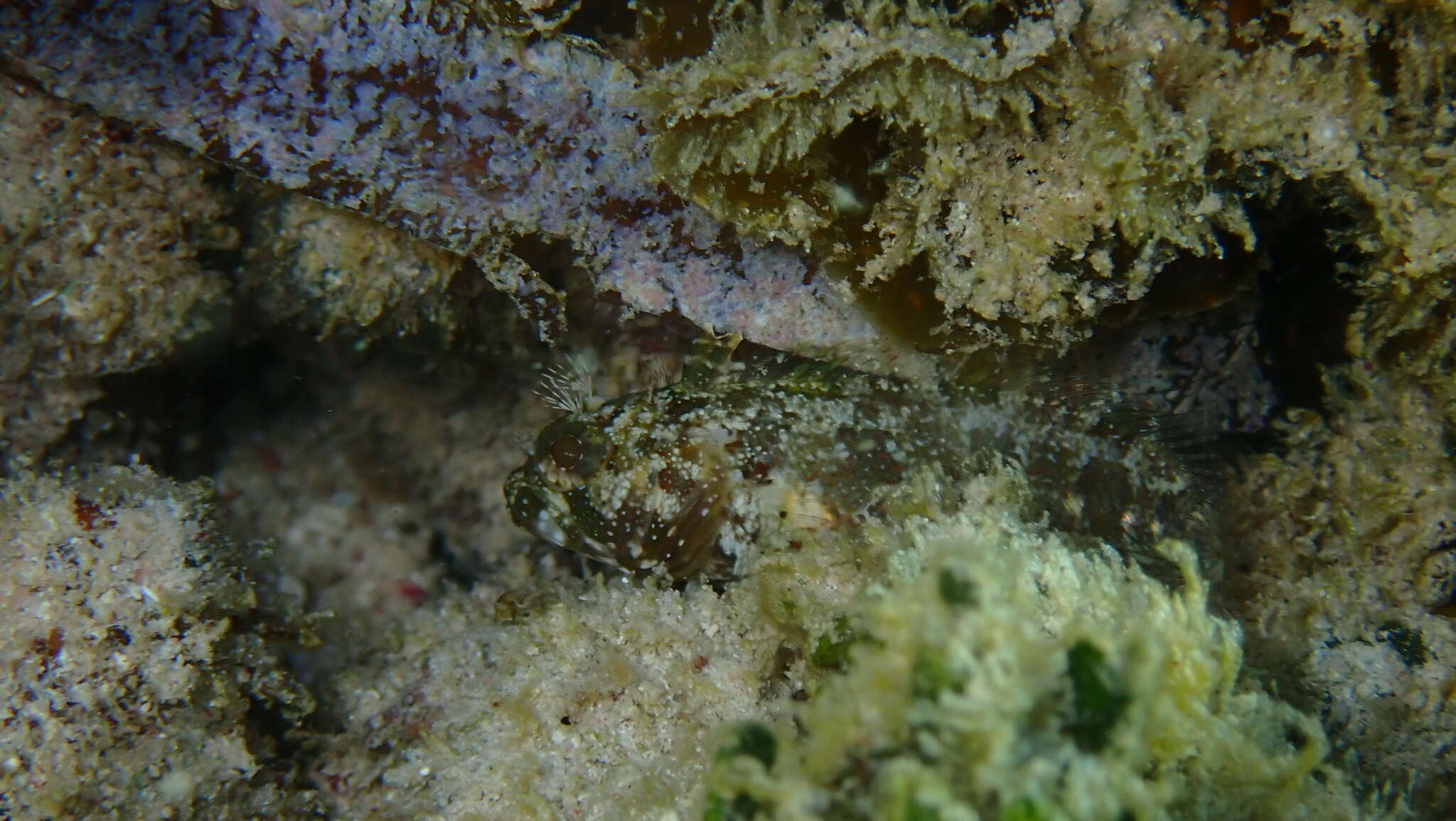
Malacoctenus triangulatus Springer, 1959 (Saddled blenny)
Inhabits coral reefs and rocky shores. Often found in crevices, or among weed and rubble . Feeds on crustaceans .
Labrisomus bucciferus Poey, 1868 (puffcheek blenny)
Occurs from rocky and rubble shores with algal mats to reefs and seagrass beds.
Scarus vetula Bloch and Schneider, 1801 (Blownose)
Inhabits coral reefs and adjacent habitats. Feeds on algae scraped from rocks or dead coral. Sleeps in a mucus cocoon . Often seen in groups of one super male with several young adults, most of which are probably females . A protogynous hermaphrodite .
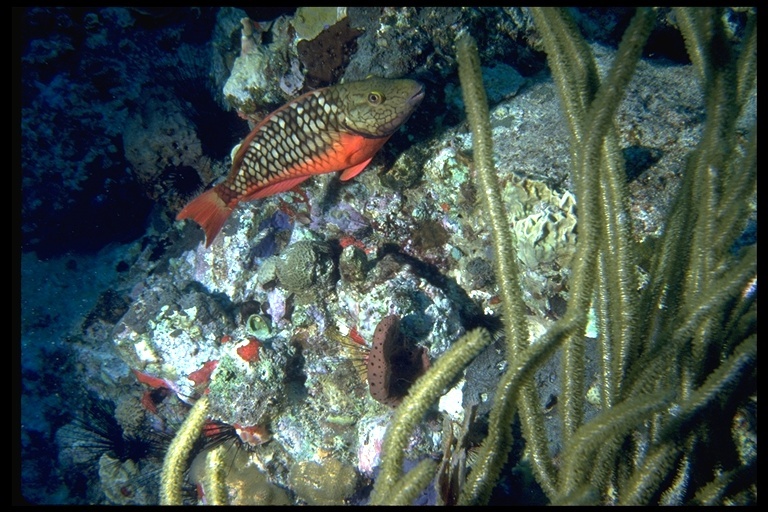
Sparisoma viride (Bonnaterre, 1788) (Dark green parrotfish)
Inhabits coral reefs with clear water . Young may be found in seagrass beds and other heavily vegetated bottoms. Feeds mainly on soft algae, but has been observed to graze on live corals like, Montastraea annularis . Pr...
Read More
Read More
Carangoides ruber (Bloch, 1793) (Bar jack)
Common in clear insular areas or in coral reefs off mainland coasts . Juveniles frequent areas with algae . Usually in schools which may be spawning groups; occasionally solitary. Feeds on fishes, shrimps and other in...
Read More
Read More
Selar crumenophthalmus (Bloch, 1793) (Big eye scad)
Prefers clear oceanic waters around islands to neritic waters . Occasionally in turbid waters . Pelagic . Mainly nocturnal. Feeds on small shrimps, benthic invertebrates, and forams when inshore, and zooplankton and fi...
Read More
Read More
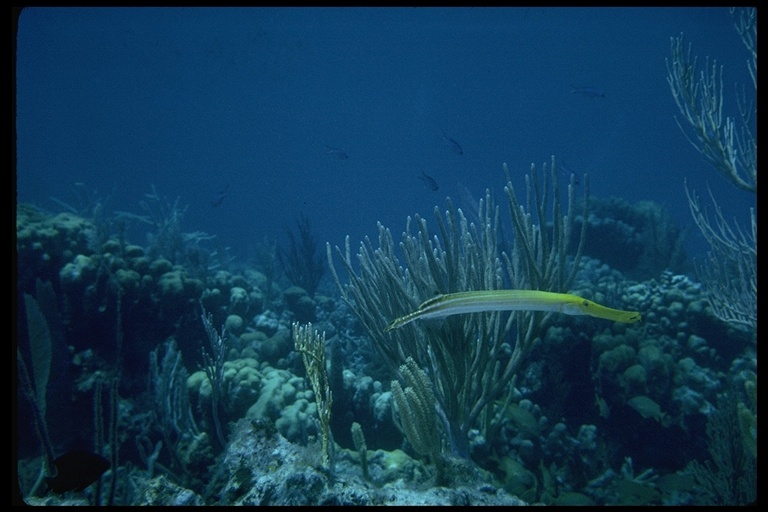
Aulostomus maculatus Valenciennes, 1841 (Caribbean trumpetfish)
Commonly found in weedy areas and especially around reefs, where they usually swim snout-down among sea whips . A solitary ambusher of small fishes and crustaceans that lurk among branching coral or gorgonians. Often swi...
Read More
Read More
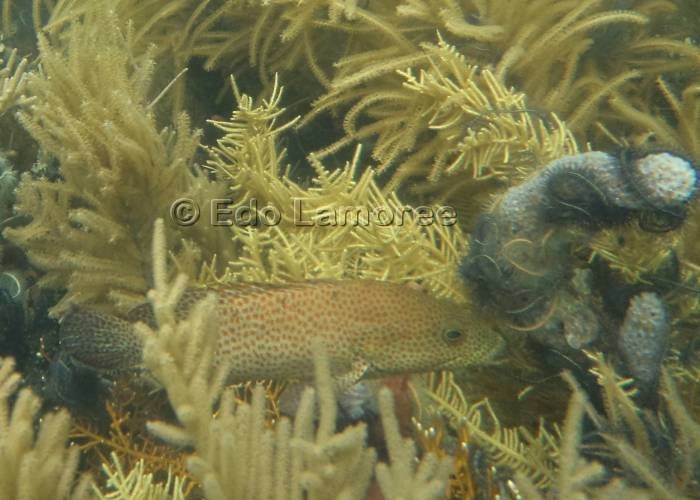
Cephalopholis cruentata (Lacepède, 1802) (Coney)
Inhabit Thalassia beds and coral reefs. In the Gulf of Mexico, they are found on rocky reef ledge in depths greater than 27 m. Solitary and secretive, they usually stay near hiding places during the day. Prefer to rema...
Read More
Read More
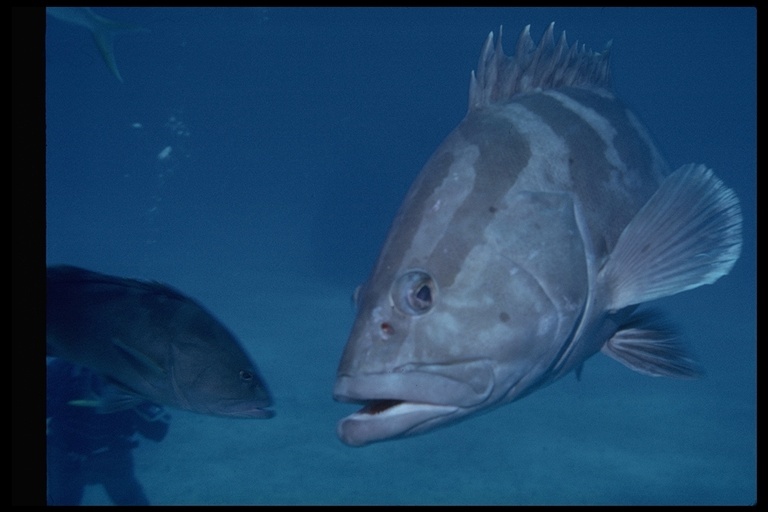
Epinephelus striatus (Bloch, 1792) (Nassau grouper)
Adults are generally solitary, with the exception of spawning events when hundreds to thousands of individuals were known to group together. In the southern extent of the grouper's range, these awesome aggregations occurre...
Read More
Read More
Pterois volitans (Linnaeus, 1758) (Red lionfish)
Share on Social Networks
- Facebook:

personalize your shared text as well as its destination (wall, page...) or send as a private message to a friend
- Twitter: Tweet personalize your tweet
- Google Plus:
Direct link to this dive
- Long link:
- Short link:


 We are participating today in the startup contest Techcrunch Disrupt. Support Diveboard by voting for us!























































































Awesome wreck site - did not swim through though.
Plenty life, one huge grouper hidden in the dark in the loading bay
Pretty deep dive !
One of the push button of my ikelite housing broke - water flooded in and camera is in a shrodinger state :D
Deepstop 15m