



 Ksso
Ksso


 Egypt
Egypt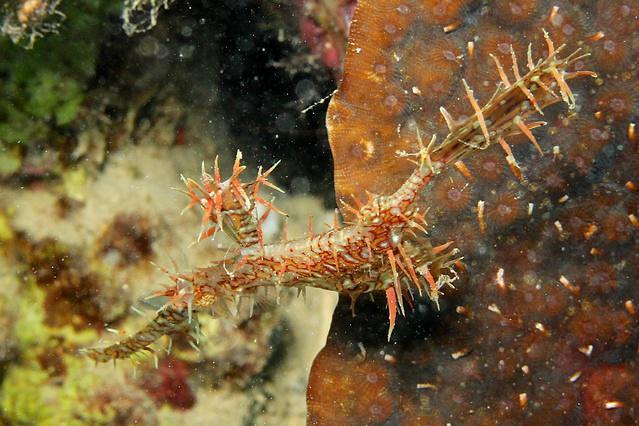
-
Nº90
 Date: 2014-04-17 - 10:45
-
 Max Depth: 22m Duration: 48mins
Dive Location

- Temp: Bottom 24°C
- Dive type : Photo
- Visibility: Average Water: Salt
Specific gear used
- Computer: Mares - Nemo Excel
- Camera: Ikelite - DS125 Strobe
- Camera: Sigma - 18-50 f2.8 Macro
- Camera: Canon - 60d
- Weights: 6 kg
Dive reviews
| Overall review | ||
| Dive difficulty | ||
| Marine life quality |
Recent Divers in Safaga
Recent Pictures in Safaga

Dive Shop & Buddies
 Dive with Orca Mövenpick Soma Bay
 Orca Mövenpick Soma Bay confirmed the dive with parameters: 22m / 48mins
 Dive buddies:
Rainer
Dive buddies:
Rainer

Link to this spot:
- Spot:
- Country:
- Area:
- Body of water:
Dive Profile
- 1. Air
- 15L Steel 200 → 80 bar
- Average depth: 10.8m
Data provided by EOL.org






Species Identified
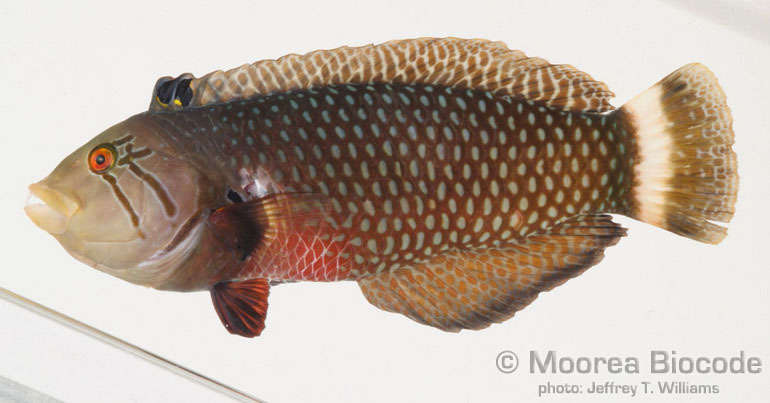
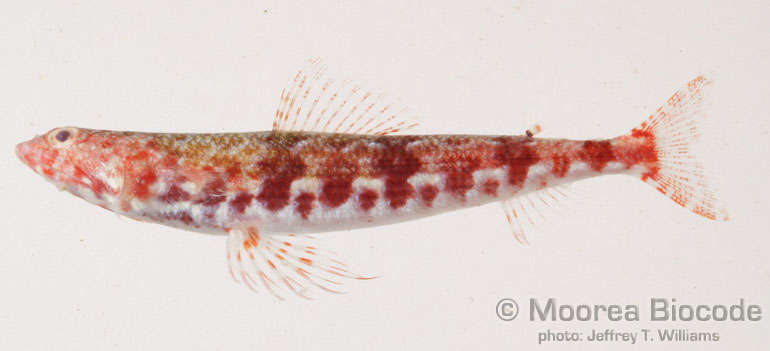
Novaculichthys taeniourus (Lacepède, 1801) (Rockmover wrasse)
Solenostomus paradoxus (Pallas, 1770) (Harlequin ghost pipefish)
Usually settles along reef edges in current-prone areas . Uncommon species found solitary or paired, among branches of gorgonians, floating weeds, or crinoids . They feed mostly on mysids but also target small benthic sh...
Read More
Read More
Pterois volitans (Linnaeus, 1758) (Red lionfish)
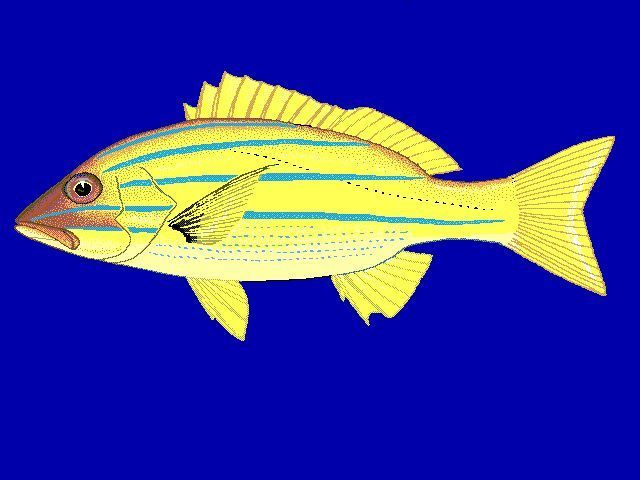
Lutjanus kasmira (Forsskål, 1775) (bluebanded sea perch)
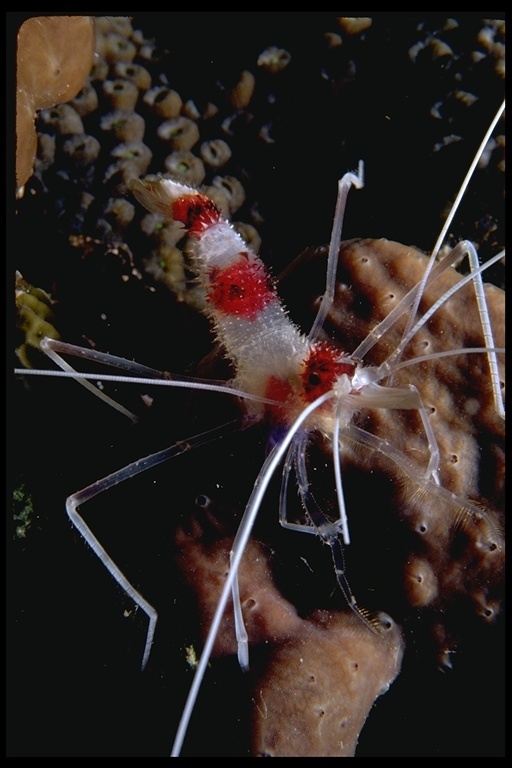
Stenopus hispidus (Olivier, 1811) (banded coral shrimp)
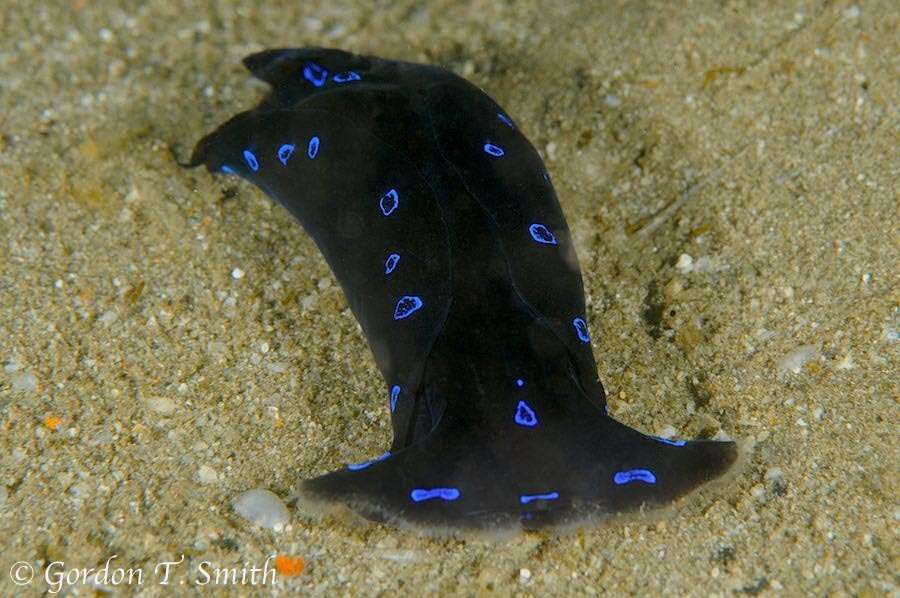
Chelidonura livida Yonow, 1994 (Rotmeer-Panzerschwanz)
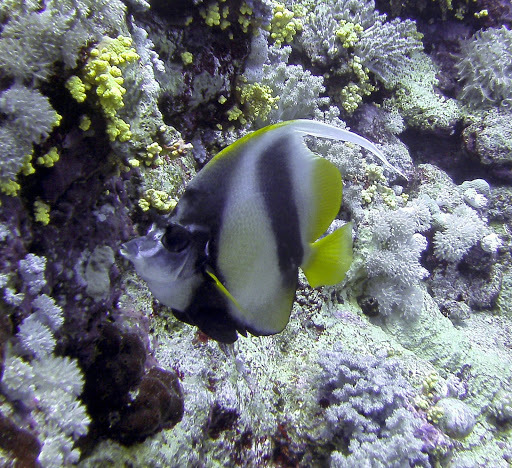
Heniochus intermedius Steindachner, 1893 (Red Sea bannerfish)
Found on coral slopes Juveniles in large groups at base of reef, sometimes with H. diphreutes; adults usually solitary or paired, occasionally in groups . Feed on zooplankton and benthic invertebrates . Oviparous , monogamous . Form pairs during breeding .
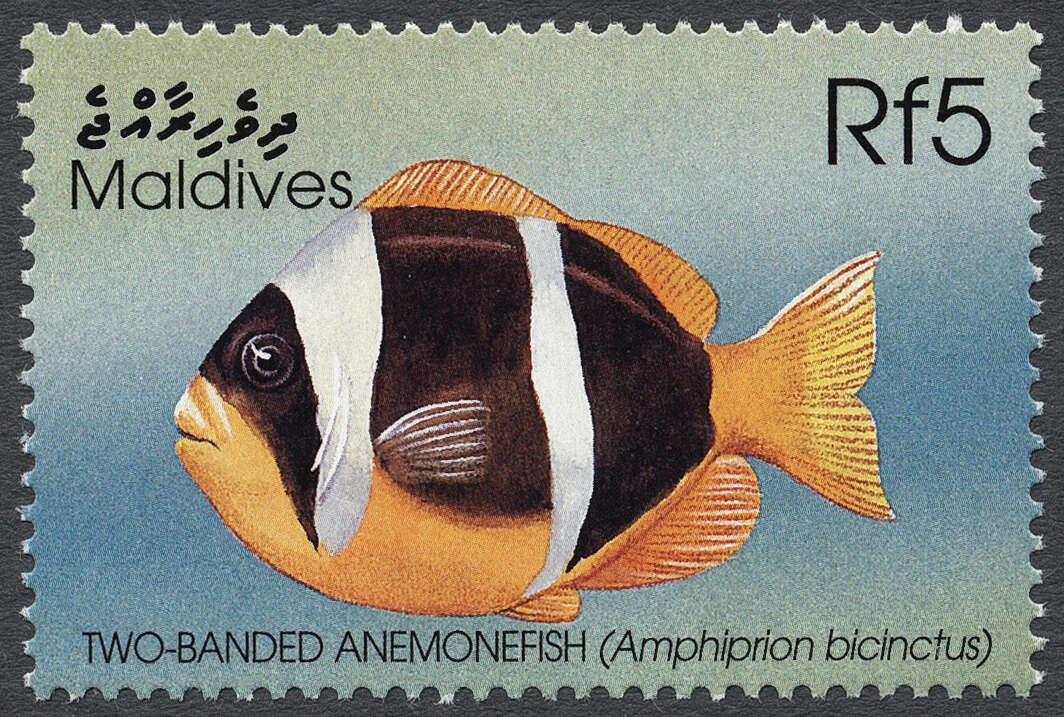
Amphiprion bicinctus Rüppell, 1830 (threebanded anemonefish)
Inhabits lagoons and outer reefs. Oviparous, with elliptical eggs . Monogamous . Has been reared in captivity . Associated with the anemones: Entacmaea quadricolor, Heteractis aurora, Heteractis crispa, Heteractis magnifica, and Stichodactyla gigantea .
Arothron hispidus (Linnaeus, 1758) (White-spotted puffer)
Pseudanthias squamipinnis (Peters, 1855) (Sea goldie)
Found above coral outcrops or patch reefs of clear lagoons, channels, or outer reef slopes. Form large aggregations. Feed on zooplankton . A protogynous hermaphrodite . Males are territorial and haremic . Color patter...
Read More
Read More
Larabicus quadrilineatus (Rüppell, 1835) (Fourline wrasse)
Occurs in fringing reefs, among coral heads and in areas with dense coral growth . Adults feed on coral polyps while juveniles act as cleaners of other fishes.
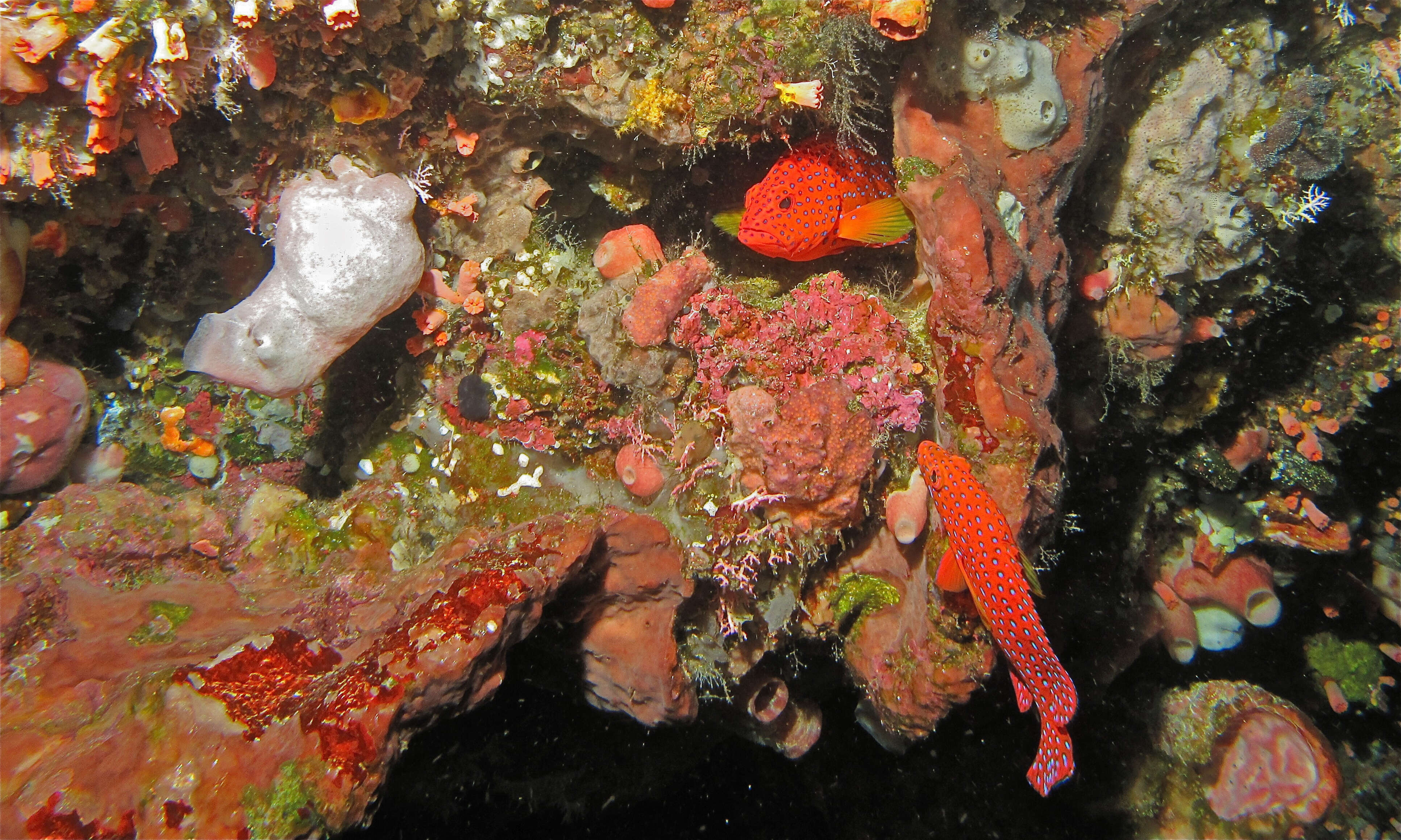
Cephalopholis miniata (Forsskål, 1775) (bluespot rockcod)
Inhabit clear waters of coral reefs; more often found in exposed rather than protected reef areas . Feed on fishes (80%, mainly Pseudanthias squamipinnis) and crustaceans. Form haremic groups comprising of a dominant mal...
Read More
Read More
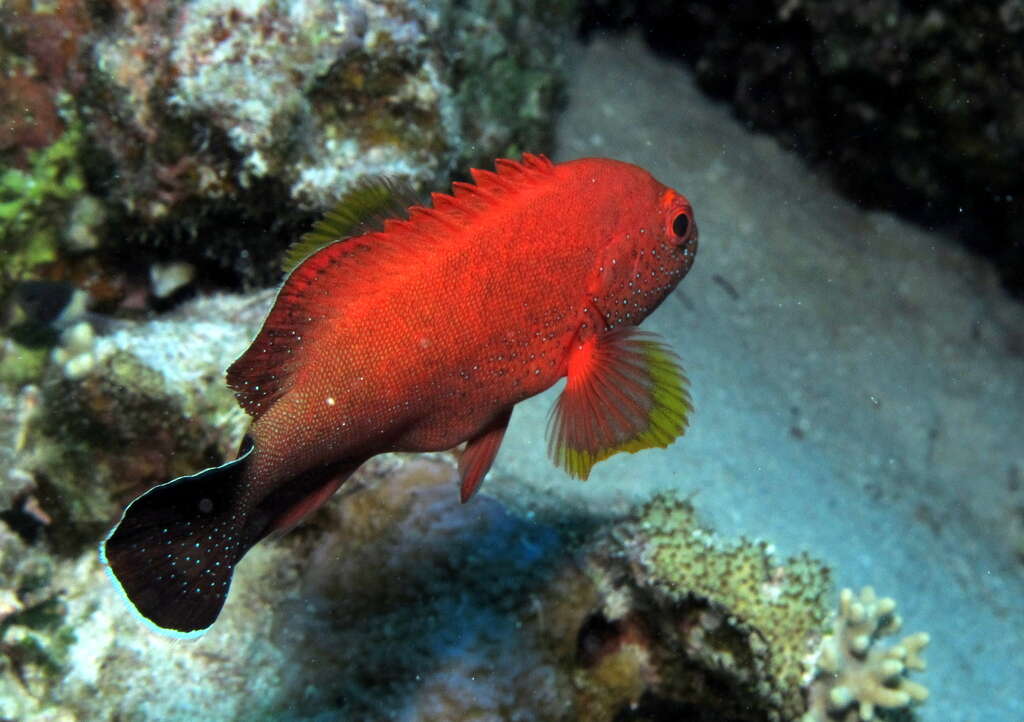
Cephalopholis hemistiktos (Rüppell, 1830) (duskyfin grouper)
In the Red Sea, it is often found on patchy open reef areas. Feeds diurnally on fishes (64%, mostly pomacentrids) and crustaceans (36%). It is a monogamous species, the pair jointly defends a common territory of up to 62 square m .
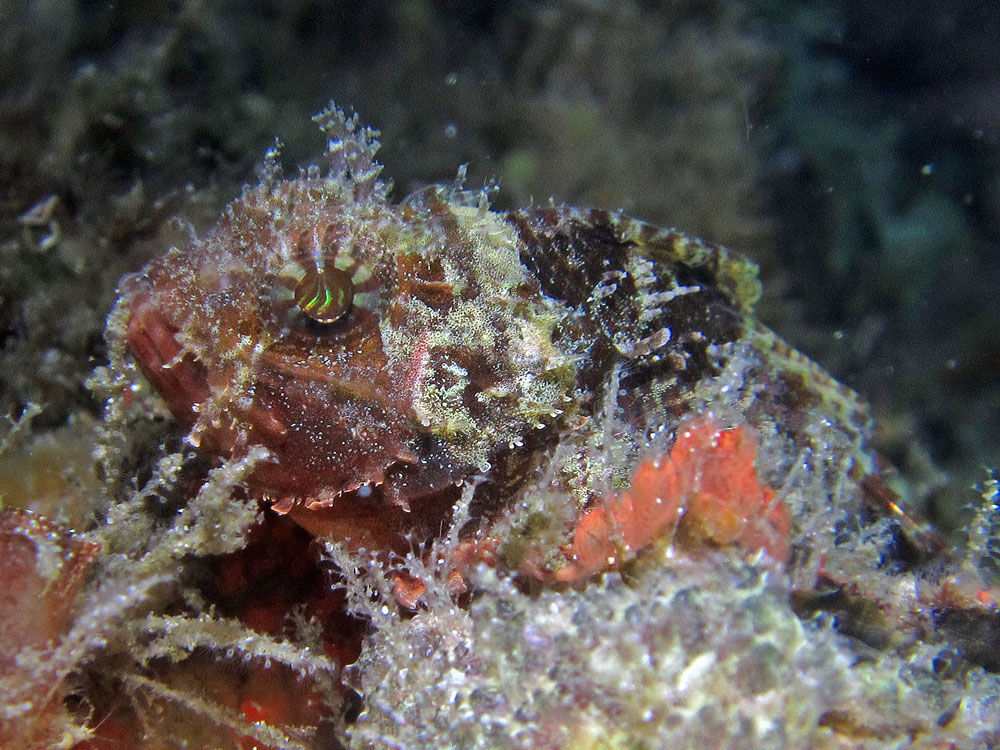
Scorpaenopsis oxycephala (Bleeker, 1849) (Tassled scorpionfish)
Inhabits clear-water outer reef slopes and channels from depths of 1 to at least 35 m, in areas with mixed rock and coral substrates. Venomous spines.
Fistularia commersonii Rüppell, 1838 (Bluespotted cornetfish)
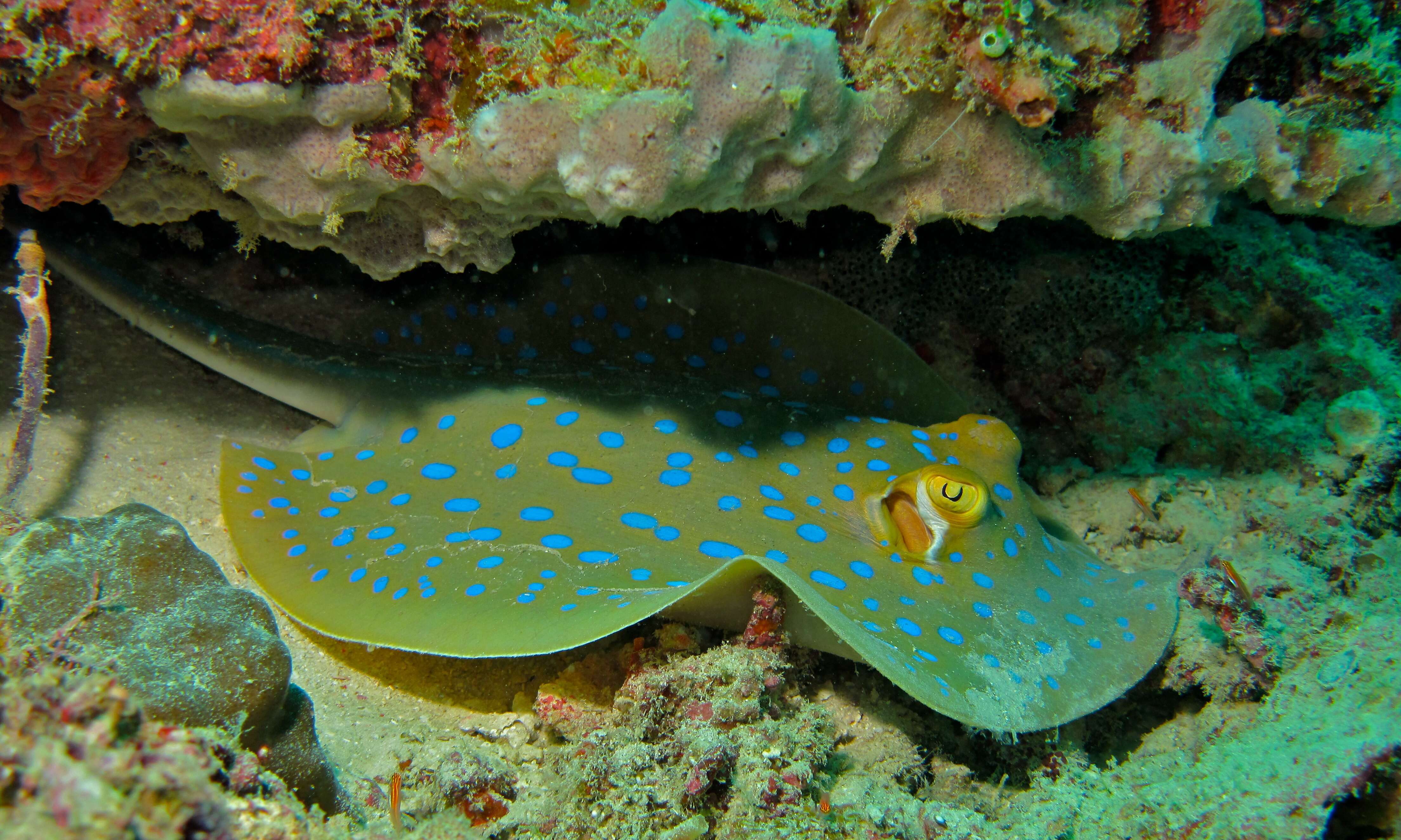
Taeniura lymma (Forsskål, 1775) (Bluespotted ribbontail ray)
Blue-spotted stingrays live alone or in small groups , migrating in large schools into shallow sandy areas on the rising tide in order to feed, and dispersing back into the ocean as the tide falls to shelter in the coral c...
Read More
Read More
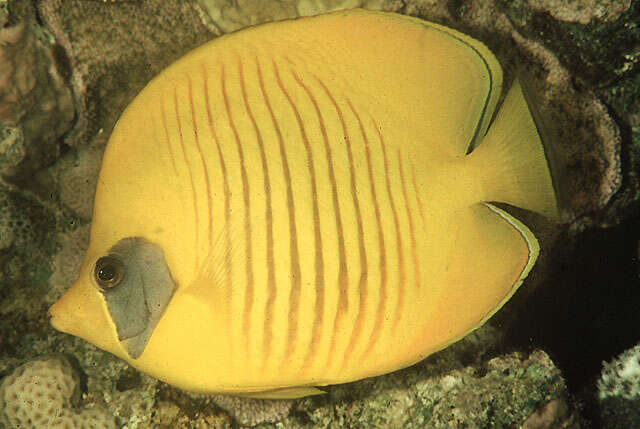
Chaetodon semilarvatus Cuvier, 1831 (Bluecheek butterflyfish)
A common species found in areas where there is rich coral growth. Often seen in pairs or small aggregations. Occasionally observed hovering in a stationary position for extended periods under ledges of Acropora plate corals . Oviparous . Form pairs during breeding .
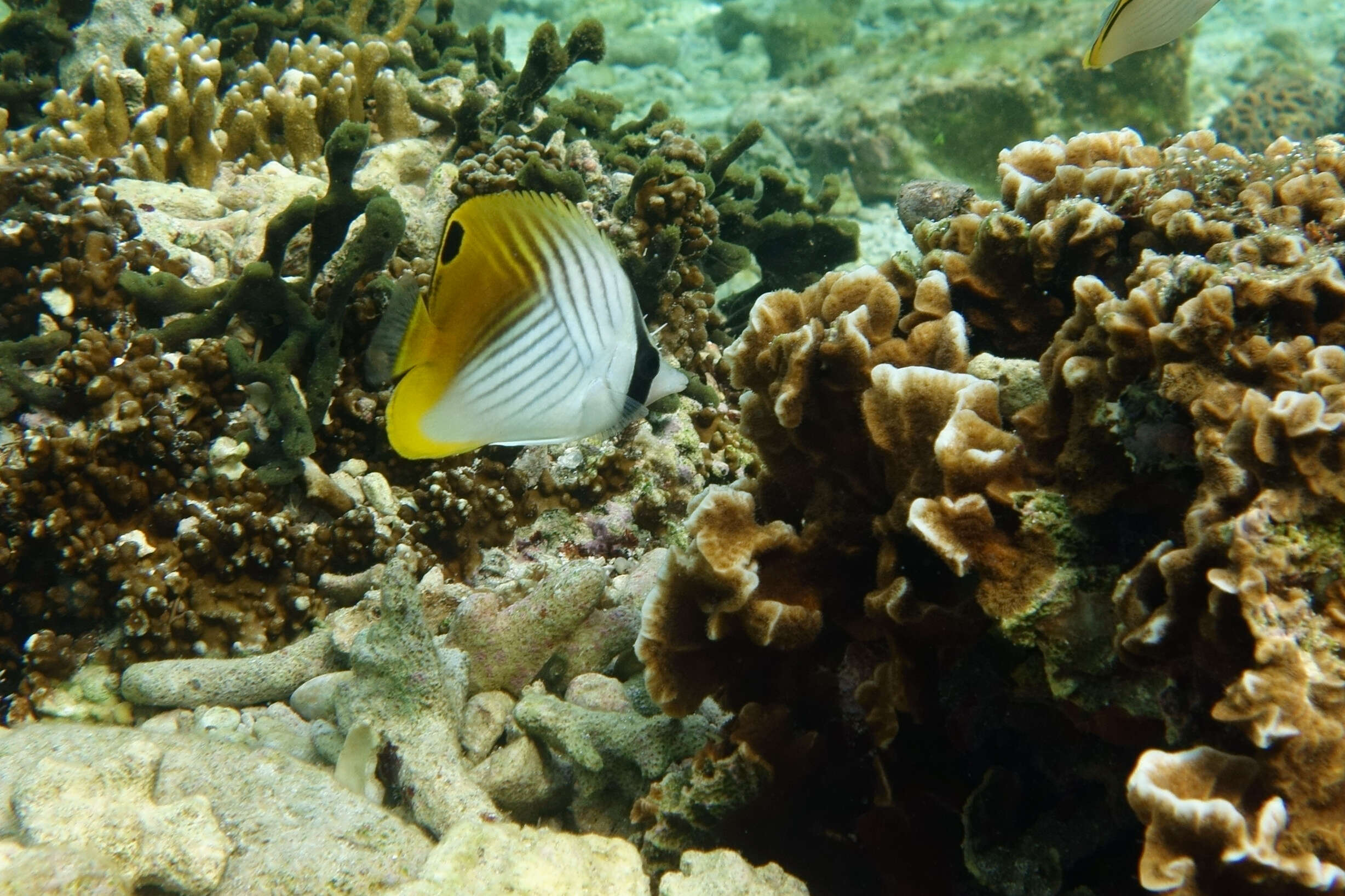
Chaetodon auriga Forsskål, 1775 (Cross-stripe butterfly)
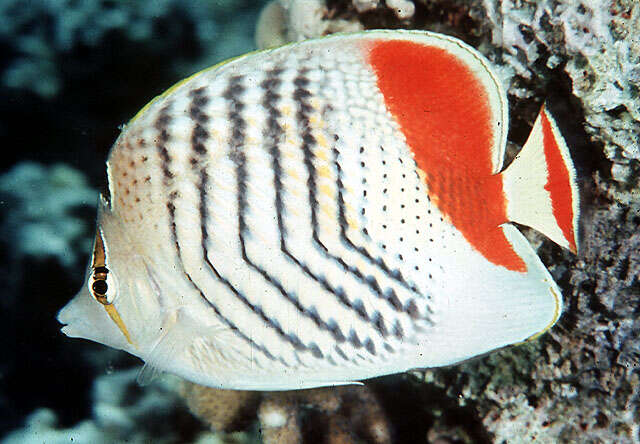
Chaetodon paucifasciatus Ahl, 1923 (Eritrean butterflyfish)
Found over coral and rubble areas, in pairs or in small groups. Found to depths of 65 m . Feed on coral polyps, gorgonians, algae, polychaete worms and small crustaceans. Oviparous , monogamous . Form pairs during breed...
Read More
Read More
Balistapus undulatus (Park, 1797) (Orange-lined triggerfish)
Occurs in coral-rich areas of deep lagoon and seaward reefs from the lower surge zone to at least 50 meters, Ref. 48637. Feeds on a variety of benthic organisms such as algae, echinoderms, fishes, mollusks, tunicates, spo...
Read More
Read More
Synodus variegatus (Lacepède, 1803) (Variegated lizardfish)
Inhabits deep lagoon and seaward reefs to depths over 40 m ; sometimes found on sandy bottoms concealing itself in the sand. Prefers to rest on hard surfaces and frequently occurs in pairs . Benthic . Feeds on small fis...
Read More
Read More
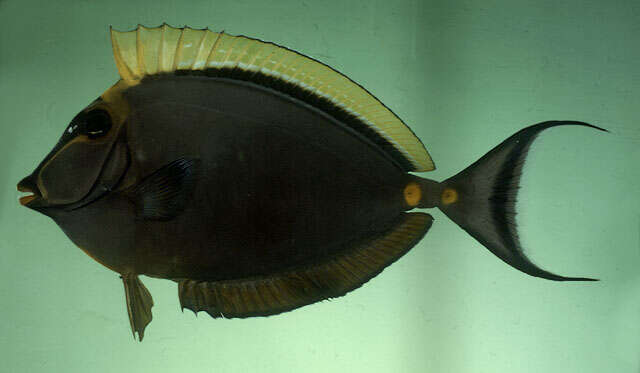
Naso elegans (Rüppell, 1829) (Elegant unicornfish)
Inhabits coastal and sheltered reef flats in small groups and schools in oceanic locations . Feeds on benthic algae .
Dascyllus aruanus (Linnaeus, 1758) (black-and-white damselfish)
Territorial, inhabit shallow lagoon and subtidal reef flats. Form large aggregations above staghorn Acropora thickets or in smaller groups above isolated coral heads. Feed on zooplankton, benthic invertebrates, and algae...
Read More
Read More
Share on Social Networks
- Facebook:

personalize your shared text as well as its destination (wall, page...) or send as a private message to a friend
- Twitter: Tweet personalize your tweet
- Google Plus:
Direct link to this dive
- Long link:
- Short link:


 We are participating today in the startup contest Techcrunch Disrupt. Support Diveboard by voting for us!























































































ghostfish CHECK! :)
the coral garden is amazing so beautiful sceneries!
lionfish, rays ... everything we can dream of - I could probably spend weeks on that house reef
the sandy bottom did make a lot of particles in the water though making it really hard for a clean shot ... and cleaning up the pics dust by dust will take a long while...
I also realized during the dive that setting the strobe to FULL instead of TTL was firing them out of sync with the camera - now I understand the issues I had on the previous dives...