



 Ksso
Ksso


 Spain
Spain
-
Nº71
 Date: 2012-08-06 - 12:21
-
 Max Depth: 28m Duration: 55mins
Pictures

No pictures for this dive
- Dive type : Recreational, Training
- Visibility: Average Water: Salt
Specific gear used
- Computer: Mares - M2
- Weights: 6 kg
Recent Divers in Lanzarote
Recent Pictures in Lanzarote

Dive Shop & Buddies
 Dive with Uli from Northdiving Lanzarote
 Northdiving Lanzarote confirmed the dive with parameters: 28m / 55mins
 Dive buddies:
Wolfram
Dive buddies:
Wolfram

Link to this spot:
- Spot:
- Country:
- Area:
- Body of water:
Dive Profile
- 1. Air
- 12L Steel 200 → 40 bar
- Average depth: 13.4m
- SAC: 1.24 bar/min
- RMV: 14.88 L/min
Data provided by EOL.org



Species Identified
Myliobatis aquila (Linnaeus, 1758) (Common eagle ray)
Found in shallow lagoons , bays and estuaries; also offshore down to at least 95 m . Often found in groups . Feeds on benthic crustaceans, mollusks and fish. Ovoviviparous . Gestation period of 6-8 months, the females ...
Read More
Read More
Stenorhynchus
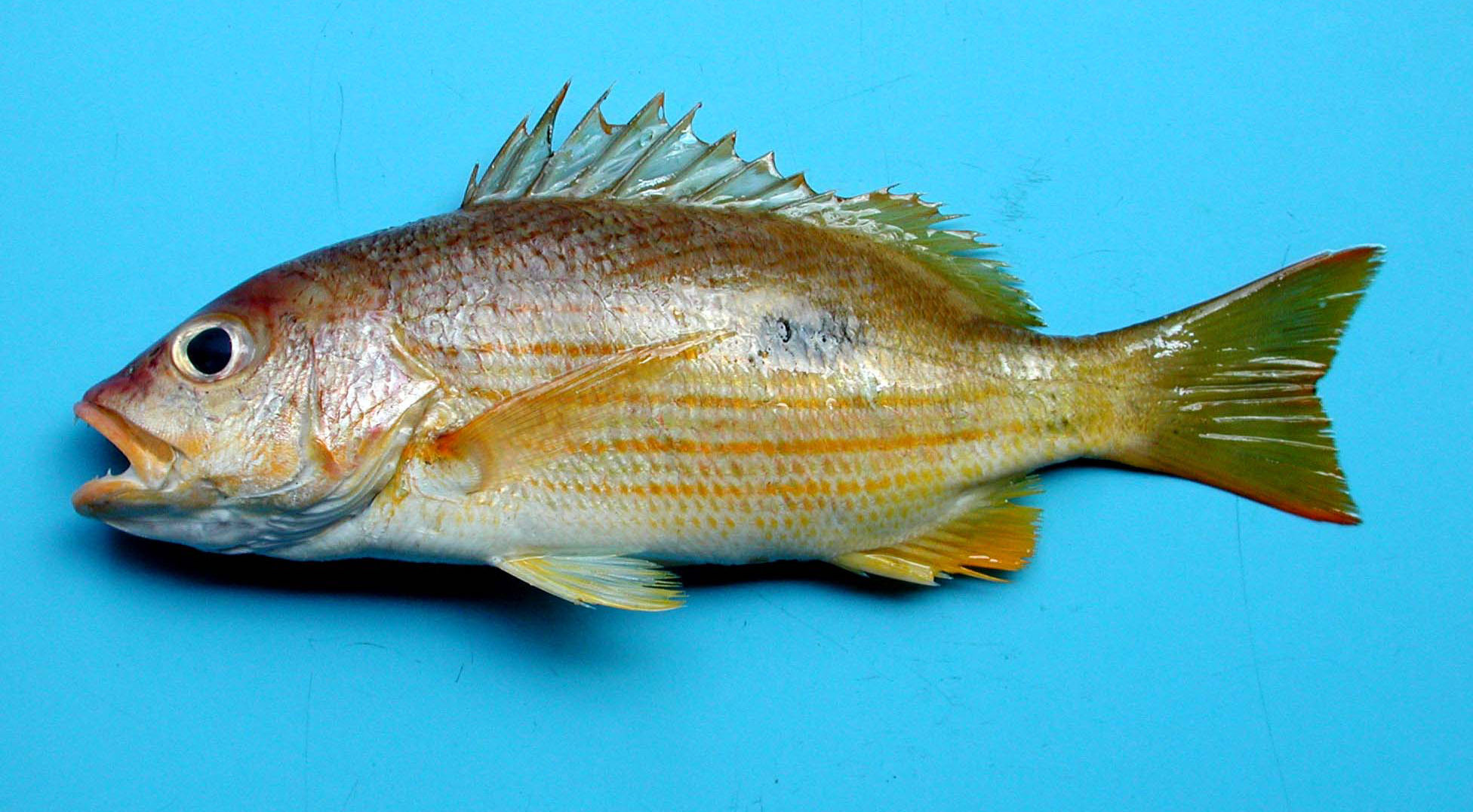
Lutjanus ehrenbergii (Peters, 1869) (Ehrenberg's snapper)
Inhabits very shallow coastal habitats, often in large schools near freshwater run-offs . Juveniles often intertidal . Feeds on small fish and invertebrates . May enter freshwater to feed .
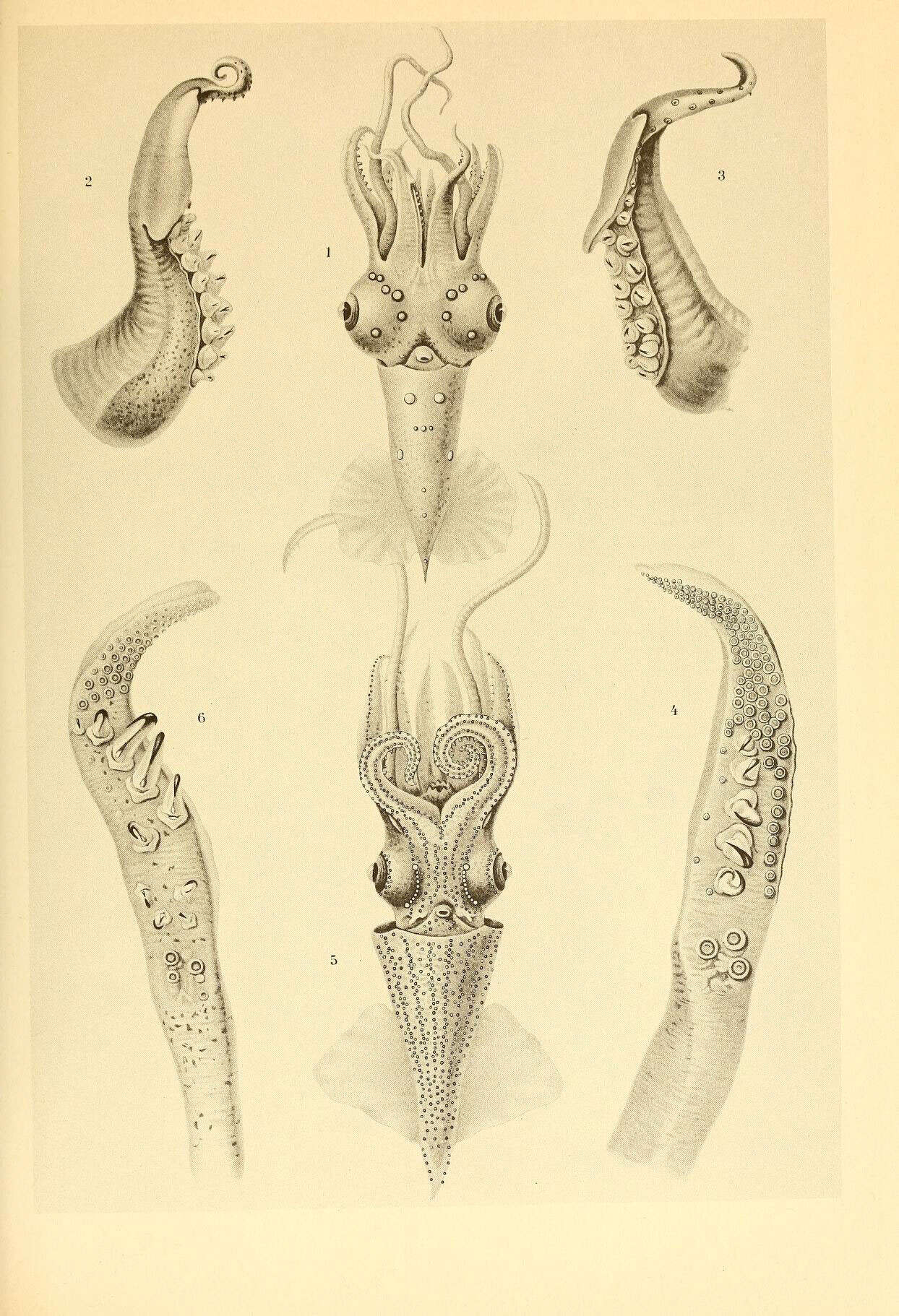
Pyroteuthis margaritifera (Rüppell, 1844) (Oceanic squid)
Soleidae (soles)
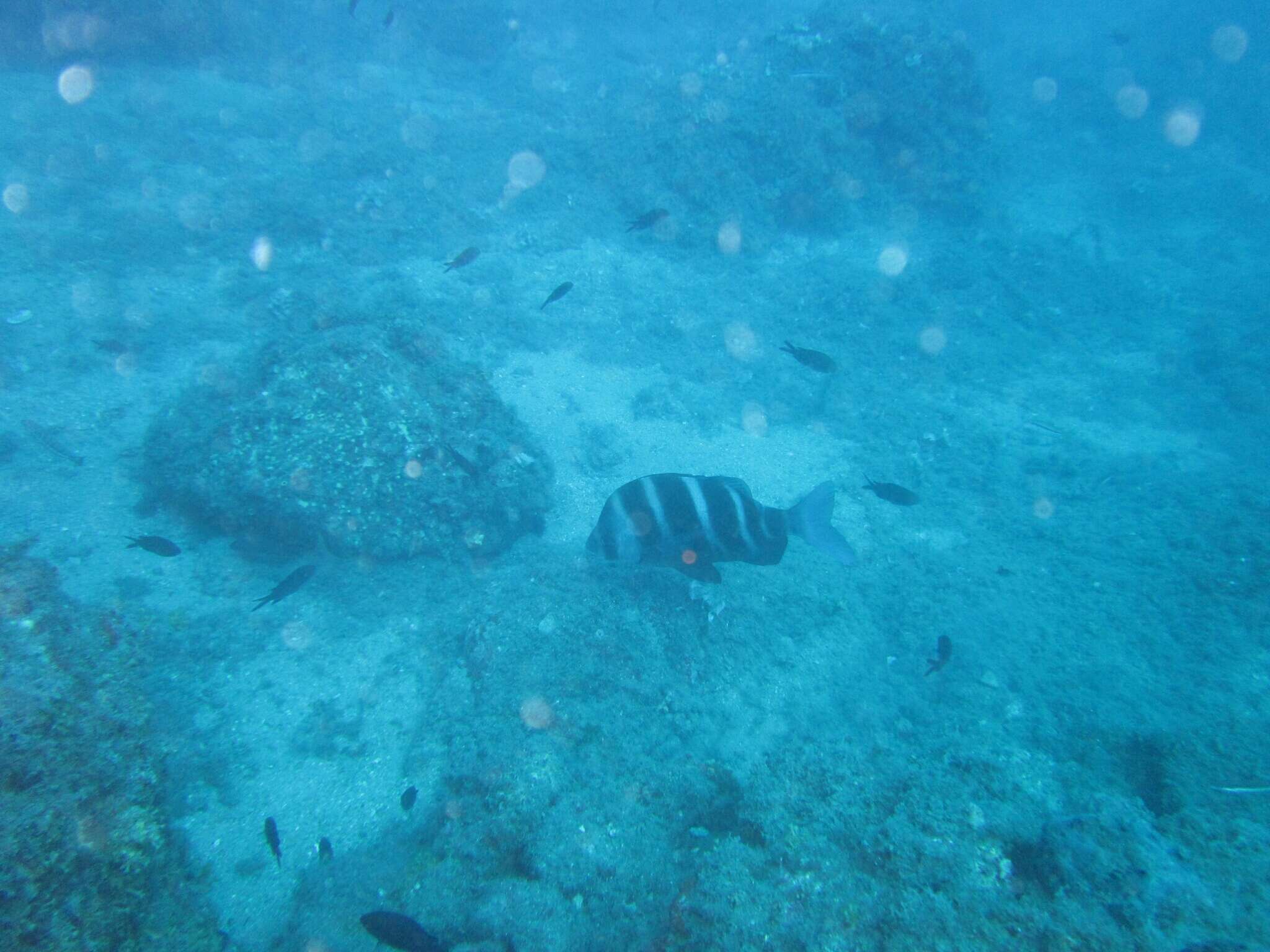
Diplodus cervinus (Lowe, 1838) (Zebra seabream)
Epinephelus marginatus (Lowe, 1834) (Duskey grouper)
The dusky grouper is a protogynous hermaphrodite, meaning that it matures as a female but later develops into a male as it grows larger and older . Sexual maturity is attained fairly late, when females are around five year...
Read More
Read More
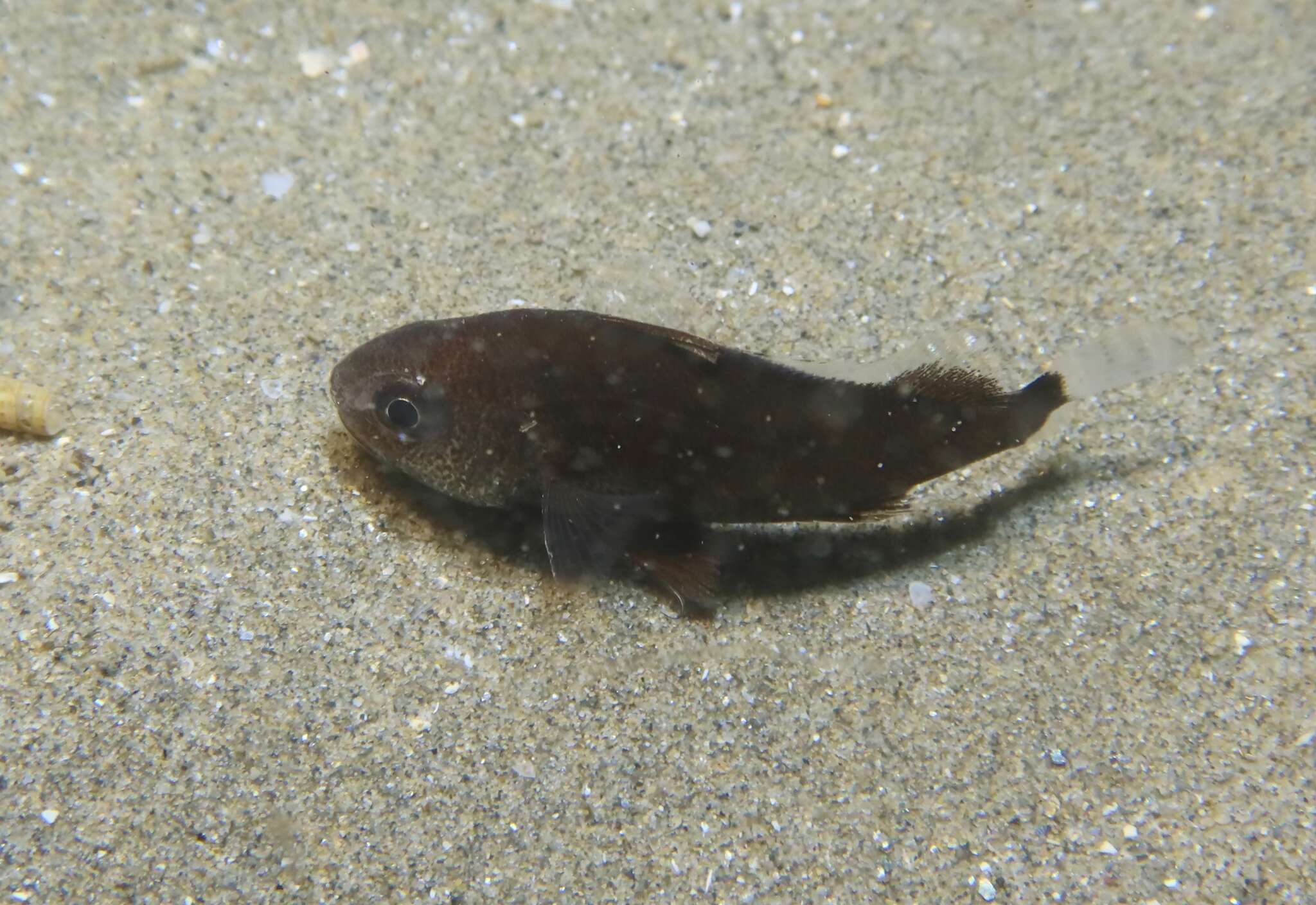
Umbrina canariensis Valenciennes, 1843 (Canary drum)
Found in mud and sandy bottoms of the shelf and upper slope , 14° to 15° C . Feed on small shrimps, worms and other bottom invertebrates . Sold fresh and dried salted .
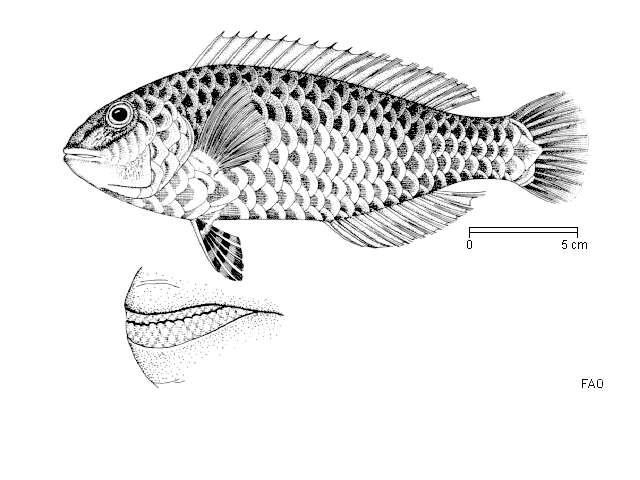
Sparisoma cretense (Linnaeus, 1758) (parrotfish)
In shallow water along rocky shores. Feed on algae and small invertebrates . Herbivore species with specialized pharyngeal bones and muscles . Breeding occurs from July to September, with juveniles recruiting in late summer in Portugal .
Share on Social Networks
- Facebook:

personalize your shared text as well as its destination (wall, page...) or send as a private message to a friend
- Twitter: Tweet personalize your tweet
- Google Plus:
Direct link to this dive
- Long link:
- Short link:


 We are participating today in the startup contest Techcrunch Disrupt. Support Diveboard by voting for us!























































































The dive started by an amazing eagle ray greeting us ! and we met her again 5mins later after she left, gently flying in mid-water - beautiful !
Huge (golliath?) grouper on the sandy bottom, the usual spider crabs and big moray.
The dive was chillier than it used to be...
Soles were awkwardly fighting each other
Training : 1mins holding breath : FAIL :( need to google for proper techniques...