



 Ksso
Ksso


 Dominican Republic
-
Nº58
 Date: 2012-06-21 - 10:01
-
 Max Depth: 12.4m Duration: 52mins
Pictures

No pictures for this dive
- Dive type : Recreational, Drift
- Visibility: Good Water: Salt
Specific gear used
- Computer: Mares - Nemo Excel
- Weights: 4 kg
Recent Divers in Bayahibe
Recent Pictures in Bayahibe
Dive Shop & Buddies
 Dive with Ricardo from Gri Gri Divers
 Gri Gri Divers confirmed the dive with parameters: 12.4m / 52mins
 Dive buddies:
Marc,
Wayne
Dive buddies:
Marc,
Wayne

Link to this spot:
- Spot:
- Country:
- Area:
- Body of water:
Dive Profile
- 1. Air
- 12L Aluminium 200 → 50 bar
- Average depth: 9.4m
- SAC: 1.48 bar/min
- RMV: 17.76 L/min
Data provided by EOL.org




Species Identified
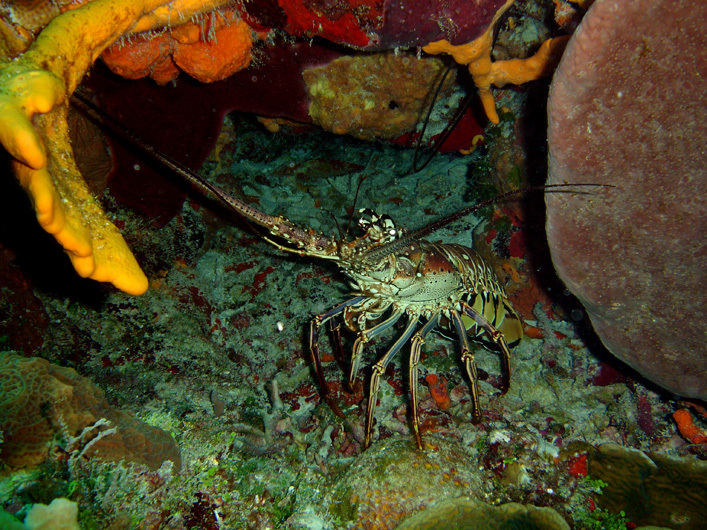
Panulirus argus (Latreille, 1804) (Caribbean spiny lobster)
Sargocentron coruscum (Poey, 1860) (reef squirrelfish)
Inhabit sandy, rocky and coral bottoms . More common on seaward reefs than on protected reefs. Retreat into recesses when alarmed . Nocturnal . Secretive, found deep in crevices between branches of live corals . Oviparous, with planktonic eggs and larvae .
Carangoides ruber (Bloch, 1793) (Bar jack)
Common in clear insular areas or in coral reefs off mainland coasts . Juveniles frequent areas with algae . Usually in schools which may be spawning groups; occasionally solitary. Feeds on fishes, shrimps and other in...
Read More
Read More
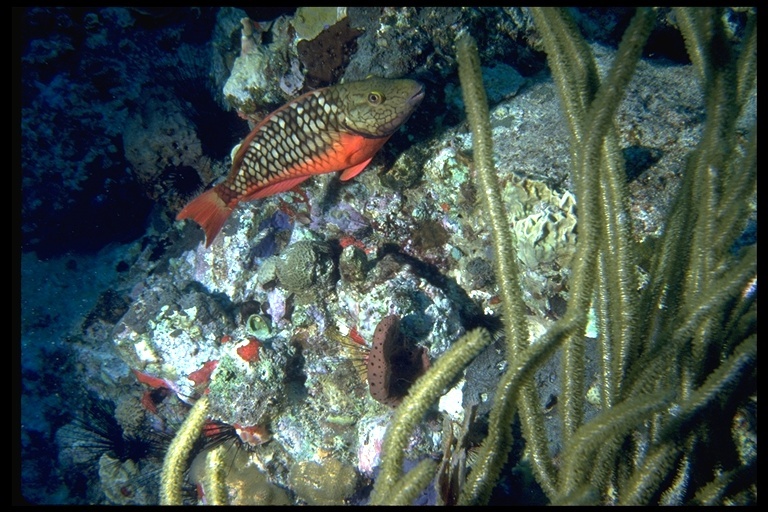
Sparisoma viride (Bonnaterre, 1788) (Dark green parrotfish)
Inhabits coral reefs with clear water . Young may be found in seagrass beds and other heavily vegetated bottoms. Feeds mainly on soft algae, but has been observed to graze on live corals like, Montastraea annularis . Pr...
Read More
Read More
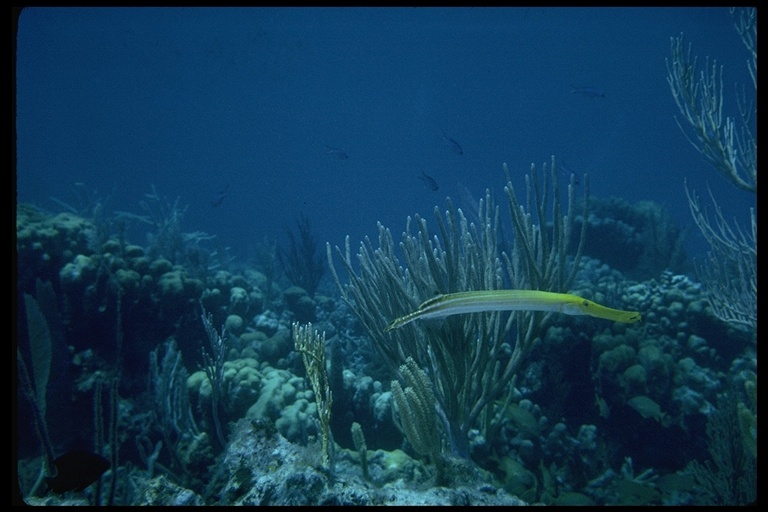
Aulostomus maculatus Valenciennes, 1841 (Caribbean trumpetfish)
Commonly found in weedy areas and especially around reefs, where they usually swim snout-down among sea whips . A solitary ambusher of small fishes and crustaceans that lurk among branching coral or gorgonians. Often swi...
Read More
Read More
Pterois volitans (Linnaeus, 1758) (Red lionfish)
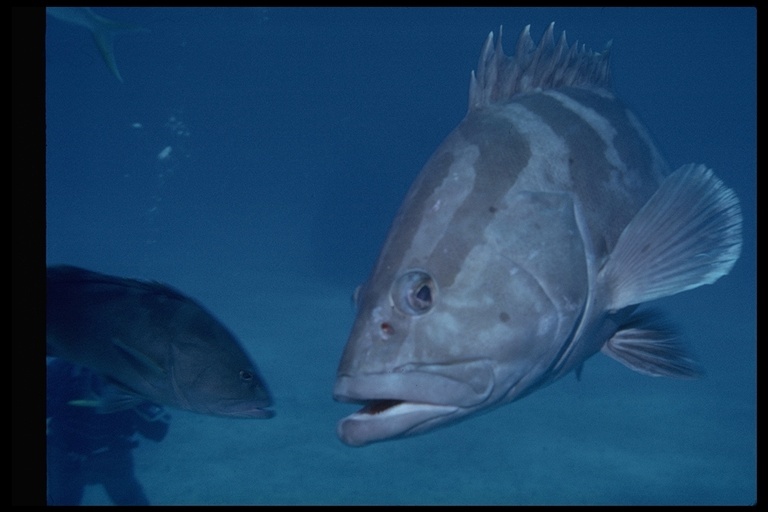
Epinephelus striatus (Bloch, 1792) (Nassau grouper)
Adults are generally solitary, with the exception of spawning events when hundreds to thousands of individuals were known to group together. In the southern extent of the grouper's range, these awesome aggregations occurre...
Read More
Read More
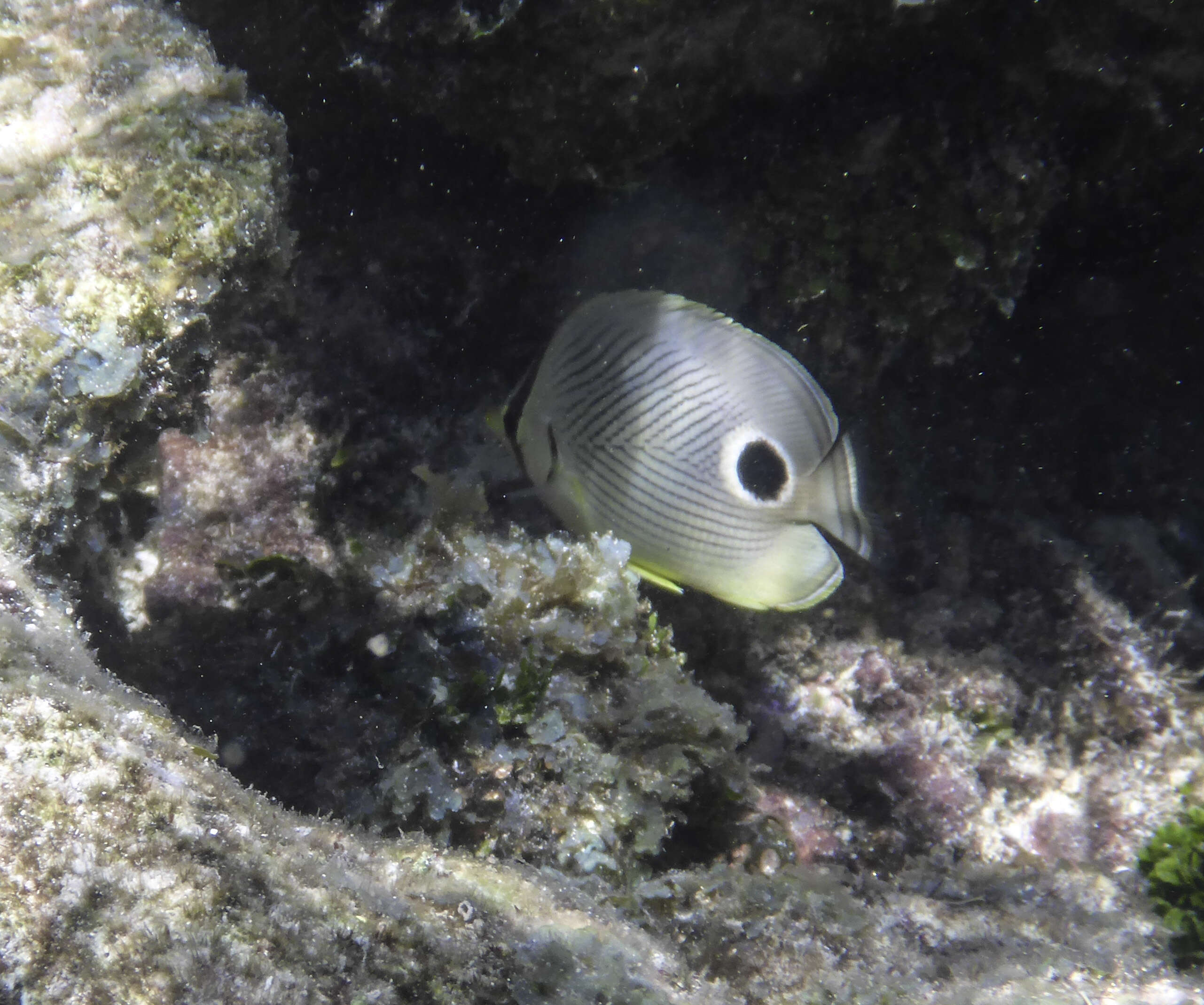
Chaetodon capistratus Linnaeus, 1758 (Butterbun)
Inhabit shallow reefs and generally occurs singly or in pairs. Feed mainly on zoantharians, polychaete worms, gorgonians and tunicates. Easily approached . Oviparous . Form pairs during breeding .
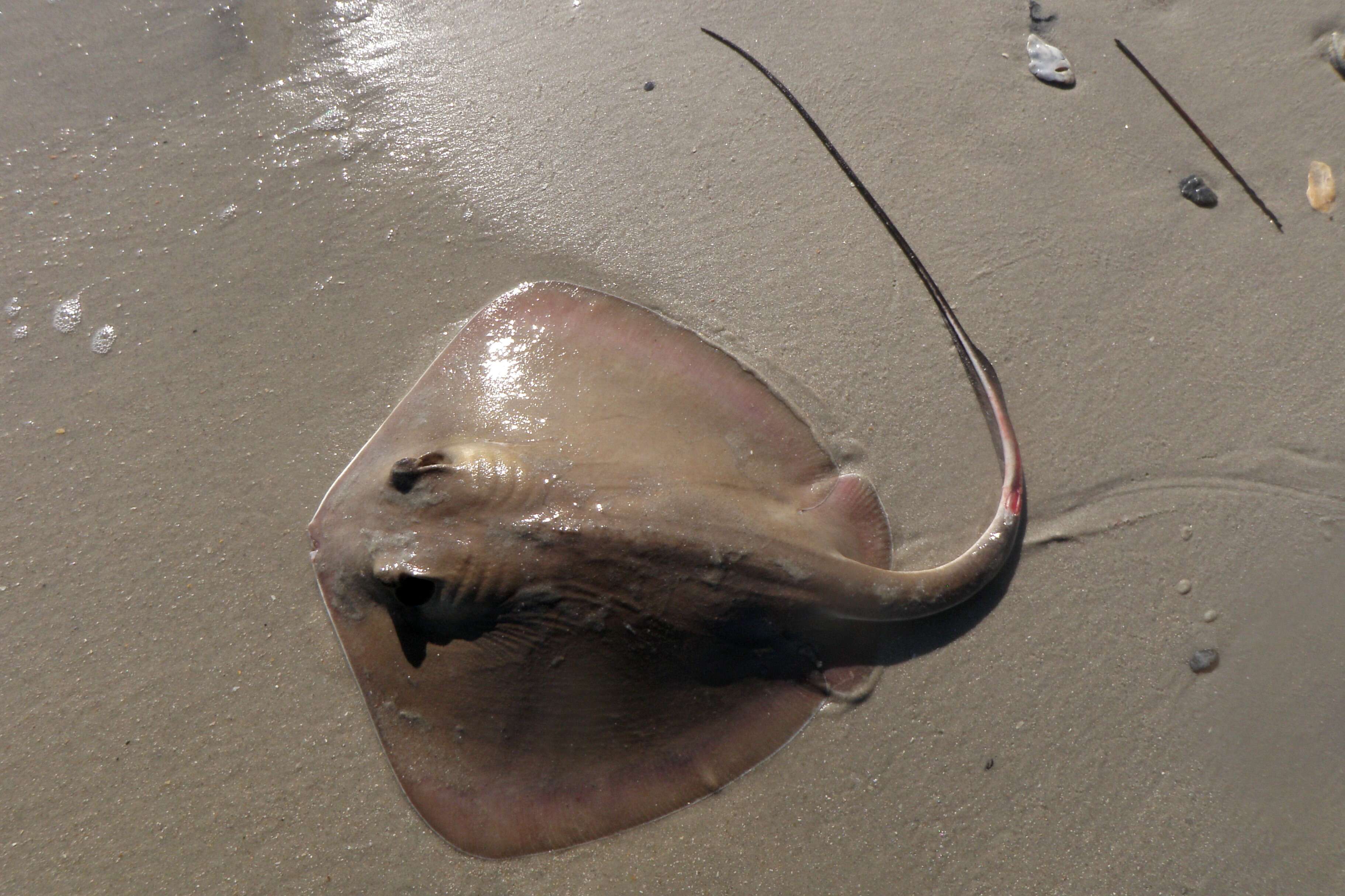
Dasyatis say (Lesueur, 1817) (Bluntnose stingray)
Inhabits coastal waters . Generally found near shore, to depths of 10 m. Bottom feeder with fish, clams, worms and shrimps. It causes a number of injuries to bathers and waders . Ovoviviparous .
Sphyraena barracuda (Edwards, 1771) (Alho)
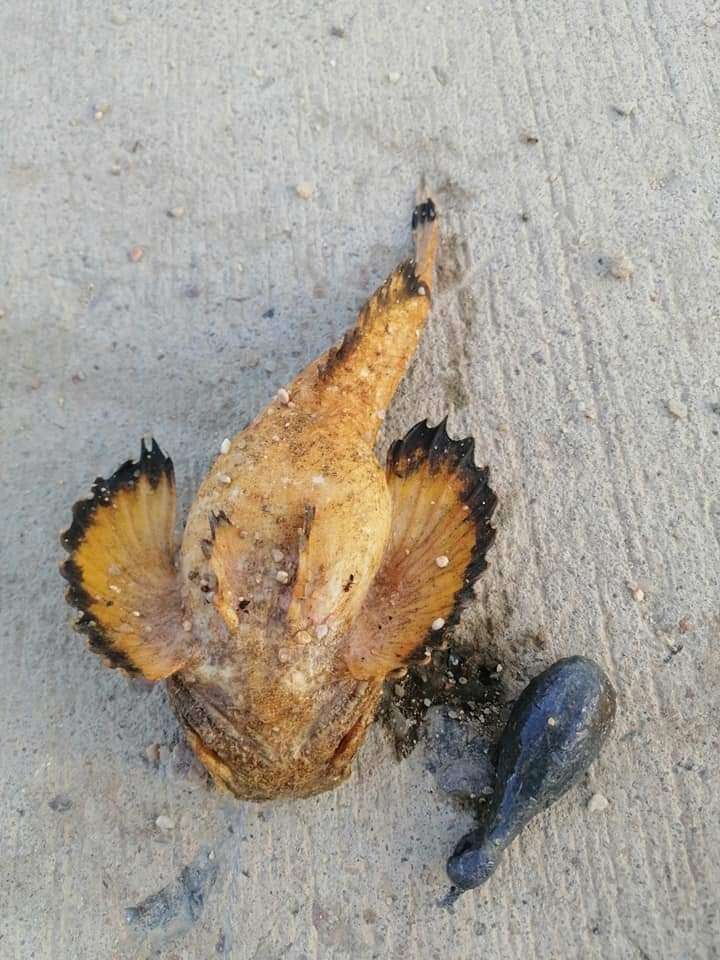
Pseudosynanceia melanostigma Day, 1875 (Blackfin stonefish)
Occurs over muddy substrate .
Stegastes diencaeus (Jordan and Rutter, 1897) (Honey damselfish)
Inhabits coral and rocky reefs of sheltered lagoons and inshore areas. Territorial and pugnacious . Taken incidentally in traps and small-meshed beach nets .
Equetus punctatus (Bloch & Schneider, 1801) (Spooted drum)
Occurs primarily on coral reefs. Secretive and usually solitary, under ledges or near small caves . Often seen during the day around the bases of corals . Feeds at night on crabs, shrimps, and polychaetes. Easily approached . Has been reared in captivity .
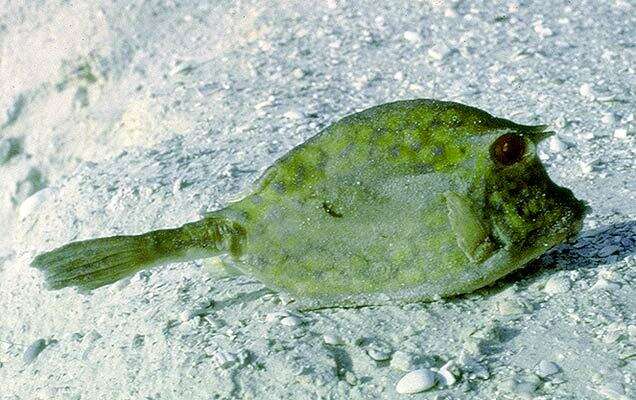
Acanthostracion polygonius Poey, 1876 (honeycomb cowfish)
Occurs in clear water around coral reefs. Feeds on sponges, alcyonarians, tunicates, and shrimp. Uncommon and wary . Consumed fresh, generally roasted .
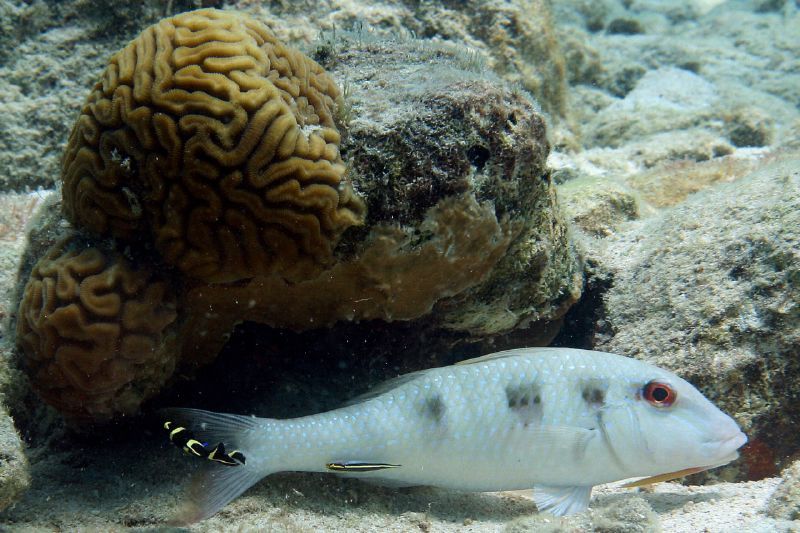
Pseudupeneus maculatus (Bloch, 1793) (Copper pilot)
Inhabits shallow waters to depths of 90 m , especially over sand and rock bottoms in reef areas. Young juveniles often found on beds of seagrass, e.g. Thalassia. Feeds on small invertebrates . Flesh highly esteemed; marketed fresh and frozen . Traded as an aquarium fish at Ceará, Brazil .
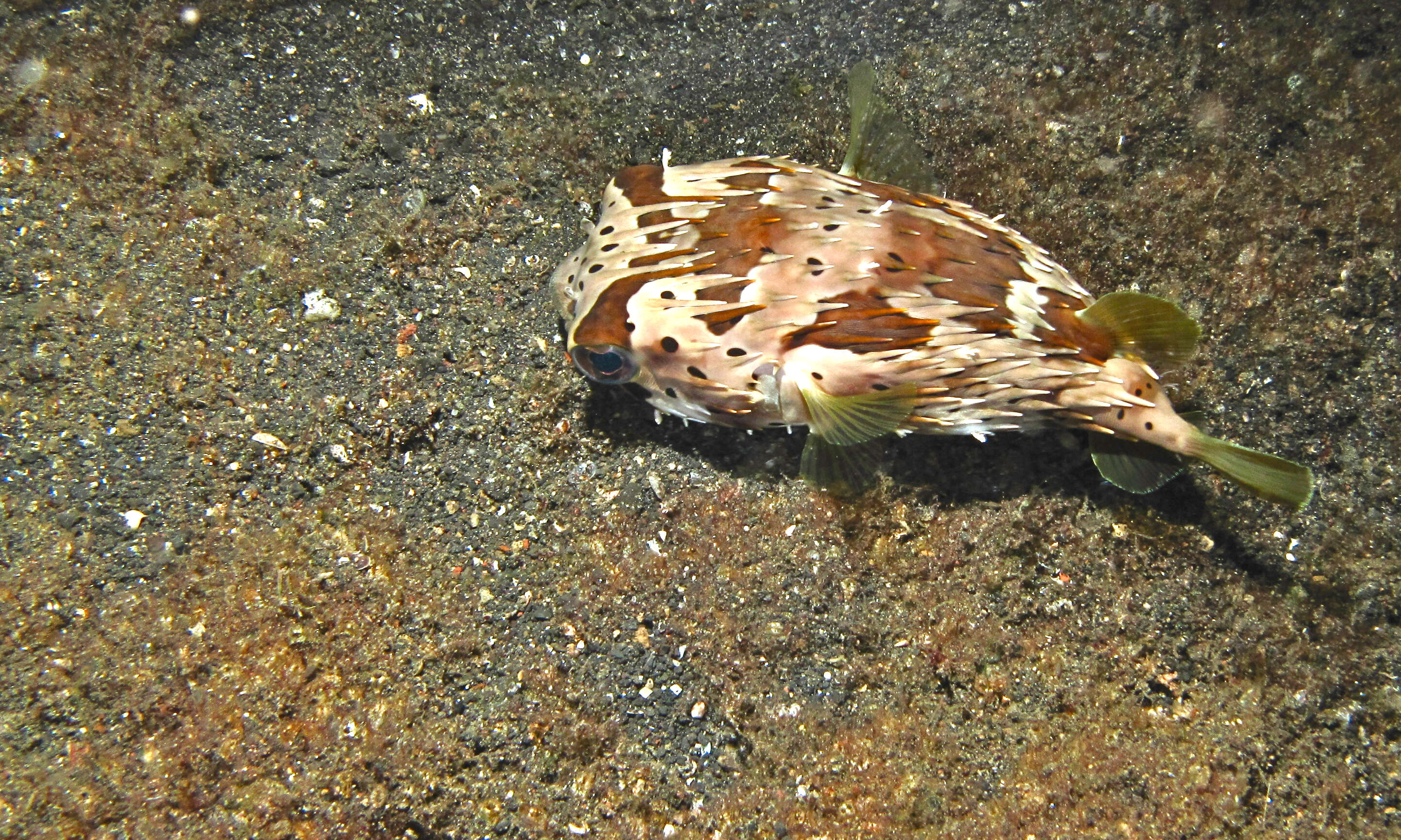
Diodon holocanthus Linnaeus, 1758 (Long-spine porcupinefish)
Share on Social Networks
- Facebook:

personalize your shared text as well as its destination (wall, page...) or send as a private message to a friend
- Twitter: Tweet personalize your tweet
- Google Plus:
Direct link to this dive
- Long link:
- Short link:


 We are participating today in the startup contest Techcrunch Disrupt. Support Diveboard by voting for us!























































































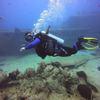
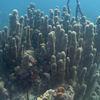
Reef with plenty life, a huge barracuda passed by during the dive. Played with a little shrimp while Mike was taking pics. HUGE hermit crab in a big shell.
Nice stonefish swimming and landing on a rock.
Tried the ikelite housing - seems like the fix was a success.