


 Sea Kangaroo


 Netherlands Antilles

-
Nº54
 Date: 2008-05-11
-
 Max Depth: 26.5m Duration: 66mins
Pictures

No pictures for this dive
- Dive type : Recreational, shore
- Water: Salt
Specific gear used
- Wet suit: Henderson - 3
- Weights: 3.2 kg
Recent Divers in Bonaire




Recent Pictures in Bonaire

Link to this spot:
- Spot:
- Country:
- Area:
- Body of water:
Dive Profile
- 1. Nitrox 31
- 0L Steel
- Average depth: 17.7m
Data provided by EOL.org










Species Identified
Tubastraea coccinea Lesson, 1829 (orange cup coral)
azooxanthellate
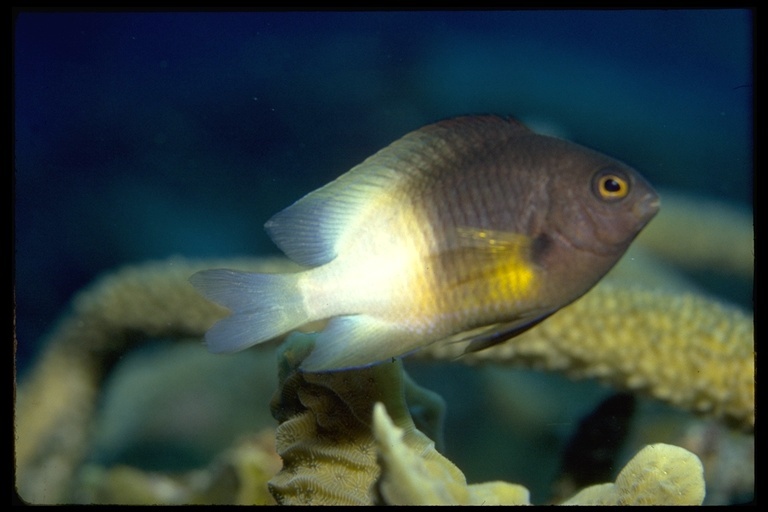
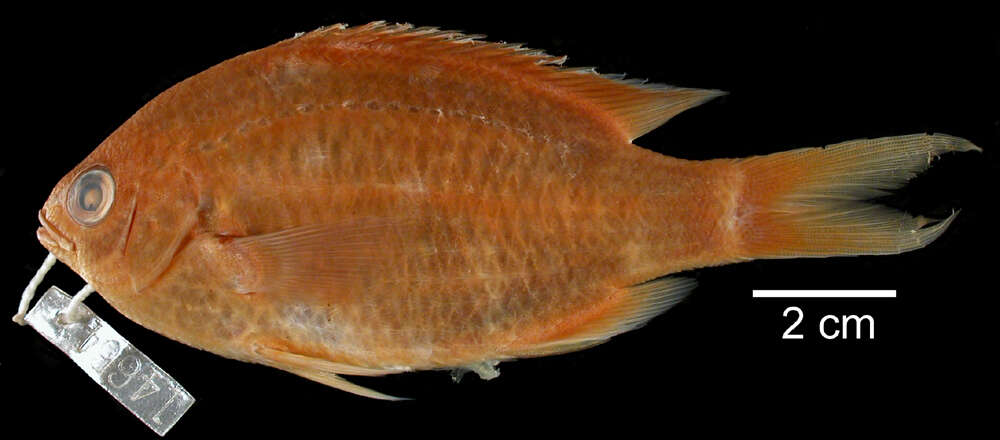
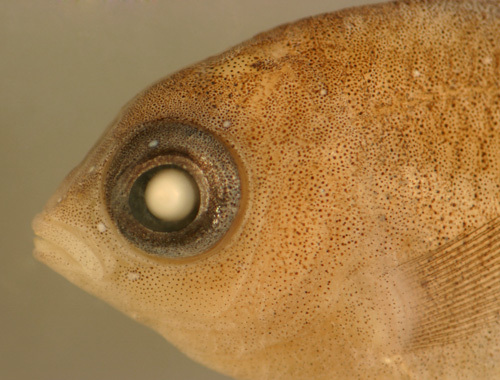
Stegastes diencaeus (Jordan and Rutter, 1897) (Honey damselfish)
Inhabits coral and rocky reefs of sheltered lagoons and inshore areas. Territorial and pugnacious . Taken incidentally in traps and small-meshed beach nets .
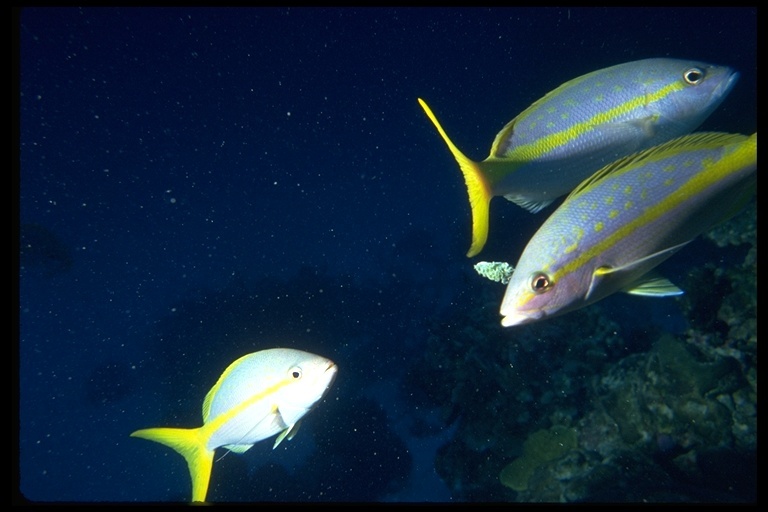
Ocyurus chrysurus (Bloch, 1791) (yellowtail snapper)
Thalassoma bifasciatum (Bloch, 1791) (Blue head)
Inhabits reef areas, inshore bays and seagrass beds. Feeds mainly on zooplankton and small benthic animals, but may also feed on ectoparasites of other fishes . Spawn at midday throughout the year . A protogynous hermap...
Read More
Read More
Stegastes partitus (Poey, 1868) (bicolor damselfish)
Inhabits shallow coral reefs and isolated patch reefs in deeper water. Feeds primarily on algae but also on polychaetes, hydroids, copepods and ascidians . Aggressively territorial but only around a small area . Taken incidentally in traps and small-meshed beach nets .
Epinephelus adscensionis (Osbeck, 1765) (Butterfish)
Inhabits rocky reefs. Usually solitary . Feeds mainly on crabs (67%) and fishes (20%). At Ascension I., it feeds on juvenile Melichthys niger and young sea turtles. Difficult to approach . Its flesh is of good qualit...
Read More
Read More
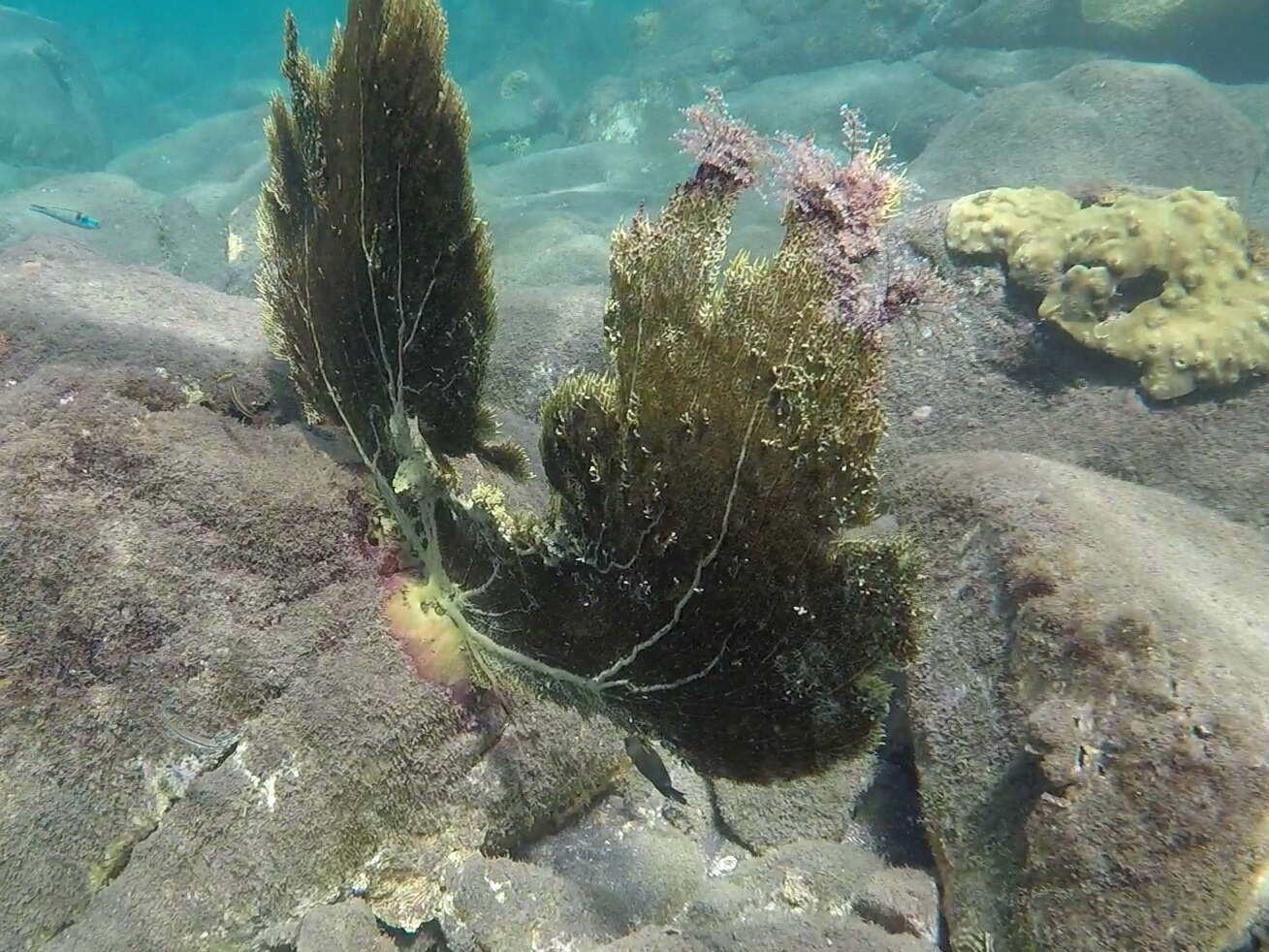
Gorgonia ventalina Linnaeus, 1758 (common sea fan)
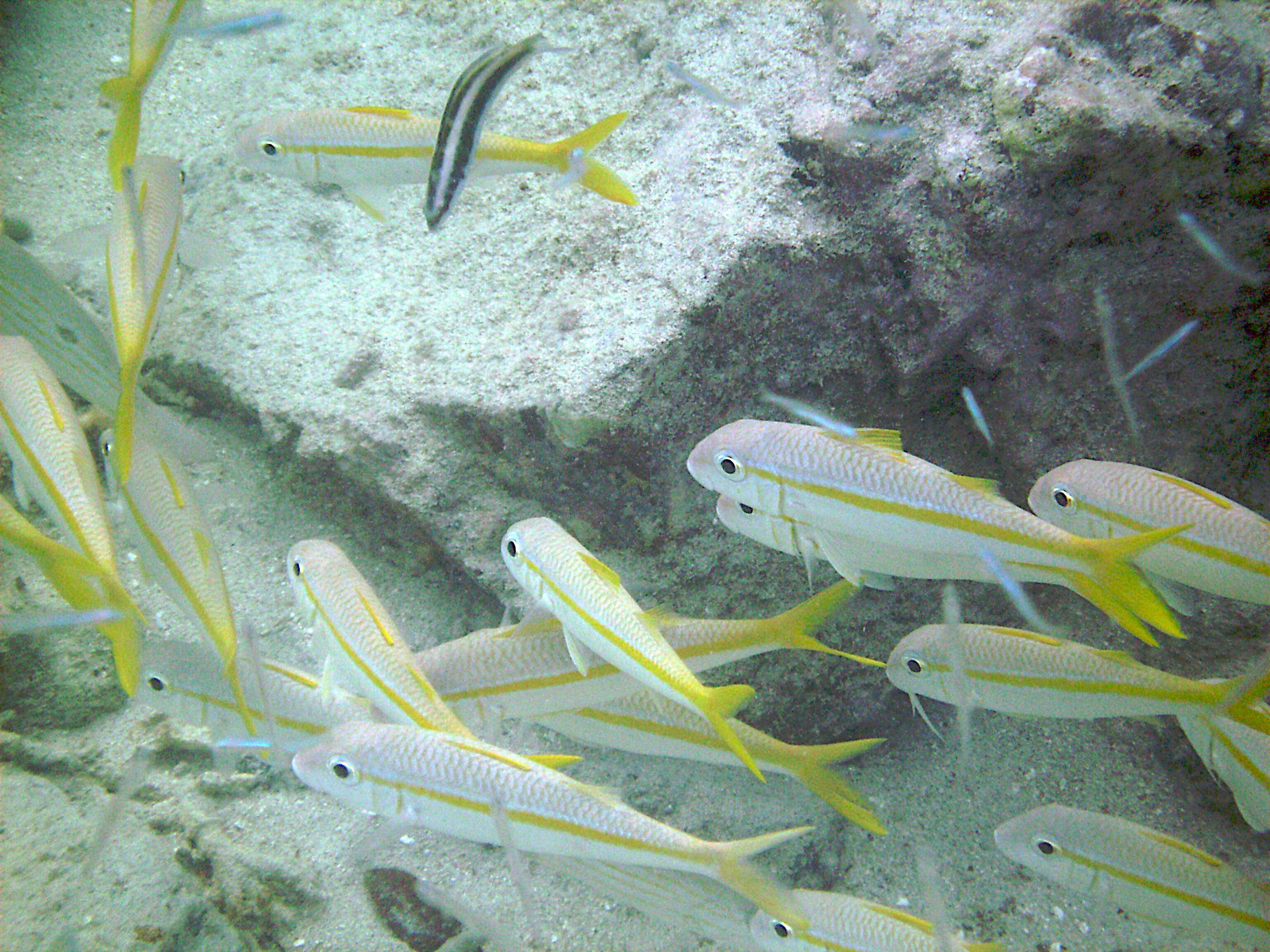
Mulloidichthys martinicus (Cuvier, 1829) (goatfish)
Found over sandy areas of lagoon and seaward reefs . Often in schools . Forms schools with the smallmouth grunt , an association regarded as social protective mimicry . Juveniles are common in seagrass beds . Feeds on benthic invertebrates . Marketed fresh .
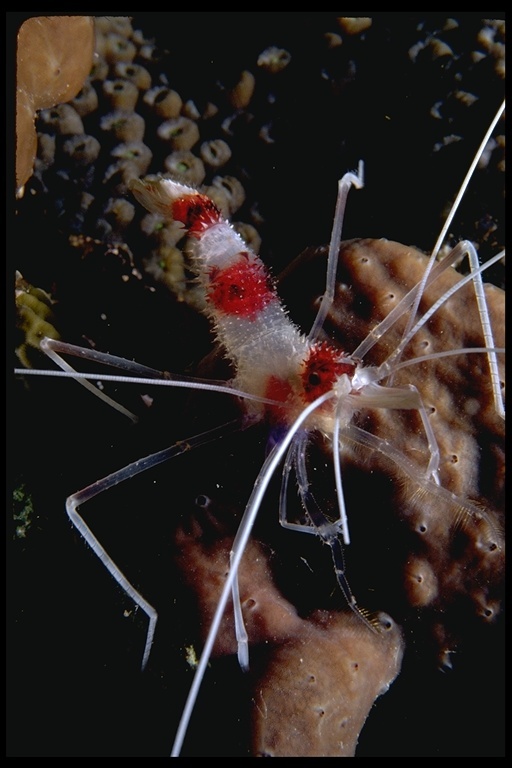
Stenopus hispidus (Olivier, 1811) (banded coral shrimp)
Scyllarides aequinoctialis (Lund, 1793) (Spanish slipper lobster)
Acanthurus coeruleus Bloch and Schneider, 1801 (Blue tang surgeonfish)
Inhabits coral reefs, inshore grassy or rocky areas. Forms small groups . Mainly diurnal. Feeds entirely on algae . At Fernando de Noronha Archipelago in southwestern Atlantic, juveniles hold cleaning stations togeth...
Read More
Read More
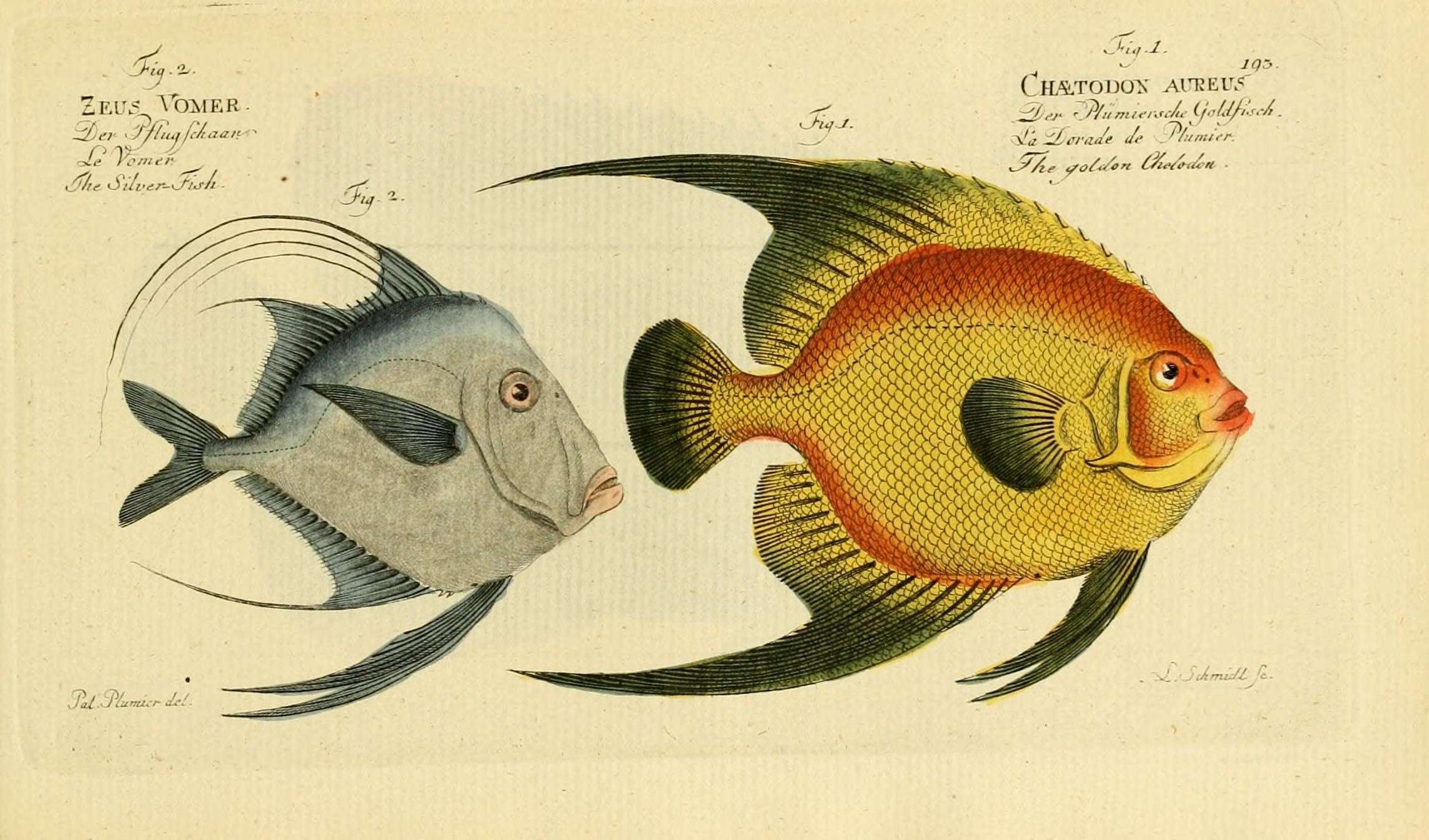
Pomacanthus paru (Bloch, 1787) (French angelfish)
Common in shallow reefs. Usually in pairs, often near sea fans . Feed on sponges, algae, bryozoans, zoantharians, gorgonians and tunicates . Oviparous , monogamous . Spawning pairs are strongly territorial, with usuall...
Read More
Read More
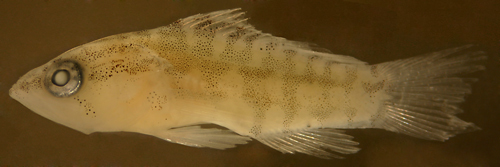
Serranus tigrinus (Bloch, 1790) (Harlequin serranid)
Most common in areas with rock or scattered coral. Solitary or in pairs. Feeds mainly upon crustaceans . Synchronously hermaphroditic. The most common member of the genus .
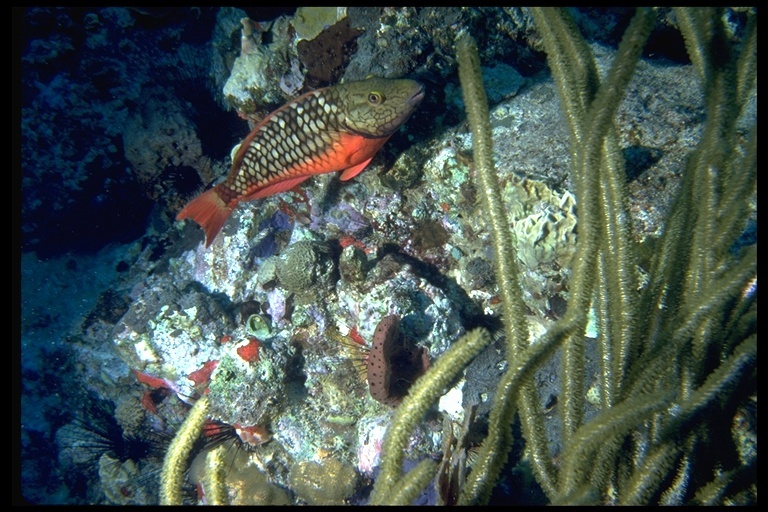
Scarus vetula Bloch and Schneider, 1801 (Blownose)
Inhabits coral reefs and adjacent habitats. Feeds on algae scraped from rocks or dead coral. Sleeps in a mucus cocoon . Often seen in groups of one super male with several young adults, most of which are probably females . A protogynous hermaphrodite .
Sparisoma viride (Bonnaterre, 1788) (Dark green parrotfish)
Inhabits coral reefs with clear water . Young may be found in seagrass beds and other heavily vegetated bottoms. Feeds mainly on soft algae, but has been observed to graze on live corals like, Montastraea annularis . Pr...
Read More
Read More
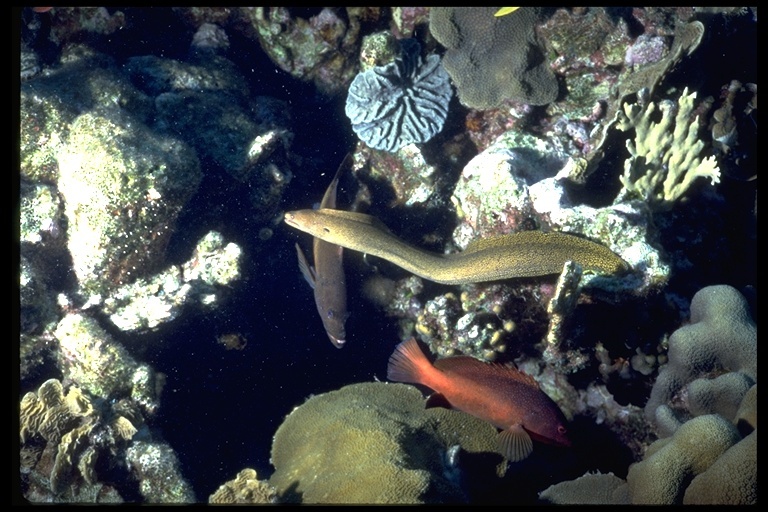
Gymnothorax miliaris (Kaup, 1856) (Bastard eel)
A benthic and solitary species inhabiting coral reefs and rocky shorelines. Usually at depths of 60 m . One of the most common and easily recognized morays of the West Indian reefs, active during the day and sometimes h...
Read More
Read More
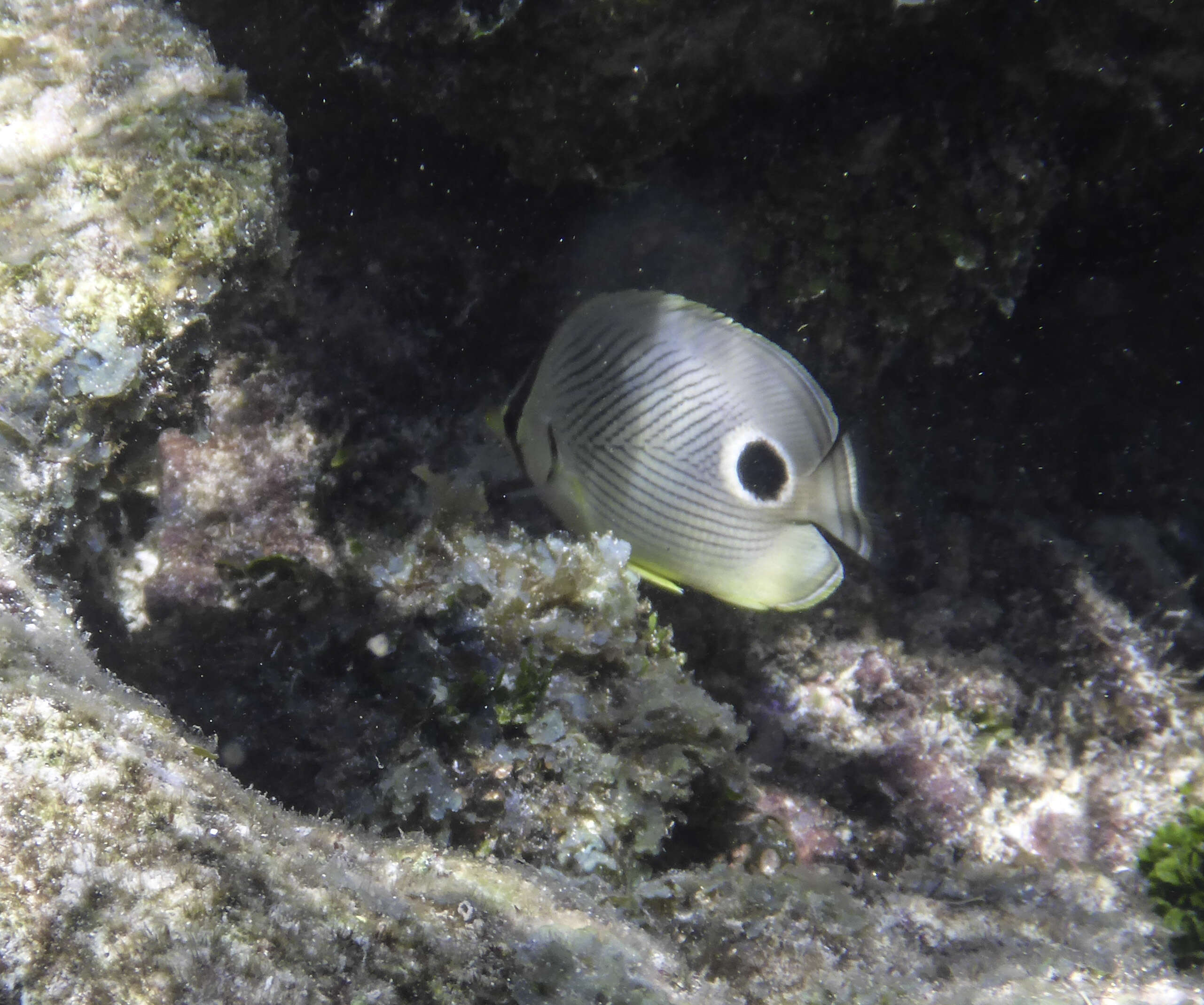
Chaetodon capistratus Linnaeus, 1758 (Butterbun)
Inhabit shallow reefs and generally occurs singly or in pairs. Feed mainly on zoantharians, polychaete worms, gorgonians and tunicates. Easily approached . Oviparous . Form pairs during breeding .
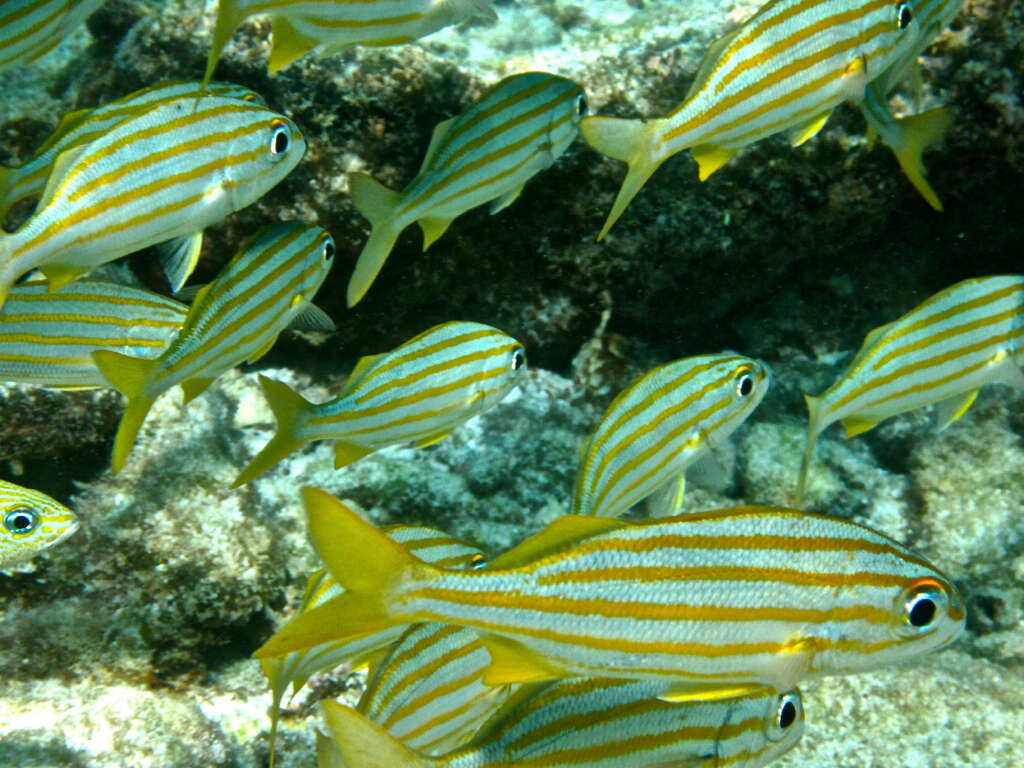
Haemulon chrysargyreum Günther, 1859 (Banana grunt)
Inhabits exposed rocky areas and coral reefs. Often near elkhorn and staghorn corals . Commonly found in schools. Juveniles are encountered in Thalassia beds . Adults are observed in coral reefs during the day but ente...
Read More
Read More
Parazoanthus swiftii (Duchassaing & Michelotti, 1860) (golden zoanthid)
Canthigaster rostrata (Bloch, 1786) (sharpnose puffer)
Inhabits reefs and marginal habitats such as seagrass beds . Diet consists of seagrass, sponges, crabs and other crustaceans, mollusks, polychaete worms, sea urchins, starfishes, hydroids and algae . Monogamous .
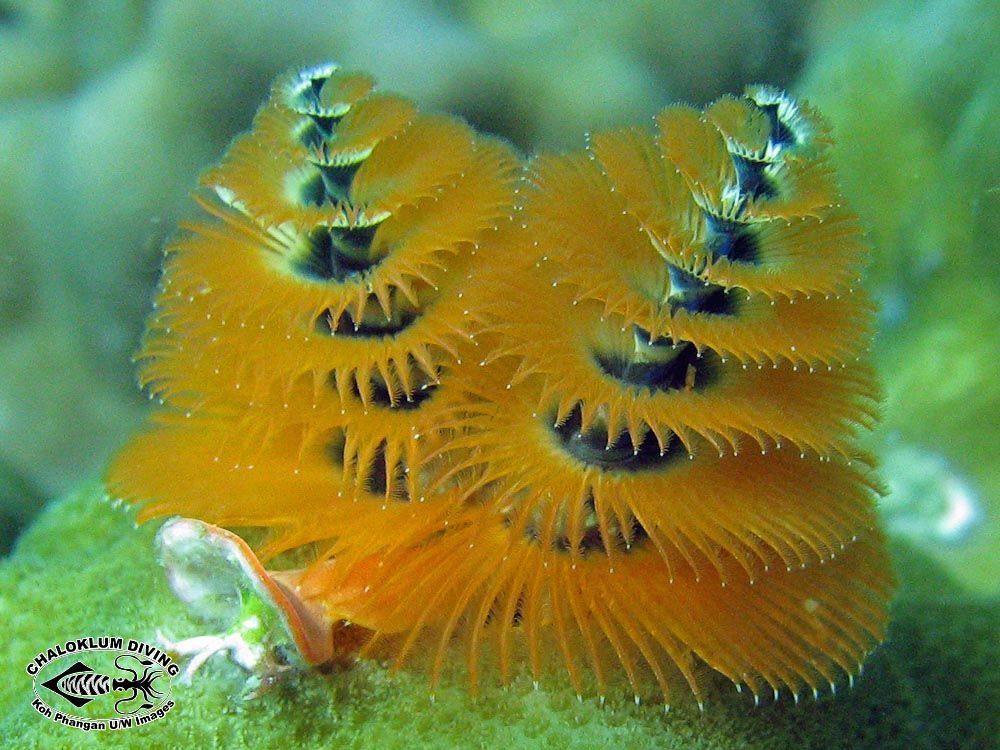
Spirobranchus giganteus (Pallas, 1766) (Christmas Tree Worm)
Lutjanus apodus (Walbaum, 1792) (Dogtooth snapper)
Occurs in shallow, clear, warm, coastal waters over coral reefs. Often near the shelter of elkhorn corals and gorgonians . Juveniles are encountered over sand bottoms with or without seagrass , and over muddy bottoms of ...
Read More
Read More
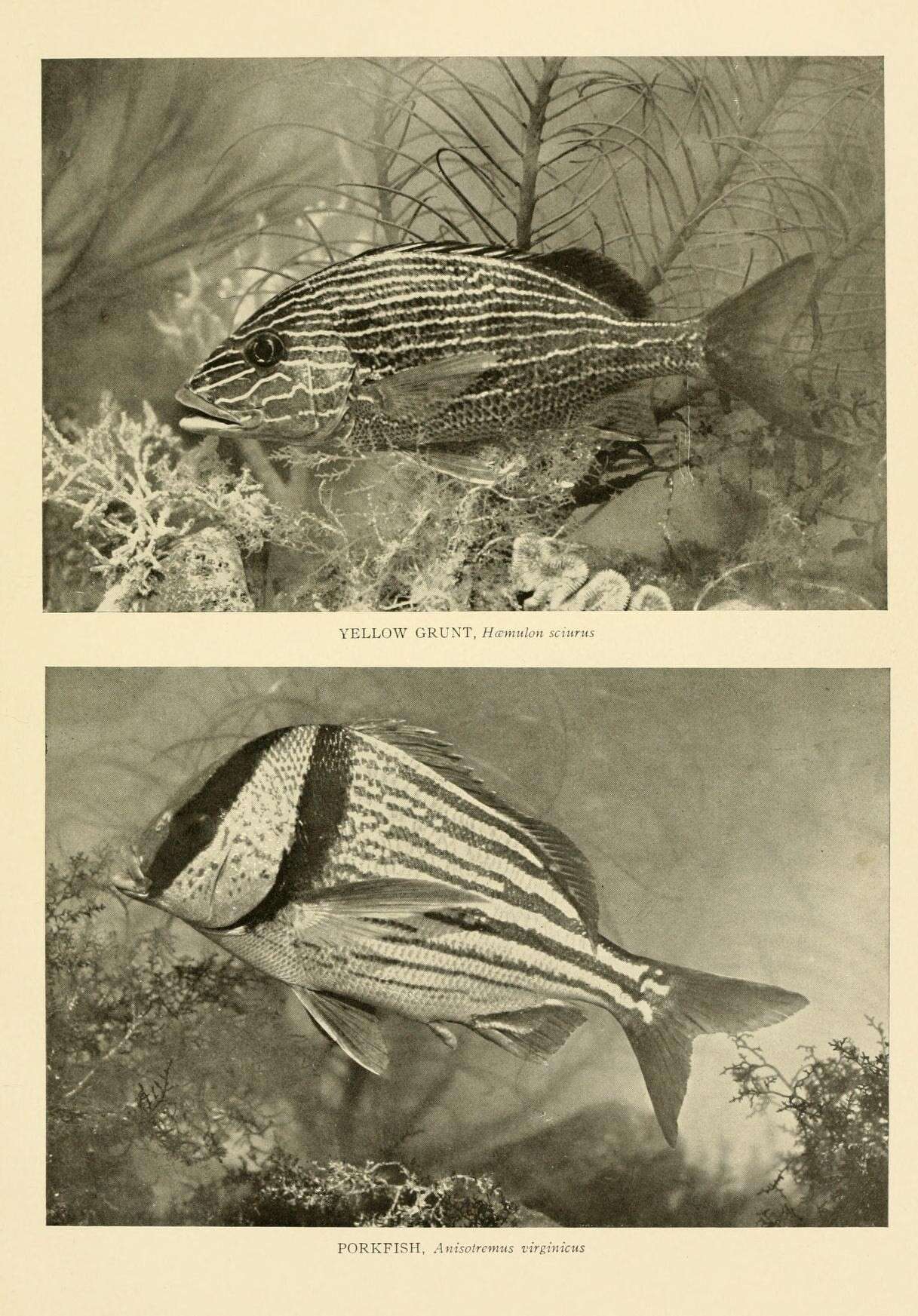
Haemulon sciurus (Shaw, 1803) (Blue striped grunt)
Found in small groups over coral and rocky reefs and drop-offs . Juveniles are abundant in Thalassia beds . Feeds on crustaceans, bivalves, and occasionally on small fishes. Marketed fresh.
Chromis multilineata (Guichenot, 1853) (Cavalley pilot)
Generally occurs in steep slopes and patch reefs. A diurnal species , it most commonly forms moderate-sized feeding-schools over reef tops, rising above the bottom to feed on plankton, mainly copepods. Often seen with Chromis cyanea . Rarely marketed .
Callyspongia plicifera (Lamarck, 1814)
Inermia vittata Poey, 1860 (bonnetmouth)
Occurs in open water ; sometimes found near the coast, mainly near oceanic islands . Sometimes found over coral heads . Feeds on zooplankton and small fishes. Marketed fresh.
Clepticus parrae (Bloch and Schneider, 1801) (Creole wrasse)
Inhabits seaward reef slopes; occasionally on shallow patch reefs . Found in large midwater aggregations feeding on plankton , small jellyfishes, pteropods, pelagic tunicates and various invertebrate larvae . Form leks during breeding . Also caught with beach nets .
Stegastes planifrons (Cuvier, 1830) (threespot damselfish)
Inhabits inshore and offshore coral reefs. Found within caves at night .Often found in tangles of staghorn coral; anywhere there is abundant algae on reefs . Feeds mainly on algae but also on harpacticoid copepods, small...
Read More
Read More
Equetus punctatus (Bloch & Schneider, 1801) (Spooted drum)
Occurs primarily on coral reefs. Secretive and usually solitary, under ledges or near small caves . Often seen during the day around the bases of corals . Feeds at night on crabs, shrimps, and polychaetes. Easily approached . Has been reared in captivity .
Hermodice carunculata (Pallas, 1766) (bearded fireworm)
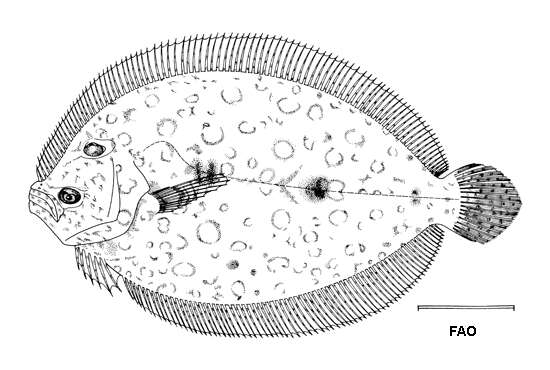
Bothus lunatus (Linnaeus, 1758) (Flounder)
Inhabits clear sandy areas near mangroves, among seagrass, coral or rubble . Most common flounder around coral reefs . Often partially buried in sand, occasionally on hard bottoms . Feeds mainly on small fishes but also on crustaceans and octopuses. Marketed fresh .
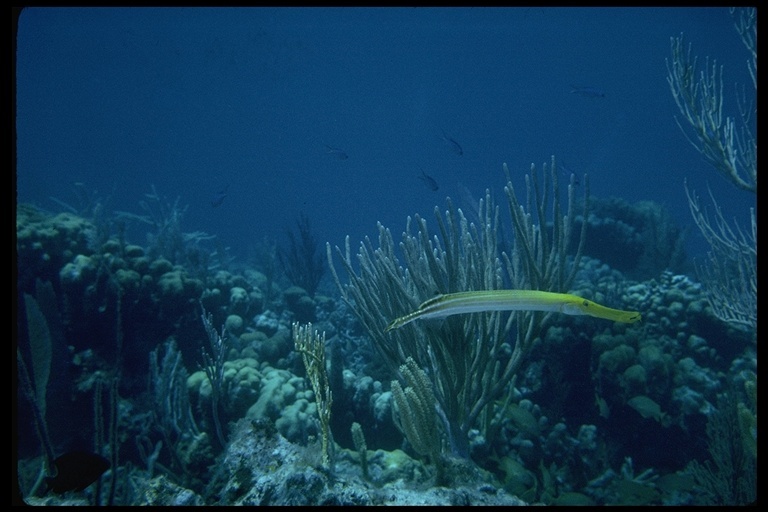
Aulostomus maculatus Valenciennes, 1841 (Caribbean trumpetfish)
Commonly found in weedy areas and especially around reefs, where they usually swim snout-down among sea whips . A solitary ambusher of small fishes and crustaceans that lurk among branching coral or gorgonians. Often swi...
Read More
Read More
Share on Social Networks
- Facebook:

personalize your shared text as well as its destination (wall, page...) or send as a private message to a friend
- Twitter: Tweet personalize your tweet
- Google Plus:
Direct link to this dive
- Long link:
- Short link:


 We are participating today in the startup contest Techcrunch Disrupt. Support Diveboard by voting for us!
























































































