


 Sea Kangaroo


 Netherlands Antilles
-
Nº58
 Date: 2008-05-13
-
 Max Depth: 24.4m Duration: 39mins
Pictures

No pictures for this dive
- Dive type : Recreational
- Water: Salt
Specific gear used
- Wet suit: Henderson - 3
- Weights: 3.2 kg
Recent Divers in Bonaire




Recent Pictures in Bonaire

Link to this spot:
- Spot:
- Country:
- Area:
- Body of water:
Dive Profile
- 1. Nitrox 32
- 0L Steel
- Average depth: 16.3m
Data provided by EOL.org



Species Identified
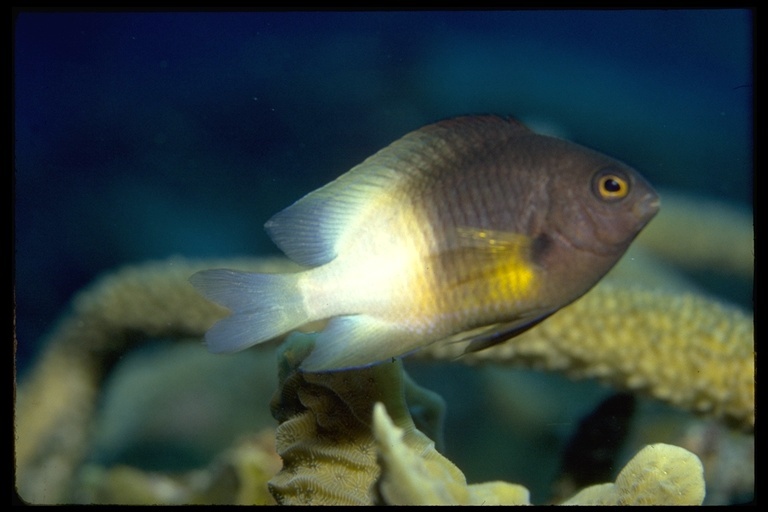
Stegastes partitus (Poey, 1868) (bicolor damselfish)
Inhabits shallow coral reefs and isolated patch reefs in deeper water. Feeds primarily on algae but also on polychaetes, hydroids, copepods and ascidians . Aggressively territorial but only around a small area . Taken incidentally in traps and small-meshed beach nets .
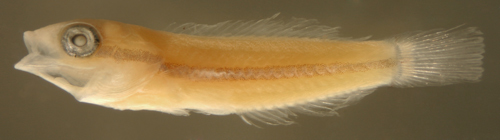
Halichoeres garnoti (Valenciennes, 1839) (yellowhead wrasse)
Commonly found on shallow and deep reefs and exposed rocky ledges. Feeds on various invertebrates. Forms leks during breeding . A protogynous hermaphrodite . Constantly on the move but easily attracted by divers. Generally of no interest to fisheries because of its small average size .
Sparisoma chrysopterum (Bloch and Schneider, 1801) (Blisterside)
Occurs in coral reefs and adjacent habitats, the young especially in seagrass beds. Juveniles or primary-phase adults rapidly assume a mottled pattern with which they blend with the substratum when they come to rest on the bottom. Feeds on benthic algae and seagrasses.
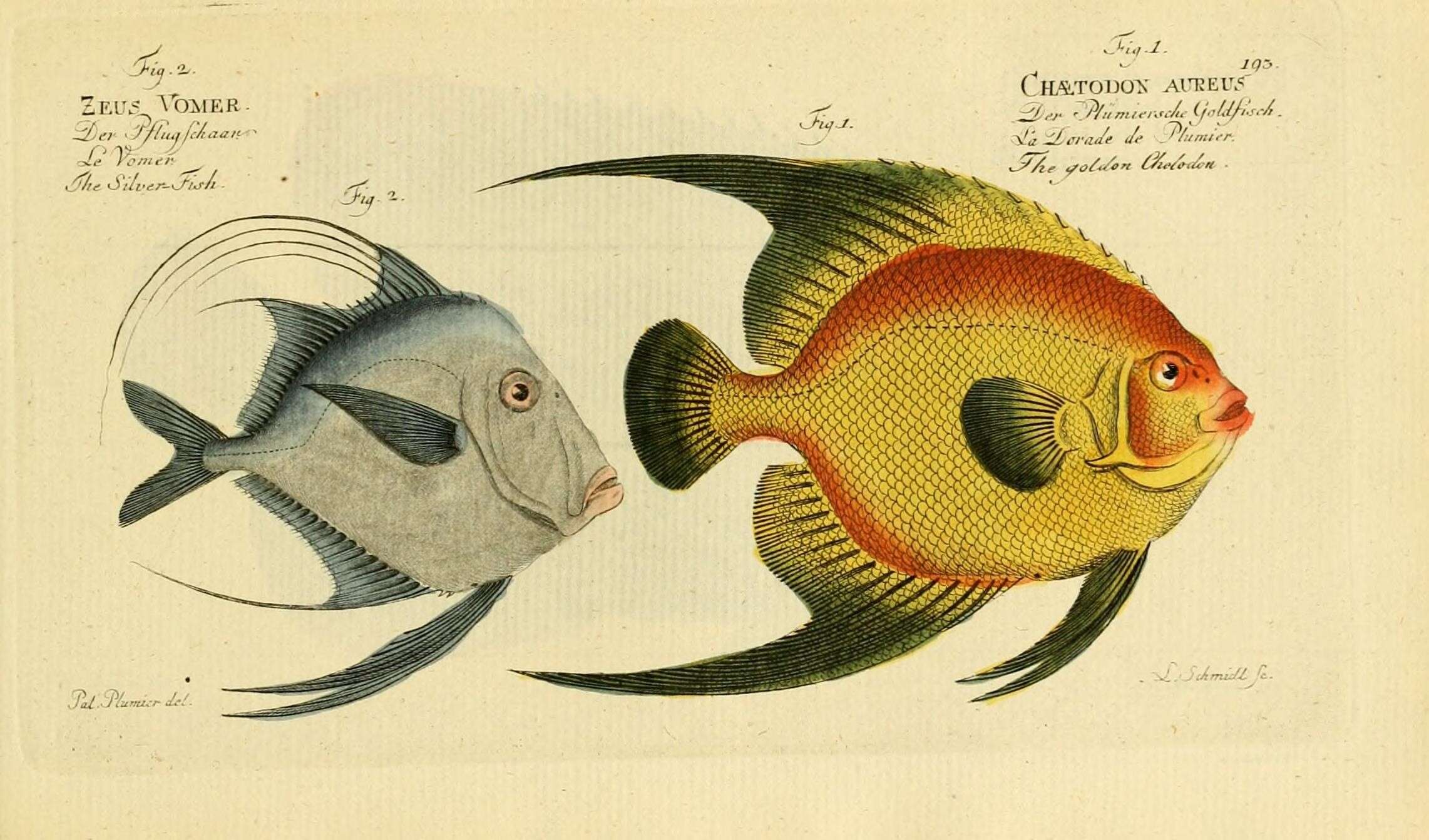
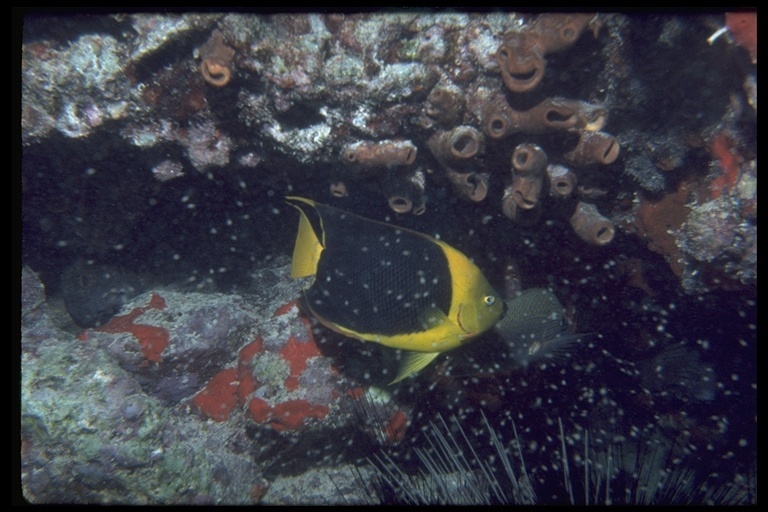
Pomacanthus paru (Bloch, 1787) (French angelfish)
Common in shallow reefs. Usually in pairs, often near sea fans . Feed on sponges, algae, bryozoans, zoantharians, gorgonians and tunicates . Oviparous , monogamous . Spawning pairs are strongly territorial, with usuall...
Read More
Read More
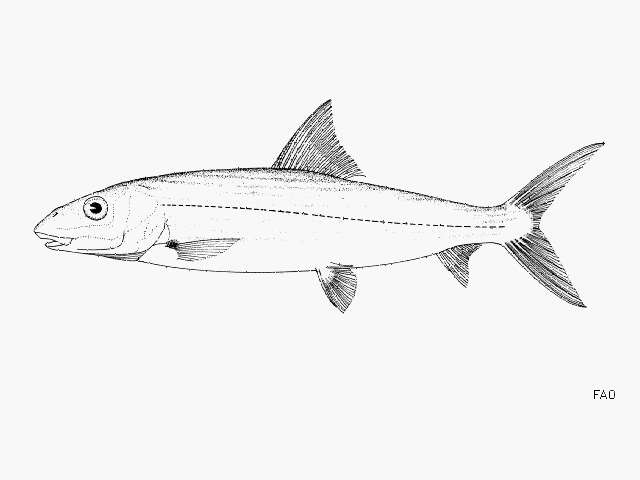
Albula vulpes (Linnaeus, 1758) (Tarpon)
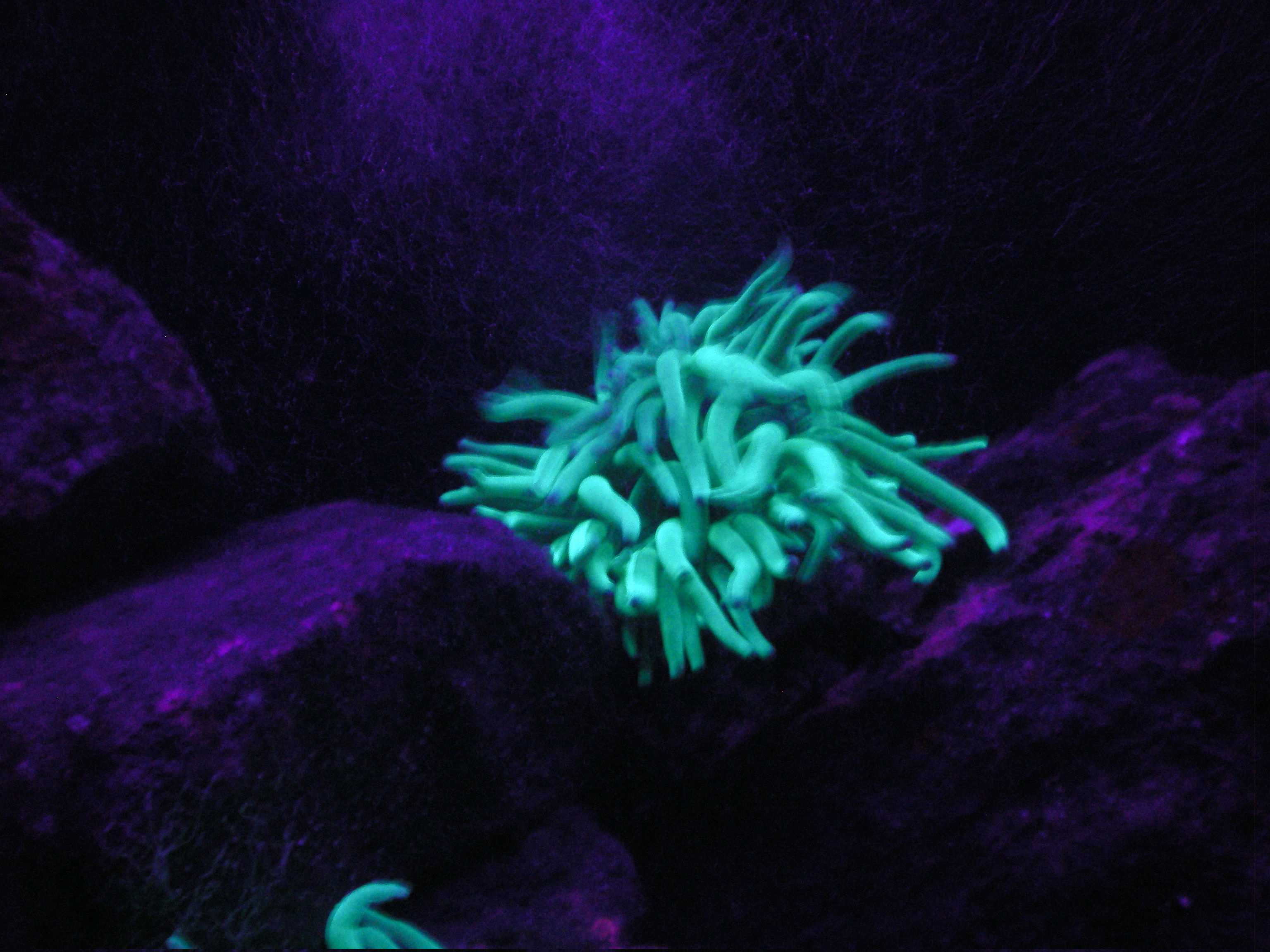
Condylactis gigantea (Weinland, 1860) (giant caribbean anenone)
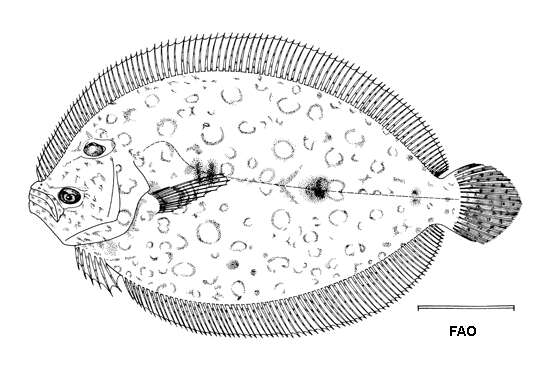
Bothus lunatus (Linnaeus, 1758) (Flounder)
Inhabits clear sandy areas near mangroves, among seagrass, coral or rubble . Most common flounder around coral reefs . Often partially buried in sand, occasionally on hard bottoms . Feeds mainly on small fishes but also on crustaceans and octopuses. Marketed fresh .
Scarus taeniopterus Desmarest, 1831 (Blue chub)
Found on bottoms with coral or rock . Juveniles often occur in association with Thalassia. Forms large feeding aggregations and feeds on plants. Sleeps in a mucus cocoon .
Paranthias furcifer (Valenciennes, 1828) (Creole-fish)
Inhabits coral reefs and hard bottom areas. Observed in feeding aggregations well above the reef. Feeds mainly in midwater on zooplankton . Retreats instantly when alarmed .
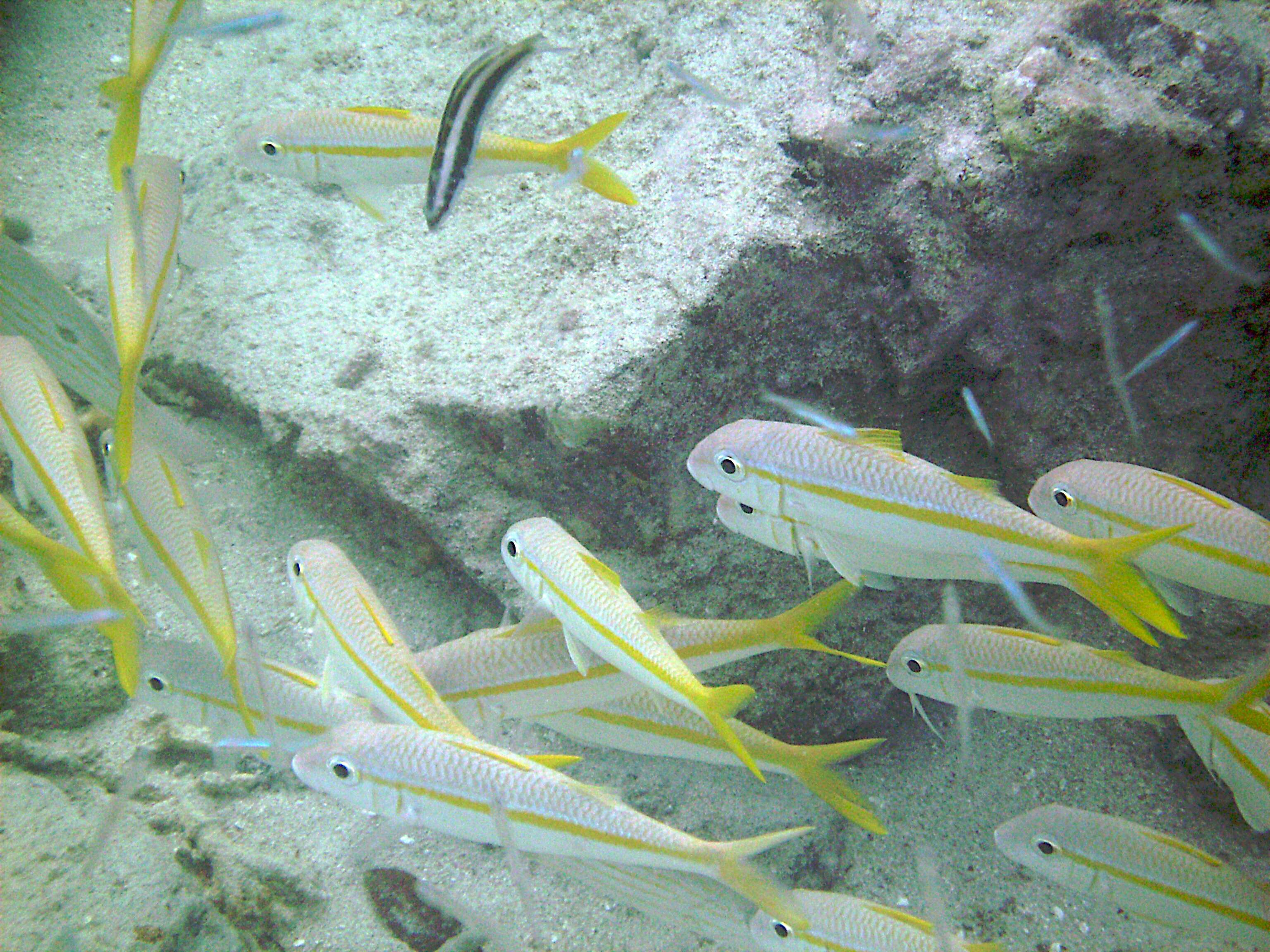
Mulloidichthys martinicus (Cuvier, 1829) (goatfish)
Found over sandy areas of lagoon and seaward reefs . Often in schools . Forms schools with the smallmouth grunt , an association regarded as social protective mimicry . Juveniles are common in seagrass beds . Feeds on benthic invertebrates . Marketed fresh .
Rypticus saponaceus (Bloch & Schneider, 1801) (black soapfish)
A solitary species inhabiting shallow water on bottoms with eroded limestone or mixed sand and rocks, as well as around reefs. Often found lying motionless against rocks . Secretes copious mucus which makes its surface ...
Read More
Read More
Holacanthus tricolor (Bloch, 1795) (Angelfish)
Inhabits rock jetties, rocky reefs and rich coral areas. Juveniles often associated with fire corals . Feeds on tunicates, sponges, zoantharians and algae. Marketed fresh .
Neofibularia nolitangere (Duchassaing & Michelotti, 1864)
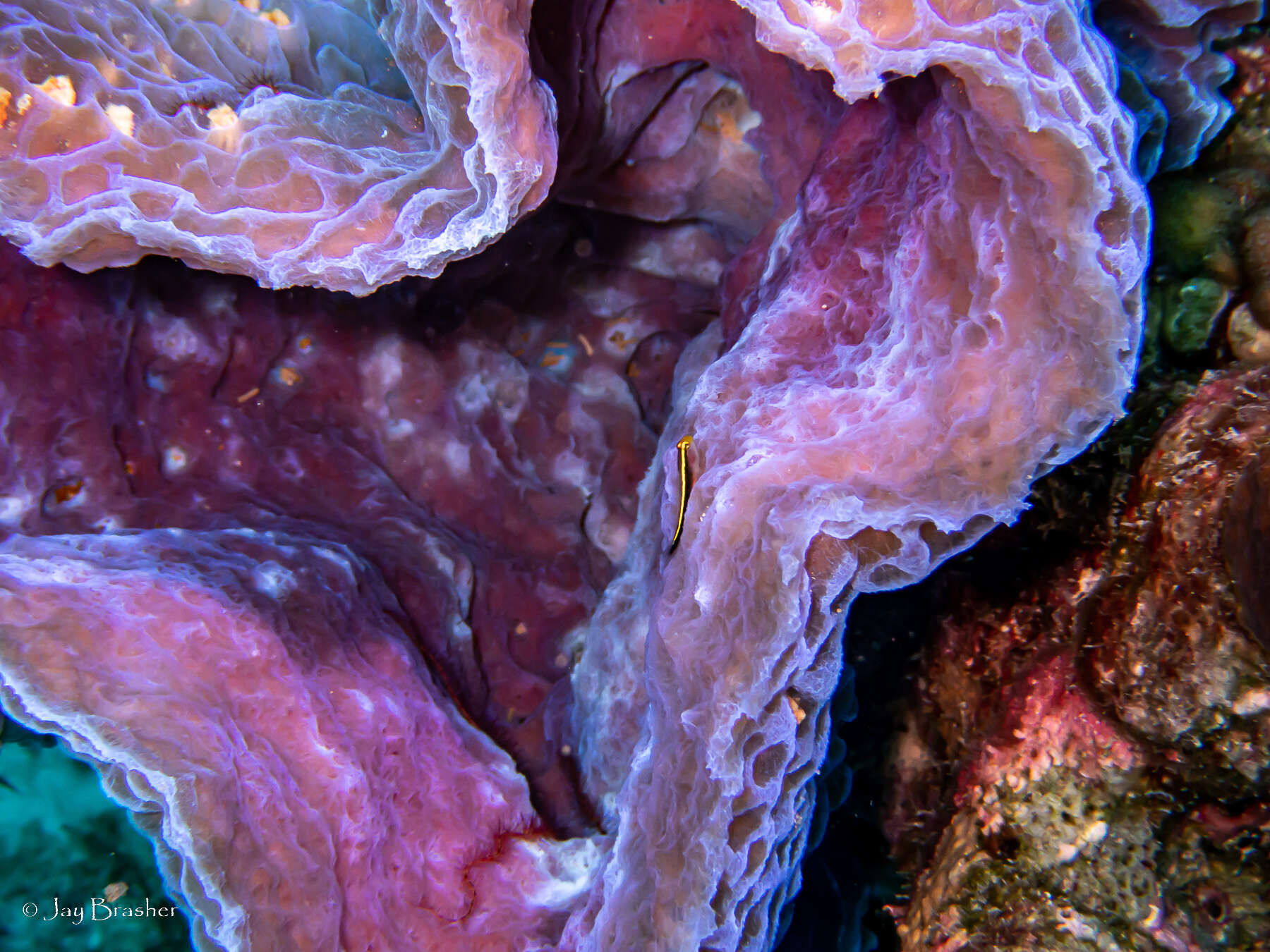
Elacatinus horsti (Metzelaar, 1922) (yellowline goby)
Always lives in association with tube sponges or massive sponges. Difficult to approach .
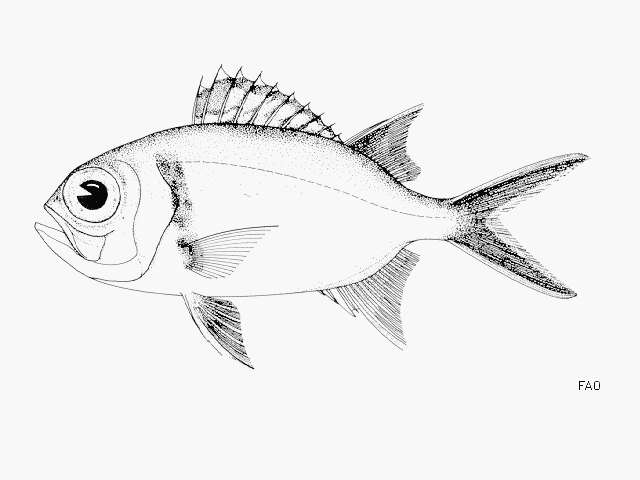
Myripristis jacobus Cuvier, 1829 (Bastard soldierfish)
Found from shallow coral reefs to offshore deeper waters . A nocturnal species aggregating around coral reefs and deeper rocky reefs . Feeds mainly on planktonic organisms . Occasionally found swimming upside down . Marketed fresh but not popular as a food fish .
Abudefduf saxatilis (Linnaeus, 1758) (Mamo)
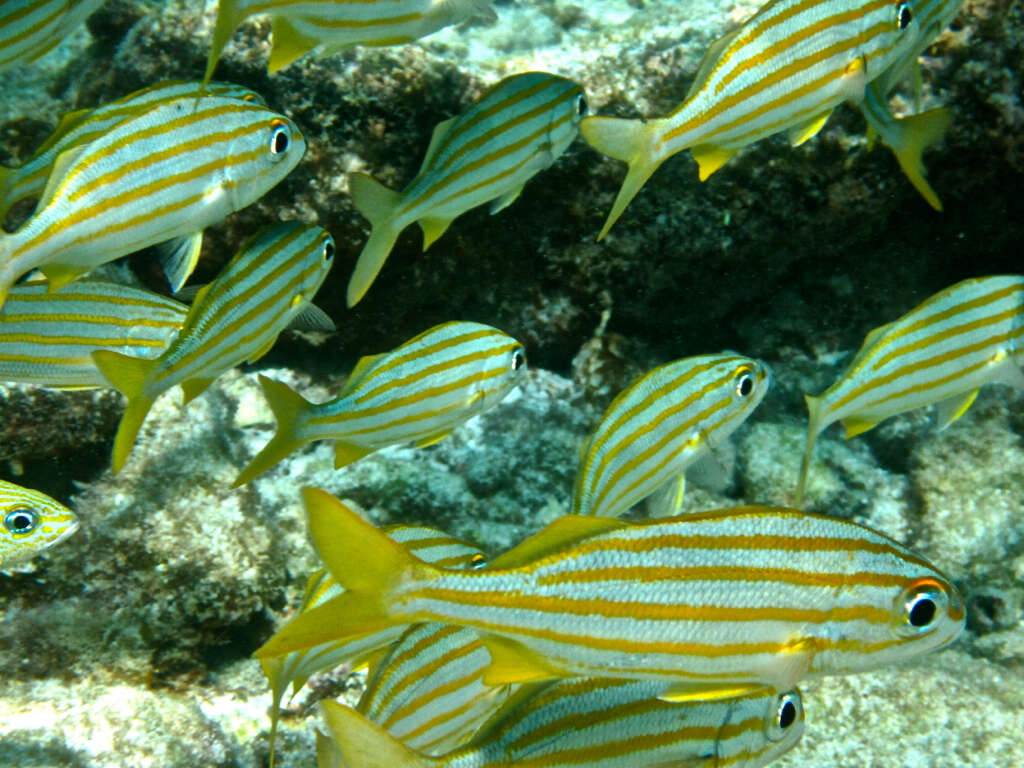
Haemulon chrysargyreum Günther, 1859 (Banana grunt)
Inhabits exposed rocky areas and coral reefs. Often near elkhorn and staghorn corals . Commonly found in schools. Juveniles are encountered in Thalassia beds . Adults are observed in coral reefs during the day but ente...
Read More
Read More
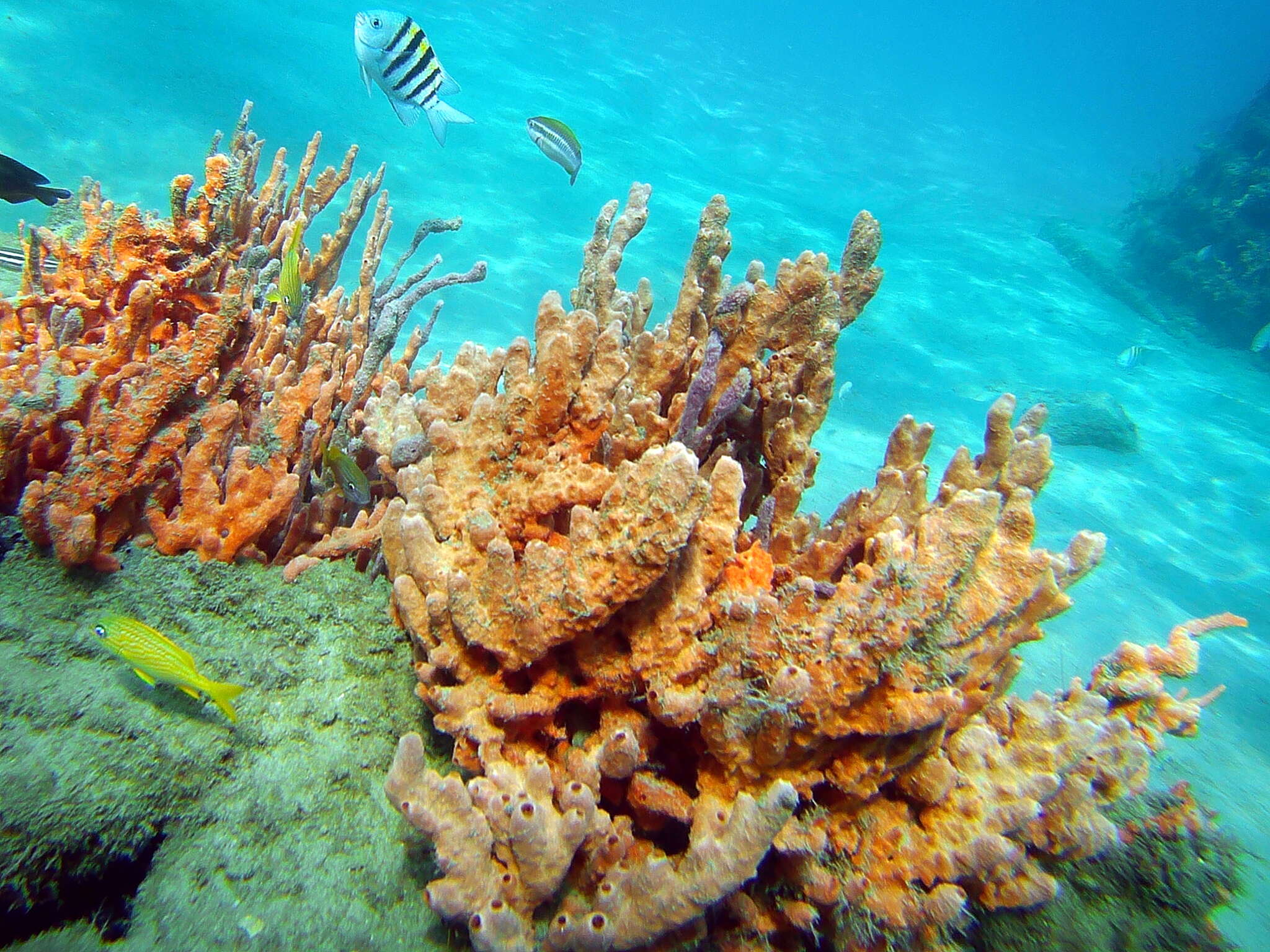
Desmapsamma anchorata (Carter, 1882)
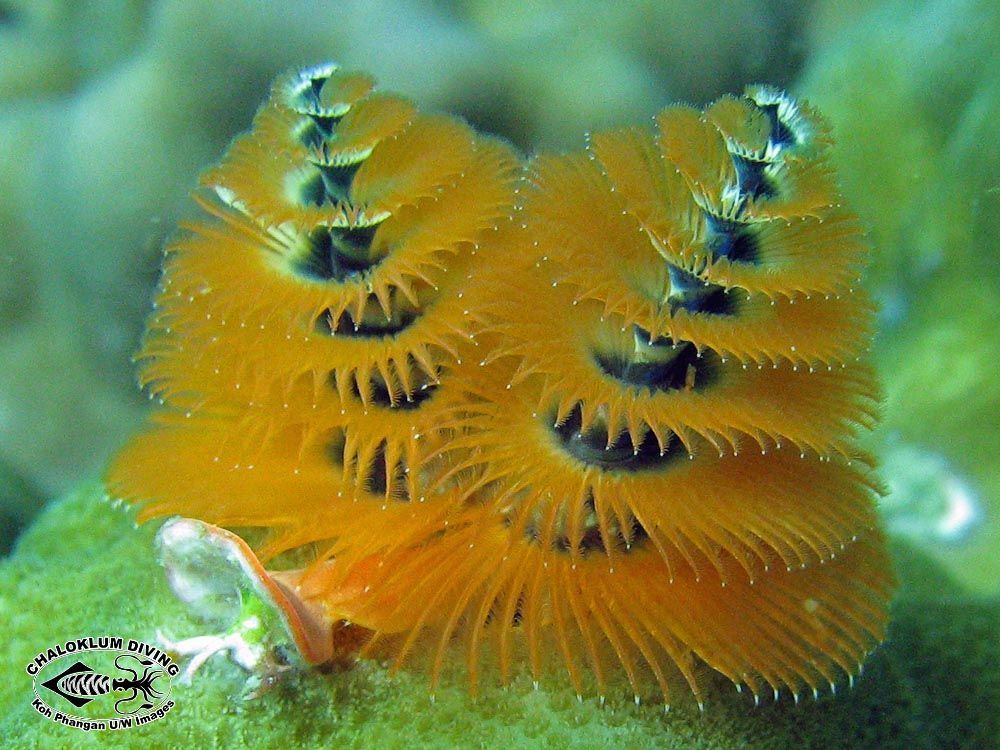
Spirobranchus giganteus (Pallas, 1766) (Christmas Tree Worm)
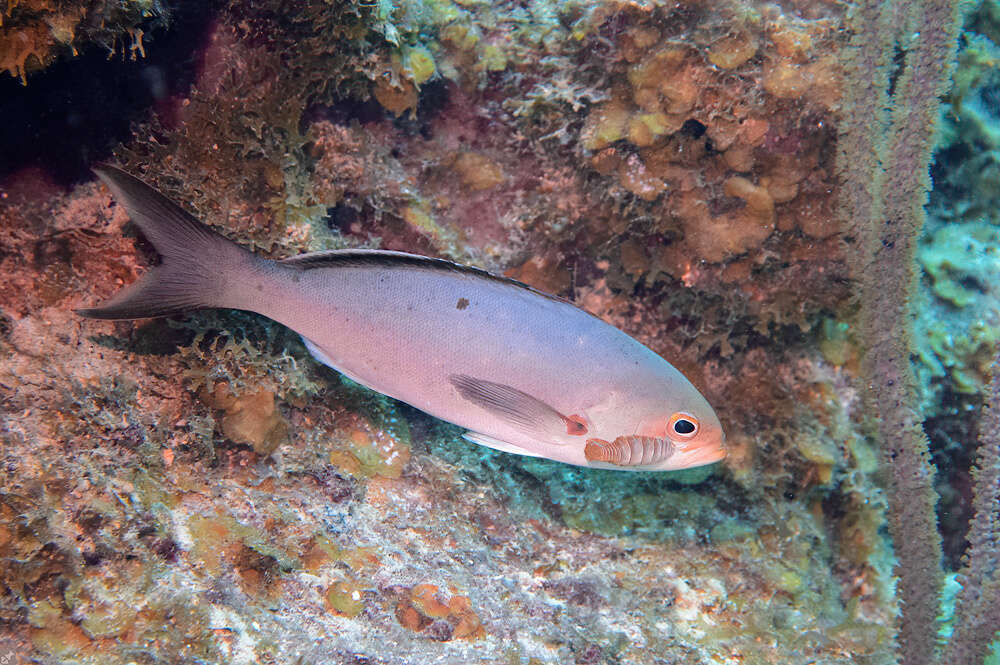
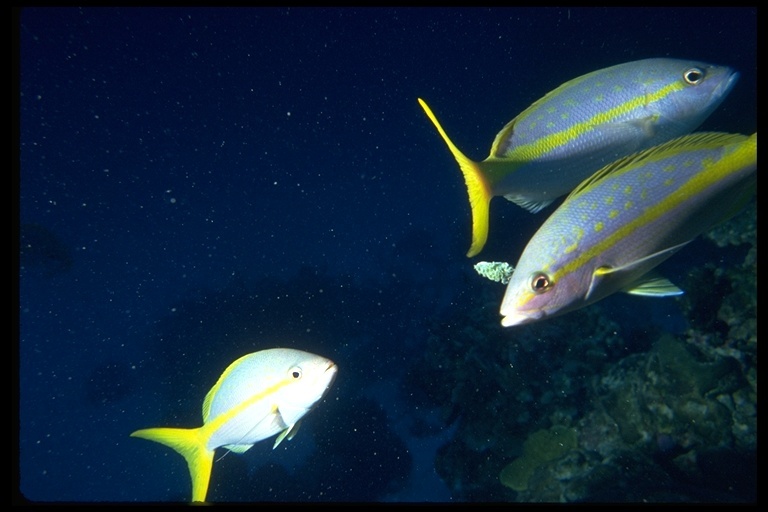
Ocyurus chrysurus (Bloch, 1791) (yellowtail snapper)
Share on Social Networks
- Facebook:

personalize your shared text as well as its destination (wall, page...) or send as a private message to a friend
- Twitter: Tweet personalize your tweet
- Google Plus:
Direct link to this dive
- Long link:
- Short link:


 We are participating today in the startup contest Techcrunch Disrupt. Support Diveboard by voting for us!
























































































