


 Sea Kangaroo


 Netherlands Antilles

-
Nº60
 Date: 2008-05-14 - 02:31
-
 Max Depth: 21m Duration: 61mins
Pictures

No pictures for this dive
- Temp: Surf 29°C Bottom 27°C
- Dive type : Recreational
- Water: Salt
Specific gear used
- Wet suit: Henderson - 3
- Weights: 3.2 kg
Recent Divers in Klein Bonaire, Bonaire
Recent Pictures in Klein Bonaire, Bonaire

Link to this spot:
- Spot:
- Country:
- Area:
- Body of water:
Dive Profile
- 1. Nitrox 33
- 0L Steel
- Average depth: 12.5m
Data provided by EOL.org






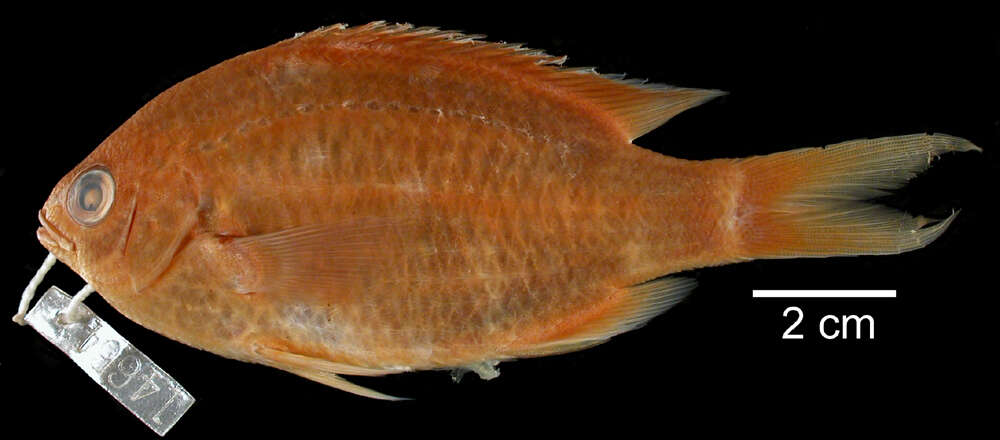

Species Identified
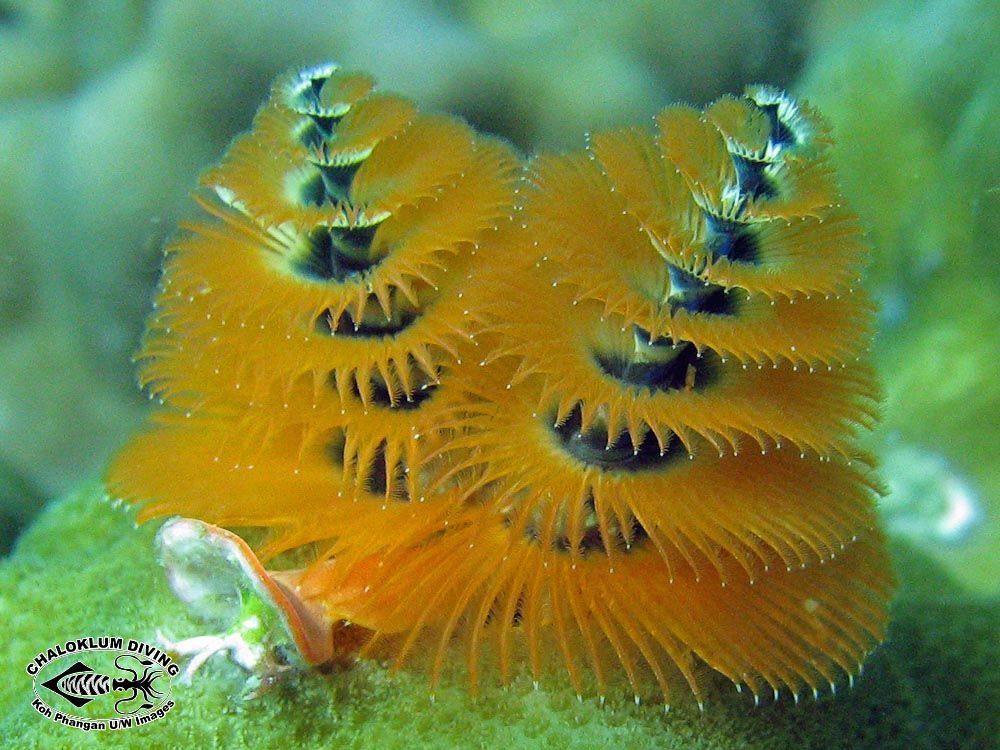
Spirobranchus giganteus (Pallas, 1766) (Christmas Tree Worm)
Hermodice carunculata (Pallas, 1766) (bearded fireworm)
Equetus punctatus (Bloch & Schneider, 1801) (Spooted drum)
Occurs primarily on coral reefs. Secretive and usually solitary, under ledges or near small caves . Often seen during the day around the bases of corals . Feeds at night on crabs, shrimps, and polychaetes. Easily approached . Has been reared in captivity .
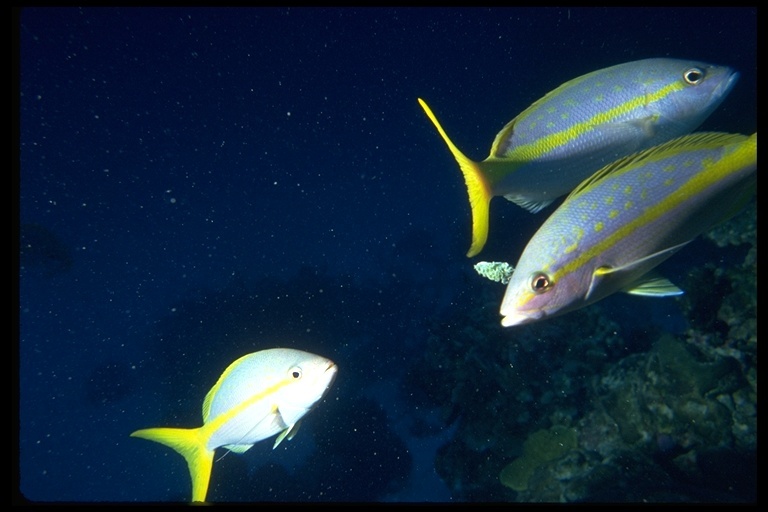
Ocyurus chrysurus (Bloch, 1791) (yellowtail snapper)
Elacatinus evelynae (Böhlke & Robins, 1968) (sharknose goby)
Inhabits coral reefs with clear waters, preferably in oceanic, insular areas . In pairs near coral heads. Monogamous . A cleaner . Minimum depth reported from Ref. 27115. Has been reared in captivity . Feeds on ectoparasites of fishes .
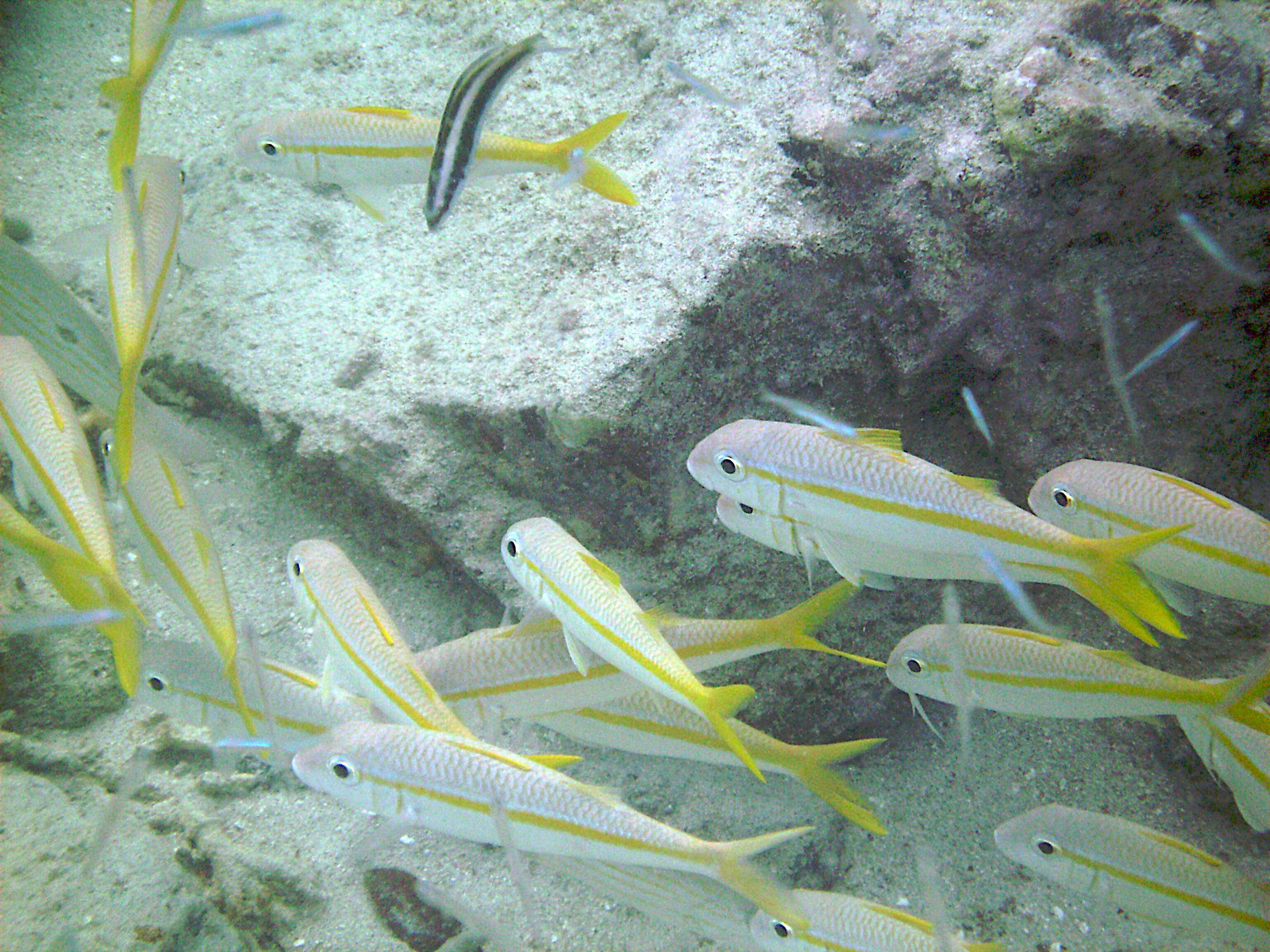
Mulloidichthys martinicus (Cuvier, 1829) (goatfish)
Found over sandy areas of lagoon and seaward reefs . Often in schools . Forms schools with the smallmouth grunt , an association regarded as social protective mimicry . Juveniles are common in seagrass beds . Feeds on benthic invertebrates . Marketed fresh .
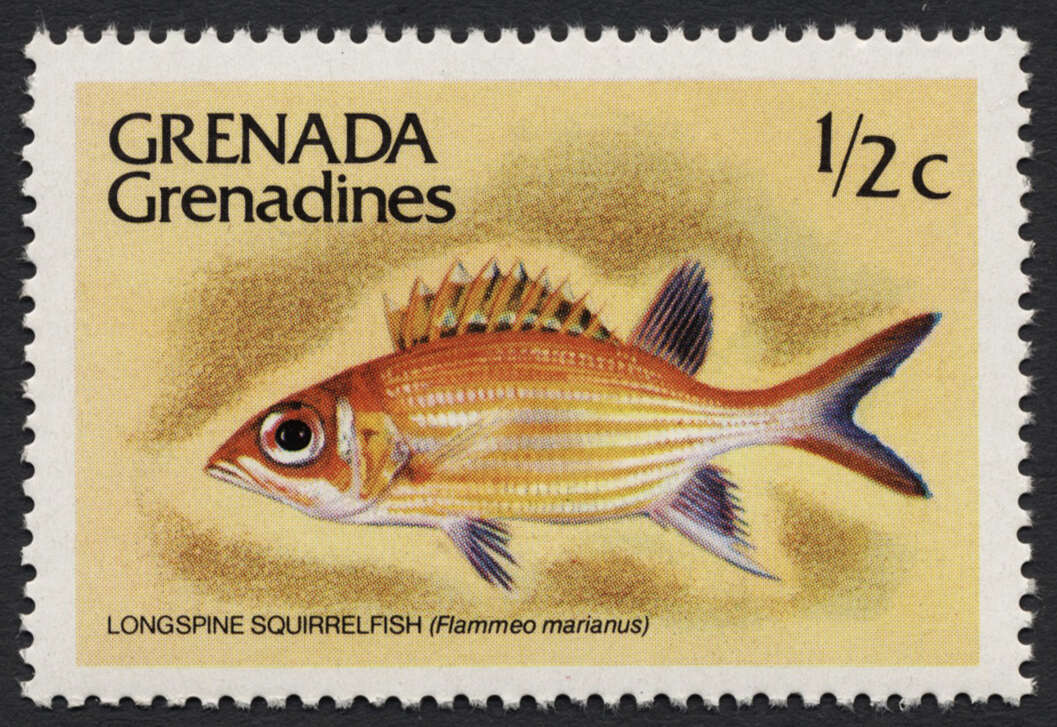
Neoniphon marianus (Cuvier, 1829) (Longjaw squirrelfish)
Rarely found in shallow water, but appears to be the most common squirrelfish in the depth range of 30-60 m or more . Reported used as food fish .
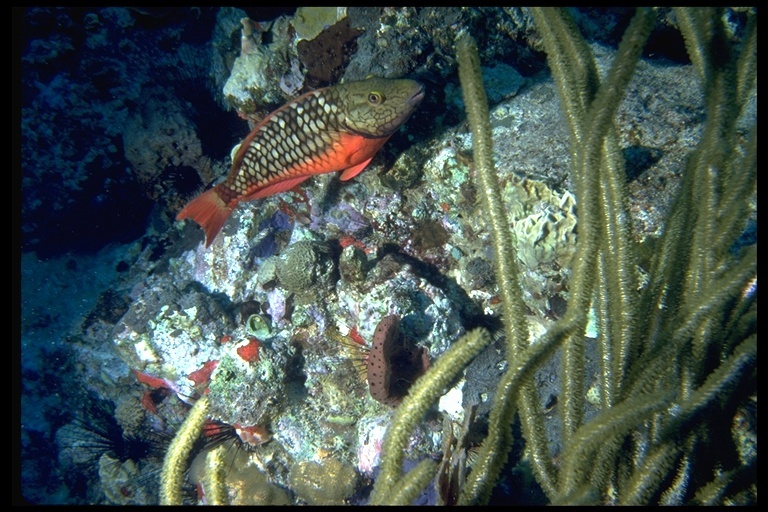
Sparisoma viride (Bonnaterre, 1788) (Dark green parrotfish)
Inhabits coral reefs with clear water . Young may be found in seagrass beds and other heavily vegetated bottoms. Feeds mainly on soft algae, but has been observed to graze on live corals like, Montastraea annularis . Pr...
Read More
Read More
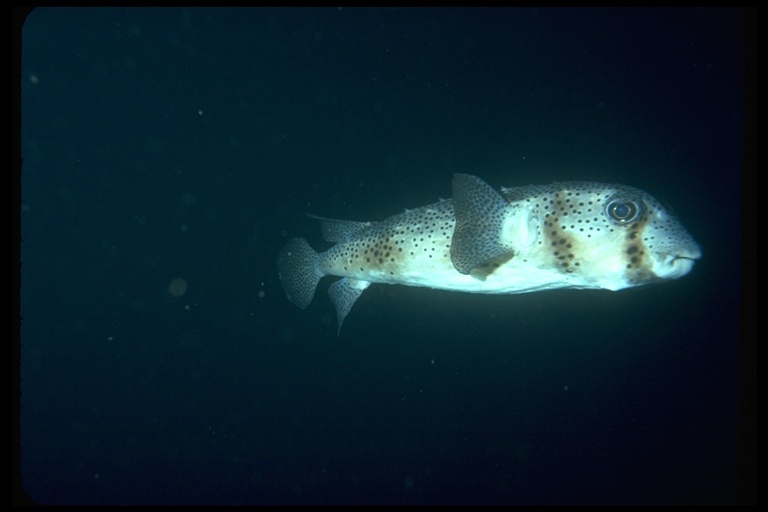
Chilomycterus atringa (Linnaeus, 1758) (Porcupine fish)
Gramma loreto Poey, 1868 (fairy basslet)
Often found in caves or under ledges. Swim with belly toward substratum, thus under ledges seen upside down. Feed on ectoparasites of other fishes . Males show various types of nest care behavior . Retreat into recesses when alarmed . Have been reared in captivity .
Ventricaria ventricosa (J. Agardh) J. L. Olsen & J. A. West
Stegastes planifrons (Cuvier, 1830) (threespot damselfish)
Inhabits inshore and offshore coral reefs. Found within caves at night .Often found in tangles of staghorn coral; anywhere there is abundant algae on reefs . Feeds mainly on algae but also on harpacticoid copepods, small...
Read More
Read More
Aplysina archeri (Higgin, 1875)
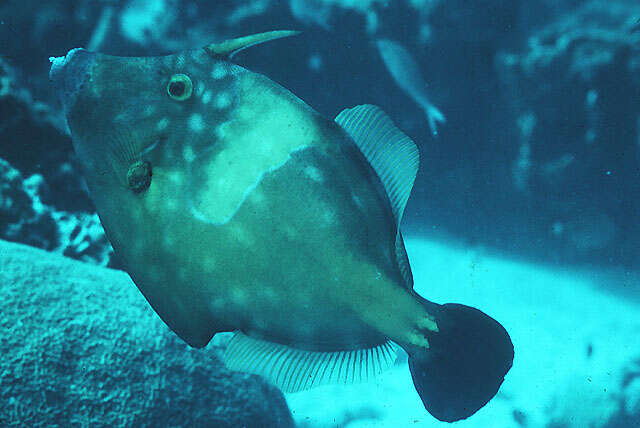
Aluterus scriptus (Osbeck, 1765) (Unicornfish)
Clepticus parrae (Bloch and Schneider, 1801) (Creole wrasse)
Inhabits seaward reef slopes; occasionally on shallow patch reefs . Found in large midwater aggregations feeding on plankton , small jellyfishes, pteropods, pelagic tunicates and various invertebrate larvae . Form leks during breeding . Also caught with beach nets .
Cantherhines macrocerus (Hollard, 1853) (chivo)
Inhabits coral reefs or rocky bottoms . Found among gorgonians. Occurs in pairs . Feeds mainly on sponges, gorgonians, and algae but also eats hydroids and stinging coral .
Chromis multilineata (Guichenot, 1853) (Cavalley pilot)
Generally occurs in steep slopes and patch reefs. A diurnal species , it most commonly forms moderate-sized feeding-schools over reef tops, rising above the bottom to feed on plankton, mainly copepods. Often seen with Chromis cyanea . Rarely marketed .
Chromis cyanea (Poey, 1860) (blue chromis)
Common above deep outer reefs and feeds in aggregations of the small zooplankton, primarily copepods . Often with creole wrasse. Retreats into coral crevices when frightened .
Share on Social Networks
- Facebook:

personalize your shared text as well as its destination (wall, page...) or send as a private message to a friend
- Twitter: Tweet personalize your tweet
- Google Plus:
Direct link to this dive
- Long link:
- Short link:


 We are participating today in the startup contest Techcrunch Disrupt. Support Diveboard by voting for us!
























































































