


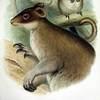
 Sea Kangaroo


 Netherlands Antilles

-
Nº64
 Date: 2008-05-15 - 08:10
-
 Max Depth: 11m Duration: 55mins
Pictures

No pictures for this dive
- Temp: Surf 28°C Bottom 27°C
- Dive type : Recreational, dusk, shore
- Water: Salt
Specific gear used
- Wet suit: Henderson - 3
- Weights: 3.2 kg
Recent Divers in Bonaire




Recent Pictures in Bonaire

Link to this spot:
- Spot:
- Country:
- Area:
- Body of water:
Dive Profile
- 1. Nitrox 32
- 0L Steel
- Average depth: 7.3m
Data provided by EOL.org







Species Identified
Chromis multilineata (Guichenot, 1853) (Cavalley pilot)
Generally occurs in steep slopes and patch reefs. A diurnal species , it most commonly forms moderate-sized feeding-schools over reef tops, rising above the bottom to feed on plankton, mainly copepods. Often seen with Chromis cyanea . Rarely marketed .
Chromis cyanea (Poey, 1860) (blue chromis)
Common above deep outer reefs and feeds in aggregations of the small zooplankton, primarily copepods . Often with creole wrasse. Retreats into coral crevices when frightened .
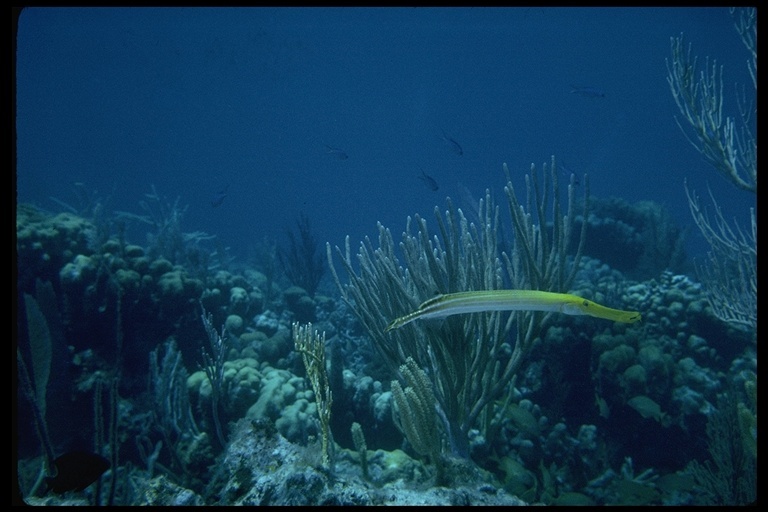
Aulostomus maculatus Valenciennes, 1841 (Caribbean trumpetfish)
Commonly found in weedy areas and especially around reefs, where they usually swim snout-down among sea whips . A solitary ambusher of small fishes and crustaceans that lurk among branching coral or gorgonians. Often swi...
Read More
Read More
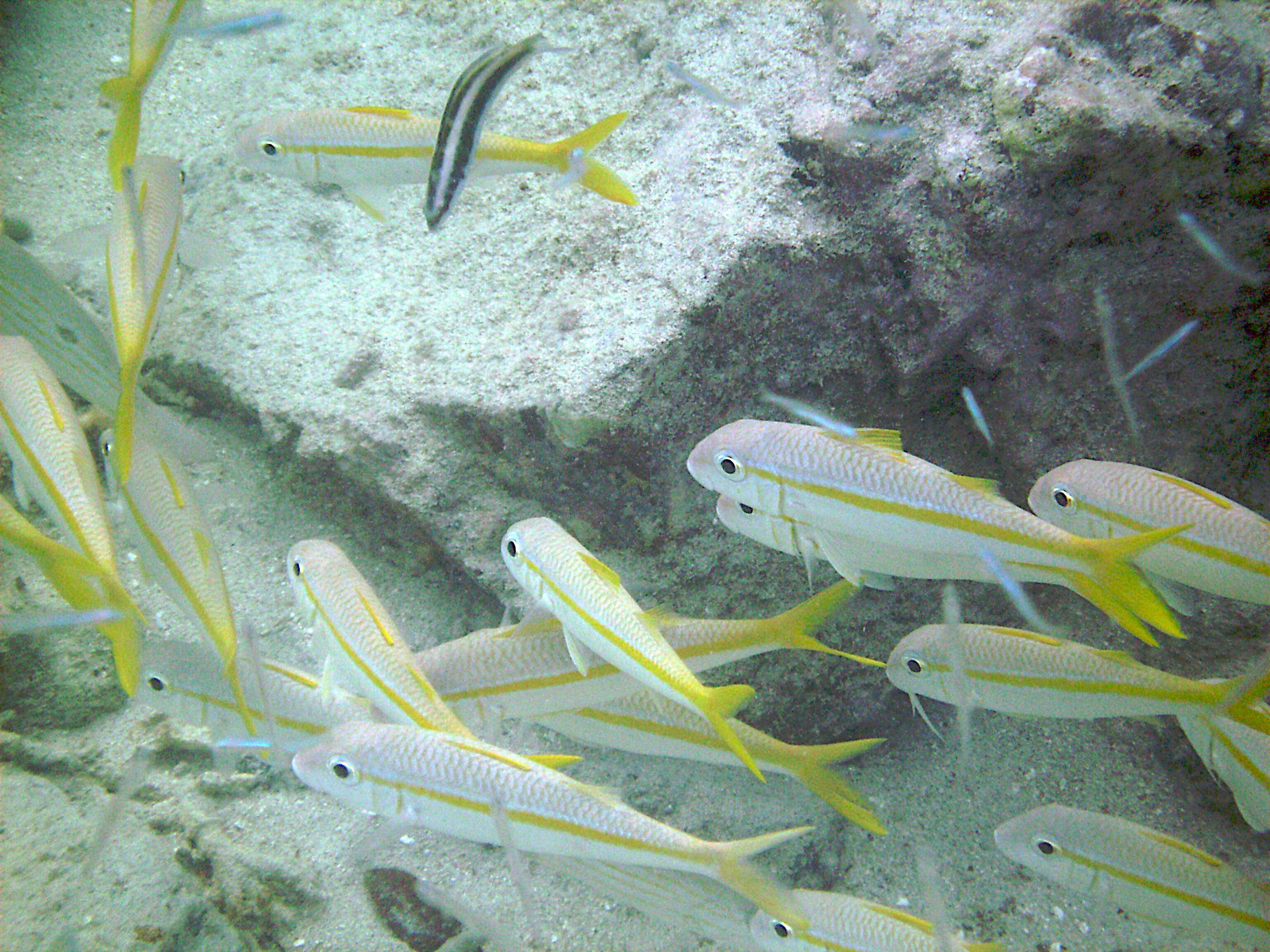
Mulloidichthys martinicus (Cuvier, 1829) (goatfish)
Found over sandy areas of lagoon and seaward reefs . Often in schools . Forms schools with the smallmouth grunt , an association regarded as social protective mimicry . Juveniles are common in seagrass beds . Feeds on benthic invertebrates . Marketed fresh .
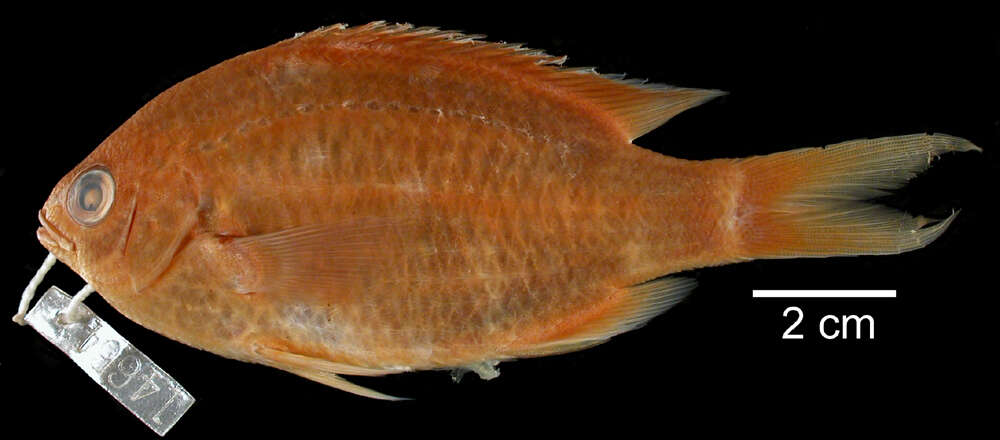
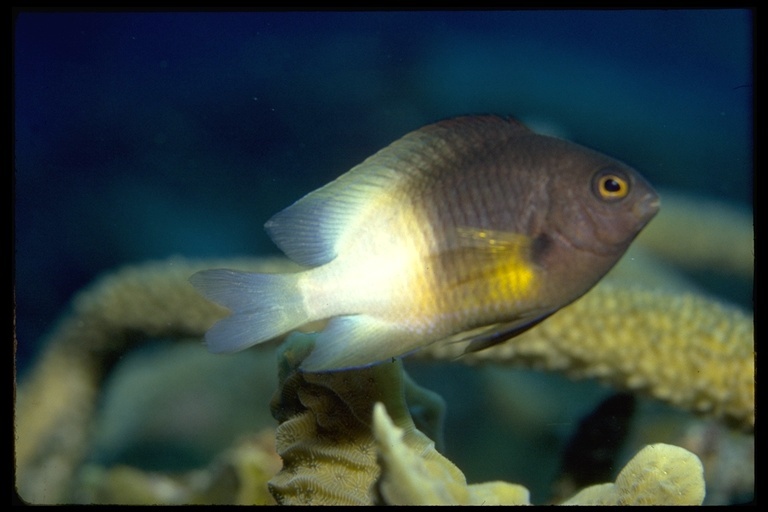
Stegastes partitus (Poey, 1868) (bicolor damselfish)
Inhabits shallow coral reefs and isolated patch reefs in deeper water. Feeds primarily on algae but also on polychaetes, hydroids, copepods and ascidians . Aggressively territorial but only around a small area . Taken incidentally in traps and small-meshed beach nets .
Thalassoma bifasciatum (Bloch, 1791) (Blue head)
Inhabits reef areas, inshore bays and seagrass beds. Feeds mainly on zooplankton and small benthic animals, but may also feed on ectoparasites of other fishes . Spawn at midday throughout the year . A protogynous hermap...
Read More
Read More
Halichoeres garnoti (Valenciennes, 1839) (yellowhead wrasse)
Commonly found on shallow and deep reefs and exposed rocky ledges. Feeds on various invertebrates. Forms leks during breeding . A protogynous hermaphrodite . Constantly on the move but easily attracted by divers. Generally of no interest to fisheries because of its small average size .
Paguristes cadenati Forest, 1954 (red reef hermit)
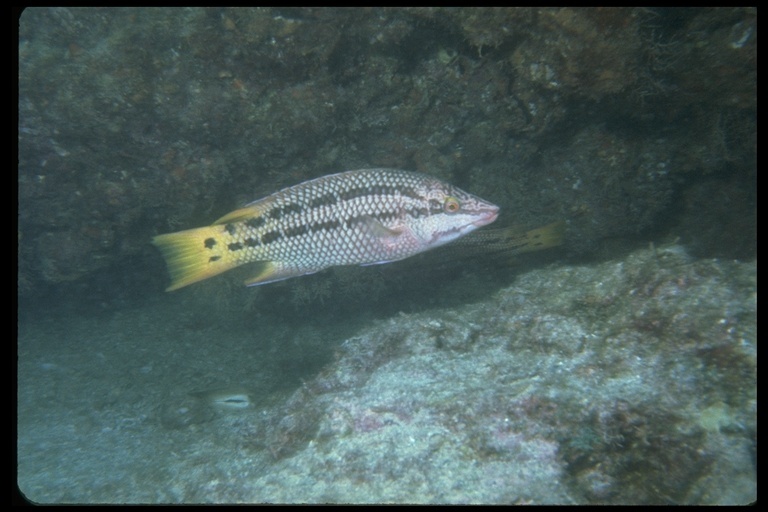
Bodianus rufus (Linnaeus, 1758) (Spanish hogfish)
Inhabits rocky or coral reefs . Feeds on brittle stars, crustaceans, mollusks, and sea urchins . Juveniles actively pick parasites from larger fishes . A protogynous hermaphrodite . May hybridize with spotfin hogfish, B. pulchellus . Marketed fresh . Maximum depth reported from Ref. 27115.
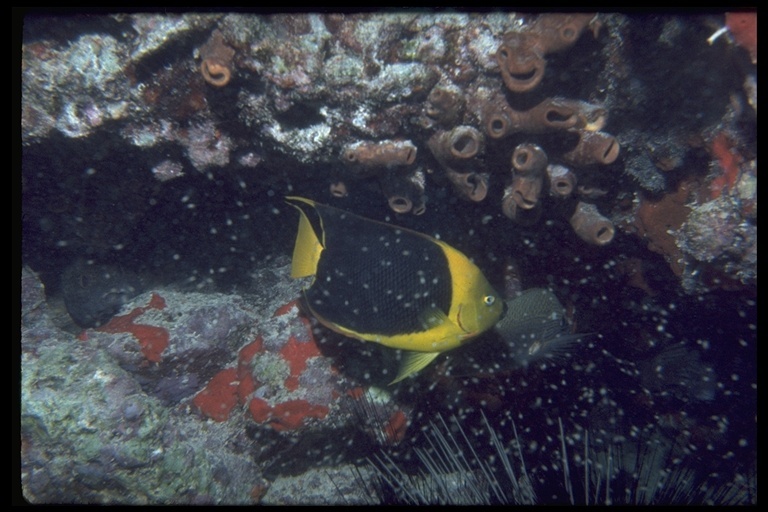
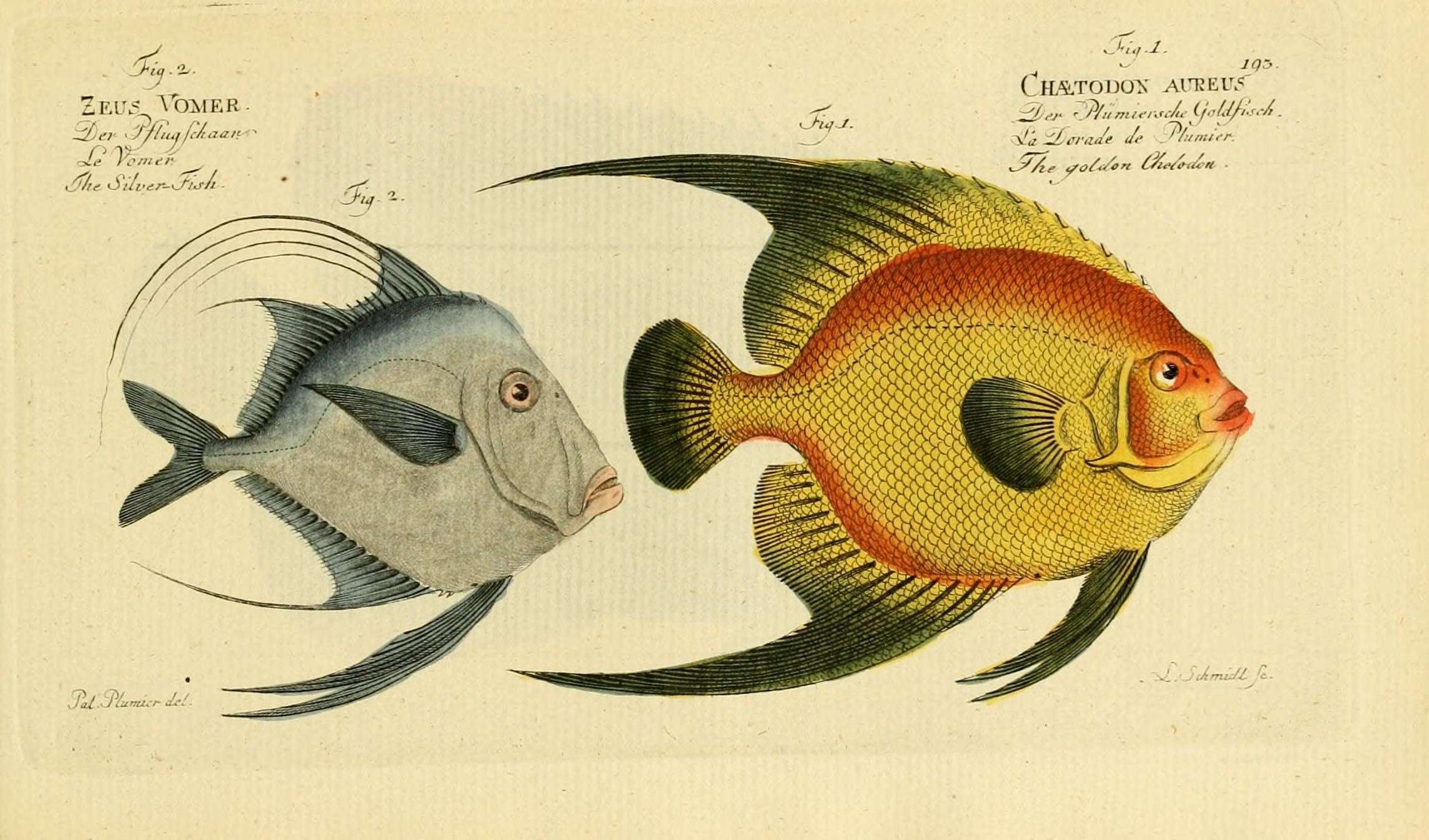
Holacanthus tricolor (Bloch, 1795) (Angelfish)
Inhabits rock jetties, rocky reefs and rich coral areas. Juveniles often associated with fire corals . Feeds on tunicates, sponges, zoantharians and algae. Marketed fresh .
Haemulon carbonarium Poey, 1860 (Caesar grunt)
Occurs in clear rocky or coral reefs and mangroves . Often forming schools . Nocturnal feeder on crabs, gastropods, starfish and annelid worms . Marketed fresh .
Aplysina archeri (Higgin, 1875)
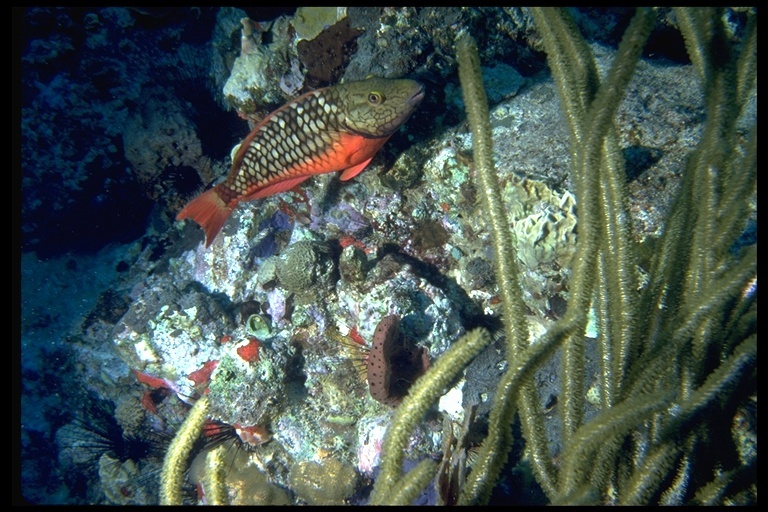
Sparisoma viride (Bonnaterre, 1788) (Dark green parrotfish)
Inhabits coral reefs with clear water . Young may be found in seagrass beds and other heavily vegetated bottoms. Feeds mainly on soft algae, but has been observed to graze on live corals like, Montastraea annularis . Pr...
Read More
Read More
Scarus taeniopterus Desmarest, 1831 (Blue chub)
Found on bottoms with coral or rock . Juveniles often occur in association with Thalassia. Forms large feeding aggregations and feeds on plants. Sleeps in a mucus cocoon .
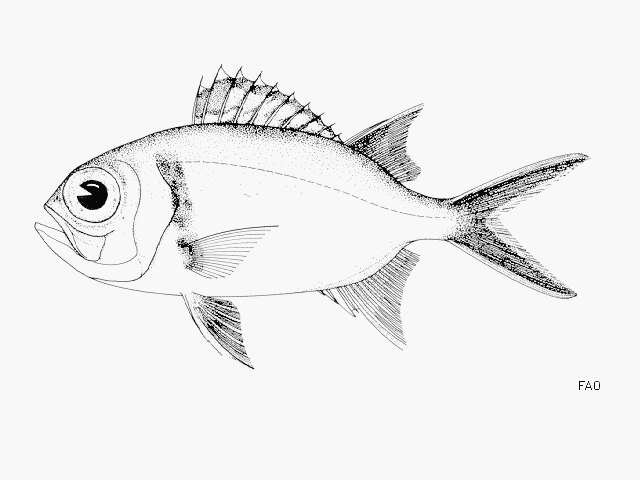
Myripristis jacobus Cuvier, 1829 (Bastard soldierfish)
Found from shallow coral reefs to offshore deeper waters . A nocturnal species aggregating around coral reefs and deeper rocky reefs . Feeds mainly on planktonic organisms . Occasionally found swimming upside down . Marketed fresh but not popular as a food fish .
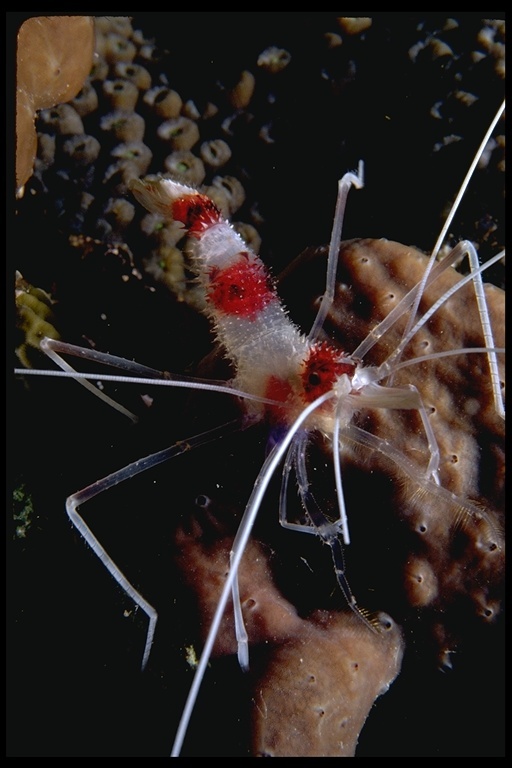
Stenopus hispidus (Olivier, 1811) (banded coral shrimp)
Antennarius multiocellatus (Valenciennes, 1837) (flagpole frogfish)
Inhabit shallow reefs . Commonly found in areas with sponges; background hue of the fish conforms to that of the dominant sponge in the areas and the ocelli look like openings in the sponge. Feed mainly on fishes, but al...
Read More
Read More
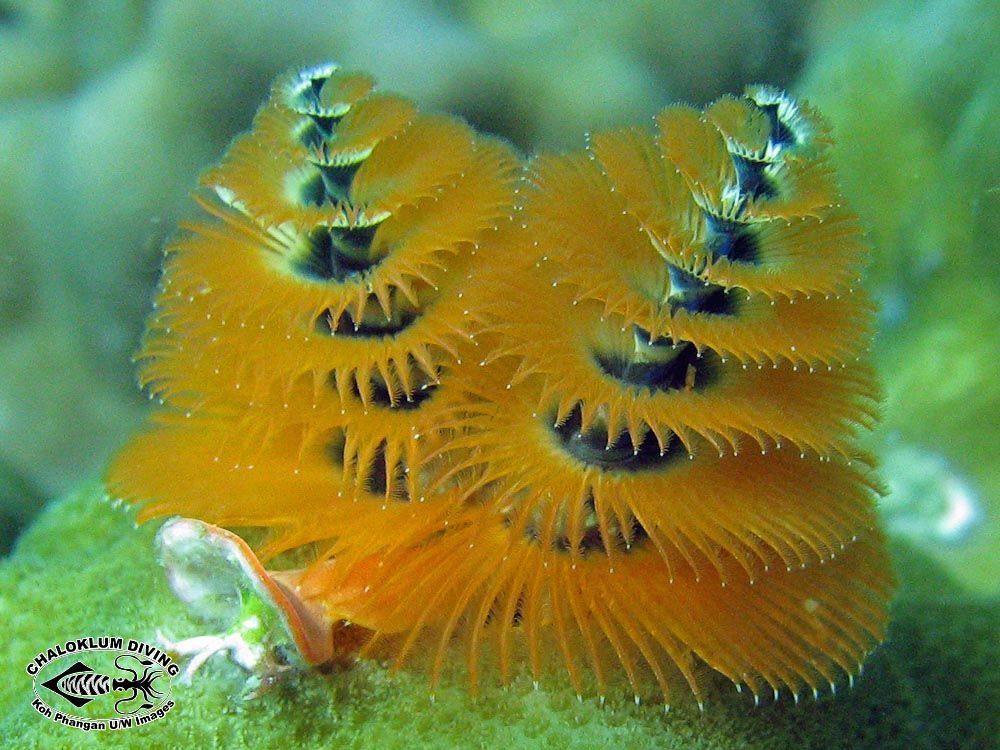
Spirobranchus giganteus (Pallas, 1766) (Christmas Tree Worm)
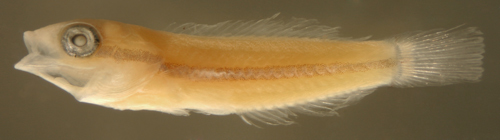
Ophioblennius macclurei (Silvester, 1915) (redlip blenny)
Inhabits shallow, clear waters with coral or rock bottoms . Territorial . Oviparous . Eggs are demersal and adhesive .
Hypoplectrus puella (Cuvier, 1828) (Barred hamlet)
A solitary species inhabiting rocky and coral reefs . Always found near cover .
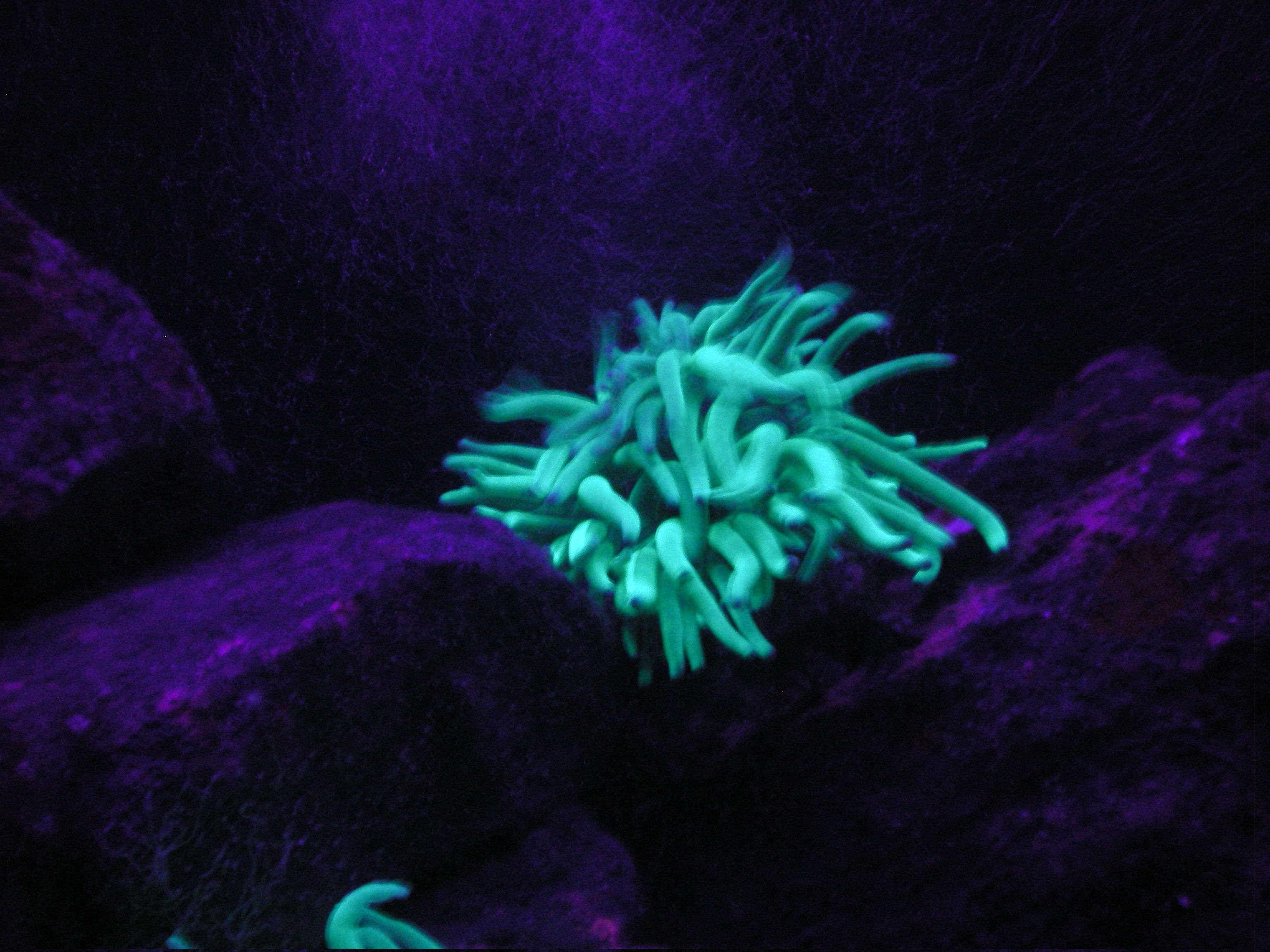
Condylactis gigantea (Weinland, 1860) (giant caribbean anenone)
Pomacanthus paru (Bloch, 1787) (French angelfish)
Common in shallow reefs. Usually in pairs, often near sea fans . Feed on sponges, algae, bryozoans, zoantharians, gorgonians and tunicates . Oviparous , monogamous . Spawning pairs are strongly territorial, with usuall...
Read More
Read More
Share on Social Networks
- Facebook:

personalize your shared text as well as its destination (wall, page...) or send as a private message to a friend
- Twitter: Tweet personalize your tweet
- Google Plus:
Direct link to this dive
- Long link:
- Short link:


 We are participating today in the startup contest Techcrunch Disrupt. Support Diveboard by voting for us!
























































































