


 RichardA


 Vanuatu
-
Nº65
 Date: 2015-01-08 - 09:38
-
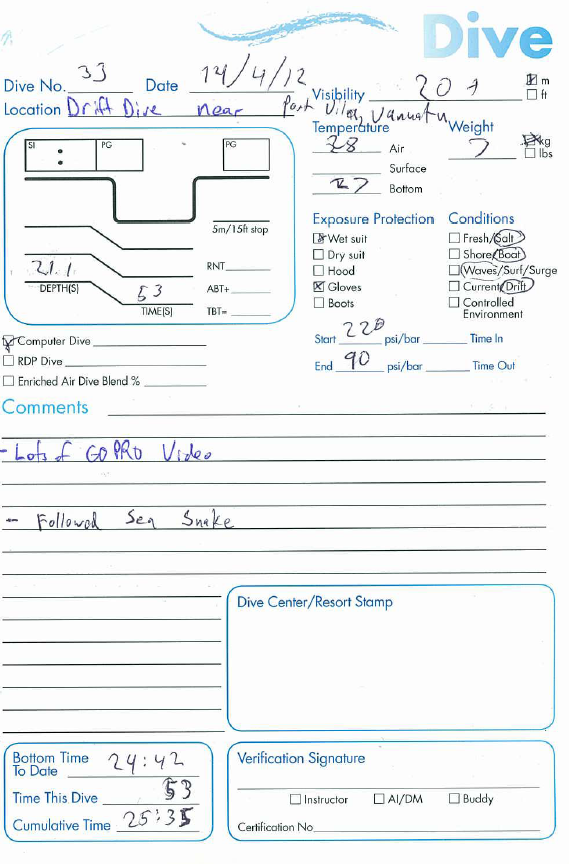
 Max Depth: 23m Duration: 32mins
Pictures

No pictures for this dive
- Surface interval:0 mins
- Temp: Surf 26°C Bottom 28°C
- Dive type : Recreational, Cave, Reef, Boat
- Visibility: Good Water: Salt
Specific gear used
- Boots: Cressi Sub -
- Fins: Oceanic - Viper
- Mask: Tabata / Tusa - (bi-focals)
- Weights: 6.8 kg
Dive reviews
| Overall review | ||
| Dive difficulty | ||
| Marine life quality |
Recent Divers in Port Vila

Recent Pictures in Port Vila
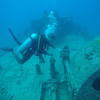
Dive Shop & Buddies
 Dive with Russell from Big Blue

Link to this spot:
- Spot:
- Country:
- Area:
- Body of water:
Dive Profile
- 1. Air
- 12L Steel 210 → 50 bar
- Average depth: 15.3m
Data provided by EOL.org


Species Identified
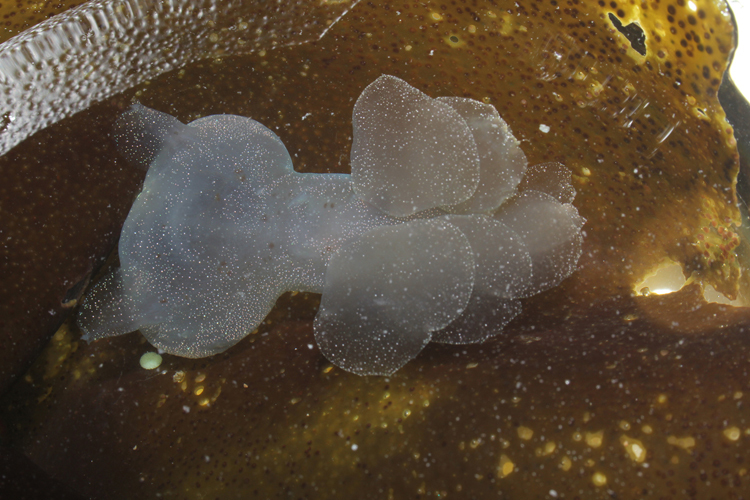
Melibe leonina (Gould, 1852) (lion nudibranch)
Xanthichthys caeruleolineatus Randall, Matsuura & Zama, 1978 (Blue-line triggerfish)
Datnioides polota (Hamilton, 1822) (Four-banded tigerfish)
Lives in brackish water at the mouths of large rivers and coastal lagoons, as well as in freshwater lakes and rivers above tidal influence . Feeds on fishes, prawns, crabs and some insect larvae. Marketed fresh .
Pygoplites diacanthus (Boddaert, 1772) (Bluebanded angelfish)
Occurs in coral rich areas of lagoon and seaward reefs to a depth of 48 m or more. Often found in the vicinity of caves and feeds on sponges and tunicates. Solitary or in pairs, or in groups. Frequently exported through the aquarium trade . Rarely survives in the aquarium.
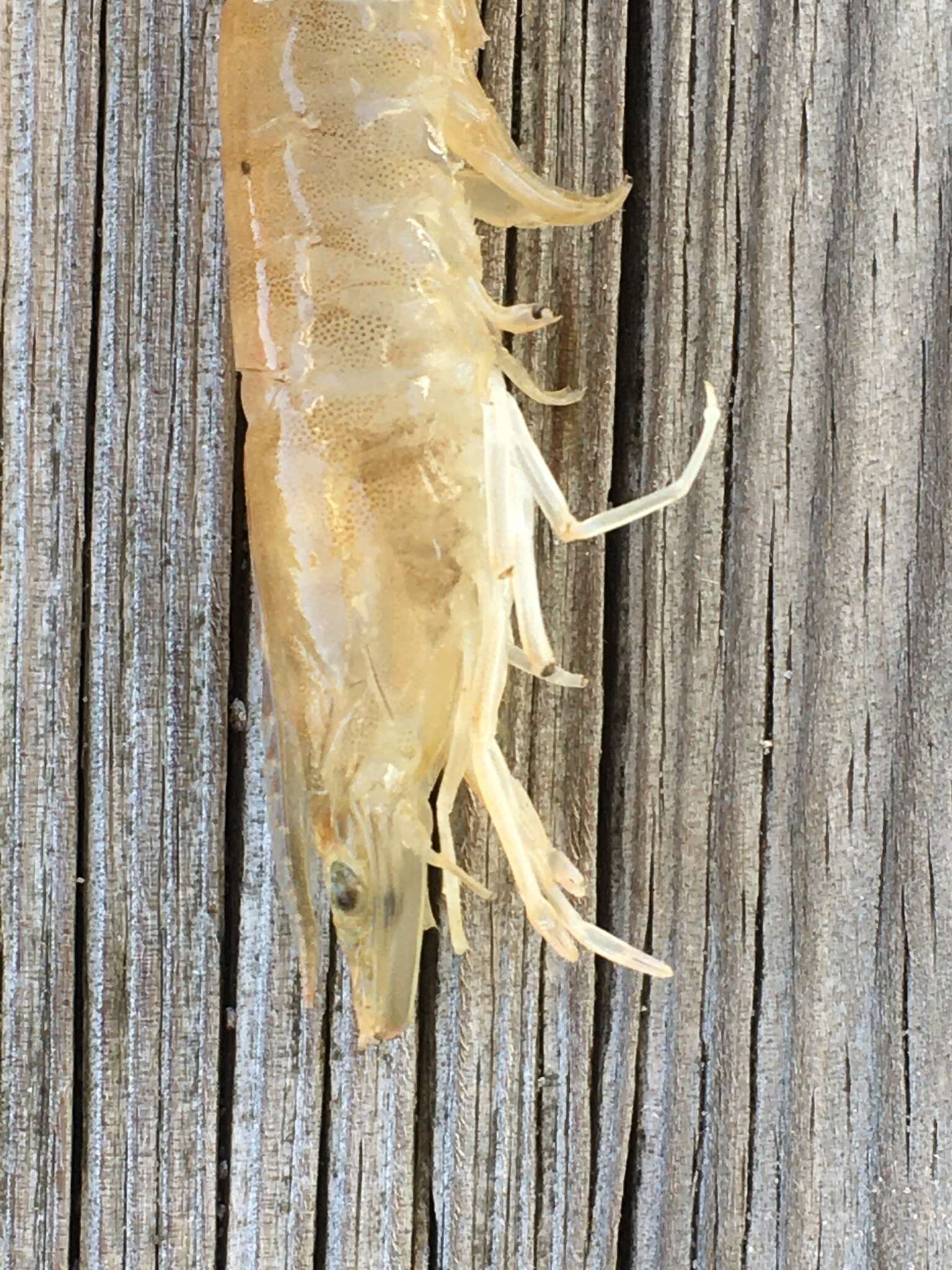
Farfantepenaeus duorarum (Burkenroad, 1939) (pink shrimp)
Share on Social Networks
- Facebook:

personalize your shared text as well as its destination (wall, page...) or send as a private message to a friend
- Twitter: Tweet personalize your tweet
- Google Plus:
Direct link to this dive
- Long link:
- Short link:


 We are participating today in the startup contest Techcrunch Disrupt. Support Diveboard by voting for us!
























































































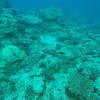
very clear tropical water
tiger fish, black lion fish, trigger fish, nudibranchs
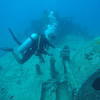
dive into a cave/crevice and swim upto top where we surfaced for s few minutes. Hence computer logged this as two dives.
Quote from Big Blue Scuba Dive site: An amazing cavern dive, wide and open and with awesome shafts of light filtering down through the open roof. Entry to the Cathedral is in 22m, and after visiting the cavern we exit and follow the wall outside until meeting up with the boat again. Home to shrimp, nudibranchs and leaf scorionfish. This dive is weather dependent. A very comfortable dive if the seas are flat but swells and current can make the cavern a little tricky.