






 Italy
Italy
-
Nº7
 Date: 2011-09-07 - 09:00
-
 Max Depth: 24.5m Duration: 58mins
Pictures

No pictures for this dive
- Dive type : Recreational, Training, Deep dive
- Visibility: Good Water: Salt
Specific gear used
- Weights: 7 kg
Recent Divers in Elba
Recent Pictures in Elba
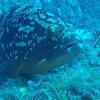

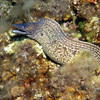
Dive Shop & Buddies
 Dive with Albert Mueller from Talas Diving Center
 Dive buddies:
Dario Perioli
Dive buddies:
Dario Perioli

Link to this spot:
- Spot:
- Country:
- Area:
- Body of water:
Dive Profile
- 1. Air
- 12L Steel 190 → 30 bar
- Average depth: 16.3m
Data provided by EOL.org
Species Identified
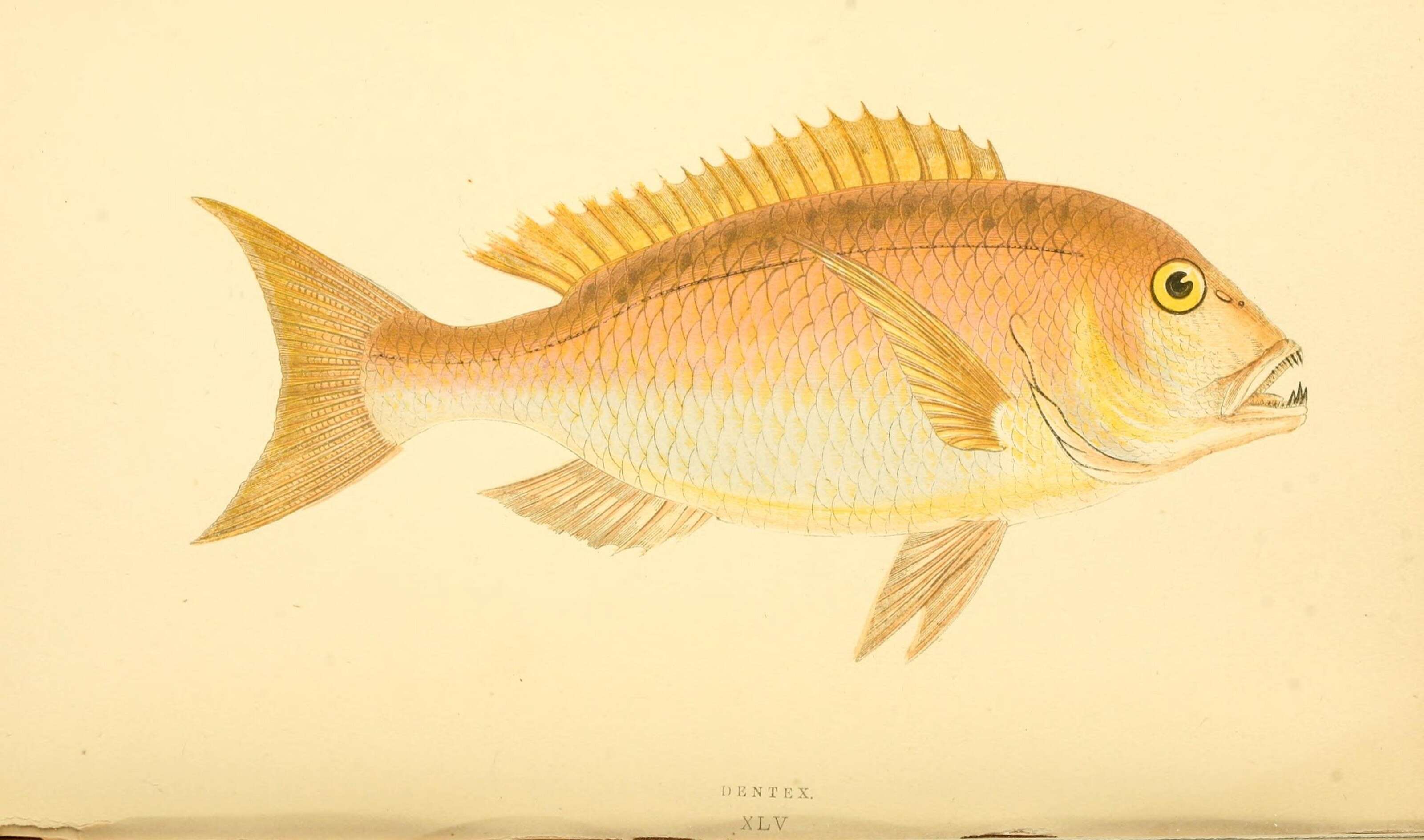
Dentex dentex (Linnaeus, 1758) (Common dentex)
Inhabit hard bottoms down to 200 m depth. Usually found in shallow water less than 50 m deep . Adults solitary; young gregarious . Young fish caught with traps. Feed on fish, mollusks and cephalopods. Important food ...
Read More
Read More
Anthias anthias (Linnaeus, 1758) (Swallowtail seaperch)
Lives amongst rocks, gravel, coral and in submarine caves on the continental shelf and upper slope. Nocturnal. Feeds on crustaceans and small fishes. Protogynous.
Thalassoma pavo (Linnaeus, 1758) (Ornate wrasse)
Inhabits coastal waters near rocks and eel-grass beds. Usually solitary, sometimes in small groups. Feeds on small mollusks and crustaceans . Protogynous hermaphrodite, with distinct sexual dichromatism . Eggs are pelagic .
Muraena helena Linnaeus, 1758 (Mediterranean moray)
A nocturnal and territorial species , commonly lurking in holes, and writhing snakelike through crevices, under rocks or corals. Feeds on fish, crabs and squid . It seldom attacks unless provoked . A gonochoristic speci...
Read More
Read More
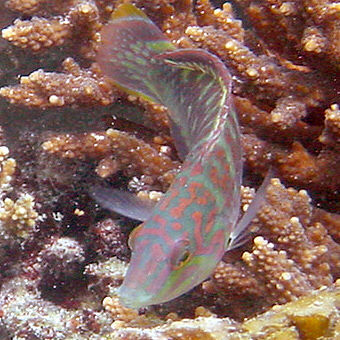
Halichoeres margaritaceus (Valenciennes, 1839) (Pink-belly wrasse)
Inhabits shallow reefs and rocky shores, usually in weedy areas exposed to surge . Feeds on benthic crustaceans, mollusks, polychaetes, forams, fishes, and fish eggs . One of several similar species that have near identical juvenile and female stages .
Ophiura albida Forbes, 1839 (brittlestar)
O. albida has separate sexes, external fertilization and pelagic larvae. The maximum age is estimated at 3 years. This shortlived species shows a relatively fast-growing strategy. O. albida may be particularl...
Read More
Read More
Share on Social Networks
- Facebook:

personalize your shared text as well as its destination (wall, page...) or send as a private message to a friend
- Twitter: Tweet personalize your tweet
- Google Plus:
Direct link to this dive
- Long link:
- Short link:


 We are participating today in the startup contest Techcrunch Disrupt. Support Diveboard by voting for us!
























































































Advanced Open Water Dive #1