


 Michael Colligon

 Netherlands Antilles
-
Nº1
 Date: 2014-08-28 - 14:48
-
 Max Depth: 18m Duration: 41mins
Pictures

No pictures for this dive
- Temp: Surf 34°C Bottom 28°C
- Dive type : Reef, beach
- Visibility: Excellent Water: Salt
Specific gear used
- Weights: 6.4 kg
Dive reviews
| Overall review | ||
| Dive difficulty | ||
| Marine life quality |
Recent Divers in Curacao

Recent Pictures in Curacao
Dive Shop & Buddies
 Dive with Walter from Porto Marie Sports

Link to this spot:
- Spot:
- Country:
- Area:
- Body of water:
Dive Profile
- 1. Air
- 10L Aluminium 220 → 25 bar
- Average depth: 12m
Data provided by EOL.org






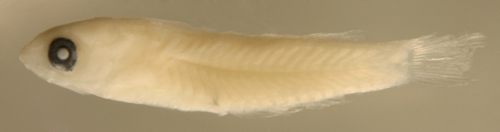
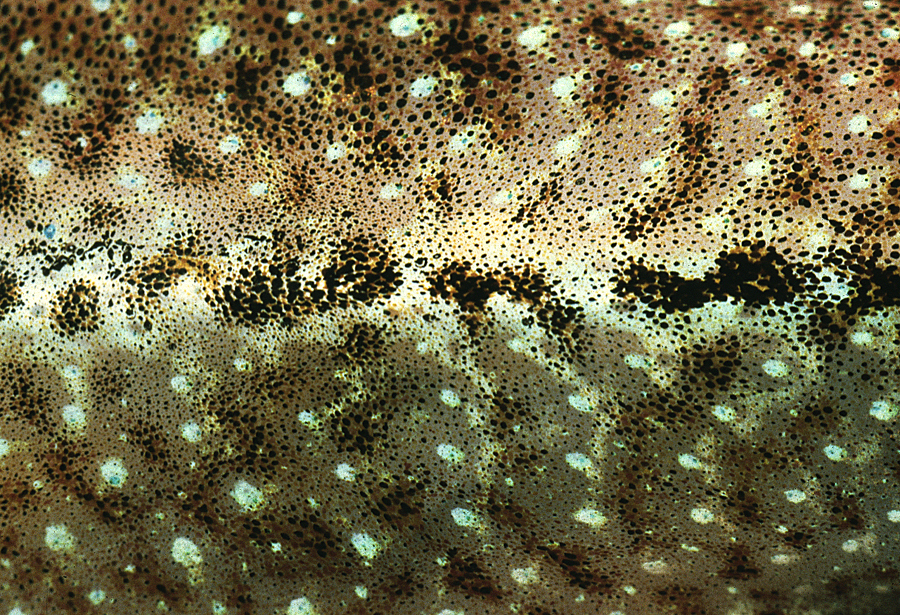



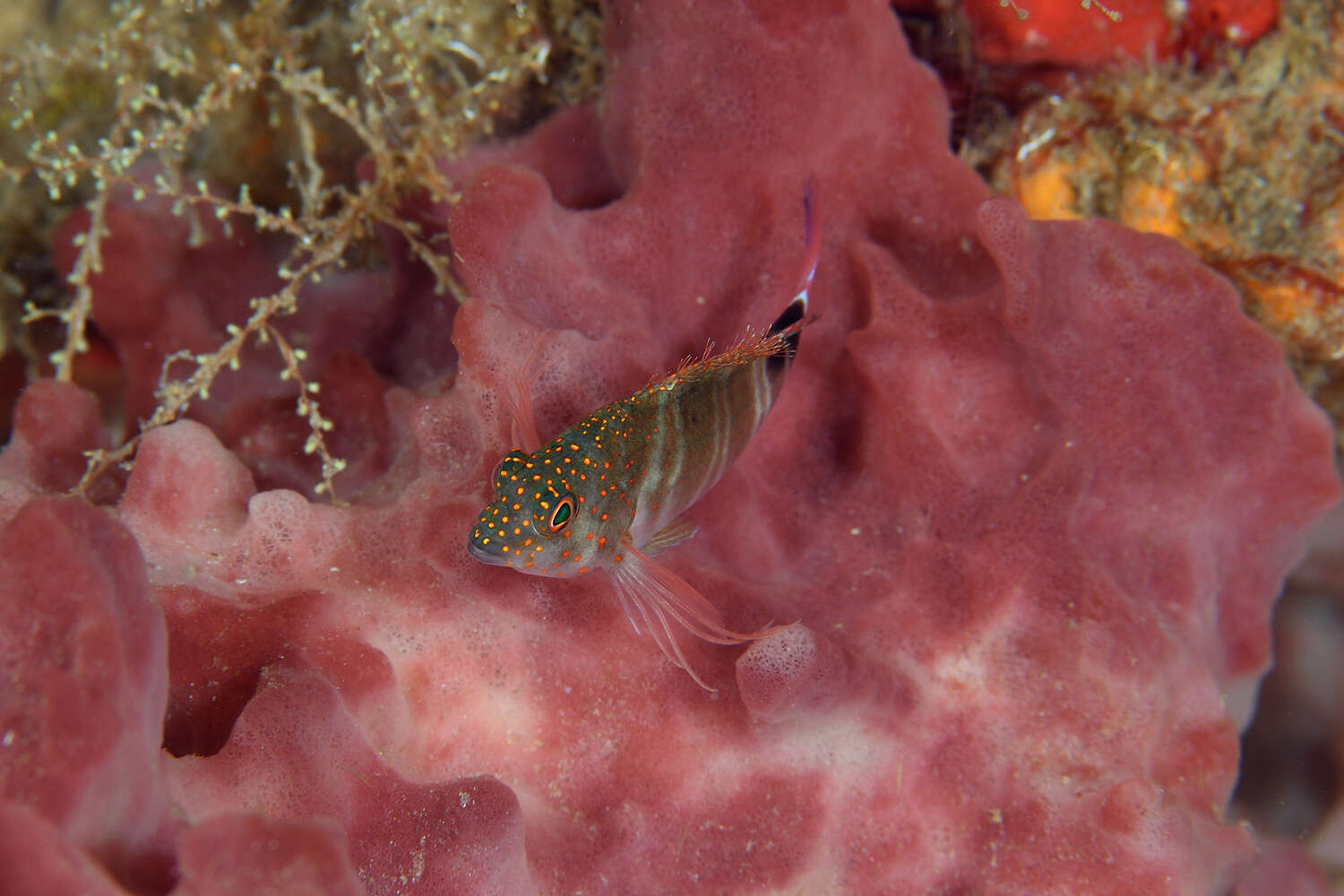
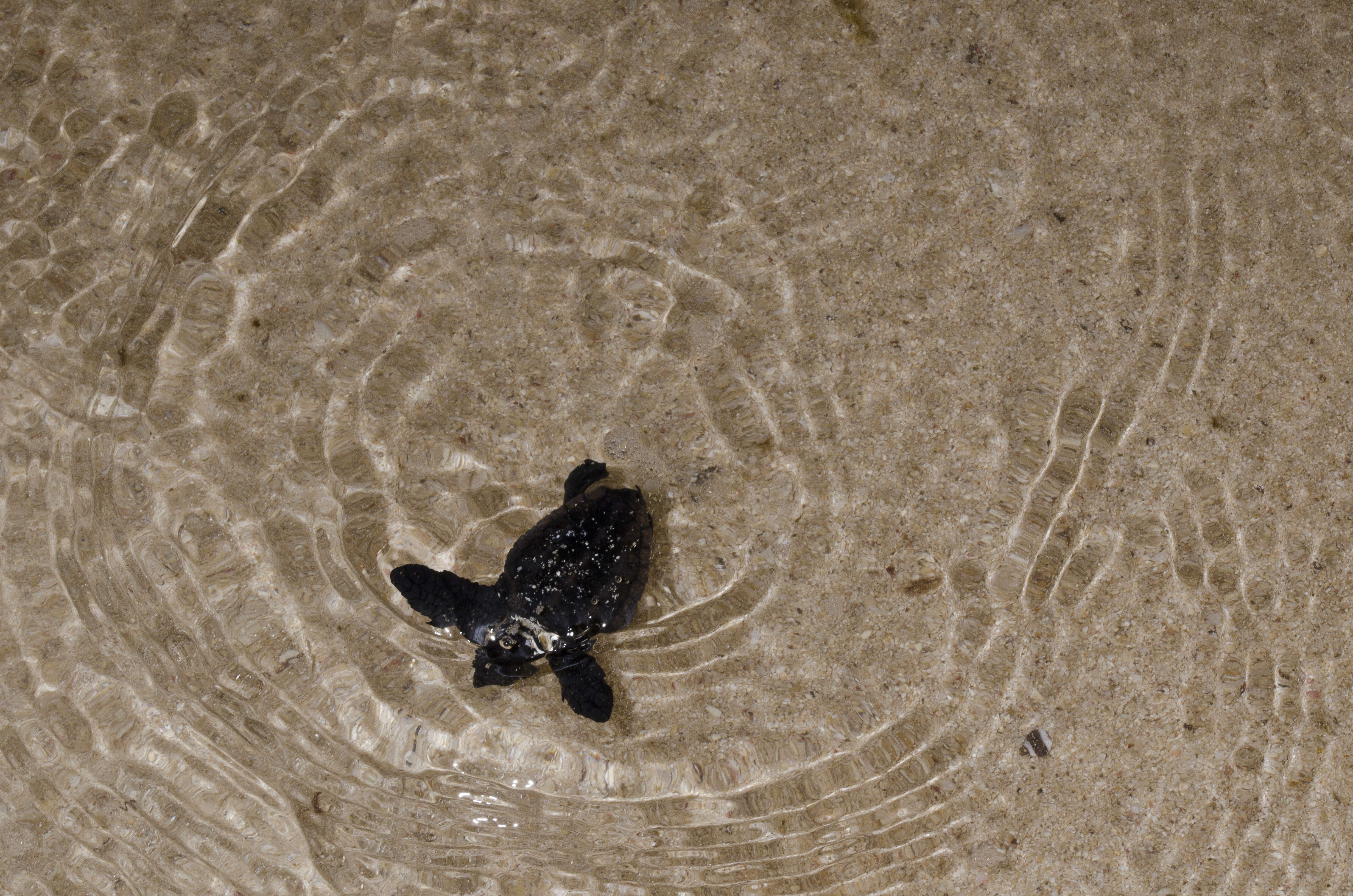
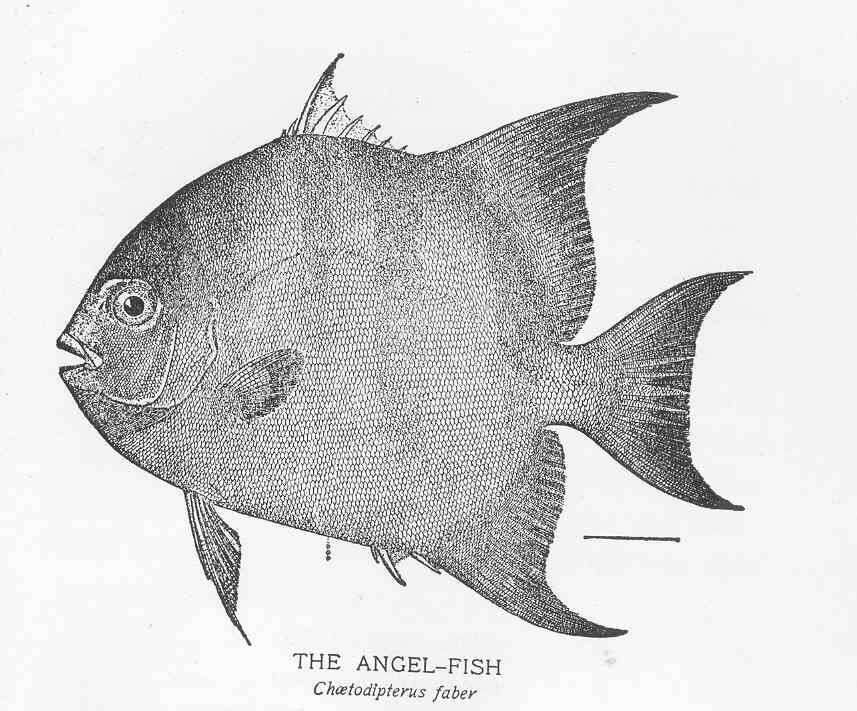
Species Identified
Sicyonia burkenroadi Cobb, 1971 (spiny rock shrimp)
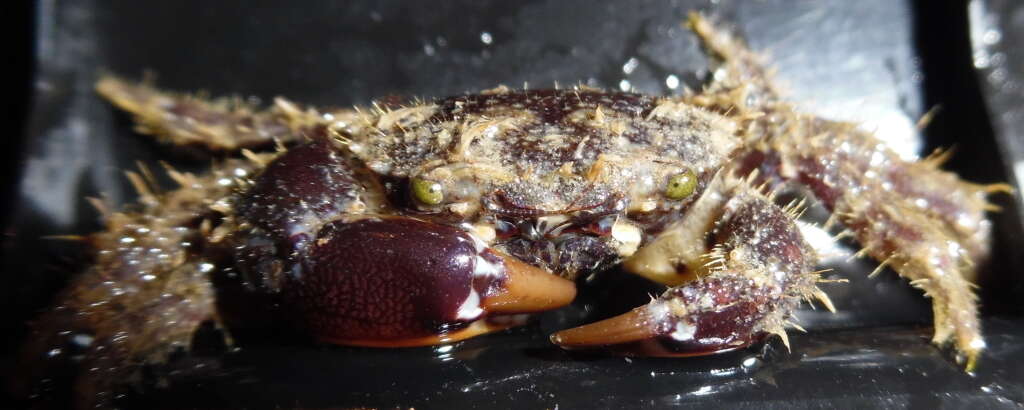
Pilumnus hirtellus (Linnaeus, 1761) (hairy crab)
Pterois volitans (Linnaeus, 1758) (Red lionfish)
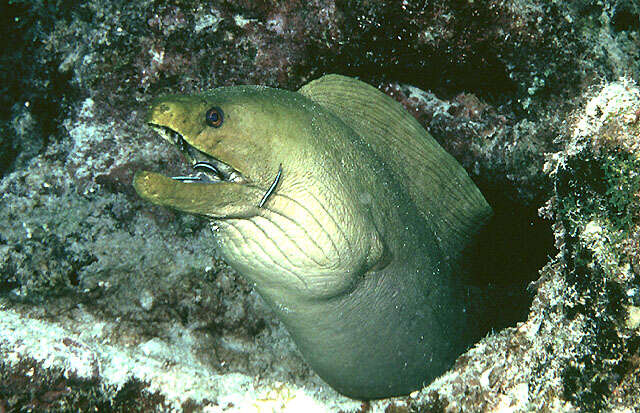
Gymnothorax funebris Ranzani, 1839 (Green cong)
A benthic and solitary species occurring along rocky shorelines, reefs, and mangroves .Usually found shallower than 30 m . Due to its large size and aggressiveness, the bites of this moray are particularly dangerous . F...
Read More
Read More
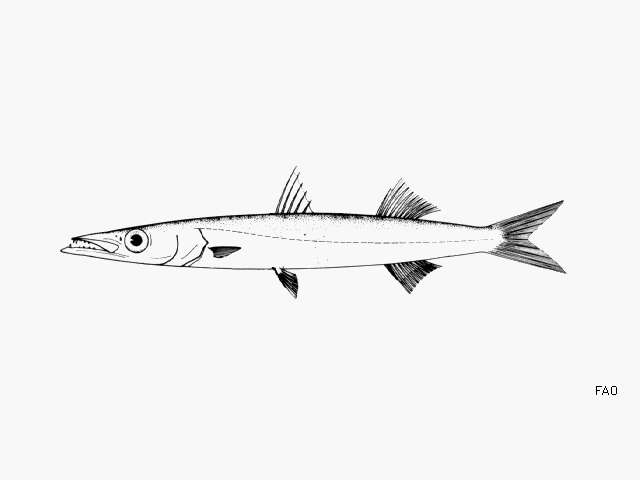
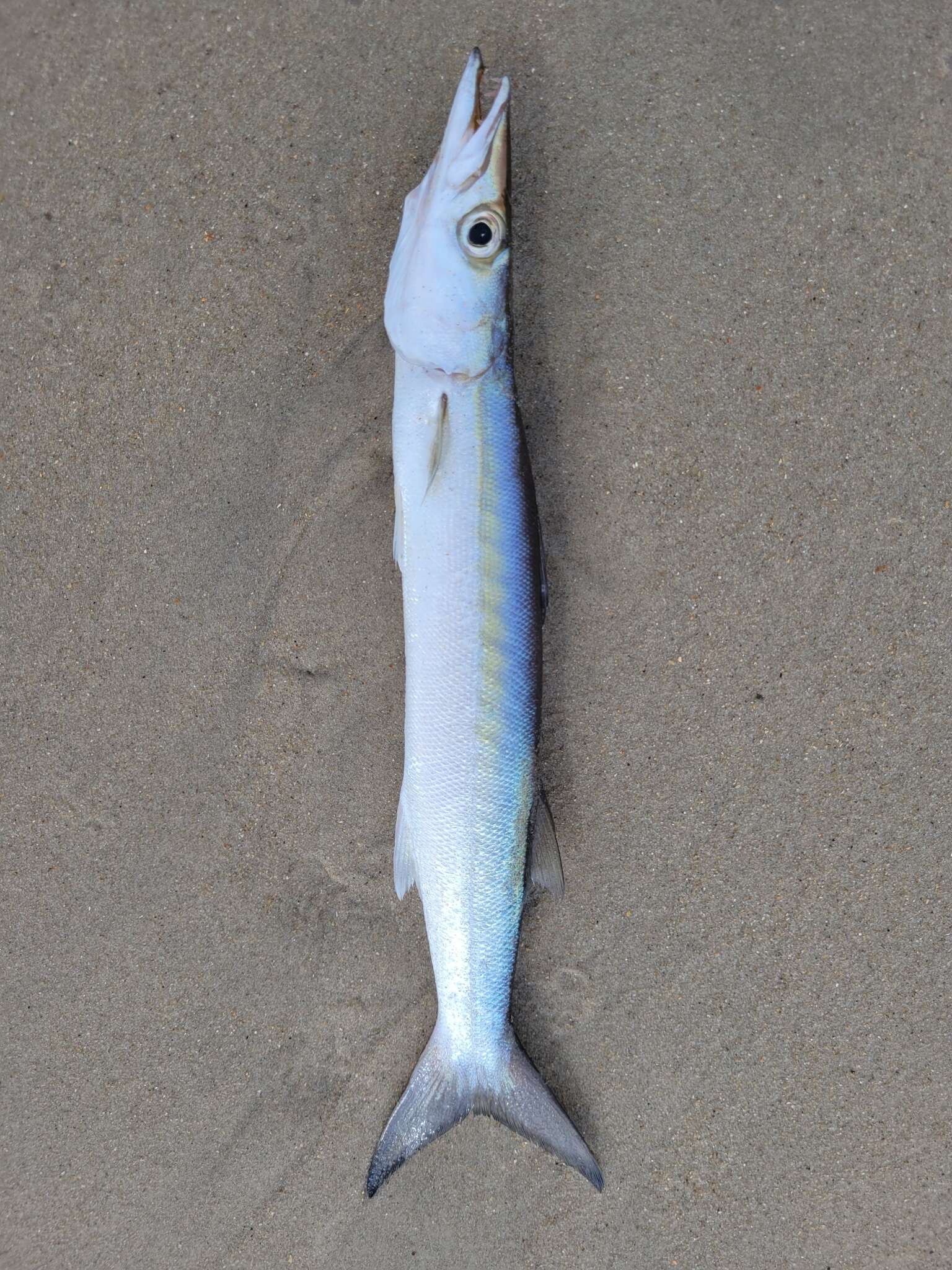
Sphyraena picudilla Poey, 1860 (Little barracuda)
Inhabits coastal waters. Found in rocky or coral reefs . More abundant over muddy bottoms. Juveniles are encountered in seagrass beds . Often occurs in large schools, sometimes near the surface . Marketed fresh and frozen.
Pterois antennata (Bloch, 1787) (Broadbarred firefish)
Occurs in lagoon and seaward reefs. Hides in crevices under rocks and coral formations during the day and hunts at night. Typically with head towards the safety of their hide-out or narrow passage . Feeds on shrimps and...
Read More
Read More
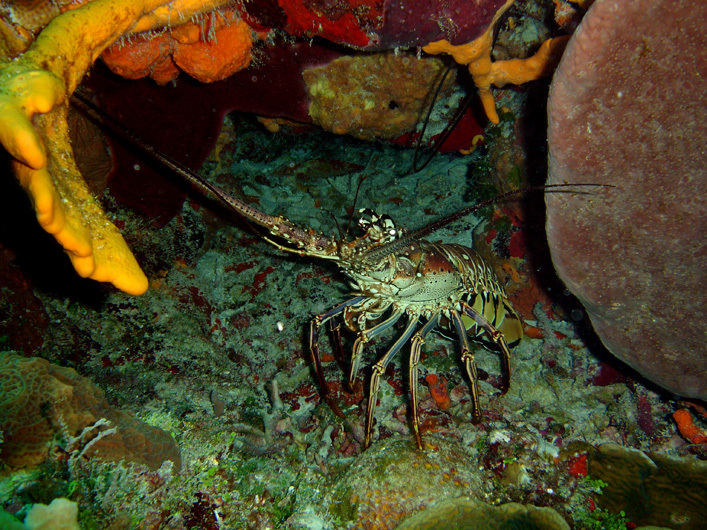
Panulirus argus (Latreille, 1804) (Caribbean spiny lobster)
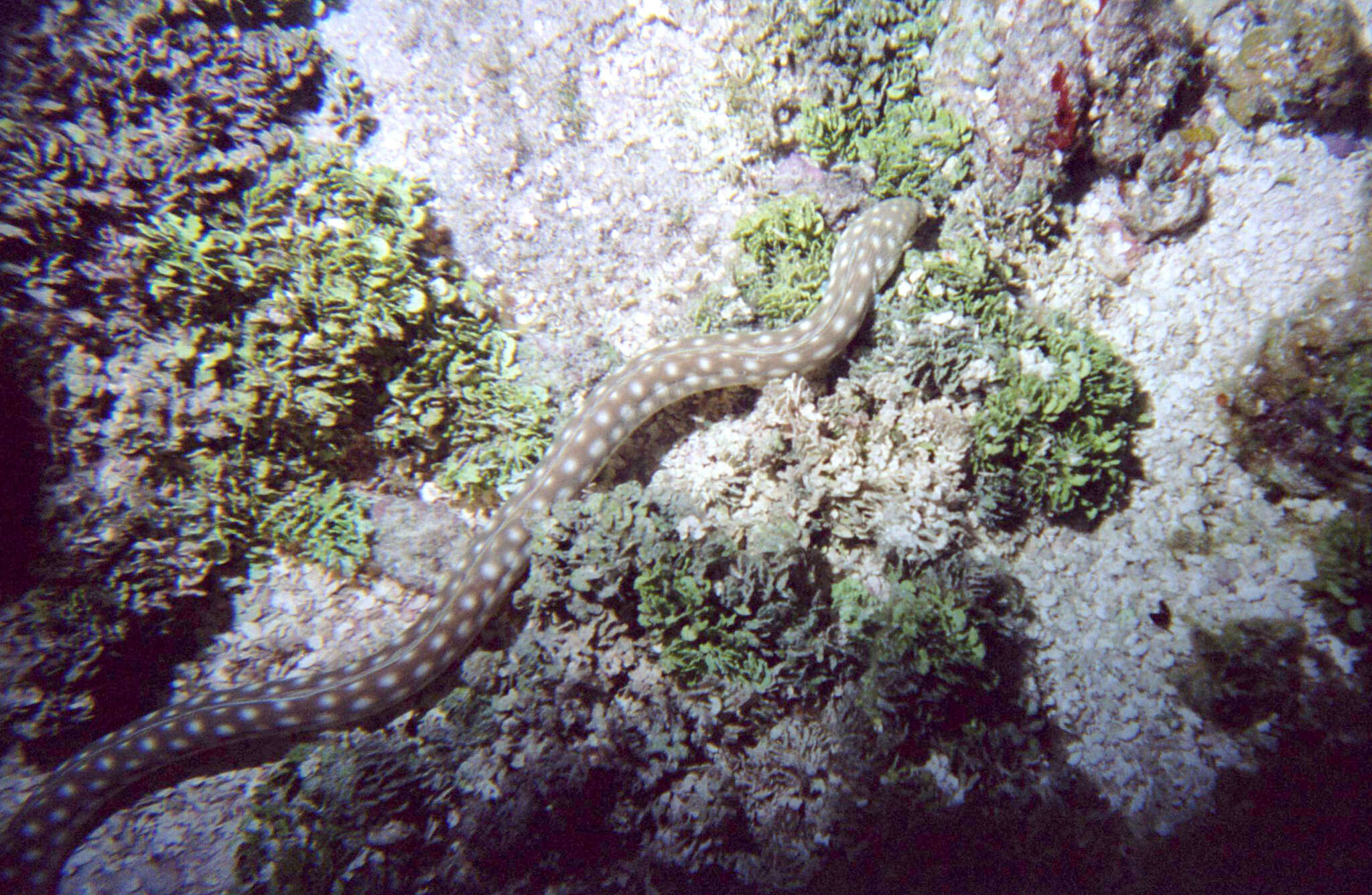
Myrichthys breviceps (Richardson, 1848) (Culebra rosario)
Commonly encountered swimming near the bottom in clear water from harbors to reefs. More common along continent and in grassy areas . Found in shallow areas to depths of 9 m. Feeds mainly on crabs. .
Selene brownii (Cuvier, 1816) (Caribbean moonfish)
Occurs over continental shelves . No real fishery . Edibility not known .
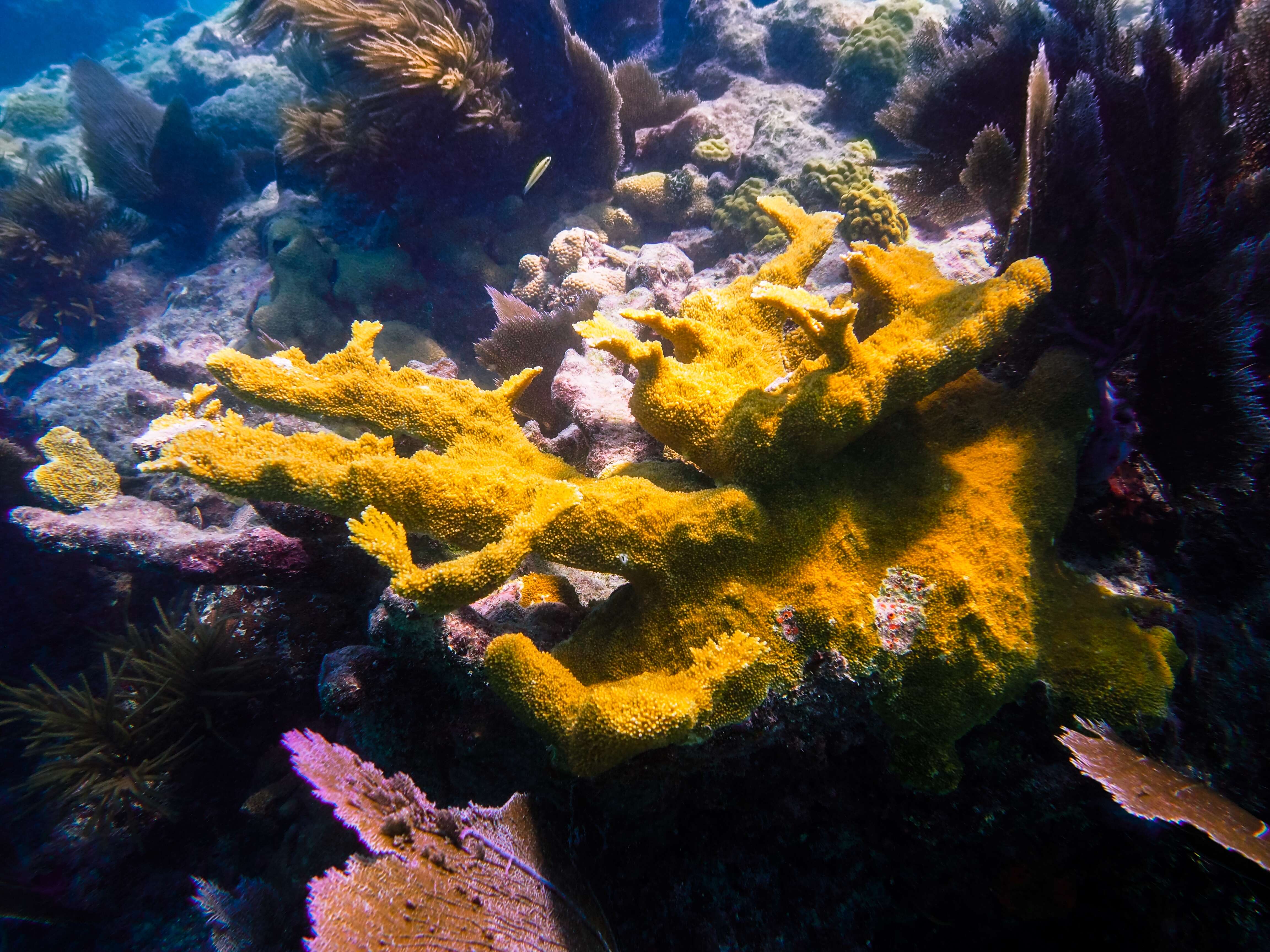
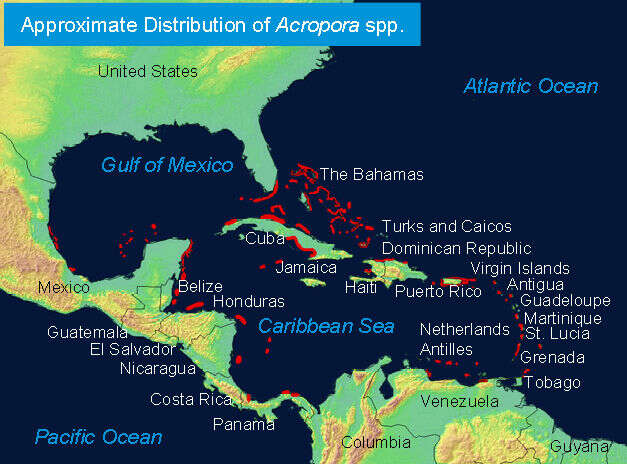
Acropora palmata (Lamarck, 1816) (elkhorn coral)
zooxanthellate
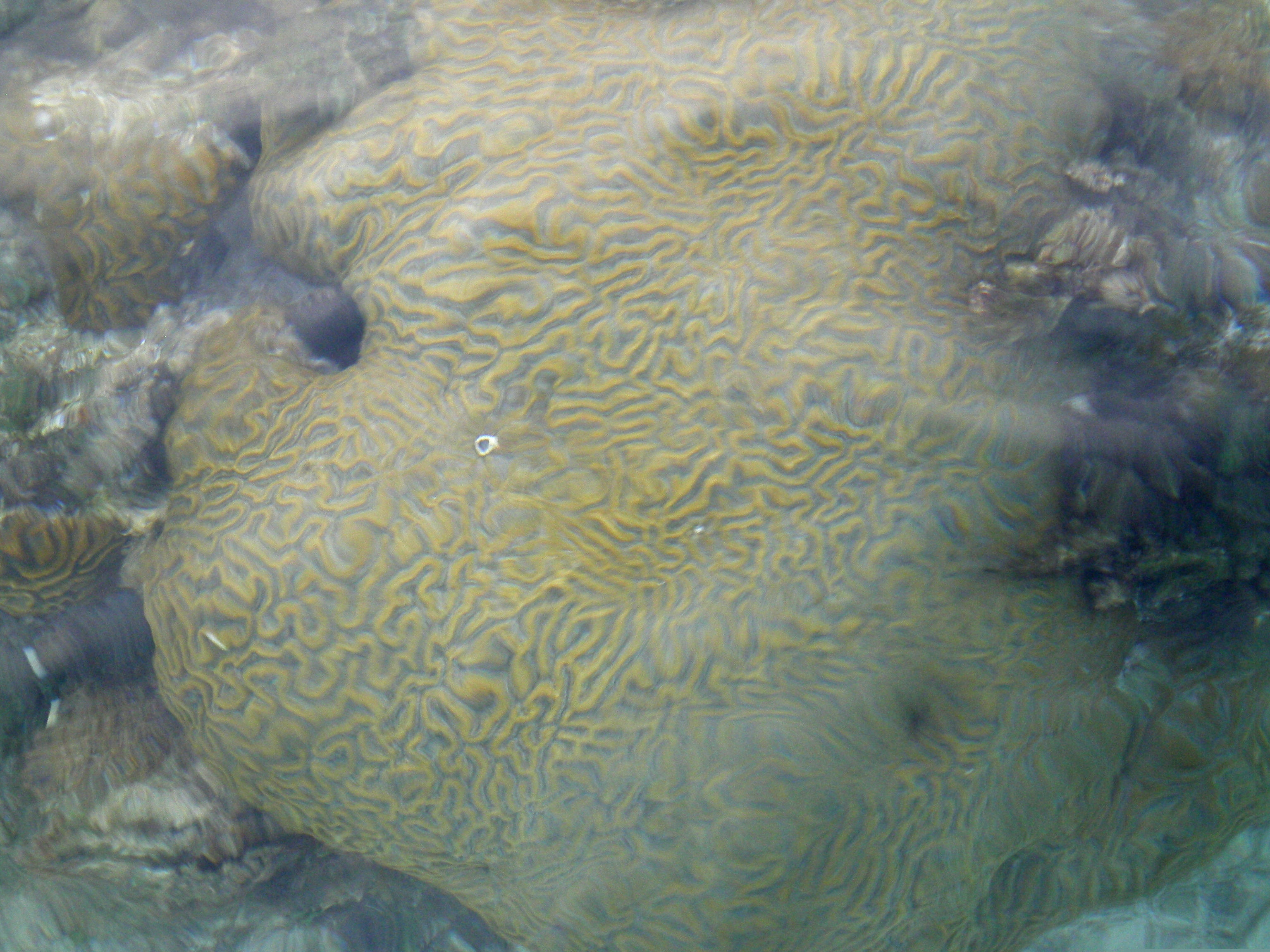
Colpophyllia natans (Houttuyn, 1772) (boulder brain coral)
zooxanthellate
Diploria strigosa (Dana, 1846) (symmetrical brain coral)
zooxanthellate
Cladocora debilis Milne Edwards & Haime, 1849 (thin tube coral)
azooxanthellate
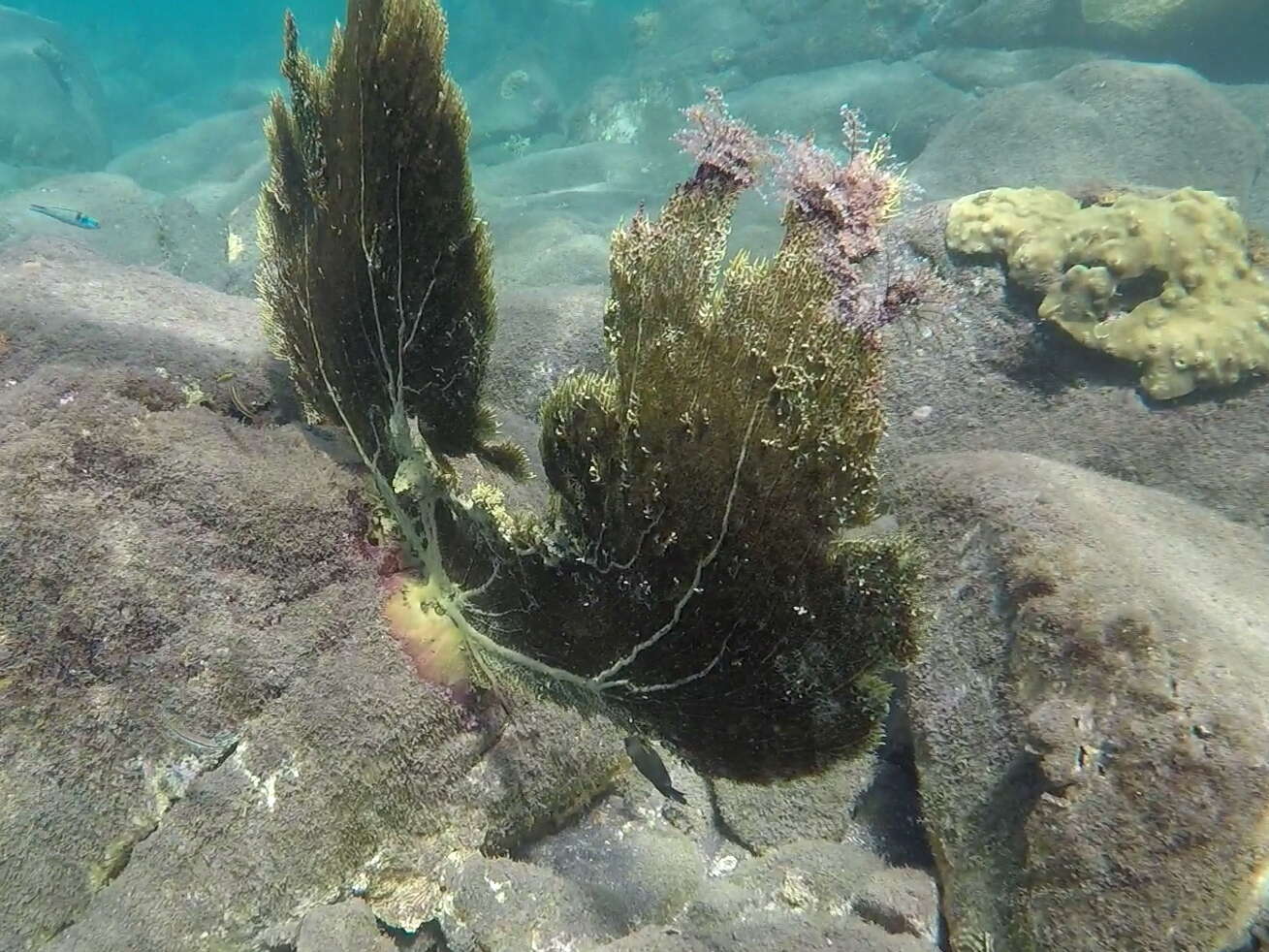
Gorgonia ventalina Linnaeus, 1758 (common sea fan)
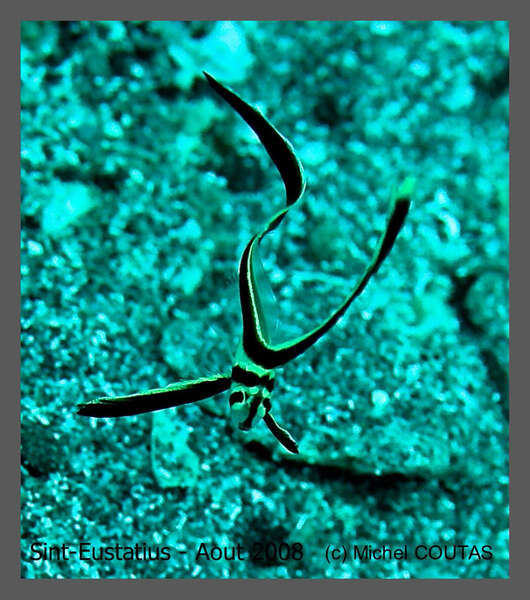
Equetus lanceolatus (Linnaeus, 1758) (Jack-knifefish)
Inhabits bays and sounds; also deep coral reefs . Juveniles sometimes inshore . Easily approached . Has been reared in captivity . Feeds mainly on small shrimps and crabs, but also on polychaete worms and gastropod mollusks .
Equetus punctatus (Bloch & Schneider, 1801) (Spooted drum)
Occurs primarily on coral reefs. Secretive and usually solitary, under ledges or near small caves . Often seen during the day around the bases of corals . Feeds at night on crabs, shrimps, and polychaetes. Easily approached . Has been reared in captivity .
Aetobatus narinari (Euphrasen, 1790) (Bishop ray)
Large groups of spotted eagle rays may be seen outside of the breeding season. These rays swim close to the surface and can occasionally be seen jumping clear out of the water (known as 'breaching') . Females give birth to...
Read More
Read More
Gnatholepis thompsoni Jordan, 1904 (goldspot goby)
Inhabits open sand, rock, and rubble areas. Often occurs with the bridled goby, Coryphopterus glaucofraenum. Feeds on organisms and organic material by taking sand into its mouth and expelling it through the gill openings, filtering out its food in the process .
Acropora cervicornis (Lamarck, 1816) (staghorn coral)
zooxanthellate
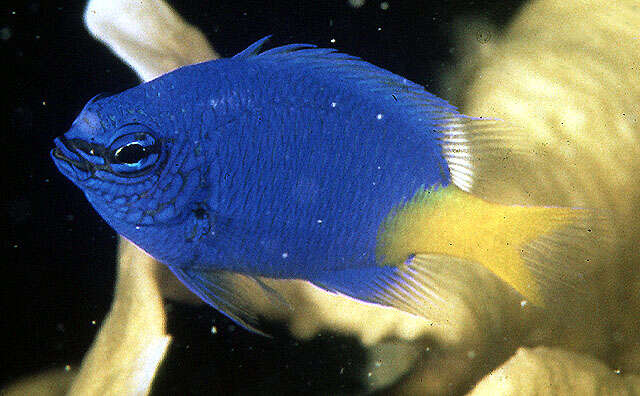
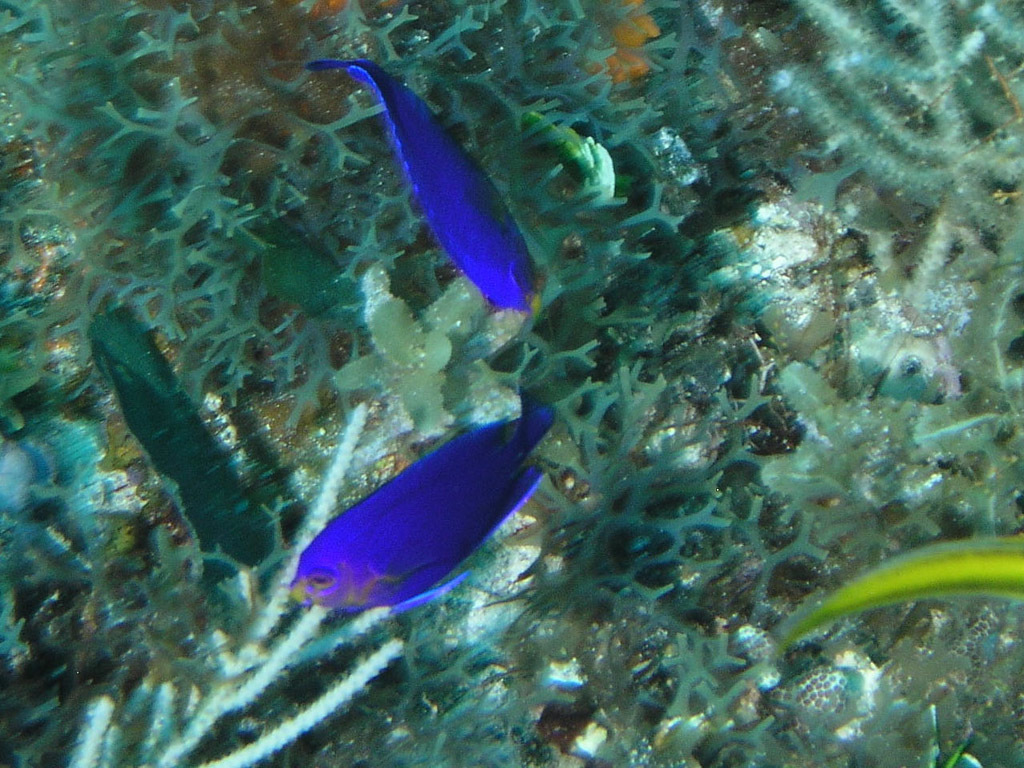
Chrysiptera parasema (Fowler, 1918) (Goldtail demoiselle)
Inhabits coral-rich areas of sheltered lagoon and inshore coral reefs . Occurs in small groups on Acropora patches .
Chromis cyanea (Poey, 1860) (blue chromis)
Common above deep outer reefs and feeds in aggregations of the small zooplankton, primarily copepods . Often with creole wrasse. Retreats into coral crevices when frightened .
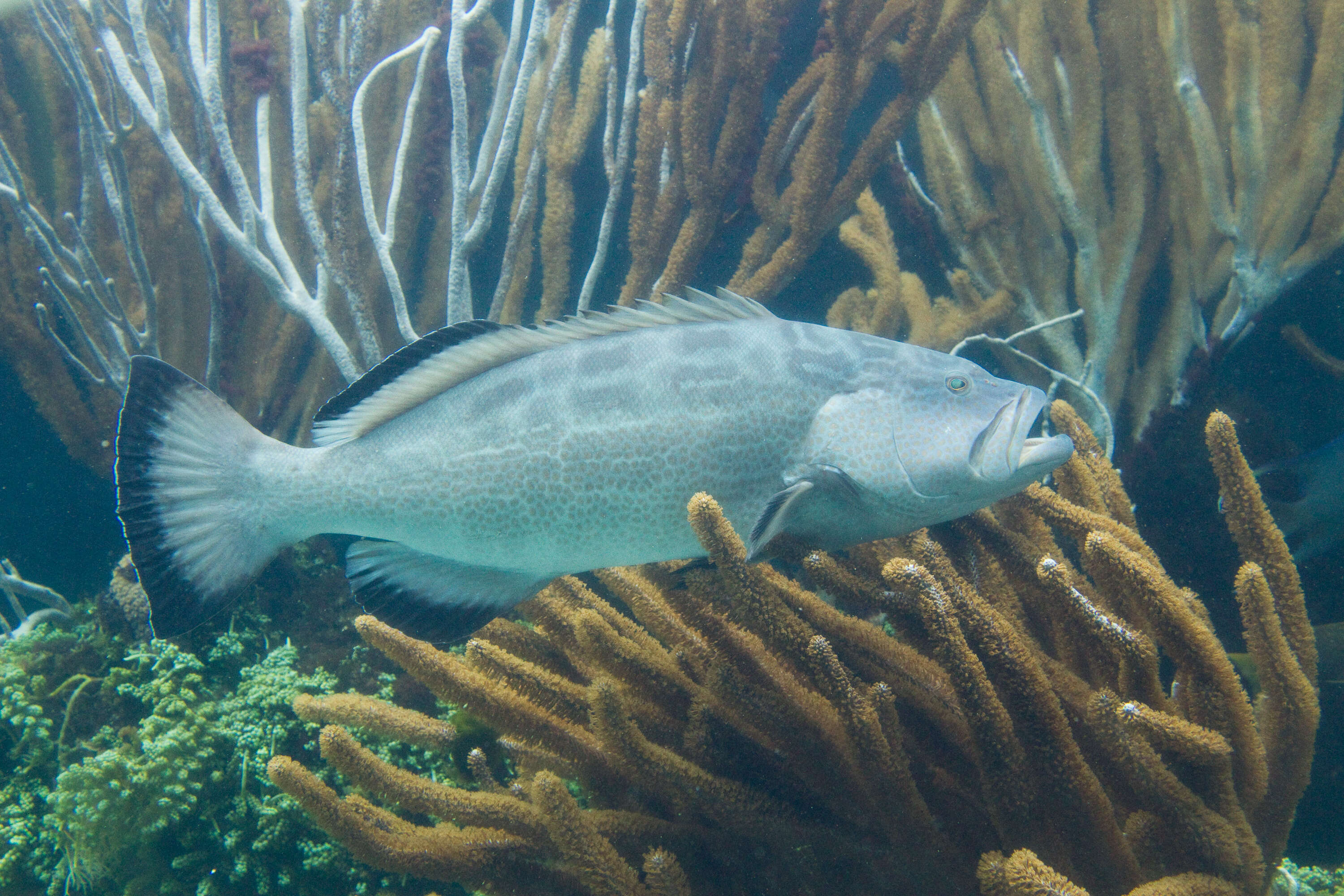
Mycteroperca bonaci (Poey, 1860) (Black gouper)
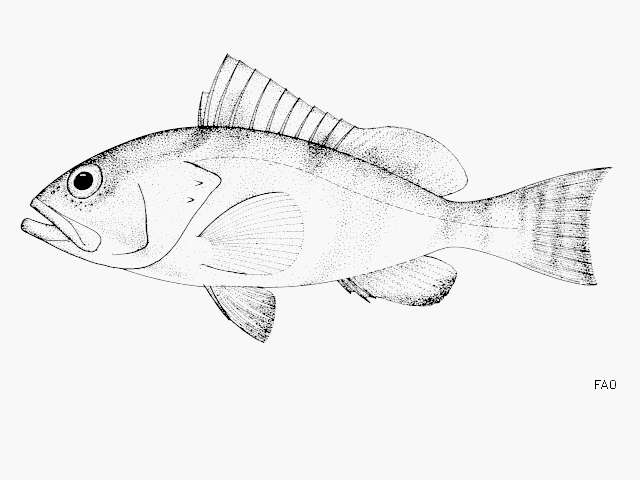
Epinephelus morio (Valenciennes, 1828) (Red grouper)
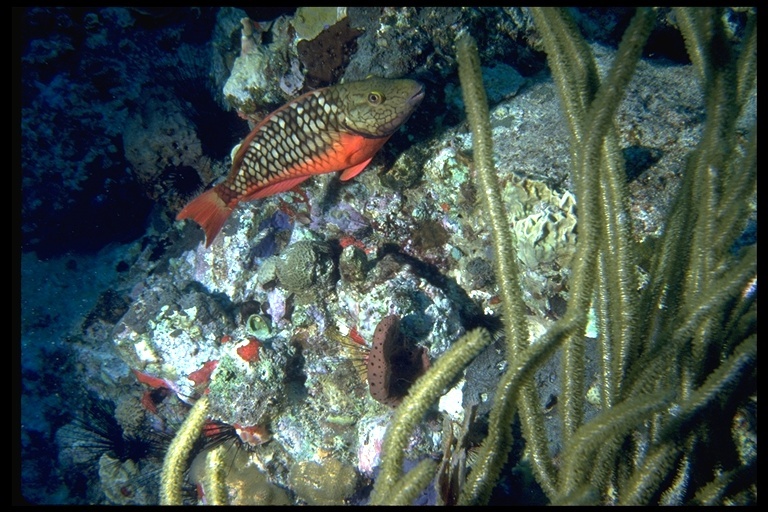
Sparisoma viride (Bonnaterre, 1788) (Dark green parrotfish)
Inhabits coral reefs with clear water . Young may be found in seagrass beds and other heavily vegetated bottoms. Feeds mainly on soft algae, but has been observed to graze on live corals like, Montastraea annularis . Pr...
Read More
Read More
Sparisoma chrysopterum (Bloch and Schneider, 1801) (Blisterside)
Occurs in coral reefs and adjacent habitats, the young especially in seagrass beds. Juveniles or primary-phase adults rapidly assume a mottled pattern with which they blend with the substratum when they come to rest on the bottom. Feeds on benthic algae and seagrasses.
Cryptotomus roseus Cope, 1871 (Manytooth parrotfish)
Inhabits seagrass beds and weedy areas with sand . Feeds on seagrasses . Buries in the sand to sleep in a mucus tube . Protogynous hermaphrodite .
Sepioteuthis sepioidea (Blainville, 1823) (Caribbean reef squid)
Aluterus scriptus (Osbeck, 1765) (Unicornfish)
Canthigaster rostrata (Bloch, 1786) (sharpnose puffer)
Inhabits reefs and marginal habitats such as seagrass beds . Diet consists of seagrass, sponges, crabs and other crustaceans, mollusks, polychaete worms, sea urchins, starfishes, hydroids and algae . Monogamous .
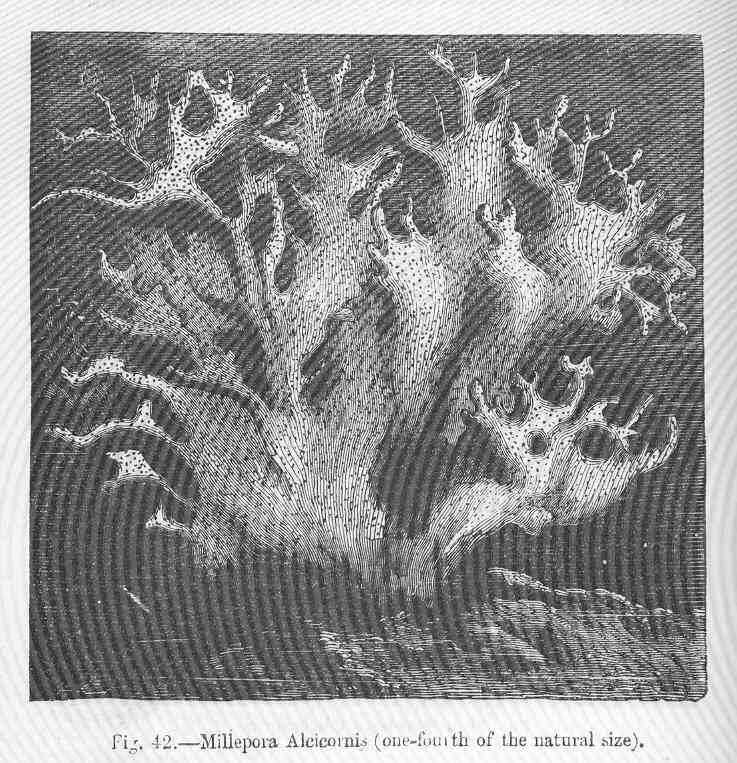
Millepora alcicornis Linnaeus, 1758 (fire coral)
colonial, calcareous skeleton
Pomacanthus paru (Bloch, 1787) (French angelfish)
Common in shallow reefs. Usually in pairs, often near sea fans . Feed on sponges, algae, bryozoans, zoantharians, gorgonians and tunicates . Oviparous , monogamous . Spawning pairs are strongly territorial, with usuall...
Read More
Read More
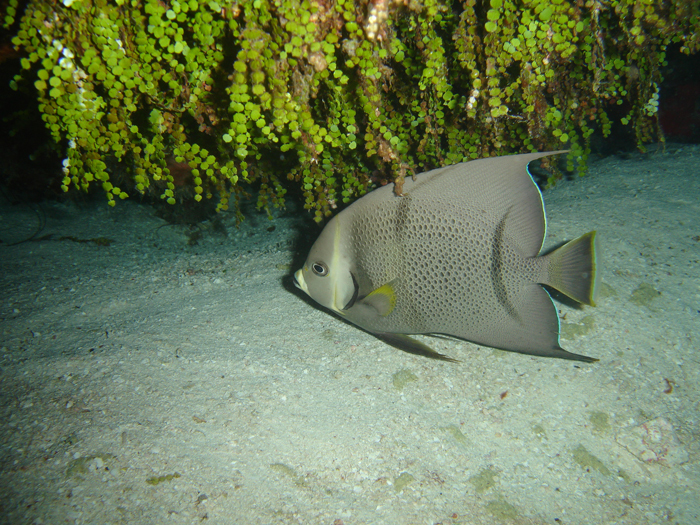
Pomacanthus arcuatus (Linnaeus, 1758) (Grey angelfish)
Common in coral reefs, usually solitary, occasionally in pairs. Juveniles are part-time cleaners. Feed mainly on sponges, but also takes tunicates, algae, zoantharians, gorgonians, hydroids, bryozoans, and seagrasses. O...
Read More
Read More
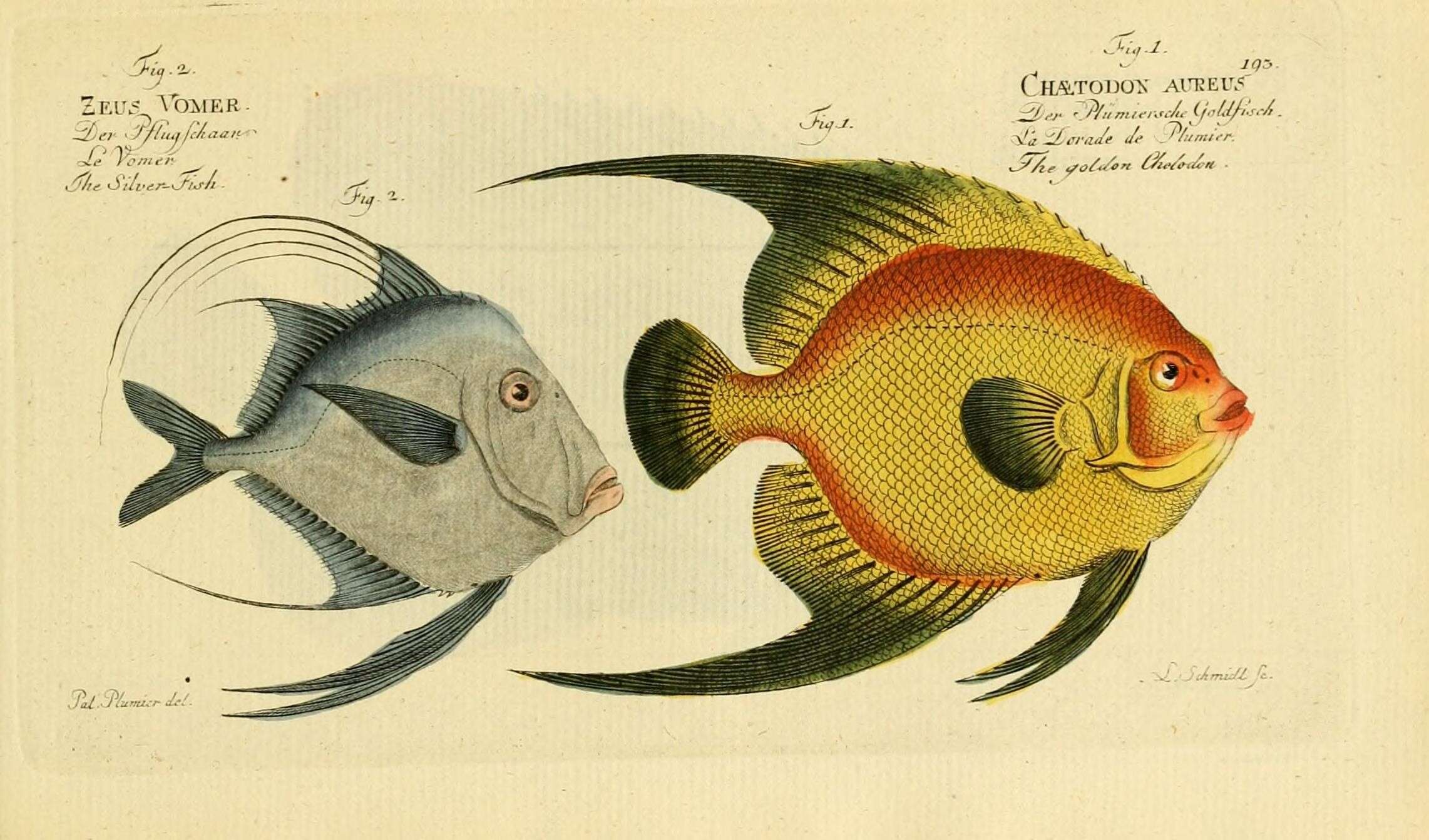
Holacanthus ciliaris (Linnaeus, 1758) (queen angelfish)
Found on coral reefs. Generally occurs solitarily or in pairs. Moves gracefully between seafans, seawhips, and corals . Stomach contents of 26 specimens indicate that the species feeds almost exclusively on sponges supp...
Read More
Read More
Centropyge argi Woods and Kanazawa, 1951 (Cherub pygmy angelfish)
Normally occurs in rubble areas. Feeds on various types of algae. Oviparous , monogamous . Retreats into holes when frightened . Has been reared in captivity .
Holacanthus tricolor (Bloch, 1795) (Angelfish)
Inhabits rock jetties, rocky reefs and rich coral areas. Juveniles often associated with fire corals . Feeds on tunicates, sponges, zoantharians and algae. Marketed fresh .
Opistognathus aurifrons (Jordan and Thompson, 1905) (yellowhead jawfish)
Inhabit burrows made of crushed coral or sand. Hovers vertically, above or near its hole. The male courts the female by swimming in an arched position with his fins spread towards her . Male broods the eggs orally . Has been reared in captivity .
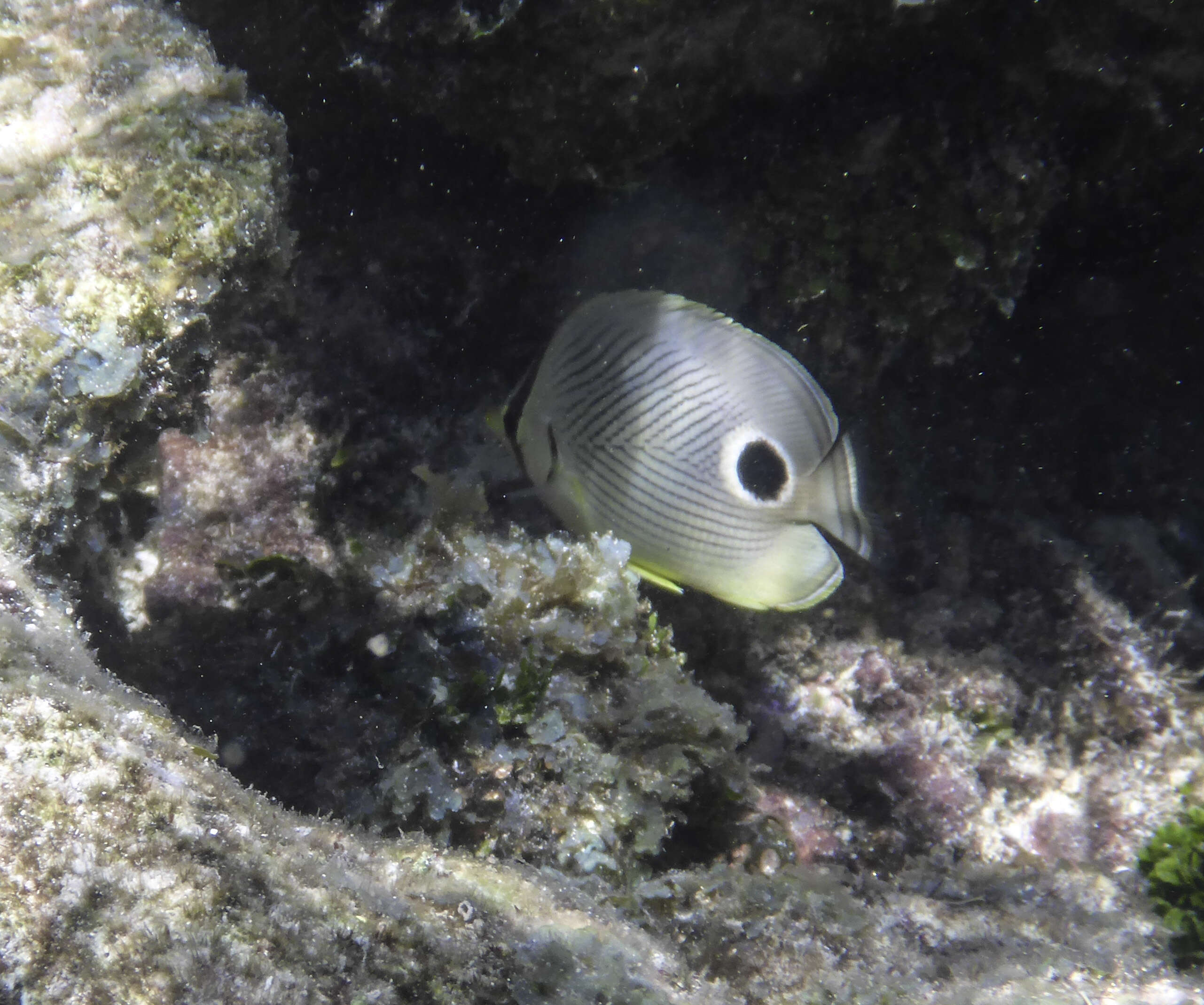
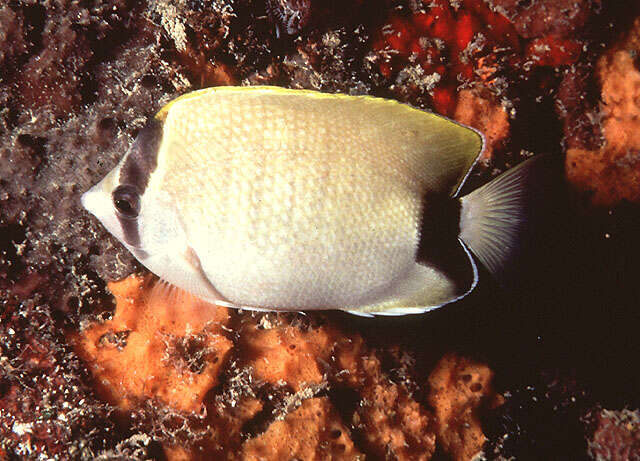
Chaetodon capistratus Linnaeus, 1758 (Butterbun)
Inhabit shallow reefs and generally occurs singly or in pairs. Feed mainly on zoantharians, polychaete worms, gorgonians and tunicates. Easily approached . Oviparous . Form pairs during breeding .
Chaetodon sedentarius Poey, 1860 (Butterbun)
Inhabit coral reefs. Prefer to feed on eggs of Abudefduf saxatilis but also on polychaete worms, shrimps, amphipods and hydroids. Oviparous . Form pairs during breeding .
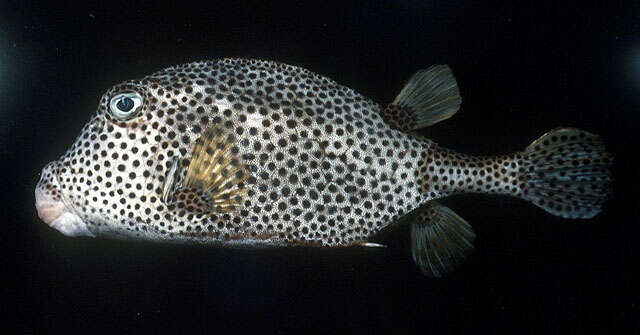
Lactophrys bicaudalis (Linnaeus, 1758) (Trunkfish)
Found in clear water around coral reefs. Sometimes under ledges and near small holes . Feeds on a variety of small bottom invertebrates such as mollusks, crustaceans, starfishes, sea urchins, sea cucumbers, sessile tunic...
Read More
Read More
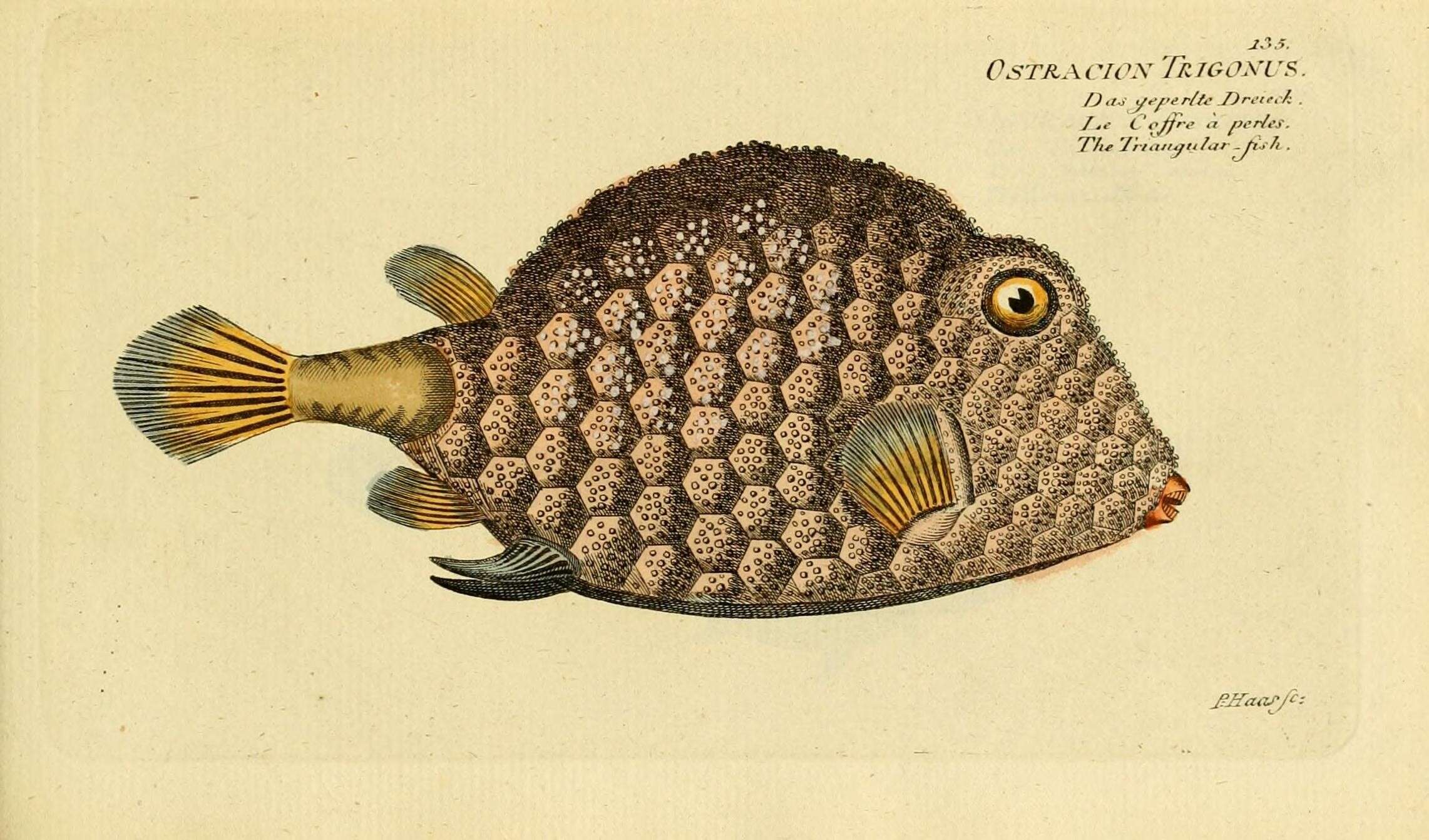
Lactophrys trigonus (Linnaeus, 1758) (Buffalo trunkfish)
Inhabits seagrass beds, coral rubble areas, and offshore reefs down to about 50 m. Feeds on a wide variety of small benthic invertebrates such as mollusks, crustaceans, worms and sessile tunicates, as well as some sea grasses . Highly esteemed food fish in the Caribbean .
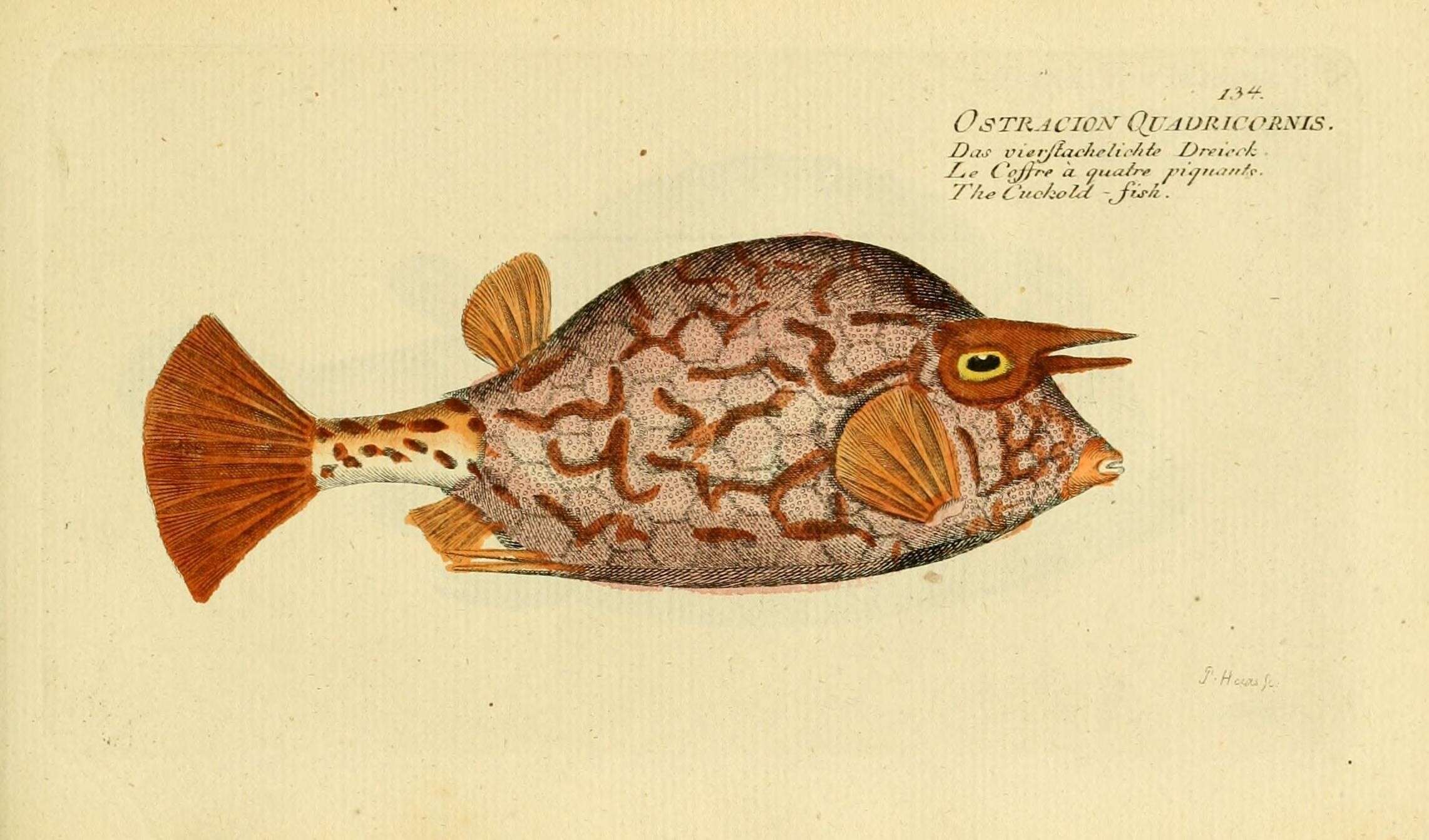
Acanthostracion quadricornis (Linnaeus, 1758) (Cowfish)
Found in shallow water down to about 80 m, mainly in seagrass beds . Feeds on sessile invertebrates such as tunicates, gorgonians and anemones, as well as on slow-moving crustaceans, sponges , hermit crabs and marine plants . Oviparous . Considered an excellent food fish; marketed fresh .
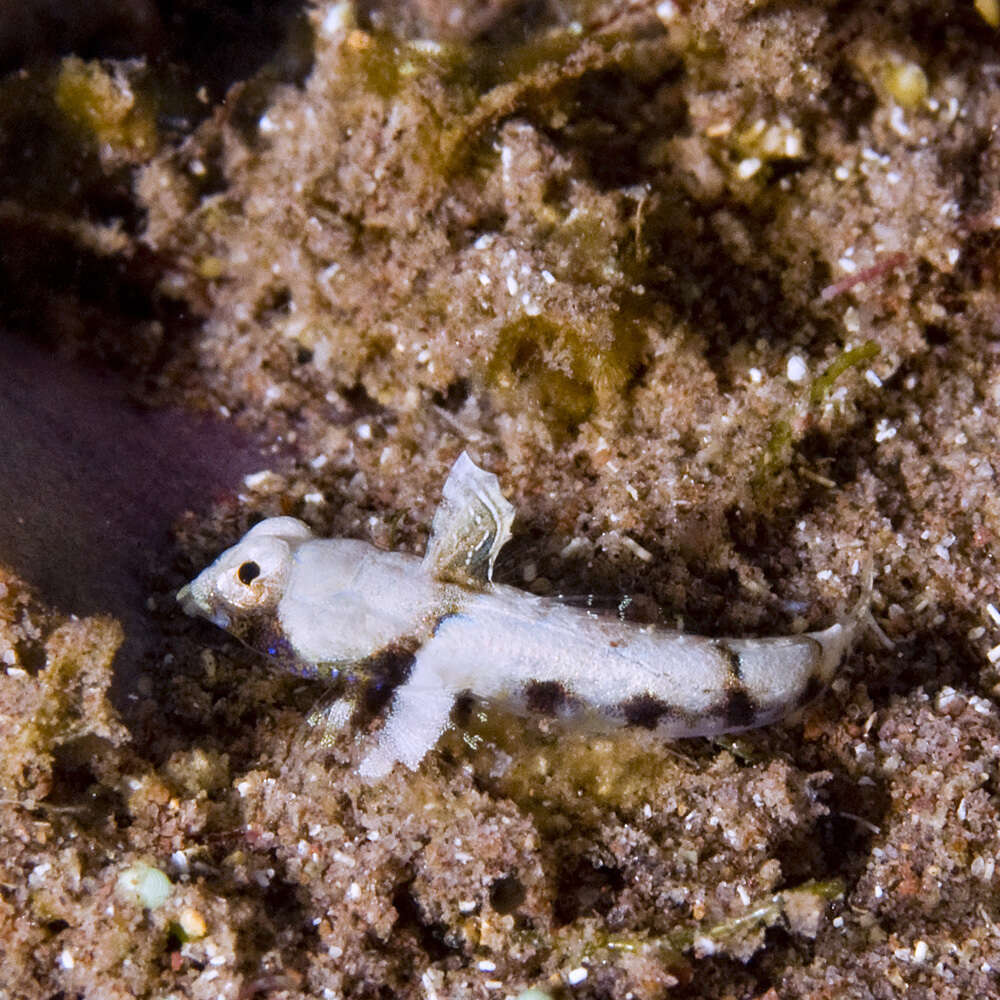
Callionymus bairdi Jordan, 1888 (Coral dragonet)
Inhabits shallow reefs, including Thalassia testudinum beds .
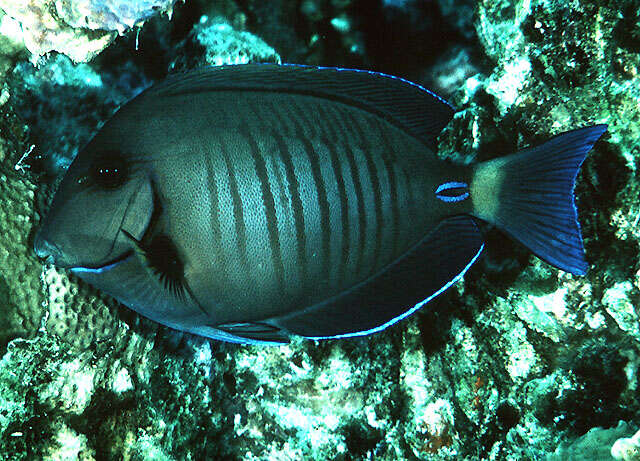
Acanthurus chirurgus (Bloch, 1787) (Black doctorfish)
Inhabits shallow reefs or rocky areas. Found in loose aggregations . Mainly diurnal. Ingests sand when feeding on algae . The spine on both sides of the caudal peduncle may inflict painful wounds . Minimum depth repor...
Read More
Read More
Acanthurus coeruleus Bloch and Schneider, 1801 (Blue tang surgeonfish)
Inhabits coral reefs, inshore grassy or rocky areas. Forms small groups . Mainly diurnal. Feeds entirely on algae . At Fernando de Noronha Archipelago in southwestern Atlantic, juveniles hold cleaning stations togeth...
Read More
Read More
Sphyraena guachancho Cuvier, 1829 (Guachanche barracuda)
Occurs in shallow and generally turbid coastal water over muddy bottoms, often around river estuaries. Schooling species . Feeds on mainly on fishes belonging to the Engraulidae, Clupeidae, Lutjanidae and Synodontidae fa...
Read More
Read More
Centropomus undecimalis (Bloch, 1792) (Seargent fish)
Inhabits coastal waters, estuaries and lagoons, penetrating into freshwater; usually at depths less than 20 m . Feeds on fishes and crustaceans . Congregates at mouths of passes and rivers during the spawning season, M...
Read More
Read More
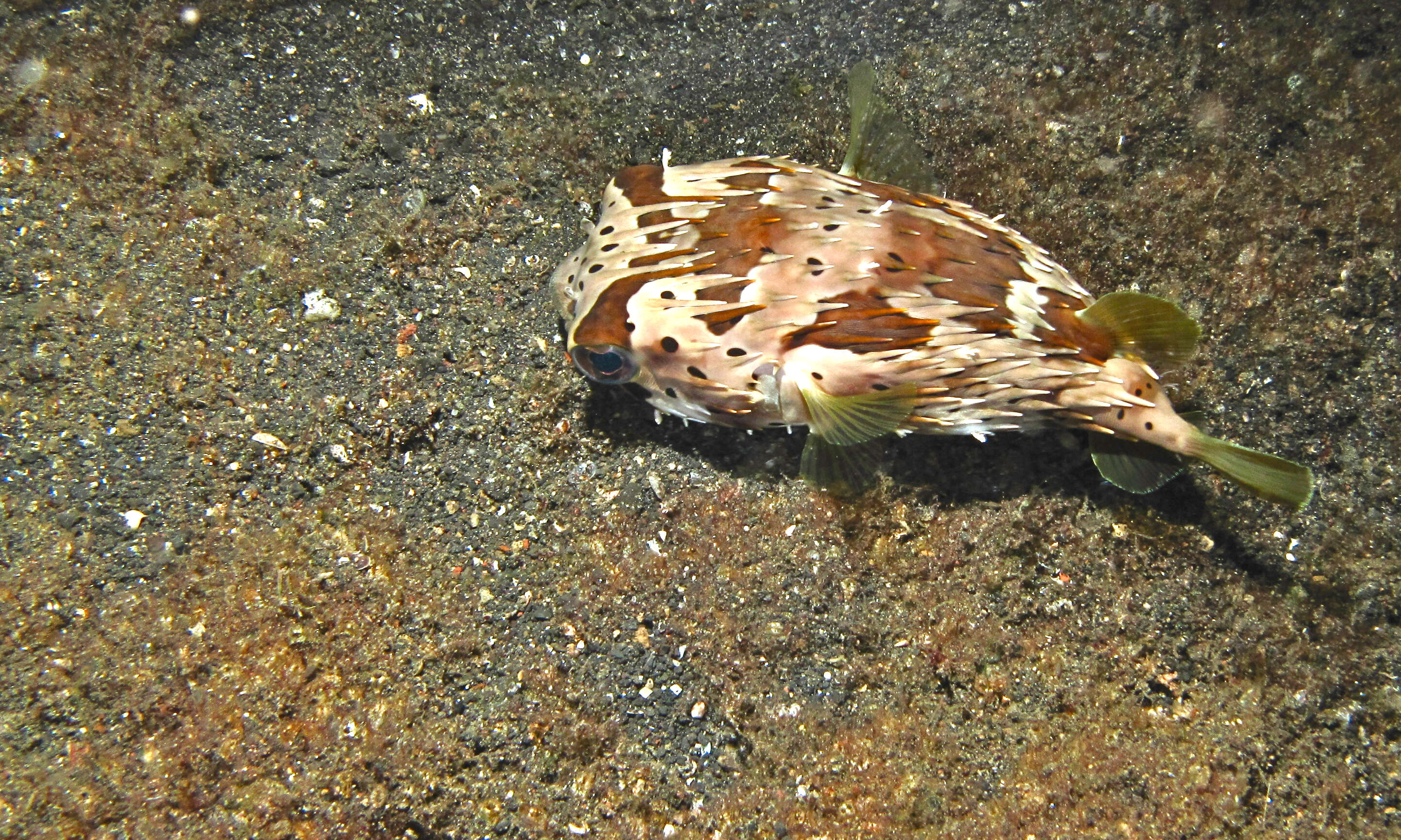
Diodon holocanthus Linnaeus, 1758 (Long-spine porcupinefish)
Megalops atlanticus Valenciennes, 1847 (Atlantic tarpon)
Amblycirrhitus pinos (Mowbray, 1927) (Grannyfish)
Moderately common in rocky areas and among rubble, often in crevices and shallow caves. Usually lies at rest on the substrate . Feeds primarily on small crustaceans, particularly copepods, shrimps and shrimp larvae, crabs and crab larvae as well as polychaetes .
Caretta caretta Linnaeus 1758 (Loggerhead Turtle)
Adults are primarily carnivorous, using their powerful jaws to crack open crustaceans such as crabs and even seemingly impenetrable molluscs such as the queen conch (Strombus gigas) and giant clam (Tridacna s...
Read More
Read More
Chaetodipterus faber (Broussonet, 1782) (Atlantic spadefish)
Abundant in shallow coastal waters, from mangroves and sandy beaches to wrecks and harbors. Juveniles are common in estuaries and often found in very shallow water swimming at an angle resembling dead leaves or as infert...
Read More
Read More
Share on Social Networks
- Facebook:

personalize your shared text as well as its destination (wall, page...) or send as a private message to a friend
- Twitter: Tweet personalize your tweet
- Google Plus:
Direct link to this dive
- Long link:
- Short link:


 We are participating today in the startup contest Techcrunch Disrupt. Support Diveboard by voting for us!
























































































Another beach dive out of Porto Mari. I dove with Walter, a dive master from Porto Mari Sports. It was a decent dive to the left side of The Valley from the beach.
Walter hunted Lion Fish while a observed him and the reef.
I was overweighted and should have been at 4 lbs. I did get lower on air than I would have liked on this dive. I notified Walter of the 1/2 tank and turn around, but he grabbed a few more lion fish.
The reef was beautiful, but I liked the previous dive in this spot more along the right side of the valley.