


 Michael Colligon

 United States
-
Nº1
 Date: 2014-11-08 - 10:24
-
 Max Depth: 34.5m Duration: 31mins
Pictures

No pictures for this dive
- Temp: Surf 20°C Bottom 18°C
Specific gear used
- Cylinder: Luxfer - HP120
- BCD: Scubapro - Glide Plus
- Camera: GoPro - 3+ Black
- Computer: Oceanic - Pro Plus 2
- Fins: Scubapro - Twinjet
- Regulator: ScubaPro - Mk 25
- Regulator: ScubaPro - S600
- Regulator: ScubaPro - Air 2
- Wet suit: Henderson - 7/5 mm Hyperstretch Titanium
Recent Divers in Morehead City
Dive Shop & Buddies
 Dive with Jim Mc Neil from Olympus Dive Center

Link to this spot:
- Spot:
- Country:
- Area:
- Body of water:
Dive Profile
- 1. Nitrox 30
- 0L Steel 200 → 50 bar
- Average depth: m
- 2. Air
- 0L Steel 200 → 50 bar
- Average depth: m
- 3. Air
- 0L Steel 200 → 50 bar
- Average depth: 22m
Data provided by EOL.org

Species Identified
Gymnothorax moringa (Cuvier, 1829) (Common conger)
A benthic and solitary species abundant in shallow rocky and grassy areas and on coral reefs; less common in turbid bays or harbors. Its bite is very dangerous . Active during the day, sometimes together with other pred...
Read More
Read More
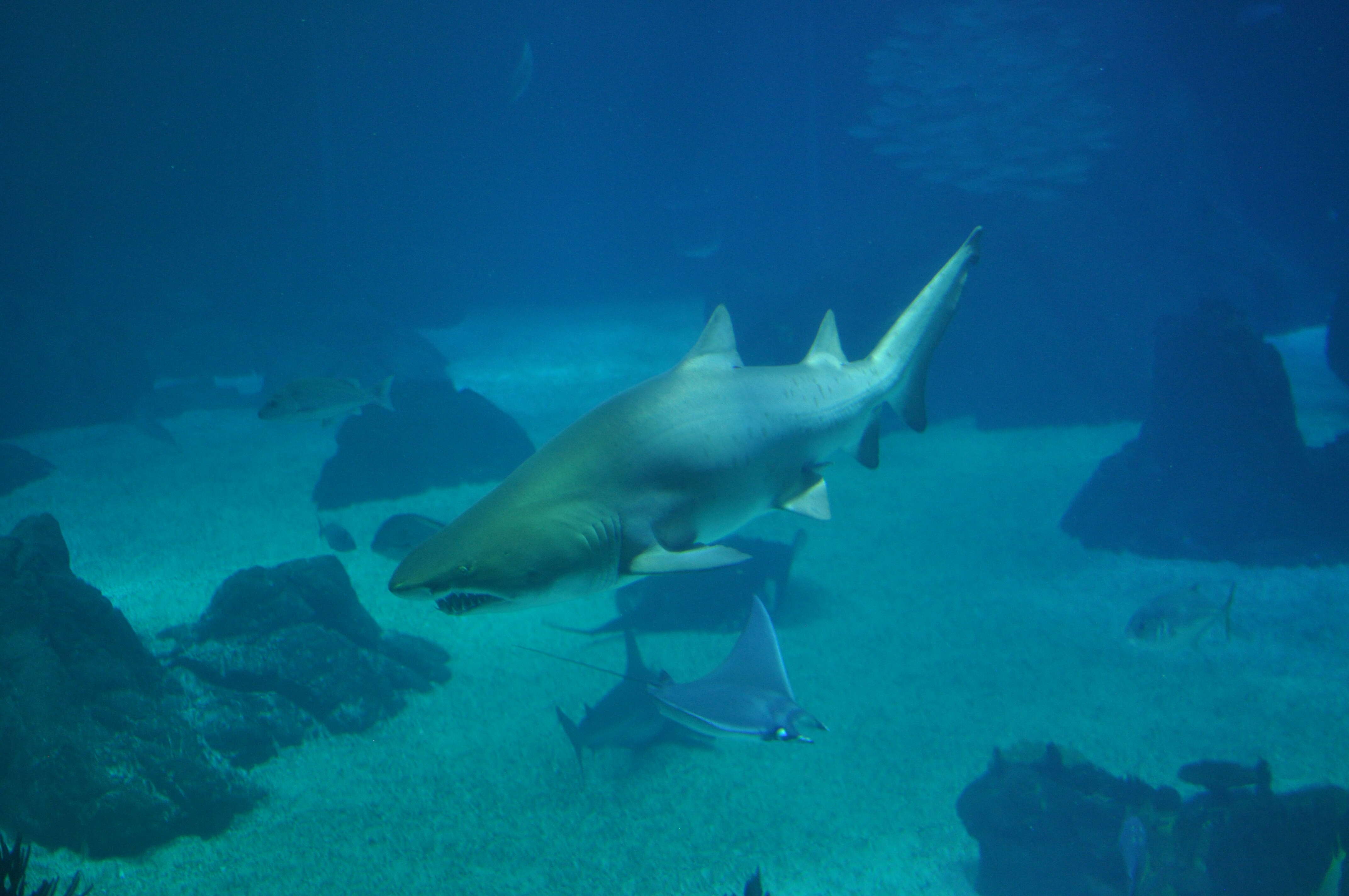
Carcharias taurus Rafinesque, 1810 (sand tiger shark)
The sand tiger shark is one of the best-studied of the shark species. They are the only sharks known to gulp air at the surface and store it in their stomach to provide buoyancy . These sharks generally mate between Octobe...
Read More
Read More
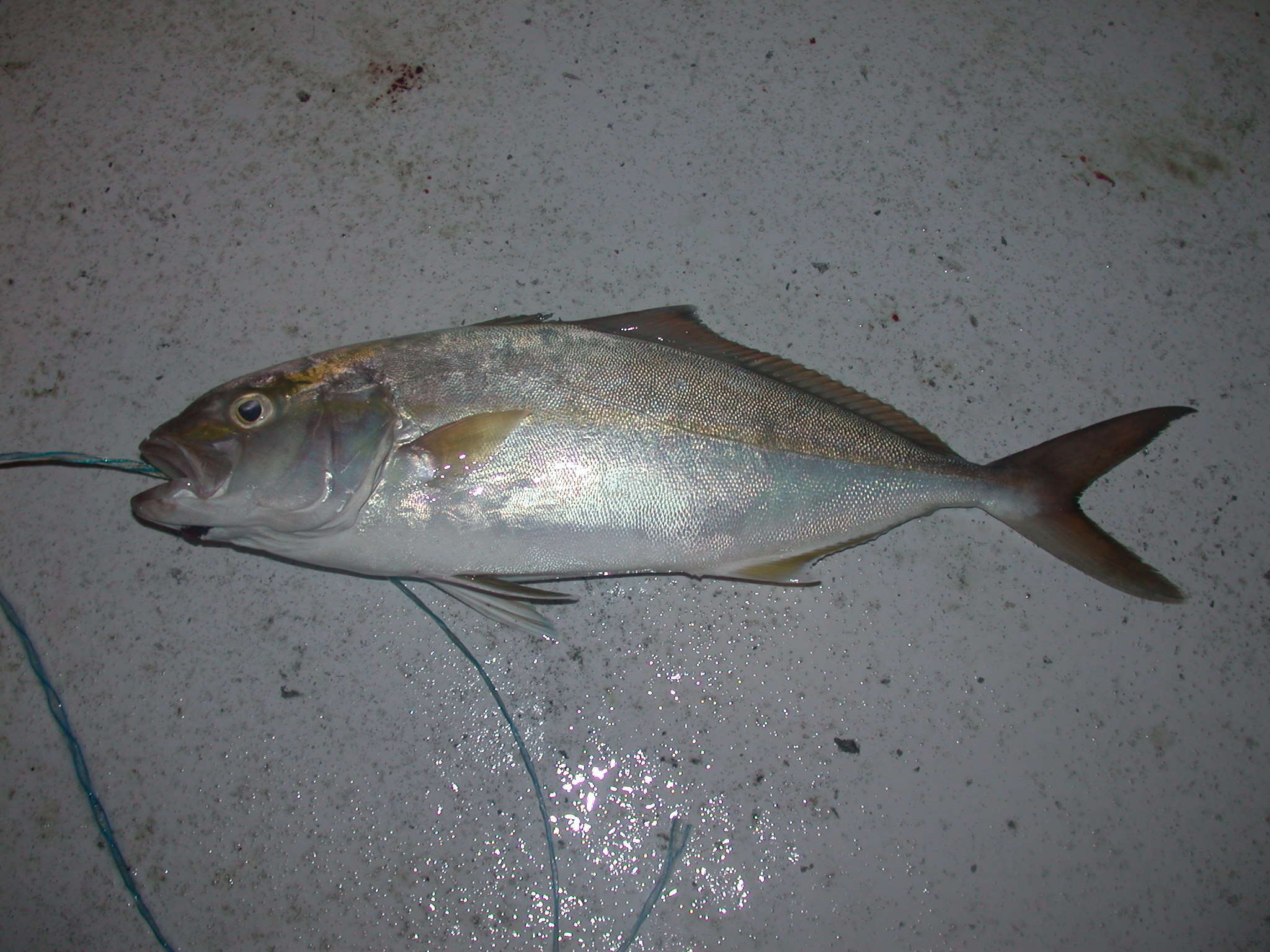
Seriola fasciata (Bloch, 1793) (Amberjack)
Coastal pelagic or demersal . Smaller juveniles epipelagic in oceanic or offshore neritic waters. Feed on squids and fishes . Eggs are pelagic .
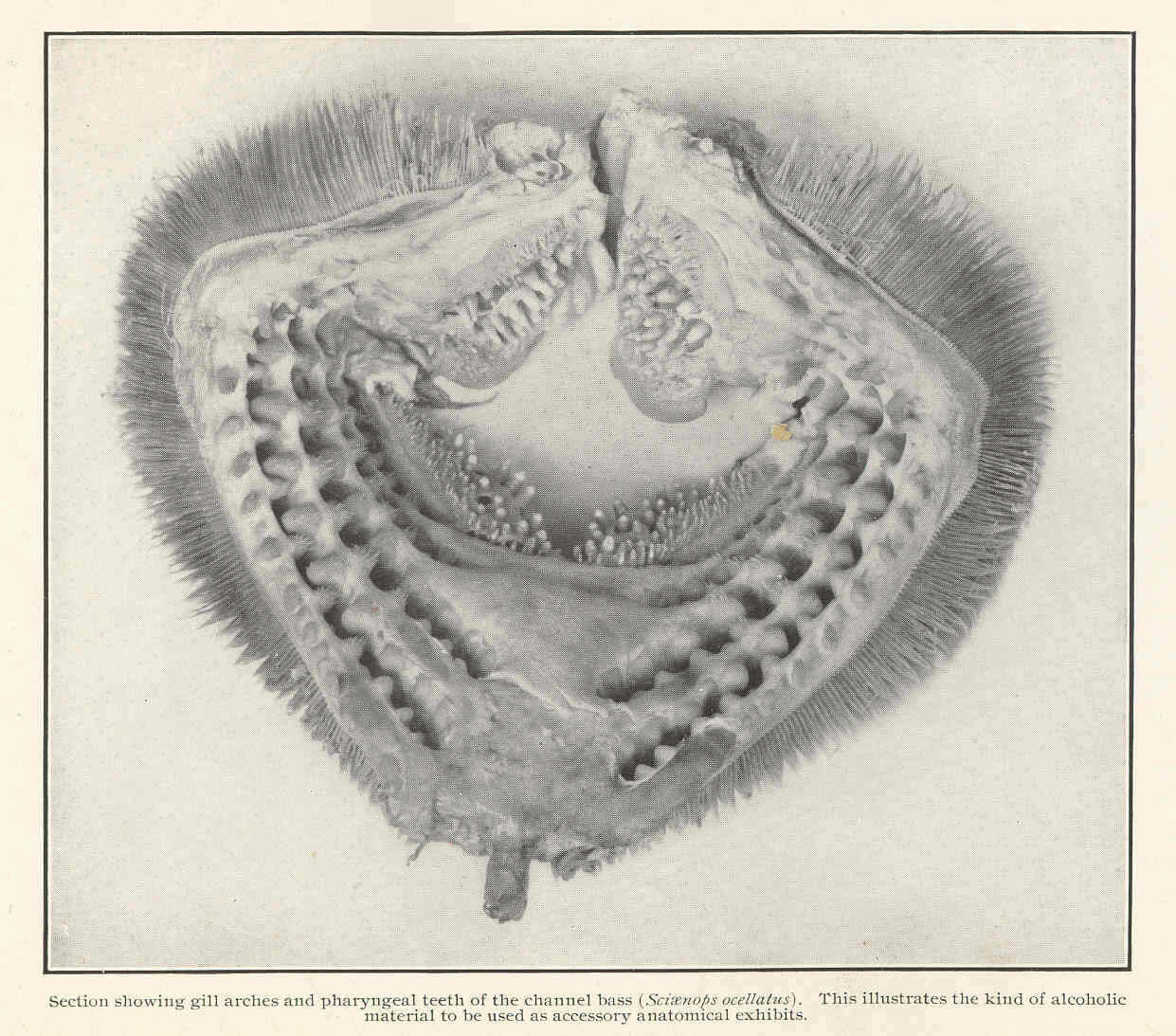
Sciaenops ocellatus (Linnaeus, 1766) (red drum)
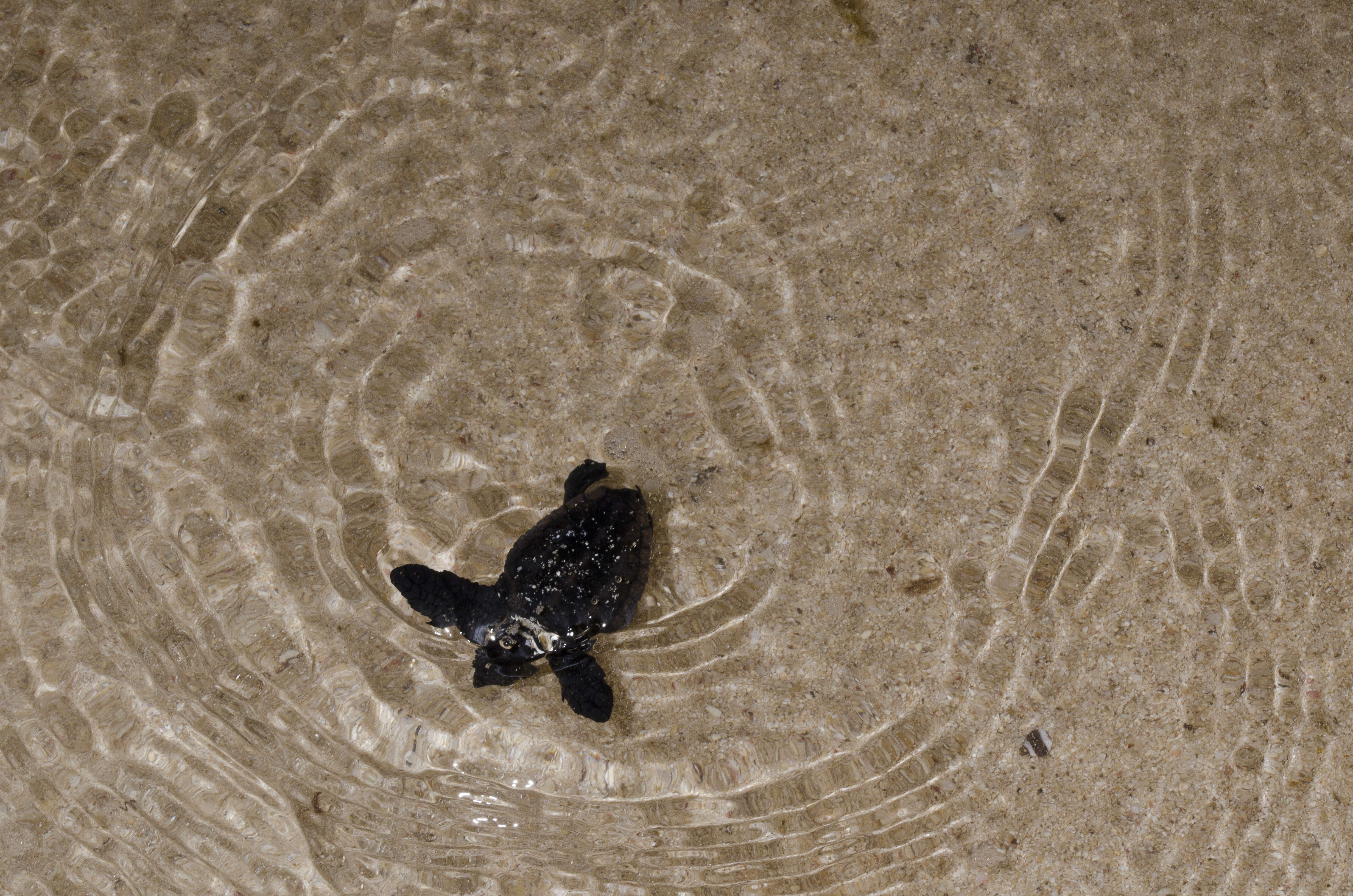
Caretta caretta Linnaeus 1758 (Loggerhead Turtle)
Adults are primarily carnivorous, using their powerful jaws to crack open crustaceans such as crabs and even seemingly impenetrable molluscs such as the queen conch (Strombus gigas) and giant clam (Tridacna s...
Read More
Read More
Sphyraena barracuda (Edwards, 1771) (Alho)
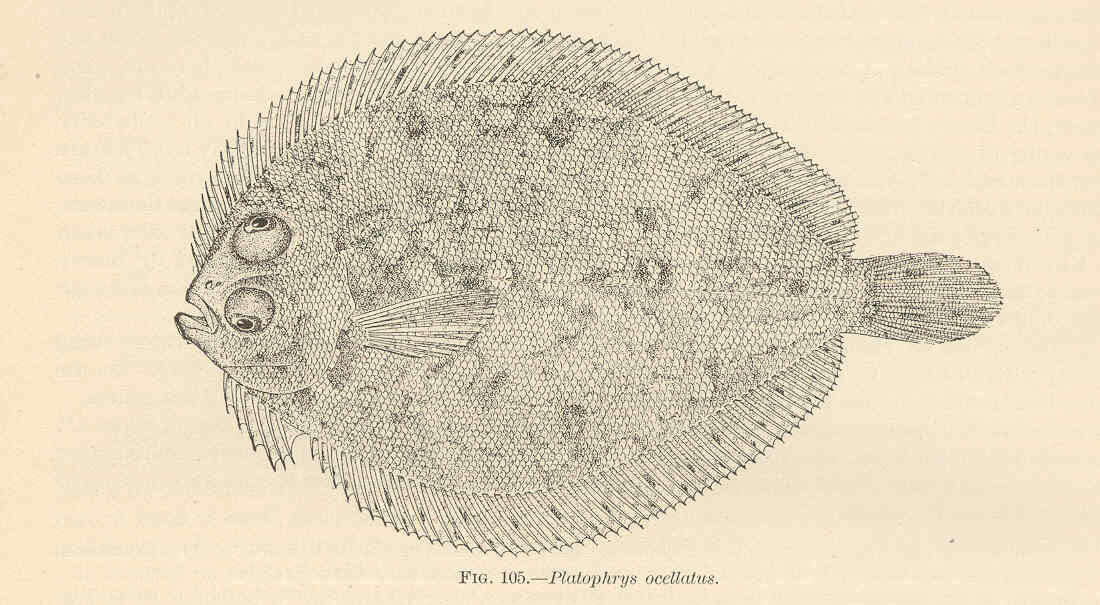
Bothus ocellatus (Agassiz, 1831) (Flounder)
Inhabits sandy areas with coral rubble or seagrasses, usually near patch reefs . Shallow coastal waters to depths of 110 m . Lies motionless on the bottom, moving only when frightened . Larvae are attracted to lights at...
Read More
Read More
Share on Social Networks
- Facebook:

personalize your shared text as well as its destination (wall, page...) or send as a private message to a friend
- Twitter: Tweet personalize your tweet
- Google Plus:
Direct link to this dive
- Long link:
- Short link:


 We are participating today in the startup contest Techcrunch Disrupt. Support Diveboard by voting for us!
























































































