


 Michael Colligon

 Mexico
-
Nº88
 Date: 2016-03-30 - 11:05
-
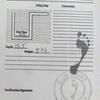
 Max Depth: 27.4m Duration: 34mins
Pictures

No pictures for this dive
- Temp: Surf 29°C Bottom 27°C
- Dive type : Recreational, Drift, Reef
- Visibility: Good Water: Salt
Specific gear used
- BCD: Zeagle - Ranger LTD
- Camera: GoPro - 4 Black
- Computer: Oceanic - Pro Plus 2
- Computer: Tabata / Tusa - iQx910
- Fins: Scubapro - Twinjet
- Other: Nautilus - Lifeline
- Regulator: Oceanic - ZEO
- Regulator: Zeagle - OctoZ
- Wet suit: Henderson - 3mm Hyperstretch Titanium
- Weights: 5.4 kg
Dive reviews
| Overall review | ||
| Dive difficulty | ||
| Marine life quality |
Recent Divers in Cozumel


Recent Pictures in Cozumel
Dive Shop & Buddies
 Dive with Marriano from Aqua Safari

Link to this spot:
- Spot:
- Country:
- Area:
- Body of water:
Dive Profile
- 1. Air
- 12L Aluminium 207 → 28 bar
- Average depth: 15.4m
Data provided by EOL.org


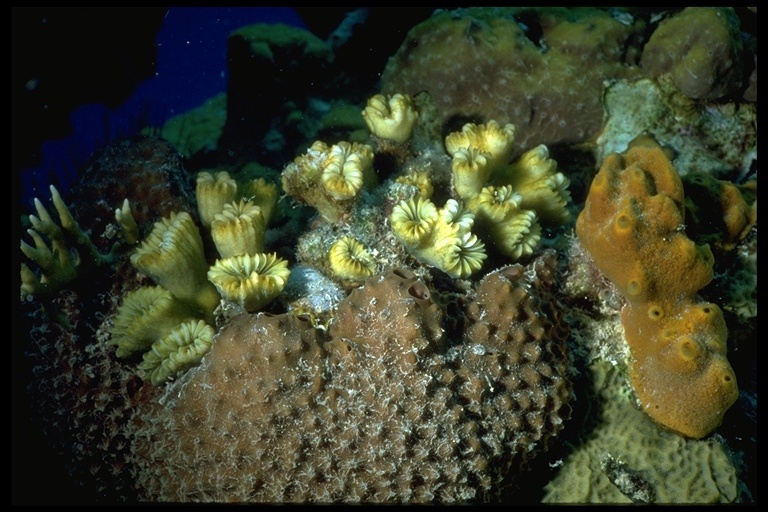
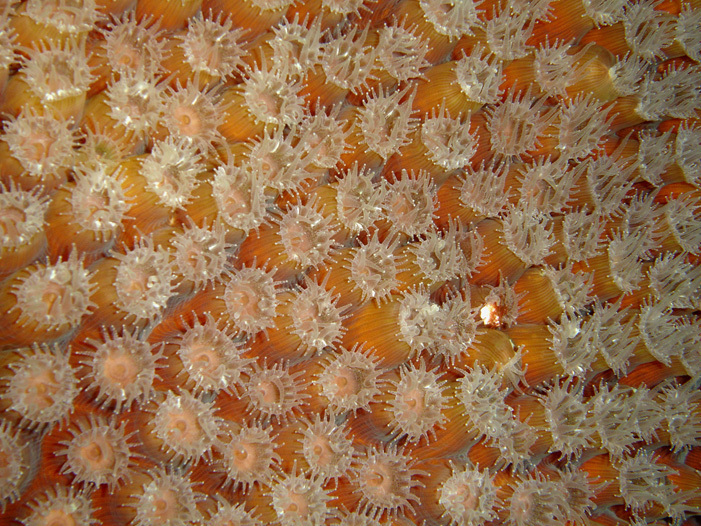
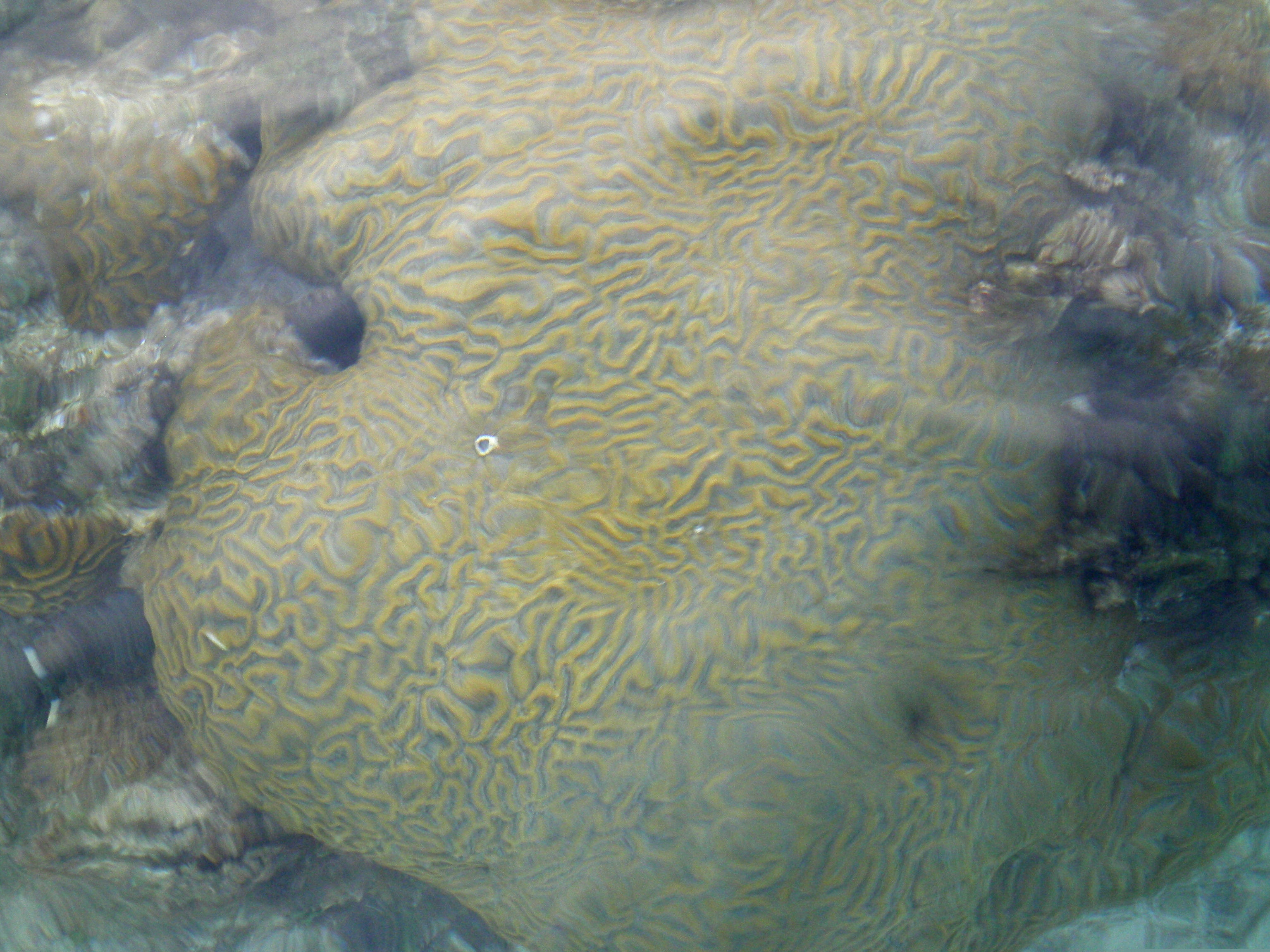
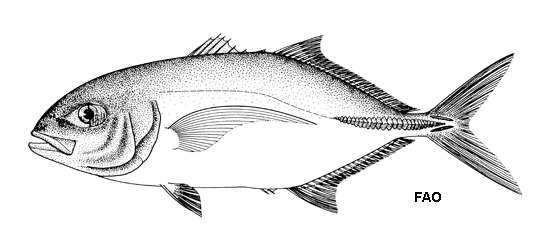


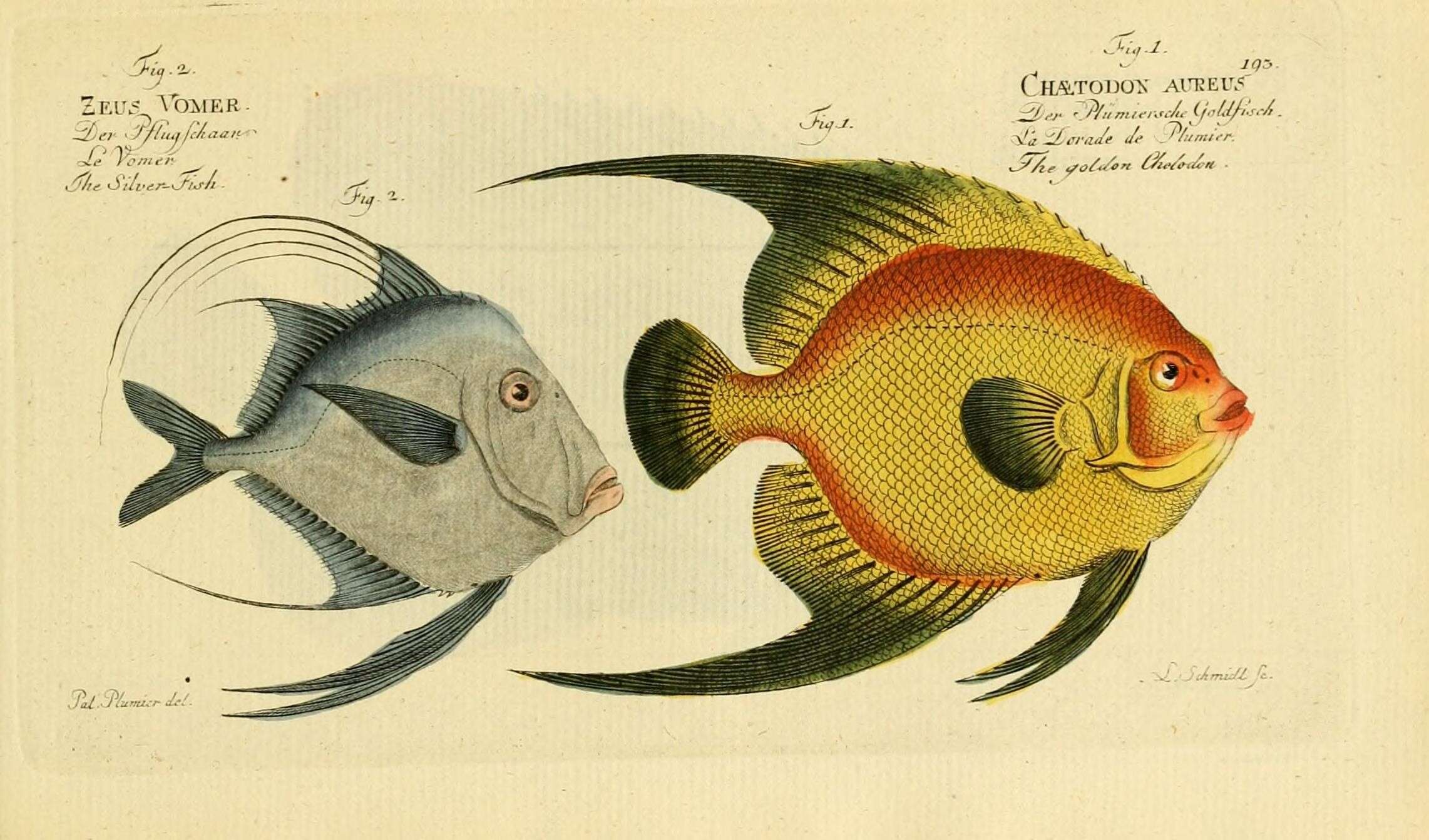

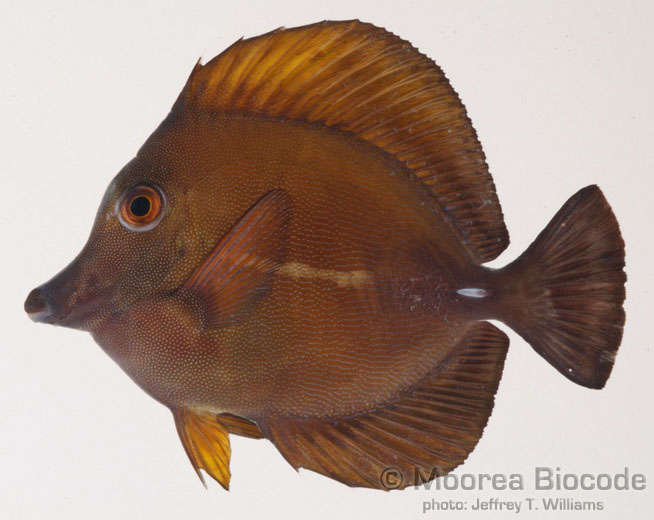
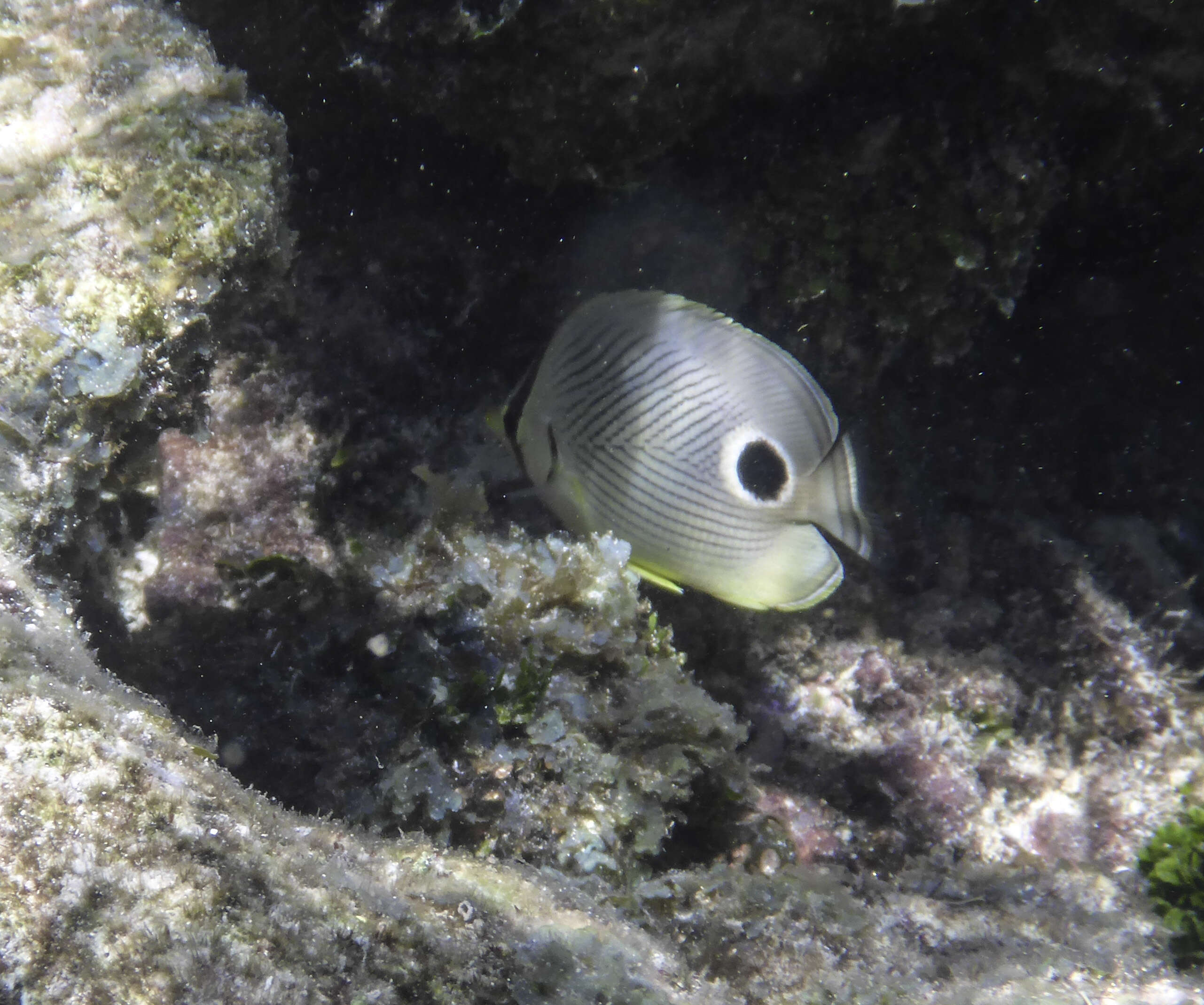
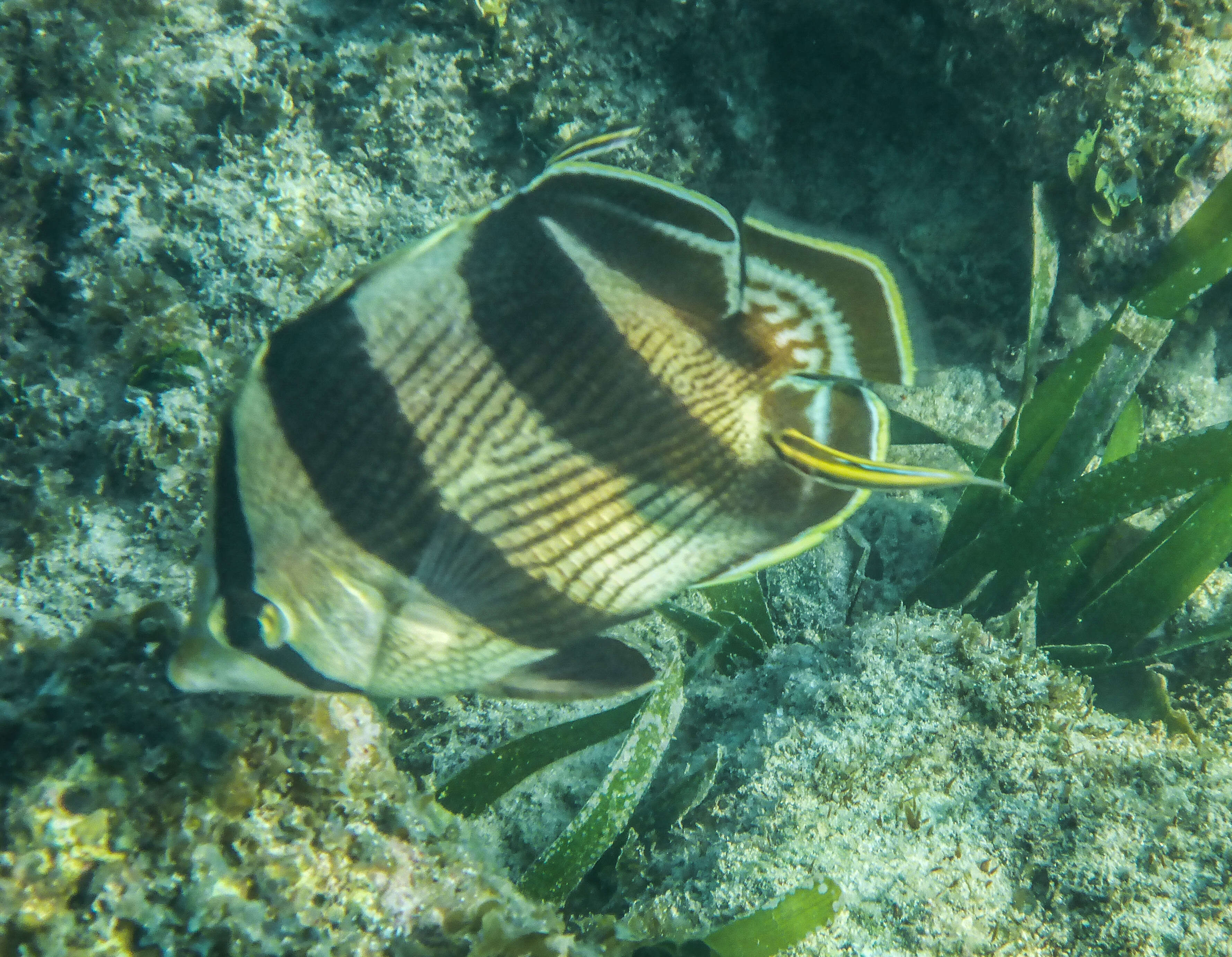

Species Identified
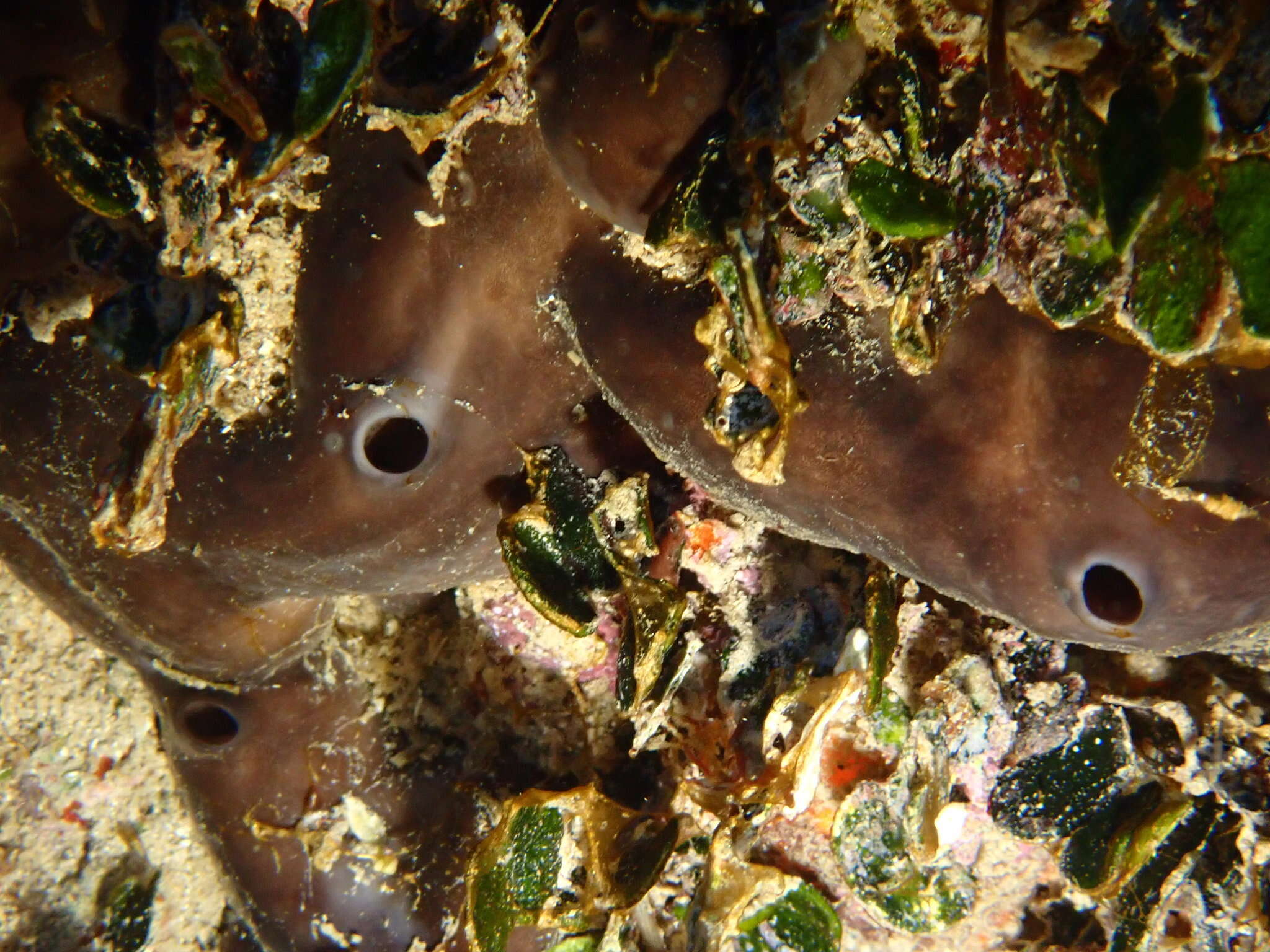
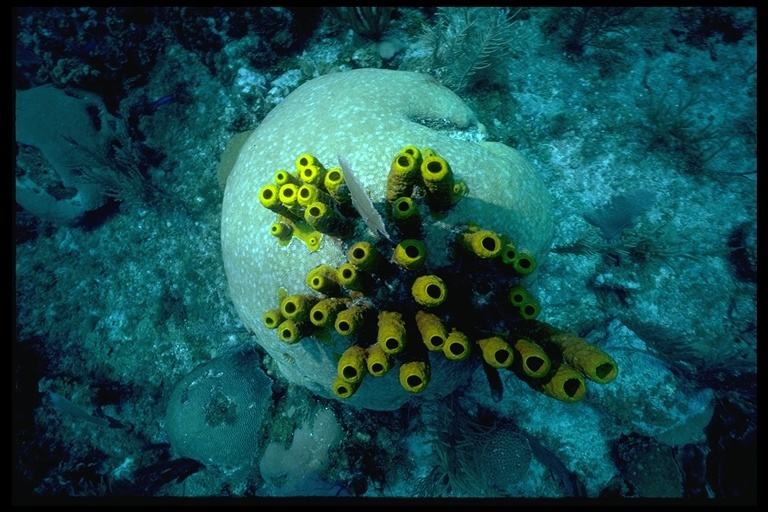
Chondrosia reniformis Nardo, 1847
Terpios fugax Duchassaing & Michelotti 1864
Aplysina fistularis (Pallas, 1766)
Ircinia felix (Duchassaing & Michelotti 1864)
Ginglymostoma cirratum (Bonnaterre, 1788) (Nurse shark)
During the day the nurse shark is a sluggish animal, spending most of its time resting on sandy bottoms, or in crevices in rocks and coral reefs. Often several nurse sharks may congregate when resting, sometimes even pili...
Read More
Read More
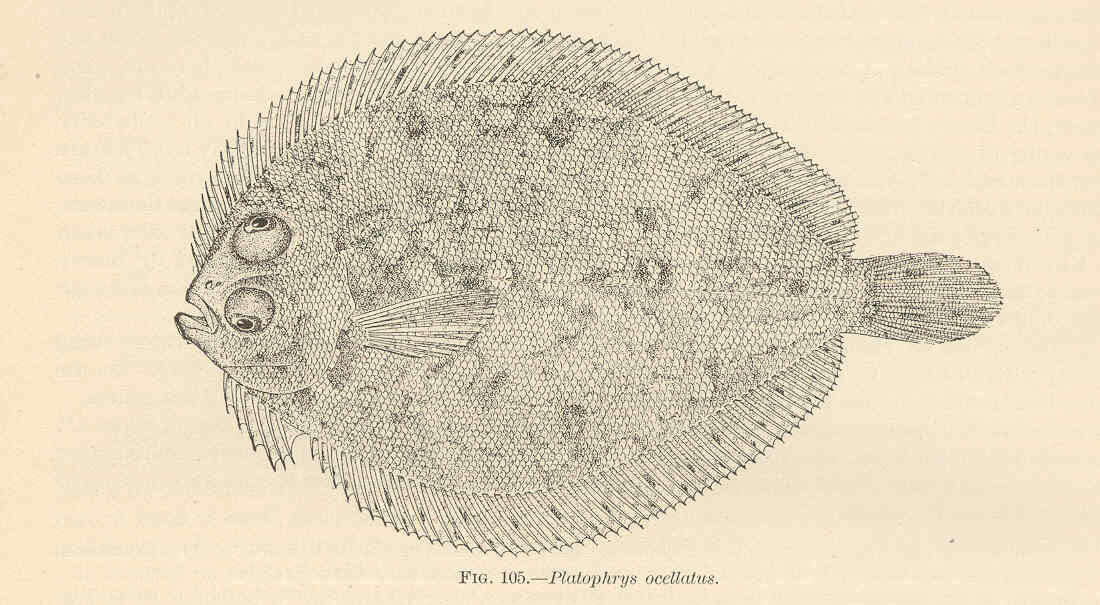
Bothus ocellatus (Agassiz, 1831) (Flounder)
Inhabits sandy areas with coral rubble or seagrasses, usually near patch reefs . Shallow coastal waters to depths of 110 m . Lies motionless on the bottom, moving only when frightened . Larvae are attracted to lights at...
Read More
Read More
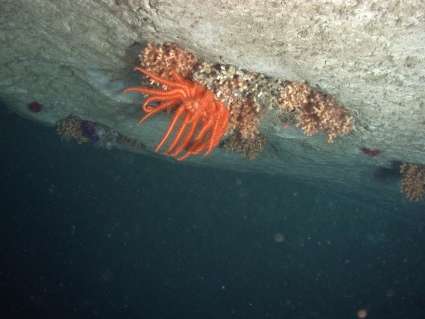
Solenosmilia variabilis Duncan, 1873
azooxanthellate
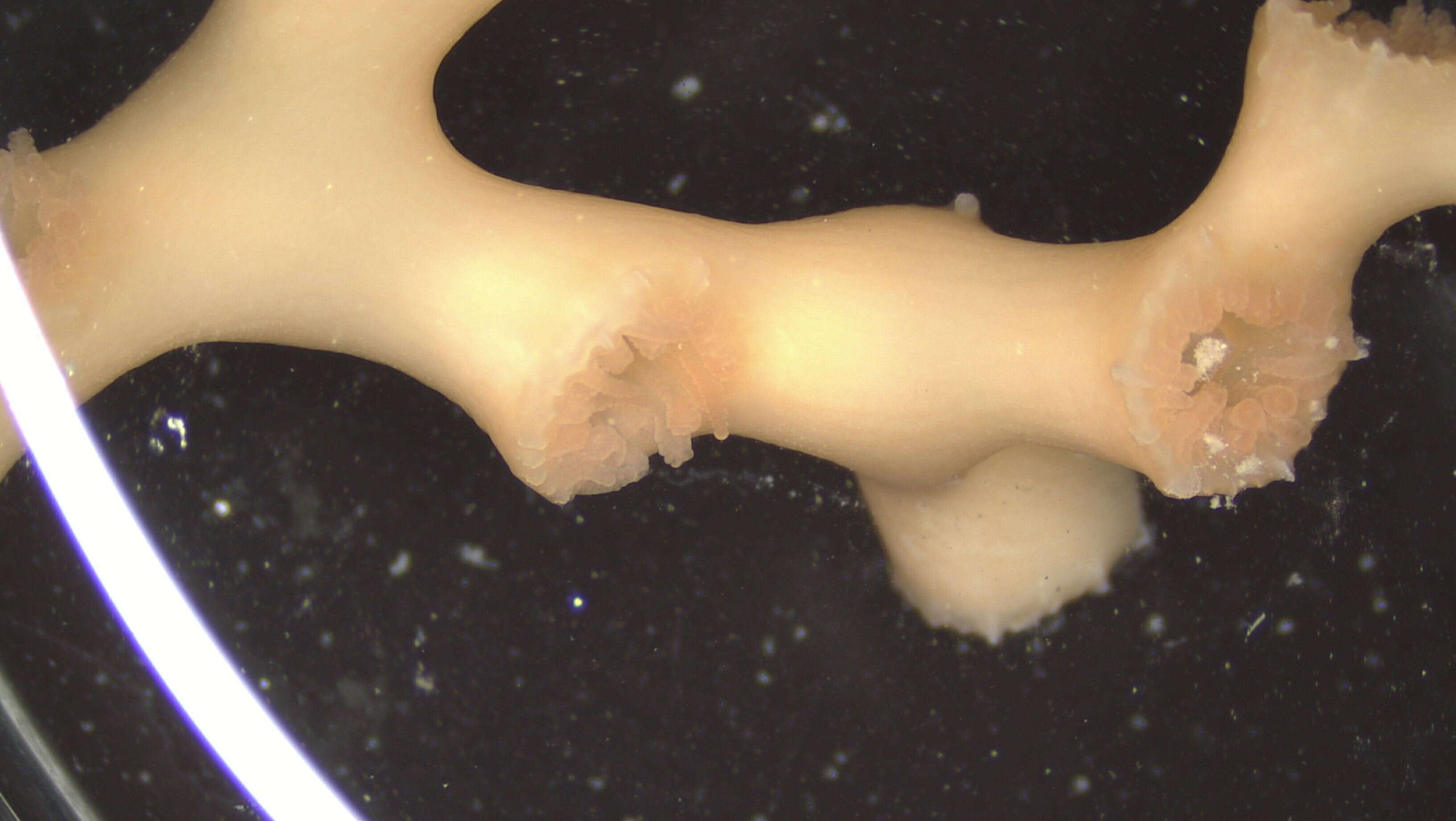
Madrepora oculata Linnaeus, 1758 (sikksakkorall)
azooxanthellate
Scorpaena plumieri Bloch, 1789 (Spotted scorpionfish)
Found mostly in shallow coral reef and rocky areas. Lies motionless on the bottom . Feeds mostly on other fishes and crustaceans. Moderately common below about 5 m depth to at least 55 m. Displays characteristic bright...
Read More
Read More
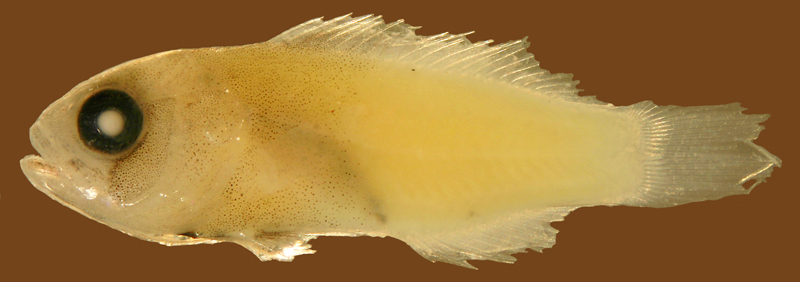
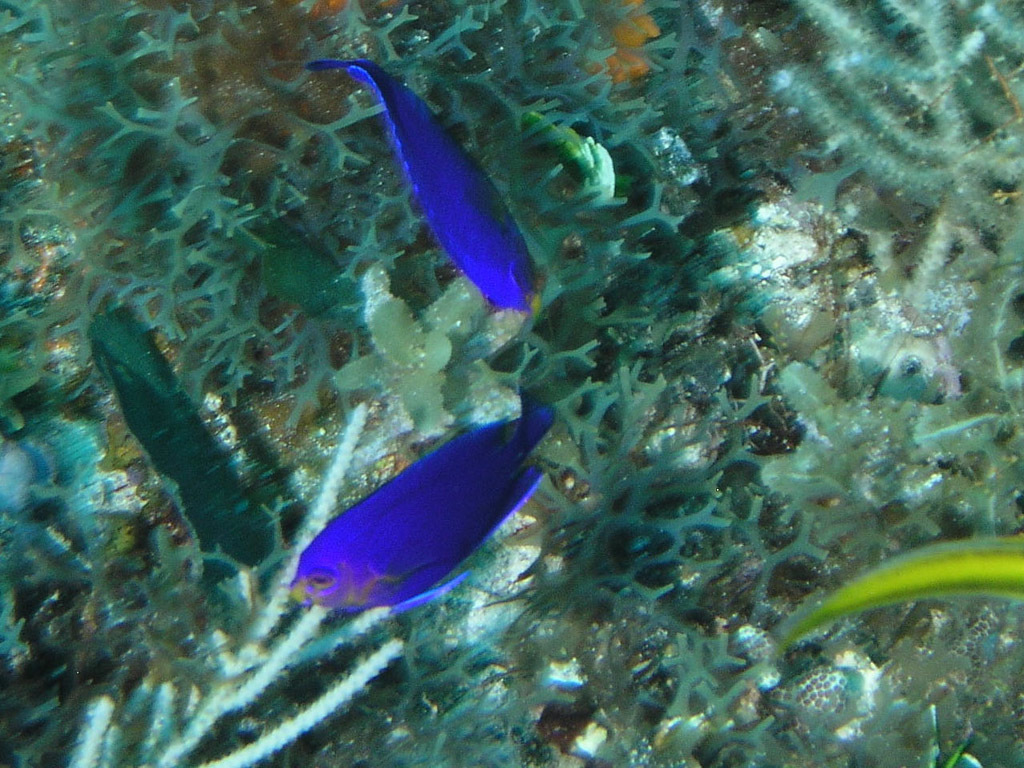
Gramma loreto Poey, 1868 (fairy basslet)
Often found in caves or under ledges. Swim with belly toward substratum, thus under ledges seen upside down. Feed on ectoparasites of other fishes . Males show various types of nest care behavior . Retreat into recesses when alarmed . Have been reared in captivity .
Hypoplectrus guttavarius (Poey, 1852) (Shy hamlet)
A solitary species inhabiting rocky or coral reefs, often near staghorn coral . Travels in pairs and remains close to the bottom .
Aetobatus narinari (Euphrasen, 1790) (Bishop ray)
Large groups of spotted eagle rays may be seen outside of the breeding season. These rays swim close to the surface and can occasionally be seen jumping clear out of the water (known as 'breaching') . Females give birth to...
Read More
Read More
Eusmilia fastigiata (Pallas, 1766) (smooth flower coral)
zooxanthellate
Montastraea cavernosa Linnaeus, 1767 (great star coral)
zooxanthellate
Colpophyllia natans (Houttuyn, 1772) (boulder brain coral)
zooxanthellate
Carangoides bartholomaei (Cuvier, 1833) (yellow jack)
Prefers offshore reefs and open marine waters . Juveniles often found near the shore on seagrass beds or often associated jellyfish or floating Sargassum . Generally solitary but sometimes seen in small groups . Feeds ...
Read More
Read More
Carangoides ruber (Bloch, 1793) (Bar jack)
Common in clear insular areas or in coral reefs off mainland coasts . Juveniles frequent areas with algae . Usually in schools which may be spawning groups; occasionally solitary. Feeds on fishes, shrimps and other in...
Read More
Read More
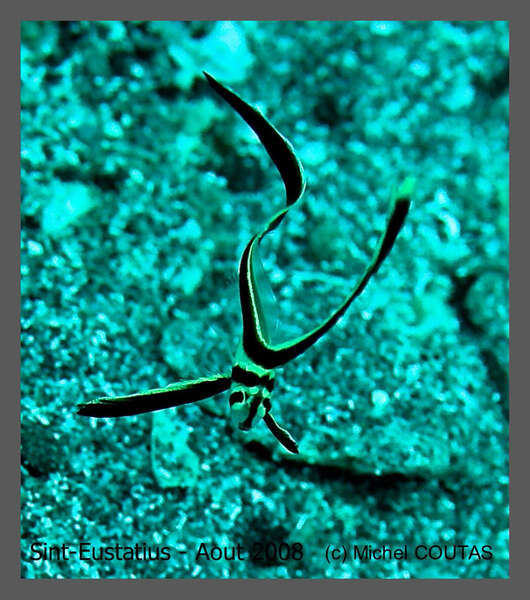
Equetus lanceolatus (Linnaeus, 1758) (Jack-knifefish)
Inhabits bays and sounds; also deep coral reefs . Juveniles sometimes inshore . Easily approached . Has been reared in captivity . Feeds mainly on small shrimps and crabs, but also on polychaete worms and gastropod mollusks .
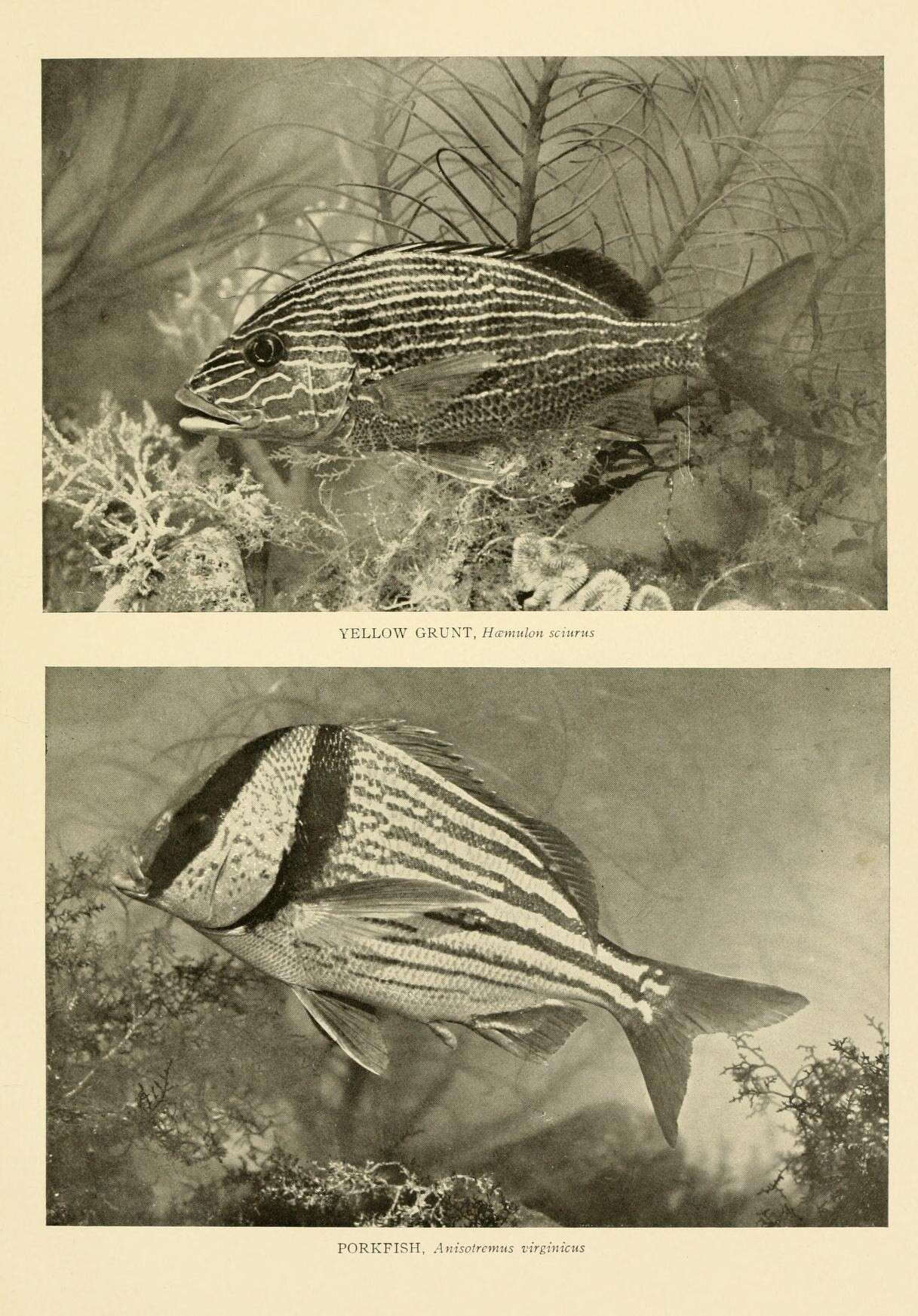
Haemulon sciurus (Shaw, 1803) (Blue striped grunt)
Found in small groups over coral and rocky reefs and drop-offs . Juveniles are abundant in Thalassia beds . Feeds on crustaceans, bivalves, and occasionally on small fishes. Marketed fresh.
Halichoeres garnoti (Valenciennes, 1839) (yellowhead wrasse)
Commonly found on shallow and deep reefs and exposed rocky ledges. Feeds on various invertebrates. Forms leks during breeding . A protogynous hermaphrodite . Constantly on the move but easily attracted by divers. Generally of no interest to fisheries because of its small average size .
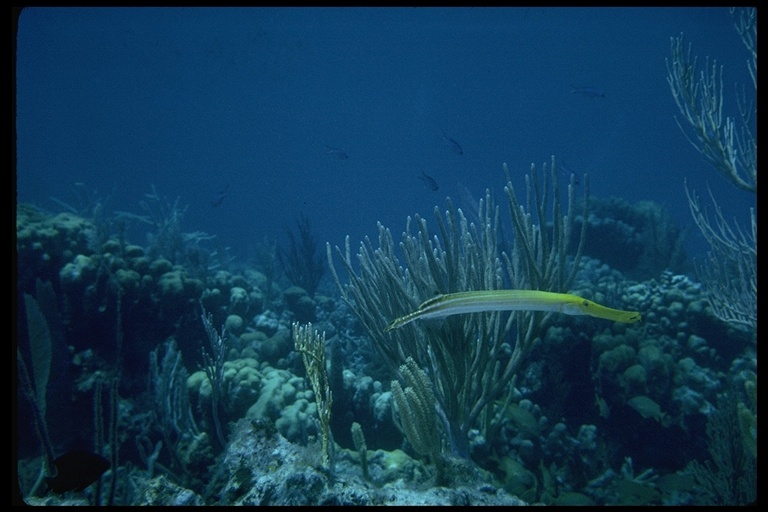
Aulostomus maculatus Valenciennes, 1841 (Caribbean trumpetfish)
Commonly found in weedy areas and especially around reefs, where they usually swim snout-down among sea whips . A solitary ambusher of small fishes and crustaceans that lurk among branching coral or gorgonians. Often swi...
Read More
Read More
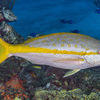
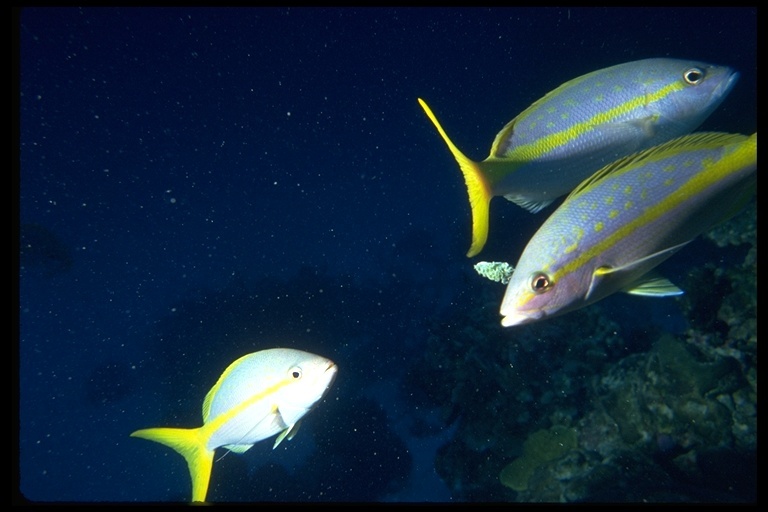
Ocyurus chrysurus (Bloch, 1791) (yellowtail snapper)
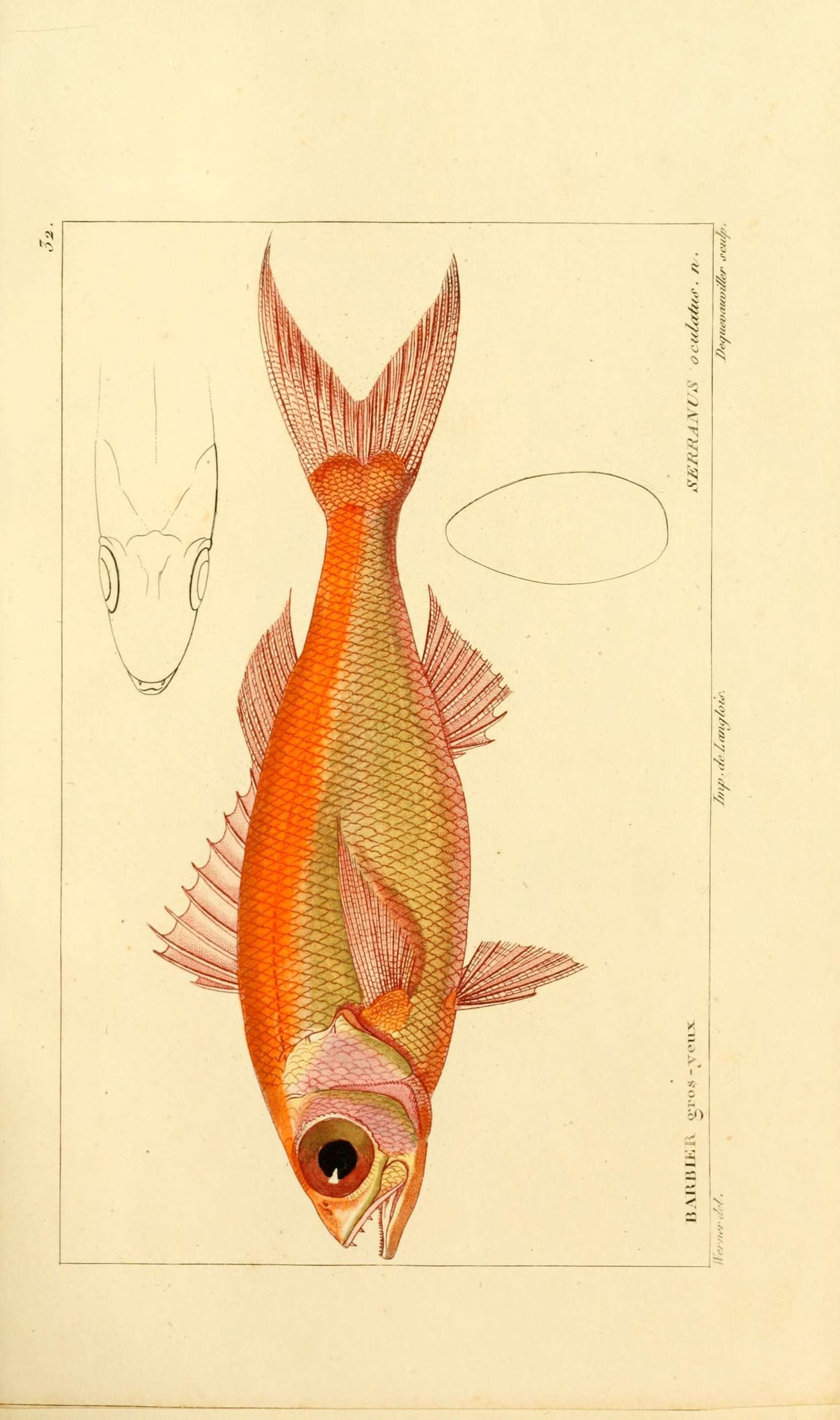
Etelis oculatus (Valenciennes, 1828) (Red snapper)
Inhabits rocky bottoms and feeds mainly on small fishes and squids. Abundant near oceanic islands . Small individuals are taken as by-catch in trawl fisheries . Marketed mostly fresh, sometimes frozen. Flesh of good quality.
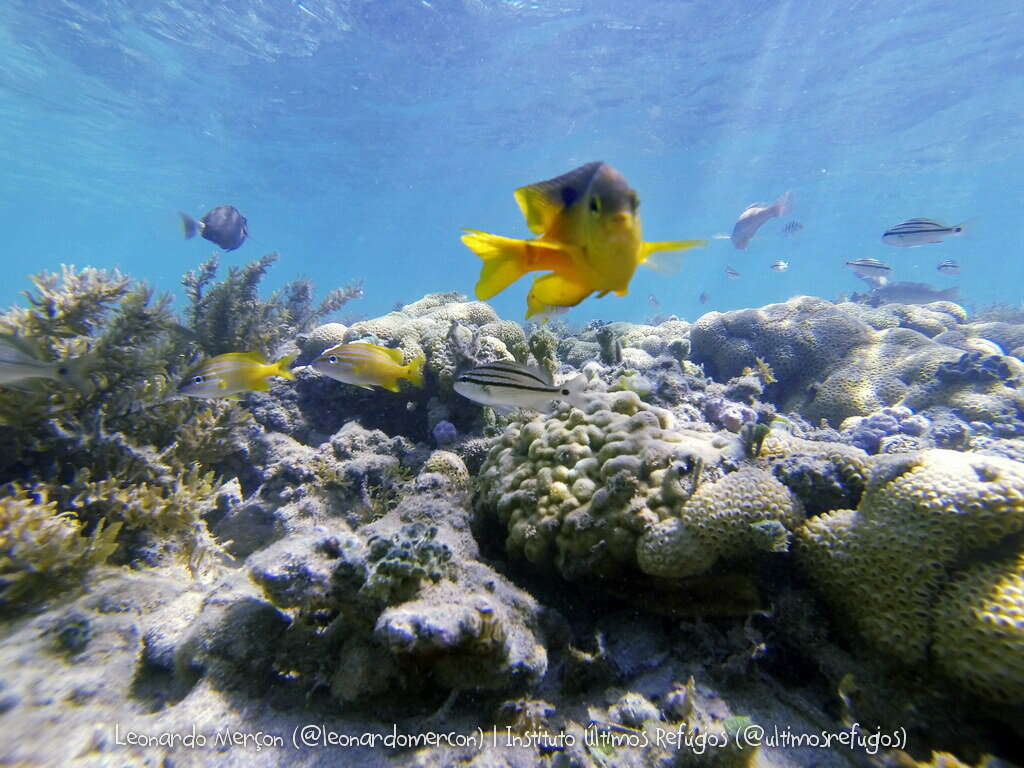
Stegastes variabilis (Castelnau, 1855) (yellow demoiselle)
Inhabits inshore and offshore coral reefs. Adults feed mainly on benthic algae but also on sponges, ascidians and anemones while juvenile feed on invertebrates like harpacticoid copepods and nemerteans . Often solitary ....
Read More
Read More
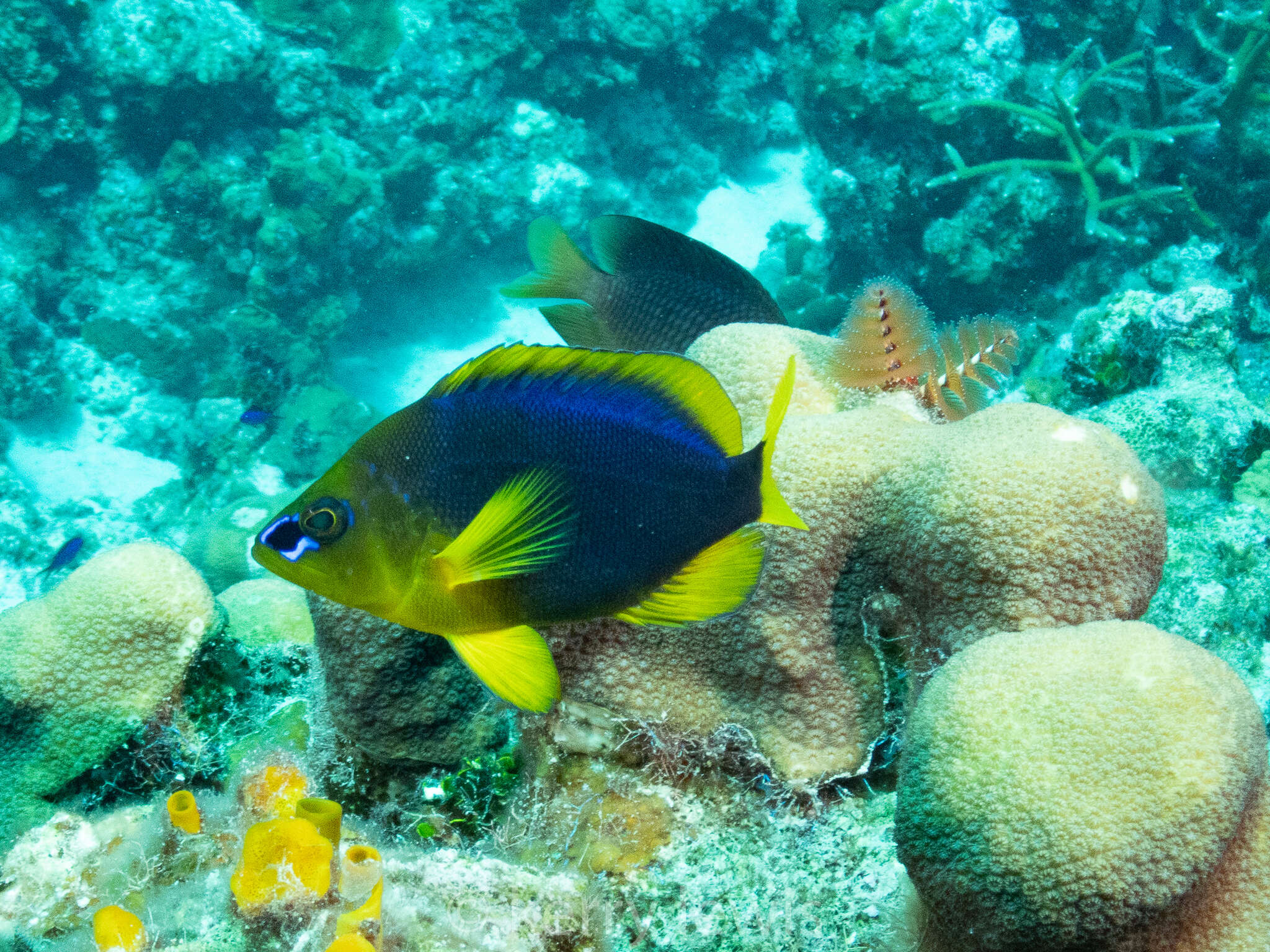
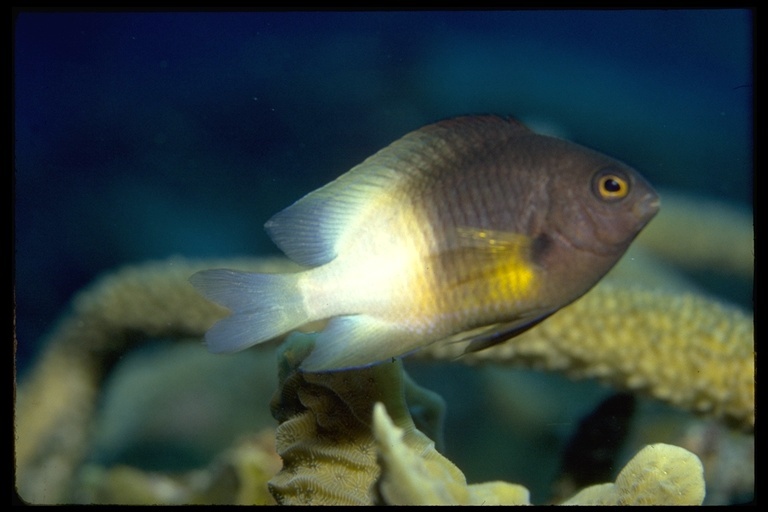
Stegastes partitus (Poey, 1868) (bicolor damselfish)
Inhabits shallow coral reefs and isolated patch reefs in deeper water. Feeds primarily on algae but also on polychaetes, hydroids, copepods and ascidians . Aggressively territorial but only around a small area . Taken incidentally in traps and small-meshed beach nets .
Chromis cyanea (Poey, 1860) (blue chromis)
Common above deep outer reefs and feeds in aggregations of the small zooplankton, primarily copepods . Often with creole wrasse. Retreats into coral crevices when frightened .
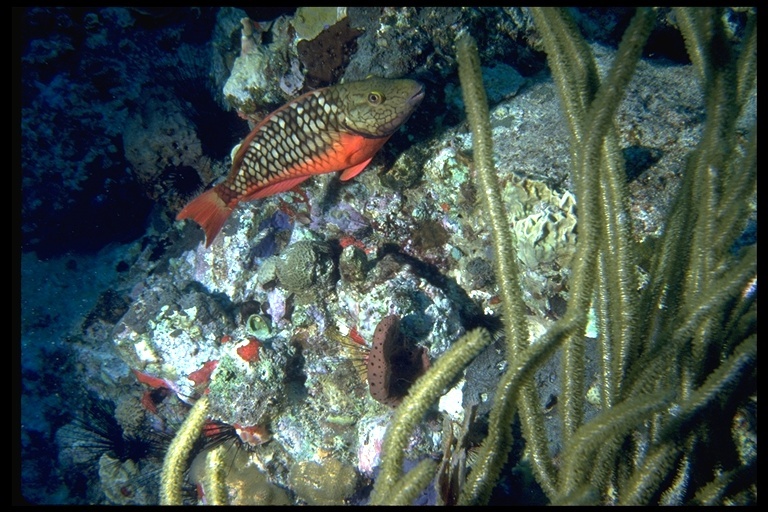
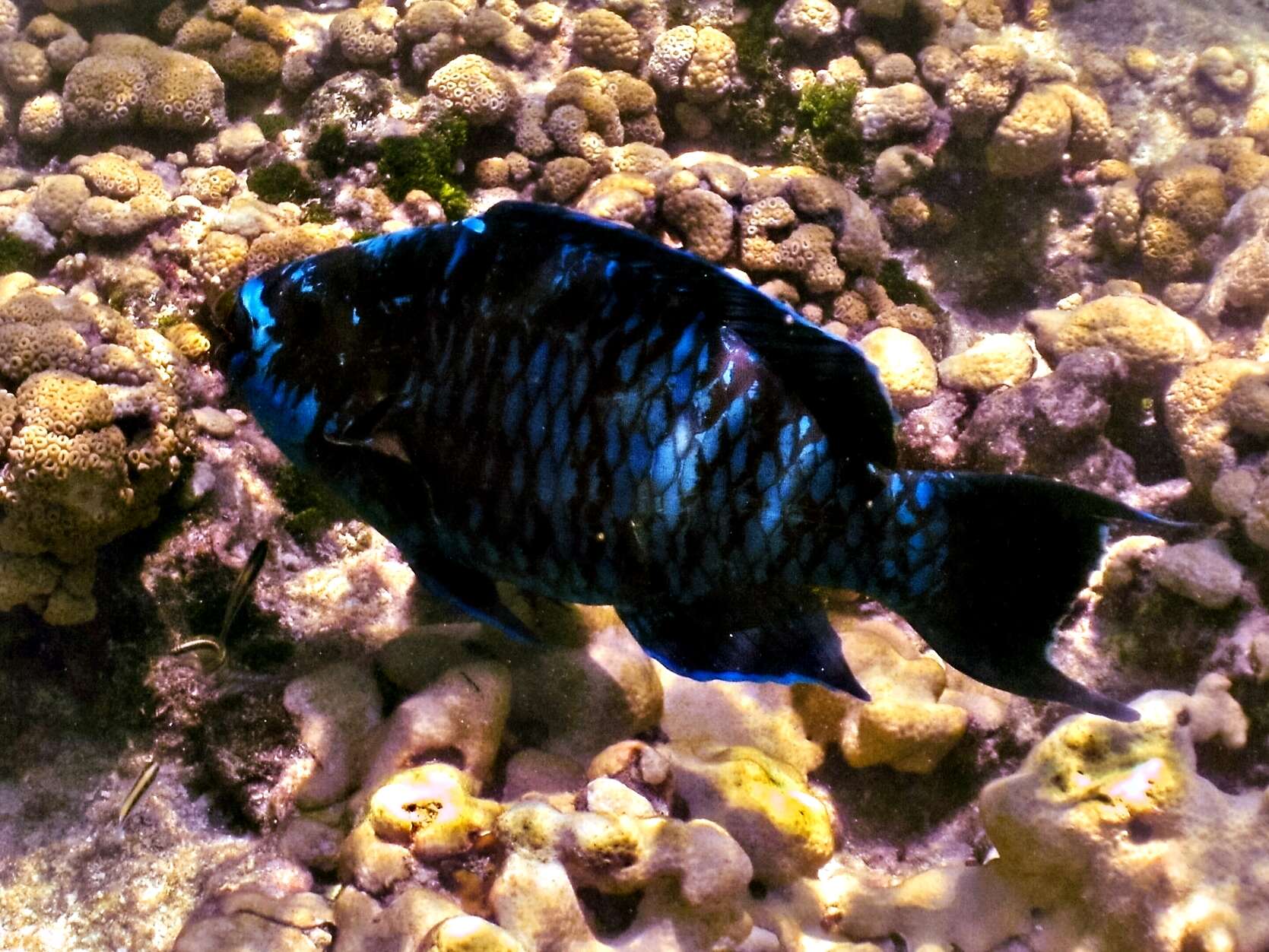
Sparisoma viride (Bonnaterre, 1788) (Dark green parrotfish)
Inhabits coral reefs with clear water . Young may be found in seagrass beds and other heavily vegetated bottoms. Feeds mainly on soft algae, but has been observed to graze on live corals like, Montastraea annularis . Pr...
Read More
Read More
Scarus coelestinus Valenciennes, 1840 (Nightowl parrot)
Occurs from rocky coastal reefs to seaward reefs . Often in schools, feeding with surgeonfishes by scraping off algae from rocks or dead coral . Marketed fresh and salted .
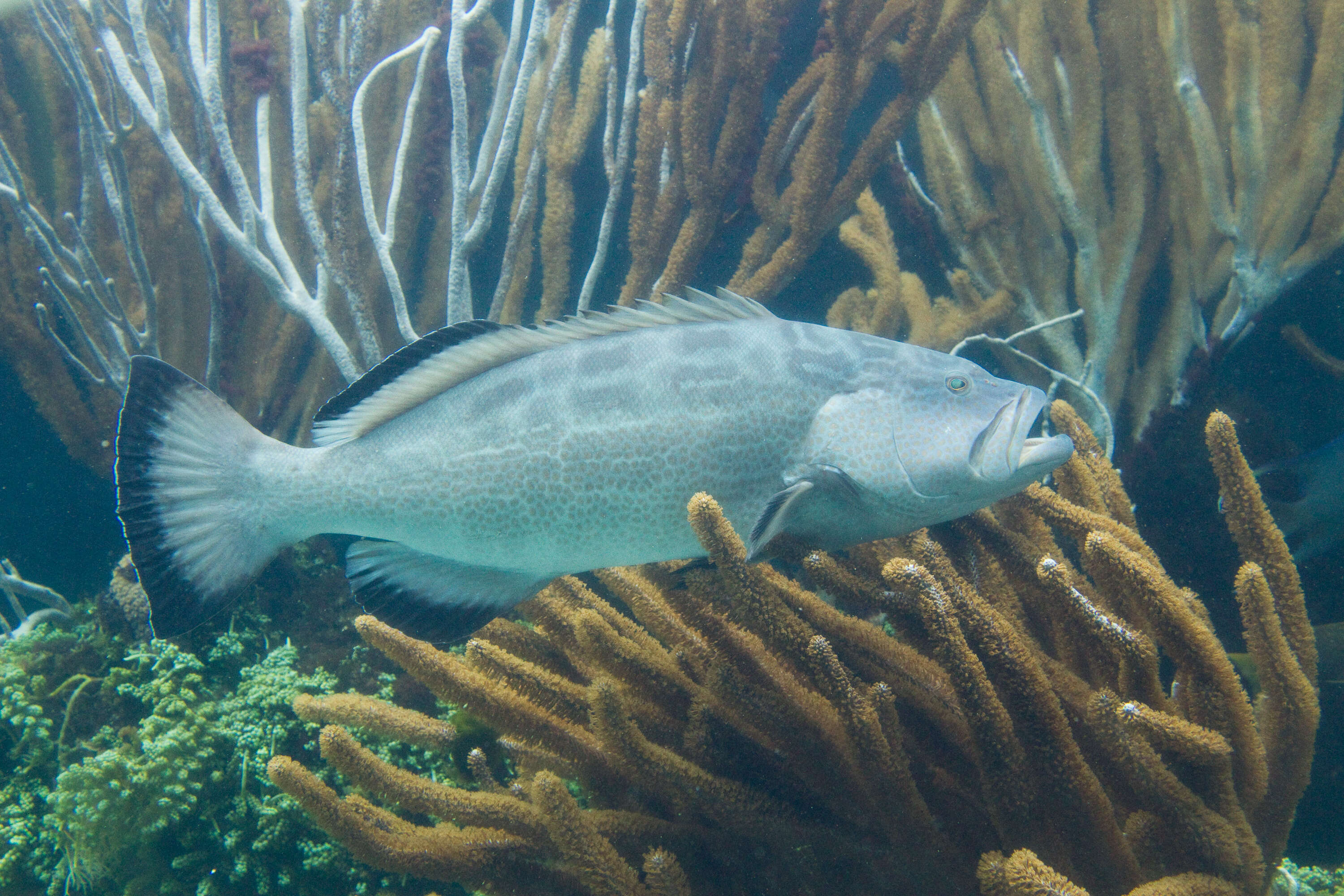
Mycteroperca bonaci (Poey, 1860) (Black gouper)
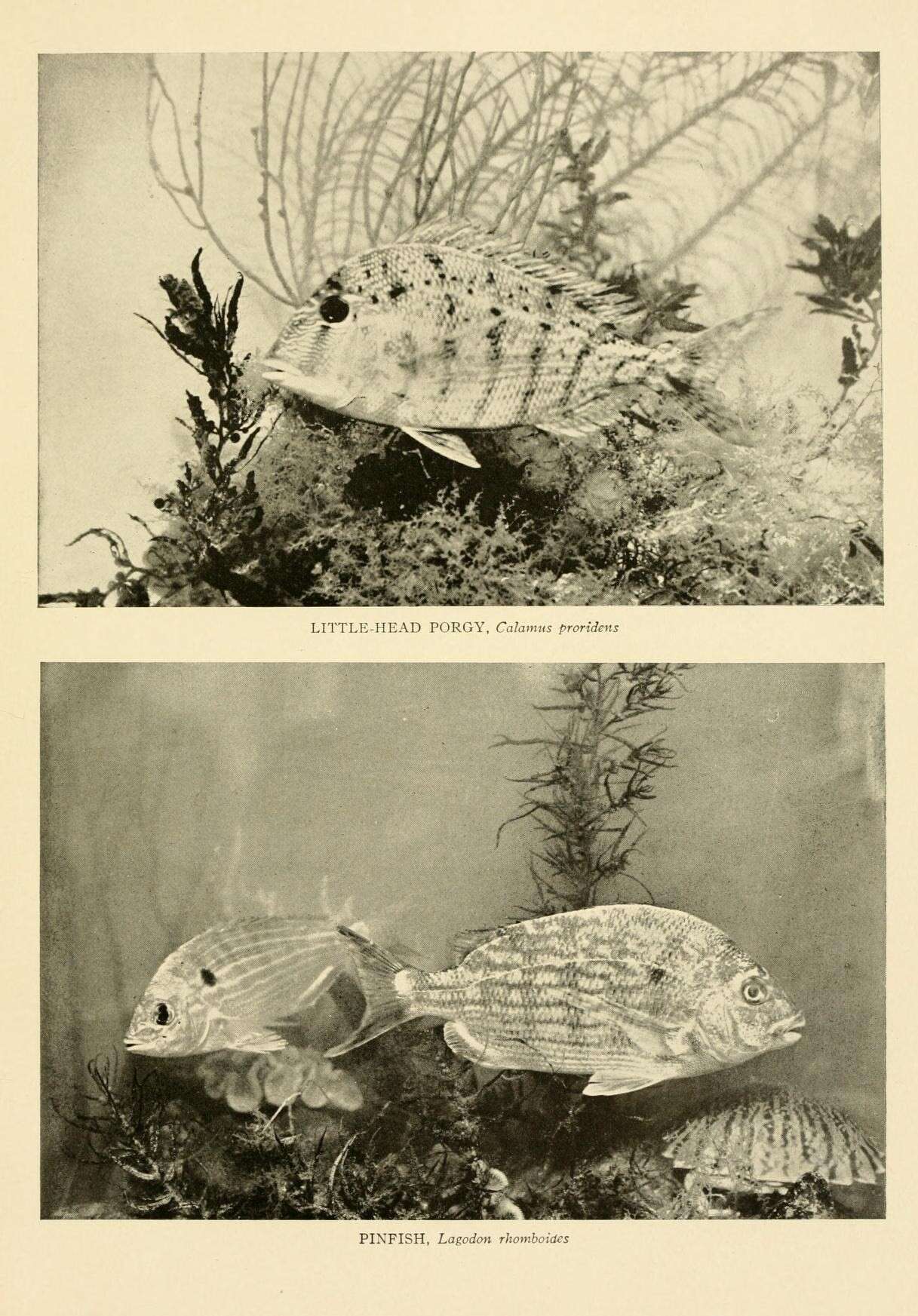
Lagodon rhomboides (Linnaeus, 1766) (Porgy)
Stephanolepis hispidus (Linnaeus, 1766) (Common filefish)
Found on sand or mud bottoms. Associated with Sargassum . Adults feed on benthic invertebrates . Edible but generally rejected by fishers .
Aluterus scriptus (Osbeck, 1765) (Unicornfish)
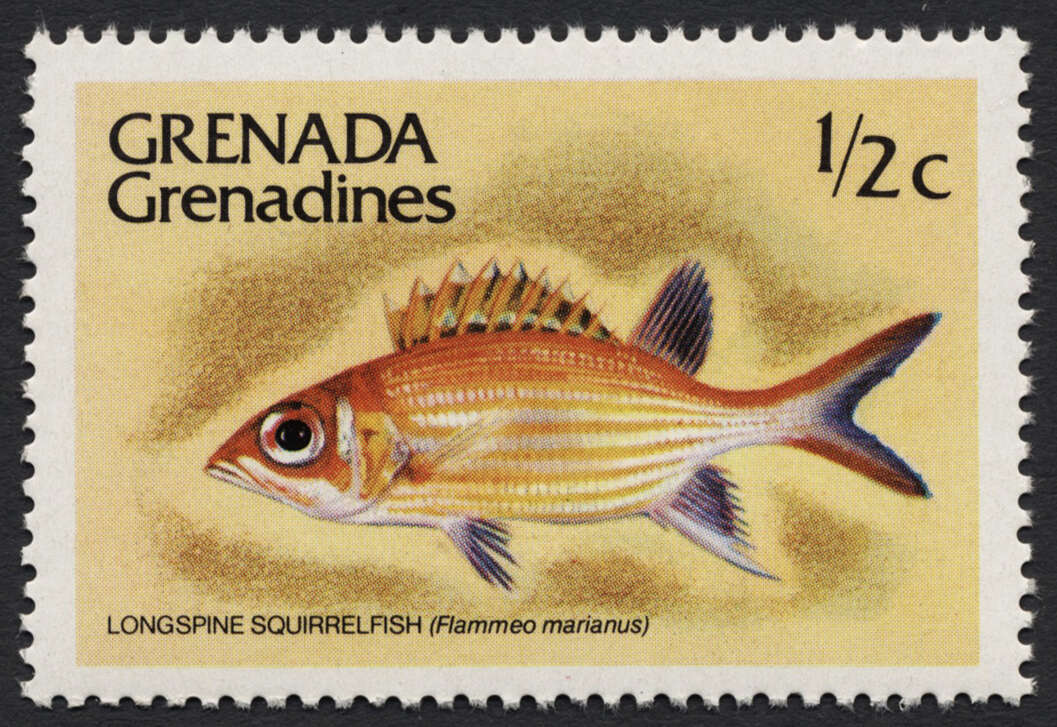
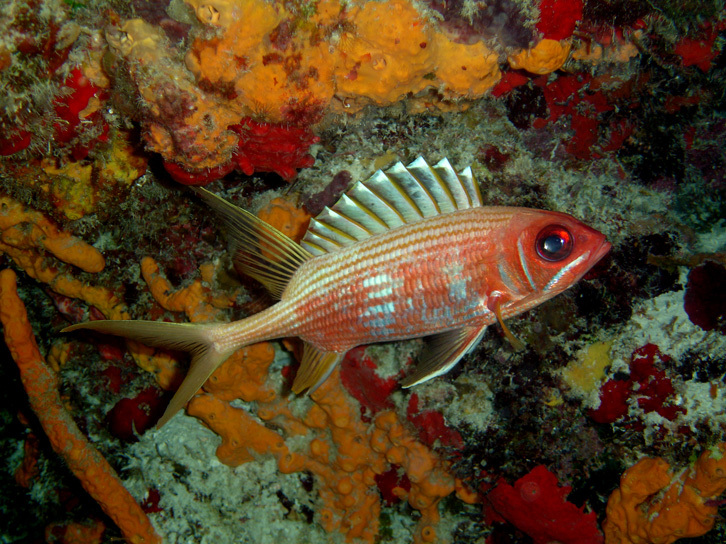
Neoniphon marianus (Cuvier, 1829) (Longjaw squirrelfish)
Rarely found in shallow water, but appears to be the most common squirrelfish in the depth range of 30-60 m or more . Reported used as food fish .
Holocentrus rufus (Walbaum, 1792) (Miss darlington)
Nocturnal , inhabits clear reefs . Found near mouths of caves and holes ; at night they usually move to sandy areas and grass beds to feed on crabs, shrimps, gastropods and brittle stars . Marketed fresh but not popular as a food fish .
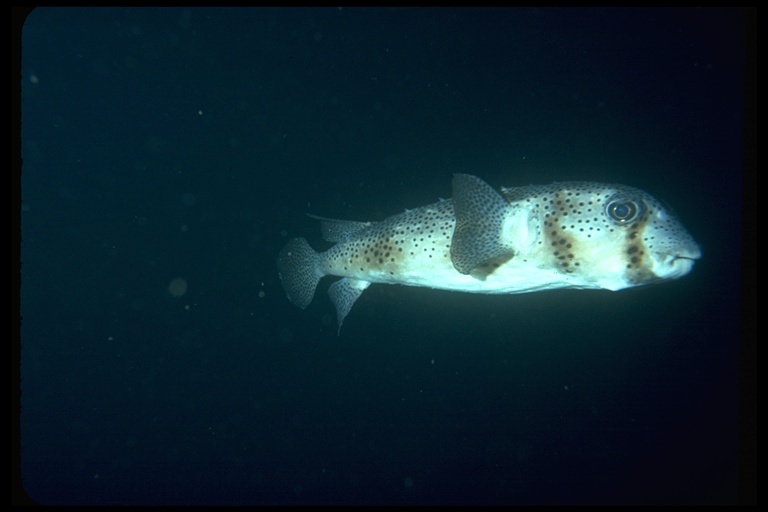
Chilomycterus atringa (Linnaeus, 1758) (Porcupine fish)
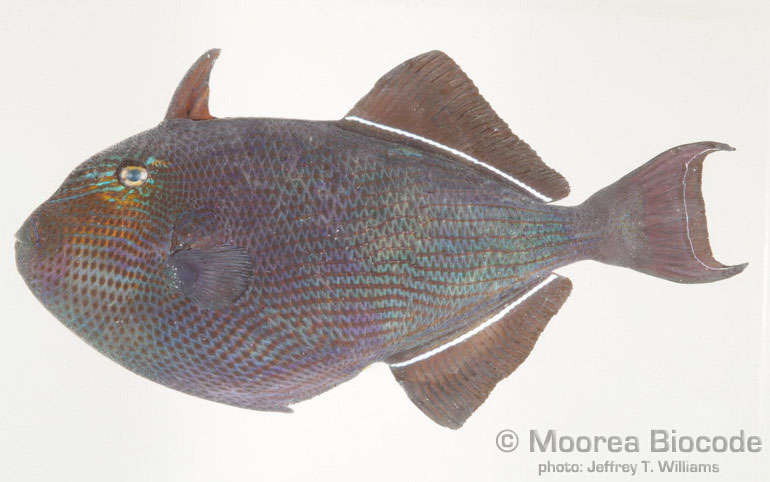
Melichthys niger (Bloch, 1786) (Black triggerfish)
Balistes capriscus Gmelin, 1789 (gray triggerfish)
Canthidermis sufflamen (Mitchill, 1815) (Filefish)
Common near drop-offs of seaward reefs . Occasionally in shallow water. Solitary or in small groups in open water. Often associated with Sargassum . Feeds mainly on large zooplankton. Minimum depth reported from Ref. 13121.
Holacanthus ciliaris (Linnaeus, 1758) (queen angelfish)
Found on coral reefs. Generally occurs solitarily or in pairs. Moves gracefully between seafans, seawhips, and corals . Stomach contents of 26 specimens indicate that the species feeds almost exclusively on sponges supp...
Read More
Read More
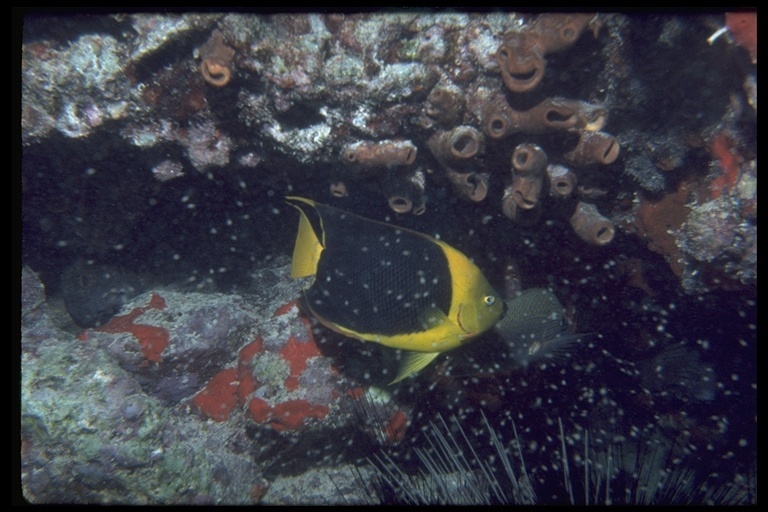
Holacanthus tricolor (Bloch, 1795) (Angelfish)
Inhabits rock jetties, rocky reefs and rich coral areas. Juveniles often associated with fire corals . Feeds on tunicates, sponges, zoantharians and algae. Marketed fresh .
Centropyge argi Woods and Kanazawa, 1951 (Cherub pygmy angelfish)
Normally occurs in rubble areas. Feeds on various types of algae. Oviparous , monogamous . Retreats into holes when frightened . Has been reared in captivity .
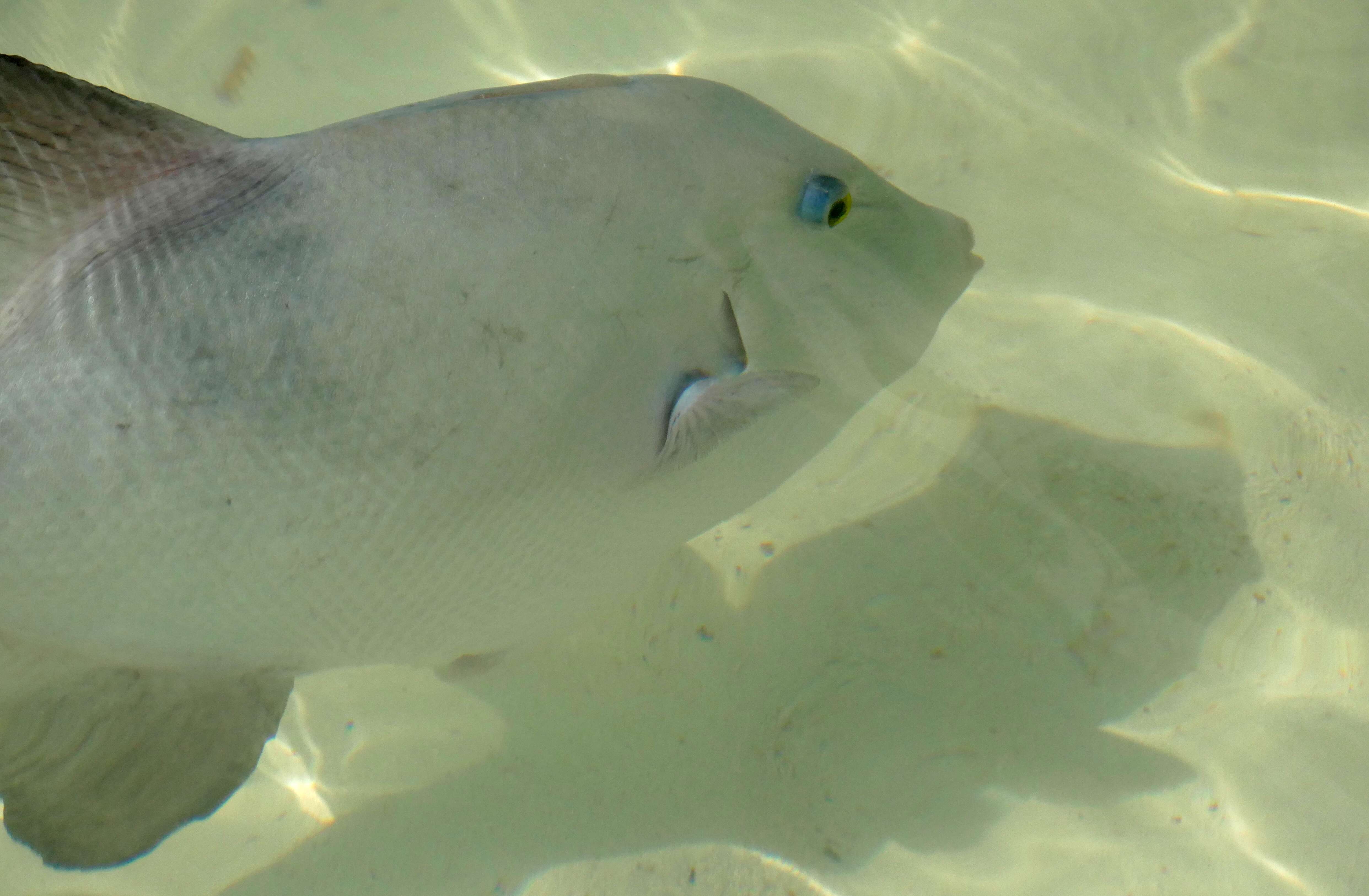
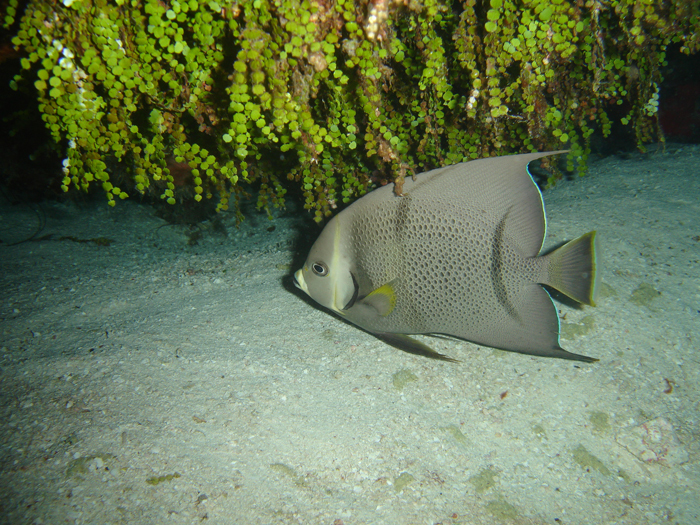
Pomacanthus arcuatus (Linnaeus, 1758) (Grey angelfish)
Common in coral reefs, usually solitary, occasionally in pairs. Juveniles are part-time cleaners. Feed mainly on sponges, but also takes tunicates, algae, zoantharians, gorgonians, hydroids, bryozoans, and seagrasses. O...
Read More
Read More
Pomacanthus paru (Bloch, 1787) (French angelfish)
Common in shallow reefs. Usually in pairs, often near sea fans . Feed on sponges, algae, bryozoans, zoantharians, gorgonians and tunicates . Oviparous , monogamous . Spawning pairs are strongly territorial, with usuall...
Read More
Read More
Acanthurus coeruleus Bloch and Schneider, 1801 (Blue tang surgeonfish)
Inhabits coral reefs, inshore grassy or rocky areas. Forms small groups . Mainly diurnal. Feeds entirely on algae . At Fernando de Noronha Archipelago in southwestern Atlantic, juveniles hold cleaning stations togeth...
Read More
Read More
Zebrasoma scopas (Cuvier, 1829) (Twotone tang)
Occurs in coral-rich areas of lagoon and seaward reefs. Graze on algae, usually in groups of 20 individuals . Adults usually in small groups and sometimes schooling. Juveniles solitary and usually among corals . Its num...
Read More
Read More
Chaetodon capistratus Linnaeus, 1758 (Butterbun)
Inhabit shallow reefs and generally occurs singly or in pairs. Feed mainly on zoantharians, polychaete worms, gorgonians and tunicates. Easily approached . Oviparous . Form pairs during breeding .
Prognathodes aya (Jordan, 1886) (bank butterflyfish)
Inhabit deep offshore reefs . Rarely seen by divers . Oviparous . Form pairs during breeding .
Chaetodon striatus Linnaeus, 1758 (Butterbun)
Inhabit coral reefs. Occur singly or in pairs. Feed on polychaete worms, coral polyps, crustaceans and mollusk eggs. Oviparous , monogamous . Form pairs during breeding . Adults may form plankton-feeding aggregations ...
Read More
Read More
Remora remora (Linnaeus, 1758) (Common remora)
Usually associated with sharks but also attaches itself to other large fishes, sea turtles and even ships ; found in gill chambers, fins and body surface . Sometimes free-swimming . Younger individual is more active as parasite pickers . Feeds on parasitic copepods .
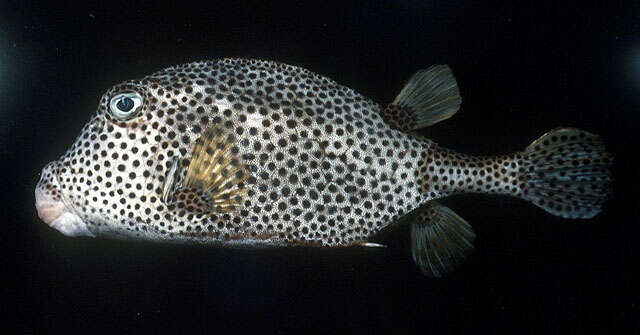
Lactophrys bicaudalis (Linnaeus, 1758) (Trunkfish)
Found in clear water around coral reefs. Sometimes under ledges and near small holes . Feeds on a variety of small bottom invertebrates such as mollusks, crustaceans, starfishes, sea urchins, sea cucumbers, sessile tunic...
Read More
Read More
Acanthostracion polygonius Poey, 1876 (honeycomb cowfish)
Occurs in clear water around coral reefs. Feeds on sponges, alcyonarians, tunicates, and shrimp. Uncommon and wary . Consumed fresh, generally roasted .
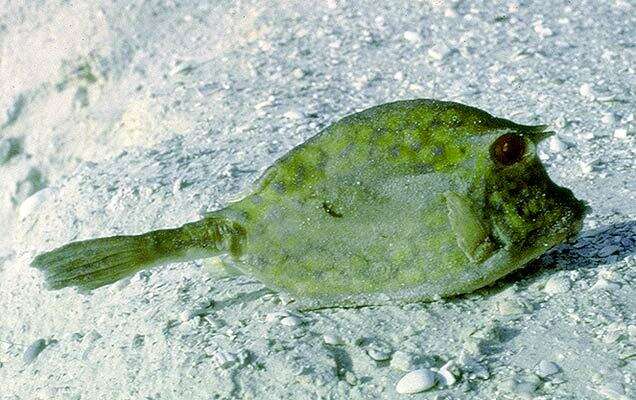
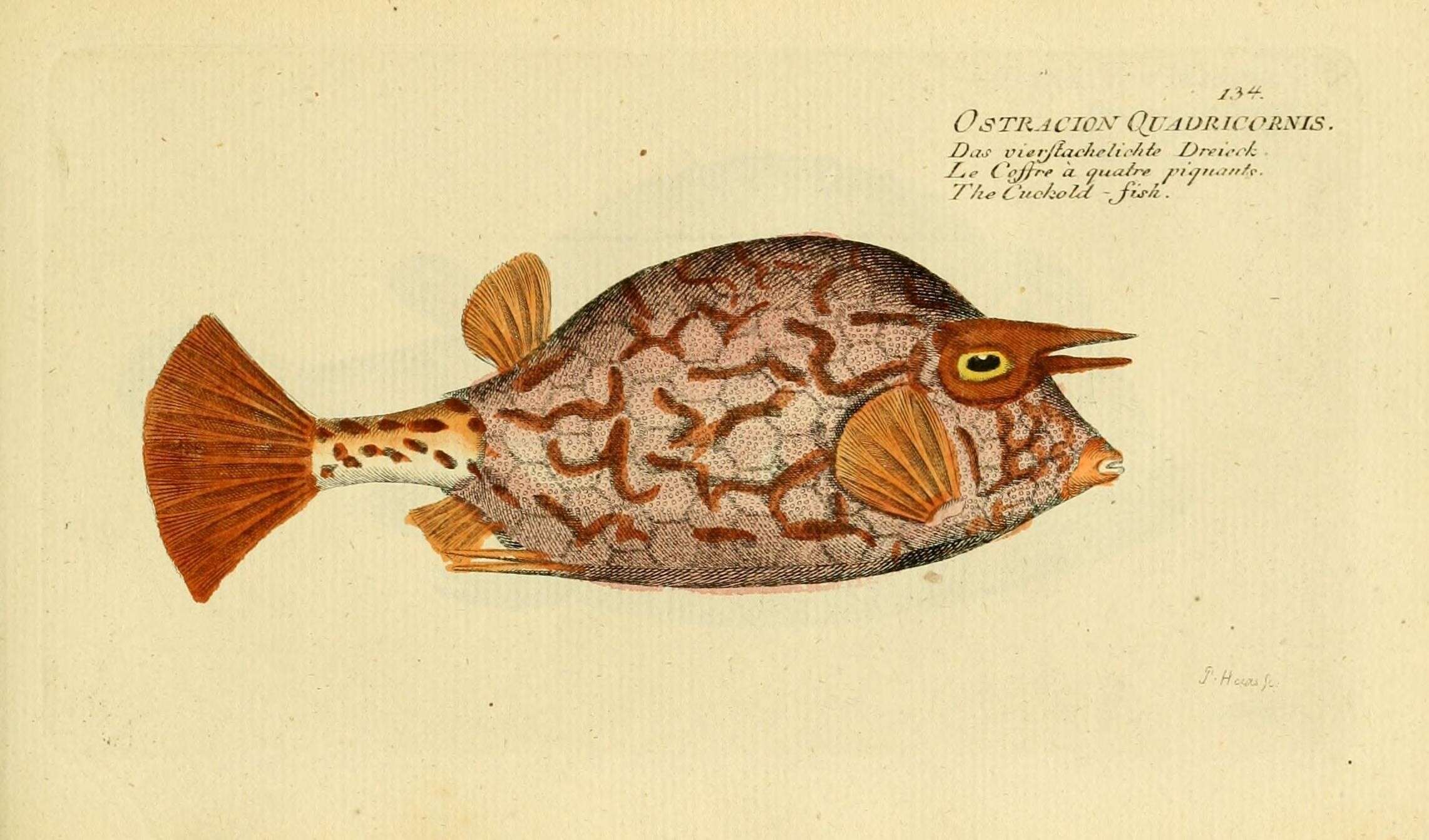
Acanthostracion quadricornis (Linnaeus, 1758) (Cowfish)
Found in shallow water down to about 80 m, mainly in seagrass beds . Feeds on sessile invertebrates such as tunicates, gorgonians and anemones, as well as on slow-moving crustaceans, sponges , hermit crabs and marine plants . Oviparous . Considered an excellent food fish; marketed fresh .
Sphyraena barracuda (Edwards, 1771) (Alho)
Chelonia mydas Linnaeus 1758 (Green Turtle)
Green turtles are long-lived and may take up to 59 years to reach sexual maturity Undertaking tremendous feats of navigation, adults return to the same beach to breed each season, part of the population in Brazil astonish...
Read More
Read More
Opistognathus aurifrons (Jordan and Thompson, 1905) (yellowhead jawfish)
Inhabit burrows made of crushed coral or sand. Hovers vertically, above or near its hole. The male courts the female by swimming in an arched position with his fins spread towards her . Male broods the eggs orally . Has been reared in captivity .
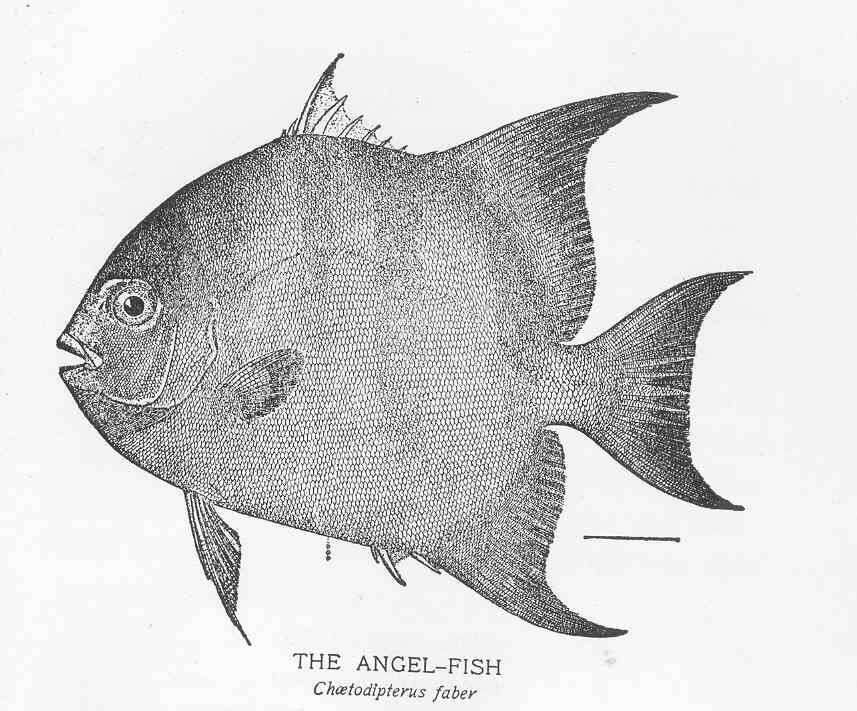
Chaetodipterus faber (Broussonet, 1782) (Atlantic spadefish)
Abundant in shallow coastal waters, from mangroves and sandy beaches to wrecks and harbors. Juveniles are common in estuaries and often found in very shallow water swimming at an angle resembling dead leaves or as infert...
Read More
Read More
Share on Social Networks
- Facebook:

personalize your shared text as well as its destination (wall, page...) or send as a private message to a friend
- Twitter: Tweet personalize your tweet
- Google Plus:
Direct link to this dive
- Long link:
- Short link:


 We are participating today in the startup contest Techcrunch Disrupt. Support Diveboard by voting for us!
























































































First dive with Aqua Safari at our hotel the Cozumel Palace. Good boat but a little slow. Dive guide was Marriano.