


 Michael Colligon

- Michael Colligon in Caribsea Wreck
-
 United States
North Carolina Crystal Coast / Morehead City
Atlantic Ocean
United States
North Carolina Crystal Coast / Morehead City
Atlantic Ocean

-
Nº2
 Date: 2014-10-11 - 11:02
-
 Max Depth: 27.1m Duration: 41mins
Pictures

No pictures for this dive
- Temp: Surf 24°C Bottom -18°C
- Dive type : Deep dive, Wreck
- Visibility: Good Water: Salt
Specific gear used
- BCD: Scubapro - Glide Plus
- Camera: GoPro - 3+ Black
- Computer: Oceanic - Pro Plus 2
- Fins: Scubapro - Twinjet
- Regulator: ScubaPro - Mk 25
- Regulator: ScubaPro - S600
- Regulator: ScubaPro - Air 2
- Wet suit: Henderson - 3mm Hyperstretch Titanium
- Weights: 1.8 kg
Dive reviews
| Overall review | ||
| Dive difficulty | ||
| Marine life quality |
Recent Divers in North Carolina Crystal Coast / Morehead City

Recent Pictures in North Carolina Crystal Coast / Morehead City
Dive Shop & Buddies
 Dive with John Lyerly from The Dive Shop

Link to this spot:
- Spot:
- Country:
- Area:
- Body of water:
Dive Profile
- 1. Nitrox 30
- 14L Steel 234 → 47 bar
- Average depth: 20m
Data provided by EOL.org




Species Identified
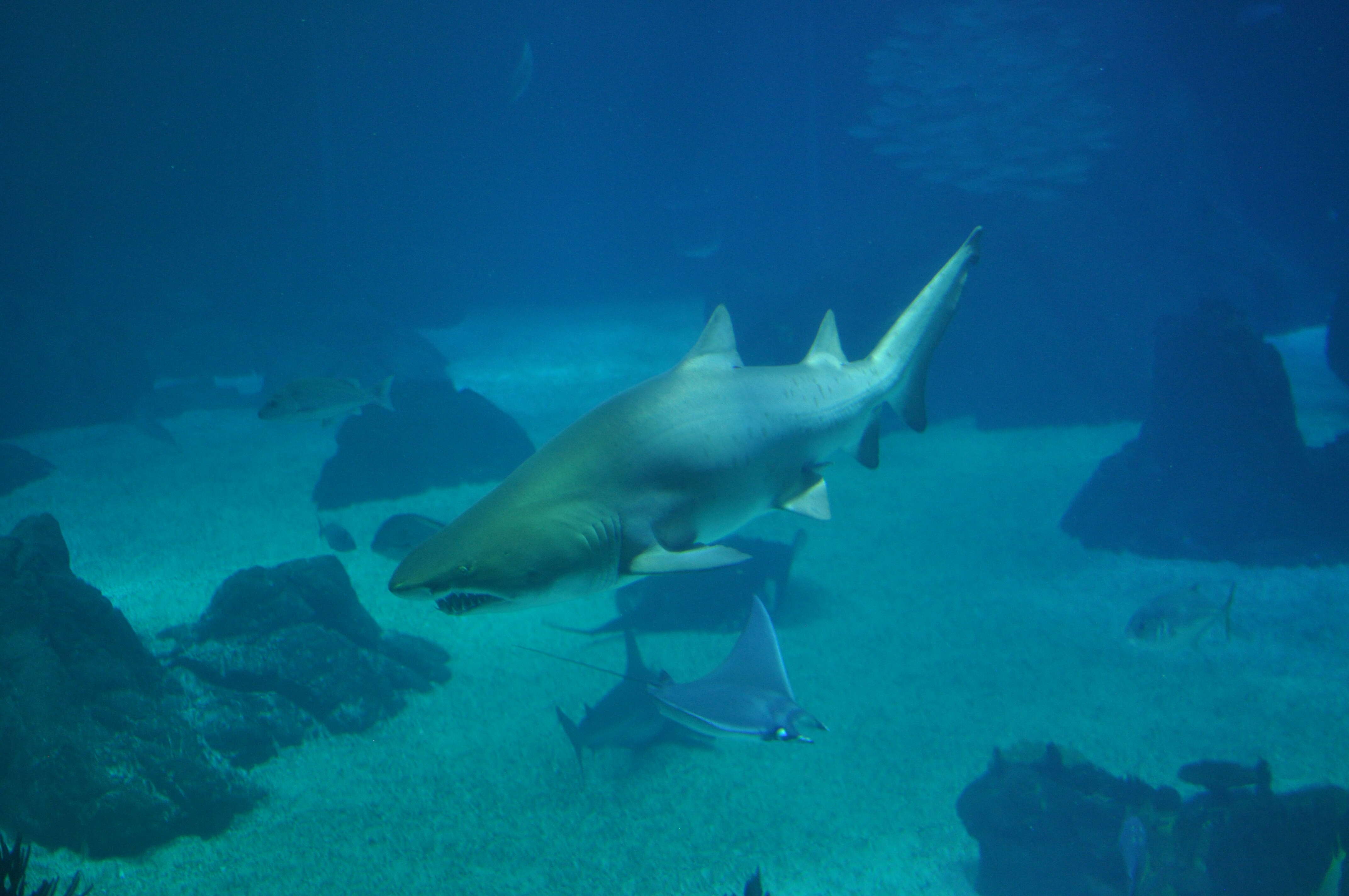
Carcharias taurus Rafinesque, 1810 (sand tiger shark)
The sand tiger shark is one of the best-studied of the shark species. They are the only sharks known to gulp air at the surface and store it in their stomach to provide buoyancy . These sharks generally mate between Octobe...
Read More
Read More
Gymnothorax moringa (Cuvier, 1829) (Common conger)
A benthic and solitary species abundant in shallow rocky and grassy areas and on coral reefs; less common in turbid bays or harbors. Its bite is very dangerous . Active during the day, sometimes together with other pred...
Read More
Read More
Sphyraena barracuda (Edwards, 1771) (Alho)
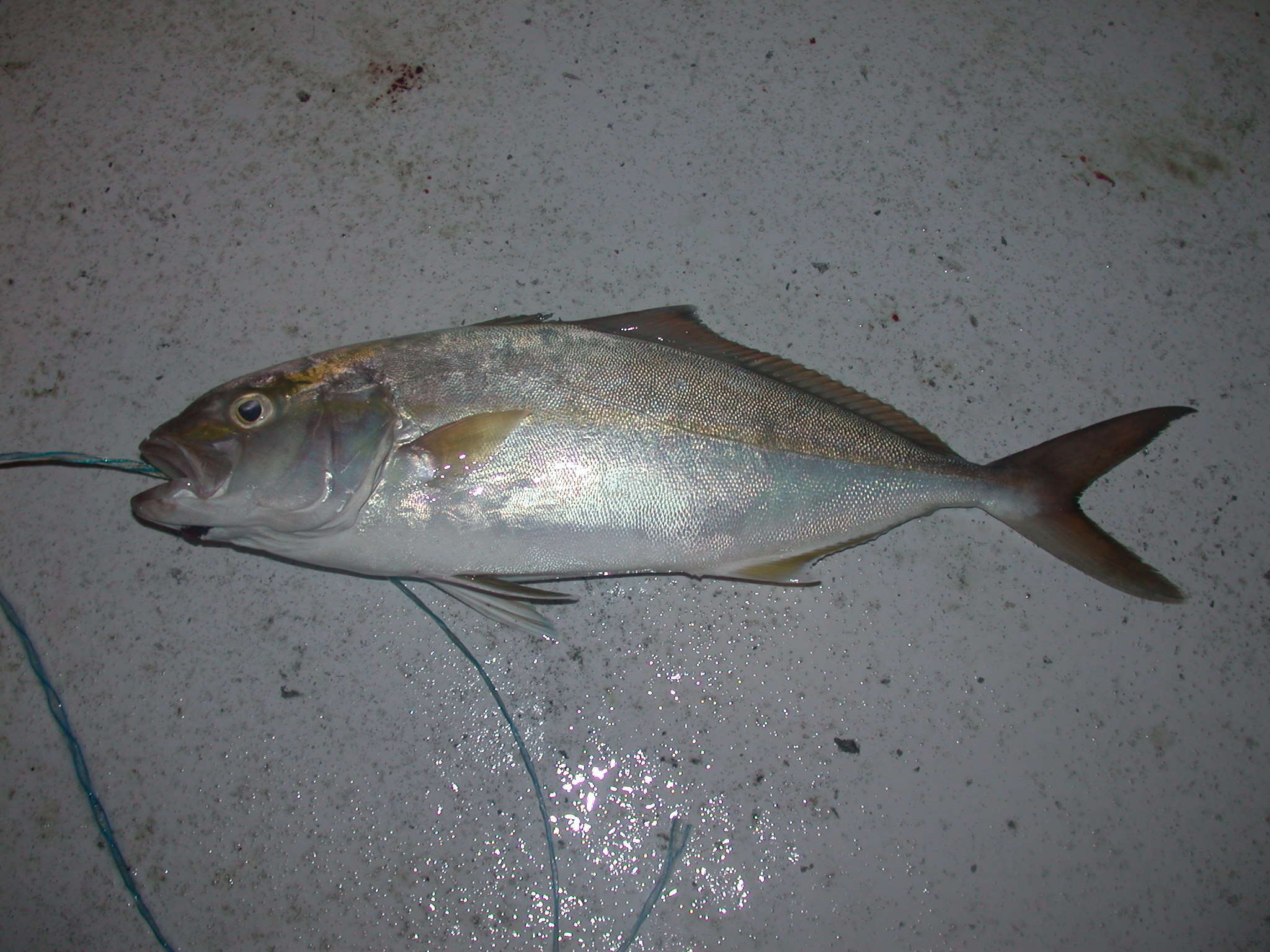
Seriola fasciata (Bloch, 1793) (Amberjack)
Coastal pelagic or demersal . Smaller juveniles epipelagic in oceanic or offshore neritic waters. Feed on squids and fishes . Eggs are pelagic .
Carangoides ruber (Bloch, 1793) (Bar jack)
Common in clear insular areas or in coral reefs off mainland coasts . Juveniles frequent areas with algae . Usually in schools which may be spawning groups; occasionally solitary. Feeds on fishes, shrimps and other in...
Read More
Read More
Lutjanus analis (Cuvier, 1828) (mutton snapper)
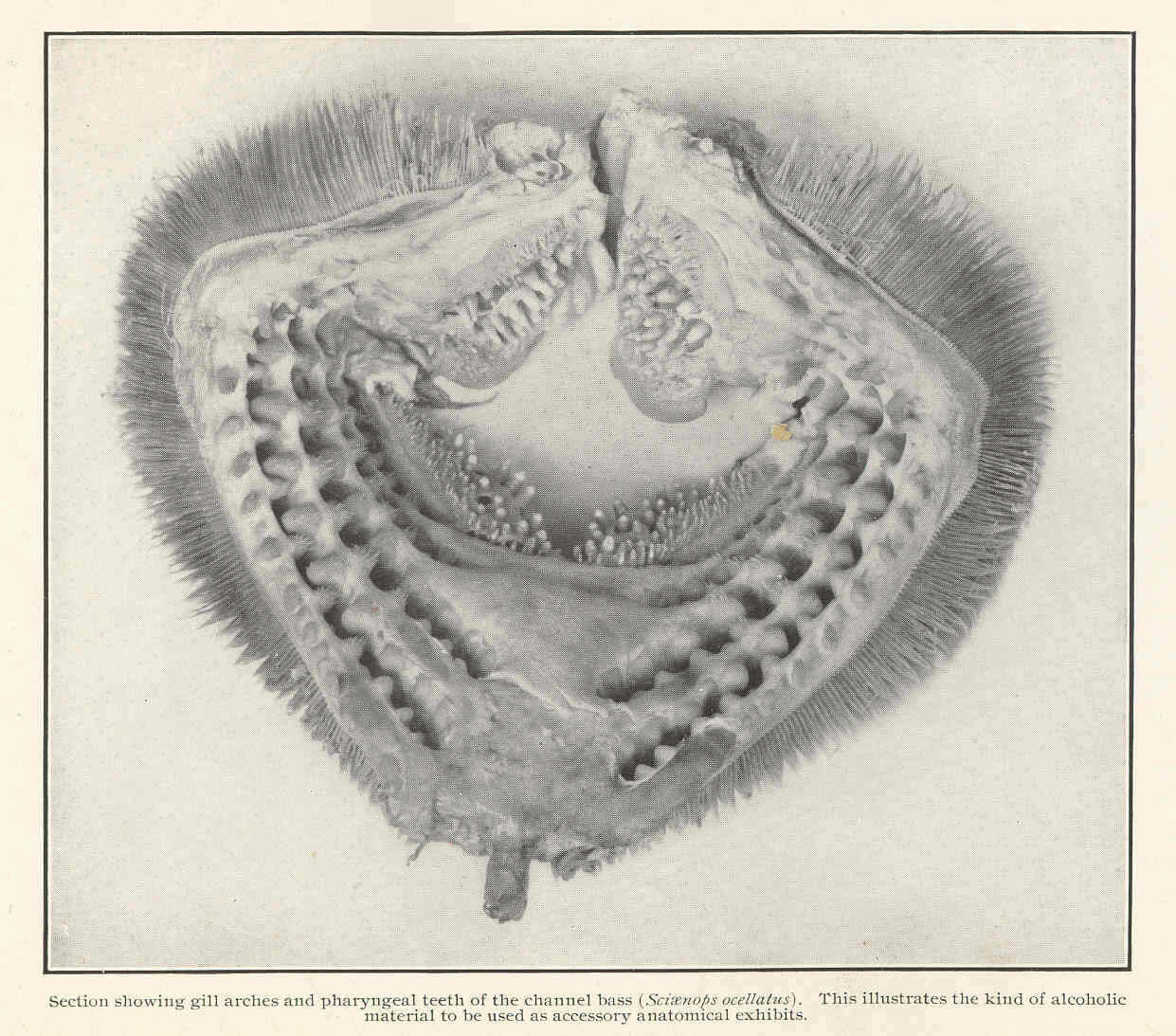
Sciaenops ocellatus (Linnaeus, 1766) (red drum)
Remorina albescens (Temminck & Schlegel, 1850) (Mantasucker)
Phtheirichthys lineatus (Menzies, 1791) (Rémora)
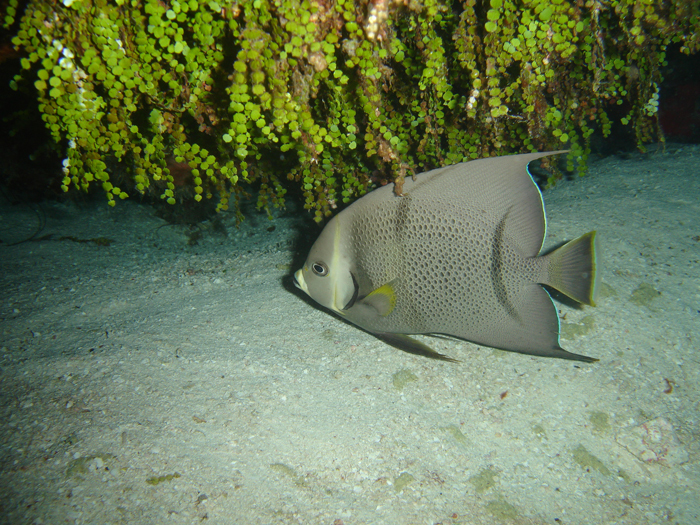
Pomacanthus arcuatus (Linnaeus, 1758) (Grey angelfish)
Common in coral reefs, usually solitary, occasionally in pairs. Juveniles are part-time cleaners. Feed mainly on sponges, but also takes tunicates, algae, zoantharians, gorgonians, hydroids, bryozoans, and seagrasses. O...
Read More
Read More
Holacanthus bermudensis Goode, 1876 (Blue angel)
Inhabits rocky or coral reefs . Juveniles in channels and on inshore reefs . Feeds primarily on sponges . Small juveniles do well in aquariums once they begin to accept food.
Haemulon aurolineatum Cuvier, 1830 (Tomtate grunt)
Inhabits seagrass beds, sand flats, and patch reefs . Forms schools . Feeds on small crustaceans, mollusks, other benthic invertebrates, plankton, and algae . Marketed fresh and salted .
Balistes capriscus Gmelin, 1789 (gray triggerfish)
Atolla wyvillei Haeckel, 1880
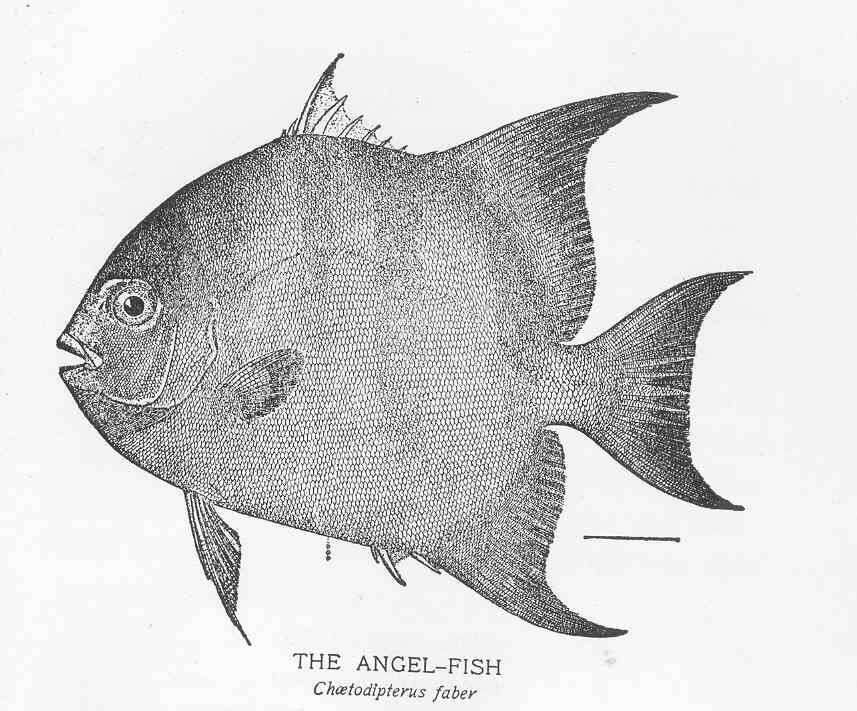
Chaetodipterus faber (Broussonet, 1782) (Atlantic spadefish)
Abundant in shallow coastal waters, from mangroves and sandy beaches to wrecks and harbors. Juveniles are common in estuaries and often found in very shallow water swimming at an angle resembling dead leaves or as infert...
Read More
Read More
Megalops atlanticus Valenciennes, 1847 (Atlantic tarpon)
Echinaster serpentarius Müller and Troschel, 1842
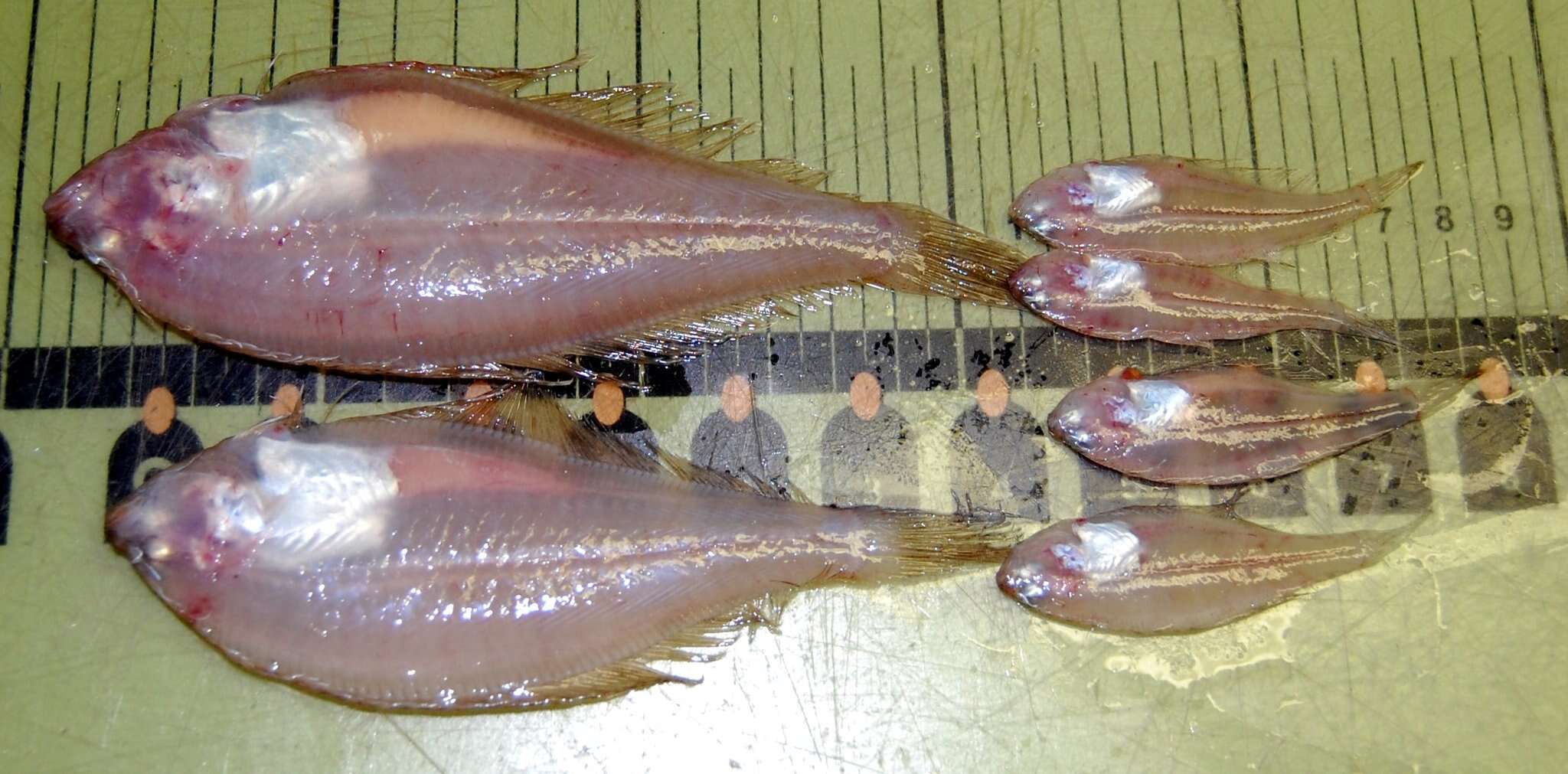
Citharichthys arctifrons Goode, 1880 (Gulf Stream flounder)
Occurs in deeper water. Rarely found in shallow water.
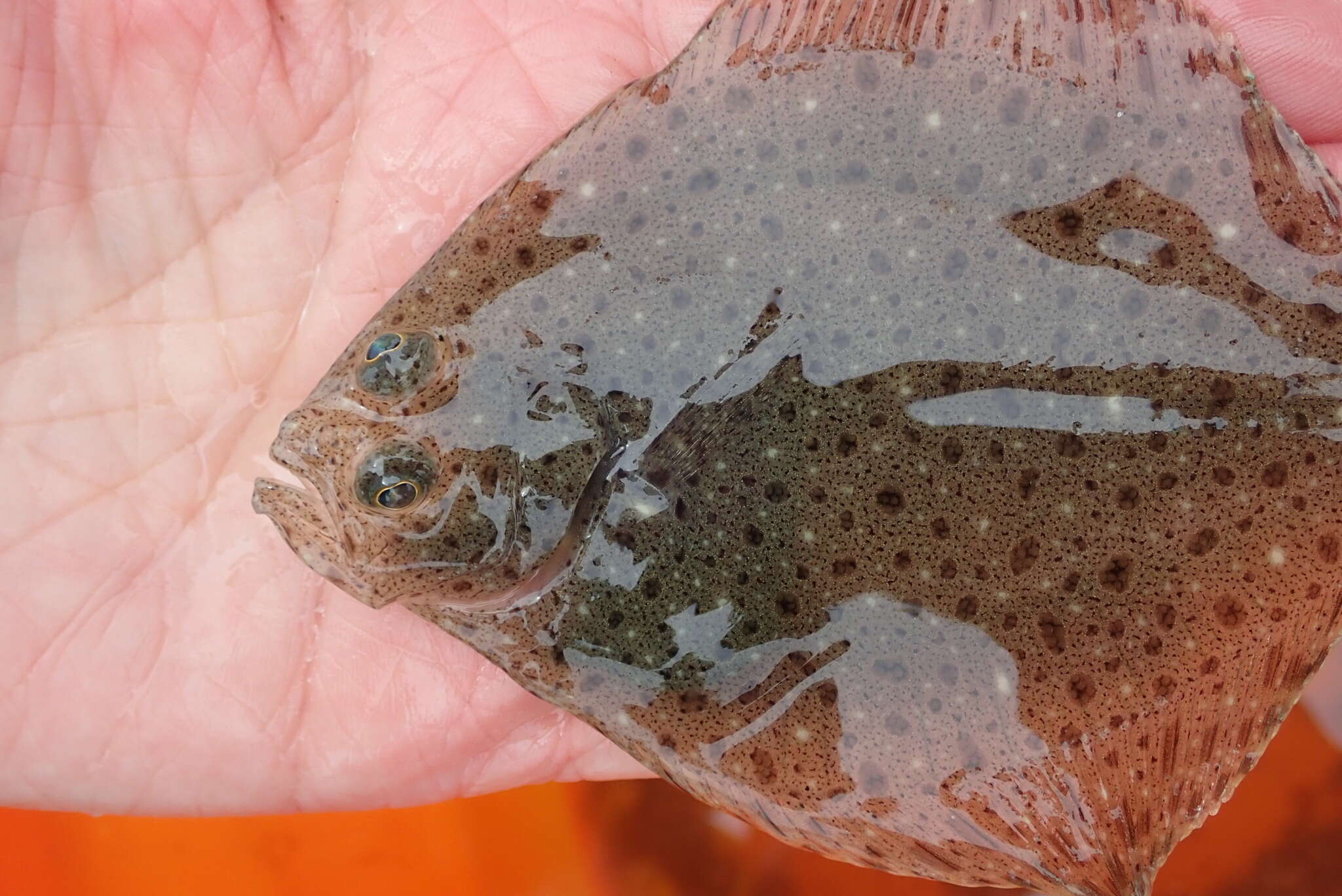
Scophthalmus aquosus (Mitchill, 1815) (brill)
Occurs from shore to 45 m depth, occasionally in deeper water.
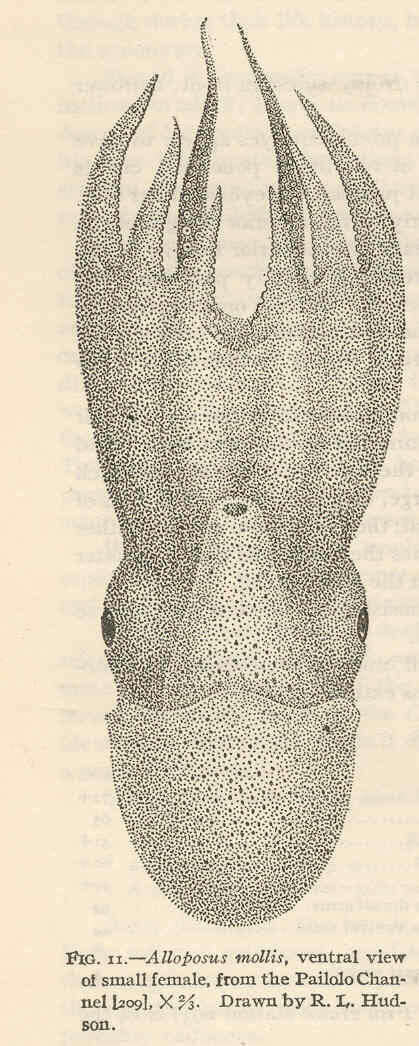
Haliphron atlanticus Steenstrup, 1861 (Octopus)
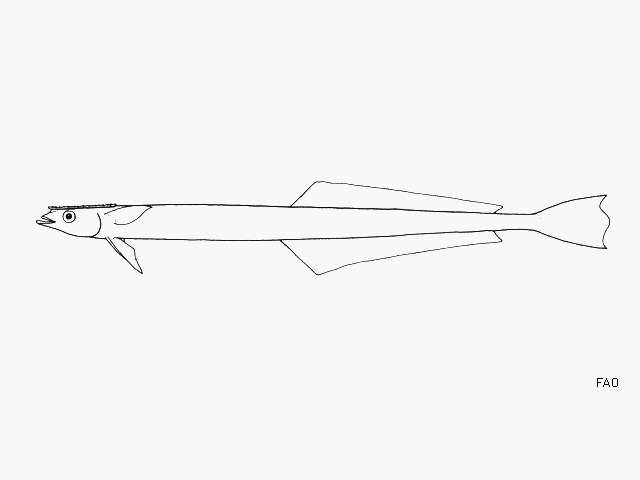
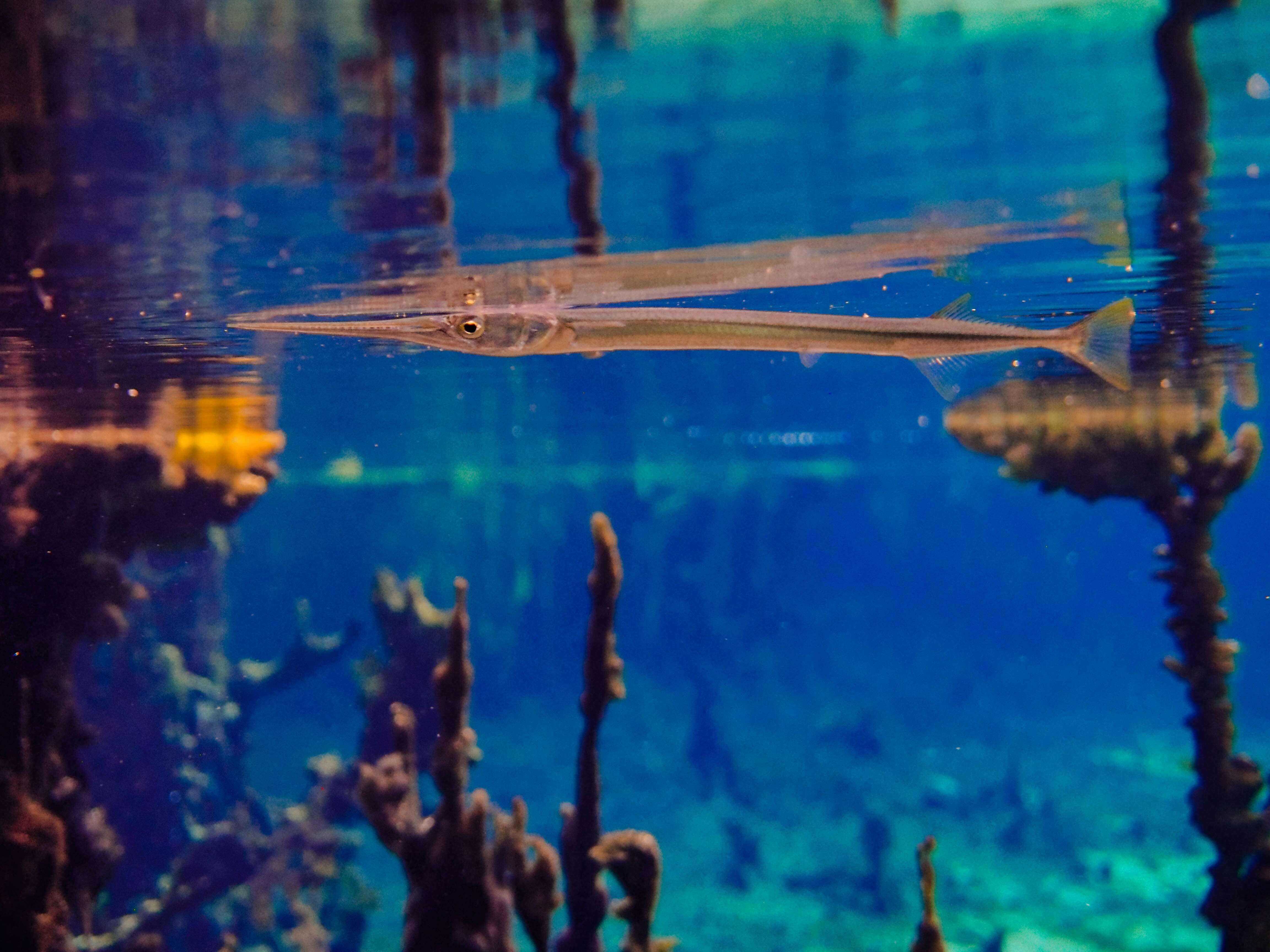
Strongylura marina (Walbaum, 1792) (Atlantic needlefish)
Share on Social Networks
- Facebook:

personalize your shared text as well as its destination (wall, page...) or send as a private message to a friend
- Twitter: Tweet personalize your tweet
- Google Plus:
Direct link to this dive
- Long link:
- Short link:


 We are participating today in the startup contest Techcrunch Disrupt. Support Diveboard by voting for us!
























































































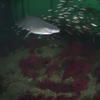
Deep water dive with The Dive Shop Instructor John Lyerly to complete PADI Deep Diver Certification. This dive was extraordinary as the visibility and sea life was amazing. We saw 50+ Sand Tiger Sharks. Some of the sharks were as large as 8+ ft.
Dove with a charter out of Olympus Dive Center in Morehead City, NC. The diving was amazing. We were on their boat called the Midnight. We stayed at the Dive Lodge owned by Olympus Dive Center for $30.00 per night.