


 Michael Colligon

- Michael Colligon in Spar, U.S.C.G.
-
 United States
North Carolina Crystal Coast / Morehead City
Atlantic Ocean
United States
North Carolina Crystal Coast / Morehead City
Atlantic Ocean

-
Nº28
 Date: 2015-07-11 - 11:15
-
 Max Depth: 33.1m Duration: 37mins
Pictures

No pictures for this dive
- Surface interval:98 mins
- Temp: Surf 36°C Bottom 23°C
- Dive type : Recreational, Deep dive, Wreck
- Visibility: Average Water: Salt
Specific gear used
- BCD: Zeagle - Ranger
- Camera: GoPro - 3+ Black
- Computer: Oceanic - Pro Plus 2
- Cylinder: Catalina Cylinders - AL 30
- Cylinder: Genesis - ST120
- Fins: Scubapro - Twinjet
- Regulator: ScubaPro - Mk 25
- Regulator: ScubaPro - S600
- Regulator: Zeagle - OctoZ
- Wet suit: Henderson - 3mm Hyperstretch Titanium
- Weights: 5 kg
Dive reviews
| Overall review | ||
| Dive difficulty | ||
| Marine life quality |
Recent Divers in North Carolina Crystal Coast / Morehead City

Recent Pictures in North Carolina Crystal Coast / Morehead City
Dive Shop & Buddies
 Dive with The Dive Shop
 Dive buddies:
John Lyerly
Dive buddies:
John Lyerly

Link to this spot:
- Spot:
- Country:
- Area:
- Body of water:
Dive Profile
- 1. Nitrox 28
- 14L Steel 248 → 43 bar
- Average depth: 22.6m
Data provided by EOL.org
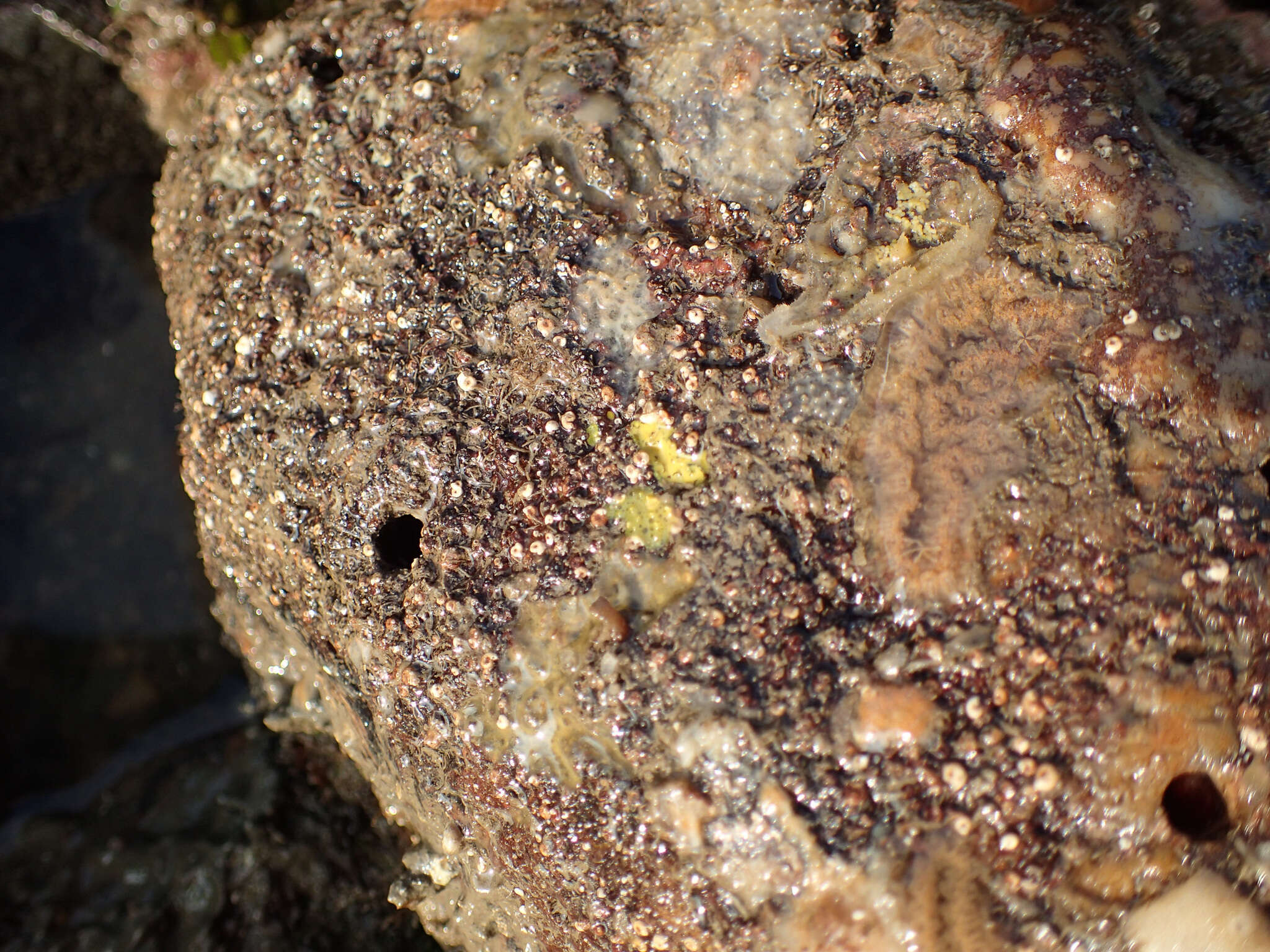

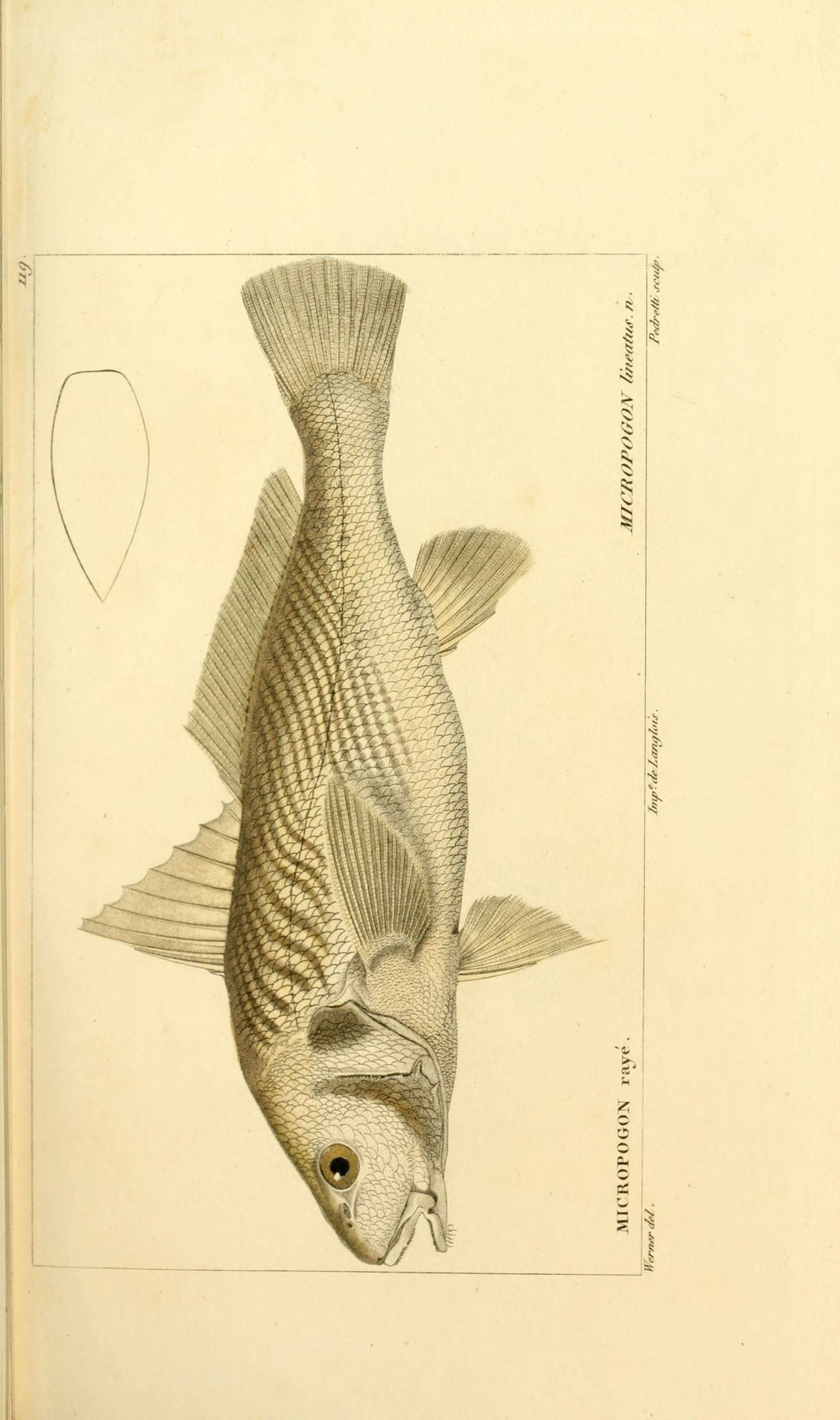
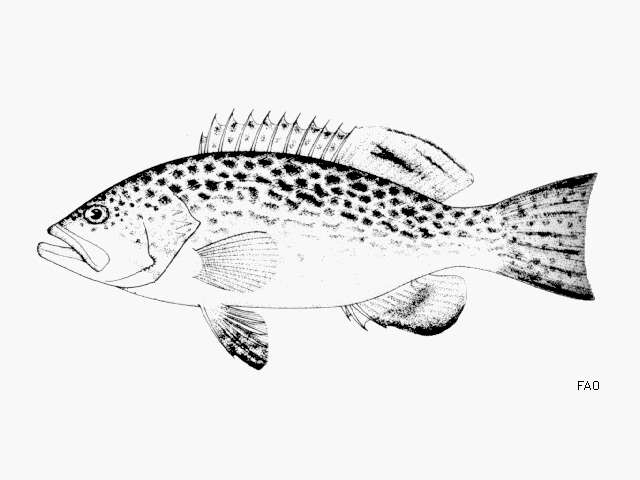


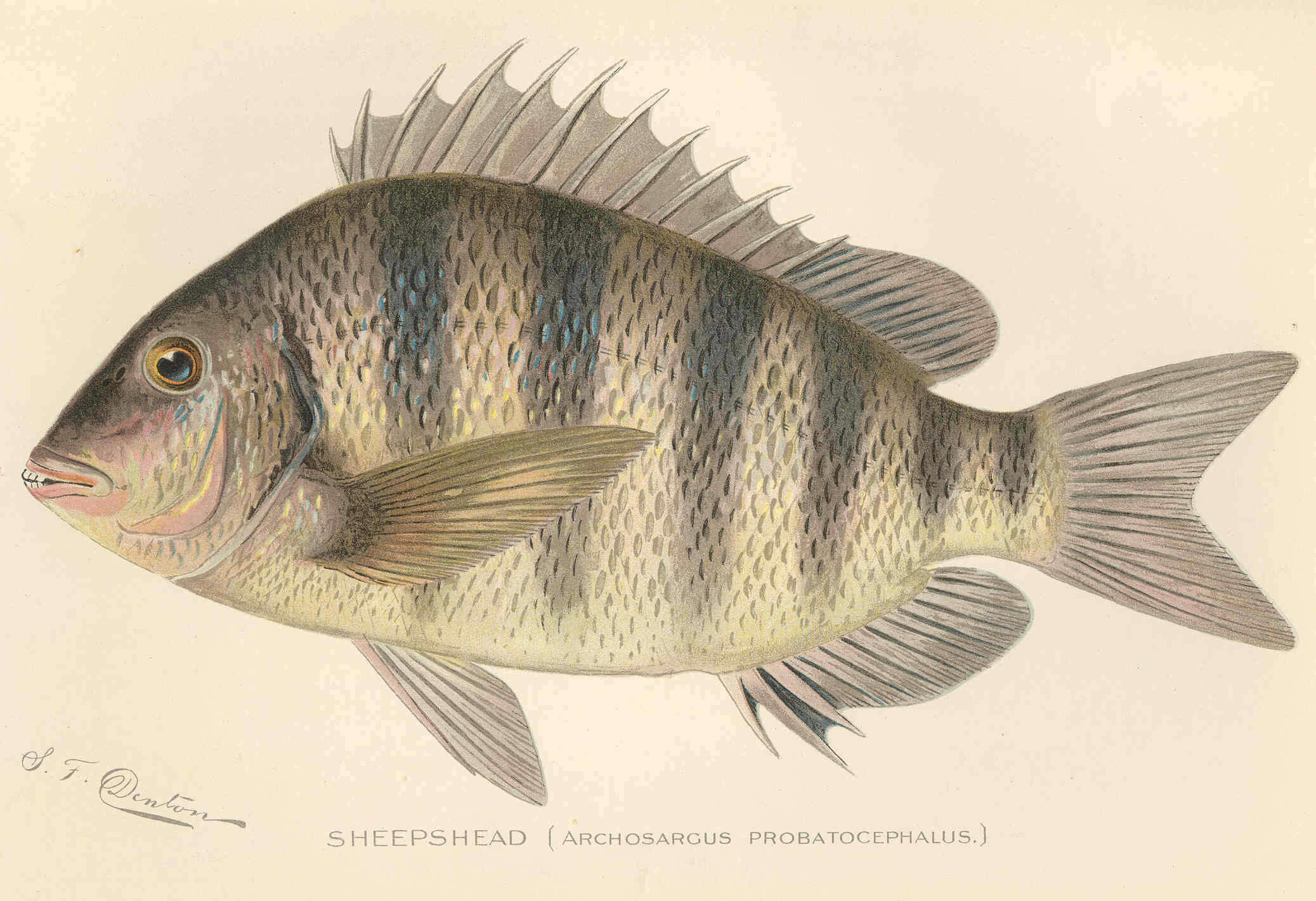
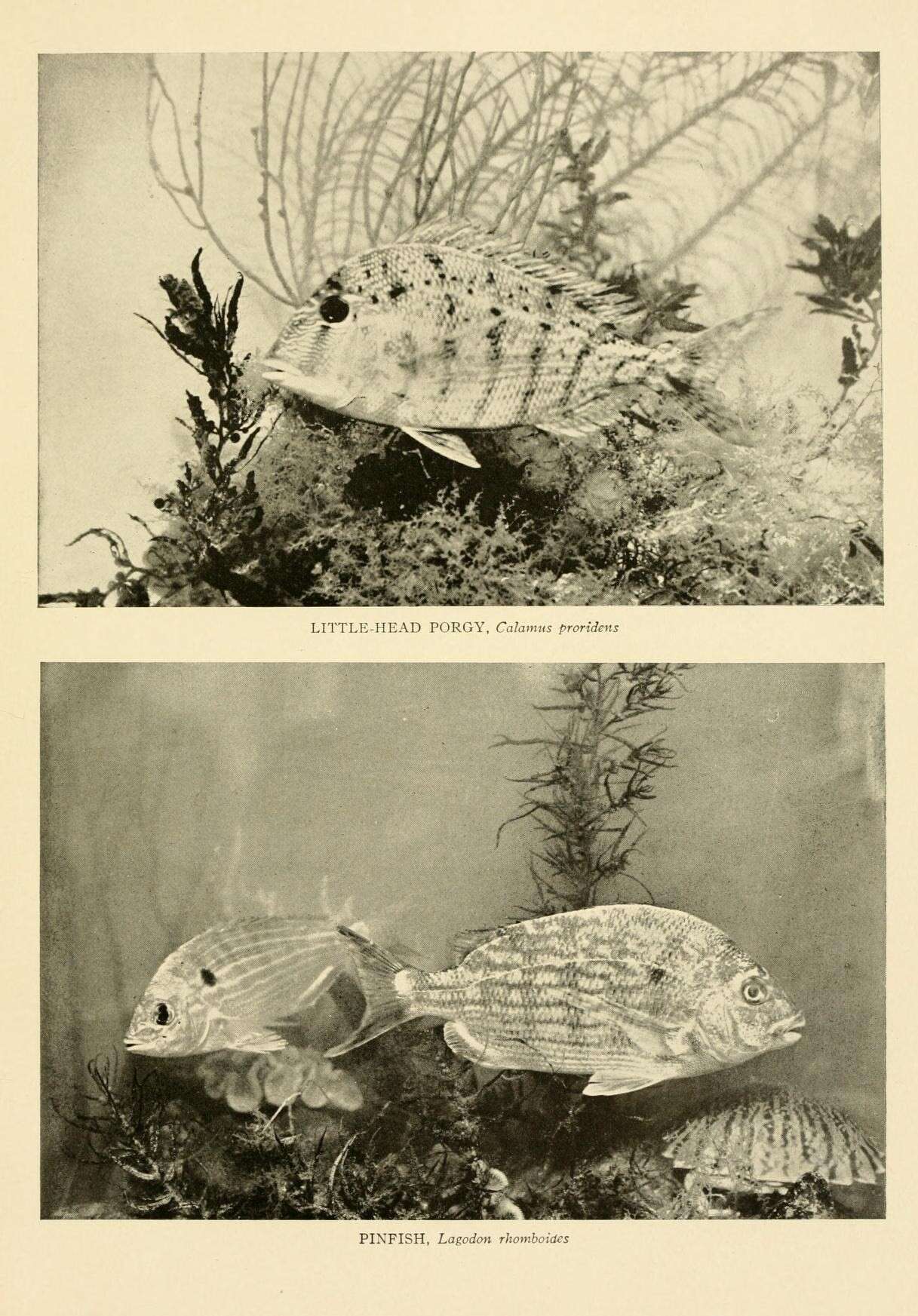


Species Identified
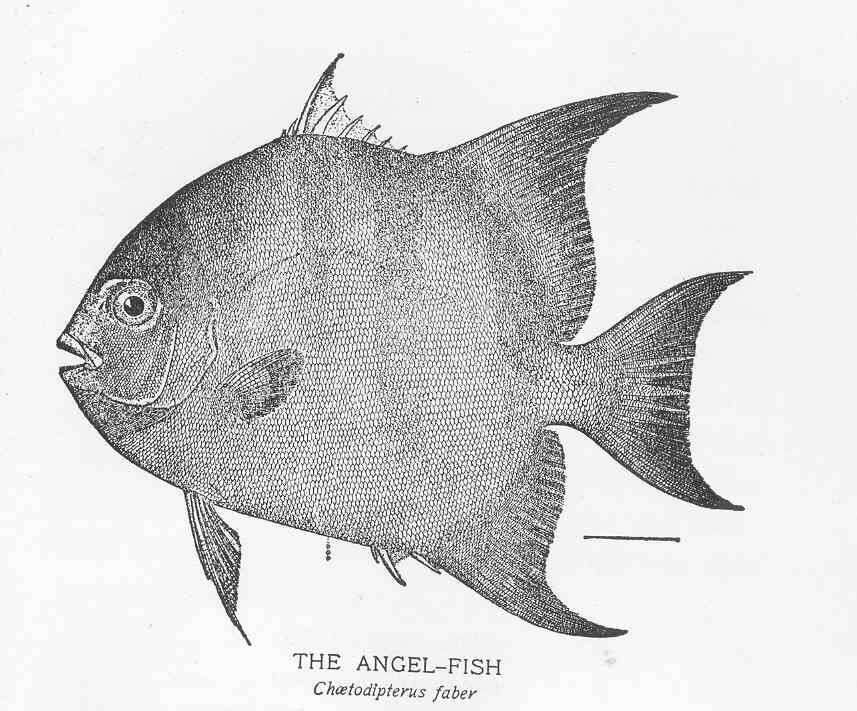
Chaetodipterus faber (Broussonet, 1782) (Atlantic spadefish)
Abundant in shallow coastal waters, from mangroves and sandy beaches to wrecks and harbors. Juveniles are common in estuaries and often found in very shallow water swimming at an angle resembling dead leaves or as infert...
Read More
Read More
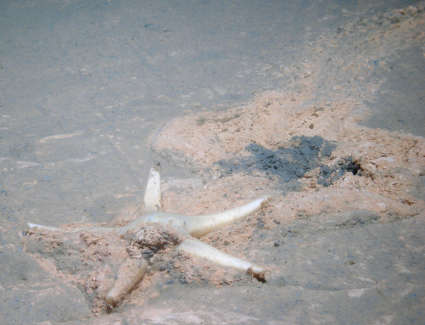
Sclerasterias tanneri
Bathybiaster vexillifer
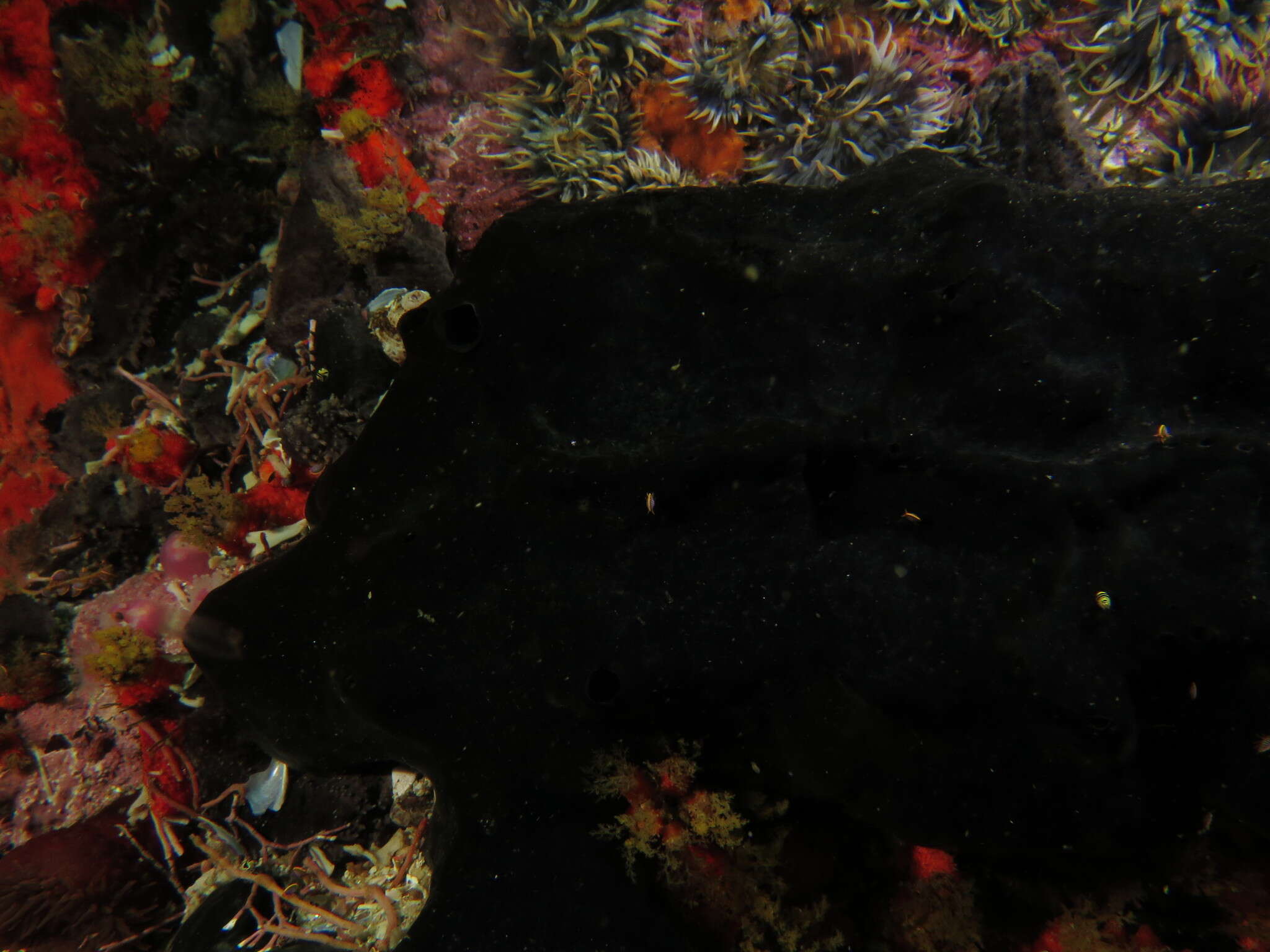
Suberites ficus (Johnston, 1842) (fig sponge)
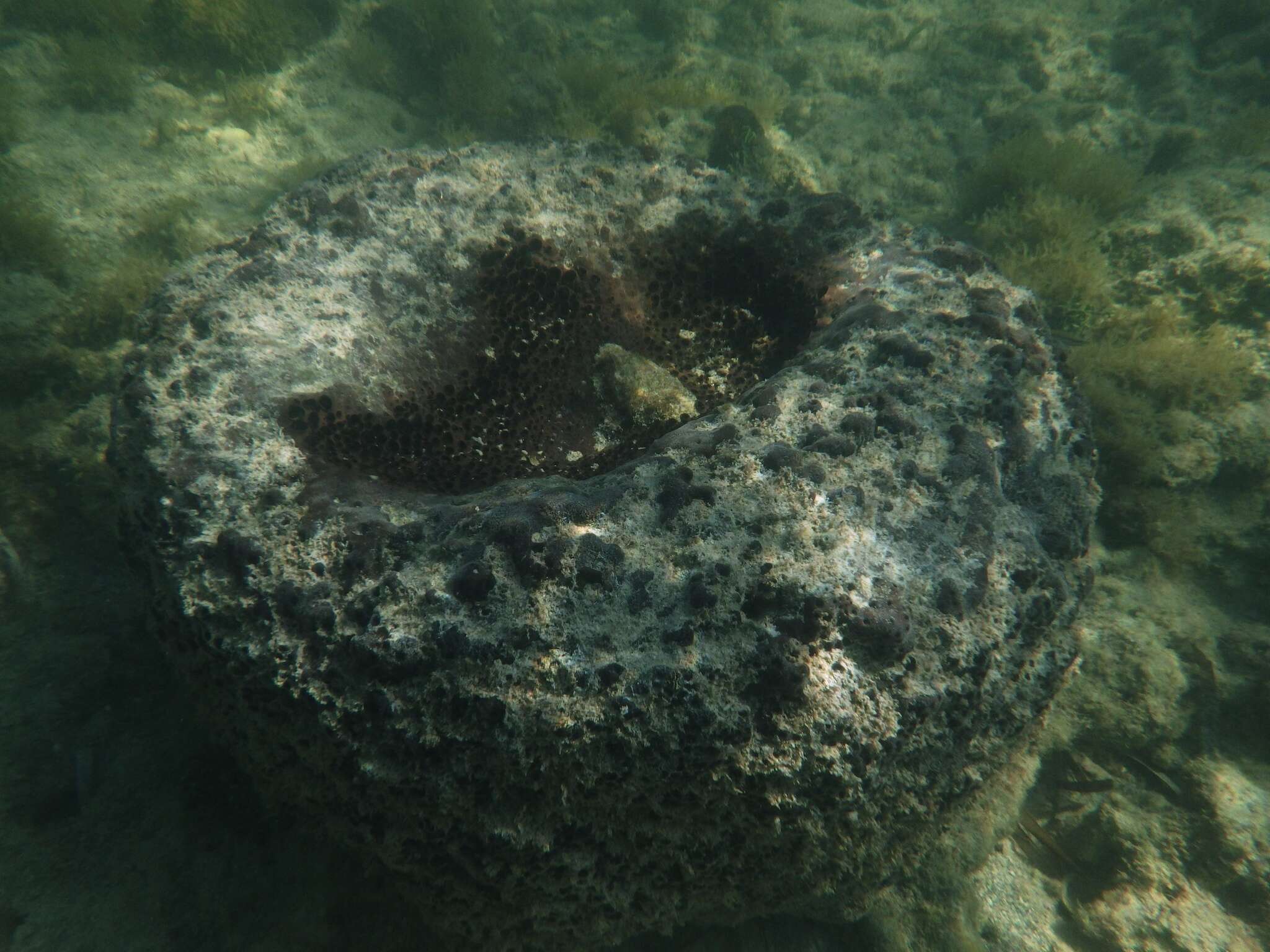
Spheciospongia vesparium (Lamarck, 1815) (Spheciospongia vesparium)
Aplysilla sulfurea Schulze, 1878
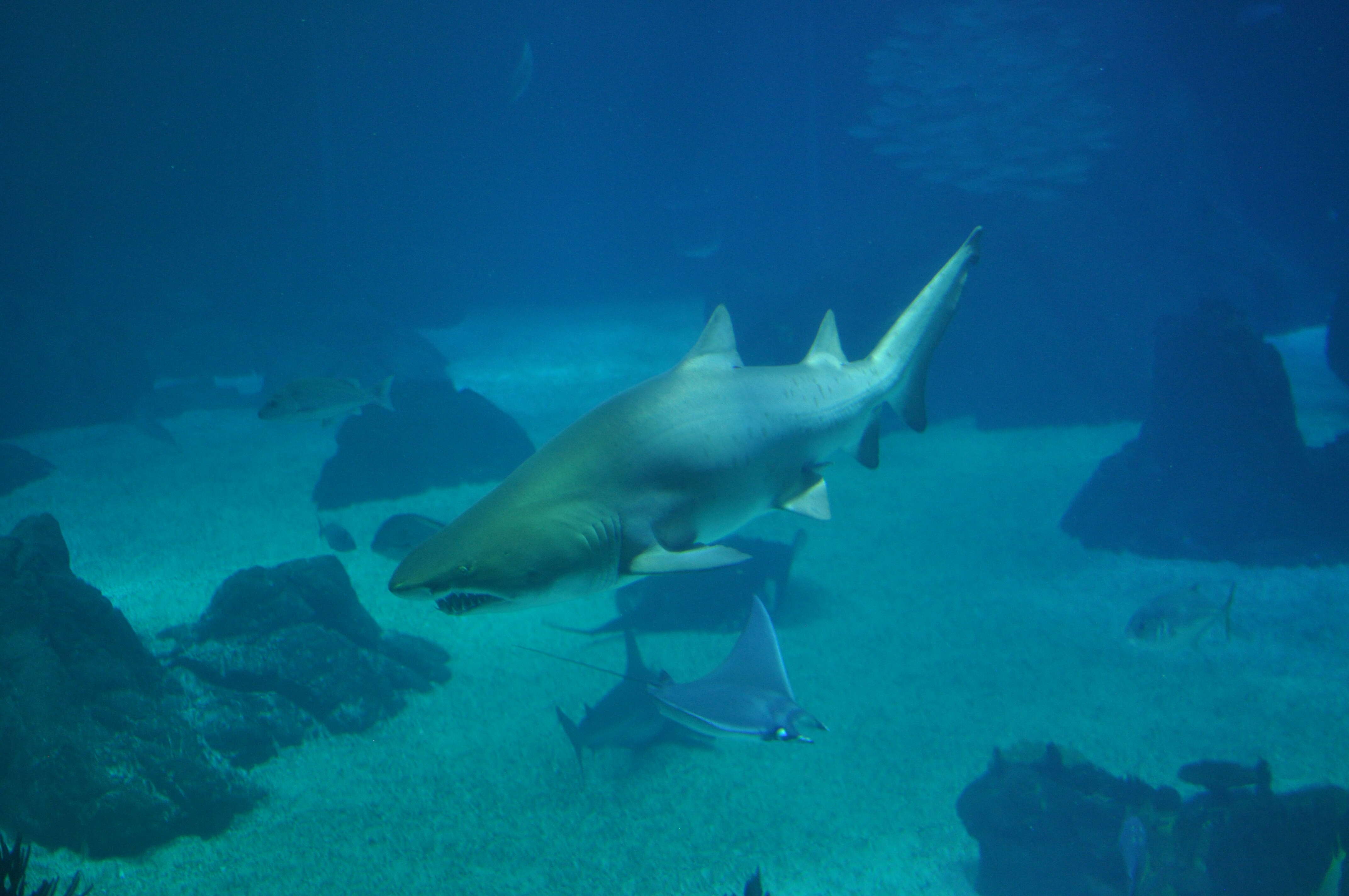
Carcharias taurus Rafinesque, 1810 (sand tiger shark)
The sand tiger shark is one of the best-studied of the shark species. They are the only sharks known to gulp air at the surface and store it in their stomach to provide buoyancy . These sharks generally mate between Octobe...
Read More
Read More
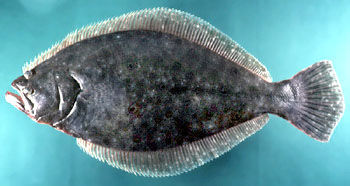
Paralichthys dentatus (Linnaeus, 1766) (Summer flounder)
Paragorgia arborea (Linnaeus, 1758) (bubble gum coral)
Primnoa resedaeformis (Gunnerus, 1763) (red trees)
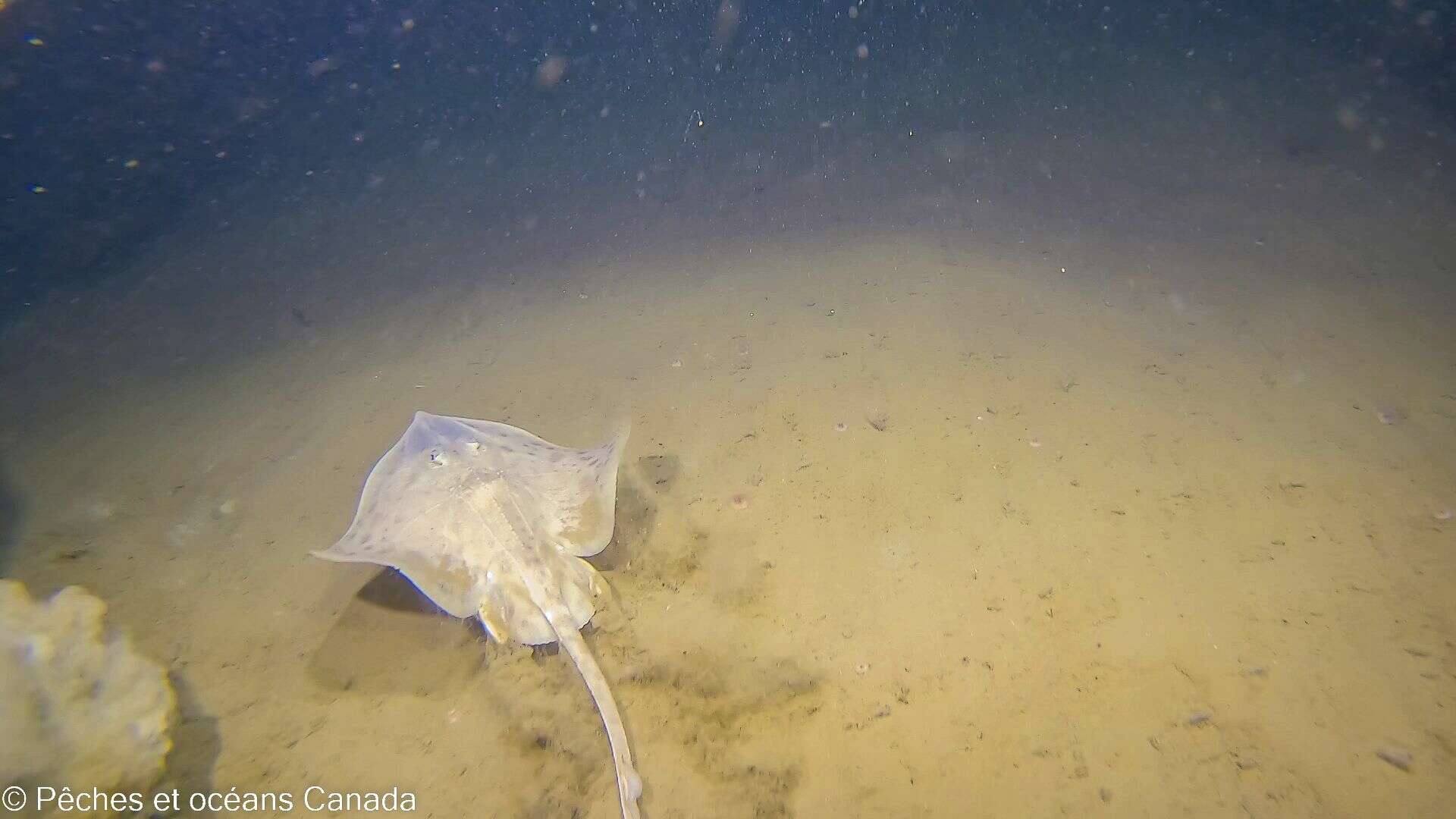
Malacoraja senta (Garman, 1885) (Prickly skate)
Inhabits soft mud and clay bottoms of the deeper troughs and basins, sands and shells, gravel and pebbles of the offshore fishing banks . Benthic . Salinity ranges from 32.6 to 35.4 . This species is confined to deep wa...
Read More
Read More
Selar crumenophthalmus (Bloch, 1793) (Big eye scad)
Prefers clear oceanic waters around islands to neritic waters . Occasionally in turbid waters . Pelagic . Mainly nocturnal. Feeds on small shrimps, benthic invertebrates, and forams when inshore, and zooplankton and fi...
Read More
Read More
Seriola dumerili (Risso, 1810) (Greater amberjack)
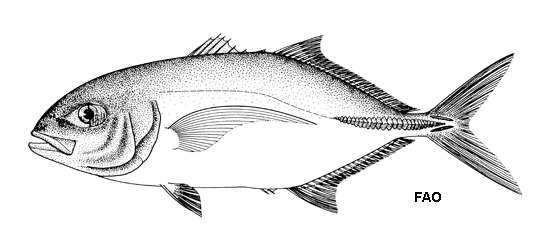
Carangoides bartholomaei (Cuvier, 1833) (yellow jack)
Prefers offshore reefs and open marine waters . Juveniles often found near the shore on seagrass beds or often associated jellyfish or floating Sargassum . Generally solitary but sometimes seen in small groups . Feeds ...
Read More
Read More
Hemanthias leptus (Ginsburg, 1952) (longtail bass)
Occurs over hard bottoms.
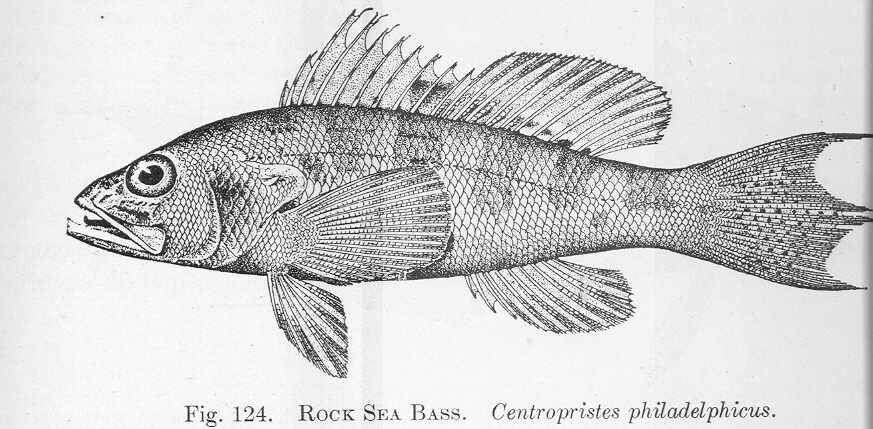
Centropristis philadelphica (Linnaeus, 1758) (Sea bass)
Prefers hard bottom, rocks, jetties and ledges.
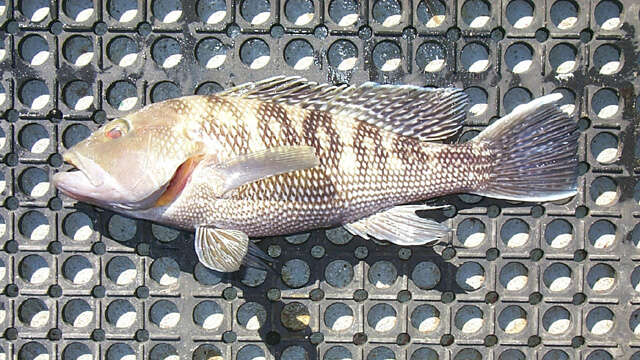
Centropristis striata (Linnaeus, 1758) (Black seabass)
Commonly found around rock jetties and on rocky bottoms in shallow water. Marketed fresh and eaten fried, broiled and baked .
Micropogonias undulatus (Linnaeus, 1766) (Atlantic croaker)
Occurs usually over mud and sandy mud bottoms in coastal waters and in estuaries where the nursery and feeding grounds are located. Feeds mainly on worms, crustaceans and fishes. An excellent foodfish. Sold fresh and frozen; eaten fried, broiled, microwaved and baked .
Mycteroperca phenax Jordan & Swain, 1884 (Scamp grouper)
Found over ledges and high-relief rocky bottoms in the eastern Gulf of Mexico; at low-profile bottoms at depths of 30 to 100 m in North Carolina; this species was the most abundant grouper in areas of living Oculina coral ...
Read More
Read More
Lutjanus campechanus (Poey, 1860) (Red snapper)
Adults are found over rocky bottoms. Juveniles inhabit shallow waters, common over sand or muddy bottoms. Feeds mainly on fishes, shrimps, crabs, worms, cephalopods, and some planktonic items including urochordates and g...
Read More
Read More
Sphoeroides nephelus (Goode and Bean, 1882) (southern puffer)
Archosargus probatocephalus (Walbaum, 1792) (Sheepshead seabream)
Lagodon rhomboides (Linnaeus, 1766) (Porgy)
Aluterus scriptus (Osbeck, 1765) (Unicornfish)
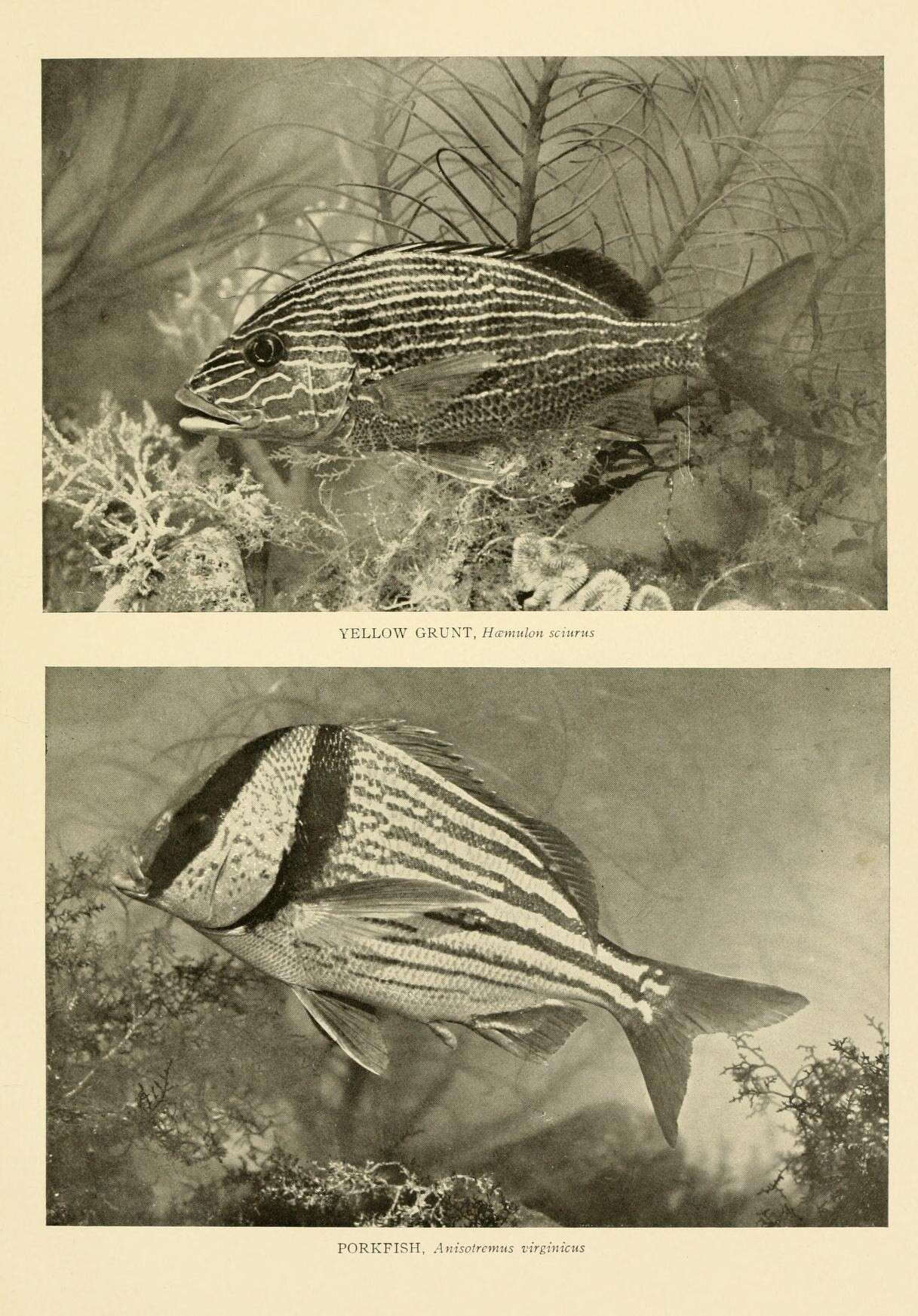
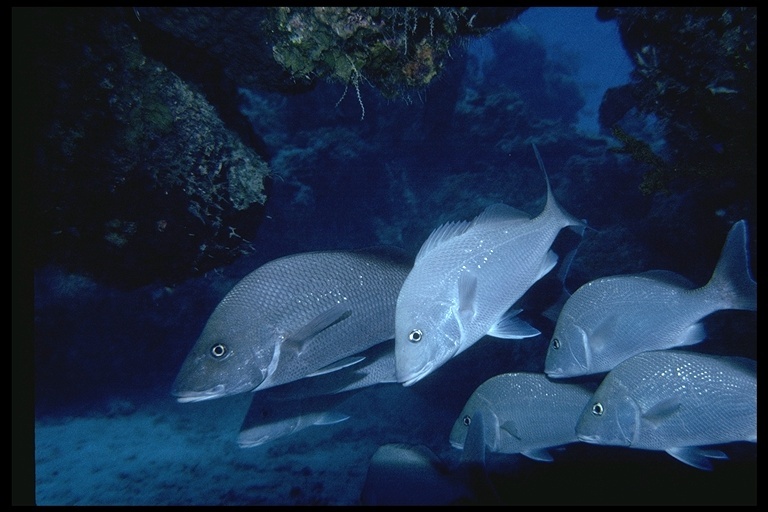
Haemulon sciurus (Shaw, 1803) (Blue striped grunt)
Found in small groups over coral and rocky reefs and drop-offs . Juveniles are abundant in Thalassia beds . Feeds on crustaceans, bivalves, and occasionally on small fishes. Marketed fresh.
Haemulon album Cuvier, 1830 (White margate)
Inhabits seagrass beds, sand flats, coral reefs, and wrecks . Found in pairs or larger schools . Feeds on benthic invertebrates . Has been observed to nose into the sand to eat such subsurface invertebrates as peanut worms and heart urchins . Marketed fresh .
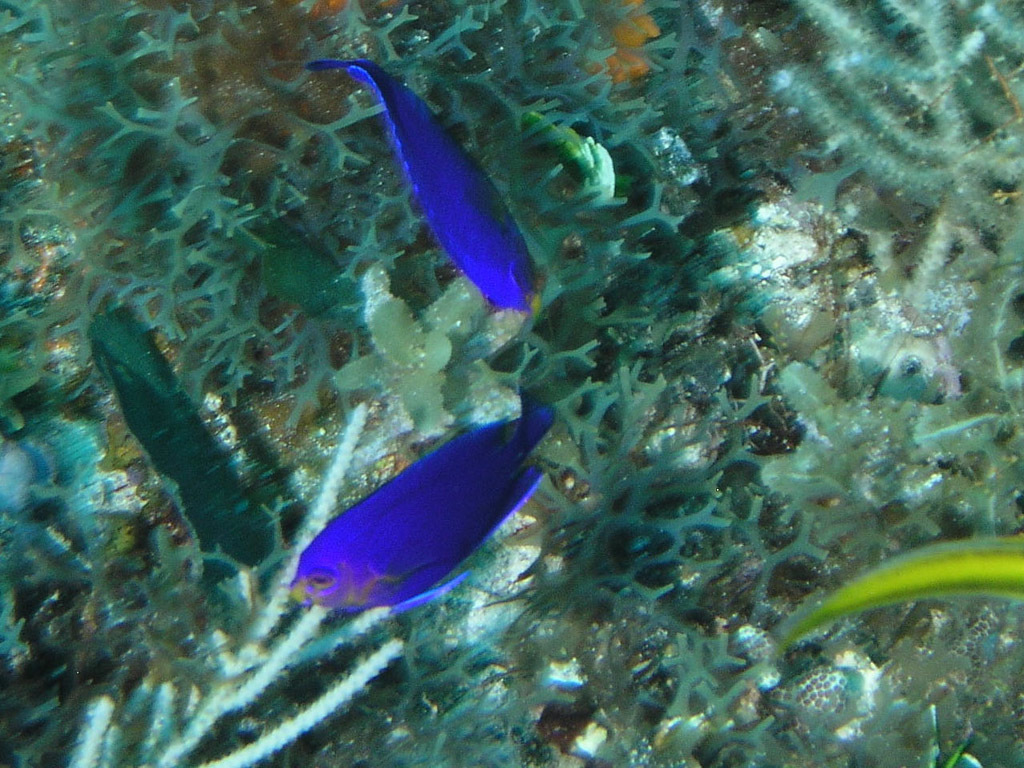
Centropyge argi Woods and Kanazawa, 1951 (Cherub pygmy angelfish)
Normally occurs in rubble areas. Feeds on various types of algae. Oviparous , monogamous . Retreats into holes when frightened . Has been reared in captivity .
Holacanthus ciliaris (Linnaeus, 1758) (queen angelfish)
Found on coral reefs. Generally occurs solitarily or in pairs. Moves gracefully between seafans, seawhips, and corals . Stomach contents of 26 specimens indicate that the species feeds almost exclusively on sponges supp...
Read More
Read More
Chromis cyanea (Poey, 1860) (blue chromis)
Common above deep outer reefs and feeds in aggregations of the small zooplankton, primarily copepods . Often with creole wrasse. Retreats into coral crevices when frightened .
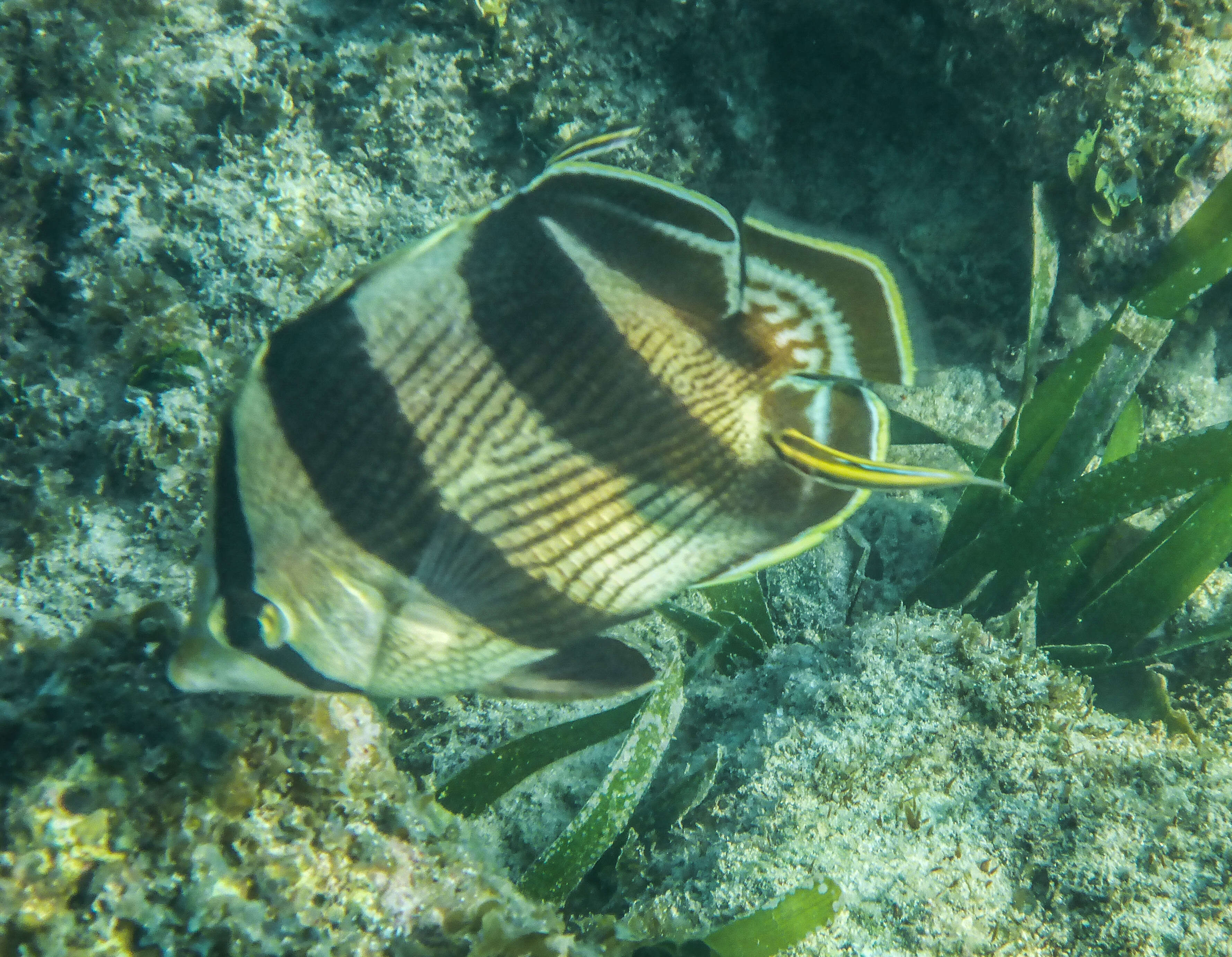
Chaetodon striatus Linnaeus, 1758 (Butterbun)
Inhabit coral reefs. Occur singly or in pairs. Feed on polychaete worms, coral polyps, crustaceans and mollusk eggs. Oviparous , monogamous . Form pairs during breeding . Adults may form plankton-feeding aggregations ...
Read More
Read More
Balistes capriscus Gmelin, 1789 (gray triggerfish)
Pristigenys alta (Gill, 1862) (Bigeye)
Found on rocky bottoms between 5 and 200 m depth, usually solitary and possibly territorial.
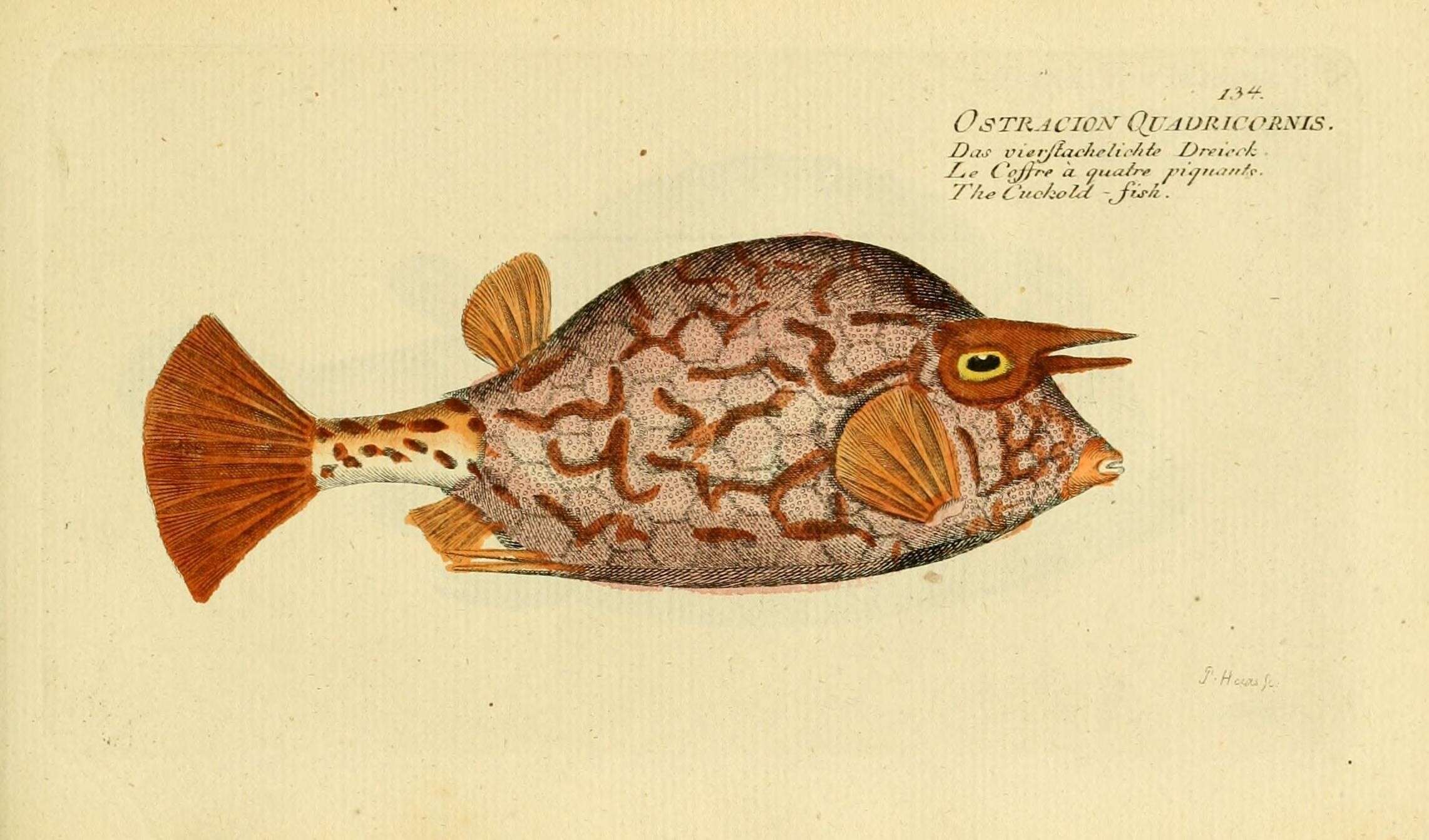
Acanthostracion quadricornis (Linnaeus, 1758) (Cowfish)
Found in shallow water down to about 80 m, mainly in seagrass beds . Feeds on sessile invertebrates such as tunicates, gorgonians and anemones, as well as on slow-moving crustaceans, sponges , hermit crabs and marine plants . Oviparous . Considered an excellent food fish; marketed fresh .
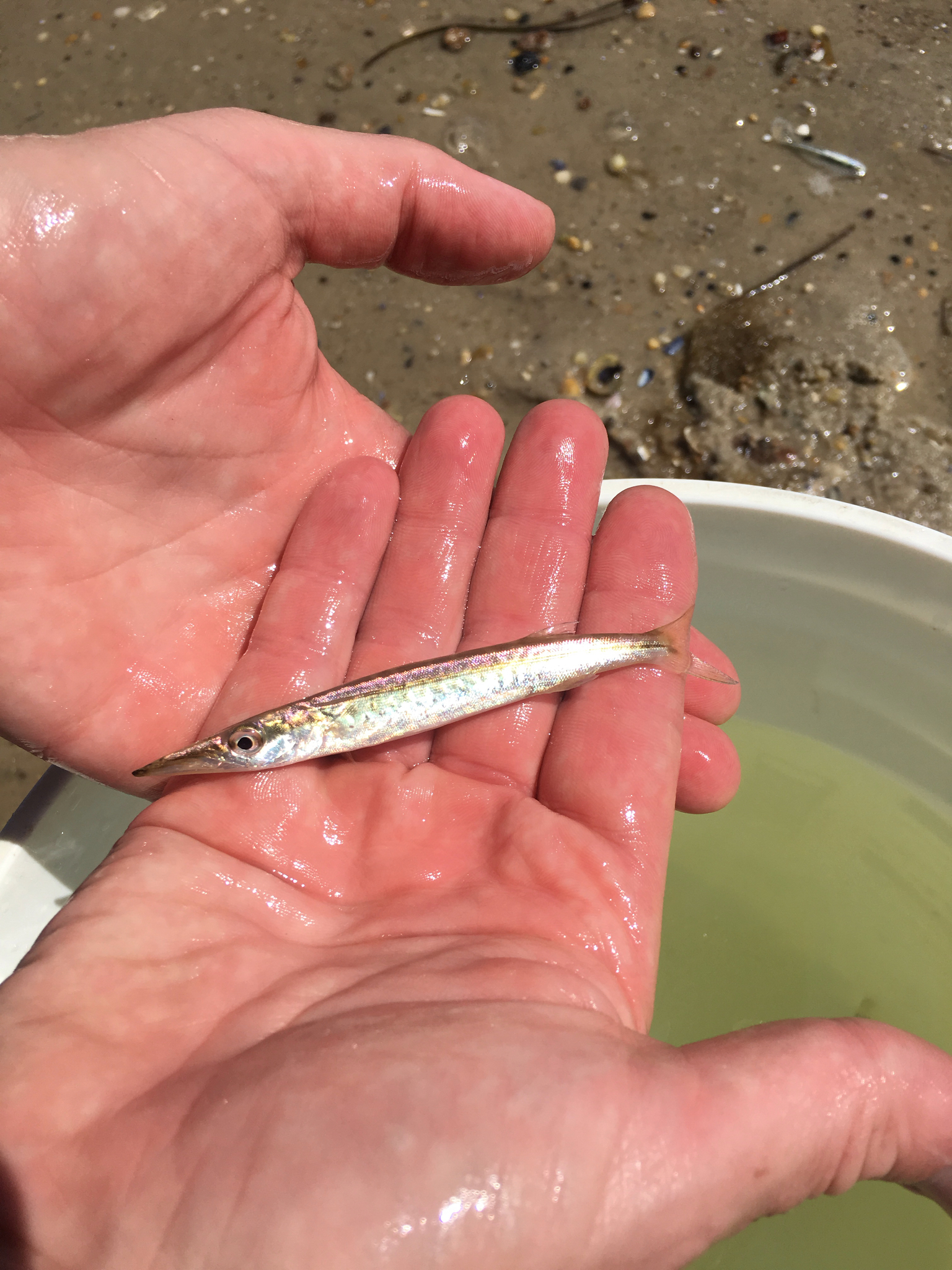
Sphyraena borealis DeKay, 1842 (Northern barracuda)
Share on Social Networks
- Facebook:

personalize your shared text as well as its destination (wall, page...) or send as a private message to a friend
- Twitter: Tweet personalize your tweet
- Google Plus:
Direct link to this dive
- Long link:
- Short link:


 We are participating today in the startup contest Techcrunch Disrupt. Support Diveboard by voting for us!
























































































Second dive of the day. I was overweighted with a broken light. I did not penetrate the wreck beyond pass throughs due to light failure. Buddy was Jason (Lake Anna VFD)