


 Steve Dillon

 United States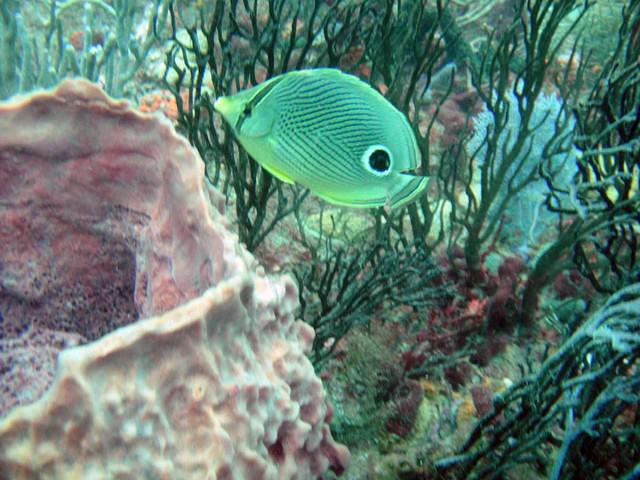
-
Nº28
 Date: 2010-07-12 - 14:18
-
 Max Depth: 18m Duration: 49mins
Dive Location

- Surface interval:76 mins
- Temp: Surf 25°C Bottom 25°C
- Dive type : Recreational, Drift, Reef, Photo, Boat
- Visibility: Good Water: Salt
Specific gear used
- BCD: Dacor - Talon
- Boots: Akona -
- Camera: Sony - DSC-TX1
- Computer: Uwatec - Smart Z
- Fins: Dacor - Panther
- Mask: Dacor - Nautilus
- Regulator: Mares - M12 Octo
- Regulator: Mares - M12 Proton
- Wet suit: Mares - 3mm
- Weights: 4 kg
Dive reviews
| Overall review | ||
| Dive difficulty | ||
| Marine life quality |
Recent Divers in Florida West Palm Beach

Recent Pictures in Florida West Palm Beach
Dive Shop & Buddies
 Dive with Jim Abernethy's Scuba Adventures
 Jim Abernethy's Scuba Adventures confirmed the dive with parameters: 18m / 49mins

Link to this spot:
- Spot:
- Country:
- Area:
- Body of water:
Dive Profile
- 1. Nitrox 35
- 11L Aluminium 208 → 65 bar
- Average depth: 13m
Data provided by EOL.org

Species Identified
Scorpaenopsis brevifrons Eschmeyer & Randall, 1975 (Bigmouth scorpionfish)
Usually found on rocky bottom or coral reefs, but also on sand and rubble bottom . Benthic .
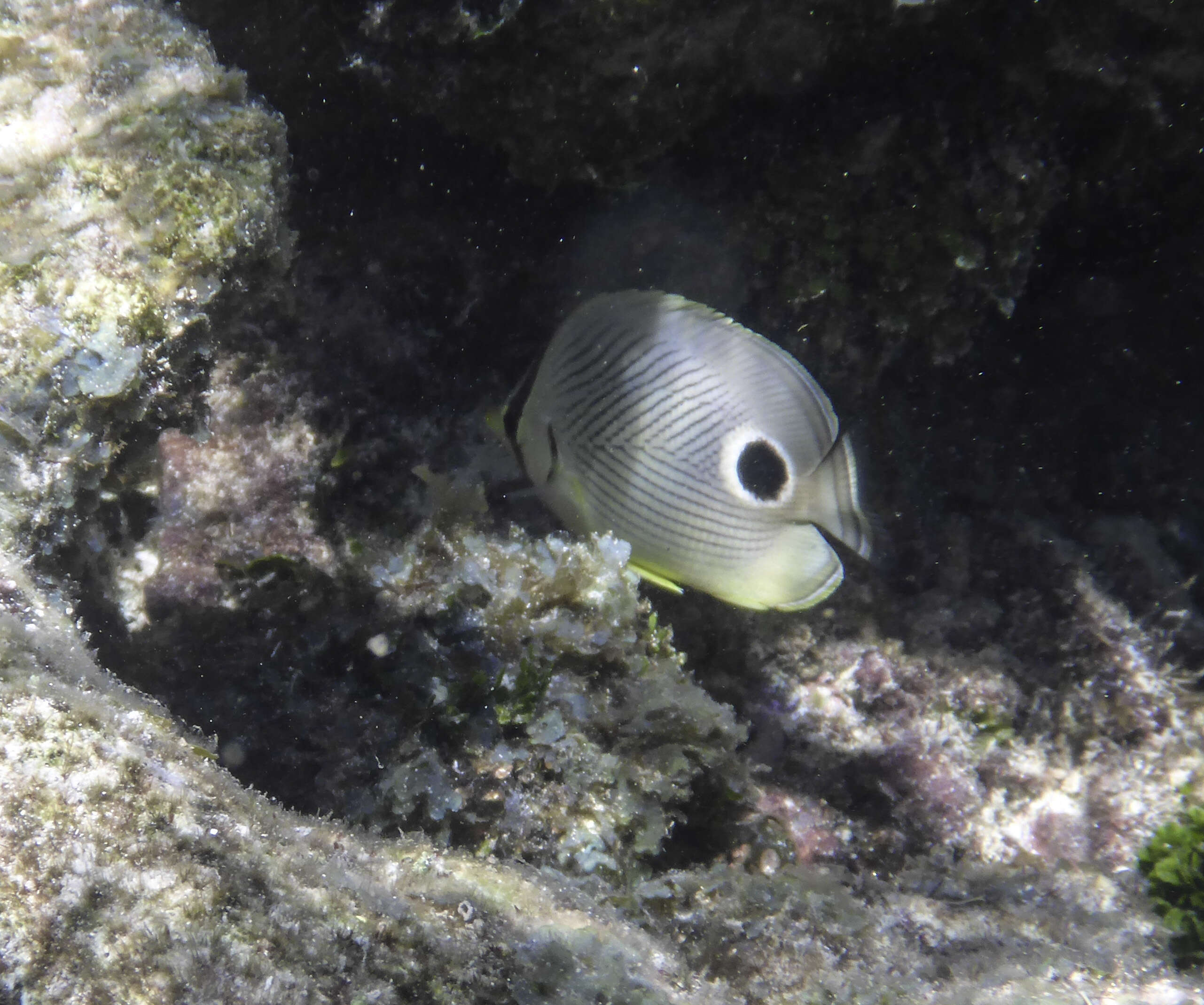
Chaetodon capistratus Linnaeus, 1758 (Butterbun)
Inhabit shallow reefs and generally occurs singly or in pairs. Feed mainly on zoantharians, polychaete worms, gorgonians and tunicates. Easily approached . Oviparous . Form pairs during breeding .
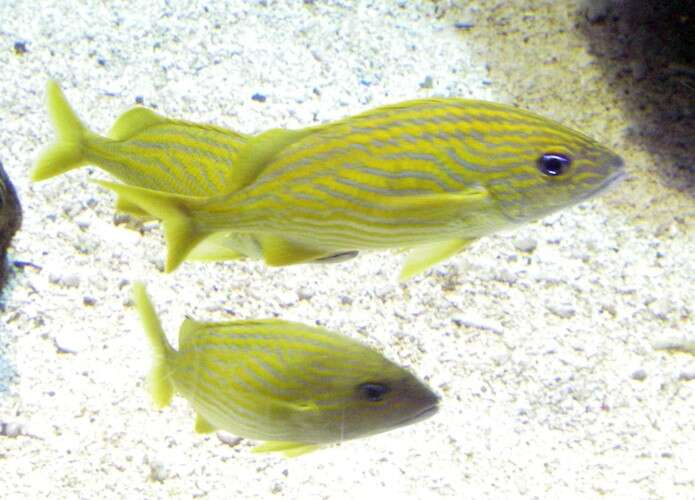
Haemulon flavolineatum (Desmarest, 1823) (French grunt)
Occurs in large schools on rocky and coral reefs, often under ledges or close to elkhorn coral . Juveniles abundant in near-shore seagrass beds . Feeds mainly on small crustaceans . Marketed fresh .
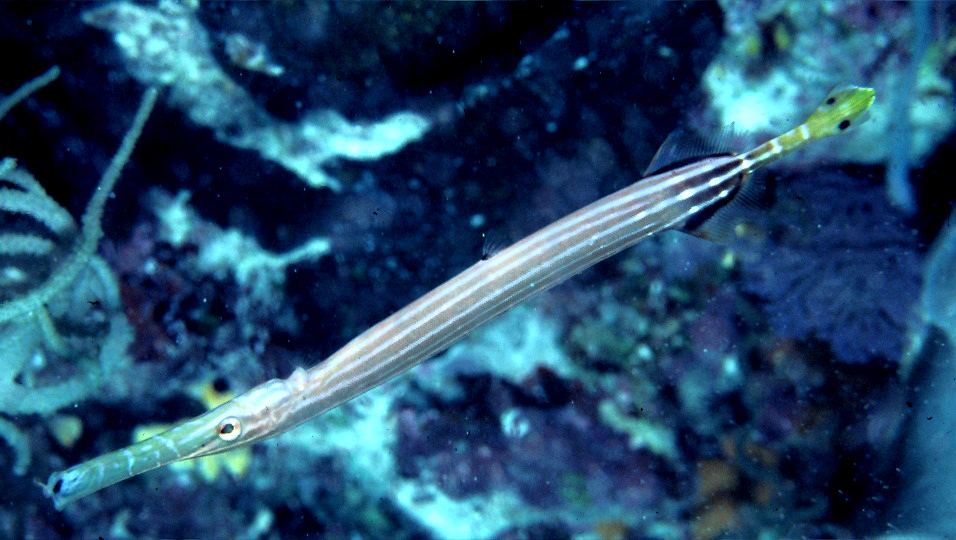
Aulostomus chinensis (Linnaeus, 1766) (Chinese trumpetfish)
Found in clear, shallow water , in rocky and coral areas of protected and seaward reefs . Benthopelagic . Feeds on small fishes and shrimps . A slow-moving fish relying partly on stealth and camouflage to sneak up on unsuspecting prey. Often darts down vertically on its prey. Usually solitary .
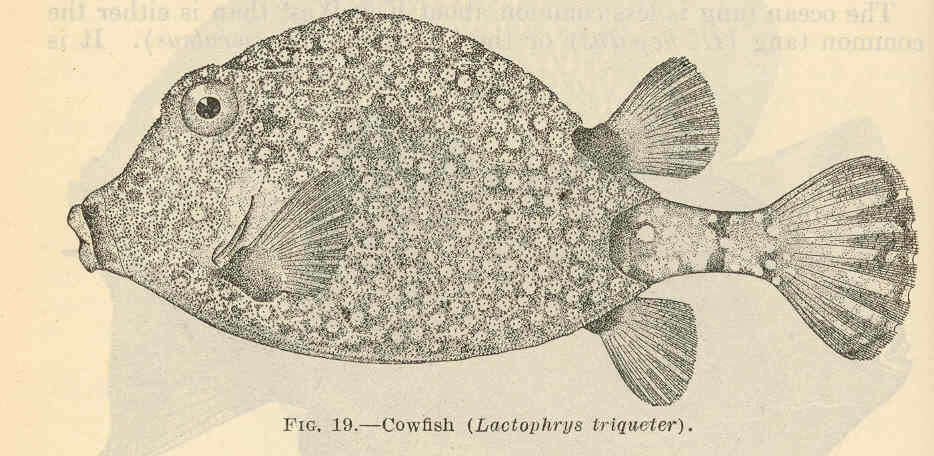
Lactophrys triqueter (Trunkfish)
Found on coral reefs . Solitary or in small groups . Feeds on a wide variety of small bottom invertebrates such as mollusks, crustaceans, worms, sessile tunicates and sponges exposed by a jet of water ejected through the...
Read More
Read More
Share on Social Networks
- Facebook:

personalize your shared text as well as its destination (wall, page...) or send as a private message to a friend
- Twitter: Tweet personalize your tweet
- Google Plus:
Direct link to this dive
- Long link:
- Short link:


 We are participating today in the startup contest Techcrunch Disrupt. Support Diveboard by voting for us!
























































































Jim had to sit this one out. His computer just woudn't give him any bottom time because of a bounce dive he did at the beginning of the Corridor. Again, Breakers showed us the diversity it has. I found a few arrowhead crabs, lots of lobsters, a green turtle, nudibranchs, trumpet fish, puffer fish, scorpion fish, parrot fish, box fish, eels, goliaths, and a few rays. The visibility was good in the beginning, but dropped off toward the end. Two of us turned back to snap a picture of a 6ft ray swimming and by the time we turned around, everyone else was gone. We kicked ahead to try and find them, but to no avail. It was at this point, we looked down and saw a ray, probably at least 10 feet across and 15 feet long burried in the sand. It was the biggest ray I've ever seen.