


 Netherlands Antilles
-
Nº43
 Date: 2019-09-10 - 11:16
-
 Max Depth: 20.8m Duration: 43mins
Pictures

No pictures for this dive
- Dive type : Recreational
- Visibility: Excellent Water: Salt
Specific gear used
- Weights: 7.3 kg
Recent Divers in Bonaire



Recent Pictures in Bonaire
Dive Shop & Buddies
 Dive with Buddy Beach & Dive Resort
 Dive buddies:
Cwrayman,
Dive_Tigger
Dive buddies:
Cwrayman,
Dive_Tigger

Link to this spot:
- Spot:
- Country:
- Area:
- Body of water:
Dive Profile
- 1. Air
- 12L Aluminium 220 → 100 bar
- Average depth: 13.4m
Data provided by EOL.org
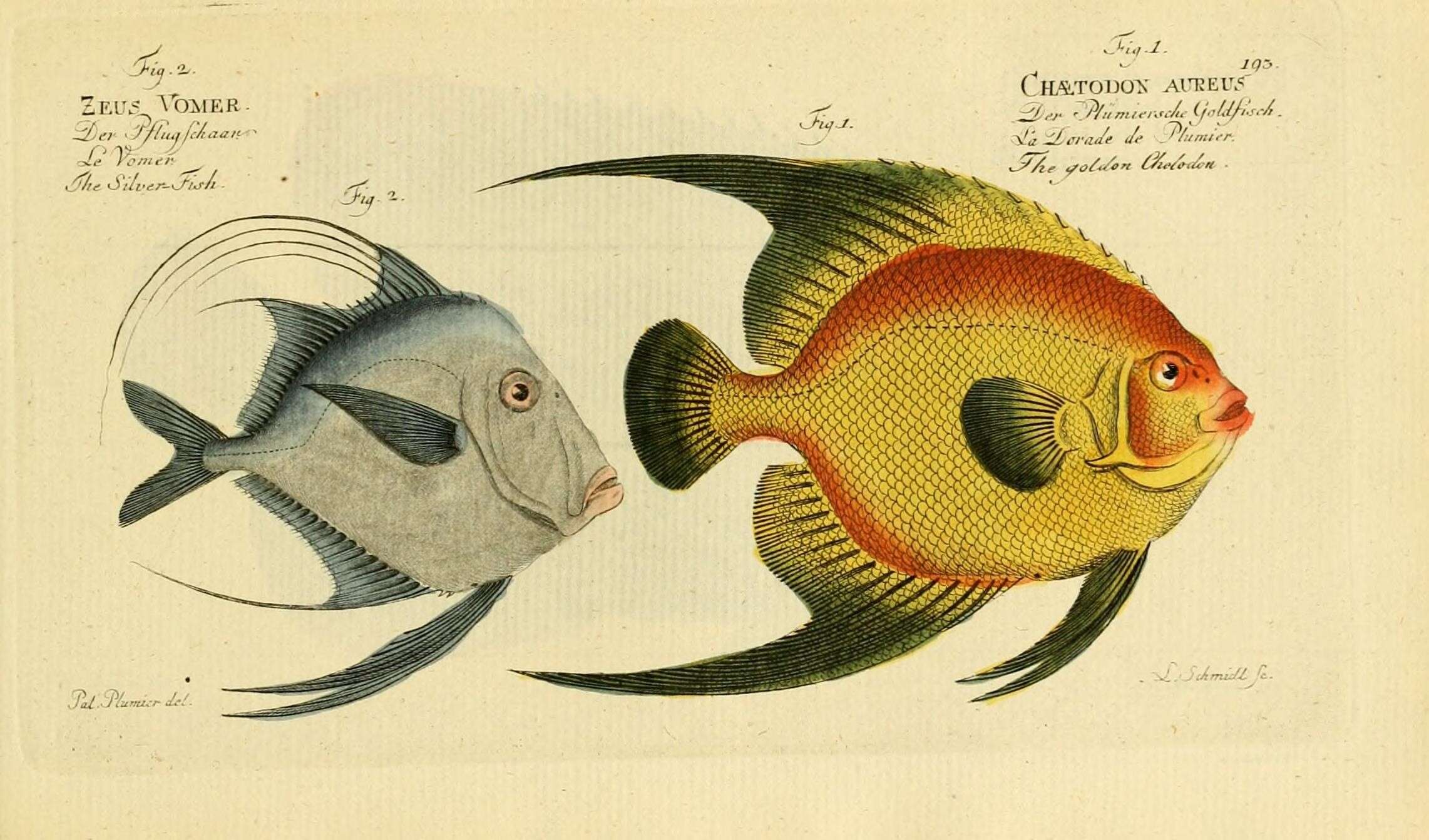
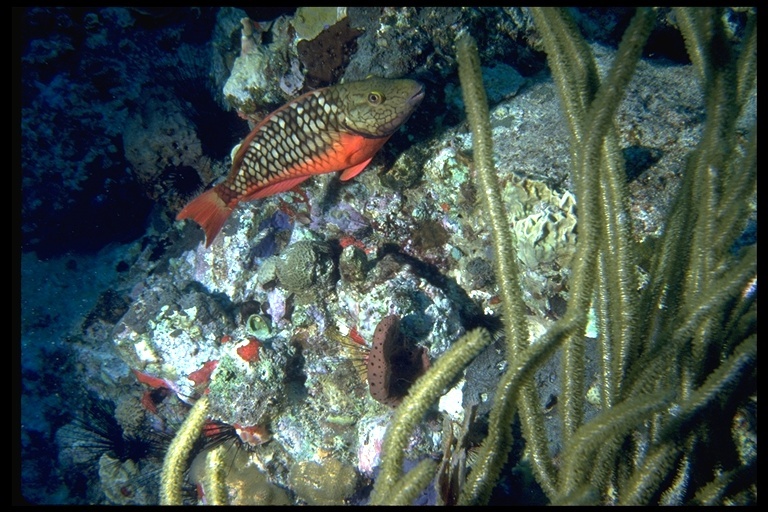
Species Identified
Megalops atlanticus Valenciennes, 1847 (Atlantic tarpon)
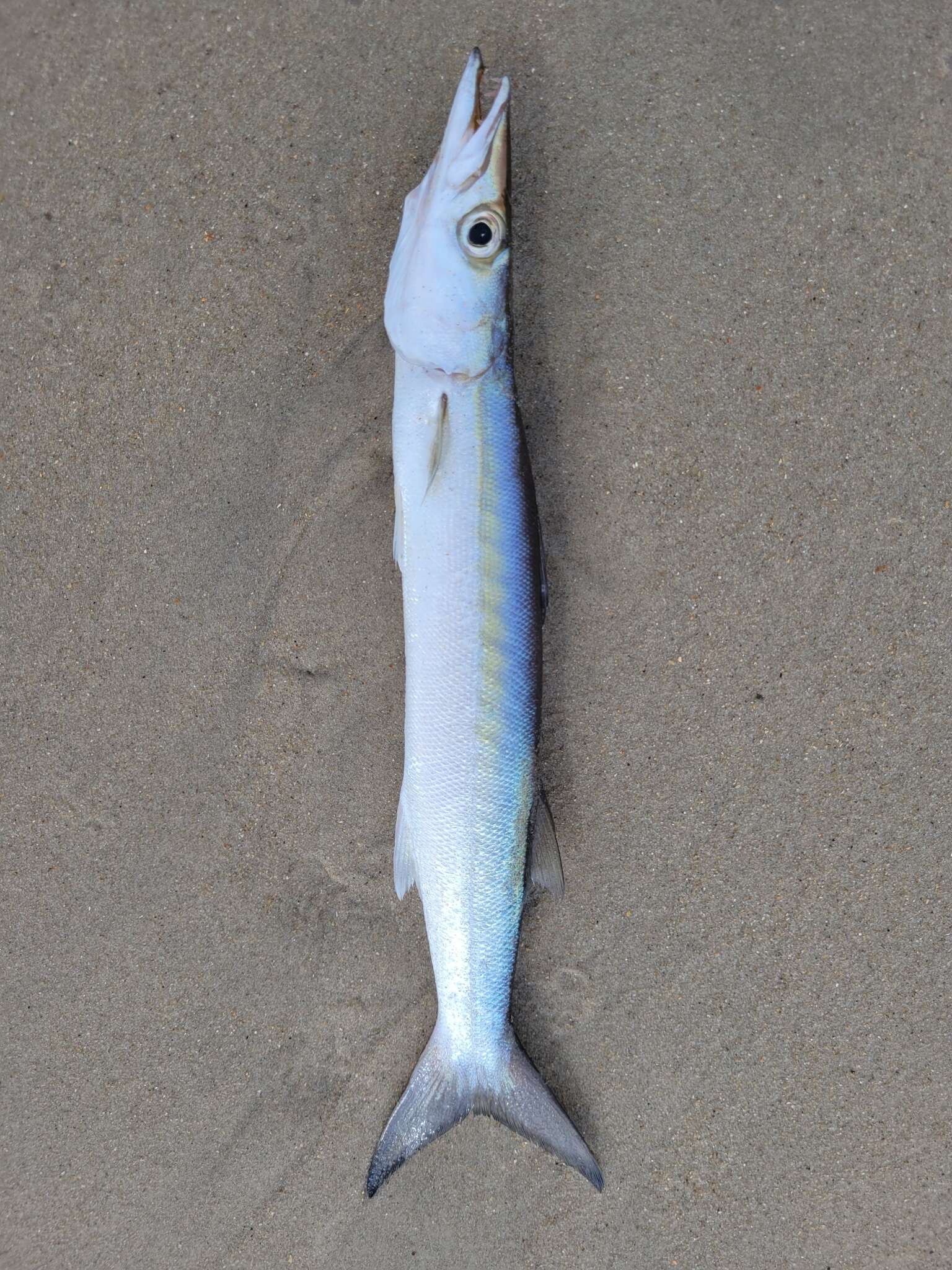
Sphyraena guachancho Cuvier, 1829 (Guachanche barracuda)
Occurs in shallow and generally turbid coastal water over muddy bottoms, often around river estuaries. Schooling species . Feeds on mainly on fishes belonging to the Engraulidae, Clupeidae, Lutjanidae and Synodontidae fa...
Read More
Read More
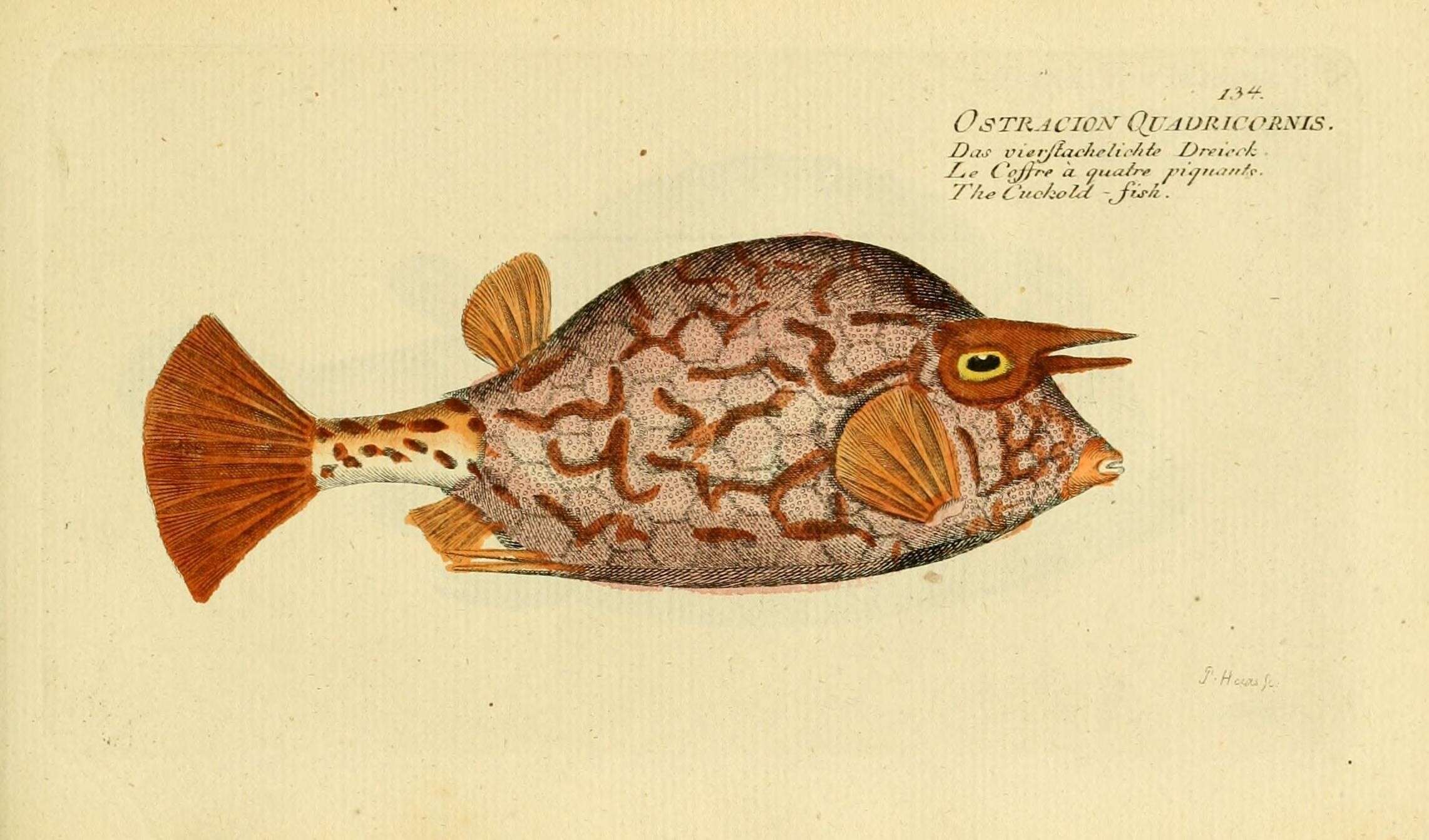
Acanthostracion quadricornis (Linnaeus, 1758) (Cowfish)
Found in shallow water down to about 80 m, mainly in seagrass beds . Feeds on sessile invertebrates such as tunicates, gorgonians and anemones, as well as on slow-moving crustaceans, sponges , hermit crabs and marine plants . Oviparous . Considered an excellent food fish; marketed fresh .
Pomacanthus paru (Bloch, 1787) (French angelfish)
Common in shallow reefs. Usually in pairs, often near sea fans . Feed on sponges, algae, bryozoans, zoantharians, gorgonians and tunicates . Oviparous , monogamous . Spawning pairs are strongly territorial, with usuall...
Read More
Read More
Sparisoma viride (Bonnaterre, 1788) (Dark green parrotfish)
Inhabits coral reefs with clear water . Young may be found in seagrass beds and other heavily vegetated bottoms. Feeds mainly on soft algae, but has been observed to graze on live corals like, Montastraea annularis . Pr...
Read More
Read More
Share on Social Networks
- Facebook:

personalize your shared text as well as its destination (wall, page...) or send as a private message to a friend
- Twitter: Tweet personalize your tweet
- Google Plus:
Direct link to this dive
- Long link:
- Short link:


 We are participating today in the startup contest Techcrunch Disrupt. Support Diveboard by voting for us!
























































































Our original dive plan was to dive salt pier but the boat was docked and as a result we were not allowed to dive.
Reverted to plan b, and dived here.
A dive boat was anchored at the dive buoy, descended headed north and cam across th4 dive group heading back to the boat. I struggled with mask squeeze stupidly let water in instead of blowing air through my nose, then I struggled to get the water out.
It was a tricky entry and exit over rocks with the wave action.