


 Ireland
-
Nº91
 Date: 2013-07-08 - 11:03
-
 Max Depth: 12.8m Duration: 28mins
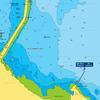
Dive Location

- Temp: Surf 21°C Bottom 13°C
- Dive type : Recreational, Reef, Photo, video, shore
- Visibility: Average Water: Salt
Specific gear used
- BCD: Aqualung - Maverick
- Computer: Suunto - Zoop
- Dry suit: Oceanic -
- Mask: H2O Odyssey 3 - MS8
- Other: Suunto - 2+1 Console (depth,air,compass)
- Regulator: Aqualung - Glacia
- Weights: 15 kg
Recent Divers in Dun Laoghaire
Recent Pictures in Dun Laoghaire
Dive Shop & Buddies
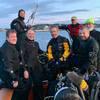
 Dive buddies:
Mick Frizzelle

Link to this spot:
- Spot:
- Country:
- Area:
- Body of water:
Dive Profile
- 1. Air
- 12L Steel 190 → 50 bar
- Average depth: 8.5m
Data provided by EOL.org






Species Identified
Phoca vitulina Linnaeus, 1758 (harbor seal)
Harbour seals are good swimmers. The pinipeds serve as rudder. The body and back pinnipeds cause propulsion. The seal is highly adapted to speed with its torpedo-like body and pinna. Observations made from ships revealed t...
Read More
Read More
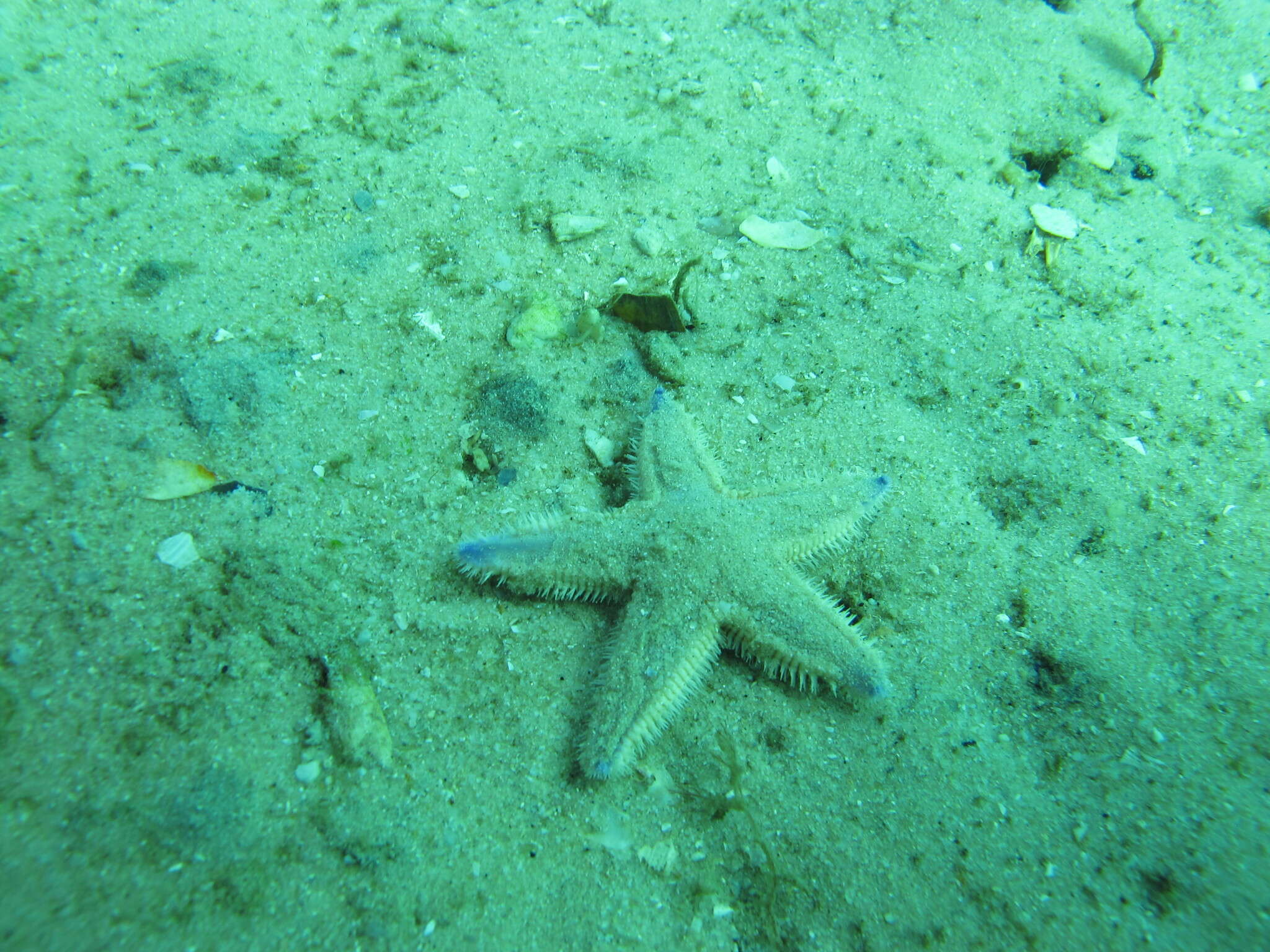
Astropecten irregularis (sand star)
Luidia sarsi
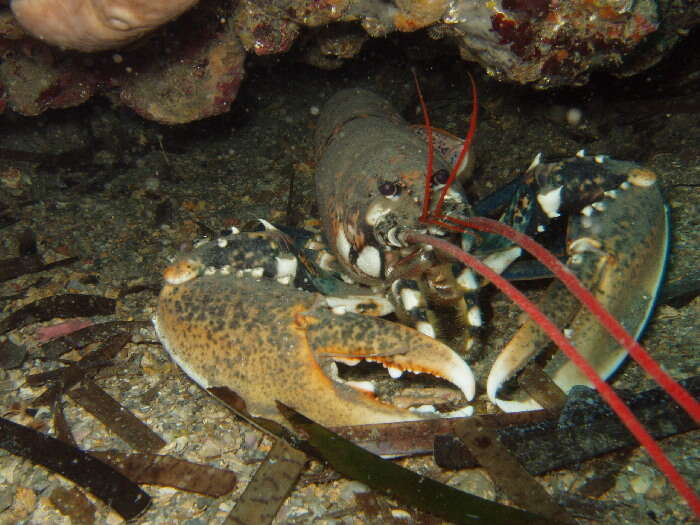
Homarus gammarus (Linnaeus, 1758) (European lobster)
The common lobster is a scavenger, and uses its pincers to manipulate food items . The sexes are separate, spawning occurs once a year in summer, and after mating, the female carries the eggs on her walking legs for a...
Read More
Read More
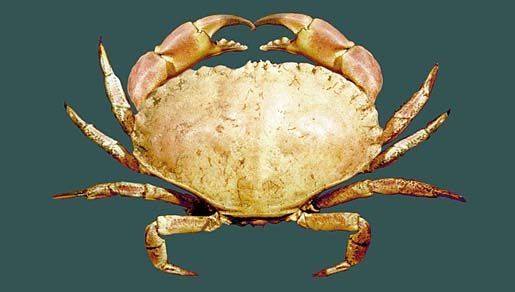
Cancer pagurus (Edible crab)
Adult edible crabs take a very wide range of prey species, and are important predators of molluscs . When on sediments, these crabs dig large pits in order to find food . Females reach maturity at carapace widths of 1...
Read More
Read More
Labrus mixtus Linnaeus, 1758 (red wrasse)
Centrolabrus exoletus (Linnaeus, 1758) (smallmouthed wrasse)
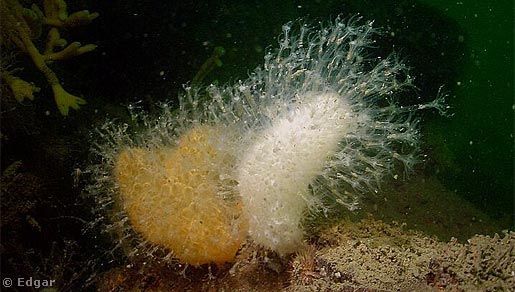
Alcyonium digitatum Linnaeus, 1758 (dead man's fingers)
Colonies of dead man's fingers actively feed at various times of the day, with the polyps extended . They feed on plankton which is brought into the polyps by the generation of a water current caused by the beating of tin...
Read More
Read More
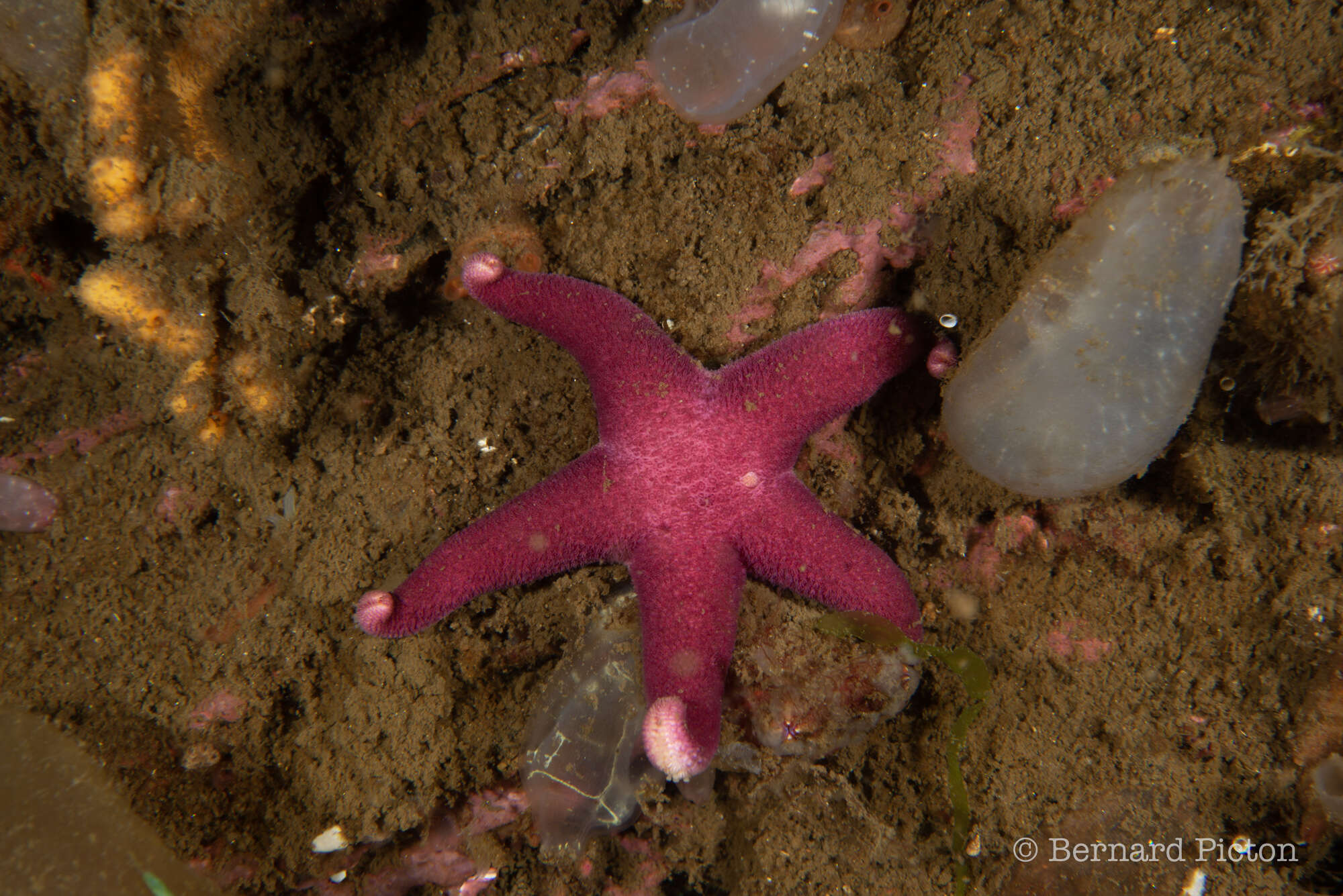
Henricia oculata (Bloody Henry starfish)
Sagartia elegans (Dalyell, 1848) (sagartie de vase)
Sagartia troglodytes (Price in Johnston, 1847) (mud sagartia)
Share on Social Networks
- Facebook:

personalize your shared text as well as its destination (wall, page...) or send as a private message to a friend
- Twitter: Tweet personalize your tweet
- Google Plus:
Direct link to this dive
- Long link:
- Short link:


 We are participating today in the startup contest Techcrunch Disrupt. Support Diveboard by voting for us!
























































































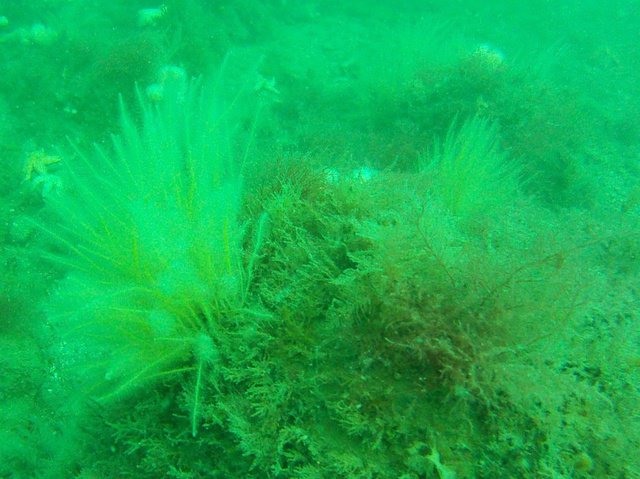
What a cracker of a day. Flat calm seas, like a pond almost. Lovely relaxing dive. Saw a seal on the surface about ten feet from us at the begining of the dive. Once we submerged it was nowhere to be seen. Lots of life; crab, starfish, lobster, sponges by the hundreds.