


 Ireland
-
Nº119
 Date: 2018-07-25 - 19:26
-
 Max Depth: 6.1m Duration: 25mins
Dive Location

- Temp: Surf 26°C Bottom 14°C
- Dive type : Recreational, Photo, Shore
- Visibility: Average Water: Salt
Specific gear used
- BCD: Aqualung - Maverick
- Regulator: Aqualung - Glacia
- Other: Suunto - 2+1 Console (depth,air,compass)
- Mask: H2O Odyssey 3 - MS8
- Dry suit: Oceanic -
- Computer: Suunto - Zoop
- Camera: GoPro - Hero 4 Silver & Housing
- Weights: 14 kg
Dive reviews
| Overall review | ||
| Dive difficulty | ||
| Marine life quality |
Recent Divers in Dun Laoghaire
Recent Pictures in Dun Laoghaire
Dive Shop & Buddies
 Dive buddies:
Mick Frizzelle

Link to this spot:
- Spot:
- Country:
- Area:
- Body of water:
Dive Profile
- 1. Air
- 12L Steel 150 → 90 bar
- Average depth: 4.1m
Data provided by EOL.org

Species Identified
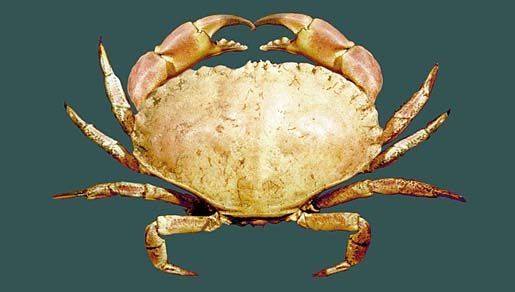
Cancer pagurus (Edible crab)
Adult edible crabs take a very wide range of prey species, and are important predators of molluscs . When on sediments, these crabs dig large pits in order to find food . Females reach maturity at carapace widths of 1...
Read More
Read More
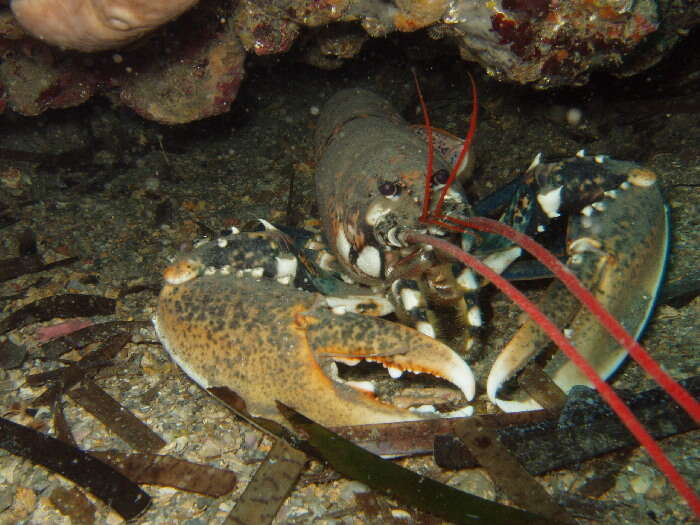
Homarus gammarus (Linnaeus, 1758) (European lobster)
The common lobster is a scavenger, and uses its pincers to manipulate food items . The sexes are separate, spawning occurs once a year in summer, and after mating, the female carries the eggs on her walking legs for a...
Read More
Read More
Palaemon serratus (Pennant, 1777) (common prawn)
The common prawn is omnivorous. The sexes are separate, and breeding occurs between November and June. Fertilisation is external, and occurs as the eggs leave the female's body. The female then carries the eggs around att...
Read More
Read More
Share on Social Networks
- Facebook:

personalize your shared text as well as its destination (wall, page...) or send as a private message to a friend
- Twitter: Tweet personalize your tweet
- Google Plus:
Direct link to this dive
- Long link:
- Short link:


 We are participating today in the startup contest Techcrunch Disrupt. Support Diveboard by voting for us!
























































































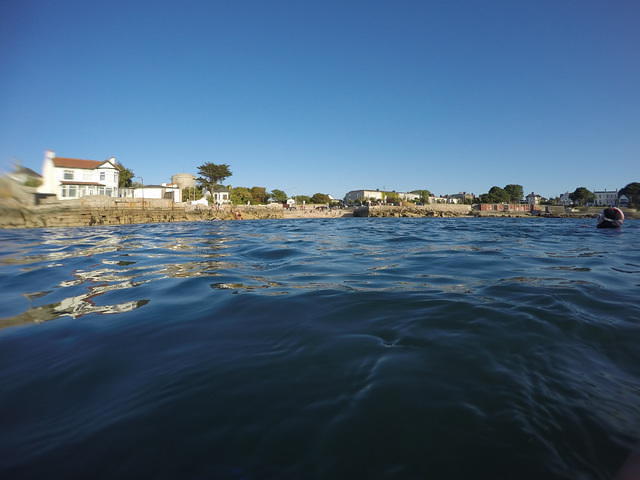
Sandycove was crazy busy with people. Mick got there early at 18:30 and got a parking spot at the cove. I got there at 18:55 and it took about 10 minutes before I got a parking spot. When the sun is shining its a crazy area for parking.
The tide was low but filling, low tide being at 16:54. Entry was so easy with only a few swimmers about. The majority of swimmers enter at the "40 foot" which is around the corner from Sandycove. The dive was nice, temperature at 16 degrees, visability 6-8m which is good for sandycove.
I somehow managed to forget my ankle weights which made the going a bit slow as the depth was only about 6m, averaging 4.3m. Every now and again my feet would fill with air when i wasn't paying attention. Annoying but it didn't detract from the overall dive.
Plenty of life about, lobster, large edible crab, wrasse, prawn. Beautiful evening, almost flat calm seas, no current. A big difference from our last dive at the Outfall (Mourners Point).