


 Ireland
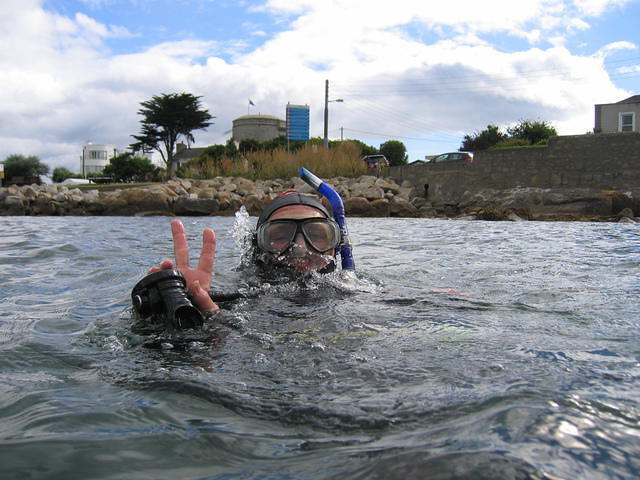
-
Nº103
 Date: 2016-07-30 - 10:21
-
 Max Depth: 6.4m Duration: 24mins
Dive Location

- Surface interval:0 mins
- Temp: Surf 18°C Bottom 15°C
- Dive type : Recreational, Photo, shore dive
- Visibility: Bad Water: Salt
Specific gear used
- BCD: Aqualung - Maverick
- Camera: Canon - S45 & Housing
- Computer: Suunto - Zoop
- Dry suit: Oceanic -
- Mask: H2O Odyssey 3 - MS8
- Other: Suunto - 2+1 Console (depth,air,compass)
- Regulator: Aqualung - Glacia
- Weights: 13 kg
Dive reviews
| Overall review | ||
| Dive difficulty | ||
| Marine life quality |
Recent Divers in Dun Laoghaire
Recent Pictures in Dun Laoghaire
Dive Shop & Buddies
 Dive buddies:
Mick Frizzelle

Link to this spot:
- Spot:
- Country:
- Area:
- Body of water:
Dive Profile
- 1. Air
- 12L Steel 140 → 100 bar
- Average depth: 4.3m
Data provided by EOL.org


Species Identified
Centrolabrus exoletus (Linnaeus, 1758) (smallmouthed wrasse)
Sagartiogeton laceratus (Dalyell, 1848)
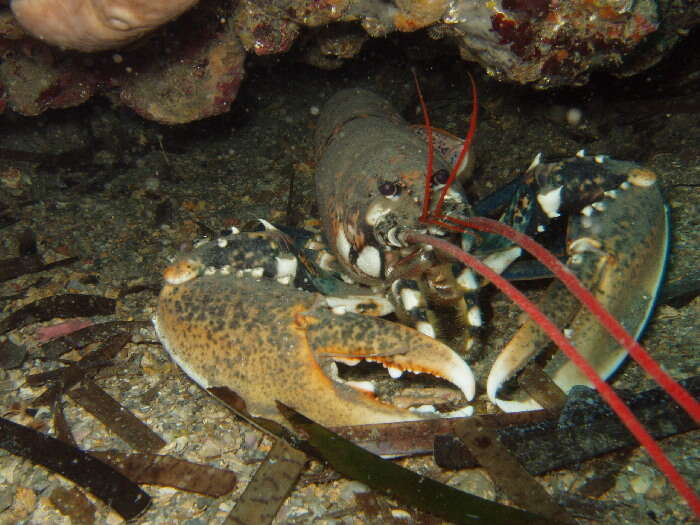
Homarus gammarus (Linnaeus, 1758) (European lobster)
The common lobster is a scavenger, and uses its pincers to manipulate food items . The sexes are separate, spawning occurs once a year in summer, and after mating, the female carries the eggs on her walking legs for a...
Read More
Read More
Share on Social Networks
- Facebook:

personalize your shared text as well as its destination (wall, page...) or send as a private message to a friend
- Twitter: Tweet personalize your tweet
- Google Plus:
Direct link to this dive
- Long link:
- Short link:


 We are participating today in the startup contest Techcrunch Disrupt. Support Diveboard by voting for us!
























































































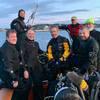
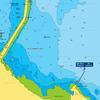
Got to Sandycove about 9:00, very busy there so it took a while to get parking. Eventually got a place but it was a bit away from the entry point at the beach. As luck would have it we were beside the Curragh Sub Aqua Club's boat house and as the tide was fully in we decided to make this our entry point for today.
This location can only be accessed when there's a full tide. On low tide its strewn with boulders and a long distance from the bay itself.
Dive was ok, very murky as its my understanding there's a dredger working in Dublin Port and it's creating bad underwater visability for the whole diving area around Dublin.
There was very little life about but we did come across a lobster pot containing about six lobster. Diving was pleasant overall but would have loved if there was a bit more life in the bay. Hopefully next time.