


 Dive_Tigger



 Netherlands Antilles

-
Nº88
 Date: 2019-09-14 - 14:40
-
 Max Depth: 11.5m Duration: 67mins
Pictures

No pictures for this dive
- Temp: Surf 30°C Bottom 29°C
- Dive type : Recreational
- Visibility: Excellent Water: Salt
Specific gear used
- Weights: 6 kg
Dive reviews
| Overall review | ||
| Dive difficulty | ||
| Marine life quality |
Recent Divers in Bonaire




Recent Pictures in Bonaire
Dive Shop & Buddies
 Dive with Buddy Beach & Dive Resort
 Dive buddies:
NettieWray,
Cwrayman

Link to this spot:
- Spot:
- Country:
- Area:
- Body of water:
Dive Profile
- 1. Air
- 12L Steel 200 → 50 bar
- Average depth: 7.8m
Data provided by EOL.org

Species Identified
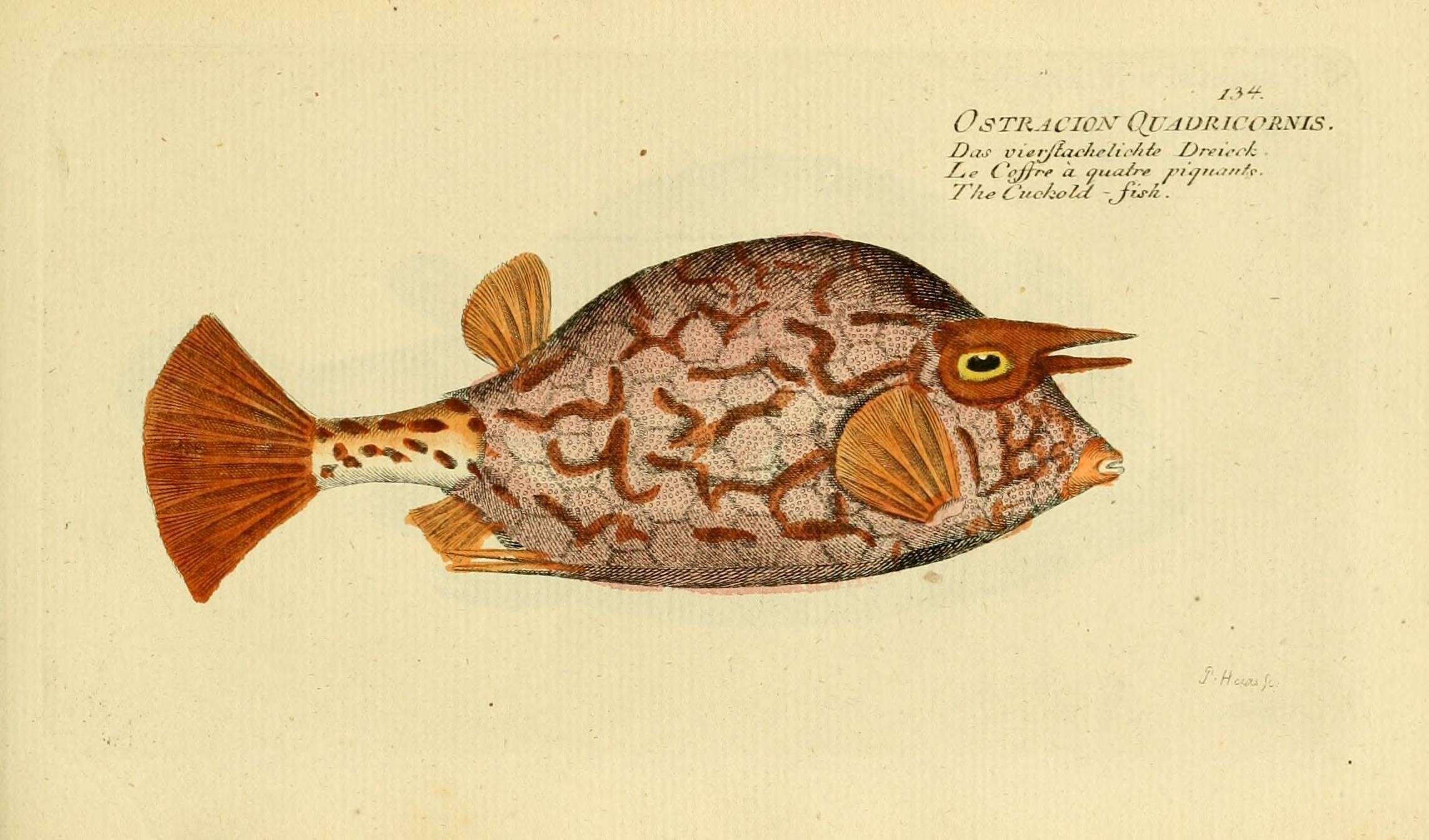
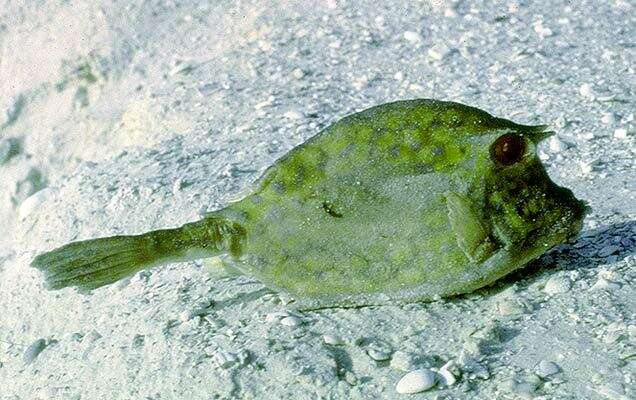
Acanthostracion quadricornis (Linnaeus, 1758) (Cowfish)
Found in shallow water down to about 80 m, mainly in seagrass beds . Feeds on sessile invertebrates such as tunicates, gorgonians and anemones, as well as on slow-moving crustaceans, sponges , hermit crabs and marine plants . Oviparous . Considered an excellent food fish; marketed fresh .
Acanthostracion polygonius Poey, 1876 (honeycomb cowfish)
Occurs in clear water around coral reefs. Feeds on sponges, alcyonarians, tunicates, and shrimp. Uncommon and wary . Consumed fresh, generally roasted .
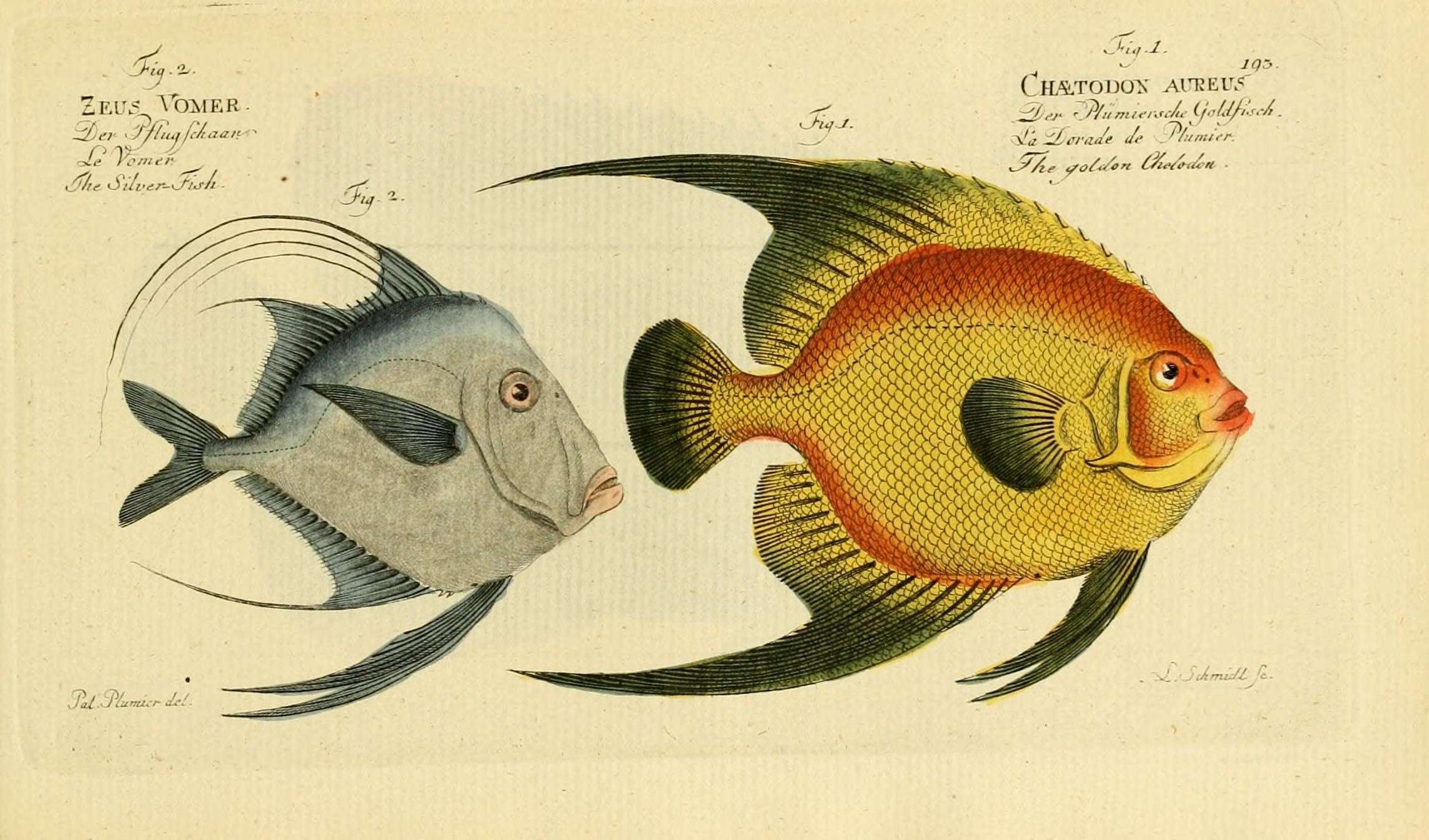
Pomacanthus paru (Bloch, 1787) (French angelfish)
Common in shallow reefs. Usually in pairs, often near sea fans . Feed on sponges, algae, bryozoans, zoantharians, gorgonians and tunicates . Oviparous , monogamous . Spawning pairs are strongly territorial, with usuall...
Read More
Read More
Holacanthus isabelita (Jordan & Rutter, 1898) (blue angelfish)
Found usually in shallow waters of reef areas.
Thalassoma bifasciatum (Bloch, 1791) (Blue head)
Inhabits reef areas, inshore bays and seagrass beds. Feeds mainly on zooplankton and small benthic animals, but may also feed on ectoparasites of other fishes . Spawn at midday throughout the year . A protogynous hermap...
Read More
Read More
Megalops atlanticus Valenciennes, 1847 (Atlantic tarpon)
Chelonia mydas Linnaeus 1758 (Green Turtle)
Green turtles are long-lived and may take up to 59 years to reach sexual maturity Undertaking tremendous feats of navigation, adults return to the same beach to breed each season, part of the population in Brazil astonish...
Read More
Read More
Share on Social Networks
- Facebook:

personalize your shared text as well as its destination (wall, page...) or send as a private message to a friend
- Twitter: Tweet personalize your tweet
- Google Plus:
Direct link to this dive
- Long link:
- Short link:


 We are participating today in the startup contest Techcrunch Disrupt. Support Diveboard by voting for us!
























































































Collected cylinders at Buddy Dive and headed to Salt Pier. Verified entry and exit points. Katrina and Jeanette entered very slowly as there was small waves and a slight surge.
Once we were in we swam as a group to the first pylon on the RHS, descended and headed to the next pylon then made our way along the pylons and returned along the same route. This time there were loads of divers at this site.
At the last pylon we took a heading and we headed to shore and encountered many turtles feed on the seagrass.