


 Dive_Tigger



 Netherlands Antilles

-
Nº91
 Date: 2019-09-19 - 10:40
-
 Max Depth: 16.4m Duration: 60mins
Pictures

No pictures for this dive
- Temp: Surf 29°C Bottom 28°C
- Dive type : Recreational, Photo
- Visibility: Good Water: Salt
Specific gear used
- Boots: Aqualung -
- Weights: 6 kg
Dive reviews
| Overall review | ||
| Dive difficulty | ||
| Marine life quality |
Recent Divers in Bonaire



Recent Pictures in Bonaire
Dive Shop & Buddies
 Dive with Buddy Beach & Dive Resort
 Dive buddies:
NettieWray,
Cwrayman

Link to this spot:
- Spot:
- Country:
- Area:
- Body of water:
Dive Profile
- 1. Air
- 12L Aluminium 200 → 50 bar
- Average depth: 12.3m
Data provided by EOL.org


Species Identified
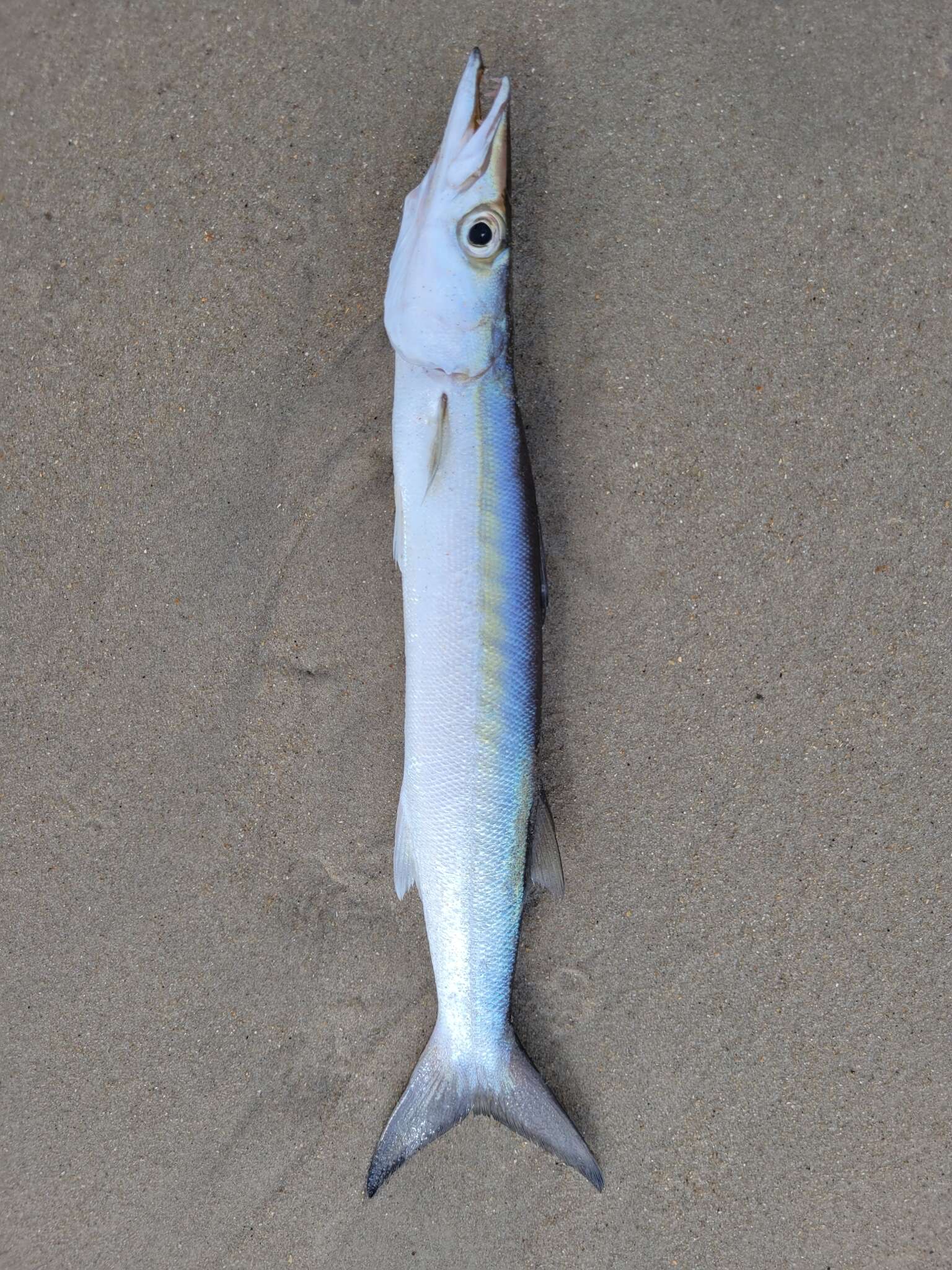
Sphyraena guachancho Cuvier, 1829 (Guachanche barracuda)
Occurs in shallow and generally turbid coastal water over muddy bottoms, often around river estuaries. Schooling species . Feeds on mainly on fishes belonging to the Engraulidae, Clupeidae, Lutjanidae and Synodontidae fa...
Read More
Read More
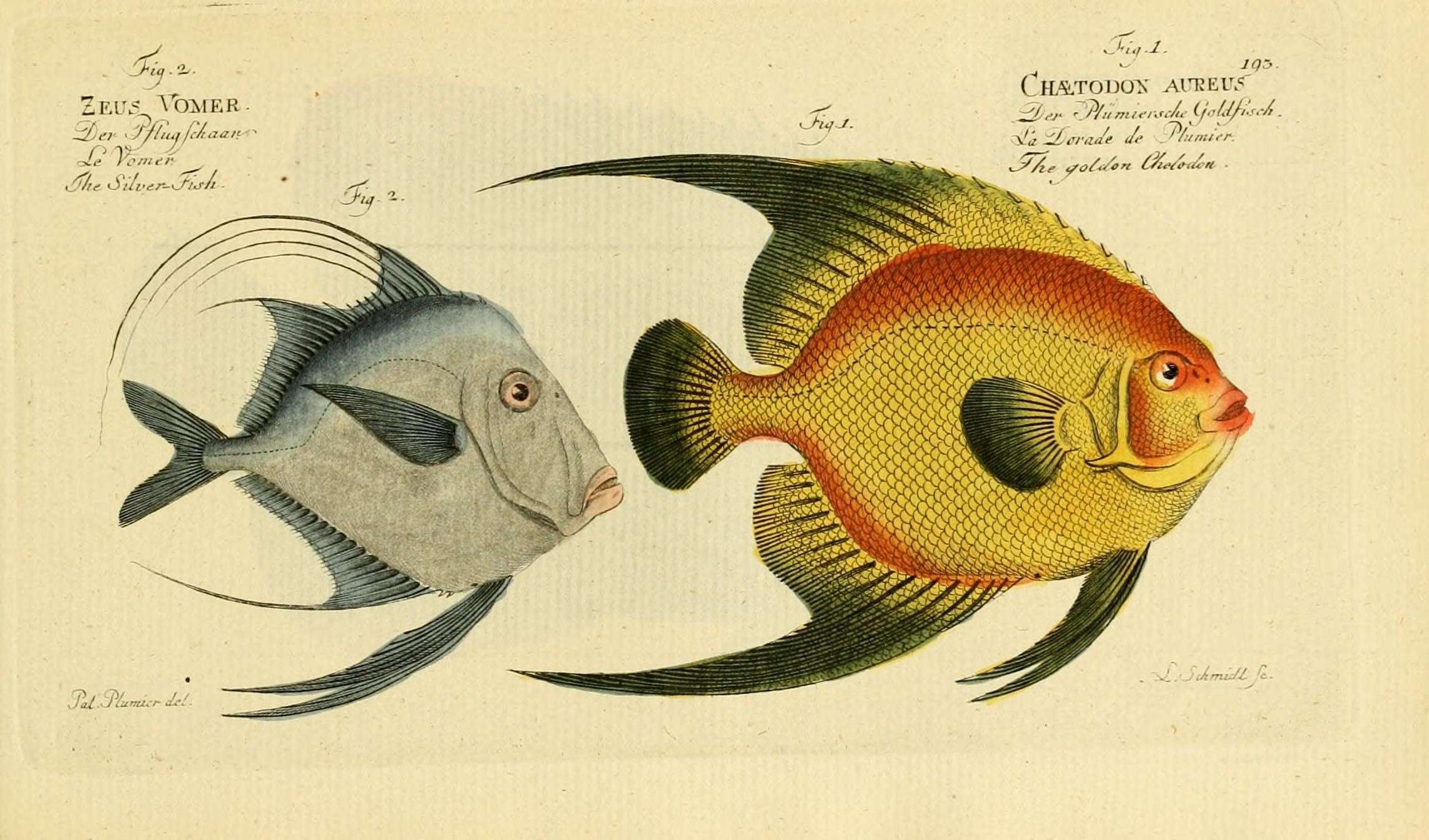
Pomacanthus paru (Bloch, 1787) (French angelfish)
Common in shallow reefs. Usually in pairs, often near sea fans . Feed on sponges, algae, bryozoans, zoantharians, gorgonians and tunicates . Oviparous , monogamous . Spawning pairs are strongly territorial, with usuall...
Read More
Read More
Holacanthus ciliaris (Linnaeus, 1758) (queen angelfish)
Found on coral reefs. Generally occurs solitarily or in pairs. Moves gracefully between seafans, seawhips, and corals . Stomach contents of 26 specimens indicate that the species feeds almost exclusively on sponges supp...
Read More
Read More
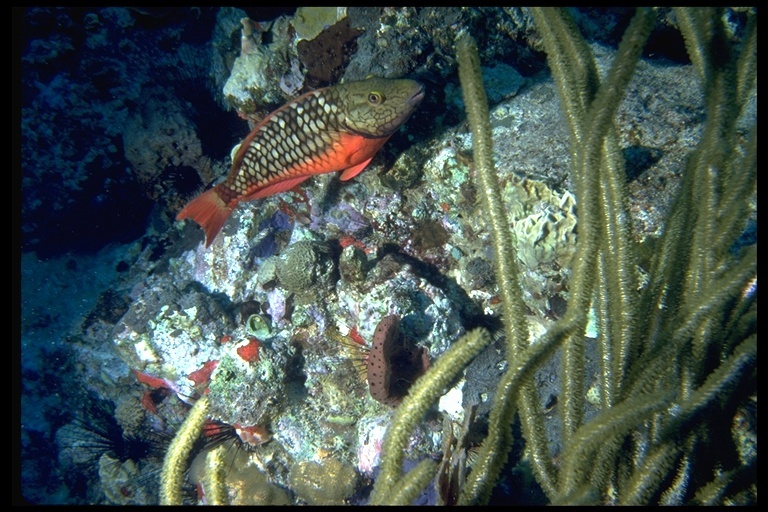
Sparisoma chrysopterum (Bloch and Schneider, 1801) (Blisterside)
Occurs in coral reefs and adjacent habitats, the young especially in seagrass beds. Juveniles or primary-phase adults rapidly assume a mottled pattern with which they blend with the substratum when they come to rest on the bottom. Feeds on benthic algae and seagrasses.
Sparisoma viride (Bonnaterre, 1788) (Dark green parrotfish)
Inhabits coral reefs with clear water . Young may be found in seagrass beds and other heavily vegetated bottoms. Feeds mainly on soft algae, but has been observed to graze on live corals like, Montastraea annularis . Pr...
Read More
Read More
Sparisoma radians (Valenciennes, 1840) (Kwab)
Mostly found in seagrass beds in shallow, protected waters. Feeds primarily on epiphytes and seagrass blades, leaving crescent bite marks. Darts into seagrass when frightened .
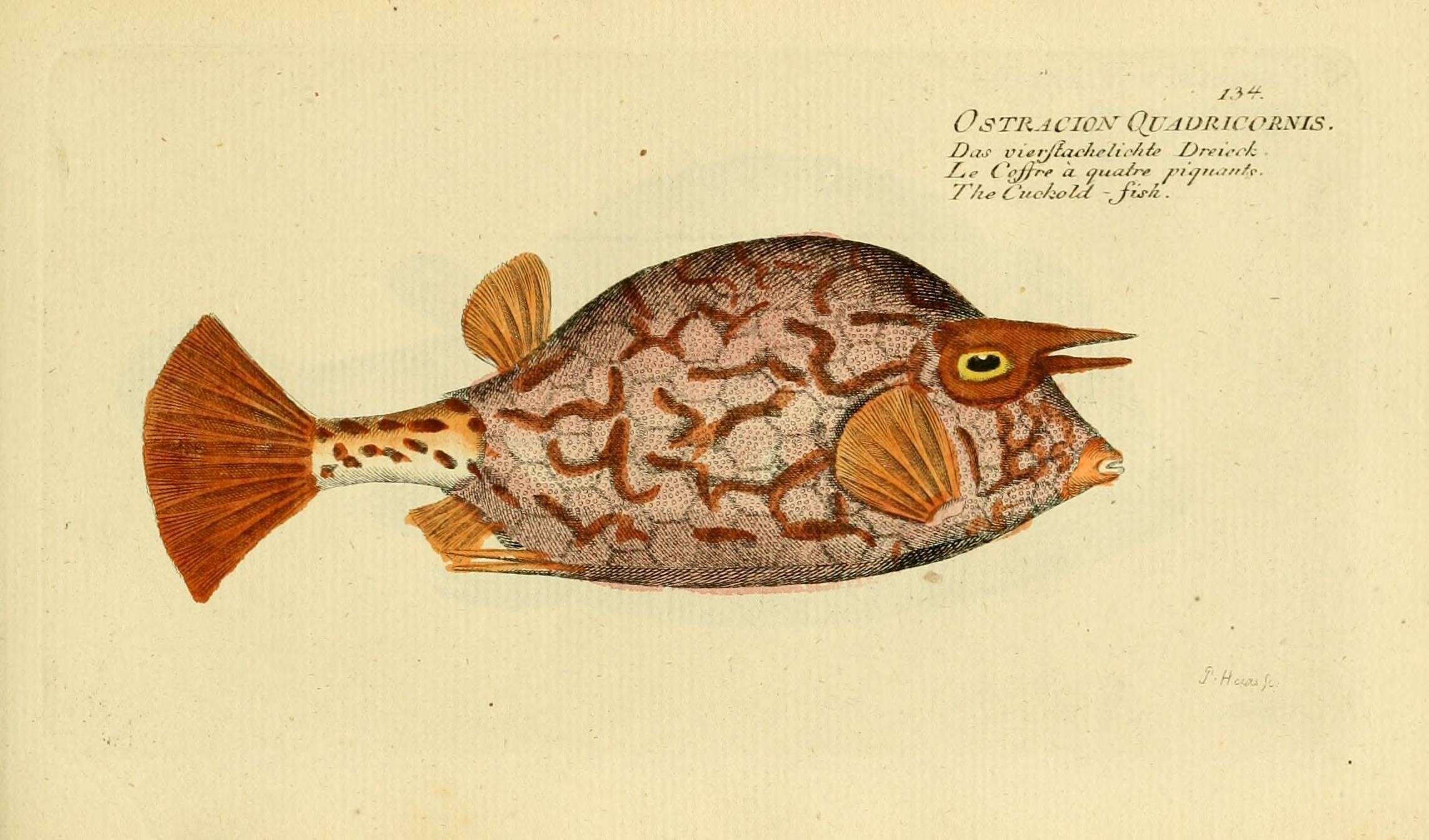
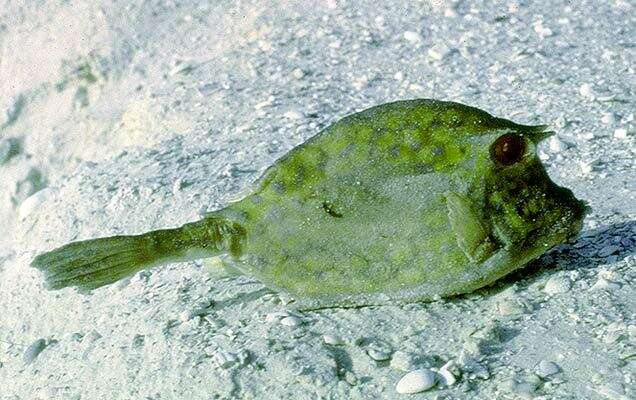
Acanthostracion quadricornis (Linnaeus, 1758) (Cowfish)
Found in shallow water down to about 80 m, mainly in seagrass beds . Feeds on sessile invertebrates such as tunicates, gorgonians and anemones, as well as on slow-moving crustaceans, sponges , hermit crabs and marine plants . Oviparous . Considered an excellent food fish; marketed fresh .
Acanthostracion polygonius Poey, 1876 (honeycomb cowfish)
Occurs in clear water around coral reefs. Feeds on sponges, alcyonarians, tunicates, and shrimp. Uncommon and wary . Consumed fresh, generally roasted .
Share on Social Networks
- Facebook:

personalize your shared text as well as its destination (wall, page...) or send as a private message to a friend
- Twitter: Tweet personalize your tweet
- Google Plus:
Direct link to this dive
- Long link:
- Short link:


 We are participating today in the startup contest Techcrunch Disrupt. Support Diveboard by voting for us!
























































































Last dive of the holiday. Standard brief on beach before kitting up on beach. Took heading from bakkie to buoy for easy return to shore.
Swam out to shot line and descended. Swam towards reef until we saw the break in the reef that signals the entrance to the first of the double reef. Swam to the north. Saw loads of fish.
Had a barracuda use us as cover so that he could get closer to the shoals of fish.
At about half time turned around and headed south towards the start point. Still ahd air left so pushed south of entrance for 3-4 minutes. Headed back to entrance and to find shot line buoy for navigation back. Came across a bunch of divers on their way in.
About 30 metres from the shore we were enveloped in a shoal of Bigeye Scad. Could actually hear them moving throug the water. Tey went passed us, and a minute later came back again and enveloped us. Seemed to be moving away from game fish that were hunting them.
Easy nav back to shore. Great last dive. Standard Coke and chat at de-kit.
Total UW Time: 58:12