


 David 'dibs' Bishop

 Egypt
Egypt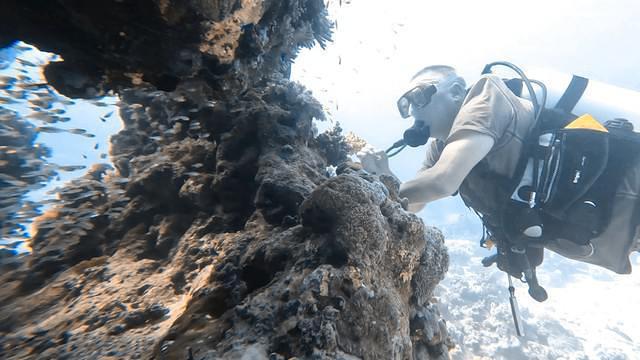
-
Nº218
 Date: 2022-10-08 - 10:48
-
 Max Depth: 22.4m Duration: 65mins
Dive Location

- Temp: Surf 28°C Bottom 27°C
- Dive type : Recreational, Drift, Reef, Photo
- Visibility: Excellent Water: Salt
Specific gear used
- BCD: Cressi Sub - Ultralight
- Camera: Olympus - Tough TG6
- Weights: 5 kg
Dive reviews
| Overall review | ||
| Dive difficulty | ||
| Marine life quality |
Recent Divers in Gota Abu Ramada
Recent Pictures in Gota Abu Ramada
Dive Shop & Buddies
 Dive with Pro Divers Corner

Link to this spot:
- Spot:
- Country:
- Area:
- Body of water:
Dive Profile
- 1. Air
- 12L Steel 209 → 24 bar
- Average depth: 11.4m
Data provided by EOL.org



Species Identified
Eretmochelys imbricata (LINNAEUS) 1766 (Hawksbill Turtle)
Hawksbills may take decades to mature and it could be between 20 to 40 years before they are ready to breed . Upon reaching sexual maturity, a female will typically lay up to five clutches of around 100 to 140 eggs in one ...
Read More
Read More
Chelonia mydas Linnaeus 1758 (Green Turtle)
Green turtles are long-lived and may take up to 59 years to reach sexual maturity Undertaking tremendous feats of navigation, adults return to the same beach to breed each season, part of the population in Brazil astonish...
Read More
Read More
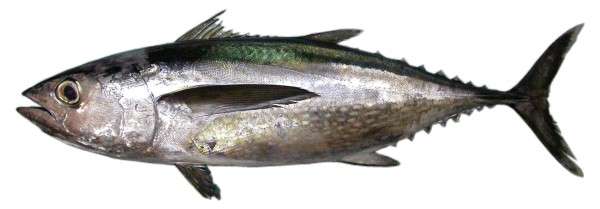
Thunnus tonggol (Bleeker, 1851) (Blue-fin tuna)
Predominantly neritic species avoiding very turbid waters and areas with reduced salinity such as estuaries. May form schools of varying size. Feeds on a variety of fishes, cephalopods, and crustaceans, particularly stom...
Read More
Read More
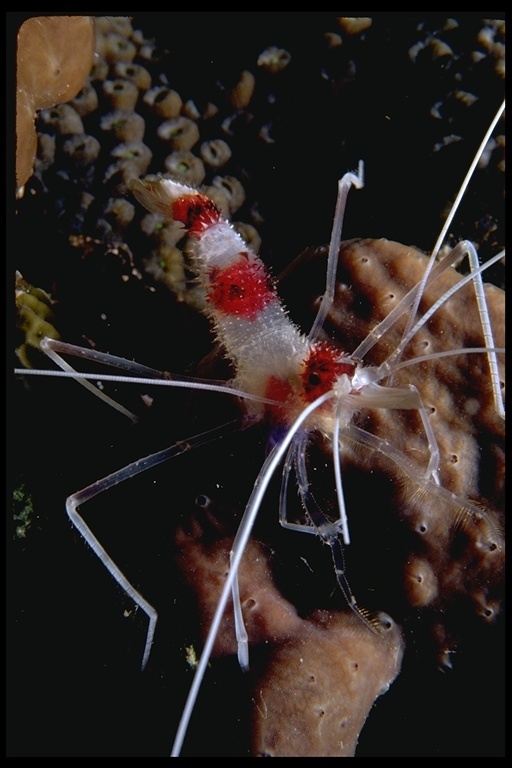
Stenopus hispidus (Olivier, 1811) (banded coral shrimp)
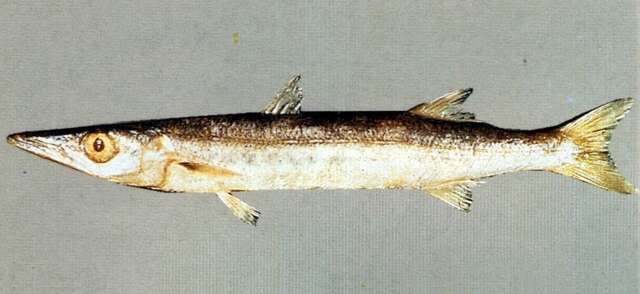
Sphyraena forsteri Cuvier, 1829 (Bigeye barracuda)
Nocturnally active, but occurring in large schools above lagoon patch reefs and along outer reef slopes during the day . Feeds mainly on fishes, but also on penaeid shrimps and squids. Sold fresh, frozen or dried salted. Reports of ciguatera poisoning need confirmation.
Aetobatus flagellum (Bloch and Schneider, 1801) (Eagle ray)
Inhabits inshore waters . Often found in brackish waters . Ovoviviparous . Caught occasionally by bottom trawl and inshore demersal gillnet fisheries off Jakarta. Utilized for its meat, but of limited value due to its rarity and small size .
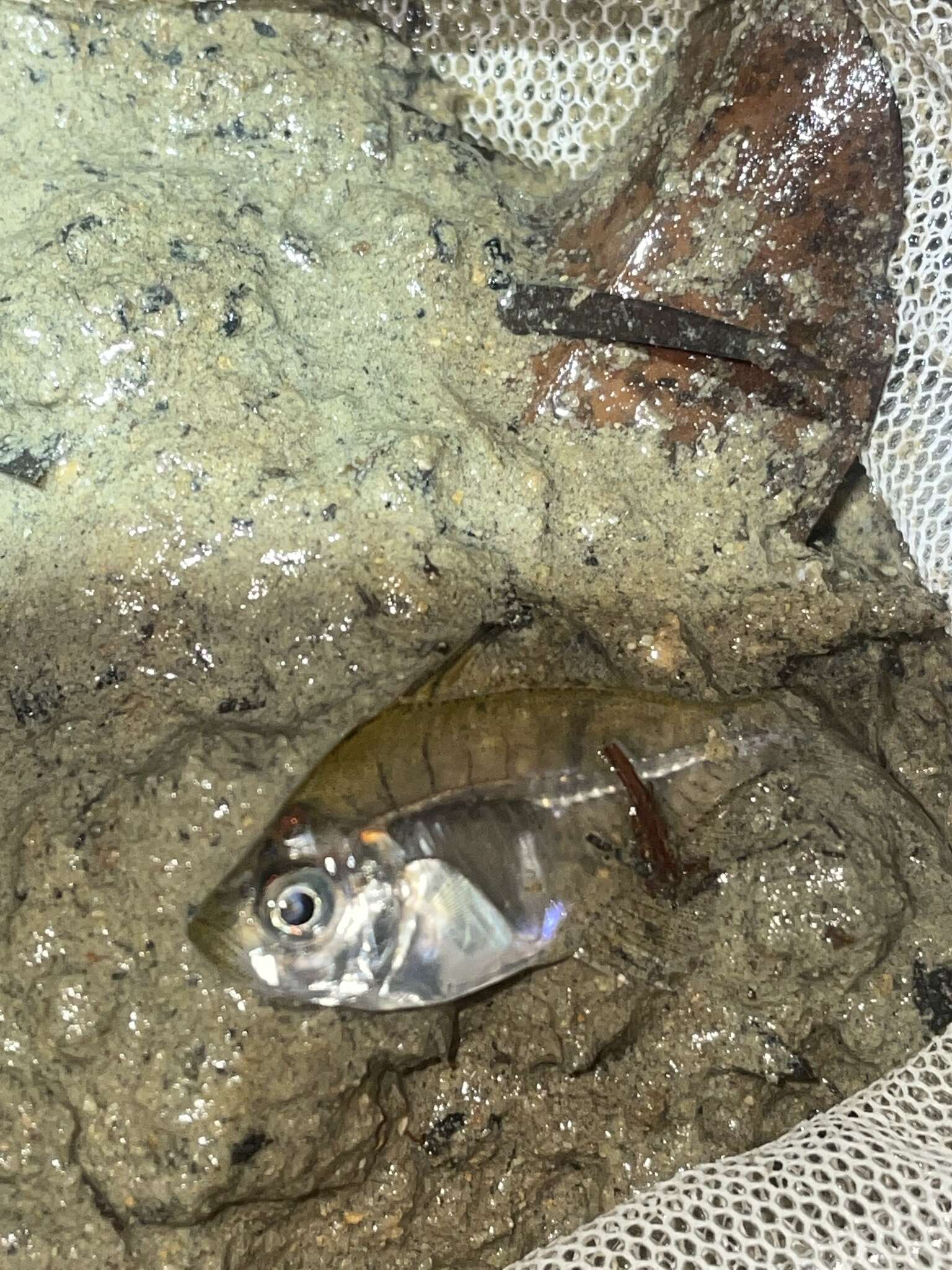
Parambassis ranga (Hamilton, 1822) (Indian glassy fish)
Found in sluggish and standing water. A common species proliferating in impoundments. Most abundant during the rainy season. Feeds on invertebrates , worms and crustaceans . Breeds everywhere during the rains. Builds ...
Read More
Read More
Sargocentron caudimaculatum (Rüppell, 1838) (Silverspot squirrelfish)
One of the most common of the squirrelfishes that occurs in outer reef areas, also encountered in lagoons and drop-offs from less than 2 to 40 m; either solitary or in groups . Nocturnal, feeds mainly on benthic crabs and shrimps.
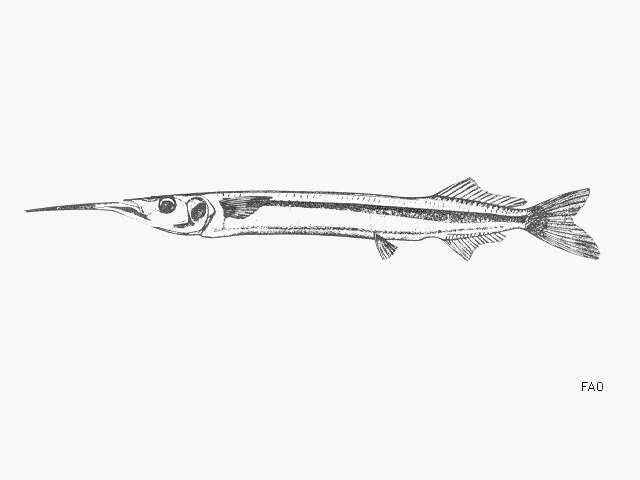
Hyporhamphus picarti (Valenciennes, 1847) (African halfbeak)
Occurs in coastal waters. Often enters estuaries . Live on or near the bottom where it feeds on algae and organic debris which it gathers from the surface of the sediment . Forms schools. Attracted to lights at night. Eggs are attached to aquatic vegetation by sticky threads .
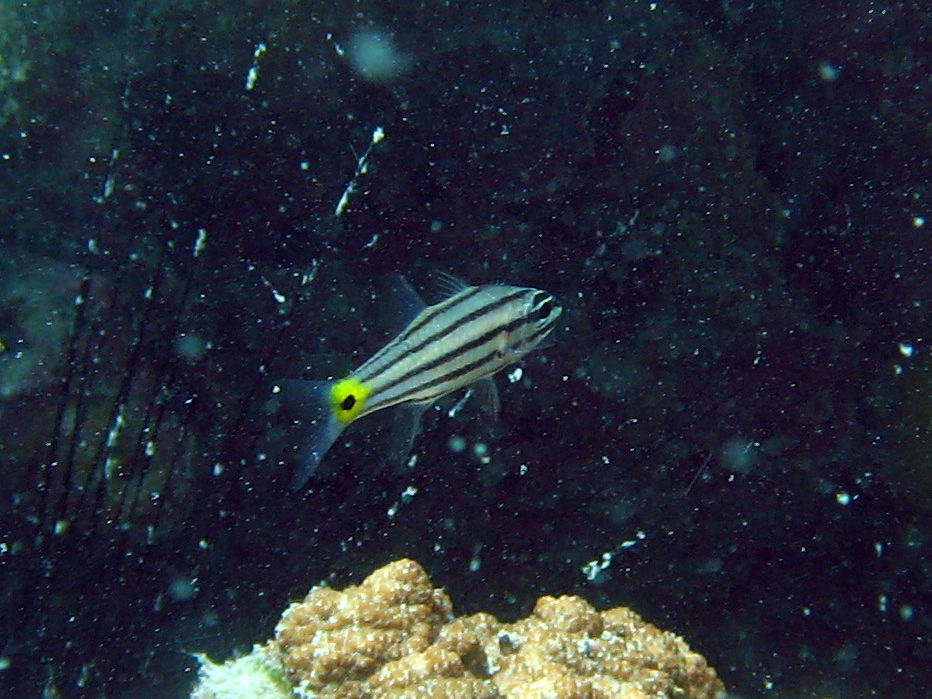
Cheilodipterus quinquelineatus Cuvier, 1828 (Fiveband cardinalfish)
Inhabits reef flats and lagoon and seaward reefs to a depth of 40 m or more. Occurs singly or in small to large aggregations, taking shelter in dark crevices, branched coral, under ledges, and among the spines of Diadema ...
Read More
Read More
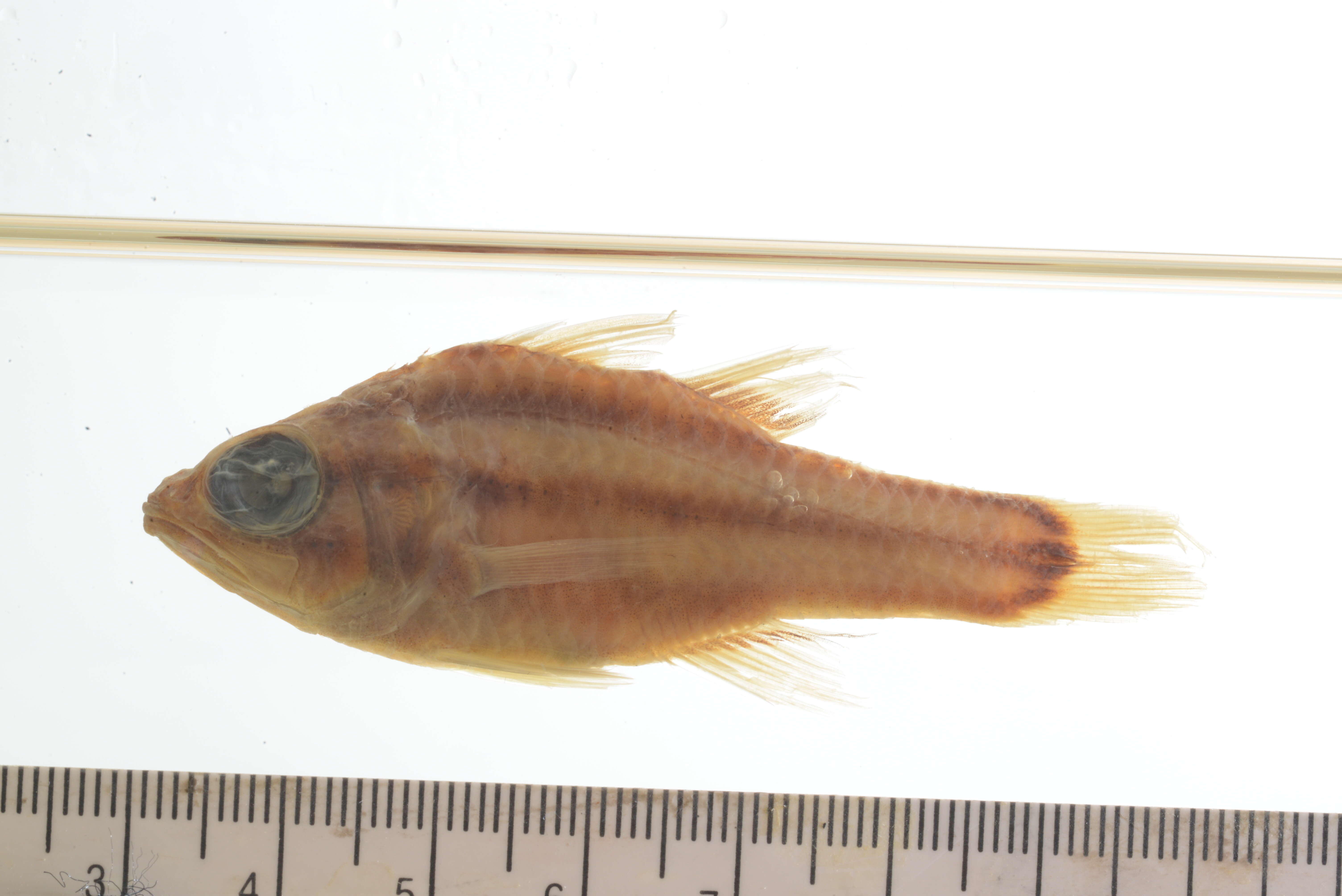
Apogon nigrofasciatus Lachner, 1953 (Blackstripe cardinalfish)
Occurs on reef flats and shallow lagoon reef, usually seen singly or in pairs under ledges or in crevices. Feed on small benthic invertebrates at night .
Share on Social Networks
- Facebook:

personalize your shared text as well as its destination (wall, page...) or send as a private message to a friend
- Twitter: Tweet personalize your tweet
- Google Plus:
Direct link to this dive
- Long link:
- Short link:


 We are participating today in the startup contest Techcrunch Disrupt. Support Diveboard by voting for us!
























































































Great Dive
Zodiac out to Turtle House.
Swim with a pair of Eagle Rays
Hawksbill swimming up to me and interacting. 3 x Green Turtles. Glass fish and cleaner shrimps starfish, Barracuda and Tuna