


 David 'dibs' Bishop

 Egypt
Egypt
-
Nº292
 Date: 2024-09-07 - 14:59
-
 Max Depth: 21.1m Duration: 60mins
Pictures

No pictures for this dive
- Surface interval:80 mins
- Temp: Surf 31°C Bottom 29°C
- Dive type : Recreational, Drift, Reef, Photo
- Visibility: Good Water: Salt
Specific gear used
- Camera: TG6 Housing - Sea Frogs
- Regulator: Atomic Aquatics - SS1
- Fins: Atomic Aquatics - Split Fins
- BCD: Cressi Sub - Ultralight
- Boots: Cressi Sub - Isla
- Camera: Olympus - Tough TG6
- Camera: Gopro - Hero 10 Black
- Computer: Suunto - D5
- Mask: Atomic Aquatics - Venom Blue
- Other: Suunto - Tank Pod
- Light: Sealife - Seadragon 2500 Lumen x2
- Regulator: Atomic Aquatics - Z3 DIN 1st and 2nd Stage on Swivel
- Other: AquaTec - Dive Alert V2
- Weights: 4 kg
Dive reviews
| Overall review | ||
| Dive difficulty | ||
| Marine life quality |
Recent Divers in Ras Mohammed
Recent Pictures in Ras Mohammed

Link to this spot:
- Spot:
- Country:
- Area:
- Body of water:
Dive Profile
- 1. Nitrox 32
- 12L Steel 204 → 41 bar
- Average depth: 14.4m
- SAC: 1.11 bar/min
- RMV: 13.32 L/min
Data provided by EOL.org

Species Identified
Sphyraena flavicauda Rüppell, 1838 (Yellowtail barracuda)
Inhabits lagoon and sheltered seaward reefs ; also found in bays . Often schools on coastal reefs .
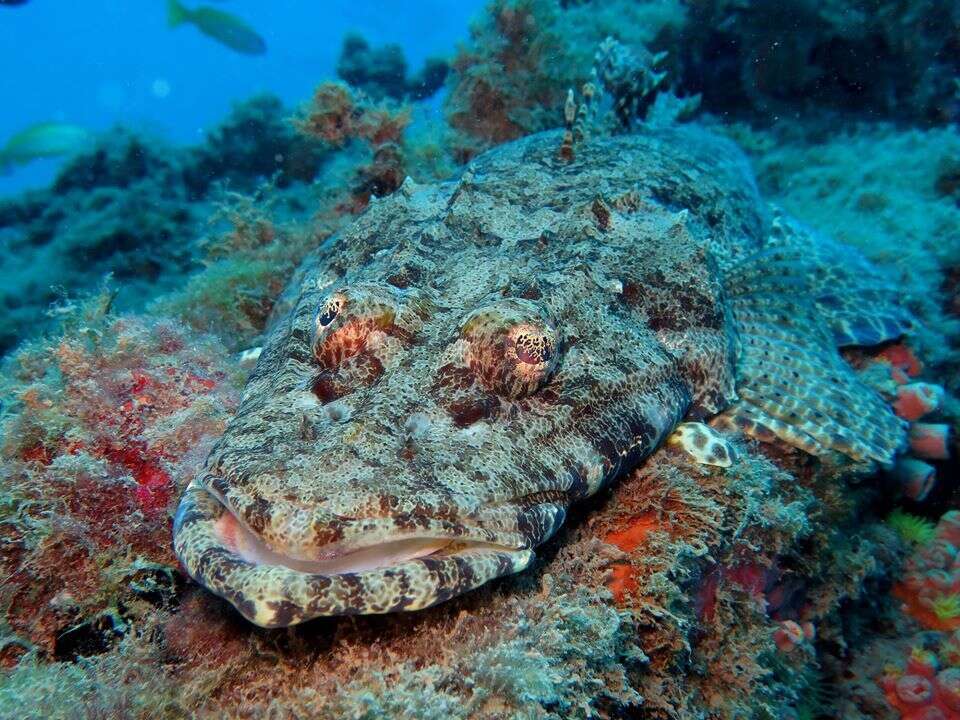
Papilloculiceps longiceps (Cuvier, 1829) (Tentacled flathead)
Found in the vicinity of coral reefs on sand or rubble bottoms.
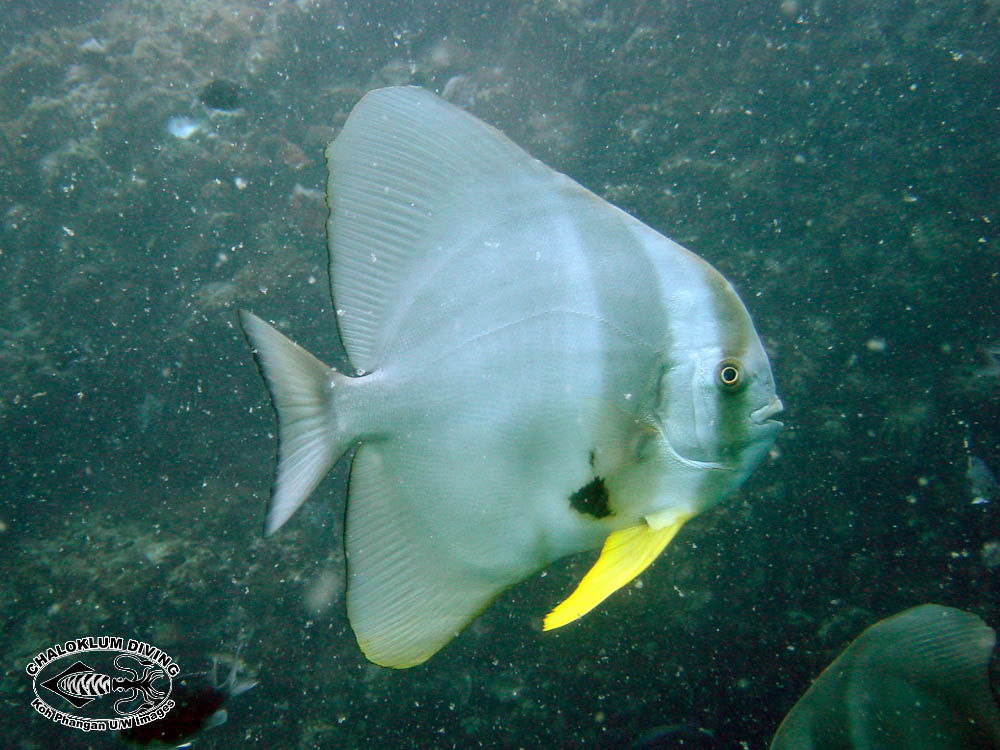
Platax orbicularis (Forsskål, 1775) (Orbicular batfish)
Live in shallow protected coastal waters to deep, somewhat silty habitats. Often with deep shipwrecks . Adults are found singly or in small groups and occasionally in large schools in some areas. Juveniles occur singly ...
Read More
Read More
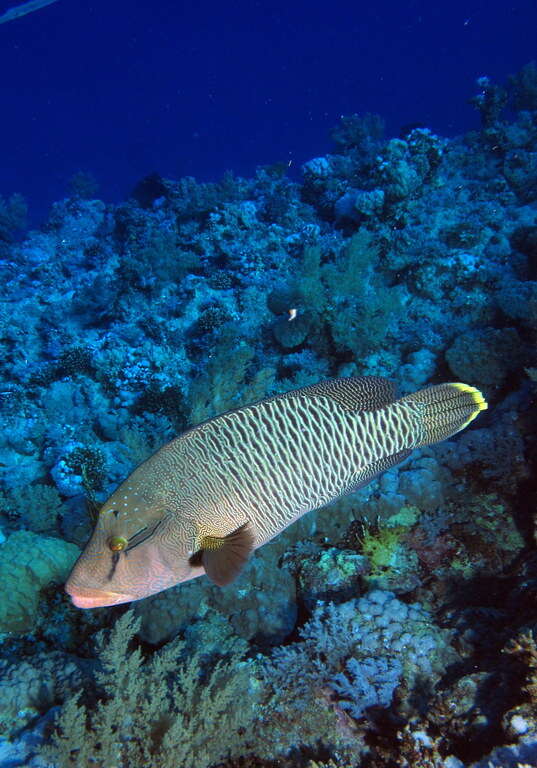
Cheilinus undulatus Rüppell, 1835 (Humphead wrasse)
Humphead wrasses are extremely long-lived, known to survive for at least 30 years, and taking around five to seven years to reach sexual maturity . Adults are usually solitary, spending the day roaming the reef and returni...
Read More
Read More
Share on Social Networks
- Facebook:

personalize your shared text as well as its destination (wall, page...) or send as a private message to a friend
- Twitter: Tweet personalize your tweet
- Google Plus:
Direct link to this dive
- Long link:
- Short link:


 We are participating today in the startup contest Techcrunch Disrupt. Support Diveboard by voting for us!
























































































Ok dive, dropped onto plateau with reef on right, drifted across and saw lionfish, batfish,crocodile fish, hermit crab, 2 napoleon wrasse (video) and a couple of barracuda