


 David 'dibs' Bishop

 Maldives
-
Nº179
 Date: 2021-10-13 - 09:24
-
 Max Depth: 22.8m Duration: 45mins
Pictures

No pictures for this dive
- Surface interval:859 mins
- Temp: Surf 32°C Bottom 28°C
- Dive type : Recreational, Cave, Reef, Photo
- Visibility: Good Water: Salt
Specific gear used
- BCD: Cressi Sub - Ultralight
- Boots: Cressi Sub - Isla
- Fins: Atomic Aquatics - Split Fins
- Weights: 4 kg
Dive reviews
| Overall review | ||
| Dive difficulty | ||
| Marine life quality | ||
| Big fish |
Recent Divers in South Ari Atoll

Recent Pictures in South Ari Atoll
Dive Shop & Buddies
 Dive with Dive Oceanus Sun Island
 Dive buddies:
Leah Bishop
Dive buddies:
Leah Bishop

Link to this spot:
- Spot:
- Country:
- Area:
- Body of water:
Dive Profile
- 1. Nitrox 31
- 12L Steel 200 → 60 bar
- Average depth: 15.6m
Data provided by EOL.org


Species Identified
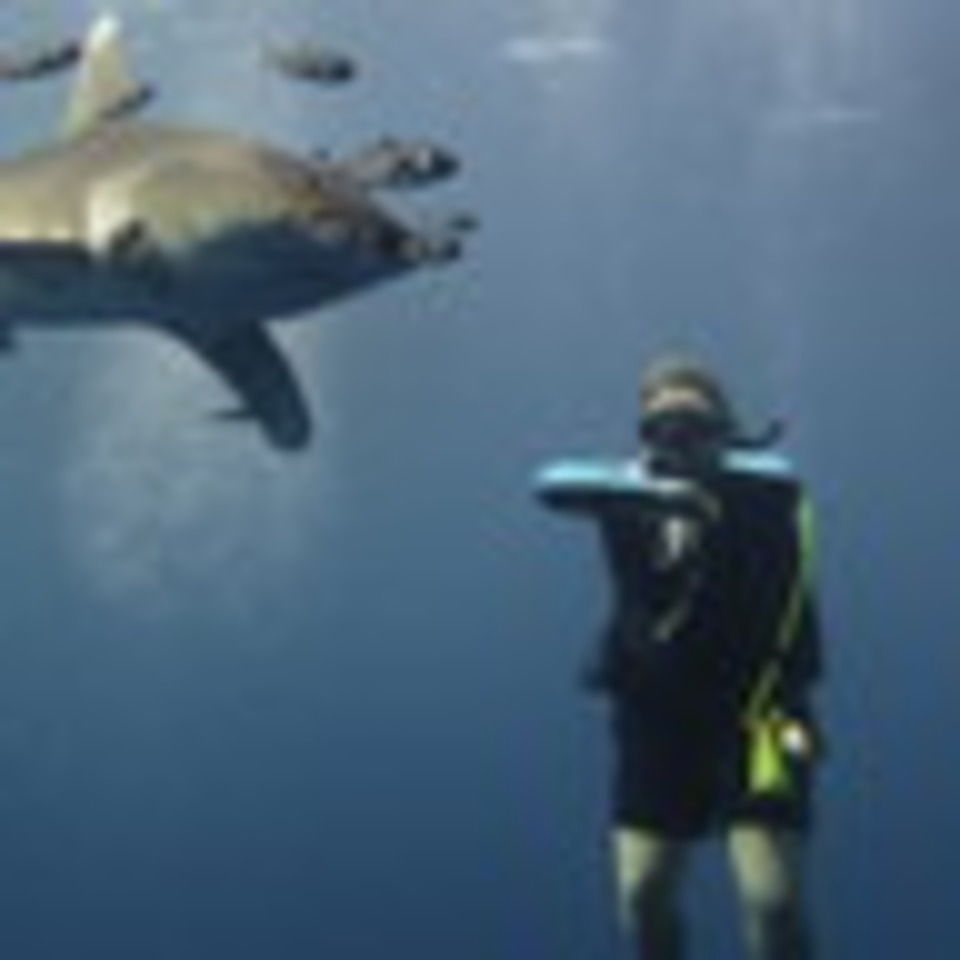
Triaenodon obesus (Rüppell, 1837) (Whitetip reef shark)
Despite its docile nature during the day this nocturnal shark can become aggressive when hunting at night, thrashing through coral reefs looking for potential prey. The whitetip reef shark usually hunts alone, but is non-t...
Read More
Read More
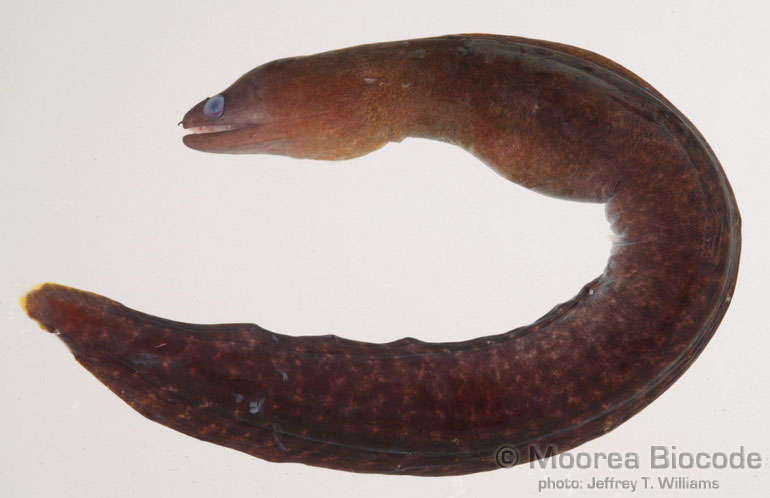
Gymnothorax buroensis (Bleeker, 1857) (Vagrant moray)
Oligoplites saurus (Bloch and Schneider, 1801) (Jack)
Found inshore, usually along sandy beaches, in bays and inlets . Enters estuaries and fresh water . Prefers turbid water . Occurs in schools, usually large and fast moving, often leaping out of the water . Juveniles ma...
Read More
Read More
Carangoides ferdau (Forsskål, 1775) (Blue trevally)
Found in coastal waters adjacent to sandy beaches; also found to depths of 60 m, often near reefs . Pelagic . Singly or in small groups . Feeds mainly on crustaceans, mollusks and small fish that are abundant in the lagoons. Excellent food fish , the flesh is rarely poisonous.
Lutjanus lemniscatus (Valenciennes, 1828) (Yellowstreaked snapper)
Inhabits offshore reefs and muddy habitats. Juveniles are sometimes found in the vicinity of coral reefs, often located close to the shore where silting is moderate and visibility is reduced. Adults usually very deep . Feeds on fishes and a variety of benthic invertebrates.
Ophiarachnella gorgonia (Müller & Troschel, 1842)
Balistapus undulatus (Park, 1797) (Orange-lined triggerfish)
Occurs in coral-rich areas of deep lagoon and seaward reefs from the lower surge zone to at least 50 meters, Ref. 48637. Feeds on a variety of benthic organisms such as algae, echinoderms, fishes, mollusks, tunicates, spo...
Read More
Read More
Pygoplites diacanthus (Boddaert, 1772) (Bluebanded angelfish)
Occurs in coral rich areas of lagoon and seaward reefs to a depth of 48 m or more. Often found in the vicinity of caves and feeds on sponges and tunicates. Solitary or in pairs, or in groups. Frequently exported through the aquarium trade . Rarely survives in the aquarium.
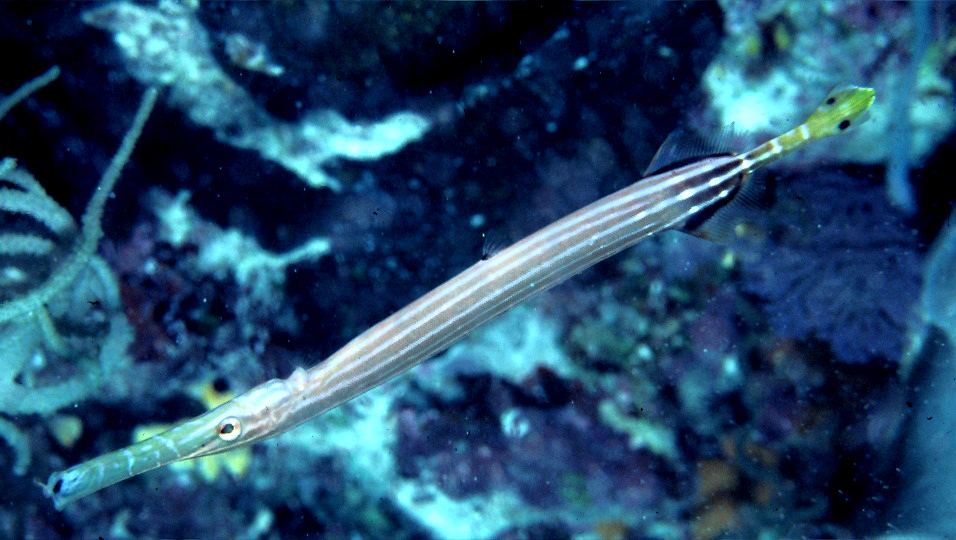
Aulostomus chinensis (Linnaeus, 1766) (Chinese trumpetfish)
Found in clear, shallow water , in rocky and coral areas of protected and seaward reefs . Benthopelagic . Feeds on small fishes and shrimps . A slow-moving fish relying partly on stealth and camouflage to sneak up on unsuspecting prey. Often darts down vertically on its prey. Usually solitary .
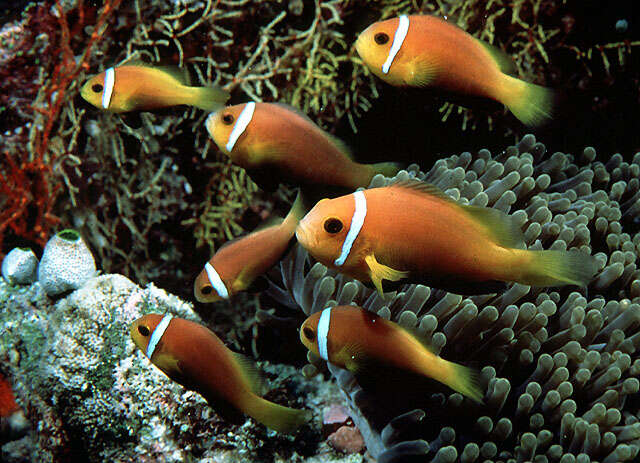
Amphiprion nigripes Regan, 1908 (Maldive anemonefish)
Usually found on the reef edge. Omnivorous. Associated with the anemone Heteractis magnifica .
Share on Social Networks
- Facebook:

personalize your shared text as well as its destination (wall, page...) or send as a private message to a friend
- Twitter: Tweet personalize your tweet
- Google Plus:
Direct link to this dive
- Long link:
- Short link:


 We are participating today in the startup contest Techcrunch Disrupt. Support Diveboard by voting for us!
























































































This dive was one highly recommended by the dive centre and was justified. Swim through overhangs on a large pinnacle (Thilla) with a variety of species in massive numbers. Sanppers, Jacks & rainbow runners everywhere. White tip reef sharks on the outskirts and coming in. Trevaly and many Morays. One was free swimming across the reef. Probably one of the most abundant sites for schools of fish I have seen.
Weight pocket dropped but was recovered (Made little to no difference to buoyancy fortunately.
Nitrox dive relatively short dive. Leah was on dive and