


 David 'dibs' Bishop

 Cuba
Cuba
-
Nº59
 Date: 2015-10-12 - 09:52
-
 Max Depth: 20m Duration: 39mins
Pictures

No pictures for this dive
- Temp: Surf 30°C Bottom 30°C
- Dive type : Recreational, Reef, Photo, Boat
- Visibility: Good Water: Salt
Specific gear used
- Light: Intova - 300 Lumen
- Fins: Atomic Aquatics - Split Fins
- Weights: 2 kg
Dive reviews
| Overall review | ||
| Dive difficulty | ||
| Marine life quality |
Recent Divers in Varadero
Recent Pictures in Varadero
Dive Shop & Buddies
 Dive with Jose Santana from Barracuda Dive Center

Link to this spot:
- Spot:
- Country:
- Area:
- Body of water:
Dive Profile
- 1. Air
- 10L Steel 180 → 40 bar
- Average depth: 15m
Data provided by EOL.org
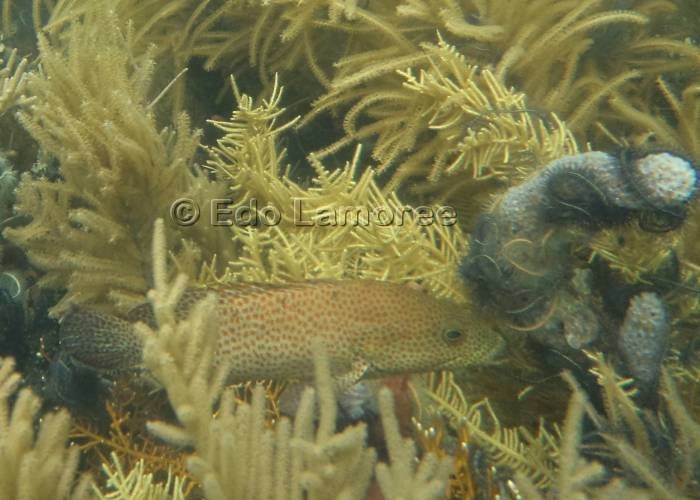

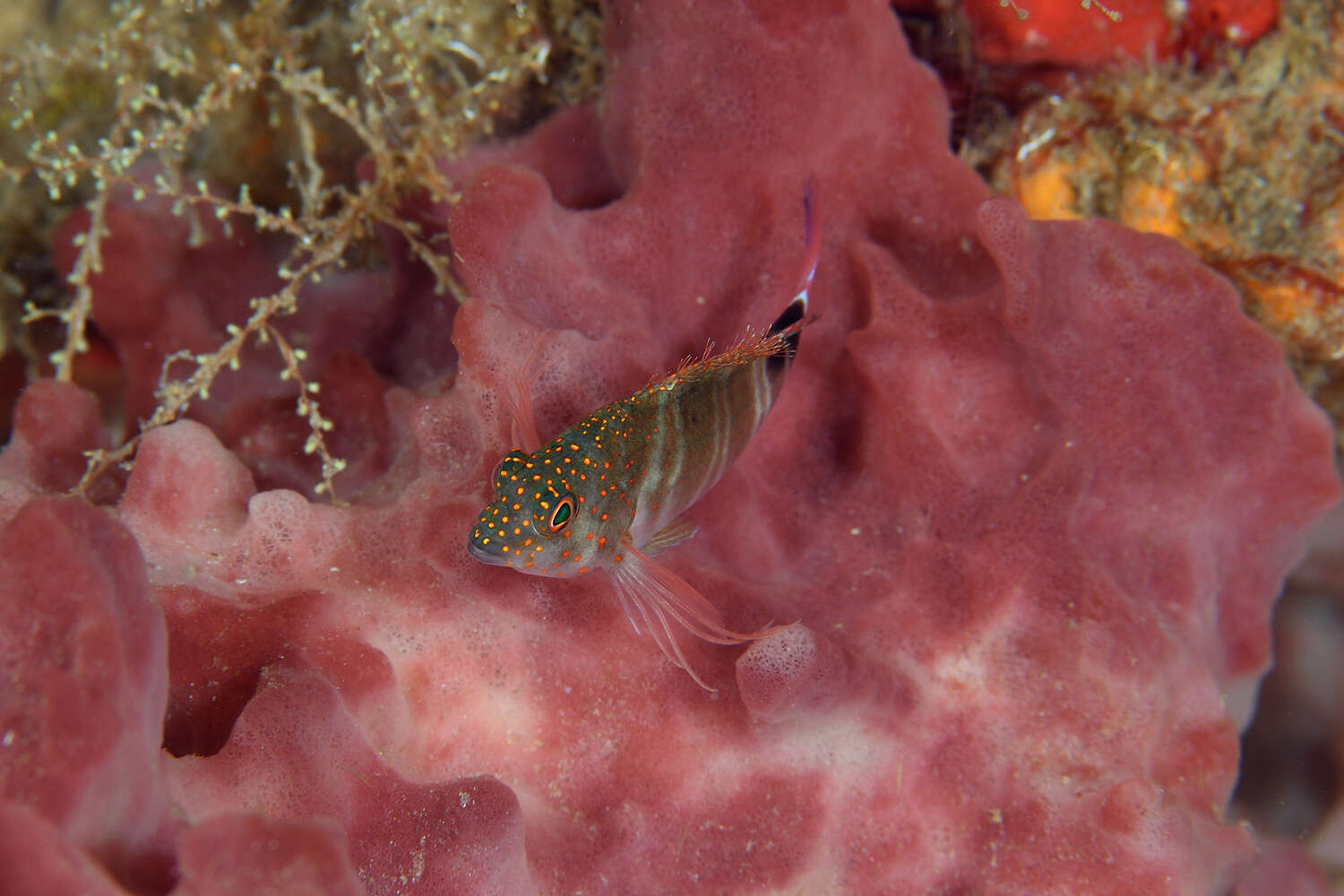
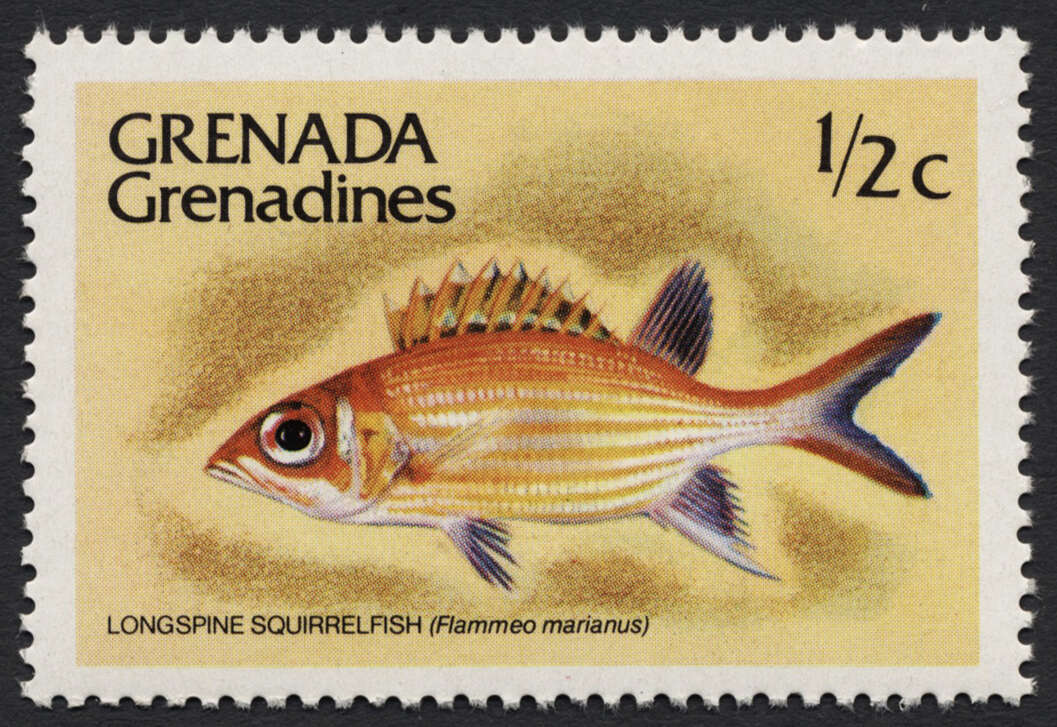
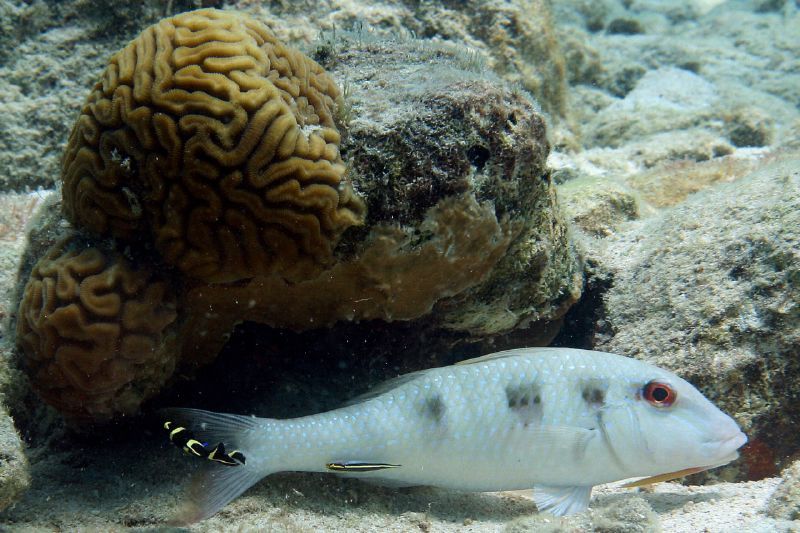

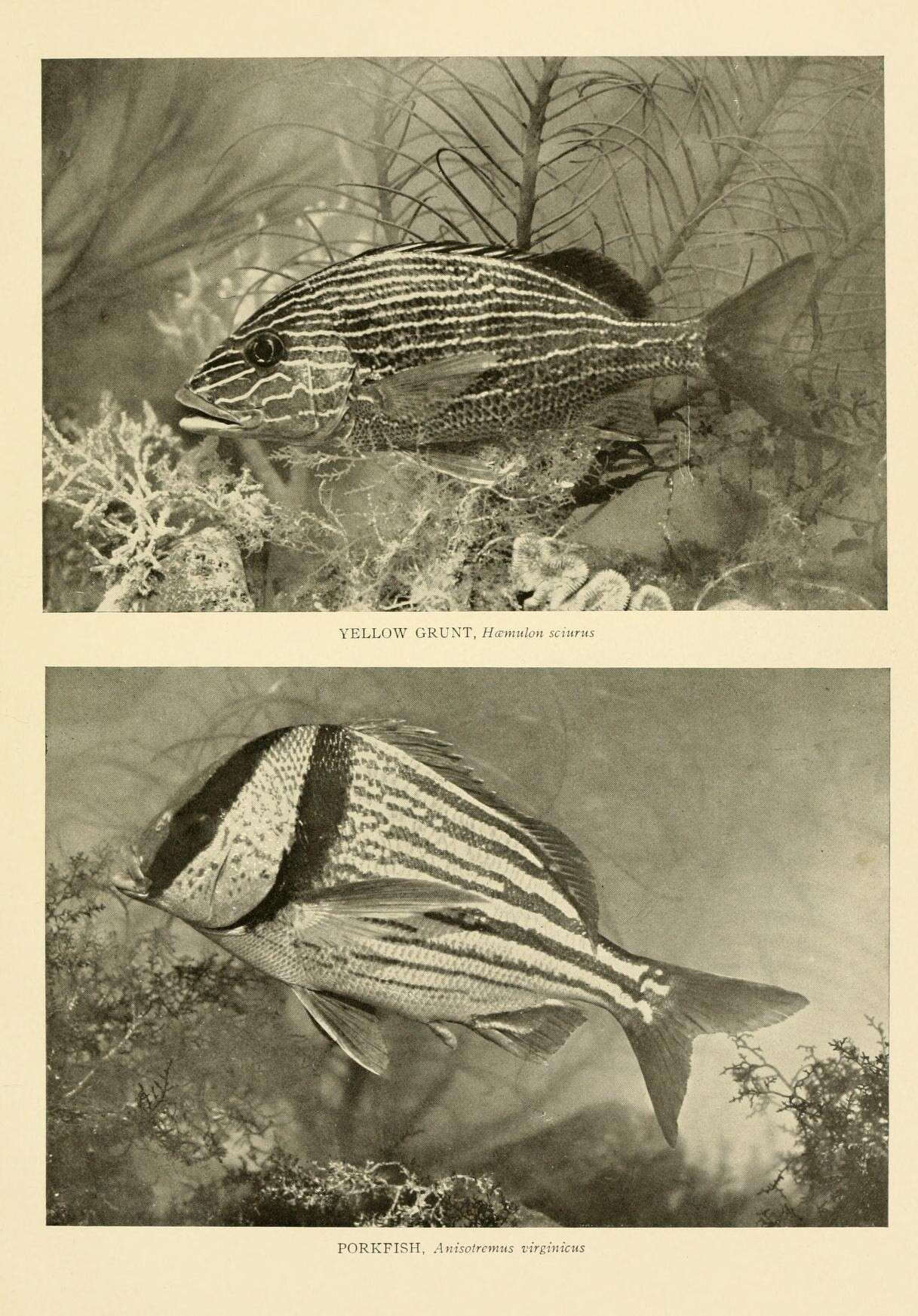
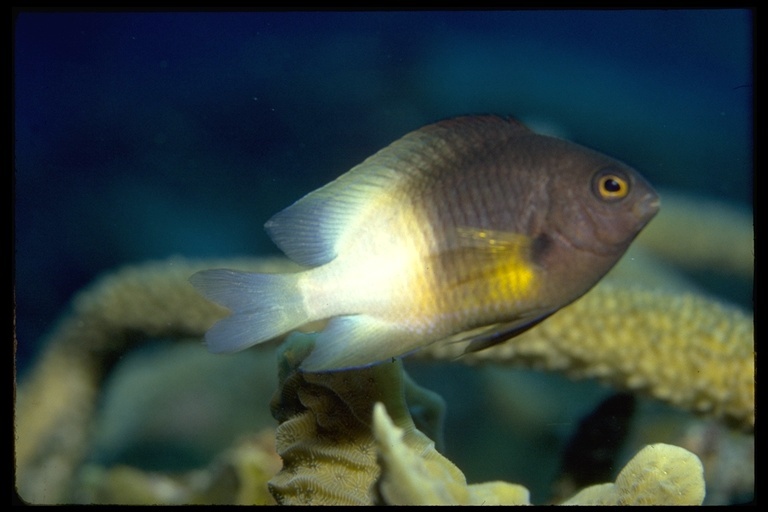


Species Identified
Cephalopholis cruentata (Lacepède, 1802) (Coney)
Inhabit Thalassia beds and coral reefs. In the Gulf of Mexico, they are found on rocky reef ledge in depths greater than 27 m. Solitary and secretive, they usually stay near hiding places during the day. Prefer to rema...
Read More
Read More
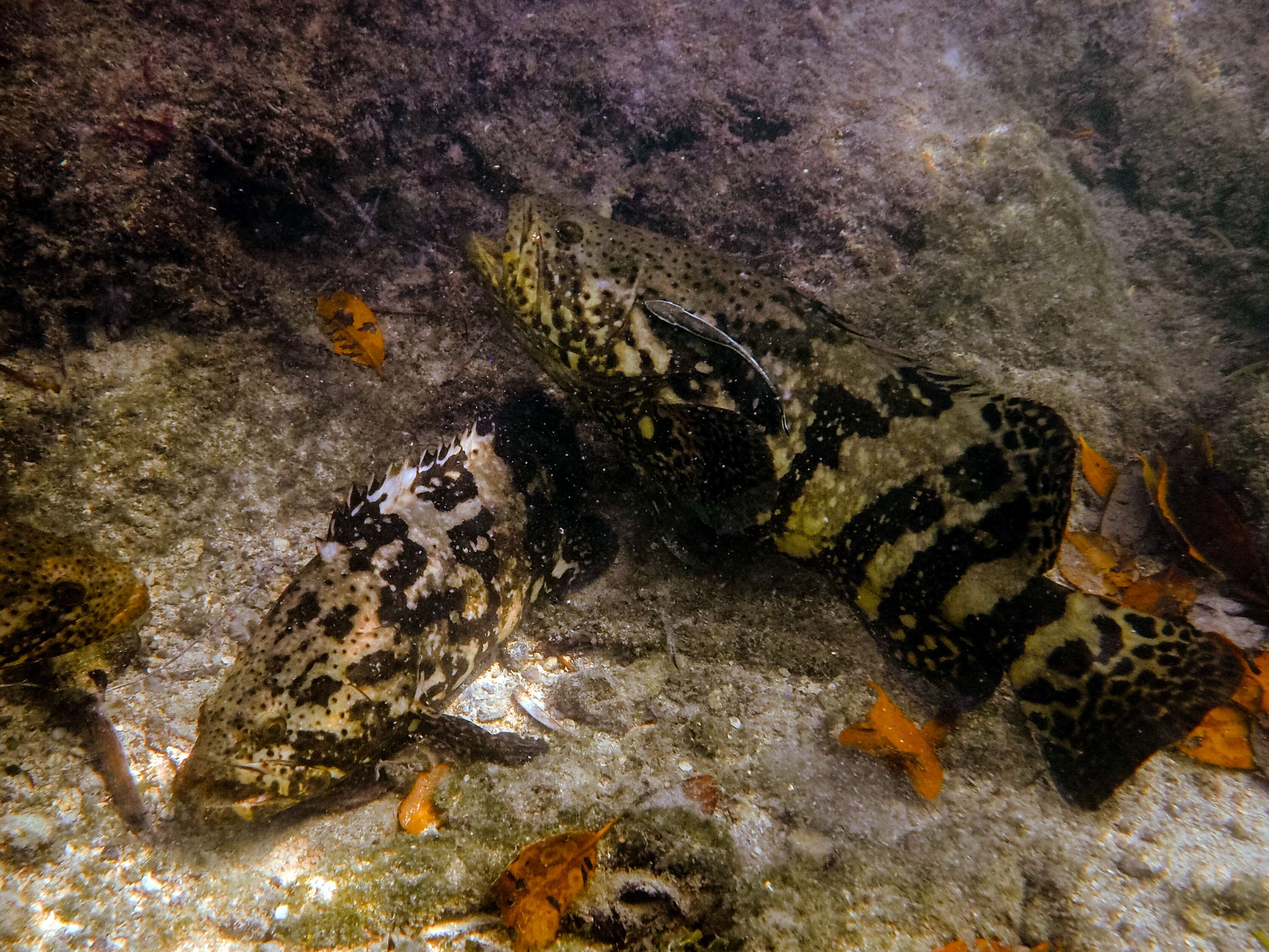
Epinephelus itajara (Lichtenstein, 1822) (Giant grouper)
The goliath grouper may be solitary or occur in groups of up to 50 or more individuals. Home range appears limited and the fish produces a booming sound when threatened by divers or large sharks. Variations of these voca...
Read More
Read More
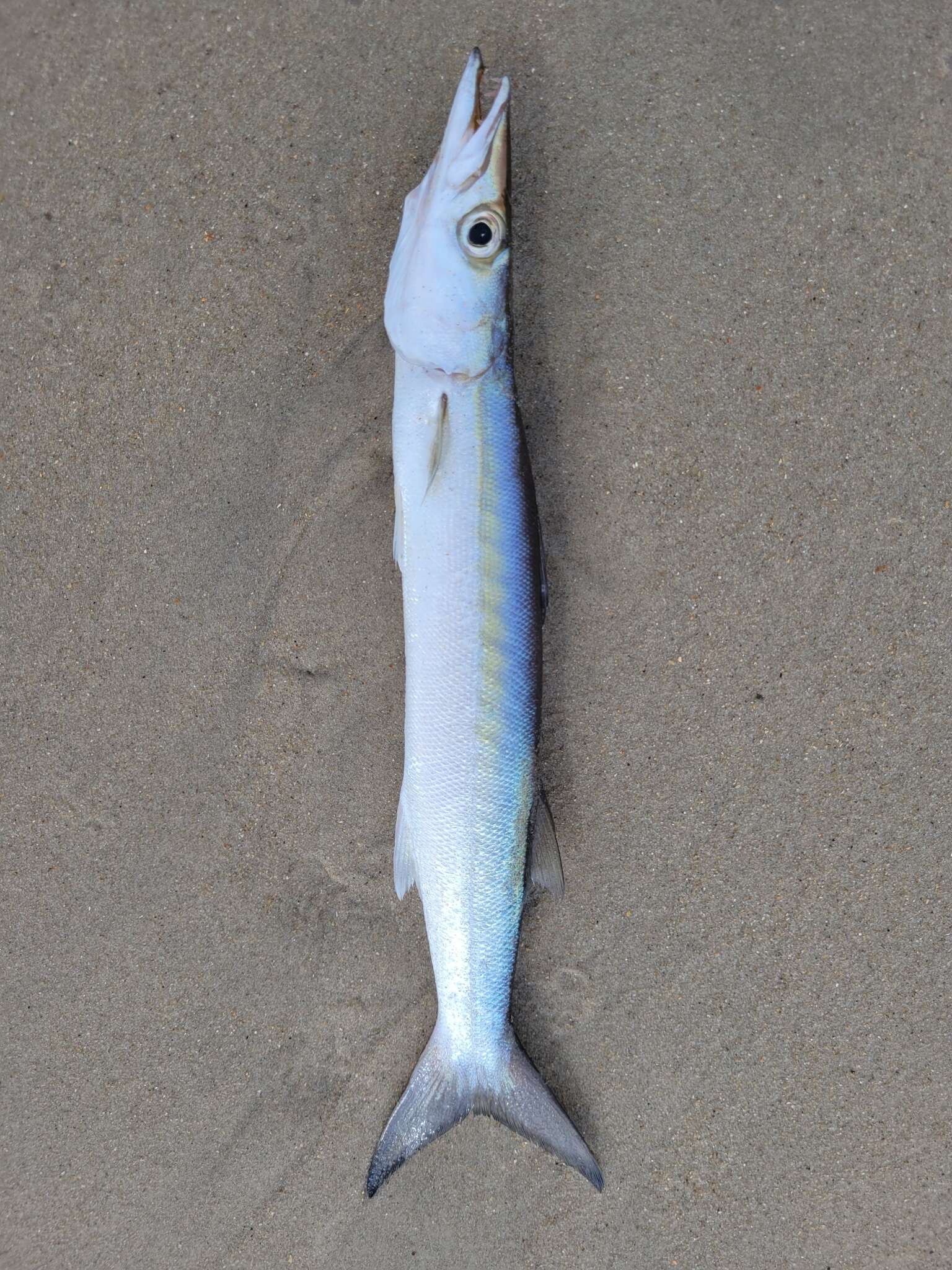
Sphyraena guachancho Cuvier, 1829 (Guachanche barracuda)
Occurs in shallow and generally turbid coastal water over muddy bottoms, often around river estuaries. Schooling species . Feeds on mainly on fishes belonging to the Engraulidae, Clupeidae, Lutjanidae and Synodontidae fa...
Read More
Read More
Sphyraena barracuda (Edwards, 1771) (Alho)
Swiftia exserta (Ellis and Solander, 1786) (deepwater coral)
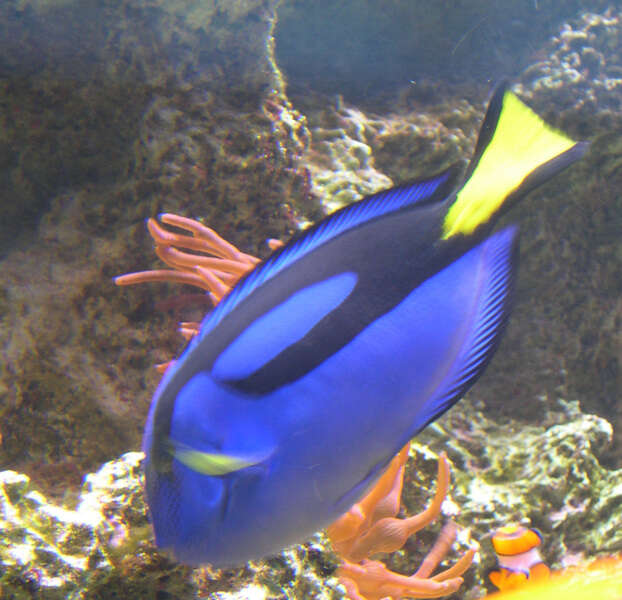
Paracanthurus hepatus (Linnaeus, 1766) (Palette surgeonfish)
Occur in clear, current-swept terraces of seaward reefs. Observed in loose aggregations 1 or 2 meters above the bottom; juveniles and subadults typical in groups near isolated Pocillopora eydouxi coral heads and when alar...
Read More
Read More
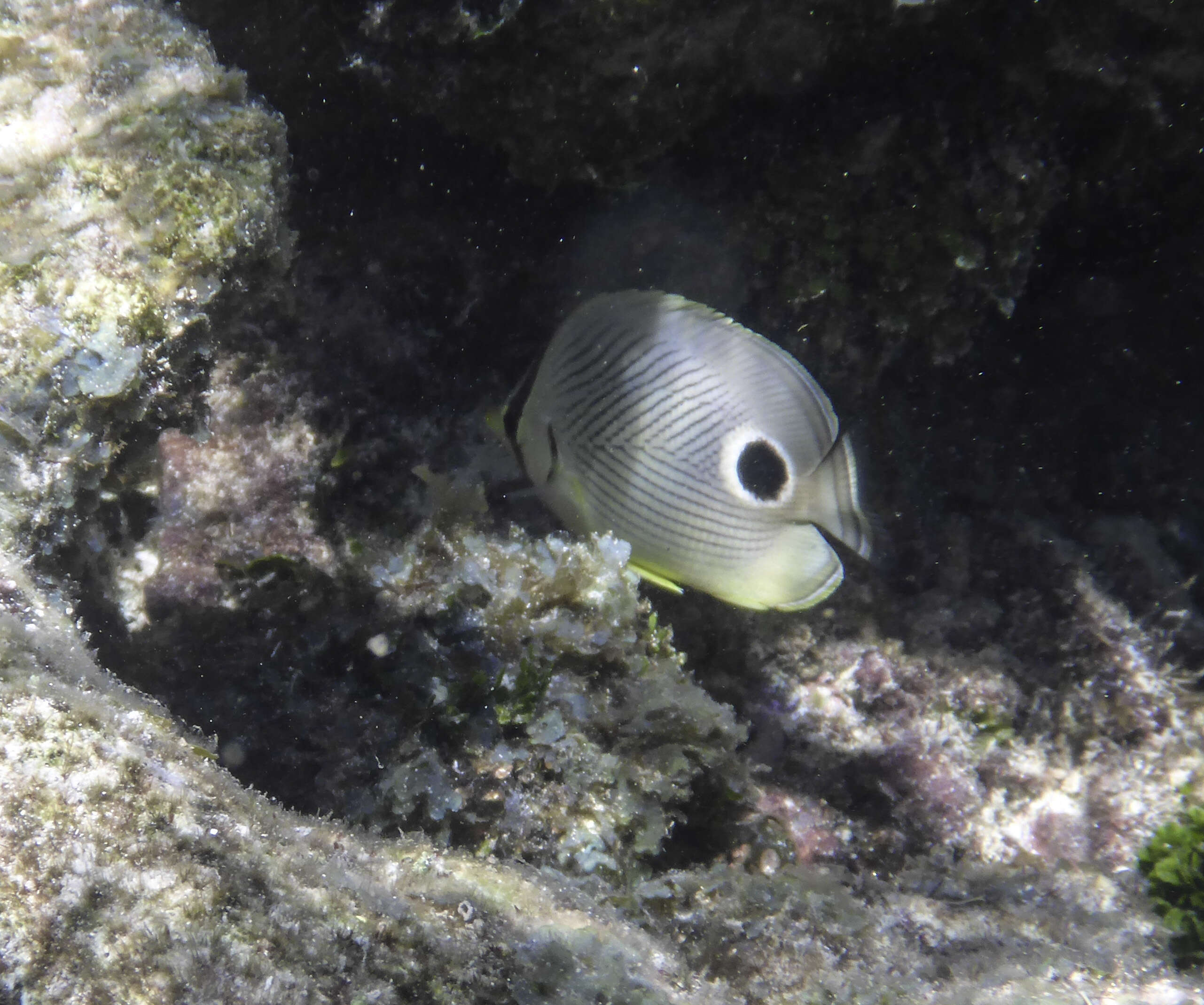
Chaetodon ocellatus Bloch, 1787 (Butterbun)
Inhabit shallow, coral reefs with clear water . Develop dusky bands at night. Generally common . Oviparous . Form pairs during breeding .
Chaetodon capistratus Linnaeus, 1758 (Butterbun)
Inhabit shallow reefs and generally occurs singly or in pairs. Feed mainly on zoantharians, polychaete worms, gorgonians and tunicates. Easily approached . Oviparous . Form pairs during breeding .
Scarus vetula Bloch and Schneider, 1801 (Blownose)
Inhabits coral reefs and adjacent habitats. Feeds on algae scraped from rocks or dead coral. Sleeps in a mucus cocoon . Often seen in groups of one super male with several young adults, most of which are probably females . A protogynous hermaphrodite .
Amblycirrhitus pinos (Mowbray, 1927) (Grannyfish)
Moderately common in rocky areas and among rubble, often in crevices and shallow caves. Usually lies at rest on the substrate . Feeds primarily on small crustaceans, particularly copepods, shrimps and shrimp larvae, crabs and crab larvae as well as polychaetes .
Neoniphon marianus (Cuvier, 1829) (Longjaw squirrelfish)
Rarely found in shallow water, but appears to be the most common squirrelfish in the depth range of 30-60 m or more . Reported used as food fish .
Pseudupeneus maculatus (Bloch, 1793) (Copper pilot)
Inhabits shallow waters to depths of 90 m , especially over sand and rock bottoms in reef areas. Young juveniles often found on beds of seagrass, e.g. Thalassia. Feeds on small invertebrates . Flesh highly esteemed; marketed fresh and frozen . Traded as an aquarium fish at Ceará, Brazil .
Mullus auratus Jordan and Gilbert, 1882 (goatfish)
Inhabits neritic waters, especially over sand or mud bottoms . Flesh considered excellent quality; marketed fresh .
Haemulon sciurus (Shaw, 1803) (Blue striped grunt)
Found in small groups over coral and rocky reefs and drop-offs . Juveniles are abundant in Thalassia beds . Feeds on crustaceans, bivalves, and occasionally on small fishes. Marketed fresh.
Stegastes partitus (Poey, 1868) (bicolor damselfish)
Inhabits shallow coral reefs and isolated patch reefs in deeper water. Feeds primarily on algae but also on polychaetes, hydroids, copepods and ascidians . Aggressively territorial but only around a small area . Taken incidentally in traps and small-meshed beach nets .
Chromis cyanea (Poey, 1860) (blue chromis)
Common above deep outer reefs and feeds in aggregations of the small zooplankton, primarily copepods . Often with creole wrasse. Retreats into coral crevices when frightened .
Chromis enchrysura Jordan and Gilbert, 1882 (Yellowtail chromis)
Inhabits steep slopes and outer patch reefs. Occurs in small groups near small outcrops .
Opistognathus aurifrons (Jordan and Thompson, 1905) (yellowhead jawfish)
Inhabit burrows made of crushed coral or sand. Hovers vertically, above or near its hole. The male courts the female by swimming in an arched position with his fins spread towards her . Male broods the eggs orally . Has been reared in captivity .
Share on Social Networks
- Facebook:

personalize your shared text as well as its destination (wall, page...) or send as a private message to a friend
- Twitter: Tweet personalize your tweet
- Google Plus:
Direct link to this dive
- Long link:
- Short link:


 We are participating today in the startup contest Techcrunch Disrupt. Support Diveboard by voting for us!
























































































Group of larger Barracuda, Large Grouper