


 David 'dibs' Bishop

 Egypt
Egypt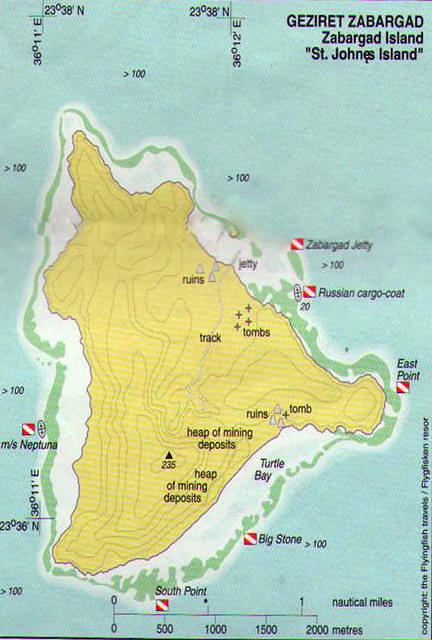
-
Nº228
 Date: 2023-06-19 - 14:43
-
 Max Depth: 28m Duration: 73mins
Dive Location

- Surface interval:174 mins
- Temp: Surf 31°C Bottom 29°C
- Dive type : Recreational, Reef, Photo
- Visibility: Excellent Water: Salt
Specific gear used
- BCD: Cressi Sub - Ultralight
- Boots: Cressi Sub - Isla
- Camera: Gopro - Hero 10 Black
- Camera: Olympus - Tough TG6
- Computer: Suunto - D5
- Fins: Atomic Aquatics - Split Fins
- Light: Sealife - Seadragon 2500 Lumen x2
- Mask: Atomic Aquatics - Venom Blue
- Other: Suunto - Tank Pod
- Other: AquaTec - Dive Alert V2
- Weights: 2 kg
Dive reviews
| Overall review | ||
| Dive difficulty | ||
| Marine life quality |
Recent Divers in Zabargad Island
Recent Pictures in Zabargad Island

Dive Shop & Buddies
 Dive with Blue O Two M/Y Blue Melody
 Dive buddies:
Chris Harman
Dive buddies:
Chris Harman

Link to this spot:
- Spot:
- Country:
- Area:
- Body of water:
Dive Profile
- 1. Nitrox 32
- 15L Steel 218 → 56 bar
- Average depth: 11.2m
Data provided by EOL.org


Species Identified
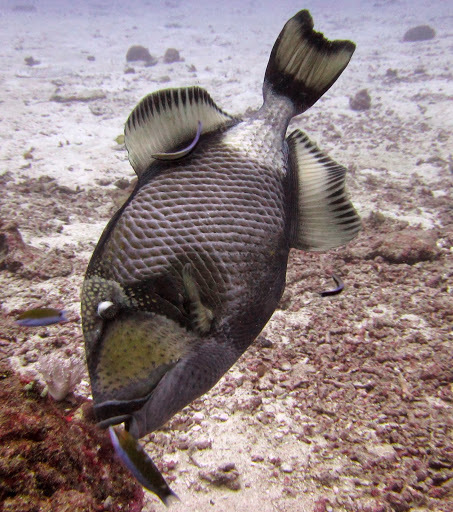
Balistoides viridescens (Bloch and Schneider, 1801) (Titan triggerfish)
Occur in lagoon, seaward reefs and sheltered inner reef slopes . Juveniles often associated with isolated patches of branching coral or rubble of shallow sandy protected areas. Adults occur singly or in pairs on the slo...
Read More
Read More
Pterois volitans (Linnaeus, 1758) (Red lionfish)
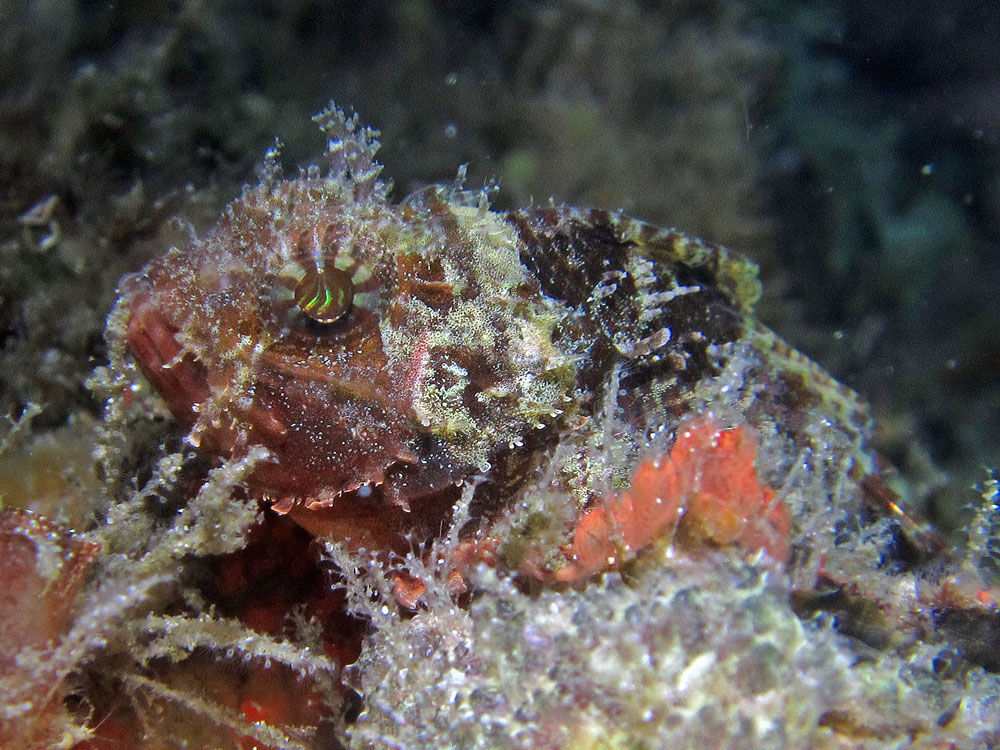
Scorpaenopsis oxycephala (Bleeker, 1849) (Tassled scorpionfish)
Inhabits clear-water outer reef slopes and channels from depths of 1 to at least 35 m, in areas with mixed rock and coral substrates. Venomous spines.
Ostracion cubicus Linnaeus, 1758 (Yellow boxfish)
Inhabit lagoon and semi-sheltered seaward reefs. Juveniles often among Acropora corals . Benthopelagic . Solitary . Juveniles expatriating to subtropical zone from the pelagic larval stage. Small juveniles secretive i...
Read More
Read More
Share on Social Networks
- Facebook:

personalize your shared text as well as its destination (wall, page...) or send as a private message to a friend
- Twitter: Tweet personalize your tweet
- Google Plus:
Direct link to this dive
- Long link:
- Short link:


 We are participating today in the startup contest Techcrunch Disrupt. Support Diveboard by voting for us!
























































































Very pretty dive
Named after the mineral mined there, also military base on other side of the island. Relatively straightforward dive, large green turtle swam by. Lionfish and Scorpionfish, Titan Triggers. Lots of soft corals and trunkfish.
Great Viz