


 David 'dibs' Bishop

 Egypt
Egypt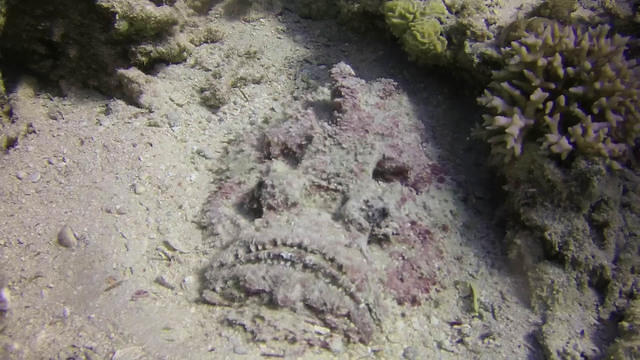
-
Nº81
 Date: 2016-10-02 - 13:08
-
 Max Depth: 11m Duration: 63mins
Dive Location

- Surface interval:119 mins
- Temp: Surf 31°C Bottom 28°C
- Dive type : Recreational, Reef, Photo
- Visibility: Excellent Water: Salt
Specific gear used
- Fins: Atomic Aquatics - Split Fins
- Other: Atomic Aquatics - SV2 Snorkel
- Weights: 4 kg
Dive reviews
| Overall review | ||
| Dive difficulty | ||
| Marine life quality |
Recent Divers in Hurghada


Recent Pictures in Hurghada




Dive Shop & Buddies
 Dive with Russell from Pro Divers Corner
 Dive buddies:
Derek
Dive buddies:
Derek

Link to this spot:
- Spot:
- Country:
- Area:
- Body of water:
Dive Profile
- 1. Air
- 12L Steel 200 → 60 bar
- Average depth: 8.4m
Data provided by EOL.org

Species Identified
Synanceia verrucosa Bloch & Schneider, 1801 (Stonefish)
Most widespread stonefish . Found on sandy or rubble areas of reef flats and shallow lagoons and in small pools during low tide well camouflaged among the substrate and sometimes even covered with algae . Solitary specie...
Read More
Read More
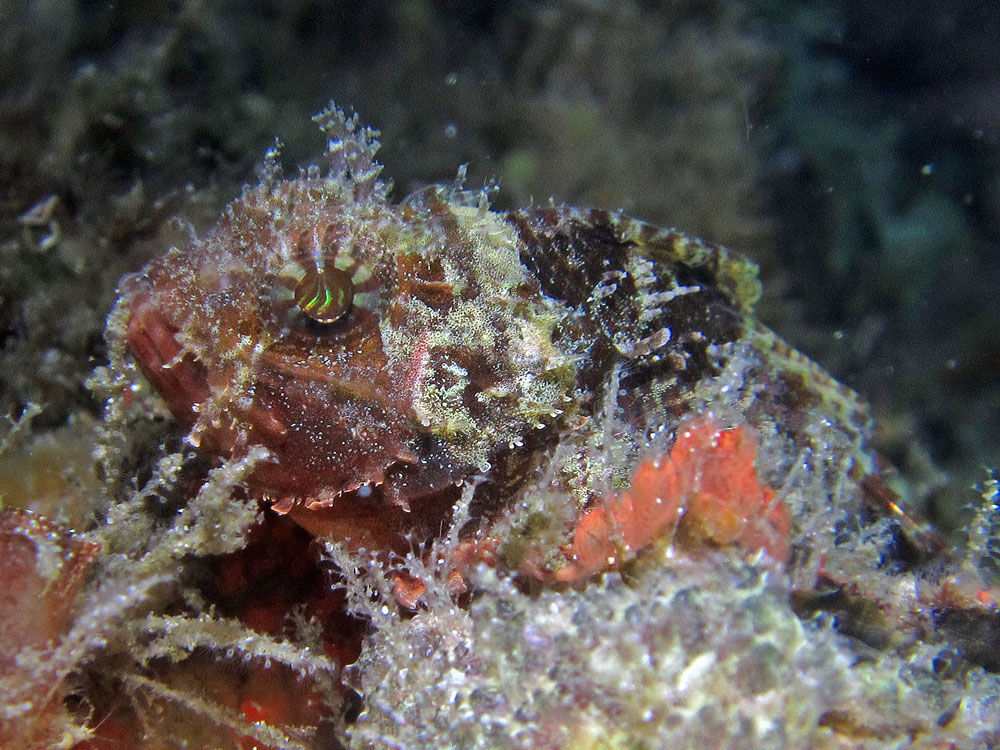
Scorpaenopsis oxycephala (Bleeker, 1849) (Tassled scorpionfish)
Inhabits clear-water outer reef slopes and channels from depths of 1 to at least 35 m, in areas with mixed rock and coral substrates. Venomous spines.
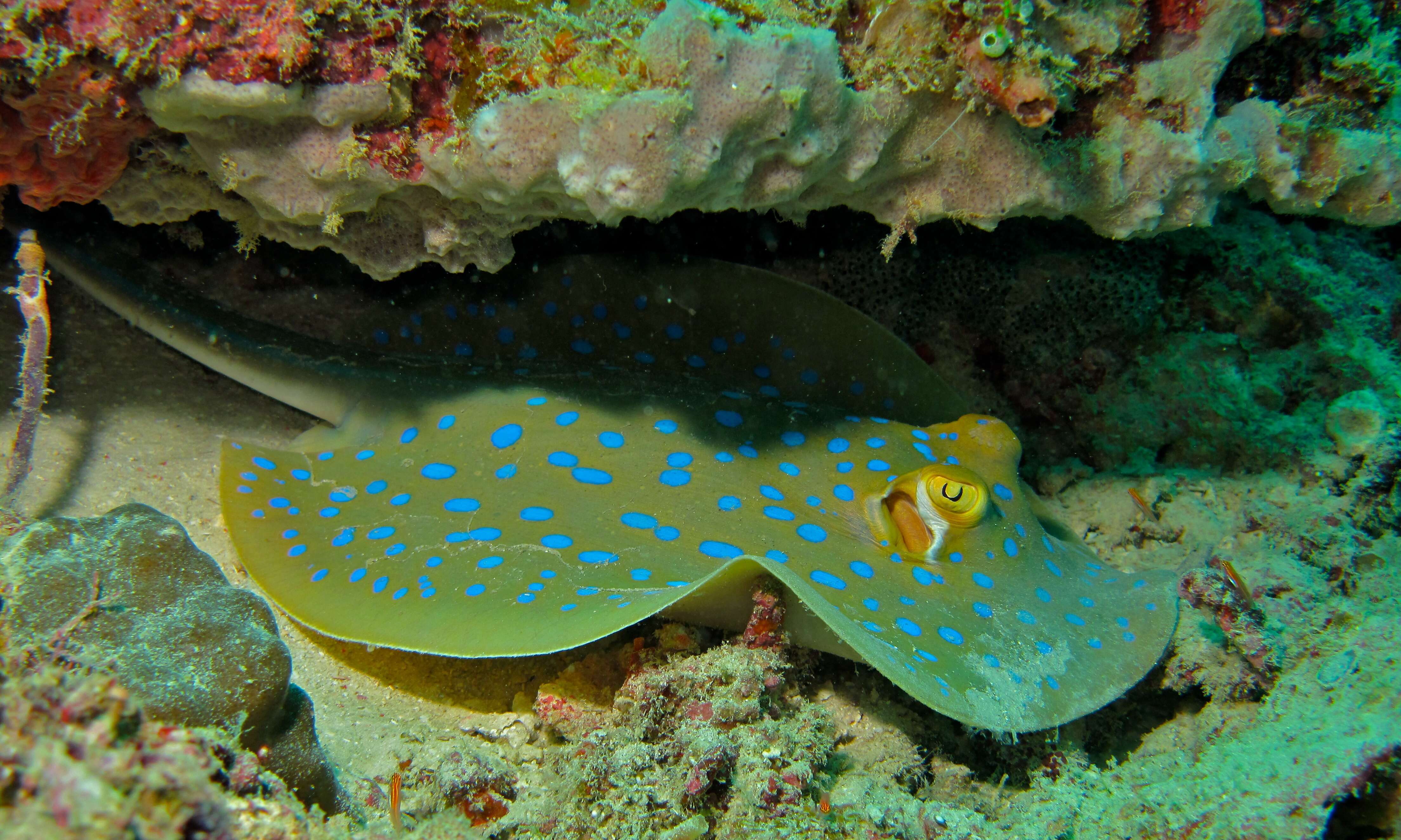
Taeniura lymma (Forsskål, 1775) (Bluespotted ribbontail ray)
Blue-spotted stingrays live alone or in small groups , migrating in large schools into shallow sandy areas on the rising tide in order to feed, and dispersing back into the ocean as the tide falls to shelter in the coral c...
Read More
Read More
Gnatholepis cauerensis (Bleeker, 1853) (Eyebar goby)
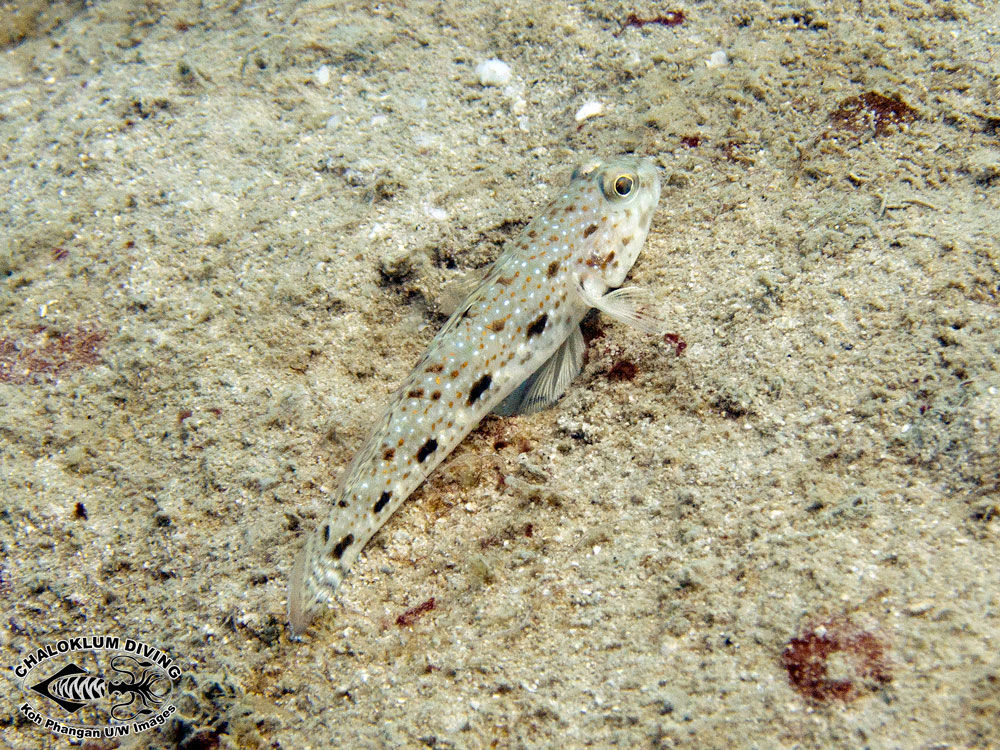
Istigobius decoratus (Herre, 1927) (Decorated goby)
A common species that inhabits areas of coralline sand of clear lagoon and seaward reefs . Found singly. Minimum depth from Ref. 58018.
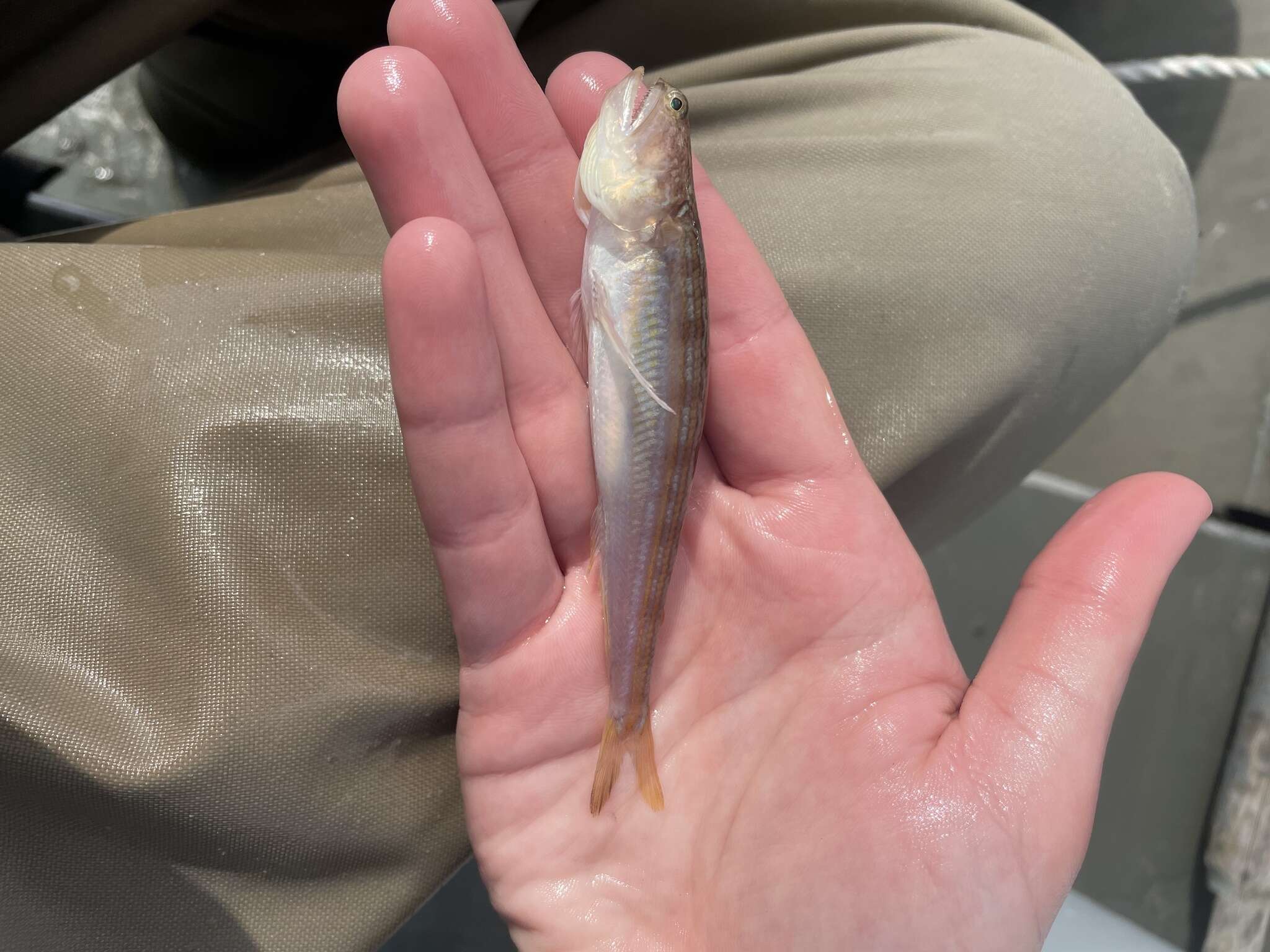
Trachinocephalus myops (Forster, 1801) (Bluntnose lizardfish)
Found near shore above 40 m over sandy bottoms of deep outer reef slopes . Reported to be common in estuaries . Benthic at 3-388 m . Rest on or more often burrow into substrate, leaving eyes exposed . When disturbed, i...
Read More
Read More
Share on Social Networks
- Facebook:

personalize your shared text as well as its destination (wall, page...) or send as a private message to a friend
- Twitter: Tweet personalize your tweet
- Google Plus:
Direct link to this dive
- Long link:
- Short link:


 We are participating today in the startup contest Techcrunch Disrupt. Support Diveboard by voting for us!






















































































Stone Fish, Scorpionfish Blue spot Rays