


 David 'dibs' Bishop

 Egypt
Egypt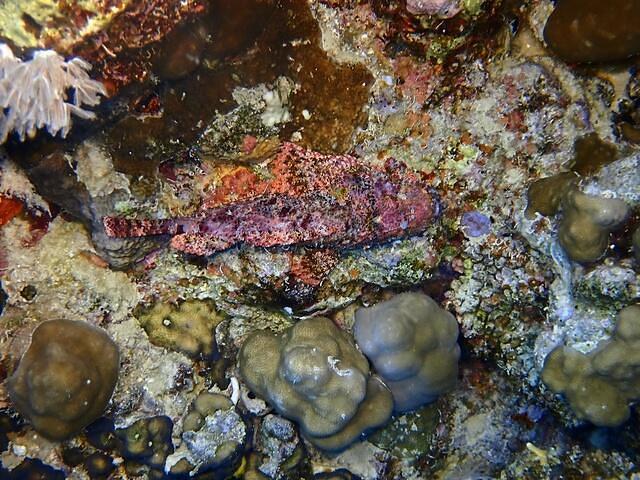
-
Nº246
 Date: 2024-03-10 - 10:49
-
 Max Depth: 19.3m Duration: 50mins
Dive Location

- Temp: Surf 23°C Bottom 22°C
- Dive type : Recreational, Reef, Photo
- Visibility: Excellent Water: Salt
Specific gear used
- Fins: Atomic Aquatics - Split Fins
- BCD: Cressi Sub - Ultralight
- Boots: Cressi Sub - Isla
- Camera: Olympus - Tough TG6
- Camera: Gopro - Hero 10 Black
- Computer: Suunto - D5
- Mask: Atomic Aquatics - Venom Blue
- Other: Suunto - Tank Pod
- Light: Sealife - Seadragon 2500 Lumen x2
- Regulator: Atomic Aquatics - Z3 DIN 1st and 2nd Stage on Swivel
- Other: AquaTec - Dive Alert V2
- Weights: 2 kg
Dive reviews
| Overall review | ||
| Dive difficulty | ||
| Marine life quality |
Recent Divers in Small Giftun Island
Dive Shop & Buddies
 Dive with Aladin
 Dive buddies:
Chris Harman
Dive buddies:
Chris Harman

Link to this spot:
- Spot:
- Country:
- Area:
- Body of water:
Dive Profile
- 1. Air
- 15L Steel 197 → 41 bar
- Average depth: 11.4m
- SAC: 1.45 bar/min
- RMV: 21.75 L/min
Data provided by EOL.org

Species Identified
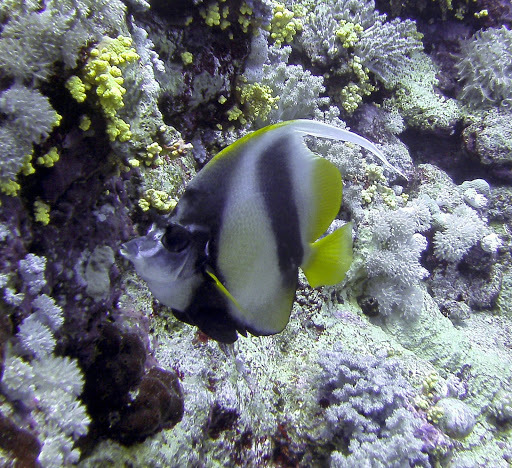
Heniochus intermedius Steindachner, 1893 (Red Sea bannerfish)
Found on coral slopes Juveniles in large groups at base of reef, sometimes with H. diphreutes; adults usually solitary or paired, occasionally in groups . Feed on zooplankton and benthic invertebrates . Oviparous , monogamous . Form pairs during breeding .
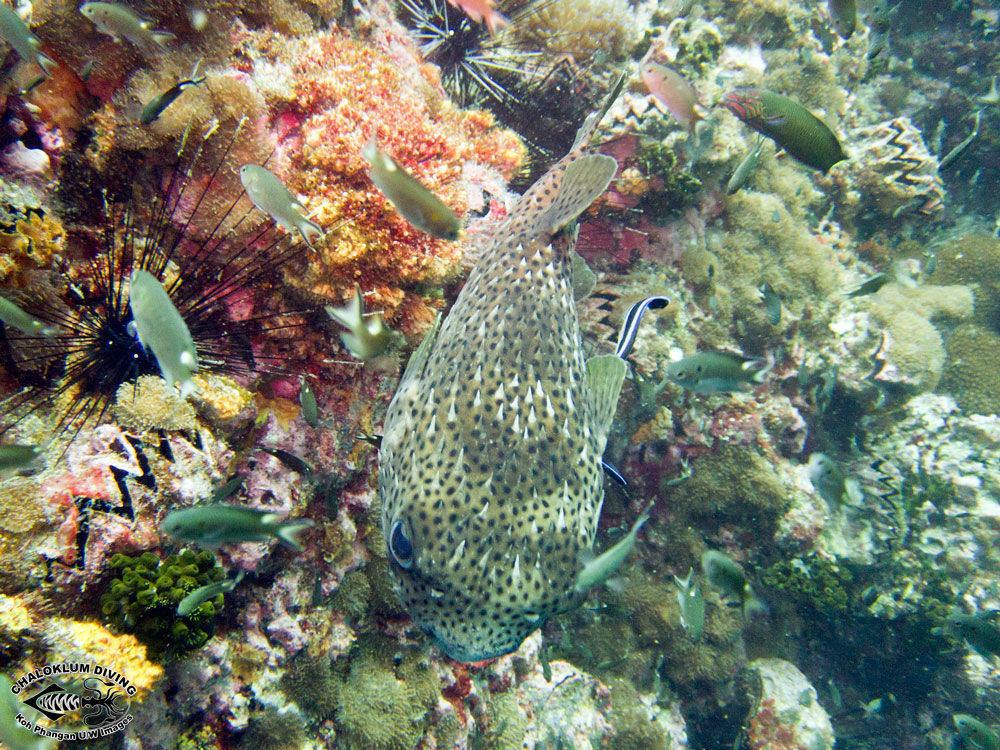
Diodon hystrix Linnaeus, 1758 (Spot-fin porcupinefish)
Cyclichthys spilostylus (Leis & Randall, 1982) (burrfish)
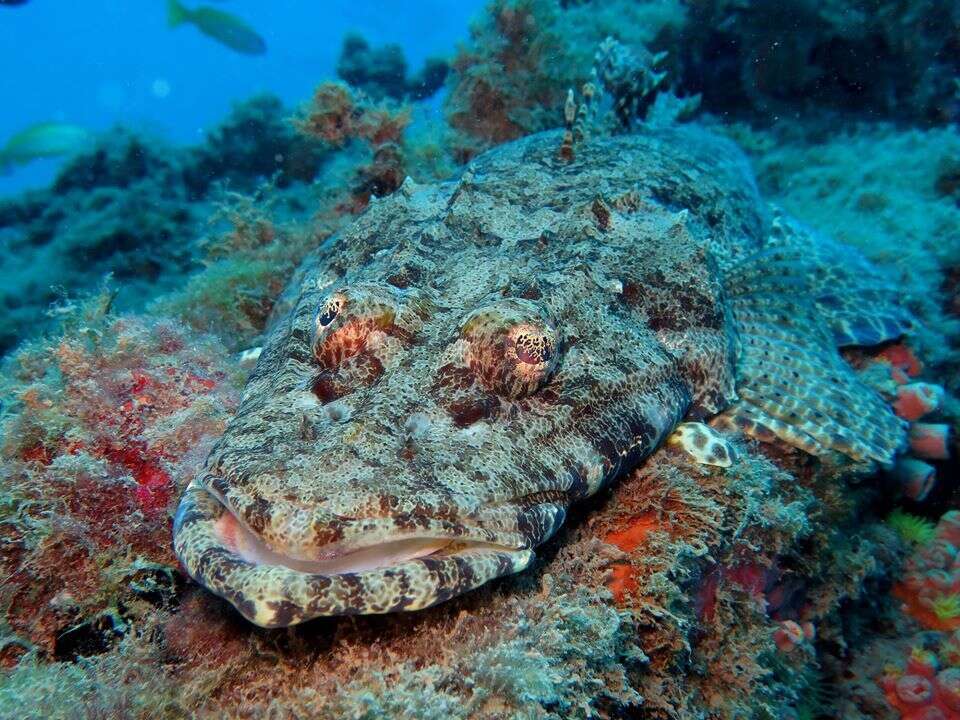
Papilloculiceps longiceps (Cuvier, 1829) (Tentacled flathead)
Found in the vicinity of coral reefs on sand or rubble bottoms.
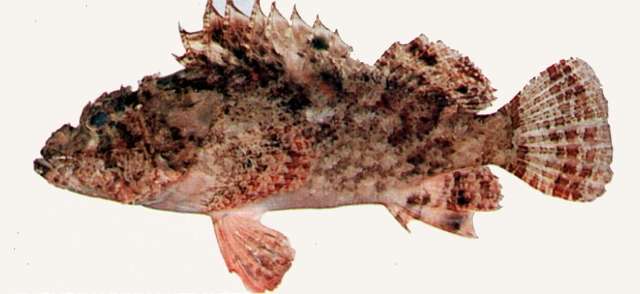
Scorpaenopsis cirrosa (Thunberg, 1793) (Weedy stingfish)
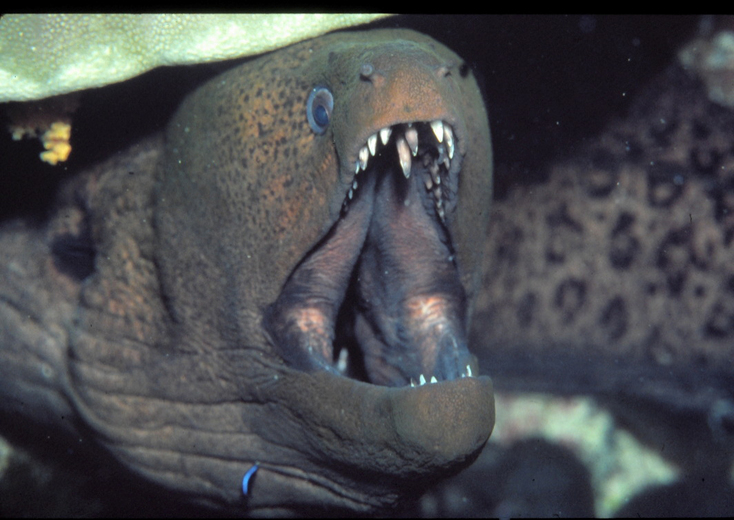
Gymnothorax undulatus (Lacepède, 1803) (Moray)
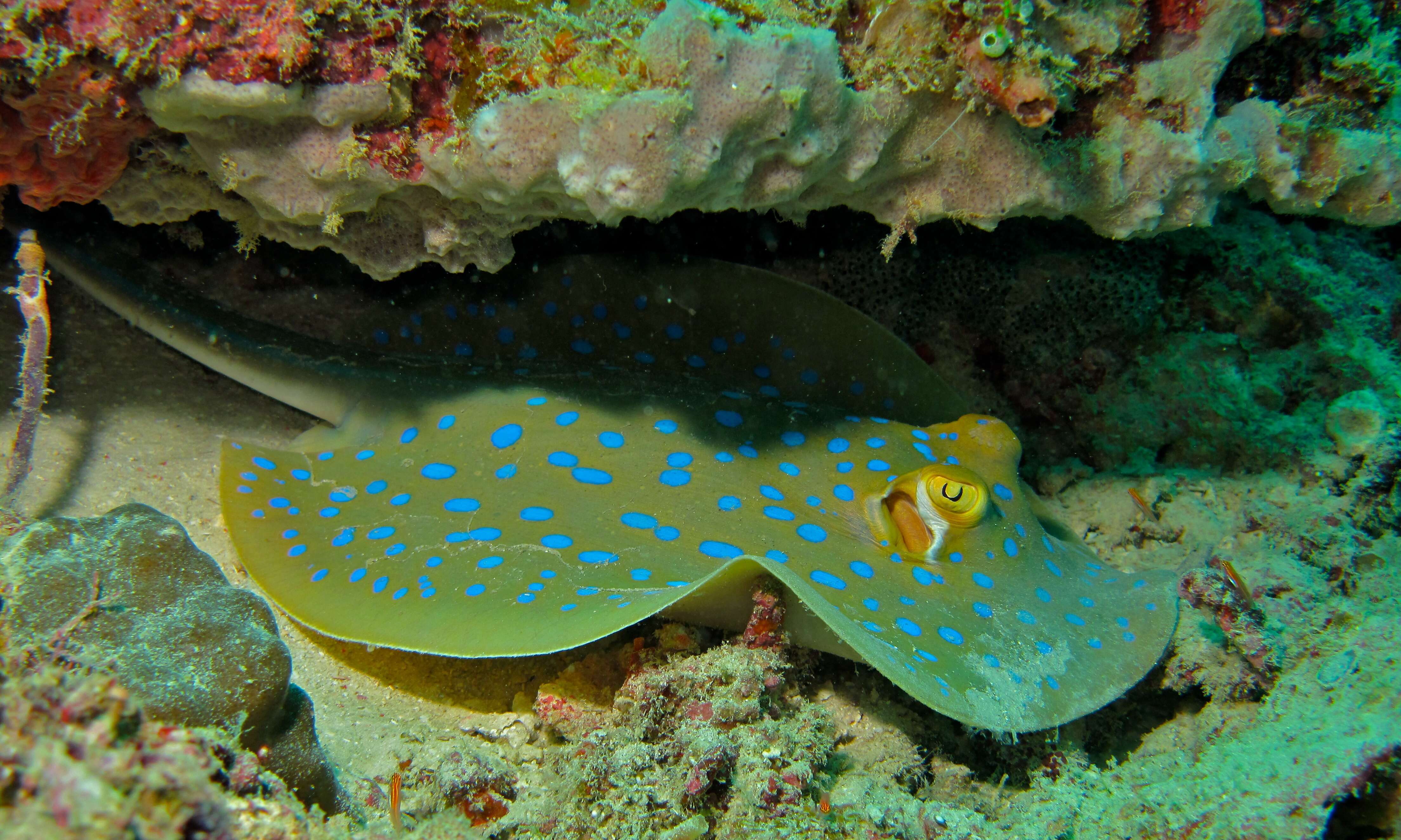
Taeniura lymma (Forsskål, 1775) (Bluespotted ribbontail ray)
Blue-spotted stingrays live alone or in small groups , migrating in large schools into shallow sandy areas on the rising tide in order to feed, and dispersing back into the ocean as the tide falls to shelter in the coral c...
Read More
Read More
Share on Social Networks
- Facebook:

personalize your shared text as well as its destination (wall, page...) or send as a private message to a friend
- Twitter: Tweet personalize your tweet
- Google Plus:
Direct link to this dive
- Long link:
- Short link:


 We are participating today in the startup contest Techcrunch Disrupt. Support Diveboard by voting for us!
























































































Check Dive, Boat to Boat
Reef on left
Crocodilefish, Bluespotted Ray Morays, grouped bannerfish, Scorpionfish and a porcupinefish before assent.
DSMB check
Easy dive minimal current