


 David 'dibs' Bishop

 Maldives
-
Nº241
 Date: 2023-10-02 - 14:58
-
 Max Depth: 23.3m Duration: 58mins
Pictures

No pictures for this dive
- Temp: Surf 29°C Bottom 29°C
- Dive type : Recreational, Drift, Cave, Reef, Photo
- Visibility: Good Water: Salt
Specific gear used
- Fins: Atomic Aquatics - Split Fins
- BCD: Cressi Sub - Ultralight
- Boots: Cressi Sub - Isla
- Camera: Olympus - Tough TG6
- Camera: Gopro - Hero 10 Black
- Computer: Suunto - D5
- Mask: Atomic Aquatics - Venom Blue
- Other: Suunto - Tank Pod
- Light: Sealife - Seadragon 2500 Lumen x2
- Regulator: Atomic Aquatics - Z3 DIN 1st and 2nd Stage on Swivel
- Other: AquaTec - Dive Alert V2
- Weights: 4 kg
Dive reviews
| Overall review | ||
| Dive difficulty | ||
| Marine life quality |
Recent Divers in South Ari Atoll

Recent Pictures in South Ari Atoll
Dive Shop & Buddies
 Dive with Tony from Dive Oceanus Sun Island

Link to this spot:
- Spot:
- Country:
- Area:
- Body of water:
Dive Profile
- 1. Nitrox 32
- 12L Steel 190 → 29 bar
- Average depth: 15.6m
Data provided by EOL.org

Species Identified
Triaenodon obesus (Rüppell, 1837) (Whitetip reef shark)
Despite its docile nature during the day this nocturnal shark can become aggressive when hunting at night, thrashing through coral reefs looking for potential prey. The whitetip reef shark usually hunts alone, but is non-t...
Read More
Read More
Carcharhinus albimarginatus (Rüppell, 1837) (Shark)
Carcharhinus amblyrhynchos (Bleeker, 1856) (Gray reef shark)
Occurs on continental and insular shelves and oceanic waters adjacent to them . Common on coral reefs, often in deeper areas near drop-offs to the open sea, in atoll passes, and in shallow lagoons adjacent to areas of str...
Read More
Read More
Eretmochelys imbricata (LINNAEUS) 1766 (Hawksbill Turtle)
Hawksbills may take decades to mature and it could be between 20 to 40 years before they are ready to breed . Upon reaching sexual maturity, a female will typically lay up to five clutches of around 100 to 140 eggs in one ...
Read More
Read More
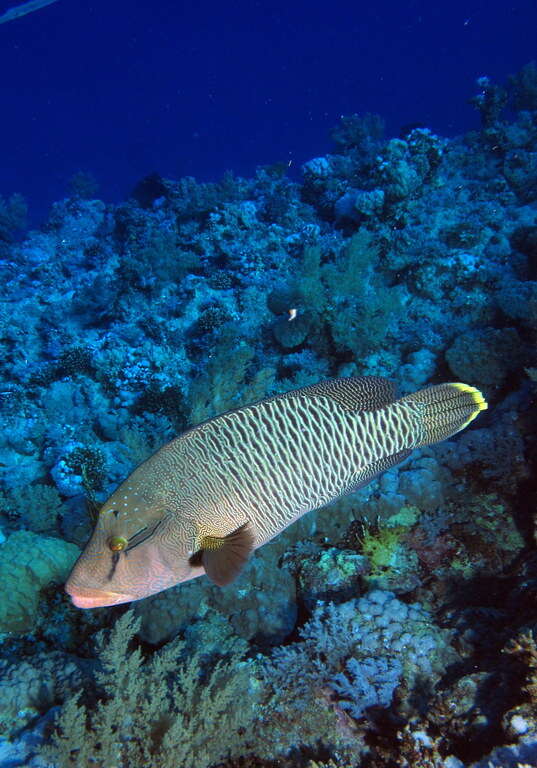
Cheilinus undulatus Rüppell, 1835 (Humphead wrasse)
Humphead wrasses are extremely long-lived, known to survive for at least 30 years, and taking around five to seven years to reach sexual maturity . Adults are usually solitary, spending the day roaming the reef and returni...
Read More
Read More
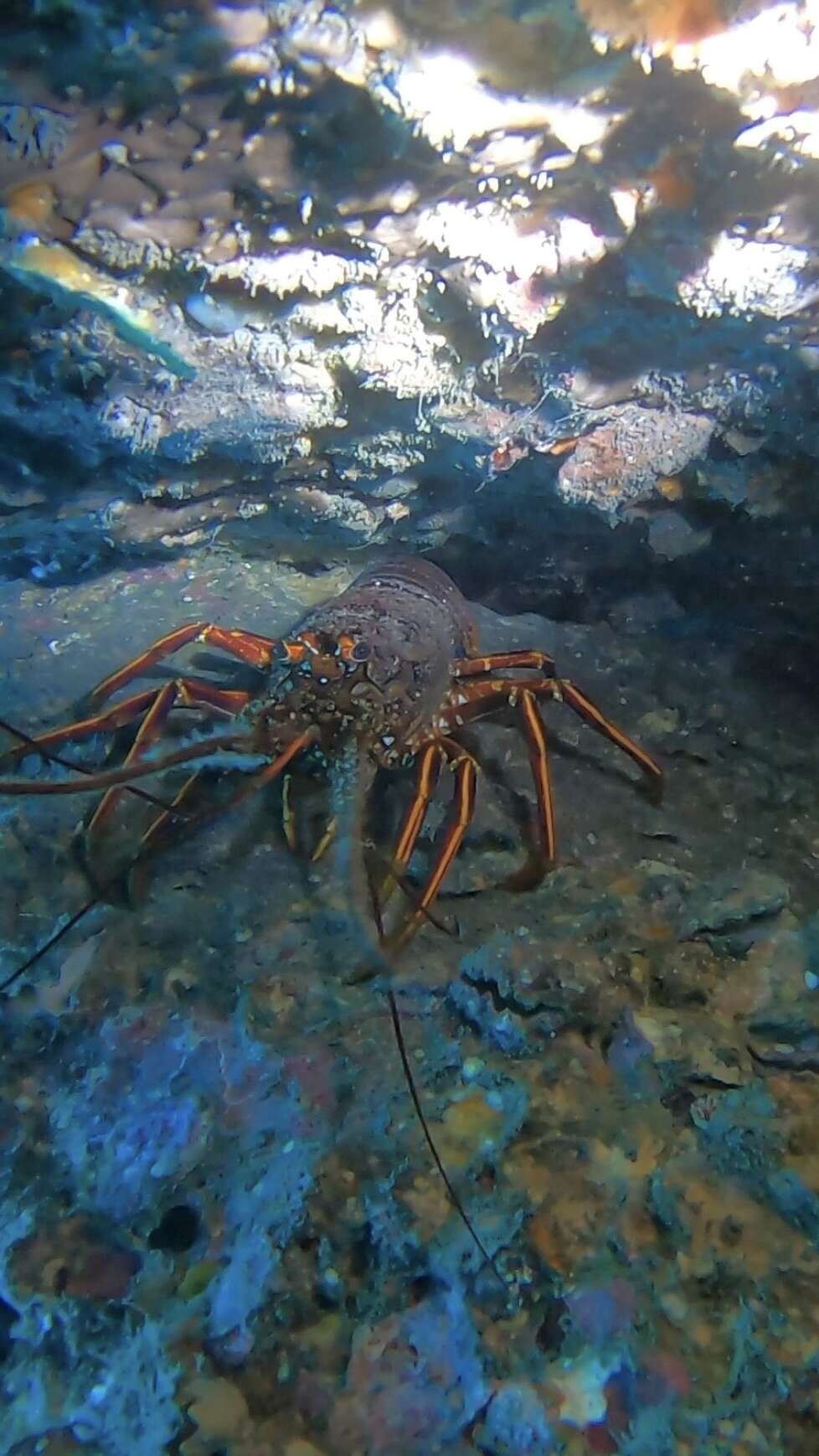
Panulirus japonicus (Von Siebold, 1824) (Japanese spiny lobster)
Aetobatus narinari (Euphrasen, 1790) (Bishop ray)
Large groups of spotted eagle rays may be seen outside of the breeding season. These rays swim close to the surface and can occasionally be seen jumping clear out of the water (known as 'breaching') . Females give birth to...
Read More
Read More
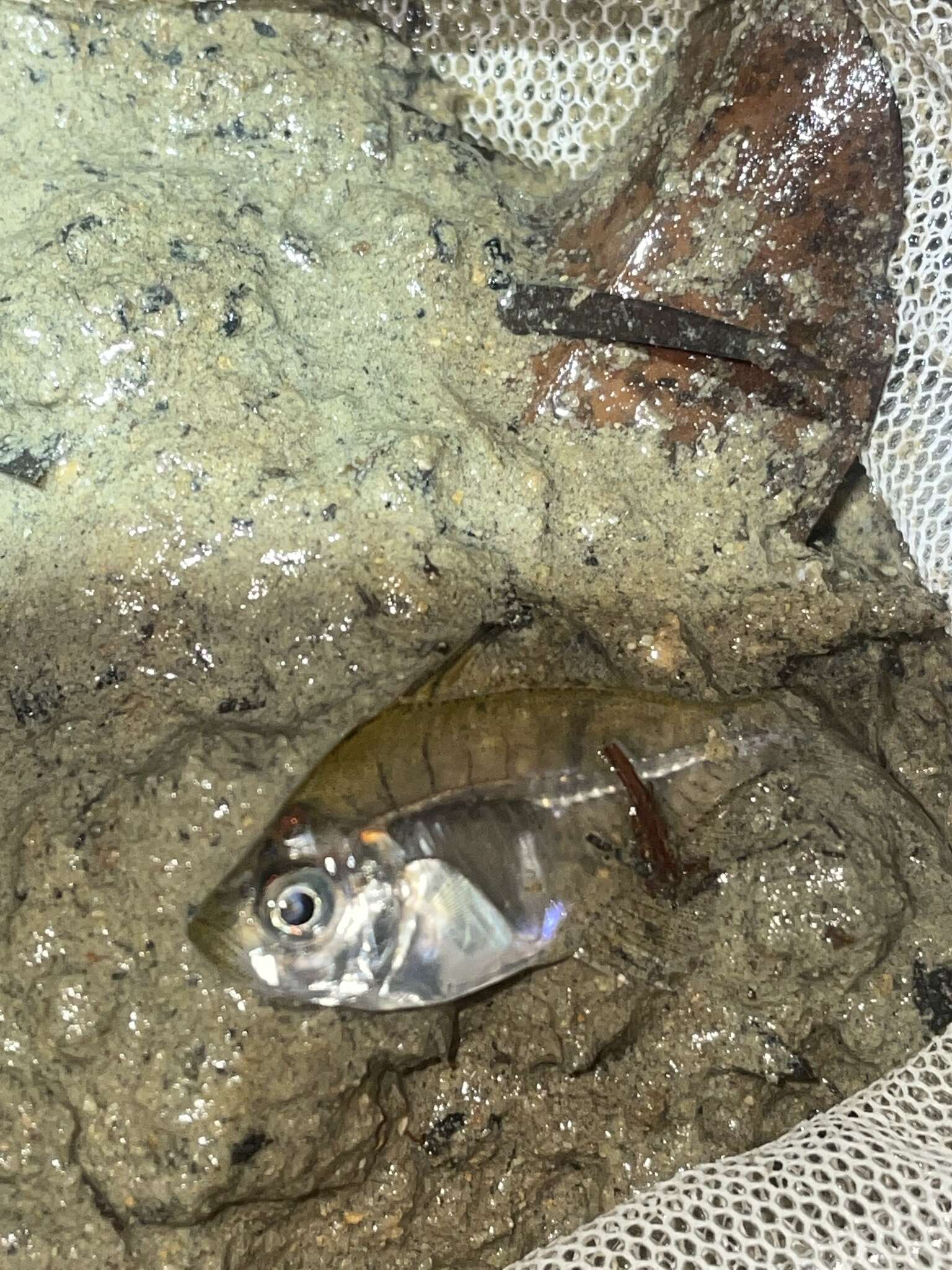
Parambassis ranga (Hamilton, 1822) (Indian glassy fish)
Found in sluggish and standing water. A common species proliferating in impoundments. Most abundant during the rainy season. Feeds on invertebrates , worms and crustaceans . Breeds everywhere during the rains. Builds ...
Read More
Read More
Aluterus scriptus (Osbeck, 1765) (Unicornfish)
Share on Social Networks
- Facebook:

personalize your shared text as well as its destination (wall, page...) or send as a private message to a friend
- Twitter: Tweet personalize your tweet
- Google Plus:
Direct link to this dive
- Long link:
- Short link:


 We are participating today in the startup contest Techcrunch Disrupt. Support Diveboard by voting for us!
























































































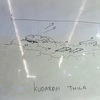
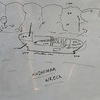
First dive after a few days of being ill. Site about 30 minutes to get too.
Dived into and towards strong current (Pos guide misjudged current then went with current. Reef on left hand side. Followed around Island. Very pretty overhangs and caves. Slow start to dive but got better as dive progressed
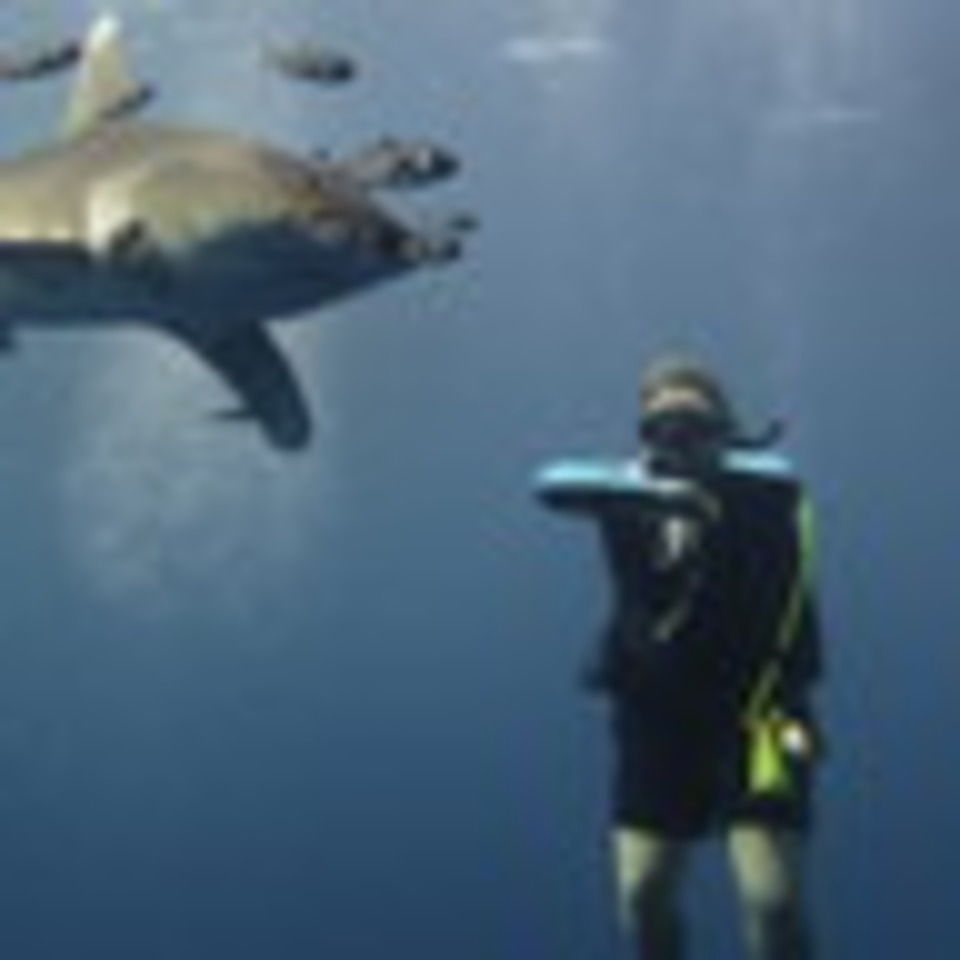
Happened upon a Hawksbill, relatively close, Titan Trigger, Multiple White Tips and Napoleon Wrasse. Eagle Ray, Pos Silvertip Shark also large lobster & Grey Reef Shark.
Multiple whitetips swimming below as we ended the dive