


 David 'dibs' Bishop

 Egypt
Egypt
-
Nº278
 Date: 2024-08-31 - 15:41
-
 Max Depth: 19.4m Duration: 61mins
Pictures

No pictures for this dive
- Surface interval:120 mins
- Temp: Surf 33°C Bottom 30°C
- Dive type : Recreational, Drift, Reef, Photo
- Visibility: Excellent Water: Salt
Specific gear used
- Regulator: Atomic Aquatics - SS1
- Fins: Atomic Aquatics - Split Fins
- BCD: Cressi Sub - Ultralight
- Camera: Olympus - Tough TG6
- Camera: Gopro - Hero 10 Black
- Computer: Suunto - D5
- Mask: Atomic Aquatics - Venom Blue
- Other: Suunto - Tank Pod
- Light: Sealife - Seadragon 2500 Lumen x2
- Regulator: Atomic Aquatics - Z3 DIN 1st and 2nd Stage on Swivel
- Other: AquaTec - Dive Alert V2
- Weights: 4 kg
Dive reviews
| Overall review | ||
| Dive difficulty | ||
| Marine life quality |
Recent Divers in Sharm El Sheikh


Recent Pictures in Sharm El Sheikh
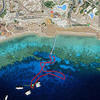
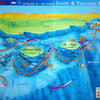
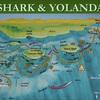

Link to this spot:
- Spot:
- Country:
- Area:
- Body of water:
Dive Profile
- 1. Nitrox 32
- 12L Steel 205 → 60 bar
- Average depth: 11.8m
- SAC: 1.09 bar/min
- RMV: 13.08 L/min
Data provided by EOL.org



Species Identified
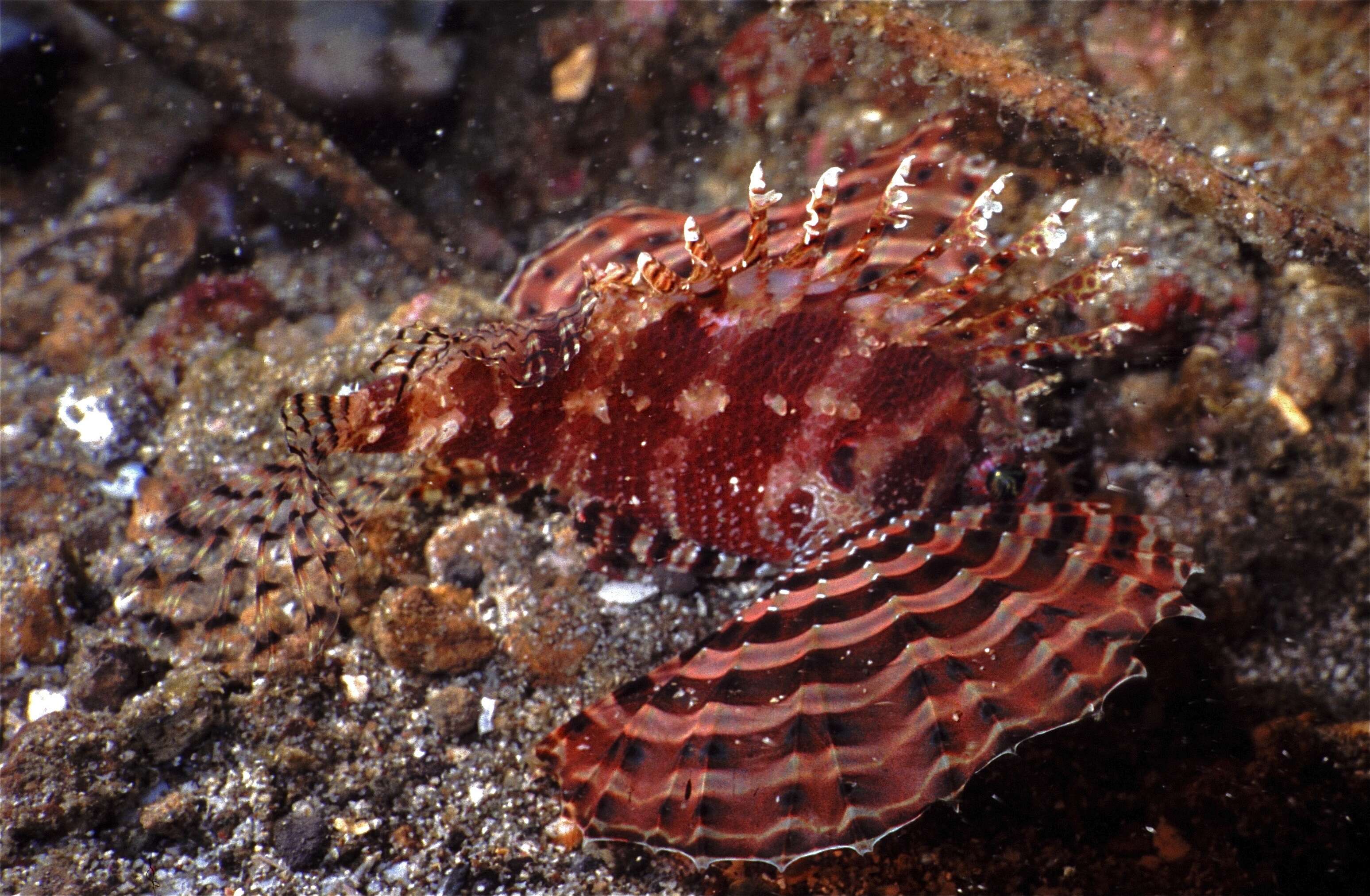
Dendrochirus brachypterus (Cuvier, 1829) (Shortfin turkeyfish)
Common in reef flats and shallow lagoons, in areas with weed-covered rocks on sandy substrates. Adults often found on sponges and juveniles are sometimes found in small aggregations on remote bommies with 10 or so individuals . Nocturnal. Feeds on small crustaceans .
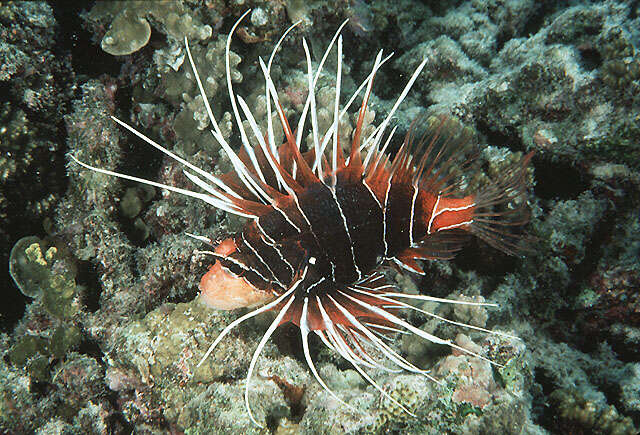
Pterois volitans (Linnaeus, 1758) (Red lionfish)
Pterois radiata Cuvier, 1829 (Radial firefish)
A generally uncommon species that inhabits lagoon and seaward reefs . Prefers rocky reefs and seems to avoid stony corals. Coastal, sometimes in surge zones where in narrow crevices, or along rock-walls in small caves . ...
Read More
Read More
Pterois miles (Bennett, 1828) (Devil firefish)
Lives in coastal waters in muddy habitats . Fin spines highly venomous, may cause human death .
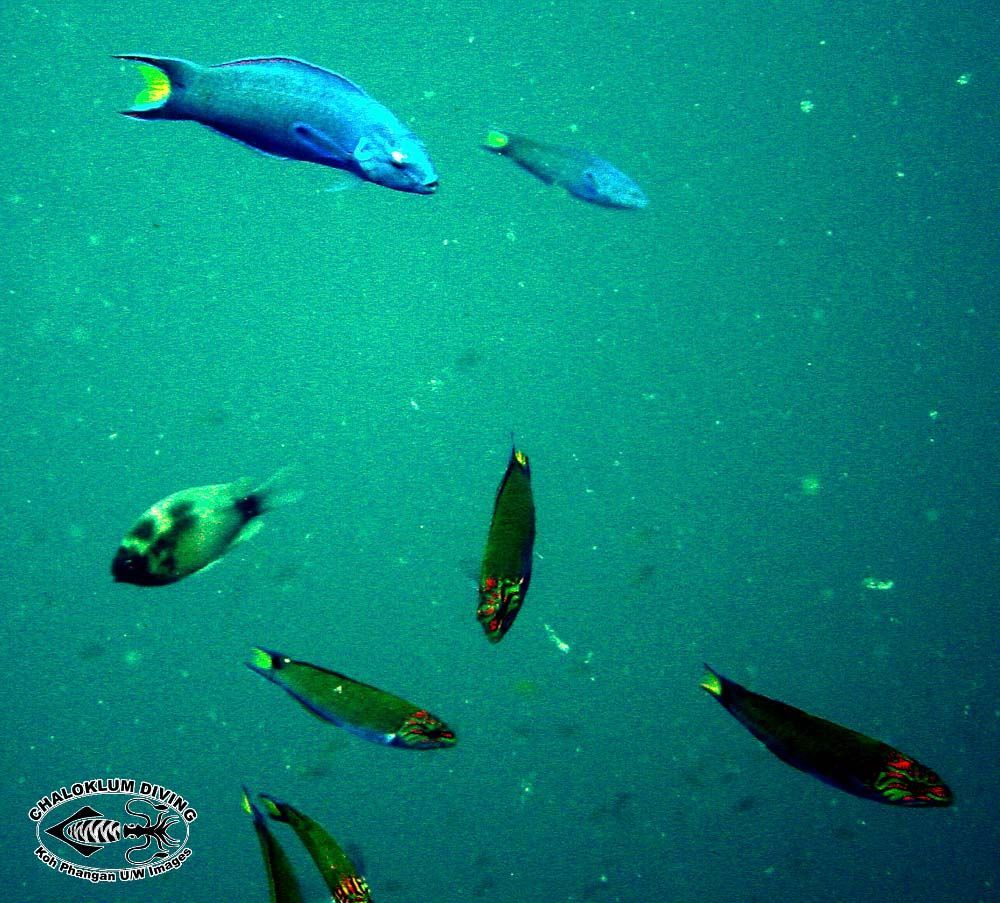
Thalassoma lunare (Linnaeus, 1758) (Blue wrasse)
Occurs in the upper portions of lagoon and coastal reefs, and in protected seaward reefs . Enters estuaries . Usually found on upper portions of ledges and heads . Feeds mainly on small benthic invertebrates and fish eggs . A protogynous hermaphrodite .
Thalassoma purpureum (Forsskål, 1775) (Surge wrasse)
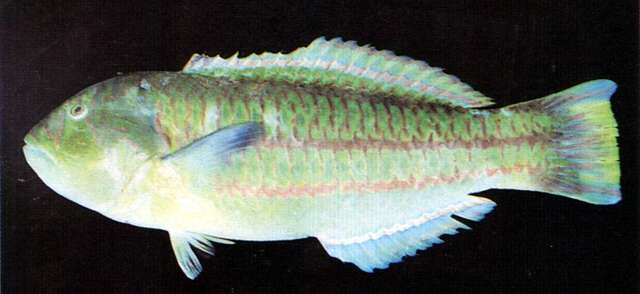
Scarus niger Forsskål, 1775 (loro)
Inhabits coral-rich areas of clear lagoons, channels, and outer reef slopes . Generally solitary . Juveniles in small groups on algae and coral reefs inshore . Feeds on benthic algae . Males maintain small harems and pair spawn .
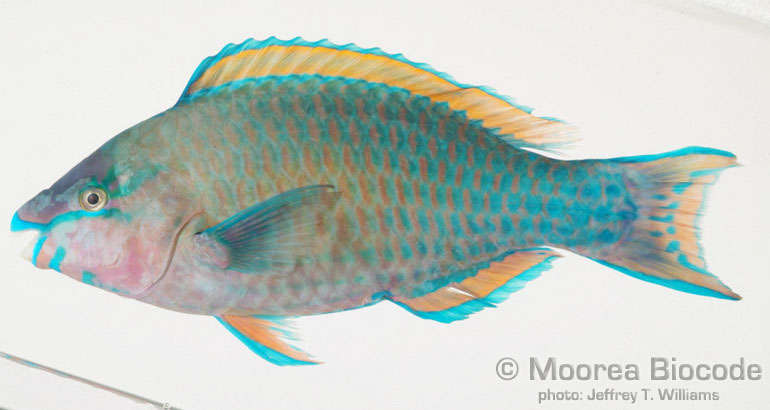
Scarus psittacus Forsskål, 1775 (Common parrotfish)
Inhabit reef flats and lagoon and seaward reefs to at least 25 m depth . Found over corals . Benthopelagic . Initial-phase fish stage usually form small feeding schools . Graze on benthic algae . Secrete a mucus cocoon .
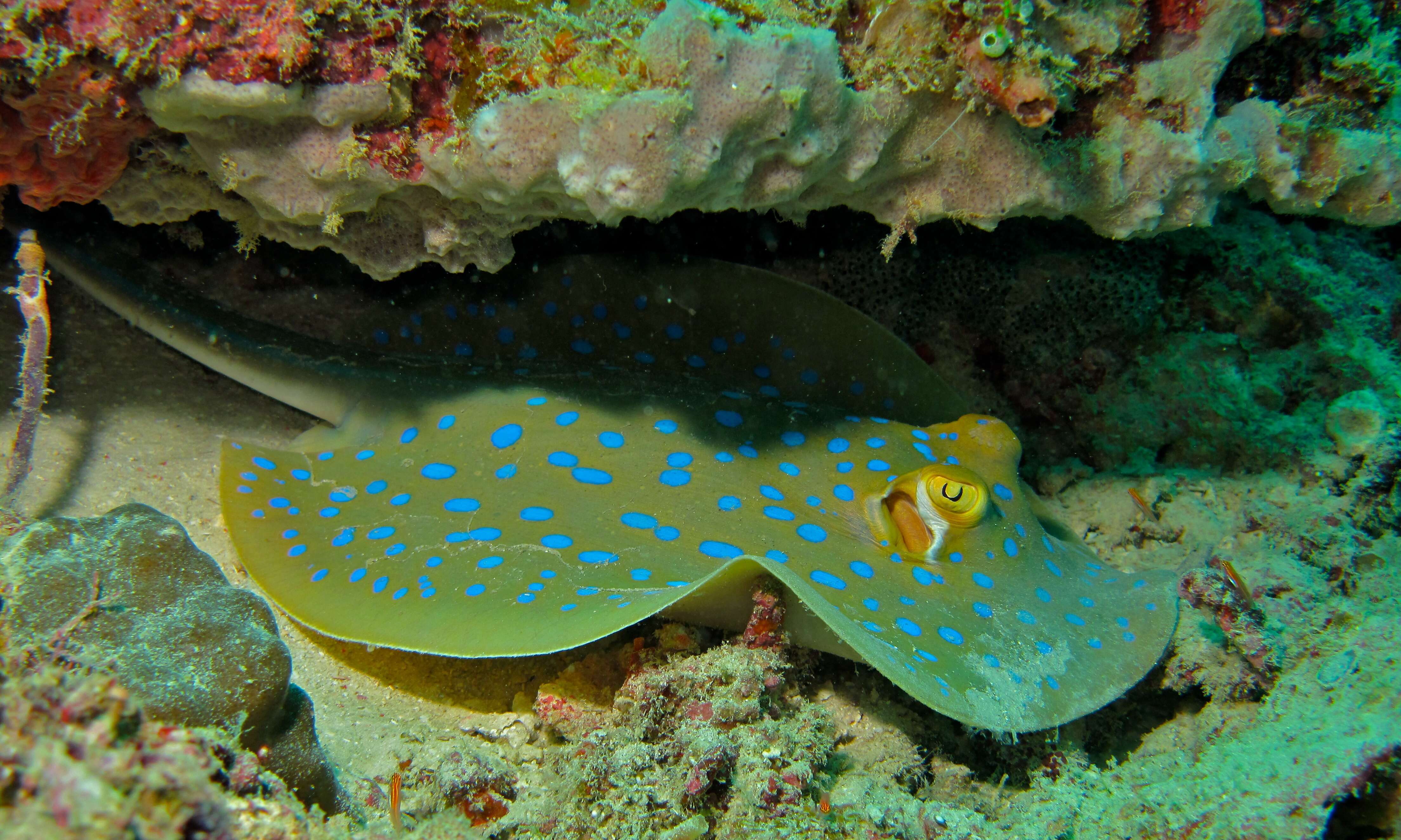
Taeniura lymma (Forsskål, 1775) (Bluespotted ribbontail ray)
Blue-spotted stingrays live alone or in small groups , migrating in large schools into shallow sandy areas on the rising tide in order to feed, and dispersing back into the ocean as the tide falls to shelter in the coral c...
Read More
Read More
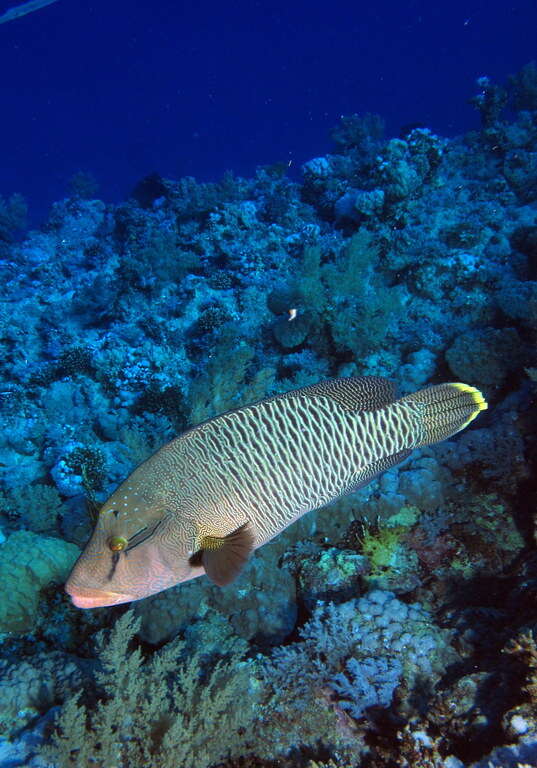
Cheilinus undulatus Rüppell, 1835 (Humphead wrasse)
Humphead wrasses are extremely long-lived, known to survive for at least 30 years, and taking around five to seven years to reach sexual maturity . Adults are usually solitary, spending the day roaming the reef and returni...
Read More
Read More
Share on Social Networks
- Facebook:

personalize your shared text as well as its destination (wall, page...) or send as a private message to a friend
- Twitter: Tweet personalize your tweet
- Google Plus:
Direct link to this dive
- Long link:
- Short link:


 We are participating today in the startup contest Techcrunch Disrupt. Support Diveboard by voting for us!
























































































Moored . Nice Dive]Headed down to pinnacles loads of swim arounds and swim throughs, Glassfish, Lionfish, large Napoleon. Lots of Blue Spotted Rays and a parrotfish with a chunk missing.