


 David 'dibs' Bishop

 Cuba
Cuba
-
Nº62
 Date: 2015-10-15 - 12:45
-
 Max Depth: 26m Duration: 45mins
Pictures

No pictures for this dive
- Temp: Surf 31°C Bottom 30°C
- Dive type : Recreational, Reef, Photo, Shore
- Visibility: Good Water: Salt
Specific gear used
- Light: Intova - 300 Lumen
- Fins: Atomic Aquatics - Split Fins
- Weights: 2 kg
Dive reviews
| Overall review | ||
| Dive difficulty | ||
| Marine life quality |
Recent Divers in Playa Giron
Recent Pictures in Playa Giron
Dive Shop & Buddies
 Dive with Barracuda Dive Center
 Dive buddies:
Kishna
Dive buddies:
Kishna

Link to this spot:
- Spot:
- Country:
- Area:
- Body of water:
Dive Profile
- 1. Air
- 12L Steel 200 → 80 bar
- Average depth: 12m
Data provided by EOL.org



Species Identified
Echeneis naucrates Linnaeus, 1758 (Live sharksucker)
Sphyraena barracuda (Edwards, 1771) (Alho)
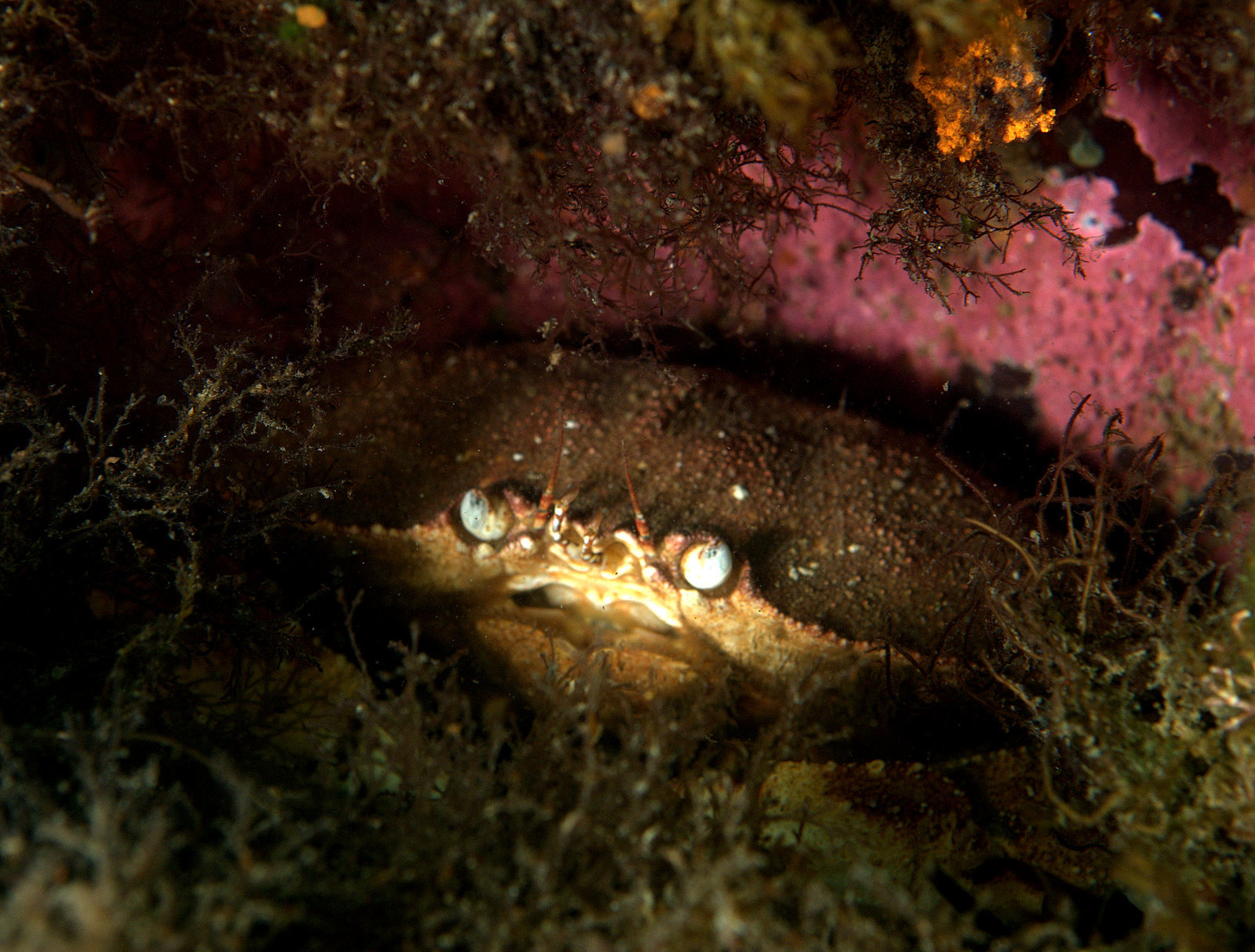
Cancer borealis Stimpson, 1859 (Jonah crab)
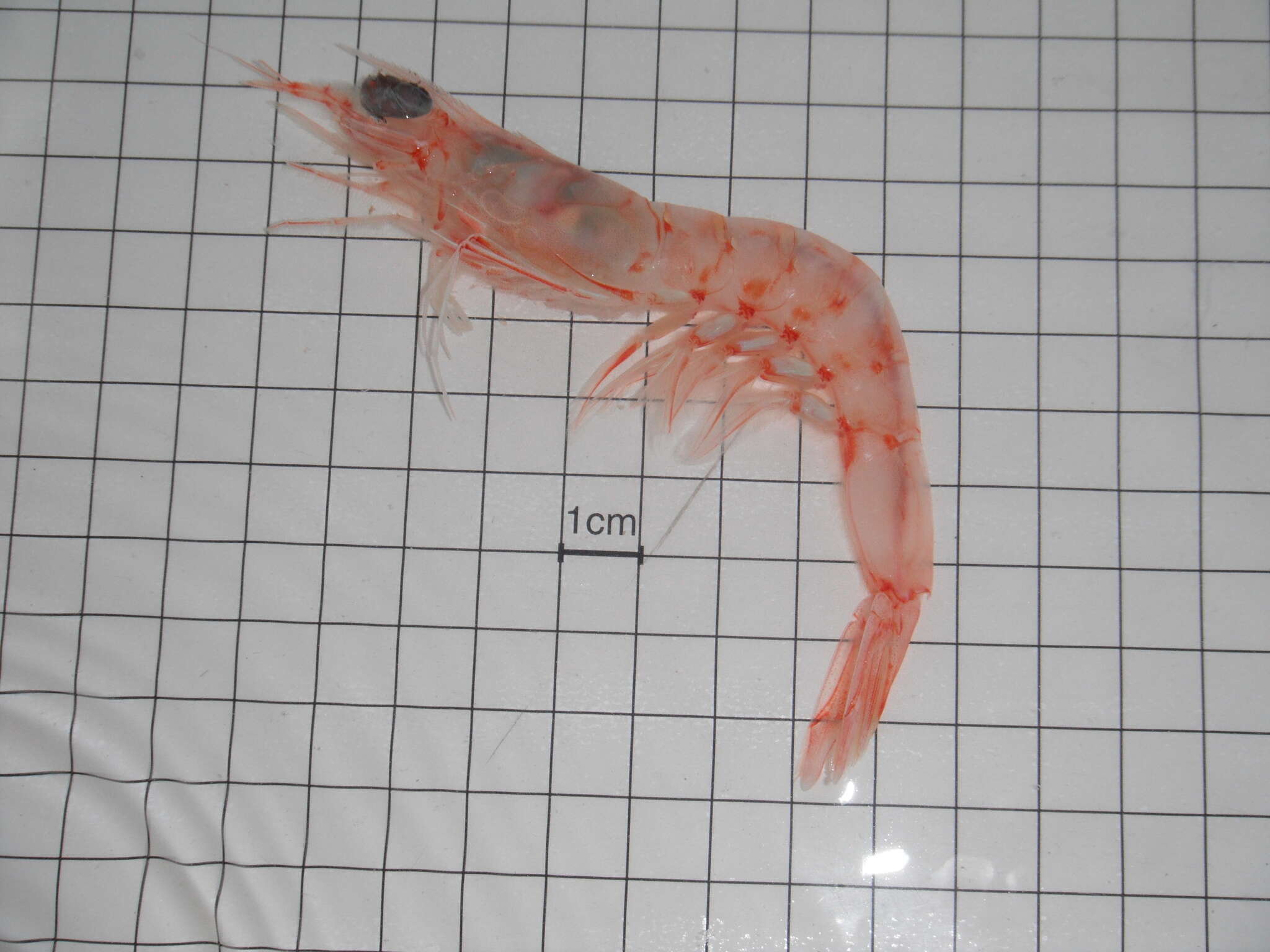
Penaeopsis serrata Bate, 1881 (megalops shrimp)
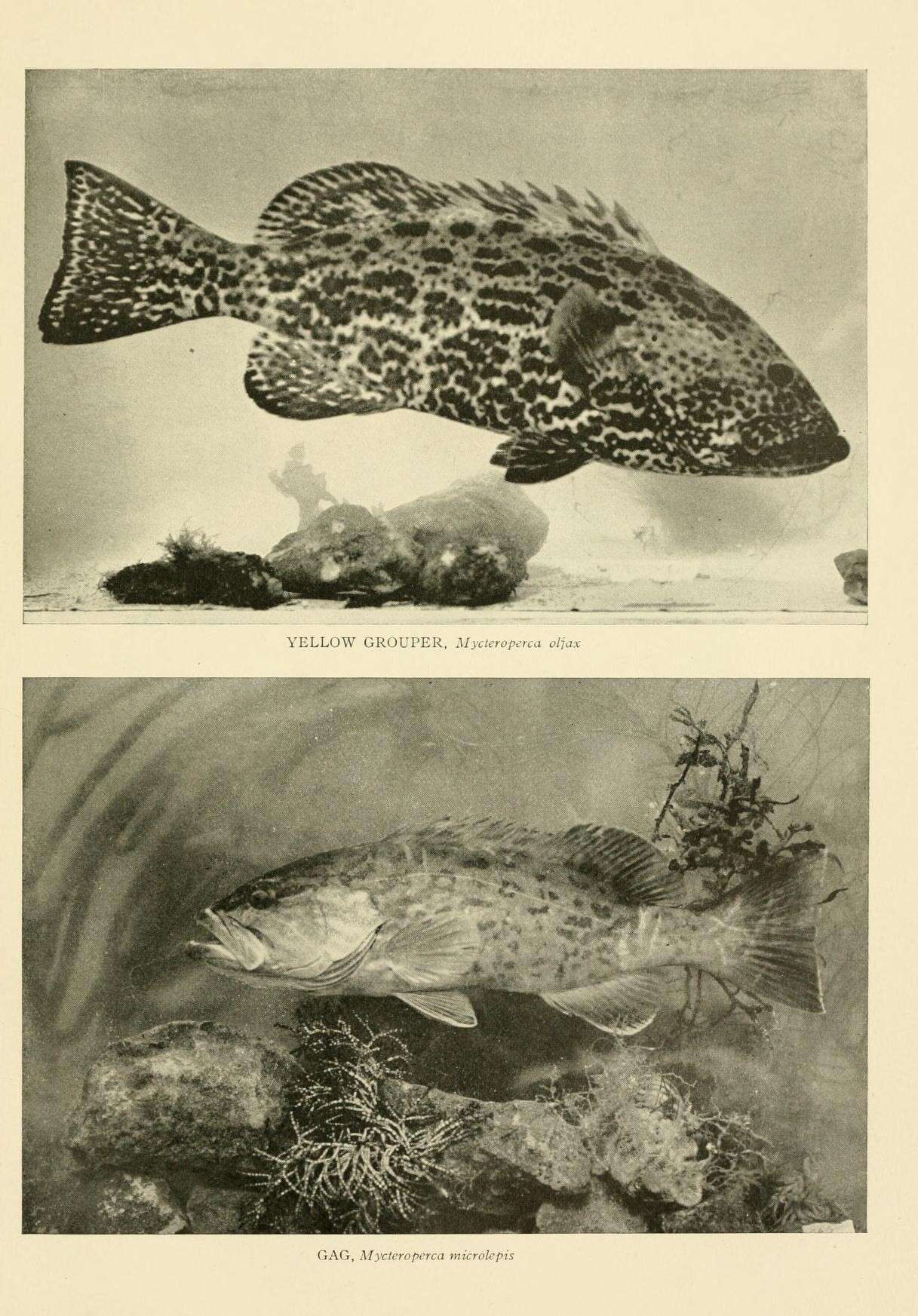
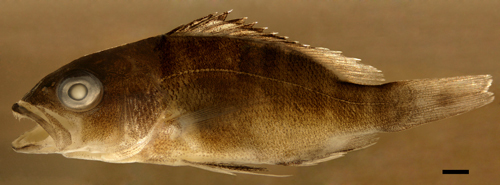
Mycteroperca venenosa (Linnaeus, 1758) (Grouper)
Adults found on rocky and coral reefs, juveniles occur in shallow turtle grass beds. Also been taken in trawls over mud bottom in the northern Gulf of Mexico. Feeds mainly on fishes and squids. Although often implicate...
Read More
Read More
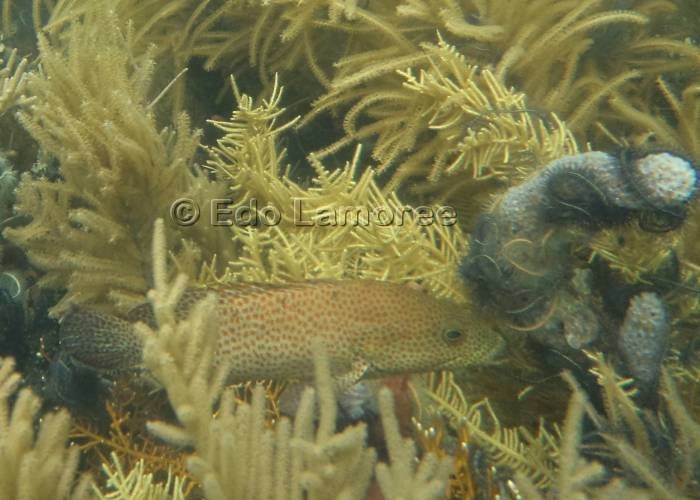
Cephalopholis cruentata (Lacepède, 1802) (Coney)
Inhabit Thalassia beds and coral reefs. In the Gulf of Mexico, they are found on rocky reef ledge in depths greater than 27 m. Solitary and secretive, they usually stay near hiding places during the day. Prefer to rema...
Read More
Read More
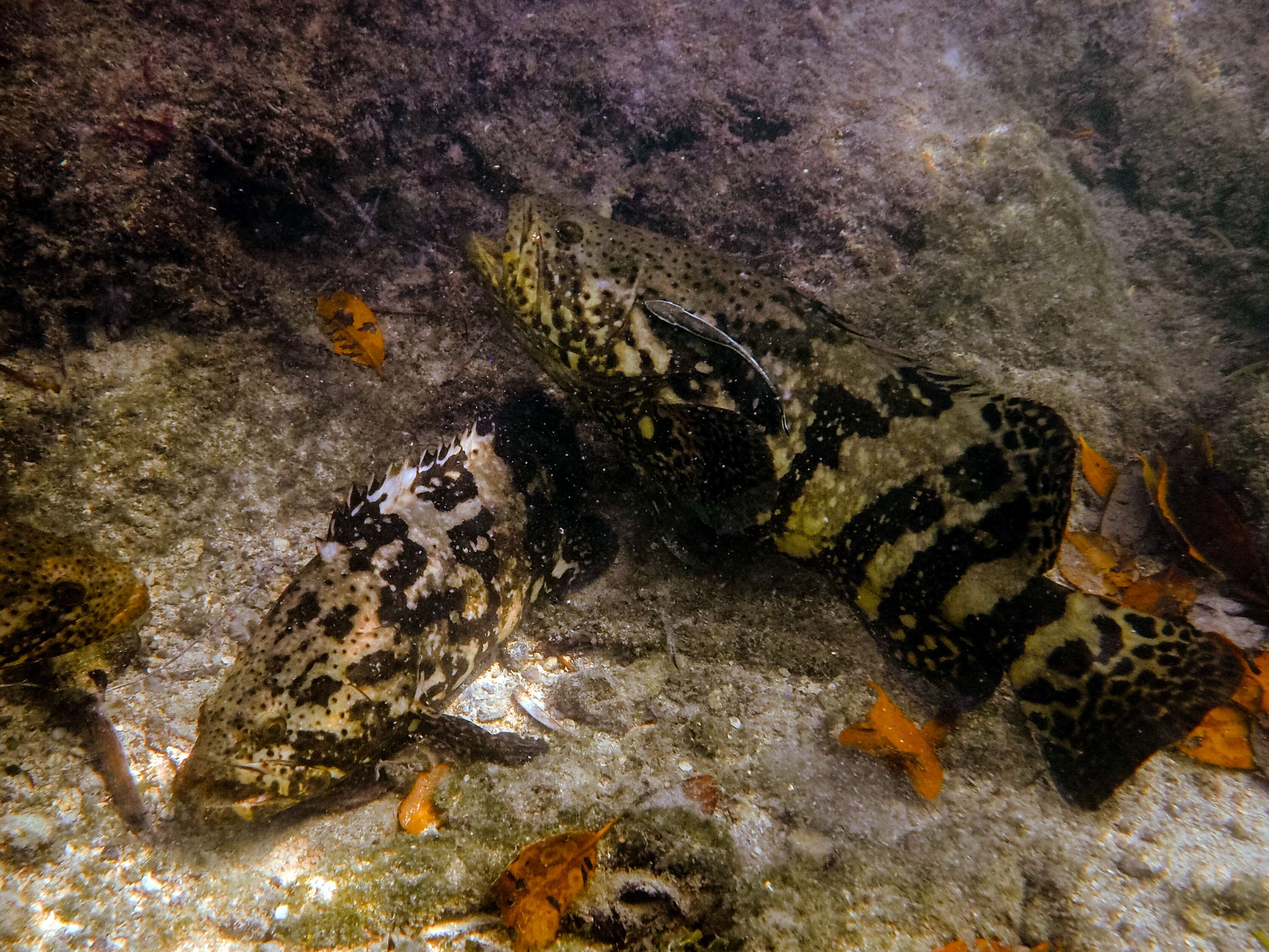
Epinephelus itajara (Lichtenstein, 1822) (Giant grouper)
The goliath grouper may be solitary or occur in groups of up to 50 or more individuals. Home range appears limited and the fish produces a booming sound when threatened by divers or large sharks. Variations of these voca...
Read More
Read More
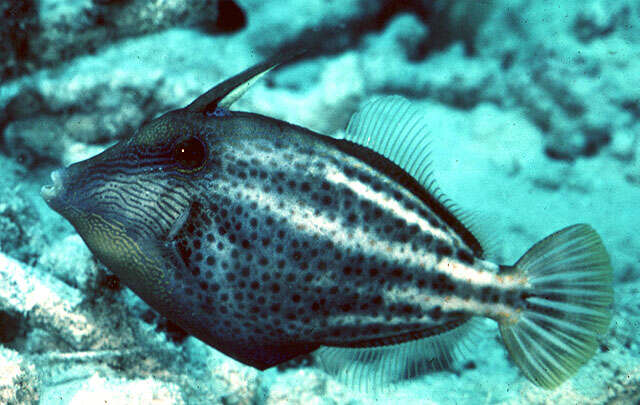
Cantherhines pullus (Ranzani, 1842) (chivo)
Found in shallow water and around coral and rocky reefs . Usually remains near the bottom, hiding among gorgonians and branching coral . Feeds on bottom growth, primarily sponge and algae, but stomach often contain tunic...
Read More
Read More
Stephanolepis hispidus (Linnaeus, 1766) (Common filefish)
Found on sand or mud bottoms. Associated with Sargassum . Adults feed on benthic invertebrates . Edible but generally rejected by fishers .
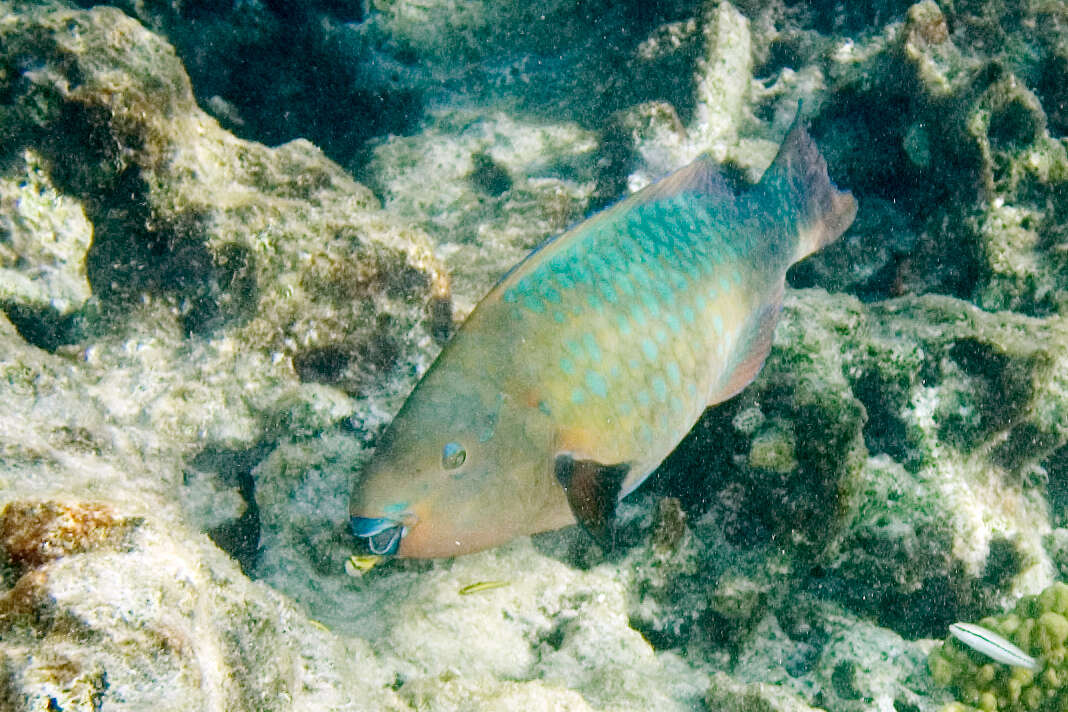
Scarus vetula Bloch and Schneider, 1801 (Blownose)
Inhabits coral reefs and adjacent habitats. Feeds on algae scraped from rocks or dead coral. Sleeps in a mucus cocoon . Often seen in groups of one super male with several young adults, most of which are probably females . A protogynous hermaphrodite .
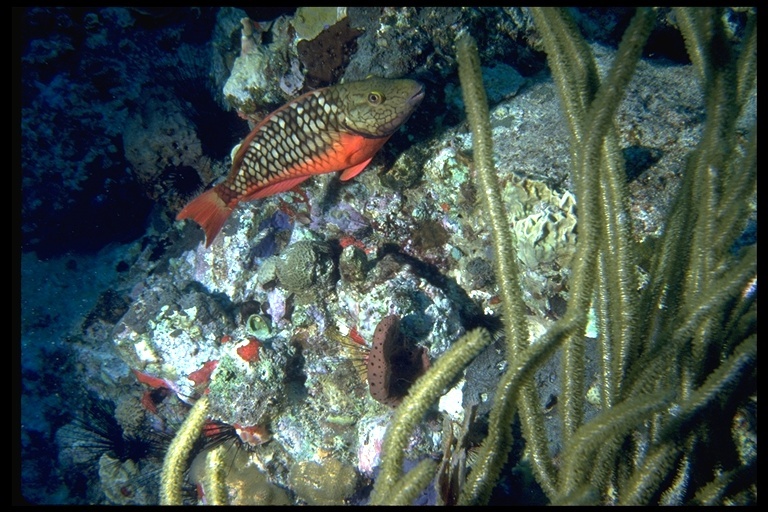
Sparisoma viride (Bonnaterre, 1788) (Dark green parrotfish)
Inhabits coral reefs with clear water . Young may be found in seagrass beds and other heavily vegetated bottoms. Feeds mainly on soft algae, but has been observed to graze on live corals like, Montastraea annularis . Pr...
Read More
Read More
Scarus guacamaia Cuvier, 1829 (Blue rainbow)
This herbivorous fish uses its strong beak-like mouthparts to scrape algae and other plant matter from the surface of the coral . This maintains the health of the reef by keeping algae in check, which could otherwise overw...
Read More
Read More
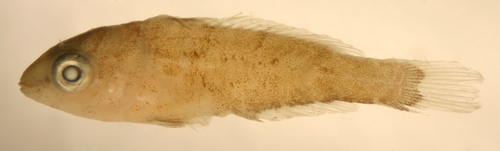
Nicholsina usta (Valenciennes, 1840) (Emerald parrotfish)
Lutjanus cyanopterus (Cuvier, 1828) (Cubera snapper)
Adults found mainly around ledges over rocky bottoms or around reefs. Young sometimes inhabit mangrove areas. Feeds mainly on fishes, shrimps and crabs . A wary fish, not easily approached underwater .
Lutjanus apodus (Walbaum, 1792) (Dogtooth snapper)
Occurs in shallow, clear, warm, coastal waters over coral reefs. Often near the shelter of elkhorn corals and gorgonians . Juveniles are encountered over sand bottoms with or without seagrass , and over muddy bottoms of ...
Read More
Read More
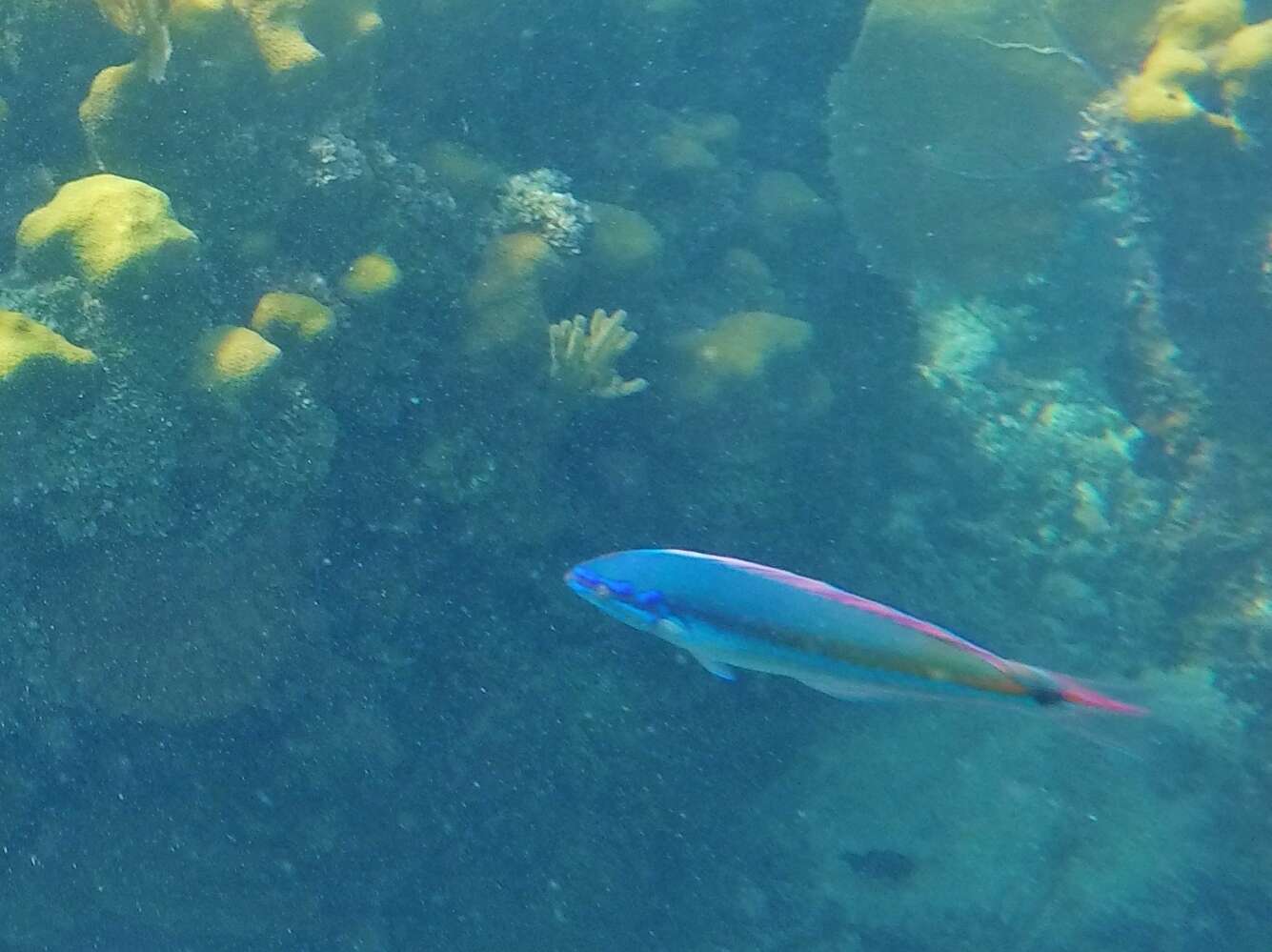
Halichoeres pictus (Poey, 1860) (painted wrasse)
Inhabits coral reefs, normally high above the bottom. Swims with worm-like movements. Feeds on various invertebrates. A protogynous hermaphrodite . Generally of no interest to fisheries because of its small average size .
Clepticus parrae (Bloch and Schneider, 1801) (Creole wrasse)
Inhabits seaward reef slopes; occasionally on shallow patch reefs . Found in large midwater aggregations feeding on plankton , small jellyfishes, pteropods, pelagic tunicates and various invertebrate larvae . Form leks during breeding . Also caught with beach nets .
Halichoeres garnoti (Valenciennes, 1839) (yellowhead wrasse)
Commonly found on shallow and deep reefs and exposed rocky ledges. Feeds on various invertebrates. Forms leks during breeding . A protogynous hermaphrodite . Constantly on the move but easily attracted by divers. Generally of no interest to fisheries because of its small average size .
Halichoeres bivittatus (Bloch, 1791) (slippery dick)
Commonly found in rocky and reef areas in shallow waters. Less common in seagrass beds. Feeds on other fishes and gastropods . Forms leks during breeding . A protogynous hermaphrodite .
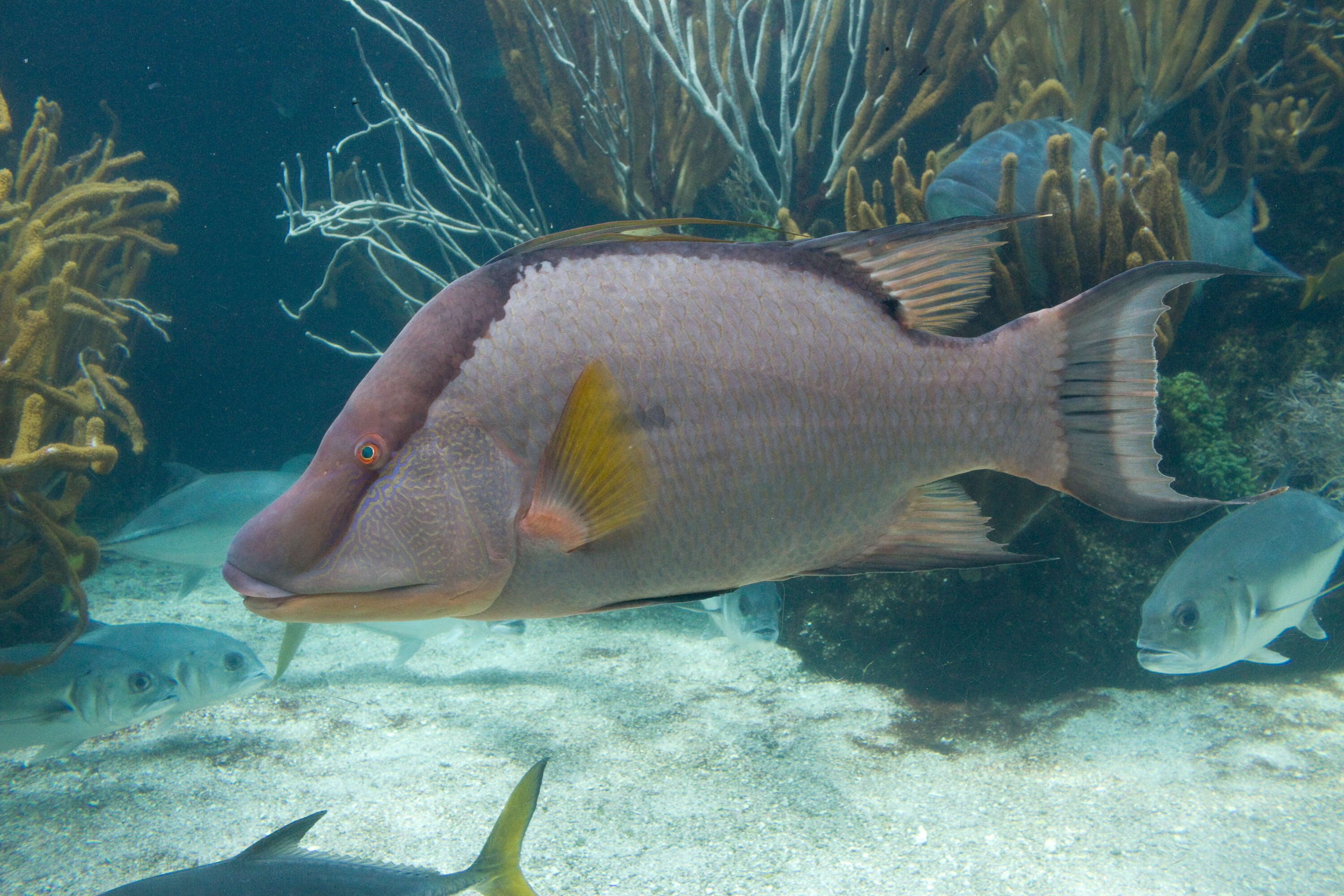
Lachnolaimus maximus (Walbaum, 1792) (Hogfish)
Hogfish have a fascinating life history; they are protogynous hermaphrodites, meaning that individuals first function sexually as females and then later, upon reaching a larger size, transform into males . This change gen...
Read More
Read More
Share on Social Networks
- Facebook:

personalize your shared text as well as its destination (wall, page...) or send as a private message to a friend
- Twitter: Tweet personalize your tweet
- Google Plus:
Direct link to this dive
- Long link:
- Short link:


 We are participating today in the startup contest Techcrunch Disrupt. Support Diveboard by voting for us!
























































































Giant Crab, Giant black Barracuda,Boxer shrimps,Large Groupers, Large File Fish &
remora fish