


 David 'dibs' Bishop

 Egypt
Egypt
-
Nº84
 Date: 2016-10-04 - 15:34
-
 Max Depth: 19m Duration: 55mins
Dive Location

- Surface interval:41 mins
- Temp: Surf 31°C Bottom 28°C
- Dive type : Recreational, Reef, Photo, Drift
- Visibility: Excellent Water: Salt
Specific gear used
- Fins: Atomic Aquatics - Split Fins
- Other: Atomic Aquatics - SV2 Snorkel
- Weights: 4 kg
Dive reviews
| Overall review | ||
| Dive difficulty | ||
| Marine life quality |
Recent Divers in Hurghada



Recent Pictures in Hurghada




Dive Shop & Buddies
 Dive with Russell from Pro Divers Corner
 Dive buddies:
Derek
Dive buddies:
Derek

Link to this spot:
- Spot:
- Country:
- Area:
- Body of water:
Dive Profile
- 1. Air
- 12L Steel 190 → 60 bar
- Average depth: 11m
Data provided by EOL.org



Species Identified
Eretmochelys imbricata (LINNAEUS) 1766 (Hawksbill Turtle)
Hawksbills may take decades to mature and it could be between 20 to 40 years before they are ready to breed . Upon reaching sexual maturity, a female will typically lay up to five clutches of around 100 to 140 eggs in one ...
Read More
Read More
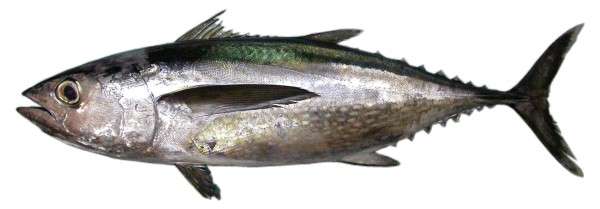
Thunnus tonggol (Bleeker, 1851) (Blue-fin tuna)
Predominantly neritic species avoiding very turbid waters and areas with reduced salinity such as estuaries. May form schools of varying size. Feeds on a variety of fishes, cephalopods, and crustaceans, particularly stom...
Read More
Read More
Sepioteuthis lessoniana Férussac, 1831 in Lesson, 1830-1831 (Bigfin reef squid)
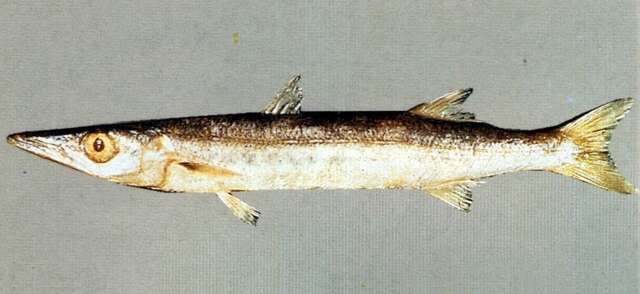
Sphyraena forsteri Cuvier, 1829 (Bigeye barracuda)
Nocturnally active, but occurring in large schools above lagoon patch reefs and along outer reef slopes during the day . Feeds mainly on fishes, but also on penaeid shrimps and squids. Sold fresh, frozen or dried salted. Reports of ciguatera poisoning need confirmation.
Sphyraena barracuda (Edwards, 1771) (Alho)
Gymnothorax javanicus (Bleeker, 1859) (Giant moray)
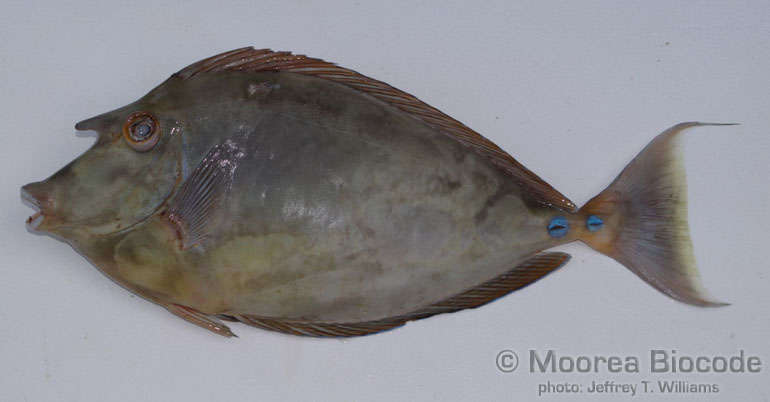
Naso unicornis (Forsskål, 1775) (Bluespine unicornfish)
Inhabit channels, moats, lagoon and seaward reefs with strong surge . Benthopelagic . Typically occurring in small groups. Juveniles in shallow protected bays and harbours . Mainly diurnal, feed on coarse leafy brown algae like Sargassum. Pair-spawning has been observed.
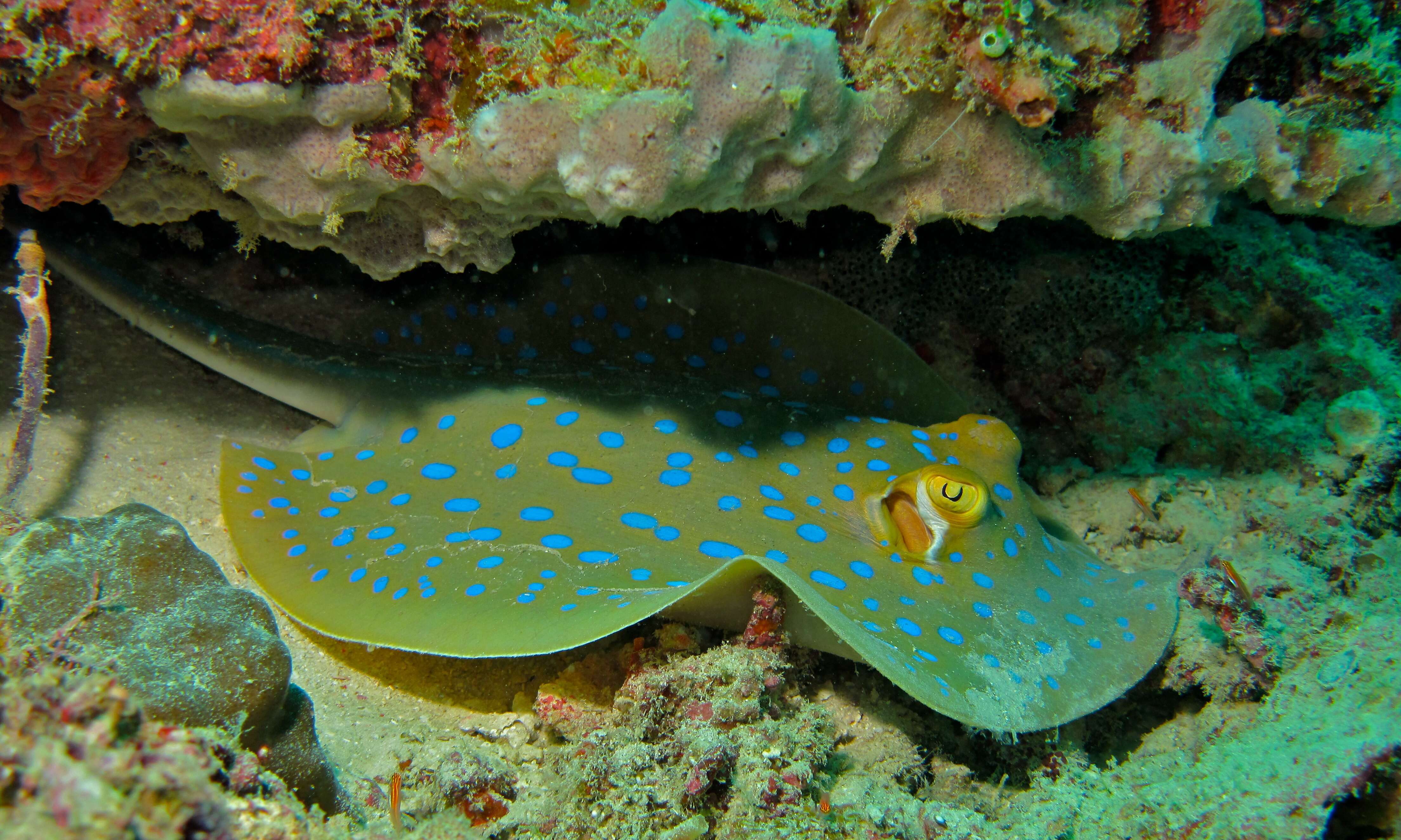
Taeniura lymma (Forsskål, 1775) (Bluespotted ribbontail ray)
Blue-spotted stingrays live alone or in small groups , migrating in large schools into shallow sandy areas on the rising tide in order to feed, and dispersing back into the ocean as the tide falls to shelter in the coral c...
Read More
Read More
Cephalopholis argus Bloch and Schneider, 1801 (Grouper)
A generally common species found in a variety of coral habitats from tide pools to depths of at least 40 m; prefers the 1 to 10 m reef zone. Juvenile prefers shallow, protected coral thickets . Benthic and benthopelagi...
Read More
Read More
Share on Social Networks
- Facebook:

personalize your shared text as well as its destination (wall, page...) or send as a private message to a friend
- Twitter: Tweet personalize your tweet
- Google Plus:
Direct link to this dive
- Long link:
- Short link:


 We are participating today in the startup contest Techcrunch Disrupt. Support Diveboard by voting for us!






















































































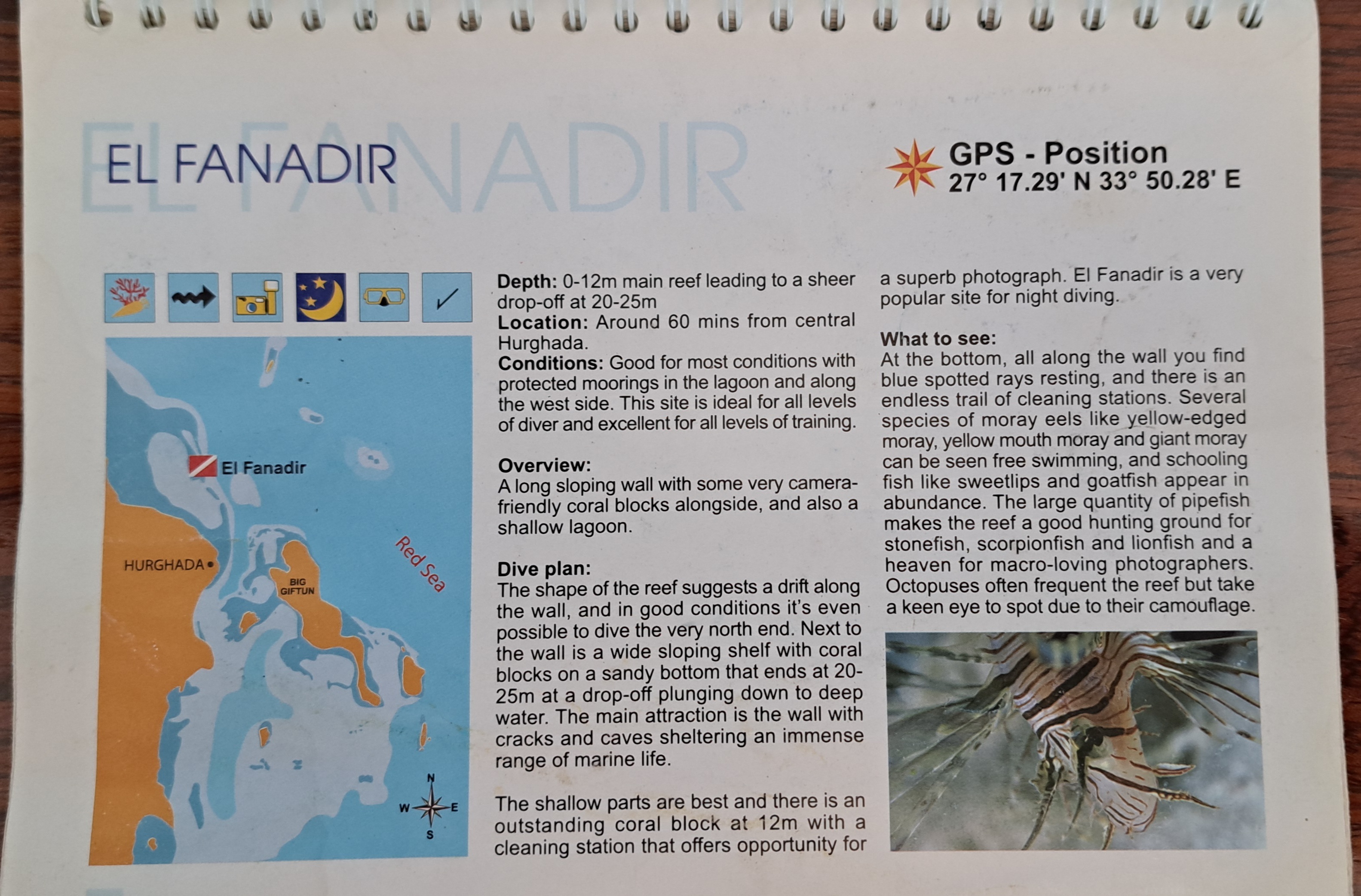
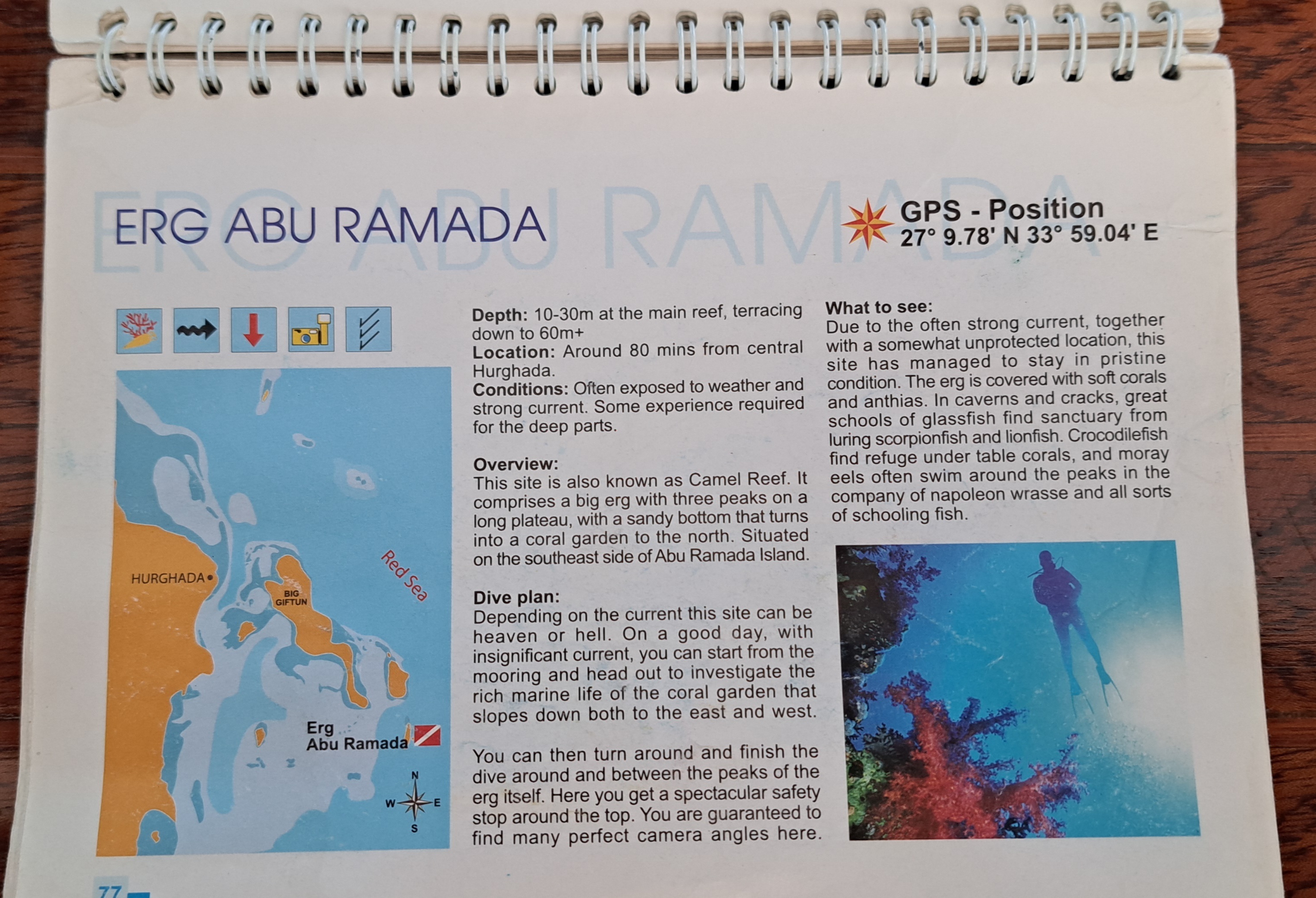
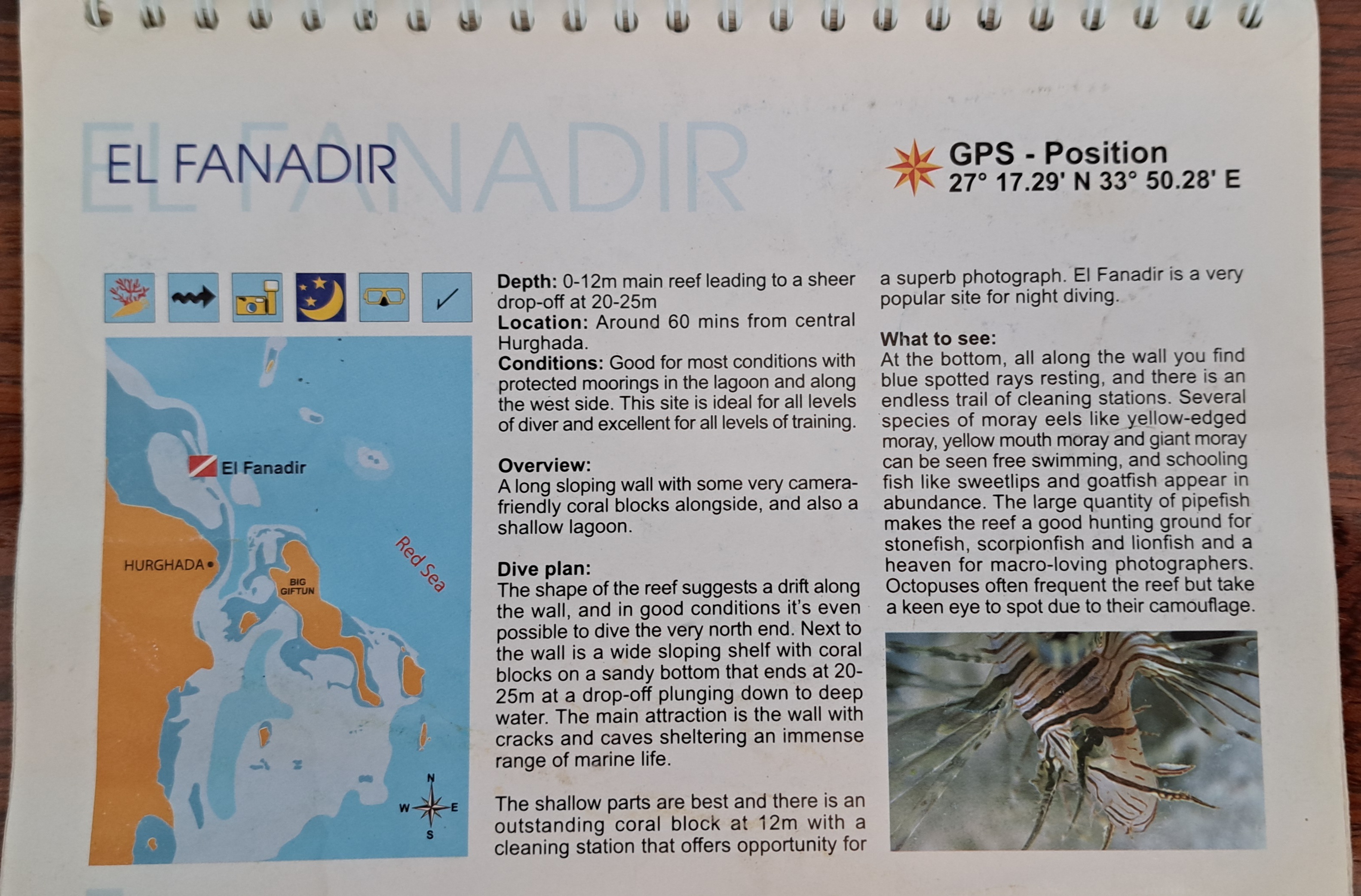
Zodiac Drift Dive
Turtle, Squid, Giant barracuda, Moray eels, Unicorn fish, Tuna, yellow tuna Blue spot Rays Porcupinefish, Bluespotted Rays