


 Jonathan

 United States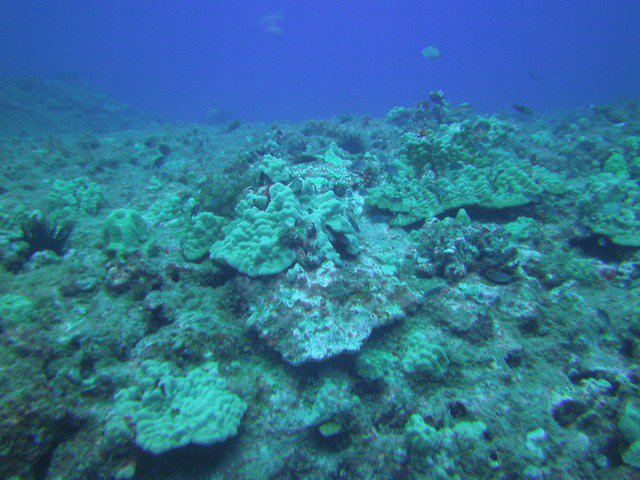
-
Nº36
 Date: 2013-10-27 - 10:52
-
 Max Depth: 21.9m Duration: 40mins
Dive Location

- Temp: Surf 27°C Bottom 24°C
- Dive type : Recreational, Deep dive, Drift, Reef
- Visibility: Excellent Water: Salt
Specific gear used
- Wet suit: - Sleeve Less
- Mask: - GoPro
- Fins: Oceanic -
- BCD: Mares - Rover Pro
- Camera: Intova - IC14
- Regulator: Mares - Rover 2S
- Regulator: Mares - Prestige Octopus
- Boots: Tabata / Tusa - Imprex 5mm
- Computer: Cressi Sub - Leonardo
- Weights: 5.9 kg
Recent Divers in Oahu, HI

Recent Pictures in Oahu, HI
Dive Shop & Buddies
 Dive with Dive Oahu, Inc.
 Dive buddies:
Kenny Hall
Dive buddies:
Kenny Hall

Link to this spot:
- Spot:
- Country:
- Area:
- Body of water:
Dive Profile
- 1. Air
- 10L Aluminium 207 → 83 bar
- Average depth: 17.2m
Data provided by EOL.org





Species Identified
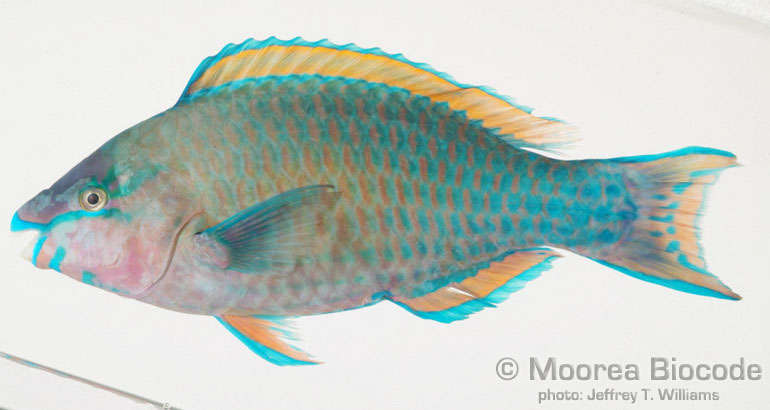
Scarus psittacus Forsskål, 1775 (Common parrotfish)
Inhabit reef flats and lagoon and seaward reefs to at least 25 m depth . Found over corals . Benthopelagic . Initial-phase fish stage usually form small feeding schools . Graze on benthic algae . Secrete a mucus cocoon .
Gymnothorax flavimarginatus (Rüppell, 1830) (Yellow-edged moray)
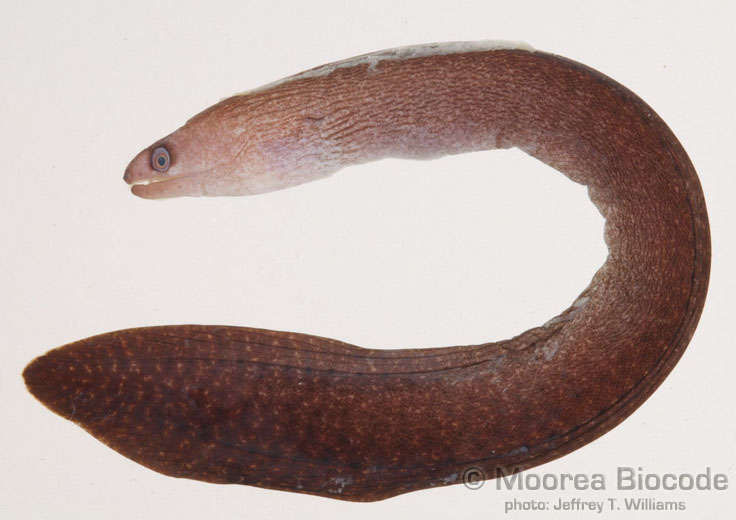
Gymnothorax eurostus (Abbott, 1860) (Abbott's moray eel)
Benthic in crevices .
Cephalopholis argus Bloch and Schneider, 1801 (Grouper)
A generally common species found in a variety of coral habitats from tide pools to depths of at least 40 m; prefers the 1 to 10 m reef zone. Juvenile prefers shallow, protected coral thickets . Benthic and benthopelagi...
Read More
Read More
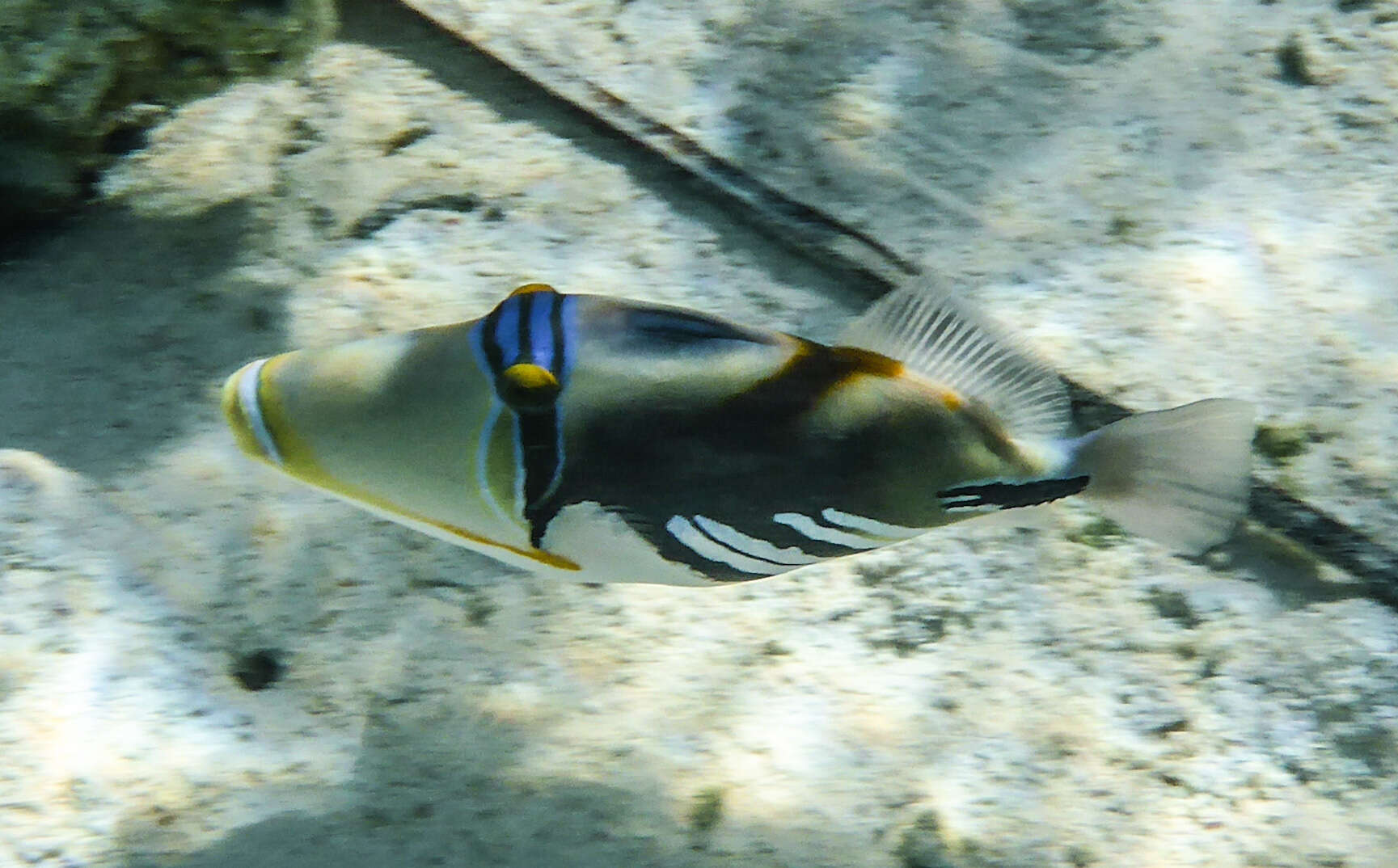
Rhinecanthus rectangulus (Bloch and Schneider, 1801) (Wedge-tail triggerfish)
Occur in shallow outer reefs subject to surge . Commonly found over barren rock or the spur-and-groove zone where there is a mixture of bare rock, rubble, and coral. Juveniles on algae reef . Benthopelagic . Feed on al...
Read More
Read More
Rhinecanthus aculeatus (Linnaeus, 1758) (Blackbar triggerfish)
Commonly found in subtidal reef flats and shallow protected lagoons, Ref. 48637. Benthopelagic . Juveniles secretive with rubble patches, adults swim about openly but are usually shy . Territorial. Feed on algae, detri...
Read More
Read More
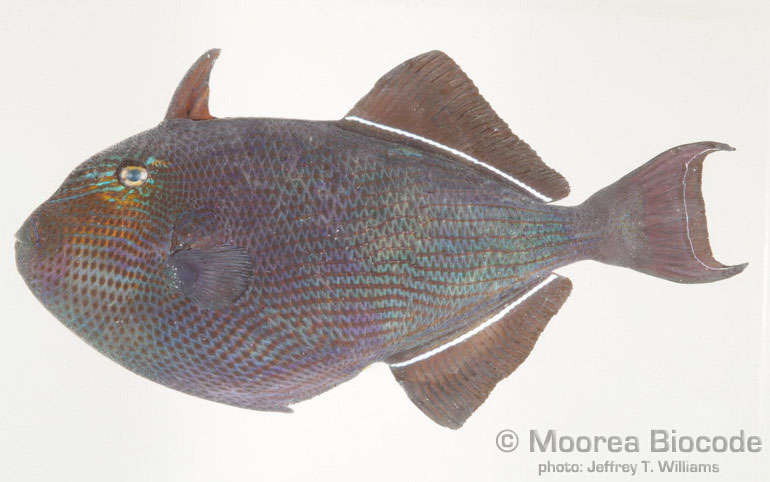
Melichthys niger (Bloch, 1786) (Black triggerfish)
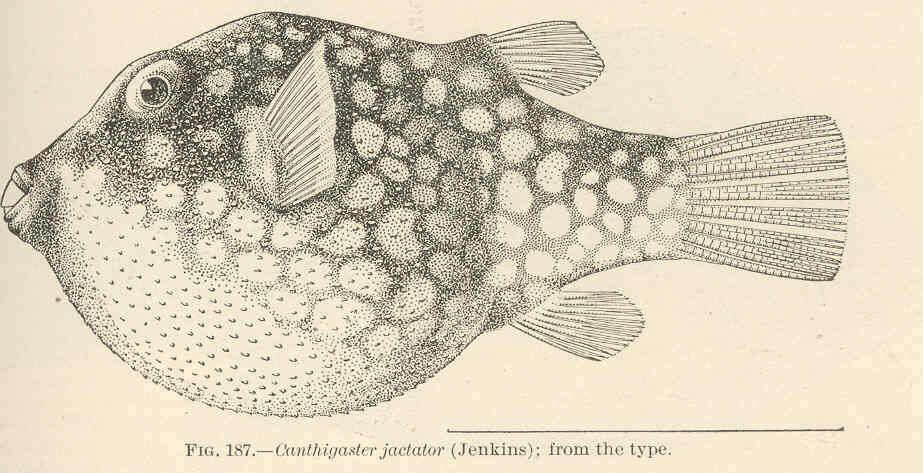
Canthigaster jactator (Jenkins, 1901) (Hawaiian whitespotted toby)
Commonly found on lagoon and seaward reefs . Benthopelagic over coral, rock, rubble, and sand at 1-89 m . Feeds on sponges, algae, detritus, tunicates, polychaetes, bryozoans, sea urchins, brittle stars, crabs, peanut worms, shrimps, zoanthids, fishes, amphipods and foraminiferans .
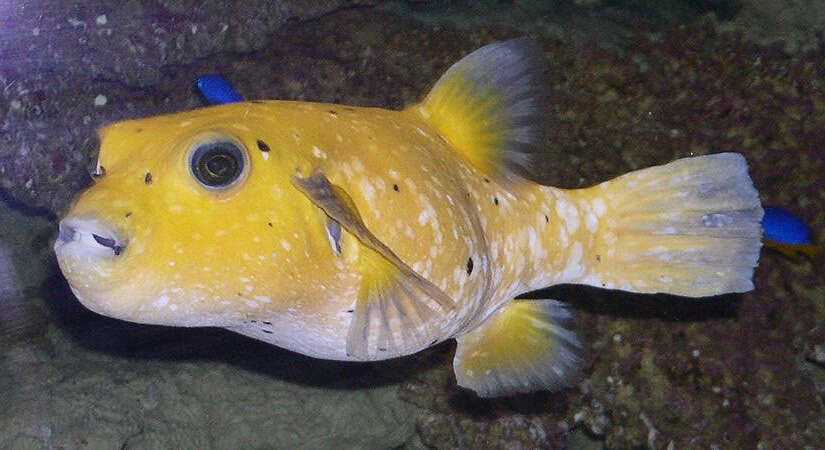
Arothron meleagris (Lacepède, 1798) ('opu hue)
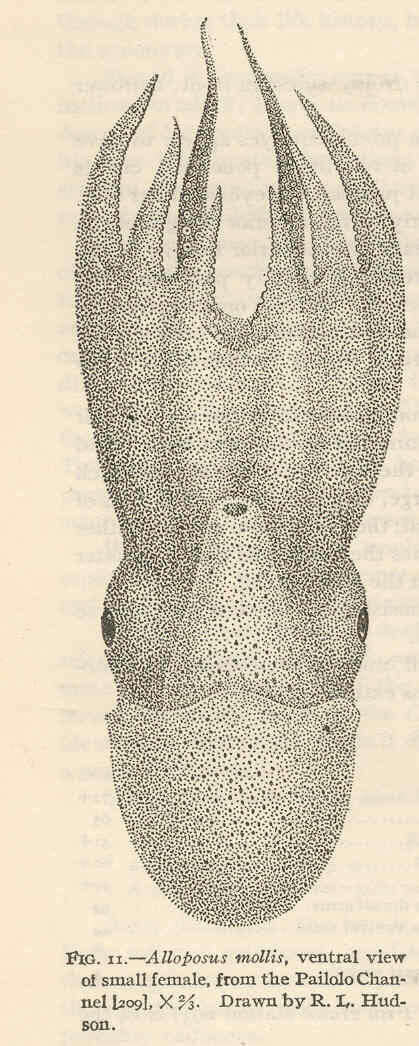
Haliphron atlanticus Steenstrup, 1861 (Octopus)
Sebastapistes ballieui (Sauvage, 1875) (Spotfin scorpionfish)
Inhabits shallow reefs . Benthic in or near coral .
Acanthaster planci (Linnaeus, 1758) (crown-of-thorns starfish)
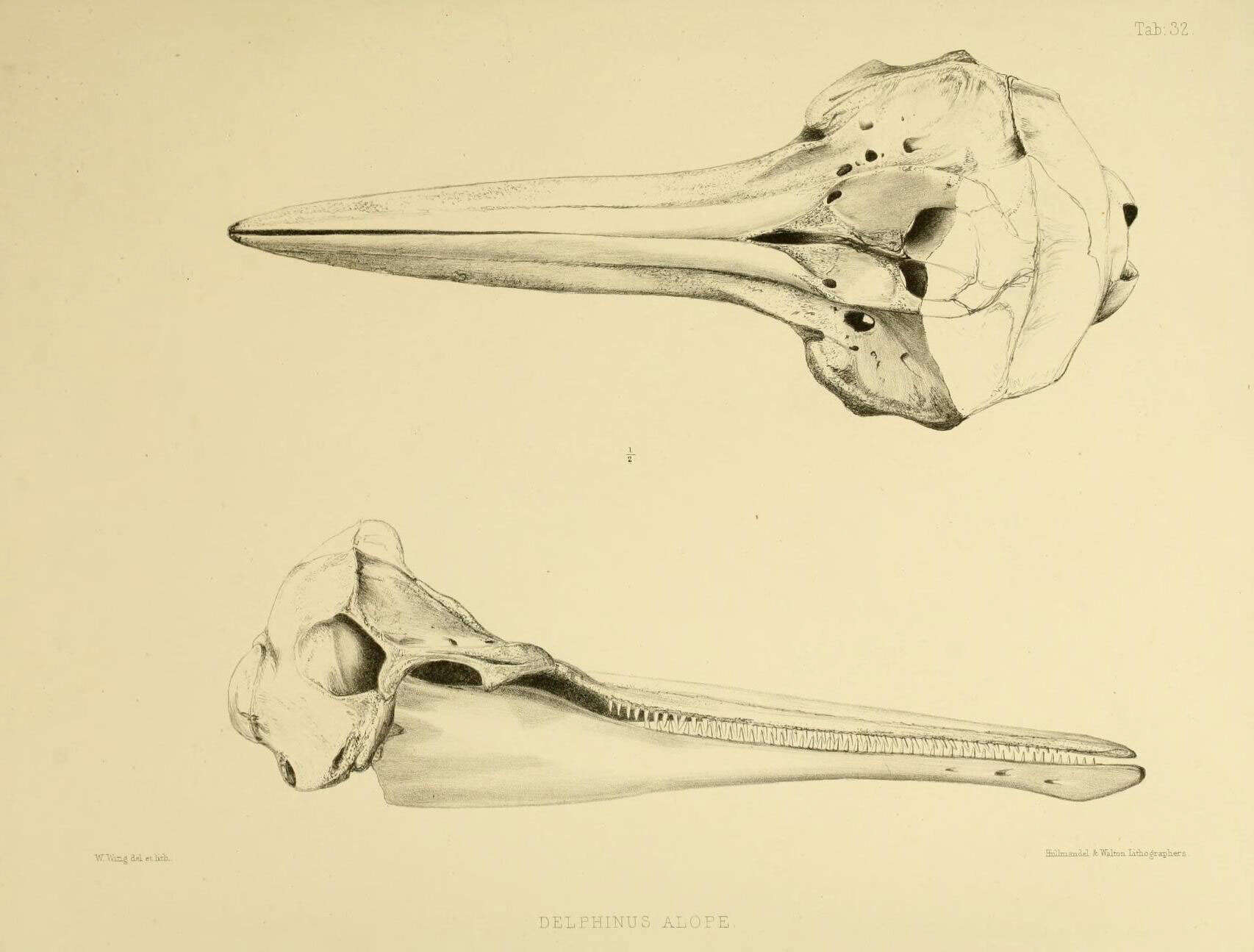
Stenella longirostris (Gray, 1828) (spinner dolphin)
Spinner dolphins move about the oceans in schools; groups that vary in size from just a few dolphins to over a thousand. They commonly school with other species such as pantropical spotted dolphins, or small toothed whale...
Read More
Read More
Acanthocybium solandri (Cuvier, 1832) (Barracuda)
Share on Social Networks
- Facebook:

personalize your shared text as well as its destination (wall, page...) or send as a private message to a friend
- Twitter: Tweet personalize your tweet
- Google Plus:
Direct link to this dive
- Long link:
- Short link:


 We are participating today in the startup contest Techcrunch Disrupt. Support Diveboard by voting for us!
























































































Dive #2 for the day and it also did not disappoint. Saw some interesting species on the way here from Moku Manu like a pod of spinner dolphins and even a Wahoo!
This was another site that is new to me. We entered by giant stride off the boat and followed the current following the rock formation. The water was in pristine condition. During descent, had some trouble equalizing the left ear; ascended to about 15' and attempted to equalize again.
We found 3 takos a this site! Also saw my very first scorpionfish and lionfish in the same area! They were hiding behind a well developed finger coral. Also saw the crown-of-thorns star!
Dive buddy was running low on air, so ascended up the line and performed safety stop. Deployed sausage at the surface for boat retrieval.
Switched fins with dive buddy so he could try out the Seawing Novas.